 Optical Fiber
 ADSS Fiber Optic Cable
 ASU Fiber Optic Cable
 FTTH Fiber Optic Cable
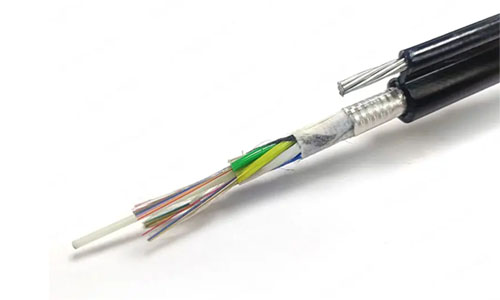 Figure 8 Fiber Optic Cable
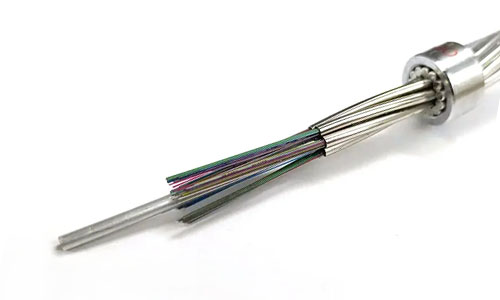 OPGW Fiber Optic Cable
 Coaxial Cable
 Ethernet Cable
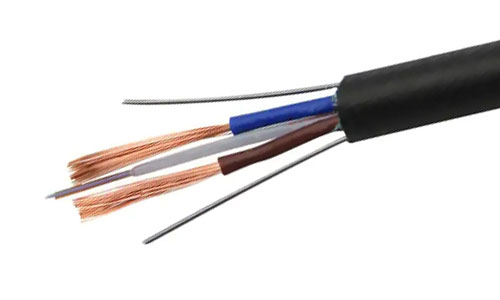 Photoelectric Composite Fiber Optic Cable
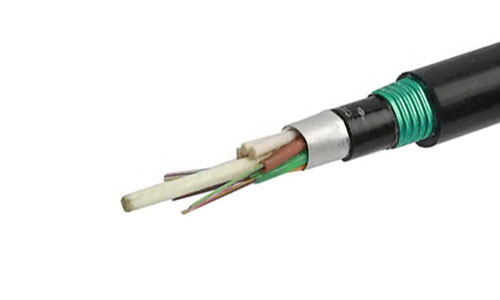 Underground & Pipeline Fiber Optic Cable
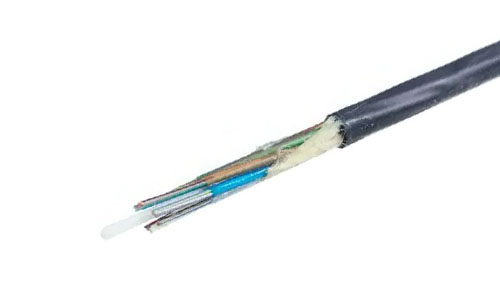 Air-Blown Micro Fiber Optic Cable
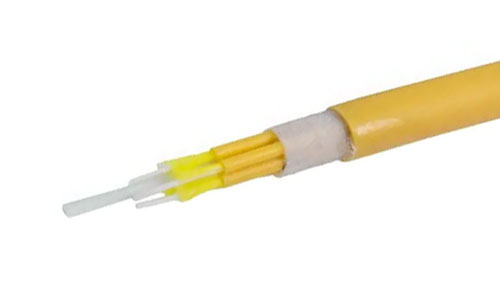 Indoor Fiber Optic Cable
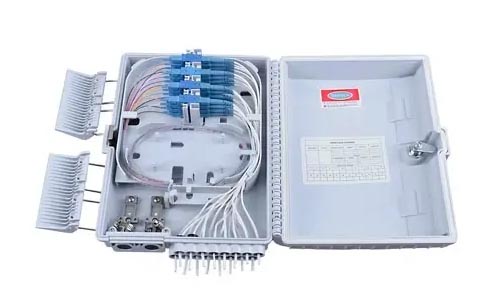 Fiber Optic Distribution Box
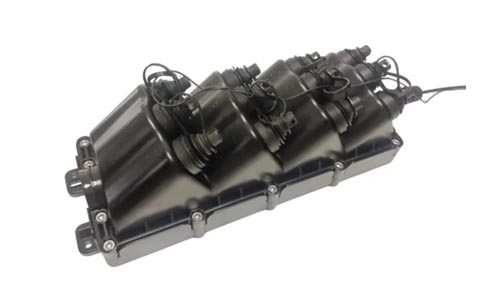 Multiport Service Termina Box
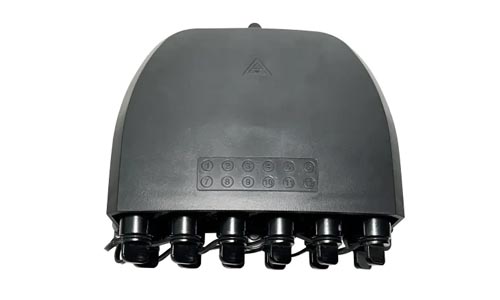 Fiber Optical Terminal Box
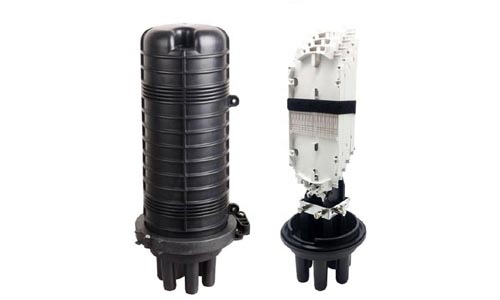 Fiber Optic Splice Closure
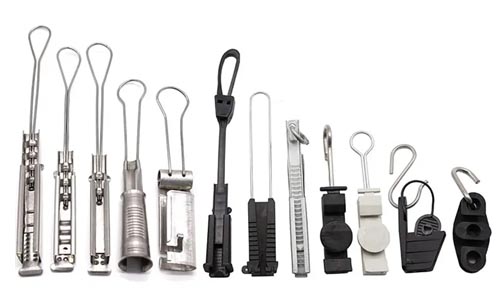 Fiber Optic Clamps
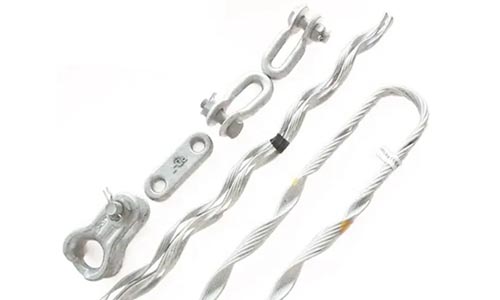 Fiber Optic Cable Fittings
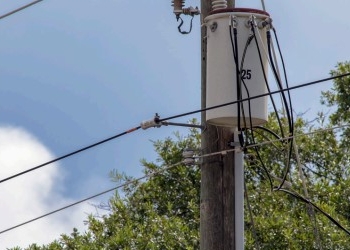 ADSS Fiber Cable
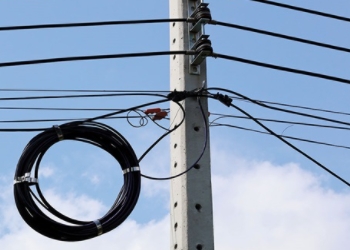 ASU Fiber Cable
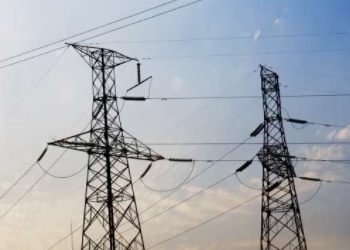 OPGW Fiber Cable
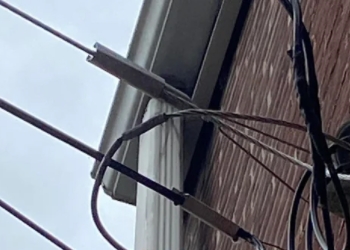 FTTH Fiber Cable
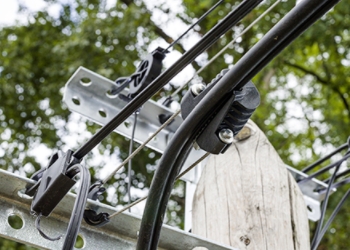 Figure 8 Fiber Cable
 Photoelectric Composite Fiber Cable
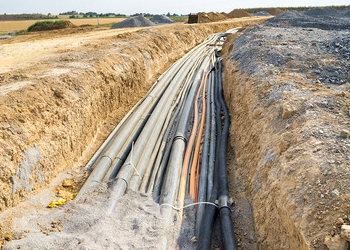 Underground & Pipeline Fiber Cable
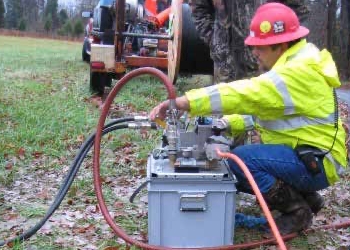 Air-Blown Micro Fiber Cable
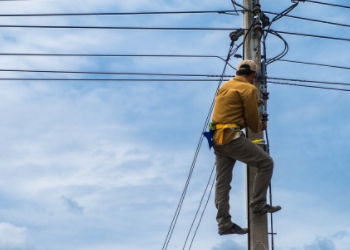 Aerial Fiber Cable
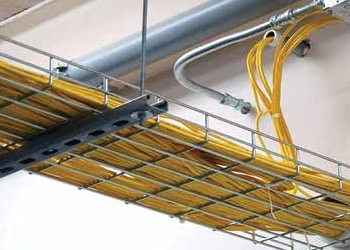 Indoor Fiber Cable
 Fiber Optical Terminal Box
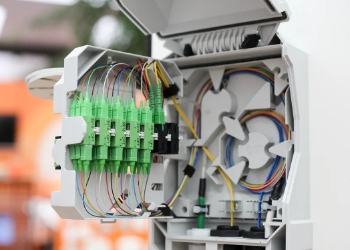 Fiber Optic Distribution Box
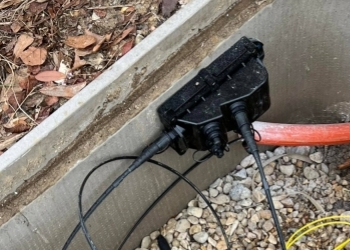 Multiport Service Termina Box
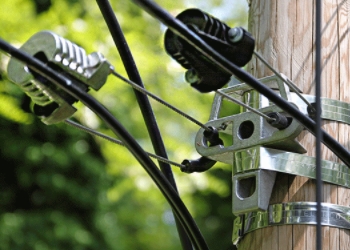 Fiber Optic Clamps
 About Us
 Our Team
 History
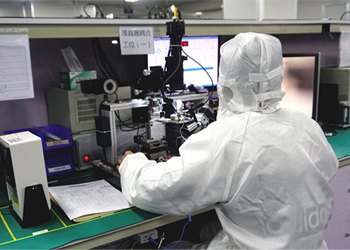 R&D Strength
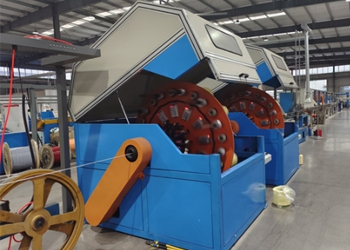 Production Base
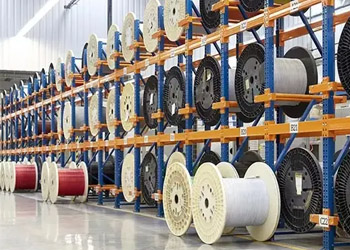 Warehouse & Logistics
 Quality
 FAQs
-

Product Brochure
Download
FTTH Drop Cable: Definition, Types, Features, Applications, and Selection Guide
1. What Is FTTH Drop Cable?
An FTTH drop cable is a fiber optic cable designed to connect a fiber access network to an end user's premises, such as a house, apartment, office, or commercial building. FTTH stands for Fiber to the Home, a broadband network architecture that delivers optical fiber connections directly to residential or business locations.
FTTH drop cables form the final connection between the fiber distribution network and the subscriber. They typically run from a fiber distribution point, optical distribution box, or multiport service terminal to an optical network terminal (ONT) or optical network unit (ONU).
Unlike traditional copper cables, FTTH drop cables transmit data using optical signals through glass optical fibers. This enables high bandwidth, low signal attenuation, and reliable data transmission over long distances.
FTTH drop cables are commonly used in fiber-to-the-home (FTTH), fiber-to-the-building (FTTB), and other fiber access networks. Depending on the installation environment, they may be designed for indoor routing, outdoor aerial installation, duct deployment, or building entry.
The most common FTTH drop cable designs include flat butterfly cables, round drop cables, and self-supporting drop cables. Each design offers different mechanical properties and installation advantages.
In simple terms: An FTTH drop cable connects the local fiber distribution network to the user's premises, providing the final optical link required for high-speed broadband services.

2. Structure and Materials of FTTH Drop Cable
The structure of an FTTH drop cable depends on its design and intended installation environment. A typical flat FTTH drop cable contains the following components.
2.1 Optical Fiber
The optical fiber is the core transmission medium. Single-mode optical fiber is commonly used in FTTH networks because it supports high-capacity transmission over long distances.
Common fiber options include G.652.D and G.657.A1 or G.657.A2. G.657 fibers are particularly useful for access networks where tight bends may occur during installation inside buildings.
The appropriate fiber type should be selected according to network design, optical performance requirements, and applicable standards.
2.2 Strength Members
Strength members improve the tensile performance of the cable and help protect the optical fiber from mechanical stress.
Common materials include:
-
FRP (fiber-reinforced plastic)
-
Steel wire
-
Other suitable reinforcing materials, depending on cable design
FRP strength members provide non-metallic reinforcement, while steel wire may offer additional mechanical support in certain designs.
2.3 Outer Sheath
The outer sheath protects the internal components from abrasion, moisture exposure, and other environmental factors.
Common sheath materials include LSZH (low-smoke zero-halogen) compounds for suitable indoor applications and PE (polyethylene) for many outdoor cable designs.
Material selection should consider flame performance, UV resistance, temperature range, installation method, and local regulations.
2.4 Optional Supporting Components
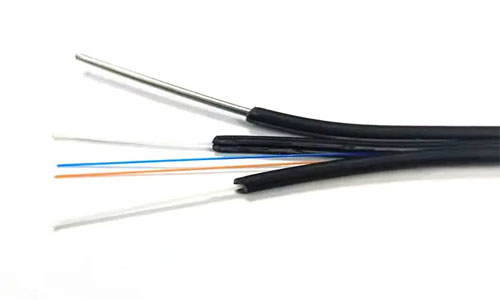
Some self-supporting FTTH drop cables include a messenger wire or another integrated support element. This allows the cable to span suitable aerial distances without requiring a separate support wire in every design.
The final cable structure depends on the manufacturer's specification and the intended installation conditions.
3. Main Types of FTTH Drop Cable
Selecting the correct FTTH drop cable helps improve installation efficiency, mechanical reliability, and long-term network performance.
3.1 Flat FTTH Drop Cable
Flat FTTH drop cable, often called butterfly drop cable, typically features a compact, flat profile with optical fiber positioned between two strength members.
Key features:
-
Compact structure and lightweight construction
-
Convenient routing through narrow spaces
-
Easy handling and termination
-
Suitable for many indoor and building-entry applications
Flat drop cables are widely used in residential broadband installations, particularly where the cable must pass through conduits, cable clips, or narrow indoor routes.
3.2 Self-Supporting FTTH Drop Cable
Self-supporting FTTH drop cable is designed for suitable aerial applications. Its construction incorporates a supporting element that helps carry the cable's mechanical load.
Key features:
-
Suitable for aerial subscriber connections
-
Integrated mechanical support
-
Reduced need for a separate support wire in compatible installations
-
Efficient deployment between distribution points and buildings
The maximum span, allowable tension, wind loading, and installation method must follow the manufacturer's specifications. Not every self-supporting drop cable is suitable for every aerial span.
3.3 Round FTTH Drop Cable
Round drop cable uses a circular cross-section and may incorporate additional protective layers, depending on the design.
Key features:
-
Flexible routing options
-
Potential for additional environmental or mechanical protection
-
Compatibility with selected ducts and cable management systems
-
Availability in different fiber counts and constructions
Round drop cables are useful where the installation design requires a circular profile or additional protection.
3.4 Indoor FTTH Drop Cable
Indoor FTTH drop cables are designed for routing inside buildings. They may use LSZH or other flame-performance-rated materials according to local building requirements.
Typical applications include apartment buildings, offices, corridors, risers, and connections to indoor optical network terminals.
The sheath rating should match the installation location and applicable fire codes.
3.5 Outdoor FTTH Drop Cable
Outdoor FTTH drop cables are designed for external exposure. Depending on the product, they may include UV-resistant sheaths, moisture-resistant construction, and reinforcement suitable for aerial or other outdoor installation methods.
Outdoor-rated cable is often required for connections between distribution points and the exterior of a building.
When a cable passes from outdoors into an occupied building, its indoor-use rating and building-entry requirements must also be considered.
4. Key Features and Advantages of FTTH Drop Cable
FTTH drop cables are engineered to provide a reliable last-mile optical connection. Their major advantages include the following.
4.1 High-Speed Data Transmission
FTTH drop cables use optical fiber to transmit data with light rather than electrical signals. This supports high-bandwidth broadband services and helps meet the growing demand for video streaming, cloud applications, online gaming, and smart-home connectivity.
Actual service speeds depend on the fiber access system, network configuration, optical equipment, and service plan—not solely on the drop cable.
4.2 Low Signal Attenuation
Optical fiber generally offers low attenuation, allowing signals to travel efficiently through the access network.
The overall optical link budget must account for fiber attenuation, connectors, splices, splitters, and other components. Proper installation and termination are essential to maintain acceptable optical performance.
4.3 Compact and Lightweight Design
Many FTTH drop cables have a small diameter and low weight. These characteristics make them easier to handle in crowded ducts, residential buildings, and narrow installation spaces.
Compact construction can also simplify cable routing and help reduce installation labor.
4.4 Good Mechanical Performance
Strength members help protect the fiber from tensile stress during pulling, routing, and installation.
For aerial designs, the supporting structure must be suitable for the intended span and environmental loads. Installers should never exceed the specified maximum installation tension or minimum bending radius.
4.5 Flexible Installation Options
Different FTTH drop cable designs support different deployment methods, including indoor routing, building entry, ducts, and aerial connections.
Choosing the appropriate cable type can improve installation efficiency and reduce the need for additional support or protective components.
4.6 Long-Term Network Reliability
A properly specified and installed FTTH drop cable can support long-term broadband service with relatively low maintenance requirements.
Service life depends on the cable construction, environmental exposure, installation quality, mechanical loading, and operating conditions. Regular inspection may be appropriate in demanding outdoor environments.
5. Applications of FTTH Drop Cable
FTTH drop cables are widely used in fiber access networks across residential, commercial, and telecommunications environments.
5.1 Residential Broadband Networks
The most common application is connecting a distribution point to an individual house or apartment. The cable delivers the optical connection required for broadband internet, IPTV, and other fiber-based services.
5.2 Multi-Dwelling Units
Apartment buildings and residential complexes often require compact cables that can be routed through risers, corridors, conduits, and individual units.
Suitable FTTH drop cables help simplify the final connection between building distribution equipment and subscriber premises.
5.3 Commercial Buildings
Offices, retail premises, hotels, and other commercial facilities use FTTH-style drop connections to provide fiber broadband services to their occupants.
The selected cable should meet the building's routing, mechanical protection, and fire-safety requirements.
5.4 Aerial Fiber Access Networks
Self-supporting drop cables can connect distribution terminals to homes or buildings across suitable aerial spans.
Deployment must account for span length, wind and ice loading where applicable, support points, clearances, and local utility requirements.
5.5 Rural Broadband Deployment
FTTH drop cables are also used to extend fiber access to rural and suburban subscribers. Aerial and duct-based deployment methods may help network operators connect premises across varied terrain.
The best solution depends on the local distribution architecture, installation cost, available infrastructure, and environmental conditions.
6. FTTH Drop Cable vs. Traditional Outdoor Fiber Optic Cable
Although both cable types transmit optical signals, their structures and intended applications may differ.
| Comparison | FTTH Drop Cable | Traditional Outdoor Fiber Optic Cable |
|---|---|---|
| Primary purpose | Final subscriber connection | Feeder or distribution network |
| Typical fiber count | Often low, including 1–4 fibers | Commonly available in higher fiber counts |
| Cable profile | Often compact and lightweight | Varies from compact to heavy-duty |
| Installation | Premises connection, indoor routing, or suitable aerial links | Duct, aerial, direct-buried, or other designed routes |
| Mechanical design | Optimized for the drop application | Depends on network segment and environment |
| Typical destination | Home, apartment, or business | Distribution cabinet, access node, or other network point |
These categories can overlap. Some outdoor fiber cables can be used for subscriber drops when their construction and ratings meet the installation requirements. Selection should be based on cable specifications rather than the product name alone.
7. How to Choose the Right FTTH Drop Cable
Choosing an appropriate FTTH drop cable requires consideration of the network design, installation environment, and expected mechanical loads.
Step 1: Identify the Installation Environment
Determine whether the cable will be installed indoors, outdoors, in a duct, or along an aerial route.
For indoor use, check flame-performance requirements. For outdoor use, evaluate UV resistance, temperature range, and moisture protection.
Step 2: Select the Appropriate Fiber Type
Single-mode fiber is the standard choice for most FTTH access networks.
G.652.D is widely used in telecommunications infrastructure. G.657.A1 and G.657.A2 offer improved bending performance and are particularly useful where tight routing is expected.
The selected fiber must remain compatible with the network's optical design and equipment.
Step 3: Choose the Cable Structure
Select flat, round, self-supporting, or another suitable design based on the route and installation method.
For aerial installations, confirm that the product is specifically rated for the required span and loading conditions.
Step 4: Check Mechanical Specifications
Important parameters include:
-
Maximum installation tension
-
Minimum bending radius
-
Crush resistance
-
Operating temperature range
-
Cable diameter and weight
-
Applicable environmental ratings
These values vary by construction and manufacturer. Compare the actual technical datasheet before purchasing.
Step 5: Evaluate Sheath and Material Requirements
Choose PE or another suitable outdoor sheath where external exposure requires it. Select LSZH or another compliant indoor cable construction where required by building regulations.
Do not assume that every LSZH cable is automatically suitable for outdoor use or that every PE cable is approved for indoor installation.
Step 6: Confirm Connectivity and Installation Compatibility
Check compatibility with distribution boxes, splice closures, mechanical or fusion splicing procedures, connectors, and optical network terminals.
Connectorized drop cables may be appropriate for plug-and-play installations, while unterminated designs may be preferred for field termination.
Step 7: Verify Standards and Quality
Request product datasheets, relevant test reports, fiber specifications, and applicable compliance documentation from the supplier.
Testing requirements may include optical attenuation, dimensional checks, tensile performance, bending performance, and environmental testing as appropriate to the product.
8. FTTH Drop Cable Installation Best Practices
Correct installation is essential to preserve optical performance and prevent premature cable damage.
Avoid excessive pulling tension. Use the manufacturer's specified pulling limits and suitable installation tools.
Respect the minimum bending radius. Tight bends can increase optical loss or damage the cable, especially during indoor routing and box entry.
Protect building entry points. Use suitable sleeves, seals, and cable protection to reduce moisture entry and mechanical damage.
Secure the cable correctly. Select clips, clamps, and support hardware compatible with the cable design. Do not crush the cable with excessive clamping force.
Maintain suitable separation and routing. Follow applicable electrical, fire-safety, and telecommunications installation requirements.
Test the completed link. Inspect connectors and verify optical performance using appropriate test equipment. Depending on the network and acceptance requirements, testing may include an optical power meter, light source, or optical time-domain reflectometer (OTDR).
For aerial deployment, qualified installers should follow utility clearance requirements and the manufacturer's span and loading specifications.
9. Frequently Asked Questions About FTTH Drop Cable
Q1: What is an FTTH drop cable used for?
An FTTH drop cable connects a fiber distribution point to a subscriber's premises. It provides the final optical link for home and business broadband services.
Q2: What is the difference between FTTH drop cable and regular fiber optic cable?
FTTH drop cable is designed for the final subscriber connection and often uses a compact, low-fiber-count construction. Regular fiber optic cable may be designed for feeder, distribution, backbone, or other network segments and can have a much higher fiber count.
Q3: Which fiber is best for FTTH drop cable?
Single-mode fiber is commonly used. G.652.D is suitable for many standard access networks, while G.657.A1 and G.657.A2 offer improved bend performance for installations with tighter routing constraints.
Q4: Can FTTH drop cable be used outdoors?
Yes, provided the cable is specifically designed and rated for the intended outdoor environment. Check its UV resistance, temperature range, moisture protection, and mechanical specifications.
Q5: Is FTTH drop cable suitable for aerial installation?
Some FTTH drop cables are designed for aerial installation, particularly self-supporting models. Aerial suitability depends on the cable's mechanical design, span rating, support hardware, and local installation requirements.
Q6: How many fibers does an FTTH drop cable have?
Common designs include one or two fibers, with other fiber counts available depending on the application. The correct count depends on subscriber requirements, redundancy, and network architecture.
Q7: How long does FTTH drop cable last?
There is no single service-life figure for every FTTH drop cable. Longevity depends on construction, installation quality, environmental exposure, and mechanical stress. Ask the manufacturer for the rated operating conditions and expected service life.
Q8: What should I check before buying FTTH drop cable?
Check fiber type, fiber count, cable structure, sheath material, installation method, mechanical specifications, operating temperature, compliance requirements, and compatibility with the network's termination equipment.
10. Conclusion
FTTH drop cable is an essential component of modern fiber access networks. It provides the final connection between the distribution infrastructure and the subscriber's premises, supporting high-bandwidth broadband services for homes and businesses.
Different designs, including flat butterfly, round, indoor, outdoor, and self-supporting drop cables, serve different installation requirements. Selecting the right product requires careful evaluation of fiber type, cable structure, environmental ratings, mechanical performance, and network compatibility.
For network operators, telecom contractors, and distributors, a well-specified FTTH drop cable can simplify installation, support reliable optical transmission, and help reduce maintenance needs over the network's service life.
When sourcing FTTH drop cable, request detailed technical specifications and relevant test documentation from the manufacturer to ensure the product meets the project's performance, safety, and installation requirements.