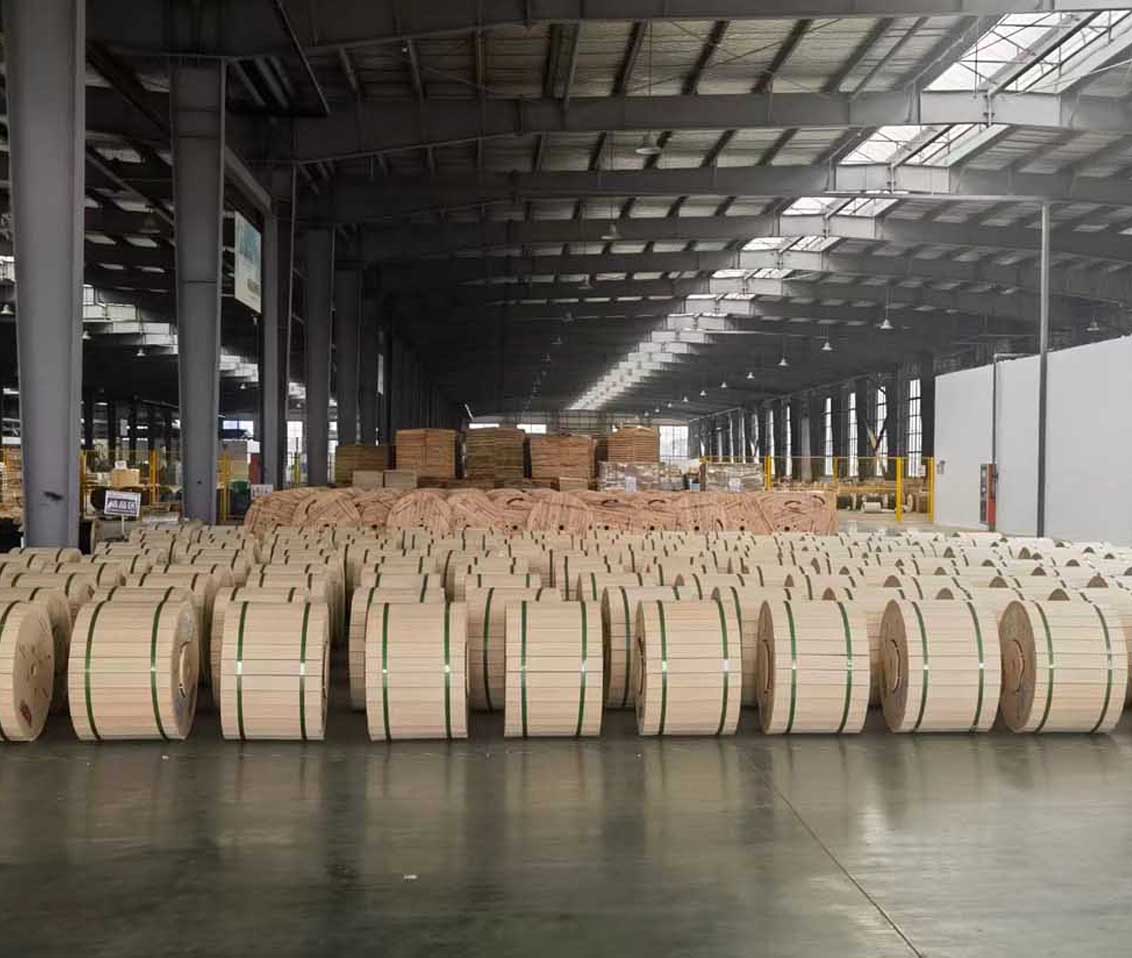
 Optical Fiber
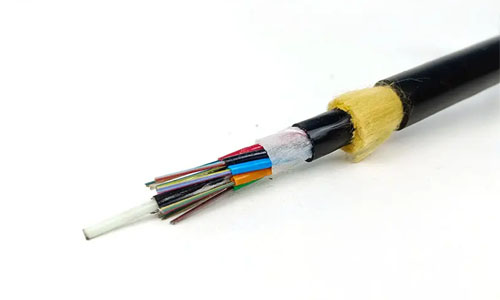 ADSS Fiber Optic Cable
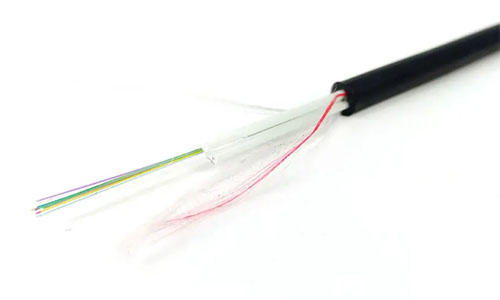 ASU Fiber Optic Cable
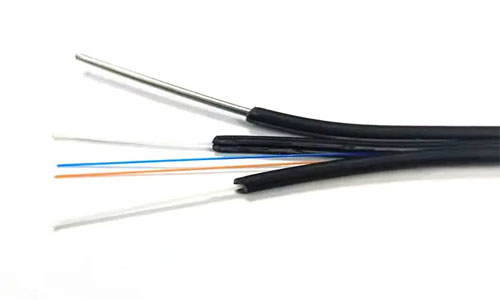 FTTH Fiber Optic Cable
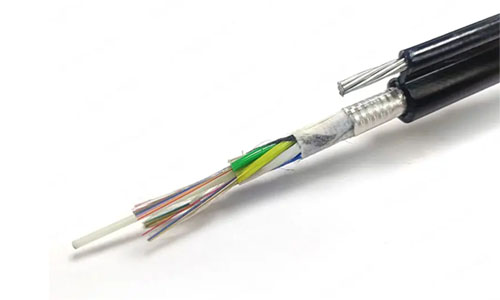 Figure 8 Fiber Optic Cable
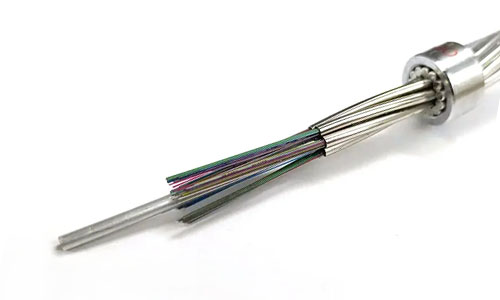 OPGW Fiber Optic Cable
 Coaxial Cable
 Ethernet Cable
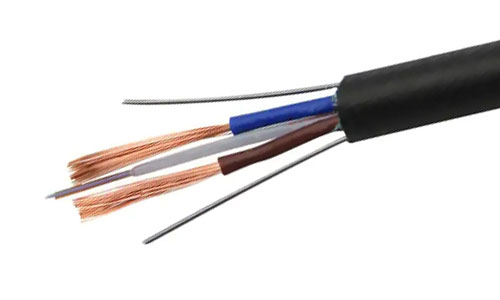 Photoelectric Composite Fiber Optic Cable
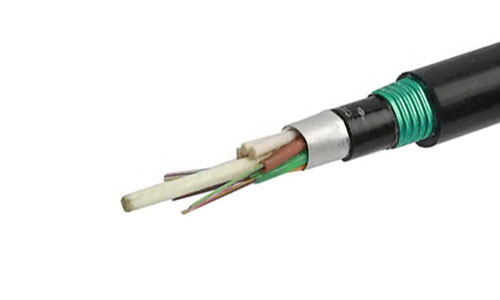 Underground & Pipeline Fiber Optic Cable
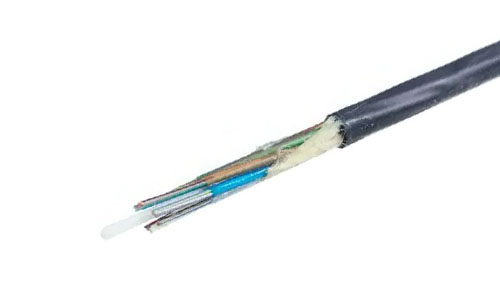 Air-Blown Micro Fiber Optic Cable
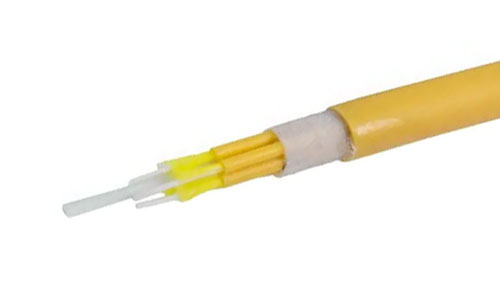 Indoor Fiber Optic Cable
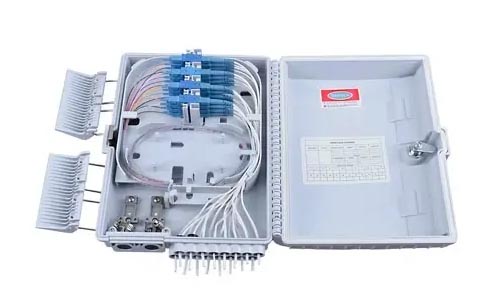 Fiber Optic Distribution Box
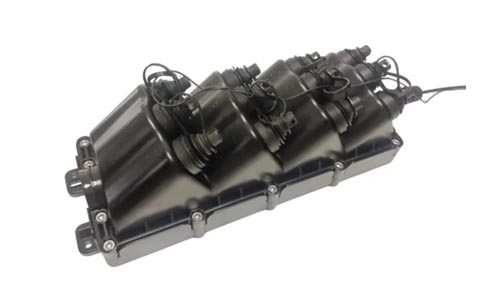 Multiport Service Termina Box
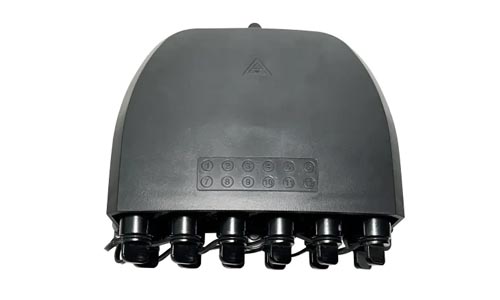 Fiber Optical Terminal Box
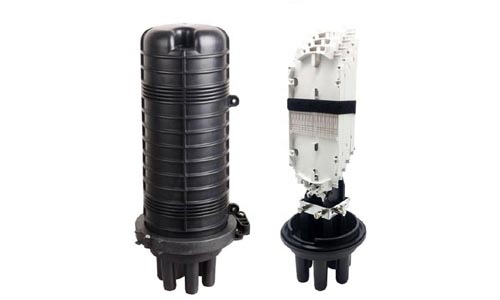 Fiber Optic Splice Closure
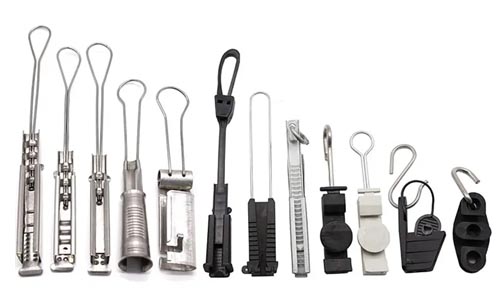 Fiber Optic Clamps
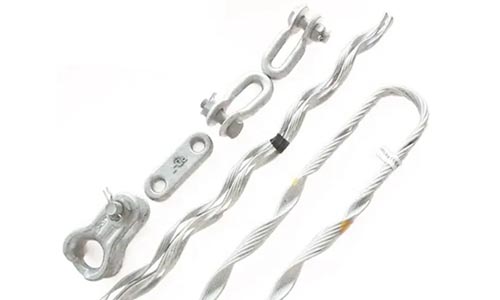 Fiber Optic Cable Fittings
 ADSS Fiber Cable
 ASU Fiber Cable
 OPGW Fiber Cable
 FTTH Fiber Cable
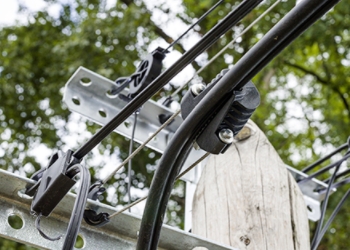 Figure 8 Fiber Cable
 Photoelectric Composite Fiber Cable
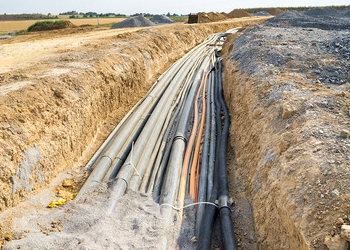 Underground & Pipeline Fiber Cable
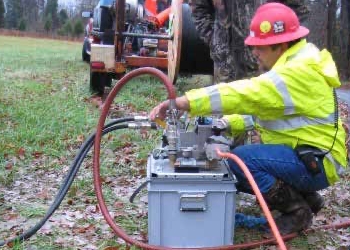 Air-Blown Micro Fiber Cable
 Aerial Fiber Cable
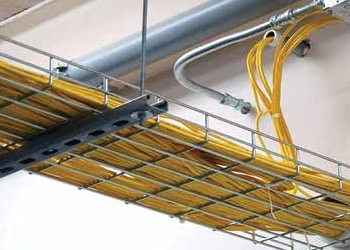 Indoor Fiber Cable
 Fiber Optical Terminal Box
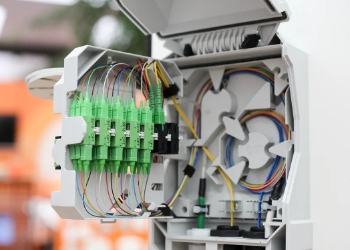 Fiber Optic Distribution Box
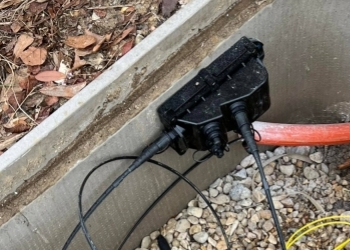 Multiport Service Termina Box
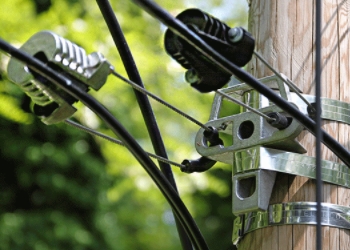 Fiber Optic Clamps
 About Us
 Our Team
 History
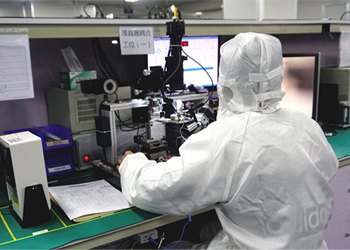 R&D Strength
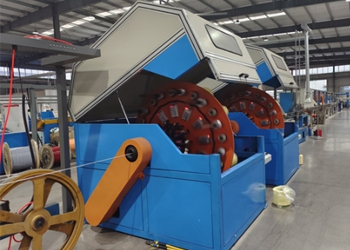 Production Base
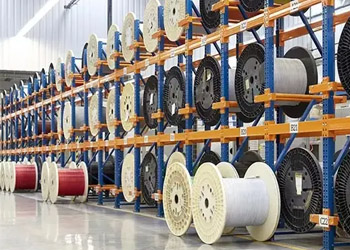 Warehouse & Logistics
 Quality
 FAQs
-

Product Brochure
Download
G.652.D vs. G.657.A1 vs. G.657.A2 Fiber: Key Differences
Choosing the right single-mode optical fiber is essential for building reliable, high-performance fiber optic communication networks. Among the most widely used single-mode fiber types, G.652.D, G.657.A1, and G.657.A2 are common choices for telecommunications, FTTH (Fiber to the Home), broadband access networks, and indoor optical connections.
Although these three fiber types share similar physical dimensions and transmission characteristics, they differ significantly in bending performance, particularly their resistance to macrobending loss. These differences directly affect installation flexibility, network design, and long-term reliability.
The main difference between G.652.D, G.657.A1, and G.657.A2 fiber is their bending performance. G.652.D is a conventional low-water-peak single-mode fiber, G.657.A1 provides improved bending resistance with a 10 mm minimum design radius, and G.657.A2 offers even better bending performance with a 7.5 mm minimum design radius.
All three are suitable for many single-mode communication applications, but selecting the correct type depends on the installation environment, cable structure, bending requirements, and project budget.

1. What Is G.652.D Fiber?
G.652.D is one of the most widely deployed standard single-mode optical fiber types in the telecommunications industry. It is defined by the ITU-T G.652 recommendation and features low water peak characteristics, making it suitable for transmission across a broad wavelength range.
G.652.D fiber is commonly used in backbone networks, metropolitan networks, access networks, and long-distance communication systems.
Key Characteristics of G.652.D Fiber
-
Standard single-mode optical fiber.
-
Low water peak attenuation.
-
Excellent transmission performance.
-
Suitable for long-distance optical communication.
-
Widely compatible with existing telecommunications infrastructure.
-
Commonly used in outdoor and underground fiber optic cables.
G.652.D fiber typically has a mode field diameter of approximately 9.2 μm at 1310 nm, although the permitted range depends on the applicable specification.
Advantages of G.652.D Fiber
1. Excellent Transmission Performance
G.652.D supports reliable optical transmission over long distances and is widely used in telecommunications backbone infrastructure.
2. Broad Network Compatibility
It is suitable for conventional single-mode optical systems and can be integrated into many existing optical networks.
3. Mature Manufacturing Technology
G.652.D has been widely manufactured and deployed for many years. Its established production processes make it a common choice for large-scale fiber optic cable projects.
4. Cost-Effective Solution
For applications where cables are installed with sufficient bending space, G.652.D can provide a practical balance between optical performance and procurement cost.
Typical Applications
-
Long-distance telecommunications networks.
-
Metropolitan area networks.
-
Backbone fiber optic cables.
-
Outdoor loose-tube fiber optic cables.
-
Underground communication networks.
-
General FTTH feeder networks.
G.652.D is particularly suitable for applications where cable routing is relatively straightforward and tight bending is not a major concern.

2. What Is G.657.A1 Fiber?
G.657.A1 is a bend-insensitive single-mode optical fiber defined by ITU-T G.657.
Compared with conventional G.652.D fiber, G.657.A1 offers improved resistance to macrobending loss, allowing it to maintain better optical performance when installed in relatively tight spaces.
G.657.A1 is also compliant with G.652.D requirements, making it suitable for use in networks where G.652.D fiber is specified.
Key Characteristics of G.657.A1 Fiber
-
Improved bending performance compared with G.652.D.
-
Minimum design bend radius of 10 mm.
-
Compatible with G.652.D fiber systems.
-
Suitable for FTTH access networks.
-
Designed for applications requiring greater installation flexibility.
Advantages of G.657.A1 Fiber
1. Improved Bending Resistance
G.657.A1 can tolerate tighter bends than conventional G.652.D fiber while controlling bending-related optical losses.
2. Easier Installation
Its improved bending performance makes it useful in distribution boxes, cabinets, and other locations where cable routing space is limited.
3. Network Compatibility
Because G.657.A1 complies with G.652.D, it can be deployed throughout access networks and other networks designed for G.652.D fiber.
4. Reduced Installation Risks
In applications involving corners, enclosures, and cable management systems, G.657.A1 can help reduce the risk of excessive macrobending loss.
Typical Applications
-
FTTH distribution networks.
-
Outdoor fiber optic distribution cables.
-
Indoor optical distribution systems.
-
Fiber optic splice closures.
-
Telecommunications cabinets.
-
Enterprise communication networks.
G.657.A1 is a practical option when a project requires improved bending performance without changing the overall single-mode network design.

3. What Is G.657.A2 Fiber?
G.657.A2 is another bend-insensitive single-mode optical fiber specified by ITU-T G.657.
It offers better bending performance than G.657.A1 and is particularly suitable for applications where optical fibers must be routed through tight corners, compact enclosures, and limited installation spaces.
Its minimum design bend radius is 7.5 mm, compared with 10 mm for G.657.A1.
Like G.657.A1, G.657.A2 belongs to Category A and complies with G.652.D requirements.
Key Characteristics of G.657.A2 Fiber
-
Excellent macrobending performance.
-
Minimum design bend radius of 7.5 mm.
-
Compliant with G.652.D.
-
Suitable for compact FTTH installations.
-
Improved flexibility in space-constrained environments.
-
Suitable for indoor and outdoor access network applications.
Advantages of G.657.A2 Fiber
1. Superior Bending Performance
G.657.A2 is designed to maintain optical performance under tighter bending conditions than G.652.D and G.657.A1.
2. Suitable for Compact Installations
It is particularly useful in small distribution boxes, wall outlets, terminal enclosures, and indoor routing systems.
3. Improved FTTH Installation Efficiency
FTTH networks often require cables to pass through narrow spaces, building corners, and compact access terminals. G.657.A2 helps simplify these installation challenges.
4. Compatibility with G.652.D
G.657.A2 complies with G.652.D, making it suitable for integration into existing single-mode optical networks.
Typical Applications
-
FTTH drop cables.
-
Indoor fiber optic cables.
-
Fiber optic patch cords.
-
Fiber distribution boxes.
-
Compact optical terminal enclosures.
-
Building access networks.
-
Data center optical connections.
G.657.A2 is particularly suitable for the last section of an FTTH network, where installation flexibility and bending performance are important.
4. G.652.D vs. G.657.A1 vs. G.657.A2: Technical Comparison
Understanding the technical differences between these three fiber types is essential for selecting the right optical fiber for a communication project.
The following table summarizes their major characteristics.
| Technical Parameter | G.652.D | G.657.A1 | G.657.A2 |
|---|---|---|---|
| ITU-T Standard | G.652.D | G.657.A1 | G.657.A2 |
| Fiber Type | Single-mode | Bend-insensitive single-mode | Bend-insensitive single-mode |
| Typical Core Diameter | 8–10 μm | 8–10 μm | 8–10 μm |
| Cladding Diameter | 125 μm | 125 μm | 125 μm |
| Minimum Design Bend Radius | 30 mm | 10 mm | 7.5 mm |
| Bending Performance | Standard | Improved | Excellent |
| Low Water Peak | Yes | Yes | Yes |
| G.652.D Compliance | Reference standard | Yes | Yes |
| FTTH Application | Yes | Yes | Yes |
| Indoor Application | Yes, subject to cable design | Yes | Yes |
| Typical Application | Backbone and feeder | Distribution networks | Drop and indoor networks |
Note: The minimum design bend radius is a fiber design classification, not a universal installation radius for every finished cable. Actual cable requirements depend on the manufacturer's specifications, cable structure, and installation conditions.
5. What Is the Difference in Bending Performance?
Bending performance is the most important distinction among G.652.D, G.657.A1, and G.657.A2.
When an optical fiber is bent, some light may escape from the core and produce additional attenuation. This phenomenon is called macrobending loss.
Excessive bending can reduce optical signal strength and affect network performance.
G.652.D: Standard Bending Performance
G.652.D is suitable for conventional cable routing where sufficient bending space is available.
Its commonly referenced minimum design radius is approximately 30 mm.
It is a practical choice for backbone and feeder cables that generally follow relatively straight routes.
G.657.A1: Improved Bending Performance
G.657.A1 supports a minimum design radius of 10 mm.
This makes it more suitable for distribution systems, cabinets, and access network installations where tighter bends may occur.
G.657.A2: Higher Bending Resistance
G.657.A2 supports a minimum design radius of 7.5 mm.
It is particularly suitable for compact installation environments, such as FTTH drop connections, indoor terminals, and small fiber management enclosures.
Bending Performance Comparison
| Fiber Type | Minimum Design Bend Radius | Relative Bending Performance |
|---|---|---|
| G.652.D | 30 mm | Standard |
| G.657.A1 | 10 mm | Improved |
| G.657.A2 | 7.5 mm | Highest among these three |
The smaller design radius of G.657.A2 does not mean that the fiber can be bent without limitations. Cable manufacturers' minimum installation and long-term bend radius specifications must always be followed.
6. G.652.D vs. G.657.A1 vs. G.657.A2: Attenuation and Optical Performance
Another important consideration is optical attenuation.
Attenuation refers to the reduction in optical signal power as light travels through an optical fiber. It is generally measured in decibels per kilometer (dB/km).
For single-mode fiber, attenuation is commonly evaluated at wavelengths such as 1310 nm and 1550 nm.
Typical specification limits vary between manufacturers and product grades. Representative values for commonly supplied products include:
| Parameter | G.652.D | G.657.A1 | G.657.A2 |
|---|---|---|---|
| Attenuation at 1310 nm | ≤0.35 dB/km | ≤0.35 dB/km | ≤0.35 dB/km |
| Attenuation at 1550 nm | ≤0.21 dB/km | ≤0.21 dB/km | ≤0.21 dB/km |
| Operating Wavelength Range | 1260–1625 nm | 1260–1625 nm | 1260–1625 nm |
| Chromatic Dispersion | Standard G.652.D requirements | G.652.D compliant | G.652.D compliant |
These figures are representative procurement targets, not universal guaranteed limits for every manufacturer's product. Always confirm the actual datasheet.
Does G.657.A2 Have Lower Attenuation Than G.652.D?
Not necessarily.
The main advantage of G.657.A2 is its improved resistance to bending loss, rather than a fundamentally lower straight-fiber attenuation.
Under straight installation conditions, the three fiber types can have very similar transmission performance.
However, when a fiber is routed through a tight bend, G.657.A2 can maintain better optical performance because it is designed to reduce macrobending loss.
This distinction is especially important in FTTH and indoor applications.
7. Compatibility: Can G.652.D, G.657.A1, and G.657.A2 Be Spliced Together?
Yes. G.657.A1 and G.657.A2 are Category A fibers and comply with G.652.D requirements.
They are designed to maintain the transmission and interconnection properties needed for deployment in networks that specify G.652.D fiber.
This means network operators can use different fiber types within the same communication network.
For example:
-
G.652.D can be used for backbone and feeder cables.
-
G.657.A1 can be used for distribution cables.
-
G.657.A2 can be used for FTTH drop cables and indoor connections.
Benefits of Fiber Compatibility
1. Flexible Network Design
Operators can select different fiber types for different network sections without redesigning the entire optical infrastructure.
2. Easier Network Expansion
New G.657.A1 or G.657.A2 cables can be integrated into existing G.652.D networks.
3. Reduced Installation Limitations
Bend-insensitive fibers provide more flexibility in locations where conventional fiber may experience excessive bending loss.
4. Simplified Maintenance
Compatible fiber types allow technicians to maintain and expand networks using established single-mode splicing and testing procedures.
However, compatibility does not guarantee zero splice loss. Actual results depend on mode field diameter matching, cleaver condition, fusion splicer settings, fiber cleanliness, and workmanship.
8. Applications: Which Fiber Is Best for Different Projects?
Each fiber type has advantages in different network environments.
G.652.D Applications
G.652.D is generally suitable for:
-
Long-distance communication networks.
-
Telecommunications backbone systems.
-
Underground fiber optic cables.
-
Outdoor loose-tube cables.
-
Metropolitan area networks.
-
General feeder networks.
It is an economical choice when installation routes do not involve tight bends.
G.657.A1 Applications
G.657.A1 is commonly used in:
-
FTTH distribution cables.
-
Outdoor access networks.
-
Fiber optic distribution cabinets.
-
Splice closures.
-
Enterprise optical networks.
-
Building communication systems.
It provides a balance between bending performance and conventional single-mode transmission requirements.
G.657.A2 Applications
G.657.A2 is particularly suitable for:
-
FTTH drop cables.
-
Indoor fiber optic cables.
-
Fiber optic patch cords.
-
Wall-mounted optical terminals.
-
Small distribution boxes.
-
Compact cable management systems.
-
High-density optical connections.
It is a preferred option when limited installation space makes bending performance a major consideration.
9. How to Choose Between G.652.D, G.657.A1, and G.657.A2?
Choosing the correct optical fiber requires evaluating several technical and commercial factors.
1. Consider the Installation Environment
For long-distance outdoor networks with relatively straight cable routes, G.652.D may be sufficient.
For distribution networks with more complex routing, G.657.A1 can provide additional flexibility.
For indoor connections and compact FTTH installations, G.657.A2 is often a better choice.
2. Evaluate the Required Bending Radius
If the installation includes tight corners, small enclosures, or compact cable routes, consider G.657.A1 or G.657.A2.
Always check the minimum bend radius specified for the complete cable, not just the bare optical fiber.
3. Consider Network Compatibility
All three fiber types can be integrated into compatible single-mode networks, and G.657.A1/A2 meet G.652.D requirements.
This makes them suitable for mixed-fiber network architectures.
4. Compare Procurement Costs
G.652.D is often a cost-effective choice for large-scale backbone projects.
G.657.A1 and G.657.A2 may carry different price premiums depending on fiber supply, production specifications, order quantity, and market conditions.
Rather than comparing fiber prices alone, evaluate the total project cost, including installation labor, cable protection, maintenance, and potential rework.
5. Check Manufacturer Specifications
Before purchasing, request the following technical information:
-
ITU-T compliance documentation.
-
Attenuation values.
-
Mode field diameter.
-
Cladding diameter.
-
Macrobending loss test results.
-
Chromatic dispersion.
-
Polarization mode dispersion.
-
Proof test level.
-
Fiber coating specifications.
-
Applicable test reports.
A complete technical datasheet helps ensure the selected fiber meets project requirements.
10. Frequently Asked Questions (FAQ)
Q1: What is the main difference between G.652.D and G.657.A1?
The main difference is bending performance. G.652.D is a conventional low-water-peak single-mode fiber, while G.657.A1 offers improved resistance to bending loss and supports a 10 mm minimum design radius.
Q2: What is the difference between G.657.A1 and G.657.A2?
G.657.A2 has better bending performance than G.657.A1. Their minimum design bend radii are 7.5 mm and 10 mm, respectively.
Both are Category A fibers compliant with G.652.D.
Q3: Can G.657.A2 replace G.652.D?
Yes. G.657.A2 complies with G.652.D requirements and can be used in networks where G.652.D fiber is specified, provided the cable and system design meet the application requirements.
Q4: Which fiber is best for FTTH applications?
G.657.A2 is particularly suitable for FTTH drop cables and indoor connections because of its excellent bending performance.
G.652.D and G.657.A1 are also suitable for other sections of FTTH networks.
Q5: Is G.657.A2 better than G.657.A1?
G.657.A2 offers better macrobending performance, but it is not automatically the best choice for every project.
If the installation does not require tight bending, G.657.A1 may already meet the technical requirements.
Q6: Can G.652.D and G.657.A2 be fusion spliced together?
Yes. Both belong to compatible single-mode fiber categories. Standard fusion splicing equipment can generally be used, with the correct fiber identification, splicer settings, and quality-control procedures.
Q7: Does G.657.A2 have lower transmission attenuation?
Not necessarily. The principal advantage of G.657.A2 is reduced bending-related attenuation. Straight-fiber attenuation can be similar to G.652.D and G.657.A1.
Q8: Which fiber is more cost-effective?
G.652.D is often economical for large-scale backbone and feeder networks. G.657.A1 and G.657.A2 may be more cost-effective in installations where improved bending performance reduces installation difficulties and maintenance risks.
Q9: What does G.657.A2 mean?
G.657.A2 is a category of bend-insensitive single-mode optical fiber defined by ITU-T. It is designed for improved macrobending performance and supports a minimum design radius of 7.5 mm.
Q10: Are G.652.D, G.657.A1, and G.657.A2 all single-mode fibers?
Yes. All three are single-mode optical fibers designed for telecommunications and optical access networks.
Conclusion
G.652.D, G.657.A1, and G.657.A2 are three important single-mode optical fiber types used in modern communication infrastructure.
Although they share similar transmission characteristics and network compatibility, their bending performance makes them suitable for different installation environments.
-
G.652.D: A reliable and cost-effective solution for backbone, feeder, and conventional outdoor communication networks.
-
G.657.A1: A flexible solution for distribution networks and installations requiring improved bending performance.
-
G.657.A2: An excellent choice for FTTH drop cables, indoor connections, and compact installation environments requiring tighter bends.
The best optical fiber depends on the project's transmission requirements, installation conditions, bending radius, network compatibility, and total cost.
By understanding these differences, network operators, contractors, and fiber optic cable distributors can make better purchasing decisions and build more reliable optical communication networks.
When sourcing optical fiber or finished fiber optic cables, always verify compliance with the latest ITU-T recommendations and request detailed manufacturer test reports to ensure consistent product quality.