 Optical Fiber
 ADSS Fiber Optic Cable
 ASU Fiber Optic Cable
 FTTH Fiber Optic Cable
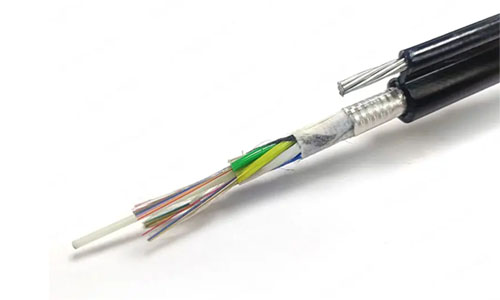 Figure 8 Fiber Optic Cable
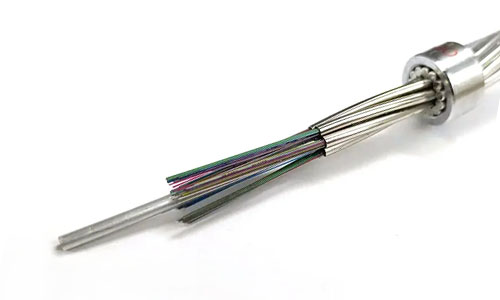 OPGW Fiber Optic Cable
 Coaxial Cable
 Ethernet Cable
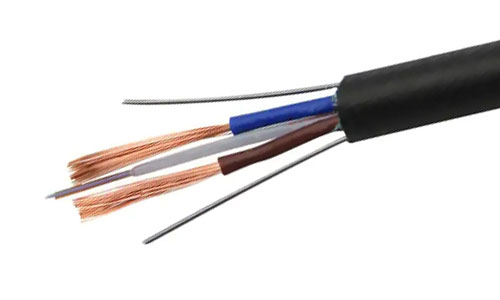 Photoelectric Composite Fiber Optic Cable
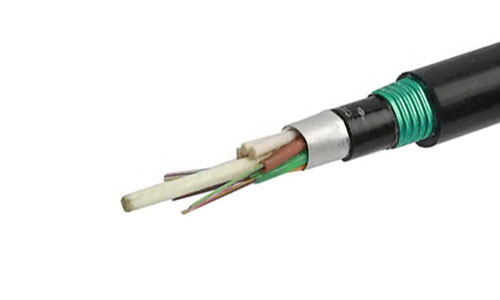 Underground & Pipeline Fiber Optic Cable
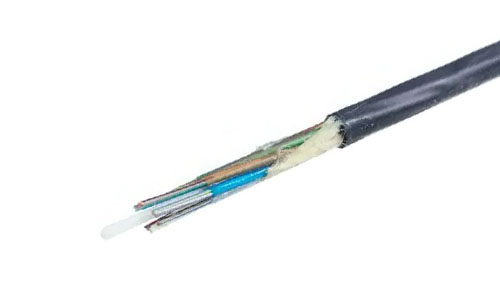 Air-Blown Micro Fiber Optic Cable
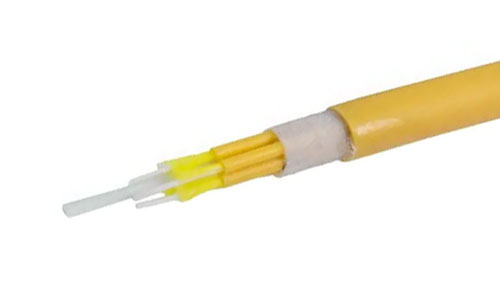 Indoor Fiber Optic Cable
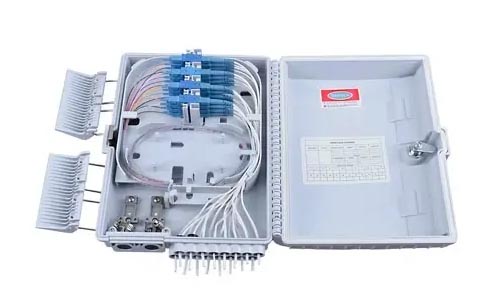 Fiber Optic Distribution Box
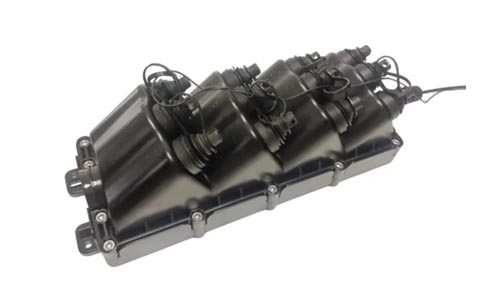 Multiport Service Termina Box
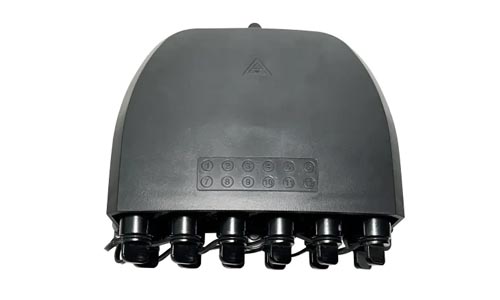 Fiber Optical Terminal Box
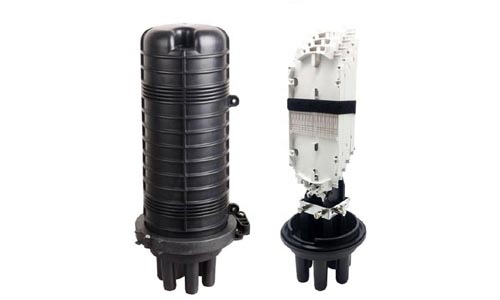 Fiber Optic Splice Closure
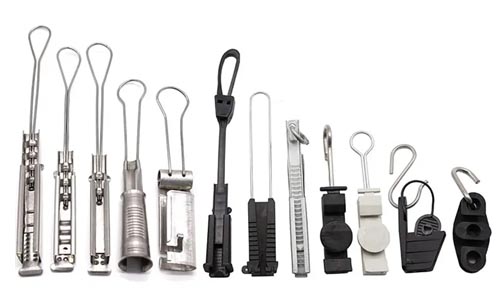 Fiber Optic Clamps
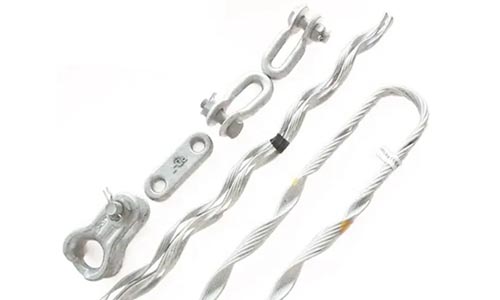 Fiber Optic Cable Fittings
 ADSS Fiber Cable
 ASU Fiber Cable
 OPGW Fiber Cable
 FTTH Fiber Cable
 Figure 8 Fiber Cable
 Photoelectric Composite Fiber Cable
 Underground & Pipeline Fiber Cable
 Air-Blown Micro Fiber Cable
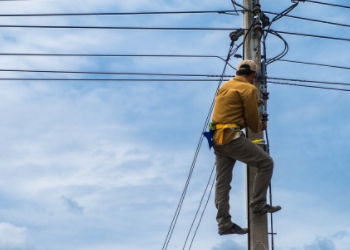 Aerial Fiber Cable
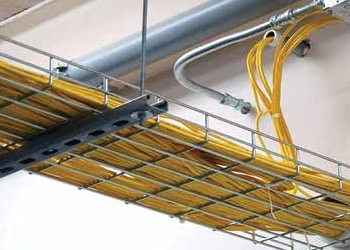 Indoor Fiber Cable
 Fiber Optical Terminal Box
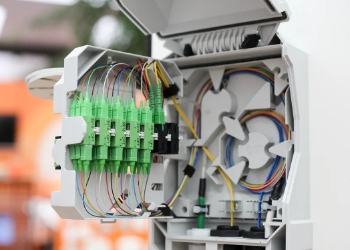 Fiber Optic Distribution Box
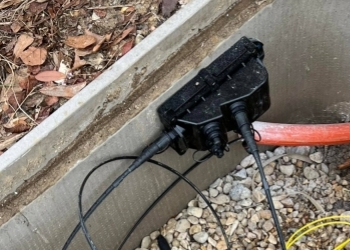 Multiport Service Termina Box
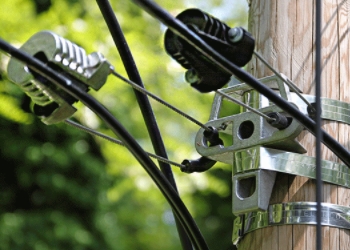 Fiber Optic Clamps
 About Us
 Our Team
 History
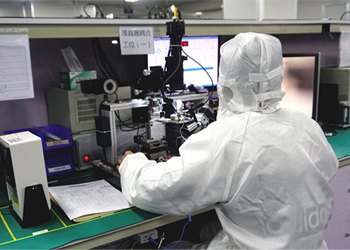 R&D Strength
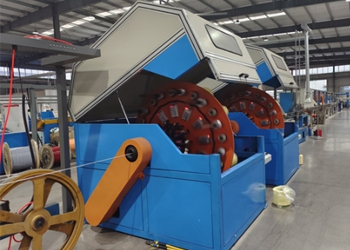 Production Base
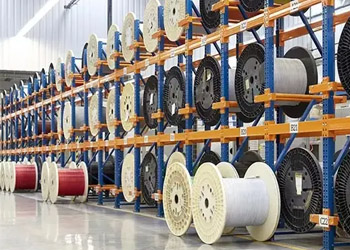 Warehouse & Logistics
 Quality
 FAQs
-

Product Brochure
Download
GJYXCH Fiber Optic Cable:Complete Guide
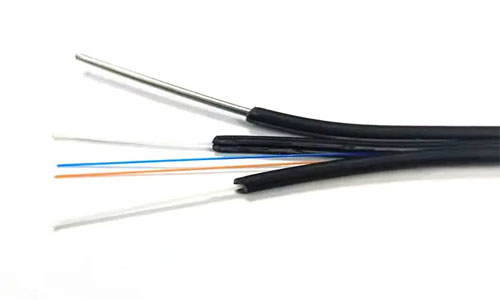
GJYXCH fiber optic cable is a self-supporting FTTH drop cable designed for last-mile fiber optic networks. It is mainly used to connect optical distribution points with homes, buildings, businesses, and other end users, particularly in aerial fiber optic installations.
Unlike conventional fiber optic cables, GJYXCH combines the optical fiber, strength members, and supporting messenger into a compact cable structure. Its metallic reinforcement provides good tensile strength and mechanical stability, making it suitable for aerial deployment and outdoor-to-indoor FTTH connections.
One of the most important alternatives to GJYXCH is GJYXFCH fiber optic cable. Both are commonly used as self-supporting FTTH drop cables, but their reinforcement materials are different. GJYXCH generally uses metallic steel reinforcement, while GJYXFCH uses non-metallic reinforcement such as FRP or KFRP.
This difference affects tensile strength, electrical isolation, weight, installation environment, and cable selection.
In short, GJYXCH is a self-supporting FTTH drop cable that prioritizes mechanical strength and convenient aerial installation, while GJYXFCH is generally preferred when non-metallic construction and electrical isolation are more important.

What is GJYXCH Fiber Optic Cable?
GJYXCH fiber optic cable is a compact, self-supporting FTTH drop cable with metallic reinforcement. It is designed primarily for last-mile access networks, aerial fiber connections, and outdoor-to-indoor installations.
A typical GJYXCH cable consists of:
- Single-mode optical fiber
- Metallic strength members
- Integrated supporting messenger
- Protective outer sheath
Depending on the manufacturer and application, GJYXCH may be available with 1, 2, 4, or other fiber counts and with fiber types such as G.652D, G.657A1, or G.657A2.
Its main advantages include high tensile strength, compact construction, easy installation, self-supporting capability, and suitability for FTTH aerial deployment.
1. What Does GJYXCH Mean?
GJYXCH is part of the family of FTTH drop fiber optic cables used in access networks.
The cable is designed around a simple principle: the drop cable must be small enough to handle easily while also providing sufficient mechanical strength for the final connection between the distribution network and the subscriber.
A typical GJYXCH design integrates the optical fiber with reinforcing elements and a supporting messenger.
This creates a self-supporting cable that can be installed along aerial routes without requiring a completely independent support cable.
The exact construction, dimensions, tensile strength, jacket material, and fiber configuration can vary between manufacturers. Therefore, the product datasheet should always be checked before specifying a cable for a particular project.
2. GJYXCH Fiber Optic Cable Structure
Understanding the structure of GJYXCH helps explain why it is widely used in FTTH applications.
2.1 Optical Fiber
The optical fiber is the core transmission component.
GJYXCH can be manufactured using different single-mode optical fibers depending on network requirements.
Common options include:
- G.652D: General-purpose single-mode fiber for telecommunications and access networks.
- G.657A1: Bend-insensitive fiber suitable for FTTH and building access applications.
- G.657A2: More bend-tolerant fiber for compact routing and tight bends.
For modern FTTH drop installations, G.657A1 and G.657A2 are often attractive because the cable may need to pass through corners, wall entries, conduits, and small termination spaces.
2.2 Metallic Strength Members
The strength members provide mechanical reinforcement around the optical fiber.
GJYXCH generally uses steel or another metallic reinforcement structure.
The purpose is to protect the optical fiber from excessive tensile and mechanical forces during installation and operation.
This is particularly important in aerial applications where the cable may be exposed to:
- Wind
- Cable tension
- Installation forces
- Mechanical vibration
- Temperature changes
- Environmental loading
2.3 Integrated Messenger Wire
The integrated messenger is an important feature of a self-supporting FTTH drop cable.
Instead of installing a separate supporting wire, the messenger is incorporated into the cable structure.
This can simplify the aerial installation process and reduce the number of components required by installers.
2.4 Outer Jacket
The outer sheath protects the cable from the external environment.
Depending on the product design, the jacket can be made from materials such as PE, PVC, or LSZH.
For outdoor applications, the cable should have an appropriate environmental and UV-resistant design.
For indoor applications, LSZH constructions may be selected when required by local building and fire-safety regulations.
3. Main Advantages of GJYXCH Fiber Optic Cable
3.1 Self-Supporting Aerial Design
The primary advantage of GJYXCH is its self-supporting structure.
The integrated messenger allows the cable to be attached directly to appropriate poles, buildings, or other support points.
This makes it suitable for:
- Pole-to-house connections
- Pole-to-building connections
- Building-to-building connections
- Aerial FTTH drops
- Outdoor-to-indoor fiber routes
For last-mile fiber deployment, reducing installation complexity can have a significant effect on labor costs and deployment time.
3.2 High Tensile Strength
GJYXCH's metallic reinforcement provides strong mechanical performance.
Compared with many non-metallic FTTH drop cable designs, GJYXCH can provide higher tensile strength.
This makes it suitable for applications where the drop cable must tolerate relatively high mechanical loads.
Typical considerations include:
- Long aerial spans
- Strong wind conditions
- Installation tension
- Mechanical loading
- Difficult aerial routes
However, tensile strength is not standardized simply by the cable name. Different manufacturers can offer substantially different specifications.
Therefore, engineers should compare the actual long-term tensile load and short-term tensile load in the technical datasheet.
3.3 Compact Construction
GJYXCH has a compact structure compared with many conventional outdoor fiber optic cables.
This provides several practical benefits:
- Easy transportation
- Easy handling
- Simple routing
- Small installation footprint
- Convenient building entry
- Easy termination
The compact design is especially useful for FTTH because the cable often needs to pass from an outdoor distribution point into a customer's building.
3.4 Easy Installation
FTTH networks may require thousands or millions of individual drop connections.
Therefore, installation efficiency is extremely important.
GJYXCH simplifies deployment by combining the optical fiber and supporting structure into one cable.
Installers can use appropriate clamps, brackets, and accessories to secure the cable to poles or buildings.
Its compact structure can also simplify preparation for splicing or connector termination.
3.5 Suitable for Outdoor-to-Indoor Applications
A common FTTH installation route is:
Optical Distribution Point → Aerial Drop → Building Exterior → Wall Entry → Indoor Termination → ONT
GJYXCH can be used for this type of transition when the specific cable construction is rated for the required environment.
This makes it particularly useful for residential FTTH networks.
3.6 Good Mechanical Protection
The reinforced structure helps protect the optical fiber from external mechanical forces.
Important performance parameters include:
- Tensile strength
- Crush resistance
- Impact resistance
- Bending radius
- Cable weight
- Temperature range
When selecting GJYXCH, buyers should compare these parameters rather than relying only on the cable designation.
4. Applications of GJYXCH Fiber Optic Cable
4.1 FTTH Last-Mile Networks
FTTH is the most important application for GJYXCH.
A typical network may follow this architecture:
OLT → Feeder Fiber → Distribution Point → FTTH Drop Cable → ONT
GJYXCH provides the final optical connection between the distribution infrastructure and the subscriber.
It is particularly useful where the final connection is aerial.
4.2 Aerial Fiber Optic Installation
GJYXCH is designed for applications where the drop cable needs to be supported above ground.
Typical environments include:
- Rural areas
- Suburban communities
- Residential neighborhoods
- Small towns
- Industrial parks
- Campus networks
The self-supporting structure reduces the need for a separate messenger cable.
4.3 Pole-to-House Connections
In many rural FTTH networks, the distribution point is located on a utility pole.
The subscriber's house may be several meters away.
A self-supporting GJYXCH cable can provide the final connection between the pole and building.
This makes it a practical choice for rapid broadband deployment.
4.4 Building-to-Building Connections
GJYXCH may also be used for short aerial connections between buildings when the span and mechanical requirements are suitable.
Examples include:
- Residential buildings
- Schools
- Offices
- Small commercial facilities
- Industrial facilities
The cable should always be selected according to the actual span, loading conditions, attachment method, and local regulations.
4.5 Outdoor-to-Indoor FTTH Deployment
Another common application is connecting outdoor distribution equipment to indoor fiber termination equipment.
For example:
Fiber Distribution Box → Exterior Wall → Building Entry → Fiber Termination Box → ONT
This reduces the need for complicated transitions between different cable constructions.
5. GJYXCH vs. GJYXFCH: What Is the Difference?
The most important difference between GJYXCH and GJYXFCH is the reinforcement material.
GJYXCH
Generally uses metallic/steel reinforcement.
GJYXFCH
Generally uses non-metallic FRP or KFRP reinforcement.
Both cable types are used in FTTH access networks and can have self-supporting structures.
However, their mechanical and electrical properties are different.
This means the correct selection depends on the installation environment.
6. GJYXCH vs. GJYXFCH Comparison Table
| Feature | GJYXCH | GJYXFCH |
|---|---|---|
| Cable category | FTTH drop cable | FTTH drop cable |
| Self-supporting | Yes | Yes, depending on design |
| Reinforcement | Metallic/steel | FRP/KFRP/non-metallic |
| Tensile performance | Generally higher | Generally lower |
| Electrical conductivity | Metallic components present | Non-conductive |
| Electromagnetic immunity | Good | Excellent |
| Electrical isolation | Limited by metallic elements | Excellent |
| Aerial FTTH | Excellent | Excellent |
| Pole-to-house | Excellent | Excellent |
| Near power infrastructure | Requires assessment | Often advantageous |
| Mechanical strength | Major advantage | Generally lower |
| Weight | May be higher | Often lighter |
| Installation flexibility | High | High |
| Best selection priority | Mechanical strength | Electrical isolation |
Important: These are general engineering tendencies. Actual values depend on the cable design and manufacturer.
7. Tensile Strength: GJYXCH vs. GJYXFCH
For mechanically demanding applications, GJYXCH generally has an advantage.
Steel reinforcement can provide substantially greater tensile strength than lightweight non-metallic reinforcement in some cable designs.
This can be important for aerial deployment.
For example, if a cable must span between poles, engineers need to consider:
- Span length
- Sag
- Wind loading
- Ice loading
- Installation tension
- Cable weight
- Attachment hardware
The cable should not be selected solely according to its model number.
The manufacturer's tensile load and environmental design limits should be checked against the project requirements.
8. Electrical Isolation: GJYXCH vs. GJYXFCH
GJYXFCH can have an important advantage when electrical isolation is required.
Because FRP and KFRP are non-metallic materials, they do not provide the same conductive path as steel reinforcement.
This can be beneficial when the fiber cable is installed:
- Near electrical power infrastructure
- Near high-voltage lines
- In areas with significant electromagnetic exposure
- Where non-metallic construction is required
- Where electrical isolation is a major design consideration
GJYXCH contains metallic components, so the installation should be evaluated appropriately in environments involving power lines or other electrical infrastructure.
9. Which Is Better: GJYXCH or GJYXFCH?
There is no single answer.
The correct question is:
Which cable is better for your installation environment?
Choose GJYXCH when:
- High tensile strength is important.
- The cable will be installed aerially.
- Mechanical loading is relatively high.
- A metallic reinforcement structure is acceptable.
- Long-term mechanical stability is a major priority.
- The project requires a strong self-supporting drop cable.
Choose GJYXFCH when:
- Non-metallic reinforcement is preferred.
- Electrical isolation is important.
- The route is close to power infrastructure.
- Electromagnetic considerations are important.
- Lower weight is desirable.
- The project specifically requires FRP/KFRP reinforcement.
Therefore:
GJYXCH is generally the mechanical-strength-oriented option, while GJYXFCH is generally the non-metallic and electrical-isolation-oriented option.
10. GJYXCH Fiber Count and Fiber Selection
The correct fiber configuration depends on the network design.
Common configurations include:
1-Fiber GJYXCH
Suitable for a basic individual FTTH subscriber connection.
2-Fiber GJYXCH
Useful when one working fiber and one spare fiber are required.
4-Fiber GJYXCH
Provides additional capacity for applications requiring multiple fibers or future expansion.
Fiber count should be selected based on:
- Current subscribers
- Network architecture
- Spare capacity
- Future expansion
- Connector requirements
- Distribution equipment
11. G.652D vs. G.657A1 vs. G.657A2 for GJYXCH
Fiber type is another important consideration.
G.652D
G.652D is a widely deployed standard single-mode fiber.
It is suitable for general telecommunications and access-network applications.
G.657A1
G.657A1 provides improved bend performance compared with conventional G.652 fiber.
It is suitable for:
- FTTH
- Building entrances
- Indoor routing
- Distribution boxes
- Customer premises
G.657A2
G.657A2 offers even better bend tolerance and is particularly useful where space is limited.
It can be advantageous for:
- Tight corners
- Small conduits
- Wall outlets
- Indoor termination
- Compact FTTH installations
For modern FTTH drop cables, G.657A1 or G.657A2 is often worth considering when the installation includes tight bends.
12. How to Choose GJYXCH Fiber Optic Cable
Before purchasing GJYXCH, consider the following factors.
12.1 Fiber Count
Select the number of fibers according to the current and future requirements.
12.2 Fiber Type
Choose G.652D, G.657A1, G.657A2, or another suitable fiber based on the optical network design.
12.3 Tensile Strength
Check both:
- Long-term tensile load
- Short-term tensile load
Do not assume that all GJYXCH cables have identical tensile performance.
12.4 Crush Resistance
For installations exposed to mechanical pressure, crush resistance should be evaluated.
12.5 Minimum Bending Radius
Check the manufacturer's static and dynamic bending-radius specifications.
This is especially important for FTTH because drop cables often need to make tight turns.
12.6 Jacket Material
For outdoor installation, consider UV resistance and environmental durability.
For indoor installation, check whether LSZH or another fire-rated construction is required.
12.7 Installation Span
Aerial span length directly affects mechanical requirements.
Longer spans may require a cable with higher tensile strength and appropriate sag characteristics.
13. GJYXCH vs. Conventional Outdoor Fiber Optic Cable
GJYXCH is optimized for the FTTH drop segment rather than large-scale feeder or backbone applications.
| Feature | GJYXCH | Conventional Outdoor Fiber Cable |
|---|---|---|
| Primary use | FTTH drop | Feeder/distribution/backbone |
| Typical fiber count | Low | Medium/high |
| Cable size | Compact | Larger |
| Self-supporting | Yes | Usually no |
| Installation | Simple | More complex |
| Pole-to-house | Excellent | Often unnecessary |
| Building entry | Convenient | More preparation |
| Last-mile FTTH | Excellent | Possible but less specialized |
A cable such as GYTS, for example, may be appropriate for larger outdoor distribution networks, while GJYXCH is designed specifically around the requirements of the subscriber drop.
14. Installation Considerations for GJYXCH
Correct installation is essential for achieving the expected cable lifetime.
Installers should:
- Verify the maximum installation tension.
- Select compatible aerial clamps and fittings.
- Maintain the specified bending radius.
- Avoid sharp bends and excessive compression.
- Protect the cable at building entrances.
- Follow the manufacturer's recommended attachment method.
- Consider wind and environmental loading.
- Avoid placing excessive mechanical stress on the optical fiber.
- Follow local aerial cable regulations.
- Test optical loss after installation.
The supporting messenger should carry the appropriate mechanical load rather than transferring excessive stress to the optical fiber itself.
15. Common Mistakes When Selecting GJYXCH
Several mistakes can reduce the reliability of an FTTH deployment.
Mistake 1: Choosing Only by Fiber Count
A two-fiber cable is not automatically suitable simply because the network needs two fibers.
Tensile strength, bending radius, jacket material, and installation environment also matter.
Mistake 2: Ignoring Metallic Components
Because GJYXCH contains metallic reinforcement, engineers should consider the electrical environment before installation near power infrastructure.
Mistake 3: Ignoring Span Length
A short aerial span and a long aerial span can have very different mechanical requirements.
Mistake 4: Choosing the Cheapest Cable
The lowest initial purchase price does not necessarily produce the lowest total project cost.
A cable with inadequate mechanical performance can increase installation and maintenance costs.
Mistake 5: Ignoring Bend Radius
FTTH drop cables frequently pass through corners and building entrances.
Excessive bending can increase optical loss or damage the fiber.
16. Frequently Asked Questions About GJYXCH Fiber Optic Cable
What is GJYXCH fiber optic cable?
GJYXCH is a self-supporting FTTH drop fiber optic cable with metallic reinforcement, mainly used for aerial last-mile fiber connections.
What is GJYXCH used for?
It is mainly used for FTTH last-mile connections, aerial fiber drops, pole-to-house connections, building-to-building links, and outdoor-to-indoor fiber installations.
Is GJYXCH self-supporting?
Yes. GJYXCH is designed as a self-supporting drop cable, with an integrated supporting structure in typical configurations.
What is the difference between GJYXCH and GJYXFCH?
The primary difference is reinforcement. GJYXCH generally uses metallic/steel reinforcement, while GJYXFCH generally uses non-metallic FRP or KFRP reinforcement.
Which has higher tensile strength?
GJYXCH generally provides higher tensile strength because of its metallic reinforcement. However, the exact value depends on the manufacturer and cable construction.
Is GJYXCH suitable for FTTH?
Yes. FTTH last-mile deployment is one of the primary applications of GJYXCH.
Can GJYXCH be used outdoors?
Yes. GJYXCH is commonly used for outdoor aerial FTTH applications, provided the selected cable has the appropriate outdoor-rated jacket and environmental performance.
Can GJYXCH be used indoors?
Some GJYXCH constructions are suitable for outdoor-to-indoor or indoor applications. The specific jacket material and fire rating should be checked before indoor installation.
Is GJYXCH suitable near high-voltage lines?
Because GJYXCH contains metallic components, the installation requires appropriate engineering assessment. Where non-metallic construction is required, GJYXFCH may be a better alternative.
Which fiber is better for GJYXCH, G.652D or G.657A2?
For general transmission, G.652D is widely used. For FTTH drop applications involving tight bends, G.657A2 can provide better bending performance.
How many fibers does GJYXCH contain?
Common configurations include 1, 2, and 4 fibers, although manufacturers can provide other configurations depending on project requirements.
17. GJYXCH Fiber Optic Cable: Key Takeaways
The most important points can be summarized as follows:
- GJYXCH is a self-supporting FTTH drop fiber optic cable.
- It is mainly designed for last-mile fiber access networks.
- Metallic reinforcement provides strong mechanical performance.
- Its integrated messenger simplifies aerial installation.
- It is suitable for pole-to-house and outdoor-to-indoor FTTH connections.
- G.652D, G.657A1, and G.657A2 can be used depending on the design.
- GJYXCH generally offers stronger mechanical performance than comparable non-metallic designs.
- GJYXFCH generally provides better electrical isolation because it uses non-metallic reinforcement.
- The best cable depends on the installation environment rather than the model name alone.
- Tensile strength, bending radius, crush resistance, jacket material, fiber type, and environmental conditions should all be considered before purchasing.
Conclusion
GJYXCH fiber optic cable is a compact, self-supporting FTTH drop cable designed for reliable last-mile fiber deployment. Its metallic reinforcement and integrated messenger make it particularly suitable for aerial installation, pole-to-house connections, and outdoor-to-indoor FTTH applications.
Compared with GJYXFCH, GJYXCH generally emphasizes mechanical strength and tensile performance, while GJYXFCH emphasizes non-metallic construction and electrical isolation.
For this reason, there is no universal winner between the two.
If the project requires a mechanically strong self-supporting aerial drop cable, GJYXCH can be an excellent choice. If the installation environment requires non-metallic reinforcement or enhanced electrical isolation, GJYXFCH may be more appropriate.
For network designers, contractors, and fiber optic cable buyers, the best approach is to evaluate the complete cable specification rather than selecting a product solely by its designation.
The most important parameters to compare are fiber type, fiber count, tensile strength, crush resistance, bending radius, jacket material, temperature range, installation span, environmental conditions, and compatibility with FTTH hardware.
Ultimately, selecting the right GJYXCH cable can help improve FTTH installation efficiency, mechanical reliability, and long-term network performance.