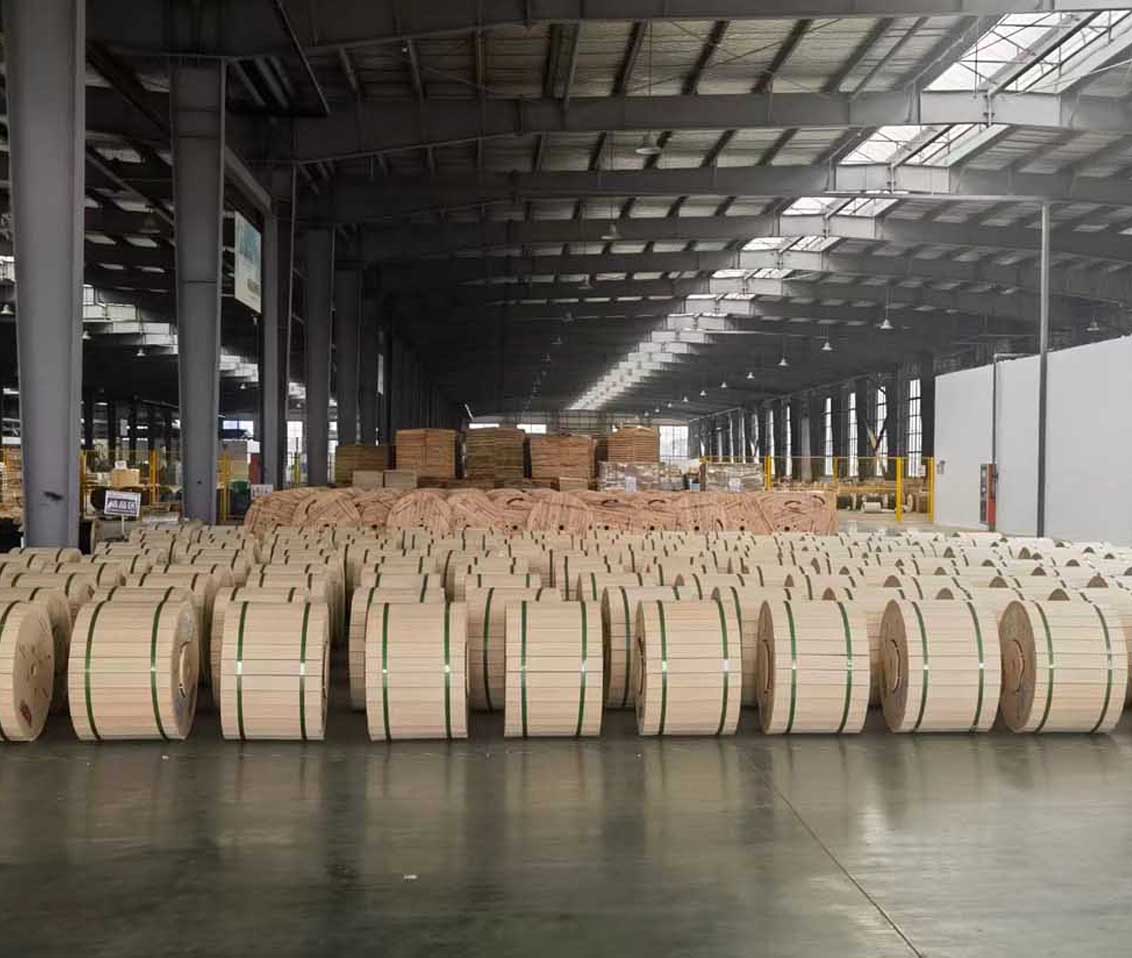
 Optical Fiber
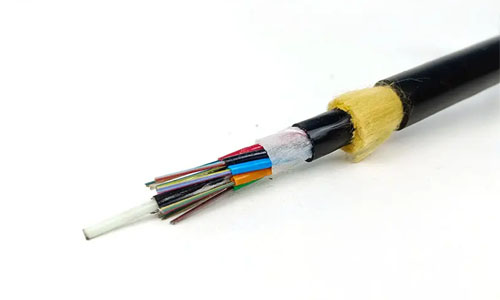 ADSS Fiber Optic Cable
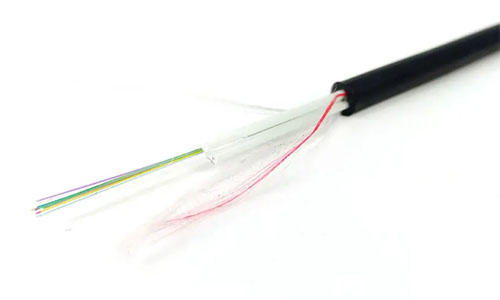 ASU Fiber Optic Cable
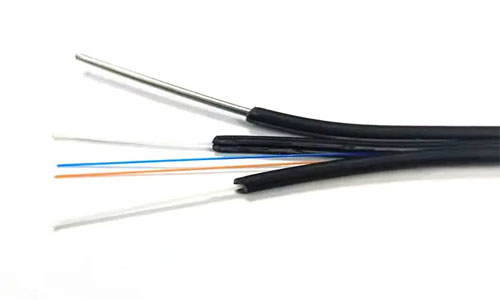 FTTH Fiber Optic Cable
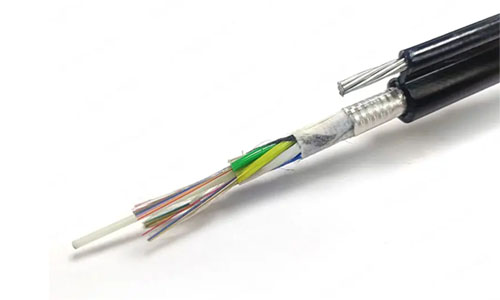 Figure 8 Fiber Optic Cable
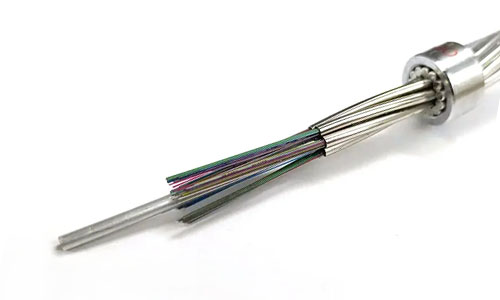 OPGW Fiber Optic Cable
 Coaxial Cable
 Ethernet Cable
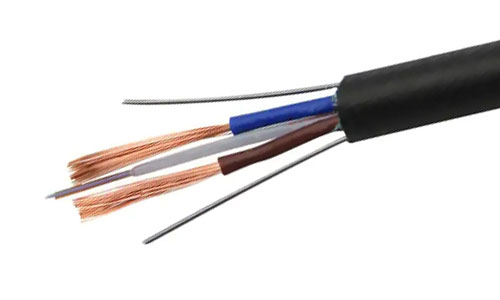 Photoelectric Composite Fiber Optic Cable
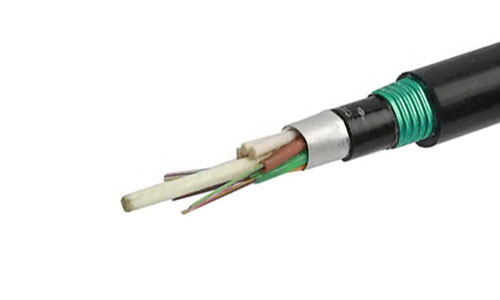 Underground & Pipeline Fiber Optic Cable
 Air-Blown Micro Fiber Optic Cable
 Indoor Fiber Optic Cable
 Fiber Optic Distribution Box
 Multiport Service Termina Box
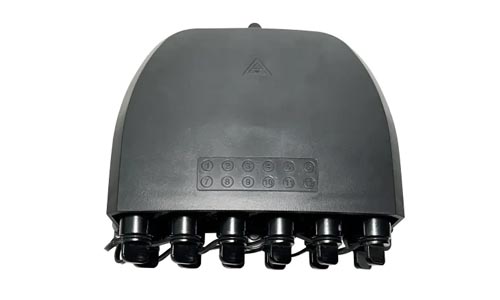 Fiber Optical Terminal Box
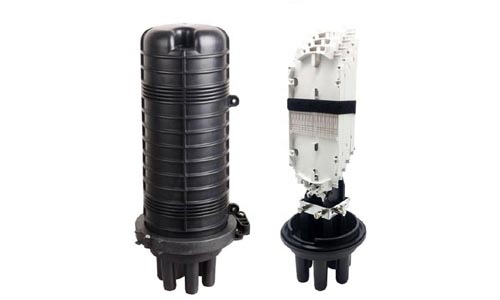 Fiber Optic Splice Closure
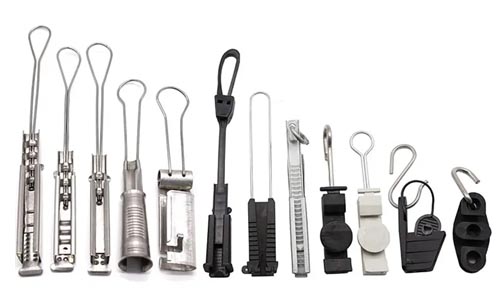 Fiber Optic Clamps
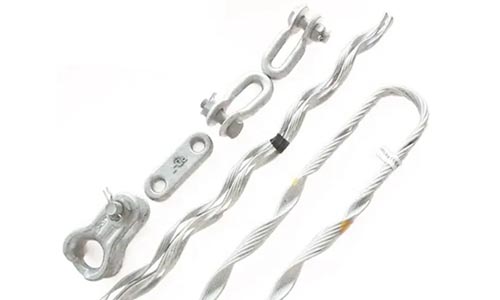 Fiber Optic Cable Fittings
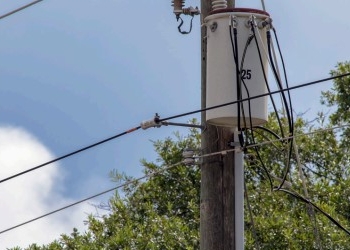 ADSS Fiber Cable
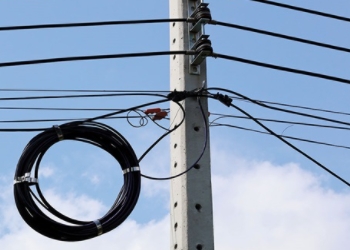 ASU Fiber Cable
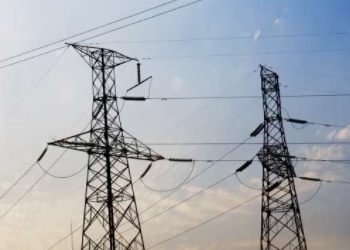 OPGW Fiber Cable
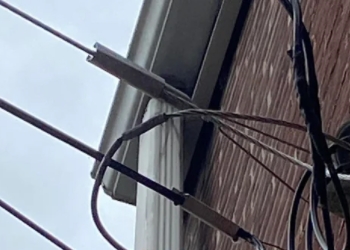 FTTH Fiber Cable
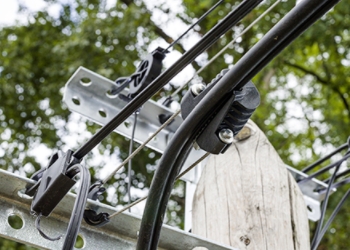 Figure 8 Fiber Cable
 Photoelectric Composite Fiber Cable
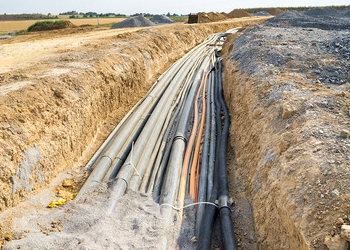 Underground & Pipeline Fiber Cable
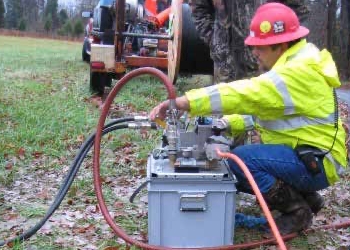 Air-Blown Micro Fiber Cable
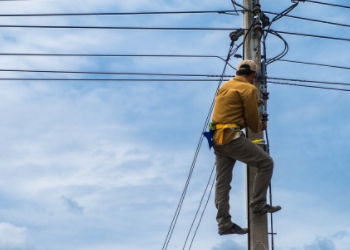 Aerial Fiber Cable
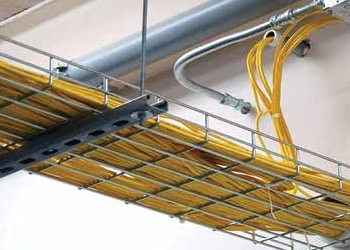 Indoor Fiber Cable
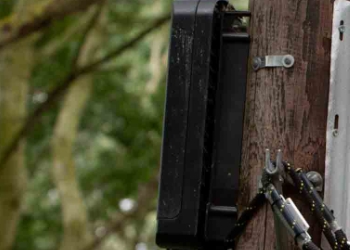 Fiber Optical Terminal Box
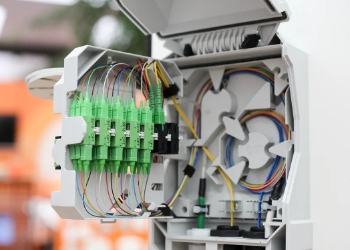 Fiber Optic Distribution Box
 Multiport Service Termina Box
 Fiber Optic Clamps
 About Us
 Our Team
 History
 R&D Strength
 Production Base
 Warehouse & Logistics
 Quality
 FAQs
-

Product Brochure
Download
What Are the Different Types of Fiber Optic Cable?
Fiber optic cables play a critical role in modern communication networks, providing high-speed data transmission, high bandwidth, and reliable connectivity over short and long distances. They are widely used in telecommunications, data centers, FTTH (Fiber to the Home), enterprise networks, industrial automation, and broadband infrastructure.
However, not all fiber optic cables are designed for the same purpose. Different cable types vary in fiber mode, cable structure, installation environment, mechanical protection, and transmission performance. Choosing the wrong cable can increase installation costs, reduce network reliability, and create maintenance problems.
The main types of fiber optic cable include single-mode fiber optic cable, multimode fiber optic cable, indoor fiber optic cable, outdoor fiber optic cable, aerial fiber optic cable, underground fiber optic cable, armored fiber optic cable, FTTH drop cable, ADSS cable, and submarine fiber optic cable. Each type is designed to meet specific transmission and environmental requirements.

1. What Is a Fiber Optic Cable?
A fiber optic cable is a communication cable that transmits information using light signals through thin strands of glass or, in some applications, plastic optical fiber.
A typical glass fiber consists of three main parts:
-
Core: The central region through which light travels.
-
Cladding: The surrounding optical material that confines light within the core through total internal reflection.
-
Coating: A protective polymer layer that helps protect the glass fiber from damage and environmental influences.
Depending on the application, a complete fiber optic cable may also contain buffer tubes, strength members, water-blocking materials, armor, and an outer jacket.
These components provide protection against moisture, mechanical stress, temperature variations, and other environmental conditions.
Compared with traditional copper communication cables, fiber optic cables offer high bandwidth, low signal attenuation, immunity to electromagnetic interference, and excellent performance over long distances.

2. What Are the Main Types of Fiber Optic Cable?
Fiber optic cables can be classified according to several different criteria. Understanding these classifications makes it easier to compare products and select an appropriate cable.
The most common classification methods include:
-
Fiber transmission mode: single-mode and multimode.
-
Installation environment: indoor, outdoor, aerial, underground, and underwater.
-
Cable construction: loose-tube, tight-buffered, ribbon, armored, and non-armored.
-
Network application: FTTH drop cable, ADSS cable, OPGW cable, and data center cable.
-
Mechanical protection: dielectric, metallic-armored, and non-armored designs.
These categories are not mutually exclusive. For example, an ADSS cable is an outdoor aerial cable with an all-dielectric self-supporting structure, while an armored outdoor cable can also use single-mode optical fibers.
The best classification depends on whether the priority is transmission performance, installation environment, mechanical protection, or network application.
3. Single-Mode Fiber Optic Cable
Single-mode fiber optic cable is designed to transmit light primarily through one spatial mode. Standard single-mode optical fiber typically has a core diameter of approximately 8–10 micrometers, with an actual design depending on the fiber specification.
Single-mode fiber is widely used in telecommunications and high-capacity networks because it supports high bandwidth and long-distance transmission.
Key Characteristics
-
Designed for long-distance optical transmission.
-
Low attenuation with appropriate fiber specifications and operating wavelengths.
-
Suitable for high-capacity communication systems.
-
Commonly used with 1310 nm and 1550 nm transmission systems.
-
Compatible with many optical networking technologies.
Common single-mode fiber specifications include OS2 cable classifications and ITU-T fiber recommendations such as G.652.D and G.657.A1/A2.
These specifications are not interchangeable labels: G.652.D describes a widely used single-mode fiber type, while G.657 fibers offer improved bending performance for applications where tight routing is important.
Applications
Single-mode fiber optic cable is commonly used in:
-
Long-distance telecommunications.
-
Metropolitan area networks.
-
Fiber-to-the-home networks.
-
Data center interconnections.
-
Broadband backbone networks.
-
Enterprise campus networks.
Advantages
Single-mode fiber is particularly suitable for networks that require long transmission distances, high capacity, and future scalability.
Although the optical transceivers used with single-mode fiber may have different cost characteristics from multimode alternatives, the overall system cost depends on transmission distance, data rate, equipment compatibility, and network architecture.

4. Multimode Fiber Optic Cable
Multimode fiber optic cable has a larger core than standard single-mode fiber, allowing multiple optical modes to propagate through the fiber.
Common multimode fiber core diameters are 50 micrometers and 62.5 micrometers.
Multimode fiber is typically used for shorter-distance communication links, particularly inside buildings and data centers.
Common Multimode Fiber Types
| Fiber Type | Typical Core Diameter | Common Applications |
|---|---|---|
| OM1 | 62.5 μm | Legacy enterprise networks |
| OM2 | 50 μm | Short-distance LAN links |
| OM3 | 50 μm | High-speed data center links |
| OM4 | 50 μm | Higher-bandwidth data center links |
| OM5 | 50 μm | Broadband multimode applications, including supported SWDM systems |
OM3 and OM4 fibers are widely used in data centers, while OM5 supports broadband multimode transmission for compatible systems. Actual transmission distances depend on the fiber category, data rate, wavelength, and transceiver specifications.
Key Characteristics
-
Larger core than single-mode fiber.
-
Commonly used for short-distance optical links.
-
Supports a range of Ethernet applications.
-
Often deployed within buildings and data centers.
-
Requires transceivers compatible with the selected multimode fiber.
Applications
Typical applications include server connections, storage networks, enterprise LANs, and short-reach data center links.
Single-Mode vs. Multimode Fiber
| Feature | Single-Mode Fiber | Multimode Fiber |
|---|---|---|
| Typical core diameter | Approximately 8–10 μm | 50 μm or 62.5 μm |
| Typical use | Long-distance communication | Shorter-distance communication |
| Common applications | Telecom, FTTH, backbone networks | Data centers, enterprise LANs |
| Fiber specifications | G.652.D, G.657.A1/A2 | OM1, OM2, OM3, OM4, OM5 |
| Main selection factor | Distance, capacity, system design | Short-reach performance and equipment compatibility |
Which is better, single-mode or multimode fiber?
Single-mode fiber is generally the preferred choice for long-distance telecommunications and many access networks. Multimode fiber can be a practical option for short-reach links where compatible optical equipment and existing infrastructure make it suitable.

5. Indoor Fiber Optic Cable
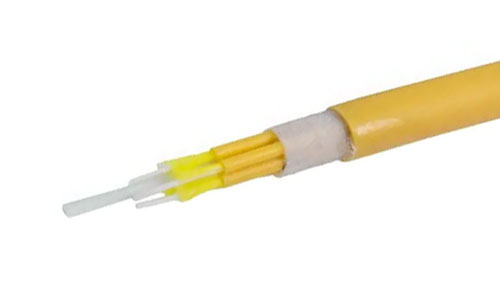
Indoor fiber optic cable is designed for installation inside buildings, including offices, residential buildings, data centers, and communication rooms.
Compared with outdoor cable, indoor designs often prioritize flexibility, compact dimensions, ease of termination, and compliance with applicable building fire-safety requirements.
Common Types of Indoor Fiber Optic Cable
Tight-buffered fiber optic cable
Tight-buffered cables have a protective buffer layer applied closely around each optical fiber. They are commonly used for indoor distribution, patching, and termination.
Indoor distribution cable
Distribution cables contain multiple optical fibers within a compact construction. They are suitable for structured cabling systems and building communication networks.
Indoor breakout cable
Breakout cables contain individually protected subunits, making them useful for applications requiring direct termination of multiple fibers.
Indoor FTTH cable
Indoor FTTH cables connect building entry points, floor distribution equipment, and customer premises. Their construction depends on the installation method and local requirements.
Applications
-
Office buildings.
-
Data centers.
-
Telecommunications rooms.
-
Residential fiber networks.
-
Enterprise communication systems.
Important Selection Considerations
Indoor cables should meet the relevant fire performance, smoke emission, and installation requirements of the destination market.
For example, cable products may need to comply with applicable building codes and standards such as the National Electrical Code in the United States or relevant European cable fire classification requirements.
A cable suitable for outdoor use is not automatically suitable for indoor installation.
6. Outdoor Fiber Optic Cable
Outdoor fiber optic cable is designed to withstand environmental conditions such as moisture, temperature fluctuations, ultraviolet radiation, and mechanical stress.
Its construction varies depending on whether the cable will be installed aerially, underground, in ducts, or directly buried.
Common Outdoor Cable Structures
Loose-tube fiber optic cable
Loose-tube cables place optical fibers inside protective tubes, allowing the fibers to move relative to the cable structure as temperatures and mechanical conditions change.
They are widely used in outdoor telecommunications networks.
Central-tube fiber optic cable
Central-tube cables place fibers in a central protective tube. Depending on the design, they can provide a compact structure for access networks and other outdoor applications.
Stranded loose-tube cable
Stranded loose-tube cables arrange multiple buffer tubes around a central strength member. This structure is common in outdoor backbone and distribution networks.
Key Characteristics
-
Moisture protection.
-
Resistance to outdoor temperature variations.
-
Mechanical strength appropriate to the installation method.
-
UV-resistant jacket options.
-
Compatibility with duct, aerial, or direct-burial installation when specifically designed for that purpose.
Applications
Outdoor fiber optic cables are used in telecommunications backbones, access networks, campus networks, and broadband infrastructure.
Important: Outdoor cables should not be selected by jacket appearance alone. Water-blocking design, temperature range, tensile performance, crush resistance, and installation requirements should all be evaluated.
7. Aerial Fiber Optic Cable
Aerial fiber optic cable is installed above ground, typically on utility poles, communication poles, or other approved overhead support structures.
It can be an economical option where existing pole infrastructure is available and underground construction would be expensive.
Common Types of Aerial Fiber Optic Cable
ADSS Fiber Optic Cable
ADSS stands for All-Dielectric Self-Supporting.
ADSS cable contains no metallic load-bearing components and is designed to support itself between suitable attachment points without a separate messenger wire.
Its structure commonly incorporates optical fibers, protective tubes or equivalent fiber-holding structures, strength members, and an outer sheath.
Advantages of ADSS cable:
-
All-dielectric construction.
-
No separate metallic messenger wire is required when properly designed for the span.
-
Suitable for certain utility and telecommunications aerial routes.
-
Can be engineered for different span lengths and environmental conditions.
ADSS cable selection must consider span length, sag, wind and ice loading, installation tension, and the electrical environment near power lines. The outer sheath design and cable configuration must also be appropriate for the installation conditions.
Figure-8 Fiber Optic Cable
Figure-8 cable combines the optical cable section and a supporting messenger section in a figure-eight profile.
It is commonly used in aerial access networks where the integrated messenger provides mechanical support.
Aerial Loose-Tube Cable
Some loose-tube cables are installed overhead using an appropriate support system. The installation method and cable design must match the manufacturer's specifications.
Applications
-
Rural broadband networks.
-
Telecommunications distribution.
-
FTTH access networks.
-
Utility communication systems.
-
Overhead campus networks.
8. Underground Fiber Optic Cable
Underground fiber optic cable is installed below ground to protect communication infrastructure and reduce exposure to overhead hazards.
However, not every outdoor cable is suitable for direct burial.
Two Common Underground Installation Methods
Duct-installed fiber optic cable
The cable is installed inside an underground conduit or duct. The duct provides an additional physical barrier and can simplify future cable replacement.
Direct-buried fiber optic cable
Direct-buried cable is specifically designed for installation in soil without a separate continuous conduit surrounding the cable.
Depending on the product, it may incorporate metallic armor, non-metallic reinforcement, water-blocking materials, or other protective structures.
Advantages
-
Reduced visual impact.
-
Protection from many overhead environmental hazards.
-
Suitable for underground telecommunications routes.
-
Potentially improved physical protection when the cable and installation are correctly designed.
Applications
-
City broadband networks.
-
Roadside telecommunications infrastructure.
-
Campus communication networks.
-
Industrial facilities.
-
Long-distance underground routes.
The required burial depth depends on local regulations, site conditions, installation methods, and the type of infrastructure crossed. Always follow applicable codes and project specifications.
9. Armored vs. Non-Armored Fiber Optic Cable
Armored fiber optic cable incorporates an additional protective layer intended to improve resistance to mechanical damage.
Depending on the design, armor may consist of steel tape, steel wire, or non-metallic protective materials.
Non-armored cable does not contain this additional armor layer, although it still has a protective outer jacket and may include strength members.
Comparison Table
| Feature | Armored Fiber Optic Cable | Non-Armored Fiber Optic Cable |
|---|---|---|
| Mechanical protection | Enhanced by the armor design | Depends on jacket and internal structure |
| Weight | Generally heavier | Generally lighter |
| Flexibility | Depends on armor type and cable design | Often easier to route |
| Installation cost | May be higher | May be lower |
| Typical applications | Direct burial, industrial sites, high-risk routes | Ducts, aerial systems, protected indoor routes |
| Installation considerations | Armor handling and grounding requirements where applicable | Requires adequate protection from site hazards |
When Should You Choose Armored Fiber Optic Cable?
Armored cable is worth considering when the route presents a greater risk of crushing, rodent damage, or other mechanical hazards.
Non-armored cable may be appropriate when the cable is installed in a protective duct or another controlled environment.
Armor does not eliminate the need for proper installation. Cable pulling tension, minimum bend radius, crush loads, and environmental compatibility must still be considered.
10. FTTH Drop Cable
FTTH drop cable is used in Fiber to the Home networks to connect distribution infrastructure to individual homes, apartments, or business premises.
It is commonly deployed in the final section of an optical access network.
Common FTTH Drop Cable Designs
Flat drop cable
Flat drop cable has a compact, flattened profile and commonly incorporates strength members on either side of the optical fiber section.
It is frequently used in access networks and customer connections.
Figure-8 drop cable
Some drop cable designs use an integrated messenger to support aerial installation.
Indoor drop cable
Indoor drop cable is designed for building entry and routing within premises, subject to applicable fire and installation requirements.
Advantages
-
Compact construction.
-
Convenient installation in access networks.
-
Suitable designs for aerial, duct, or indoor routing.
-
Available with different fiber types and fiber counts.
Applications
-
FTTH networks.
-
Residential broadband connections.
-
Multi-dwelling units.
-
Small business fiber connections.
-
Last-mile telecommunications infrastructure.
When selecting FTTH drop cable, consider the installation route, required fiber count, bending performance, environmental exposure, and connectorization requirements.
11. OPGW Fiber Optic Cable
OPGW stands for Optical Ground Wire.
OPGW cable is installed on suitable overhead power transmission lines and combines the functions of a grounding or shielding wire with optical communication capability.
Its construction commonly includes metallic components and optical fiber units engineered for the electrical and mechanical conditions of power transmission infrastructure.
Main Advantages
-
Combines grounding and optical communication functions.
-
Makes use of suitable transmission-line infrastructure.
-
Supports utility communication and monitoring systems.
-
Can provide high-capacity communications for power networks.
Applications
-
Electrical utility communications.
-
Substation connectivity.
-
Power grid monitoring.
-
Protection and control communication systems.
-
Supervisory control and data acquisition networks.
OPGW installation requires specialized engineering because electrical performance, short-circuit current capacity, mechanical loading, and optical transmission requirements must all be satisfied.
Unlike ADSS cable, OPGW is a metallic cable designed to perform a grounding-wire function on overhead power lines.
12. Submarine and Underwater Fiber Optic Cable
Submarine fiber optic cable is designed for installation beneath bodies of water, including seas, oceans, and other aquatic environments.
These cables support international telecommunications, inter-island connections, and other high-capacity communication links.
Submarine cable construction varies substantially depending on water depth, route conditions, burial requirements, and mechanical hazards.
Main Characteristics
-
Specialized moisture protection.
-
Mechanical protection appropriate to the route.
-
Designs tailored to seabed and installation conditions.
-
Optical transmission performance suitable for the communication system.
Some submarine systems include electrical conductors for powering repeaters, while others use different architectures depending on the system design.
Applications
-
International internet connections.
-
Intercontinental telecommunications.
-
Island connectivity.
-
Offshore communication infrastructure.
-
Underwater monitoring networks.
Submarine fiber optic cable is not simply standard outdoor cable placed underwater. It requires a construction and installation plan appropriate to the aquatic environment and route risks.
13. Ribbon Fiber Optic Cable
Ribbon fiber optic cable arranges multiple optical fibers in flat, parallel arrays called ribbons.
This structure is designed to increase fiber density and can support efficient mass-fusion splicing when the fibers and splicing equipment are compatible.
Key Characteristics
-
High fiber count within a compact cable structure.
-
Efficient mass-fusion splicing options.
-
Suitable for high-capacity backbone networks.
-
Available in different outdoor and indoor constructions.
Applications
-
Telecommunications backbone networks.
-
Large metropolitan fiber networks.
-
Data center interconnections.
-
High-density fiber distribution systems.
Ribbon cable can reduce splicing time in suitable applications, although handling, preparation, and splicing procedures depend on the specific cable construction.
14. How to Choose the Right Type of Fiber Optic Cable
Choosing the right fiber optic cable requires evaluating transmission requirements, installation conditions, and long-term operating needs.
Step 1: Determine the Transmission Distance
For long-distance links, single-mode fiber is commonly preferred.
For short-distance links, multimode fiber may be suitable when compatible transceivers and performance requirements support its use.
Step 2: Identify the Installation Environment
Determine whether the cable will be installed indoors, outdoors, overhead, in underground ducts, directly buried, or underwater.
Each environment creates different requirements for mechanical protection and environmental resistance.
Step 3: Select the Appropriate Cable Structure
Consider loose-tube, tight-buffered, ribbon, armored, or non-armored construction according to the installation method and fiber count.
For example, loose-tube designs are common in outdoor networks, while tight-buffered designs are widely used in indoor applications.
Step 4: Evaluate Mechanical Requirements
Check the cable's rated tensile load, crush resistance, minimum bend radius, installation tension, and expected service conditions.
For aerial installations, also consider span length, sag, wind loading, ice loading, and support hardware.
Step 5: Choose the Correct Fiber Specification
Select a fiber specification that matches the optical equipment and network design.
G.652.D is widely used for general single-mode telecommunications, while G.657.A1 and G.657.A2 provide improved bending performance for applications requiring tighter cable routing.
For multimode applications, select the appropriate OM category based on the required data rate, transmission distance, wavelength, and optical equipment.
Step 6: Check Compliance and Product Documentation
Review relevant requirements for fire performance, UV resistance, water blocking, temperature range, and mechanical properties.
Ask the manufacturer for the applicable technical datasheet and test reports before placing a large order.
15. Fiber Optic Cable Types Comparison Table
The following table summarizes common fiber optic cable types and their typical applications.
| Cable Type | Main Feature | Typical Application |
|---|---|---|
| Single-mode fiber cable | Designed for long-distance transmission | Telecom, FTTH, backbone networks |
| Multimode fiber cable | Suitable for supported short-reach links | Data centers, enterprise LANs |
| Indoor fiber cable | Designed for building installations | Offices, communication rooms |
| Outdoor fiber cable | Built for outdoor environmental conditions | Telecom distribution networks |
| ADSS cable | Self-supporting, all-dielectric construction | Aerial utility and telecom routes |
| Figure-8 cable | Integrated messenger support | Aerial access networks |
| Underground fiber cable | Designed for specified underground methods | Buried telecom infrastructure |
| Armored fiber cable | Additional mechanical protection | Direct burial, industrial routes |
| FTTH drop cable | Designed for final access connections | Residential broadband |
| OPGW cable | Combines grounding-wire and optical functions | Power transmission lines |
| Submarine fiber cable | Designed for underwater routes | International and underwater links |
| Ribbon fiber cable | Parallel fiber arrays for high-density networks | Backbone and high-count networks |
These categories describe different aspects of cable design. A single cable may belong to several categories at once.
For example, a cable may use single-mode G.652.D fiber, have a loose-tube construction, include armor, and be designed for underground installation.
16. Frequently Asked Questions About Fiber Optic Cable Types
Q1: What are the two main types of fiber optic cable?
The two main optical fiber transmission categories are single-mode and multimode. Single-mode fiber is commonly used for long-distance communications, while multimode fiber is generally used for shorter-distance links.
Other classifications describe cable construction, installation environment, or application.
Q2: Which type of fiber optic cable is best for outdoor use?
The best outdoor cable depends on the installation method. Loose-tube outdoor cable is common in general telecommunications networks, ADSS cable is used for suitable aerial installations, and specially designed armored cables may be appropriate for direct burial.
The cable must meet the environmental and mechanical requirements of the project.
Q3: What is the difference between ADSS and OPGW cable?
ADSS is an all-dielectric self-supporting cable designed for suitable aerial installations. OPGW is a metallic optical ground wire installed on appropriate power transmission lines, where it combines grounding and optical communication functions.
Q4: Is armored fiber optic cable better than non-armored cable?
Not in every situation. Armored cable offers additional mechanical protection, but it may be heavier and more difficult to handle. Non-armored cable can be suitable for protected ducts and other installations where additional armor is unnecessary.
The correct choice depends on route conditions and project specifications.
Q5: What type of fiber optic cable is used for FTTH?
FTTH networks commonly use single-mode fiber, including suitable G.652.D or G.657 fiber specifications. Flat drop cable, figure-8 drop cable, and other access cable designs are selected according to the installation route and network architecture.
Q6: What is the difference between indoor and outdoor fiber optic cable?
Indoor cable is designed for building installation and must meet applicable fire-safety requirements. Outdoor cable is designed to withstand environmental conditions such as moisture, temperature variations, and UV exposure.
Some cables are approved for both environments, but suitability must be confirmed from the product documentation.
Q7: How many fibers can a fiber optic cable contain?
Fiber count varies by cable design and application. Some drop cables contain one or two fibers, while backbone cables may contain dozens, hundreds, or more fibers. High-density ribbon cable designs can accommodate particularly large fiber counts.
The appropriate fiber count depends on current demand, expected expansion, spare capacity, and installation constraints.
Q8: Which fiber optic cable is best for long-distance communication?
Single-mode fiber is generally the preferred choice for long-distance communication because of its optical characteristics and compatibility with long-reach transmission systems.
Actual system reach depends on fiber attenuation, connector and splice losses, transceiver specifications, and the link budget.
Q9: Can outdoor fiber optic cable be buried directly underground?
Only if the specific cable is designed and approved for direct burial under the applicable project requirements. Some outdoor cables are intended for duct installation and may not provide sufficient protection for direct burial.
Q10: What information should I provide when requesting a fiber optic cable quotation?
To obtain an accurate quotation, provide the following information:
-
Cable type and installation environment.
-
Required fiber type and fiber count.
-
Total cable length.
-
Cable structure and armor requirements.
-
Required tensile strength and other mechanical specifications.
-
Operating temperature range.
-
Applicable industry standards.
-
Required delivery location and project schedule.
These details help manufacturers recommend a suitable cable and prepare a more accurate quotation.
Conclusion
There are many types of fiber optic cable, and each serves a different role in modern communication infrastructure. Single-mode and multimode fibers are classified by their optical transmission characteristics, while indoor, outdoor, aerial, underground, armored, FTTH drop, ADSS, OPGW, submarine, and ribbon cables describe different installation methods, structures, or applications.
The best fiber optic cable is the one that matches the transmission distance, network architecture, installation environment, mechanical requirements, and applicable standards of the project.
For telecommunications contractors, network operators, distributors, and infrastructure developers, understanding these differences can help reduce installation risks, improve network reliability, and control long-term operating costs.
When selecting a fiber optic cable, always review the manufacturer's technical datasheet, confirm compatibility with the optical equipment, and verify that the cable is suitable for the intended installation environment.