 Optical Fiber
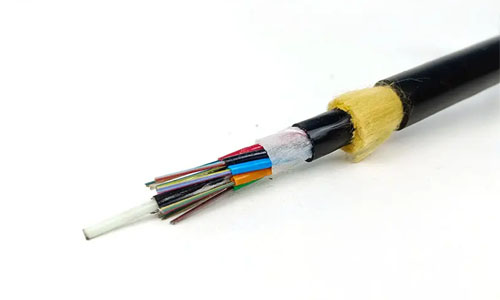 ADSS Fiber Optic Cable
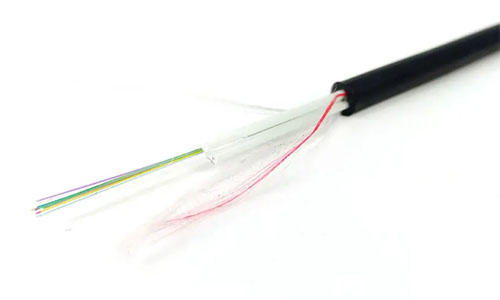 ASU Fiber Optic Cable
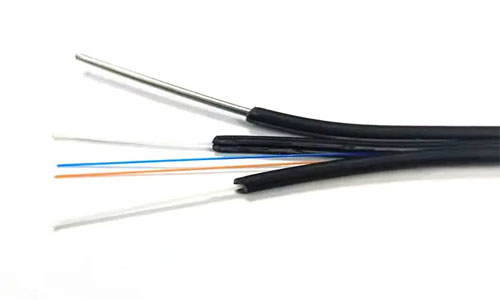 FTTH Fiber Optic Cable
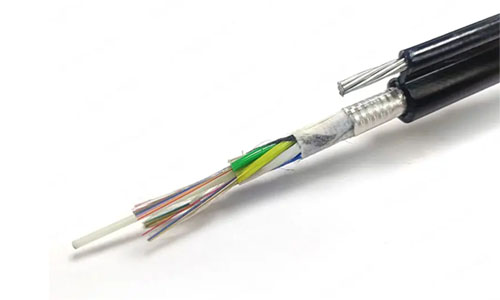 Figure 8 Fiber Optic Cable
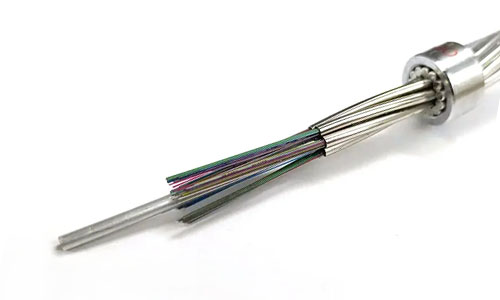 OPGW Fiber Optic Cable
 Coaxial Cable
 Ethernet Cable
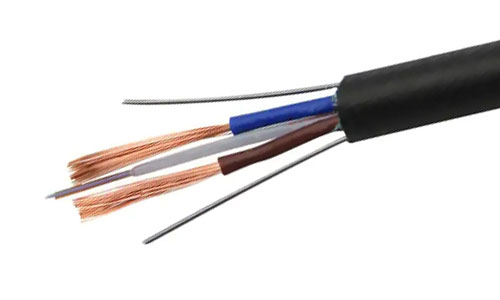 Photoelectric Composite Fiber Optic Cable
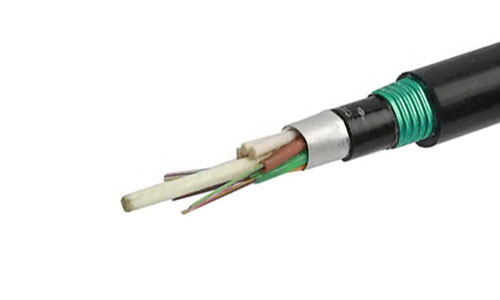 Underground & Pipeline Fiber Optic Cable
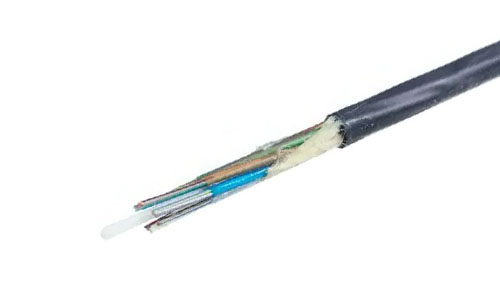 Air-Blown Micro Fiber Optic Cable
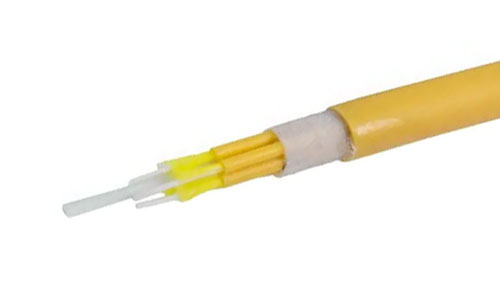 Indoor Fiber Optic Cable
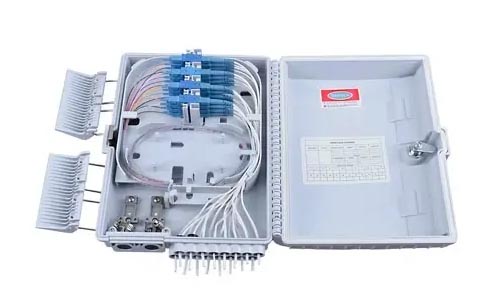 Fiber Optic Distribution Box
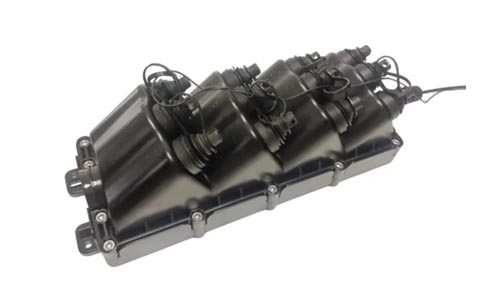 Multiport Service Termina Box
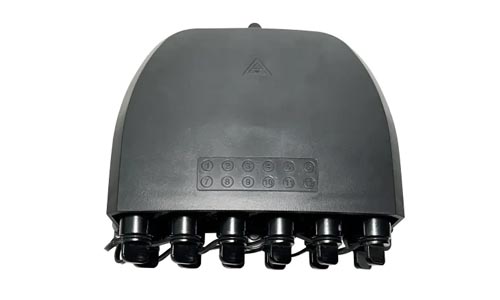 Fiber Optical Terminal Box
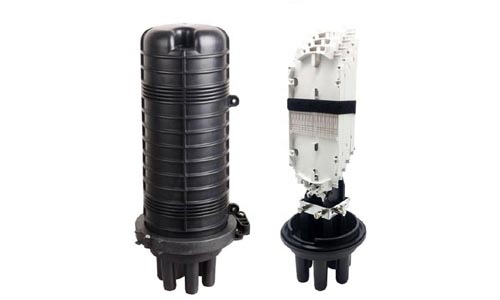 Fiber Optic Splice Closure
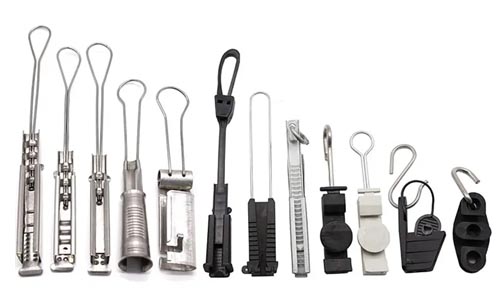 Fiber Optic Clamps
 Fiber Optic Cable Fittings
 ADSS Fiber Cable
 ASU Fiber Cable
 OPGW Fiber Cable
 FTTH Fiber Cable
 Figure 8 Fiber Cable
 Photoelectric Composite Fiber Cable
 Underground & Pipeline Fiber Cable
 Air-Blown Micro Fiber Cable
 Aerial Fiber Cable
 Indoor Fiber Cable
 Fiber Optical Terminal Box
 Fiber Optic Distribution Box
 Multiport Service Termina Box
 Fiber Optic Clamps
 About Us
 Our Team
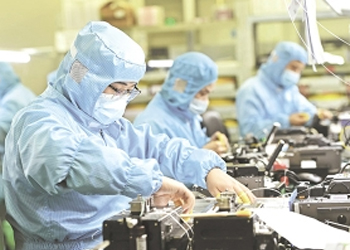 History
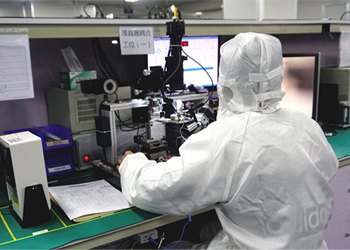 R&D Strength
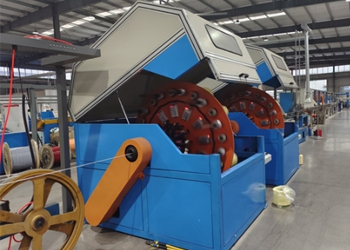 Production Base
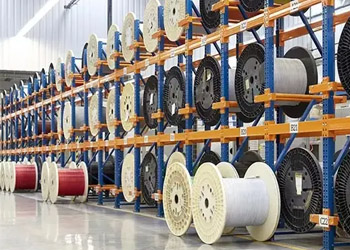 Warehouse & Logistics
 Quality
 FAQs
-

Product Brochure
Download
What Is the Difference Between PVC, LSZH, and PE Fiber Optic Cable Jackets?
-
PVC is an economical and flexible jacket material commonly used in indoor fiber optic cables.
-
LSZH is a low-smoke, halogen-free jacket material designed for environments with strict fire-safety requirements.
-
PE is a durable, moisture-resistant jacket material commonly used in outdoor, aerial, and underground fiber optic cables.
When selecting a fiber optic cable, many buyers focus on fiber type, core count, transmission distance, and cable structure. However, the outer jacket material is equally important because it directly affects the cable's fire safety, environmental resistance, flexibility, durability, and service life.
PVC, LSZH, and PE are three commonly used jacket materials in fiber optic cable manufacturing. Each material has different physical and chemical properties, making it suitable for specific installation environments.
So, what is the difference between PVC, LSZH, and PE fiber optic cable jackets? Which one is better for indoor, outdoor, underground, or industrial applications?
1. What Is a Fiber Optic Cable Jacket?
A fiber optic cable jacket is the outer protective layer surrounding the internal cable components. It protects optical fibers, buffer tubes, strength members, and other structural elements from external environmental damage.
The jacket plays several important roles:
-
Mechanical protection: Protects internal components against abrasion, impact, and external pressure.
-
Environmental protection: Helps prevent damage caused by moisture, chemicals, UV radiation, and temperature changes.
-
Fire safety: Determines how the cable behaves when exposed to fire, including flame propagation and smoke generation.
-
Installation flexibility: Influences cable flexibility, handling, and installation convenience.
-
Long-term durability: Helps maintain cable performance throughout its expected service life.
PVC, LSZH, and PE are widely used in different fiber optic cable designs. However, they are not interchangeable in every application. The correct choice depends on the installation environment, safety requirements, and project specifications.
2. What Is PVC Fiber Optic Cable Jacket?
PVC stands for Polyvinyl Chloride. It is a thermoplastic polymer widely used in electrical cables, communication cables, and indoor fiber optic cables.
PVC is popular in cable manufacturing because of its relatively low cost, good flexibility, electrical insulation properties, and availability of different formulations.
Key Characteristics of PVC Cable Jackets
1. Good Flexibility
PVC jackets can be formulated with plasticizers to provide good flexibility. This makes PVC-jacketed fiber optic cables relatively easy to handle, route, and install in indoor communication systems.
2. Good Electrical Insulation
PVC has excellent electrical insulation properties. Although optical fibers transmit signals using light rather than electrical current, insulation properties are still useful in hybrid and cable assembly applications.
3. Flame-Retardant Formulations
Certain PVC compounds are formulated to resist ignition and limit flame propagation. However, PVC is not automatically fireproof. Its actual fire performance depends on the compound formulation and the relevant test standard.
4. Cost-Effective
PVC is generally an economical jacket material. It offers a practical balance between protection, flexibility, and manufacturing cost, making it suitable for many standard indoor installations.
5. Chemical Resistance
PVC provides resistance to many common acids, alkalis, salts, and oils, although performance varies according to the specific formulation and chemical exposure conditions.
Advantages of PVC Fiber Optic Cable
-
Relatively low material and manufacturing costs.
-
Good flexibility and installation convenience.
-
Good electrical insulation properties.
-
Available in different flame-retardant formulations.
-
Suitable for many standard indoor cable applications.
Disadvantages of PVC Fiber Optic Cable
-
Produces relatively dense smoke when burned.
-
Can release hydrogen chloride and other hazardous combustion products.
-
Standard PVC formulations may have limited UV and outdoor weather resistance.
-
Not the preferred option for environments requiring strict low-smoke, halogen-free fire performance.
Typical Applications
PVC-jacketed fiber optic cables are commonly used in:
-
Indoor telecommunications networks.
-
Office buildings and commercial networks.
-
Indoor distribution systems.
-
Data communication installations.
-
General-purpose indoor patch cables and fiber assemblies.
PVC is a practical option when cost efficiency and general indoor performance are the primary considerations, provided that the installation complies with applicable fire and building codes.
3. What Is LSZH Fiber Optic Cable Jacket?
LSZH stands for Low Smoke Zero Halogen. It is a category of cable jacket compounds designed to produce limited smoke and no intentional halogen-containing combustion products under specified fire-test conditions.
Unlike PVC, which contains chlorine, LSZH compounds are generally formulated using halogen-free polymers and flame-retardant additives.
LSZH materials are particularly important in enclosed environments where smoke visibility and exposure to corrosive combustion gases are major safety concerns.
Key Characteristics of LSZH Cable Jackets
1. Low Smoke Emission
One of the most important characteristics of LSZH is its ability to produce significantly less smoke than conventional PVC compounds when exposed to fire under comparable test conditions.
Reduced smoke can help maintain visibility during evacuation and emergency response.
2. Halogen-Free Composition
LSZH compounds are formulated without intentionally added halogens such as chlorine and bromine. This helps reduce the release of corrosive hydrogen halides during combustion.
3. Improved Fire Safety Performance
Many LSZH compounds are designed to meet specific flame-retardant and smoke-density requirements. However, LSZH does not mean fireproof, and not every LSZH cable meets every fire classification.
4. Suitable for Enclosed Spaces
LSZH is particularly useful in buildings and facilities where large numbers of people may be present or where sensitive electronic equipment needs additional protection from corrosive smoke.
5. Environmental and Safety Considerations
By reducing halogen-containing combustion products, LSZH cables can help minimize certain fire-related risks to people and equipment.
Advantages of LSZH Fiber Optic Cable
-
Low smoke emission during fire exposure.
-
Halogen-free jacket formulation.
-
Reduced release of corrosive halogen acid gases.
-
Suitable for public buildings and enclosed spaces.
-
Available in specialized flame-retardant cable designs.
Disadvantages of LSZH Fiber Optic Cable
-
Usually more expensive than standard PVC alternatives.
-
Some formulations are stiffer or less flexible than PVC.
-
Mechanical and weather resistance vary by compound.
-
Not all LSZH cables are suitable for direct outdoor exposure.
-
Requires verification of applicable fire-test certifications.
Typical Applications
LSZH fiber optic cables are widely used in:
-
Hospitals and healthcare facilities.
-
Airports and railway stations.
-
Schools and universities.
-
Shopping malls and commercial buildings.
-
Data centers and server rooms.
-
Underground transportation systems.
-
High-rise buildings and public infrastructure.
For projects where fire safety, smoke reduction, and low corrosivity are critical, LSZH is often the preferred indoor cable jacket material.
4. What Is PE Fiber Optic Cable Jacket?
PE stands for Polyethylene. It is a thermoplastic polymer widely used in outdoor fiber optic cables because of its excellent moisture resistance, electrical properties, and environmental durability.
PE jackets are particularly suitable for outdoor telecommunications networks, aerial installations, and underground cable systems.
Depending on the formulation, PE jackets can provide excellent resistance to water, UV exposure, abrasion, and various environmental conditions.
Key Characteristics of PE Cable Jackets
1. Excellent Moisture Resistance
PE has very low water absorption and provides an effective moisture barrier. This makes it suitable for outdoor cables exposed to rain, humidity, and wet soil.
2. Good Weather and UV Resistance
UV-stabilized PE compounds can provide good resistance to sunlight and outdoor weathering. The specific UV performance depends on the formulation, carbon black content, and other stabilizing additives.
3. Strong Mechanical Protection
PE jackets generally offer good abrasion resistance, toughness, and mechanical durability. These properties are valuable in outdoor installations where cables may encounter rough surfaces and environmental stress.
4. Good Chemical Resistance
PE offers resistance to many acids, alkalis, salts, and other common chemicals. This makes it useful in certain industrial and underground environments.
5. Low Water Absorption
Because PE absorbs very little water, it is widely used in cable structures requiring long-term moisture protection.
Advantages of PE Fiber Optic Cable
-
Excellent moisture and water resistance.
-
Good outdoor weather resistance when properly formulated.
-
Good abrasion and mechanical resistance.
-
Suitable for aerial and underground installations.
-
Good resistance to many common chemicals.
-
Long-term durability in appropriately designed outdoor cable systems.
Disadvantages of PE Fiber Optic Cable
-
Conventional PE is combustible and is not inherently flame-retardant.
-
Produces smoke and potentially hazardous combustion products when burned.
-
Not the preferred jacket for indoor spaces requiring LSZH performance.
-
Some PE formulations can be relatively stiff.
-
May require additional flame-retardant treatment for specialized applications.
Typical Applications
PE-jacketed fiber optic cables are commonly used in:
-
Outdoor aerial fiber optic cables.
-
ADSS fiber optic cables.
-
Underground fiber optic cables.
-
Direct-buried fiber optic cables.
-
Duct fiber optic cables.
-
Outdoor backbone communication networks.
-
Industrial and utility communication systems.
PE is generally an excellent choice for outdoor fiber optic cable applications where moisture resistance, weather protection, and mechanical durability are essential.
5. PVC vs. LSZH vs. PE: Key Differences
Although PVC, LSZH, and PE are all used as fiber optic cable jacket materials, their performance characteristics differ significantly.
The following table provides a practical comparison.
| Performance | PVC | LSZH | PE |
|---|---|---|---|
| Full name | Polyvinyl Chloride | Low Smoke Zero Halogen | Polyethylene |
| Smoke emission | Relatively high | Low | Formulation-dependent; generally not designed for low smoke |
| Halogen content | Contains chlorine | Halogen-free formulation | Halogen-free polymer |
| Flame performance | Can be flame-retardant | Commonly designed for flame retardancy | Generally combustible |
| Moisture resistance | Good | Formulation-dependent | Excellent |
| UV resistance | Formulation-dependent | Formulation-dependent | Good with UV stabilization |
| Flexibility | Generally good | Formulation-dependent | Formulation-dependent |
| Mechanical durability | Good | Good, depending on formulation | Generally very good |
| Chemical resistance | Good against many chemicals | Formulation-dependent | Good against many chemicals |
| Typical application | Indoor | Indoor safety-critical environments | Outdoor |
Important: The table describes typical material characteristics, not guaranteed cable performance. Actual results depend on the compound formulation, cable construction, thickness, manufacturing quality, and applicable test standards.
6. How to Choose the Right Fiber Optic Cable Jacket?
Choosing between PVC, LSZH, and PE requires an understanding of the installation environment and project requirements.
Here are five important factors to consider.
6.1 Consider the Installation Environment
The installation environment should be the first consideration.
-
For general indoor installations, PVC may be suitable where permitted by local fire codes.
-
For public buildings, data centers, hospitals, and enclosed spaces, LSZH is often preferred when low-smoke and halogen-free requirements apply.
-
For outdoor installations, PE is generally the preferred option because of its moisture and weather resistance.
6.2 Evaluate Fire Safety Requirements
Fire safety is especially important in buildings, transportation facilities, and densely populated areas.
If the project requires low smoke emission and halogen-free materials, LSZH is generally the appropriate choice.
However, buyers should not assume that every LSZH cable meets all fire-safety requirements. Check the relevant test reports and certifications, such as IEC 60754 for halogen acid gas characteristics, IEC 61034 for smoke density, and IEC 60332 for flame propagation.
6.3 Check Weather and Moisture Exposure
Outdoor fiber optic cables may be exposed to rain, sunlight, temperature fluctuations, humidity, and water ingress.
PE jackets are commonly selected for these conditions because of their low water absorption and good outdoor durability.
For underground and direct-buried cables, the entire cable structure must also be designed to resist moisture ingress, soil conditions, and mechanical damage. A PE outer jacket alone does not guarantee that the cable is waterproof.
6.4 Consider Mechanical Requirements
Different installations require different levels of mechanical protection.
For example:
-
Aerial cables require suitable tensile strength and weather resistance.
-
Direct-buried cables may require armor and additional protection against crushing or external damage.
-
Indoor distribution cables often prioritize flexibility and ease of installation.
-
Industrial cables may need additional resistance to abrasion, chemicals, or temperature variations.
The jacket material should be selected together with the cable's complete structural design.
6.5 Balance Performance and Budget
PVC is often the economical choice for general indoor applications.
LSZH generally involves a higher material cost but provides important smoke and halogen-related safety benefits.
PE offers a good balance of durability and cost for outdoor communication networks.
The lowest initial purchase price does not necessarily represent the lowest total project cost. Installation conditions, expected service life, maintenance, and regulatory compliance should also be considered.
7. Can PVC, LSZH, and PE Be Used Interchangeably?
No. Although all three materials can serve as protective cable jackets, they are designed for different operating conditions.
For example, replacing a PE outdoor cable jacket with standard PVC may reduce the cable's suitability for long-term exposure to sunlight and outdoor weather.
Similarly, replacing an LSZH indoor cable with standard PVC may violate project fire-safety specifications.
Using LSZH for an outdoor cable without verifying its UV, moisture, and temperature performance may also create durability problems.
Therefore, cable jacket selection should be based on the actual installation environment, required certifications, and technical specifications rather than material names alone.
In some cable designs, manufacturers use different jacket materials in multiple layers. For example, a cable may have a PE outer sheath for environmental protection and an LSZH inner sheath for specific fire-safety or installation requirements. Such constructions must be engineered and tested for the intended application.
8. Which Fiber Optic Cable Jacket Is Best for Different Applications?
The following recommendations provide a quick reference for common telecom projects.
| Application | Recommended Jacket | Main Reason |
|---|---|---|
| Indoor communication cable | PVC or LSZH | Flexibility and indoor suitability |
| Hospital networks | LSZH | Low smoke and halogen-free formulation |
| Data center cabling | LSZH, where specified | Fire safety considerations |
| Office building networks | PVC or LSZH | Depends on building codes |
| Outdoor aerial cable | PE | Weather and moisture resistance |
| ADSS fiber optic cable | PE | Outdoor environmental protection |
| Direct-buried cable | PE | Moisture and soil exposure resistance |
| Outdoor duct cable | PE | Water and environmental resistance |
| Railway and subway networks | LSZH, where specified | Smoke and corrosive gas considerations |
The final selection should always follow local regulations, customer specifications, and the cable manufacturer's verified performance data.
9. Frequently Asked Questions (FAQ)
Q1: What is the main difference between PVC and LSZH fiber optic cables?
The main difference is their fire-related performance. PVC contains chlorine and can release hydrogen chloride gas and relatively dense smoke during combustion. LSZH is formulated to produce limited smoke and no halogen-containing combustion products under specified test conditions.
Q2: Is LSZH better than PVC for fiber optic cables?
LSZH is generally preferable in enclosed public spaces where low-smoke and halogen-free requirements are important. However, PVC can be a suitable and economical option for indoor installations where local regulations permit its use.
Q3: Is PE suitable for outdoor fiber optic cables?
Yes. PE is widely used for outdoor fiber optic cables because of its excellent moisture resistance, good mechanical durability, and weather resistance when properly formulated.
Q4: Can PE fiber optic cable be used indoors?
Standard PE is combustible and does not inherently provide the low-smoke, flame-retardant characteristics required in many indoor applications. It should only be used indoors when the complete cable design has the necessary approvals and meets applicable building and fire codes.
Q5: Is LSZH fiber optic cable waterproof?
LSZH itself does not automatically make a cable waterproof. Water resistance depends on the complete cable construction, including the jacket, water-blocking materials, sealing structures, and manufacturing process.
Q6: Which jacket material is best for ADSS fiber optic cable?
PE is commonly used for ADSS fiber optic cables because it provides good outdoor weather resistance, moisture protection, and mechanical durability. The specific sheath design should also account for the electrical environment and installation conditions.
Q7: Is LSZH cable fireproof?
No. LSZH means Low Smoke Zero Halogen, not fireproof. LSZH cables can still burn under sufficient heat and oxygen. Their actual flame performance must be verified against the required fire-test standards.
Q8: What is the most cost-effective fiber optic cable jacket?
PVC is generally the most economical option for many standard indoor applications. PE is often cost-effective for outdoor installations, while LSZH is worth considering when enhanced fire-related safety requirements justify the additional cost.
10. Conclusion: Choose the Right Jacket for Reliable Fiber Optic Networks
PVC, LSZH, and PE fiber optic cable jackets each offer distinct advantages.
-
PVC: A cost-effective option for many general indoor installations, offering good flexibility and electrical insulation.
-
LSZH: A suitable choice for enclosed environments where low smoke emission and halogen-free properties are required.
-
PE: An excellent choice for outdoor applications requiring moisture resistance, weather durability, and mechanical protection.
There is no single best jacket material for every fiber optic cable project. The right choice depends on installation conditions, fire-safety requirements, environmental exposure, mechanical demands, and project budget.
When purchasing fiber optic cables, buyers should evaluate not only the jacket material but also the complete cable construction, technical specifications, test reports, and applicable industry standards.
Looking for reliable fiber optic cable solutions? Contact a professional fiber optic cable manufacturer to discuss your application requirements and obtain customized cable designs with PVC, LSZH, or PE jacket options.
Choosing the right jacket material from the beginning helps improve cable reliability, installation safety, and long-term network performance.