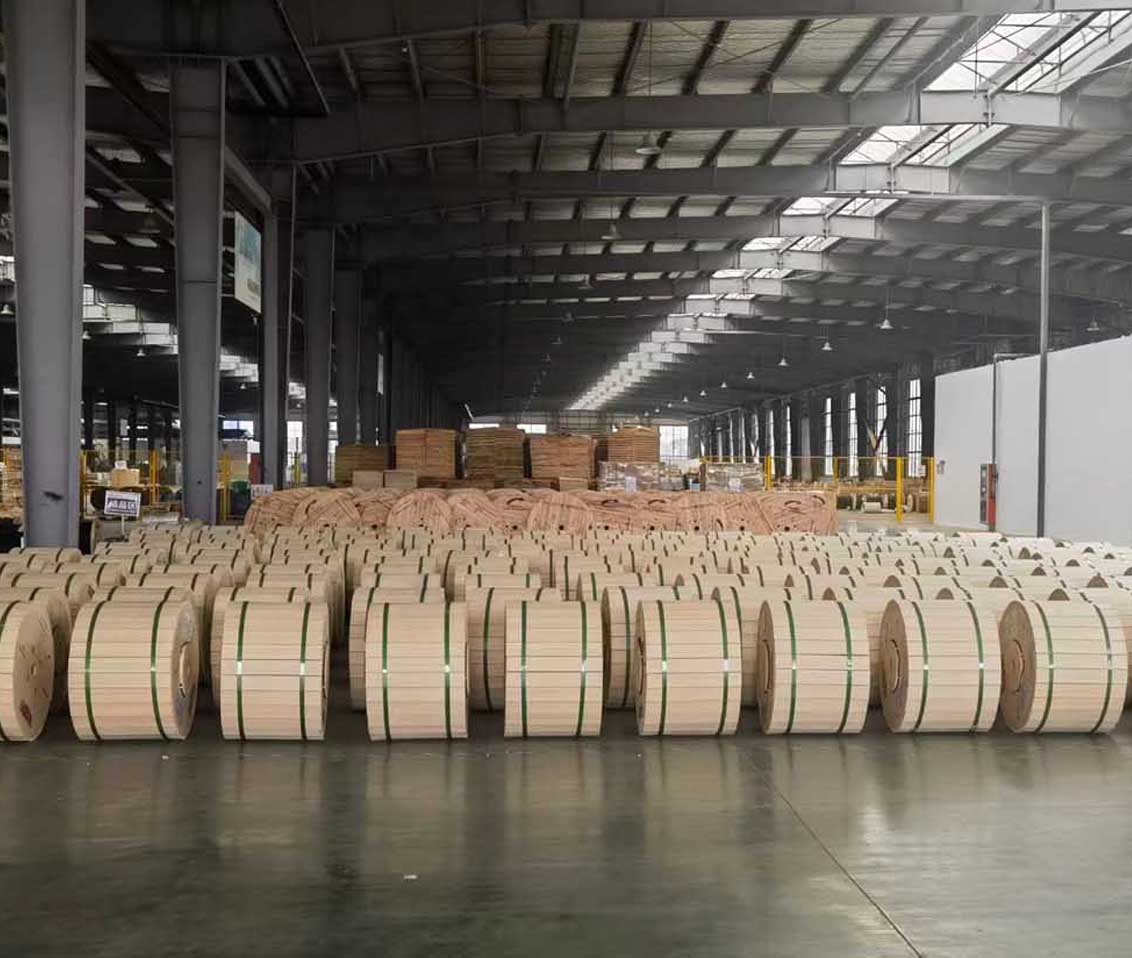
 Optical Fiber
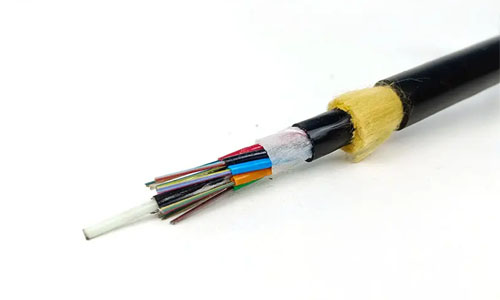 ADSS Fiber Optic Cable
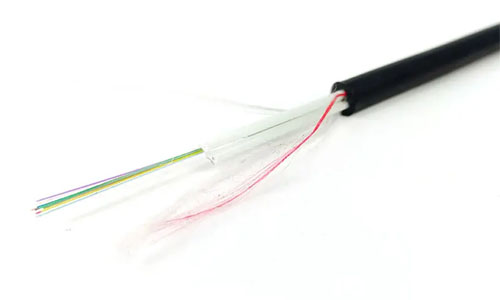 ASU Fiber Optic Cable
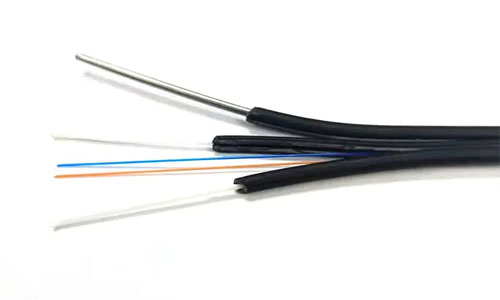 FTTH Fiber Optic Cable
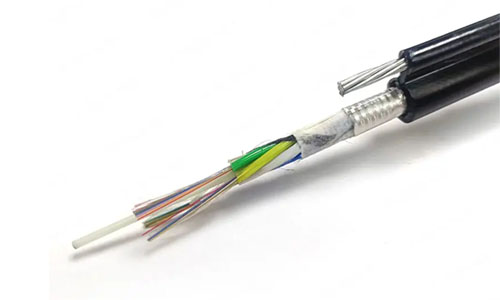 Figure 8 Fiber Optic Cable
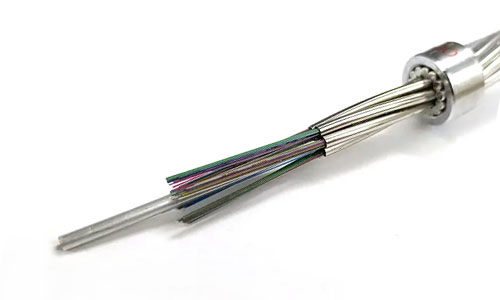 OPGW Fiber Optic Cable
 Coaxial Cable
 Ethernet Cable
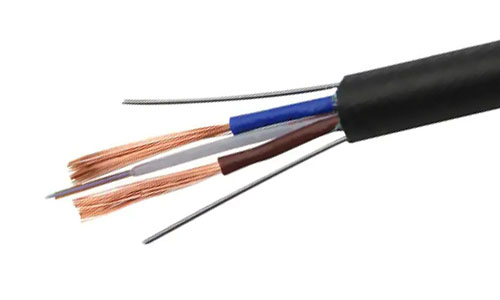 Photoelectric Composite Fiber Optic Cable
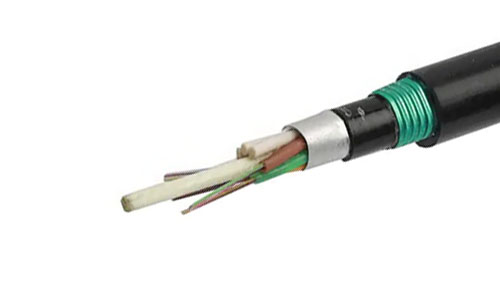 Underground & Pipeline Fiber Optic Cable
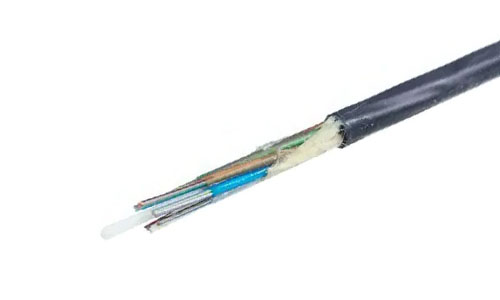 Air-Blown Micro Fiber Optic Cable
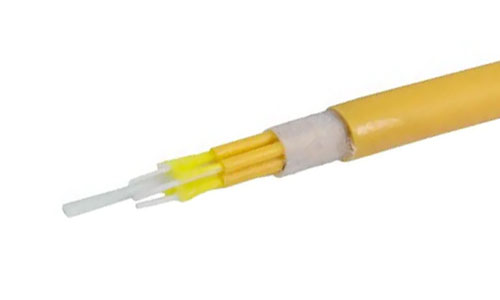 Indoor Fiber Optic Cable
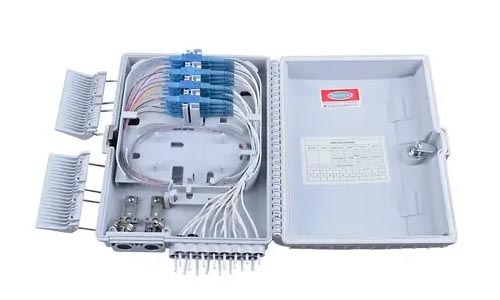 Fiber Optic Distribution Box
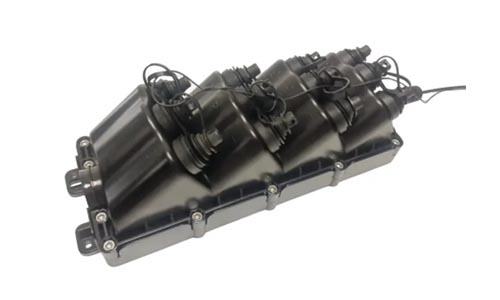 Multiport Service Termina Box
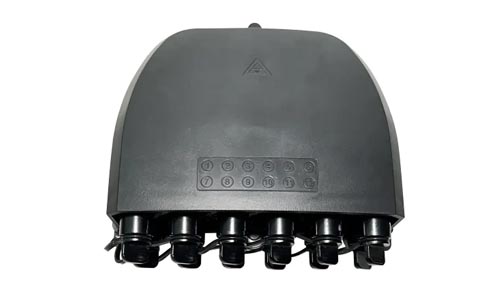 Fiber Optical Terminal Box
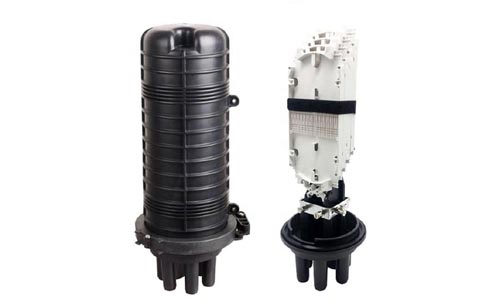 Fiber Optic Splice Closure
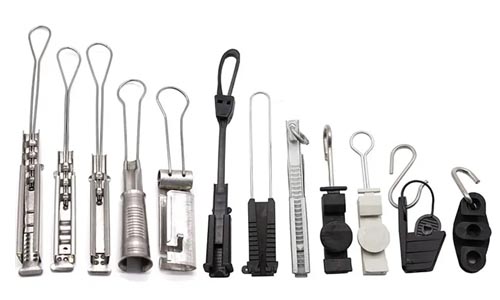 Fiber Optic Clamps
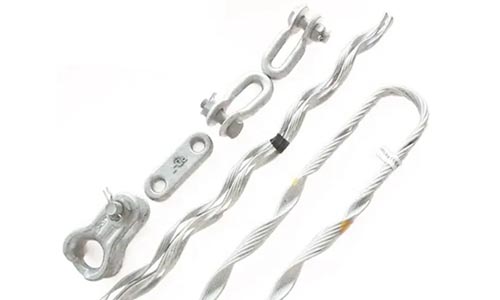 Fiber Optic Cable Fittings
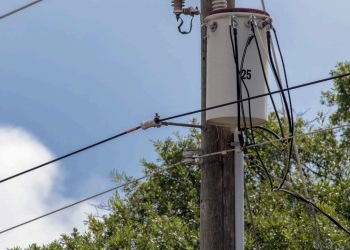 ADSS Fiber Cable
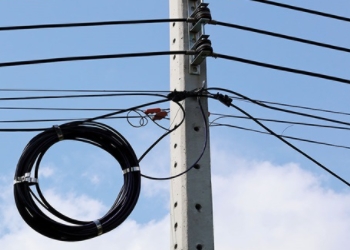 ASU Fiber Cable
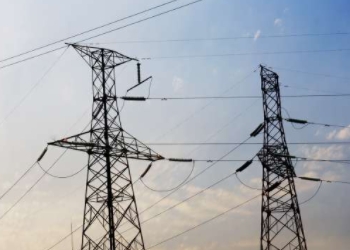 OPGW Fiber Cable
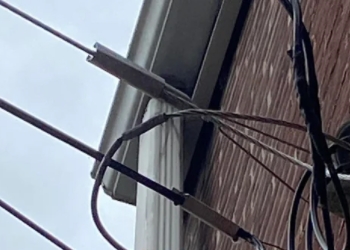 FTTH Fiber Cable
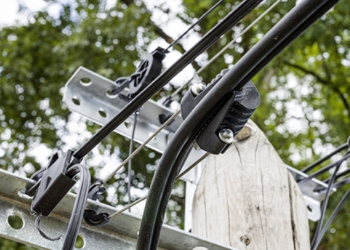 Figure 8 Fiber Cable
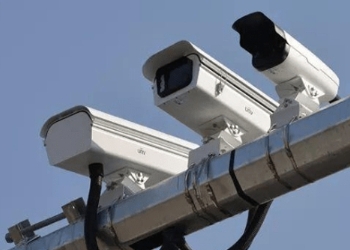 Photoelectric Composite Fiber Cable
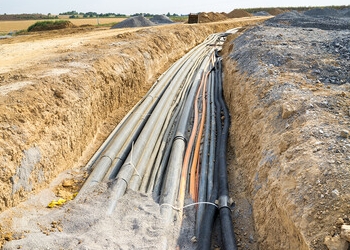 Underground & Pipeline Fiber Cable
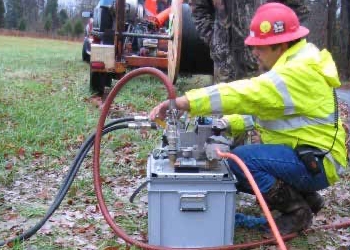 Air-Blown Micro Fiber Cable
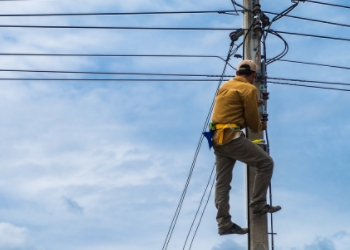 Aerial Fiber Cable
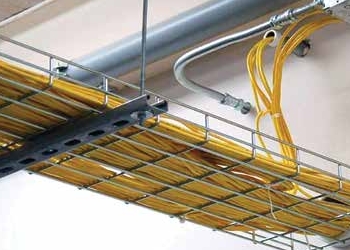 Indoor Fiber Cable
 Fiber Optical Terminal Box
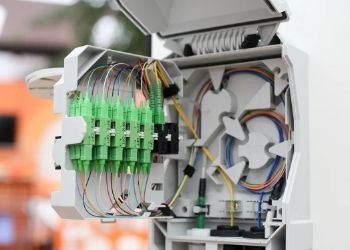 Fiber Optic Distribution Box
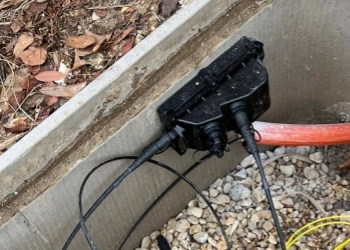 Multiport Service Termina Box
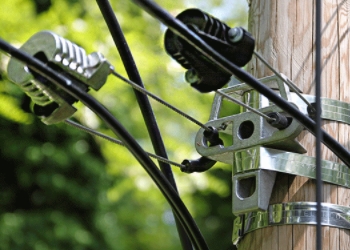 Fiber Optic Clamps
 About Us
 Our Team
 History
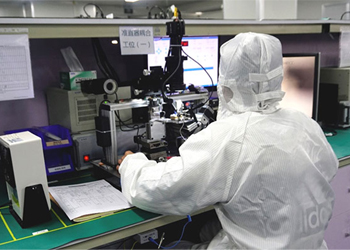 R&D Strength
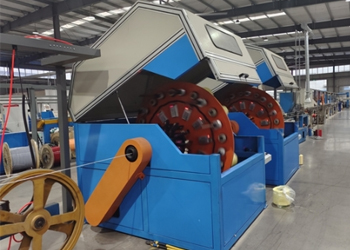 Production Base
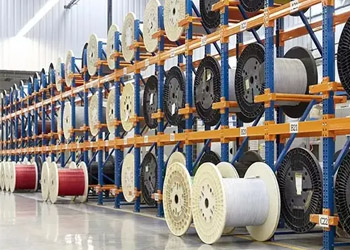 Warehouse & Logistics
 Quality
 FAQs
FAQsCat5/5e, Cat6/6a, Cat7 and Cat8 Cable: The Ultimate Guide
inquiry nowCat5/5e, Cat6/6a, Cat7 and Cat8 Cable: The Ultimate Guide
I need a ultimate guide for Cat5/5e, Cat6/6a, Cat7, and Cat8 cables. What I know about these categories. Each Cat number represents different specifications for Ethernet cables, They differ in terms of speed, bandwidth, shielding, and maybe the distance they can effectively transmit data.

First, I should outline each category one by one. Let's see. Cat5 is older, maybe up to 100 Mbps? But Cat5e is enhanced, supporting up to 1 Gbps. Then Cat6 can do 1 Gbps over longer distances, maybe 10 Gbps but shorter. Cat6a is augmented, so better performance, maybe 10 Gbps over 100 meters. Cat7 is shielded, higher speeds, but uses different connectors? And Cat8 is for data centers, very high speed but shorter distances.
Wait, I need to get the specifics right. Let me check my memory. Cat5e is 1 Gbps up to 100 meters. Cat6 can do 10 Gbps up to 55 meters. Cat6a extends that to 100 meters for 10 Gbps. Cat7 is rated for 10 Gbps up to 100 meters and maybe higher frequencies. Cat8 is designed for 25 or 40 Gbps up to 30 meters. Also, shielding is a factor; higher categories have more shielding to reduce interference.
I should also mention the construction differences, like UTP (unshielded twisted pair) vs. STP (shielded). Cat5e is usually UTP, while Cat6a and above might use shielding. Cat7 uses GG45 connectors or TERA, but still compatible with RJ45. Wait, is that correct? Maybe Cat7 typically uses RJ45 but with more shielding. Cat8 definitely uses RJ45.
Applications are important too. For example, Cat5e for home networks, Cat6 for offices, Cat7 for industrial, and Cat8 for data centers. Cost is another aspect; higher categories are more expensive. Future-proofing might be a consideration. Also, cable length and whether it's solid or stranded core. Oh, right, solid core is for fixed installations, stranded for patch cables.

I need to structure the guide with sections for each cable type, key specifications (speed, bandwidth, distance), shielding, applications, and a comparison chart. Then include buying considerations like application needs, future-proofing, budget, environment (noise interference), and installation type (solid vs. stranded).
Wait, I should double-check the maximum speeds and distances. Let me verify: Cat5e is 1 Gbps at 100 MHz over 100m. Cat6 is 1 Gbps up to 100m, 10 Gbps up to 55m. Cat6a is 10 Gbps at 500 MHz over 100m. Cat7 is 10 Gbps at 600 MHz over 100m, and Cat7a up to 1000 MHz. Cat8 is 25/40 Gbps at 2000 MHz up to 30m. Also, Cat7 and 8 have stricter shielding requirements.
Including the bandwidth (MHz) is important because that affects the data transmission capacity. The connectors: Cat8 uses RJ45, but earlier Cats may have different shielding types. Also, compatibility with existing infrastructure. For example, using Cat6a with Cat5e jacks might not utilize the full potential.
I should mention that higher categories support higher bandwidths and thus are better for high-speed networks, but might be overkill for basic use. Also, physical differences like thickness and bend radius. Cat6a is thicker and less flexible than Cat5e.
In the buying considerations, factors like current vs future needs, environment (industrial with interference vs home), and whether they need PoE (Power over Ethernet), which higher categories might support better.
I need to make sure the guide is easy to understand, avoids too much technical jargon, but still informative. Maybe a quick summary table at the start, then detailed sections. Also, common use cases to help readers decide which they need.
Wait, I should check if Cat7 is recognized by TIA/EIA standards or if it's an ISO standard. Because sometimes Cat7 isn't as widely adopted in certain regions. Cat6a and Cat8 are more standardized. That might be a point to mention under considerations, like compatibility with existing standards.
Also, cost differences. Cat5e is cheapest, then Cat6, Cat6a, Cat7, Cat8 being the most expensive. So budget is a factor. For most home users, Cat5e or Cat6 is sufficient. For smart homes with lots of devices, maybe Cat6. For data centers, Cat8.
Grounding might be an issue with shielded cables; if not properly grounded, shielding can cause problems. So installation of shielded cables requires proper techniques.
In summary, the guide should cover each cable type's specs, compare them, and guide the reader based on their specific needs: speed requirements, distance, environment, budget, and future plans.

Cat5/5e, Cat6/6a, Cat7, and Cat8 Cable: The Ultimate Guide
Choosing the right Ethernet cable depends on your network's speed, distance, and environmental needs. Here's a concise guide to help you decide:
Quick Comparison Table
| Category | Max Speed | Bandwidth | Max Distance | Shielding | Common Uses |
|---|---|---|---|---|---|
| Cat5e | 1 Gbps | 100 MHz | 100m | UTP (Unshielded) | Home networks, basic setups |
| Cat6 | 1 Gbps (100m) 10 Gbps (55m) | 250 MHz | 55m (10 Gbps) | UTP or STP | Offices, gaming, 4K streaming |
| Cat6a | 10 Gbps | 500 MHz | 100m | STP (Shielded) | Large offices, data centers |
| Cat7 | 10 Gbps | 600 MHz | 100m | S/FTP (Double-shielded) | Industrial, high-noise areas |
| Cat8 | 25/40 Gbps | 2000 MHz | 30m | S/FTP (Heavy shielding) | Data centers, server rooms |
Detailed Breakdown
-
Cat5e
-
Speed: Up to 1 Gbps.
-
Use Case: Basic home networks, VoIP, and small offices.
-
Pros: Affordable, flexible, and widely compatible.
-
Cons: Not suitable for high-speed or future-proof setups.
-
-
Cat6
-
Speed: 1 Gbps (100m) or 10 Gbps (55m).
-
Use Case: Offices, gaming, and 4K streaming.
-
Pros: Balances cost and performance; handles 10 Gbps for short runs.
-
Cons: Limited 10 Gbps range; thicker than Cat5e.
-
-
Cat6a
-
Speed: 10 Gbps up to 100m.
-
Use Case: Large offices, data centers, and high-bandwidth applications.
-
Pros: Future-proof for 10 Gbps networks; reduced crosstalk.
-
Cons: Bulky, less flexible, and pricier than Cat6.
-
-
Cat7
-
Speed: 10 Gbps up to 100m.
-
Use Case: Industrial environments, high-interference areas.
-
Pros: Heavy shielding (S/FTP) for noise resistance.
-
Cons: Uses non-standard GG45/TERA connectors (though backward-compatible with RJ45). Less recognized by TIA/EIA.
-
-
Cat8
-
Speed: 25/40 Gbps up to 30m.
-
Use Case: Data centers, high-speed server connections.
-
Pros: Extreme speeds for short runs; fully shielded.
-
Cons: Expensive, short range, and overkill for most homes.
-
Key Buying Considerations
-
Speed & Bandwidth Needs
-
Basic use (web browsing): Cat5e.
-
4K streaming/gaming: Cat6 or Cat6a.
-
Data centers/enterprise: Cat6a or Cat8.
-
-
Distance
-
For 10 Gbps beyond 55m: Cat6a.
-
Short high-speed runs (e.g., server racks): Cat8.
-
-
Environment
-
High interference (factories, hospitals): Shielded Cat6a or Cat7.
-
Home/office: UTP Cat5e/Cat6.
-
-
Future-Proofing
-
Invest in Cat6a for 10 Gbps readiness.
-
Avoid Cat7 unless specific shielding needs arise.
-
-
Cost
-
Budget: Cat5e (0.10–0.20/ft).
-
Mid-range: Cat6 (0.20–0.30/ft).
-
Premium: Cat6a (0.30–0.50/ft) or Cat8 ($1.00+/ft).
-
-
Installation Type
-
In-wall runs: Solid-core cables (more durable).
-
Patch cables: Stranded-core (flexible).
-
Final Tips
-
Shielding: Required in noisy environments but needs proper grounding.
-
Standards: Cat6a and Cat8 are TIA/EIA-recognized; Cat7 follows ISO.
-
PoE Support: All categories support PoE, but higher grades handle heat better.
Choose based on your current needs while considering future upgrades. Most homes thrive with Cat6, while enterprises should lean toward Cat6a or Cat8.