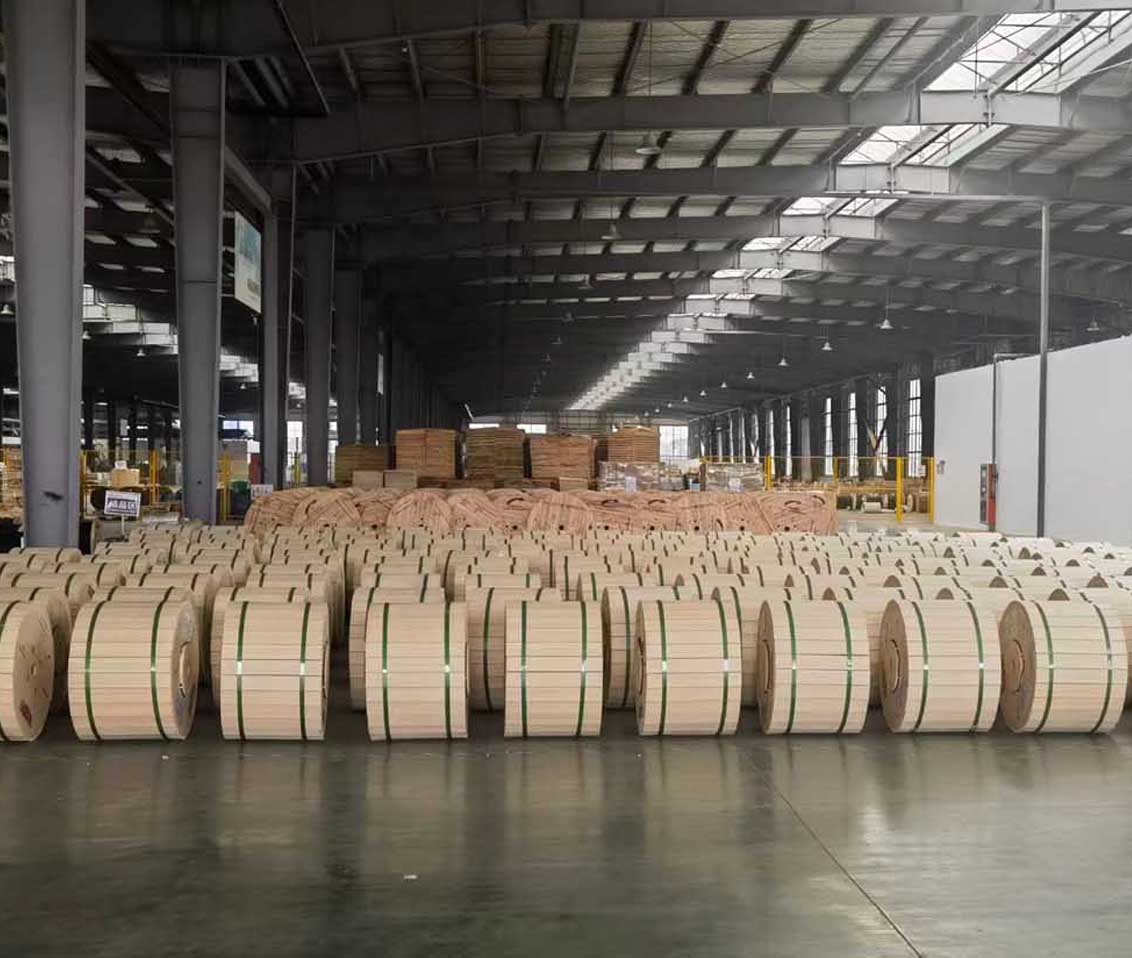
 Optical Fiber
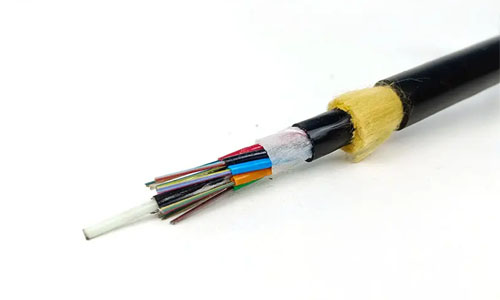 ADSS Fiber Optic Cable
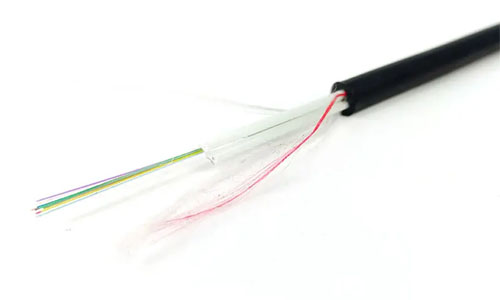 ASU Fiber Optic Cable
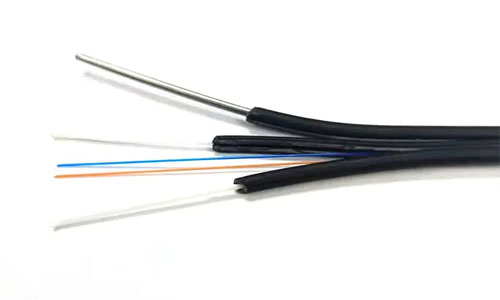 FTTH Fiber Optic Cable
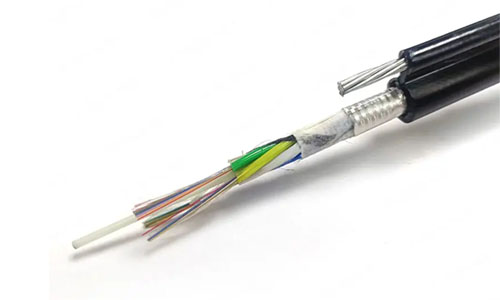 Figure 8 Fiber Optic Cable
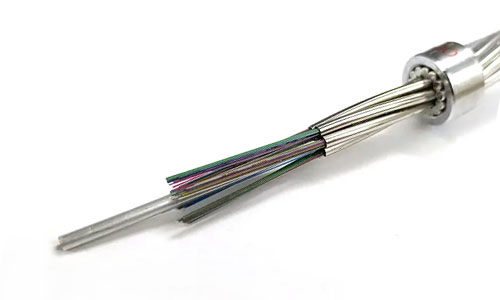 OPGW Fiber Optic Cable
 Coaxial Cable
 Ethernet Cable
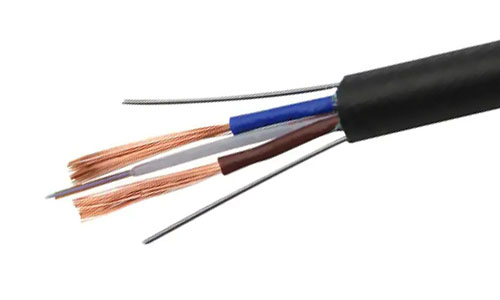 Photoelectric Composite Fiber Optic Cable
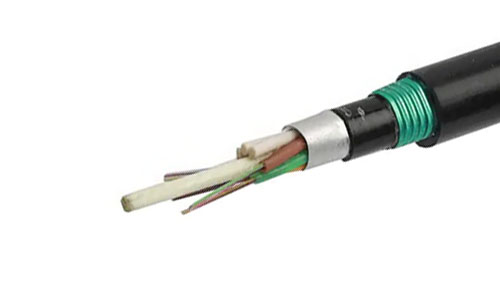 Underground & Pipeline Fiber Optic Cable
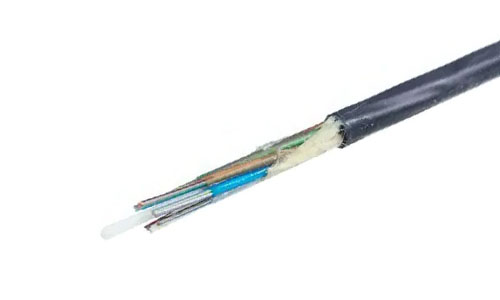 Air-Blown Micro Fiber Optic Cable
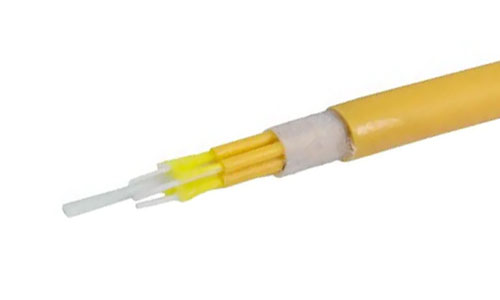 Indoor Fiber Optic Cable
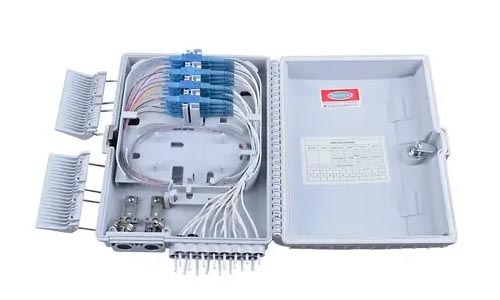 Fiber Optic Distribution Box
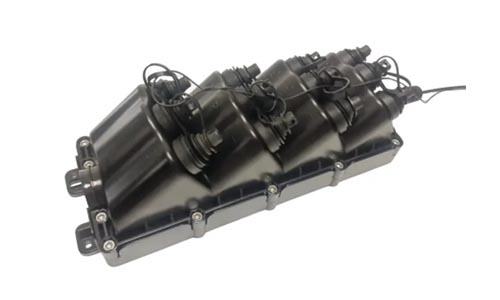 Multiport Service Termina Box
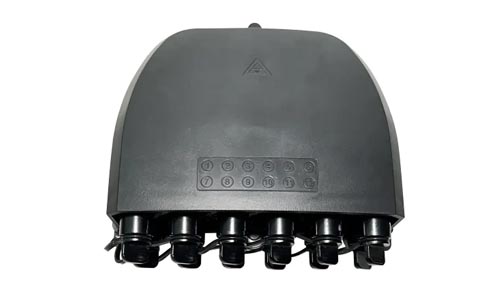 Fiber Optical Terminal Box
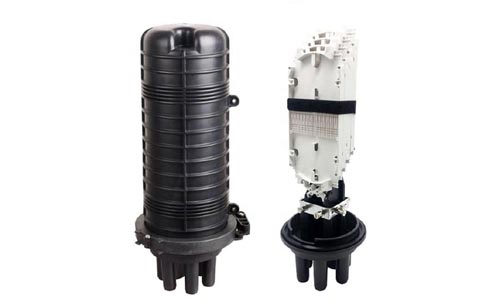 Fiber Optic Splice Closure
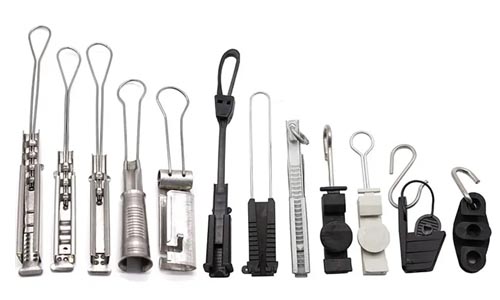 Fiber Optic Clamps
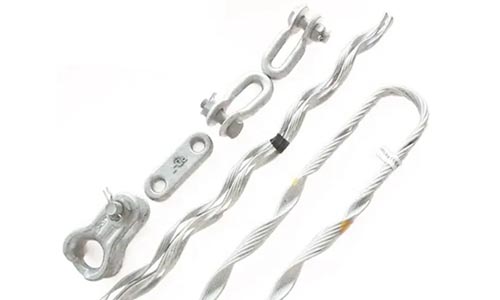 Fiber Optic Cable Fittings
 ADSS Fiber Cable
 ASU Fiber Cable
 OPGW Fiber Cable
 FTTH Fiber Cable
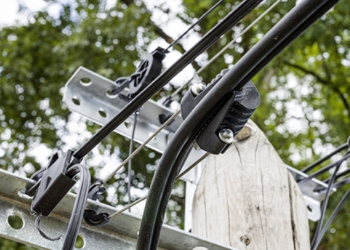 Figure 8 Fiber Cable
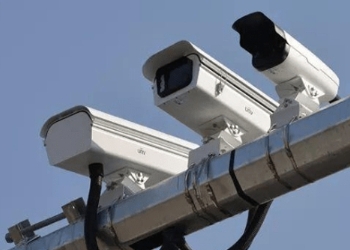 Photoelectric Composite Fiber Cable
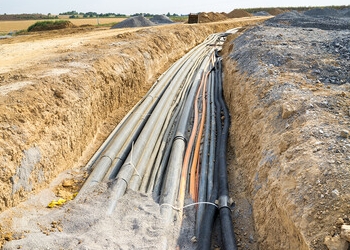 Underground & Pipeline Fiber Cable
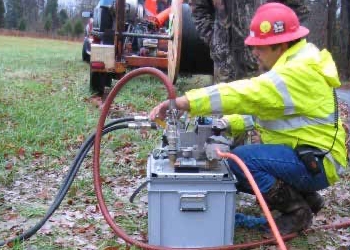 Air-Blown Micro Fiber Cable
 Aerial Fiber Cable
 Indoor Fiber Cable
 Fiber Optical Terminal Box
 Fiber Optic Distribution Box
 Multiport Service Termina Box
 Fiber Optic Clamps
 About Us
 Our Team
 History
 R&D Strength
 Production Base
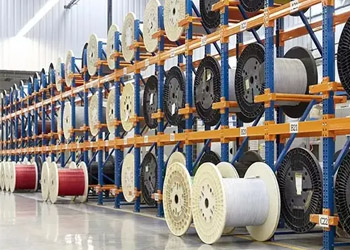 Warehouse & Logistics
 Quality
 FAQs
FAQsDuct vs Direct-Buried vs Armored Fiber Optic Cable: Complete Selection Guide
2026-07-28
Duct and Direct-Buried refer to installation routing methods. Armored describes a cable structural design. These categories overlap, and they are not mutually exclusive. You can install armored cable inside ducts; direct-buried routes almost always require armored construction. Misunderstanding this basic principle leads to premature cable breakdown, unexpected rework, rejected inspection, and multi-year network reliability risks.
Every year, thousands of outdoor fiber projects suffer avoidable failures: non-armored duct cable buried directly underground chewed by rodents; over-engineered heavy steel armored cable pulled through smooth ducts causing excessive tension and microbend loss; direct burial routes using single-sheath cable that cracks under soil pressure. This guide breaks down the core differences, resolves common customer pain points, delivers a side-by-side comparison, and provides clear scenario-based selection rules for telecom, campus, industrial, smart city and utility network builds.

1. Duct Fiber Optic Cable (Conduit Installation)
What is Duct Fiber Cable?
Duct deployment means fiber cables are pulled or air-blown into pre-laid HDPE, PVC or concrete conduits (innerduct/microduct). The conduit forms an independent protective underground pathway. Duct-rated cables rely partially on the pipe for mechanical shielding.
Common industry models: GYTA (aluminum tape armored), GYFTY (all-dielectric non-armored loose tube fiber), lightweight single-jacket outdoor cables.
Core Structure
Loose tube optical fiber + water-blocking gel or swellable tape; central strength member; optional aluminum tape barrier; single smooth HDPE outer sheath optimized for low friction during cable pulling. Heavy corrugated steel armor is not mandatory for standard duct environments.
Primary Pain Points Users Face
- Contractors mistakenly run thick steel armored cable in long duct runs: higher pulling tension, increased risk of jacket zippering, difficult routing at bends.
- Poor duct design (sharp 90° elbows, silt accumulation, collapsed conduit) damages cables even if specification is correct.
- Buyers underestimate future expansion; selecting small-diameter ducts leaves no room for additional fiber routes later.
Advantages
- Excellent scalability: New fiber cables can be added to existing ducts without re-trenching roads or ground. This is the biggest long-term benefit for urban and campus networks.
- Dual-layer protection: Conduit absorbs most abrasion, rock impact and soil load. Standard non-armored duct cable works reliably under normal conditions.
- Simpler maintenance and replacement: Faulty cable can be pulled out and replaced without extensive excavation.
- Flexible cable options: Engineers can choose lightweight all-dielectric cables to avoid lightning induction risks near high-voltage power corridors.
Disadvantages
- High upfront civil cost: Purchasing conduit, trench excavation and duct laying significantly raises initial project budget.
- Long pulling distance creates friction risk; improper tension control causes invisible fiber microbend loss that emerges months after acceptance testing.
- Ducts can silt, crack or collapse over decades, removing secondary protection for internal cables.
Best Suitable Scenarios
Urban metropolitan networks, university campuses, industrial parks, data center inter-building links, commercial districts, densely developed areas where future network expansion is planned.
2. Direct-Buried Fiber Optic Cable
What is Direct-Buried Fiber Cable?
Direct burial means cables are laid directly inside excavated trenches, covered with sand bedding and backfilled with soil, without any protective conduit. Since there is no external pipe for shielding, the cable itself must resist all underground environmental threats.
Standard approved construction: Double-jacket corrugated steel tape armored cable, widely known as GYTA53 / GYTS53.
Core Structure
Loose tube fiber core, full water-blocking system, inner HDPE sheath, corrugated steel tape armor (CST), thick outer HDPE jacket. Double sheath design separates armor from direct soil contact to prevent corrosion and abrasion.
Primary Pain Points Users Face
The most frequent catastrophic mistake: Using regular single-jacket duct cable for direct burial. Non-armored cable cannot withstand rodent gnawing, rock piercing, vertical soil crush load and ground movement. Within 1–5 years, cable outages become common.
Other common headaches:
- Project teams skip construction standards: No sand bedding, missing warning tape, insufficient burial depth, accelerating cable damage.
- Repair costs are extremely high. Any cable fault requires full re-excavation; adding new fiber demands new trenches.
- Rocky soil creates concentrated pressure points that puncture outer jackets if low-quality outer sheath material is used.
Advantages
- No investment in conduit material and laying work; lower total construction cost for long-distance rural routes.
- Faster deployment speed; plow installation is available for wide-open terrain.
- Compact underground footprint, ideal for remote areas with limited construction corridor space.
Disadvantages
- Poor future expandability. No spare pathway to run additional fiber cables.
- High risk from third-party digging; road maintenance, farming construction easily damages buried cables.
- Strict installation specifications are mandatory; cutting corners voids cable service life.
Best Suitable Scenarios
Rural long-distance telecom backbones, highway roadside monitoring networks, farm and remote industrial sites, power utility transmission corridors, outlying mining facilities.
3. Armored Fiber Optic Cable (Cable Construction, Not Installation Method)
What is Armored Fiber Optic Cable?
Armored fiber cable integrates a built-in protective barrier between the inner cable core and outer jacket. It is a structural feature, not an installation route. An armored cable can be deployed inside ducts, direct-buried underground, or even installed aerially.
Three mainstream armor types in global OSP projects:
- Aluminum Tape Armor (APL / GYTA): Lightweight, moisture barrier, mild mechanical protection.
- Corrugated Steel Tape Armor (CST / GYTS, GYTA53): High crush resistance, primary defense against rodents, mandatory for standard direct burial.
- Steel Wire Armor (SWA): Extra heavy-duty, reserved for river crossing, underwater and extremely rocky terrain.
Primary Pain Points Users Face
The top two misconceptions in procurement:
- “Armored cable = direct burial cable”: Wrong. Armored cable can run in ducts, but direct burial must use double-sheathed steel armored cable.
- “All projects need armored fiber”: Over-specification raises material cost, increases cable weight and minimum bend radius, making pulling in tight ducts far harder.
Additional challenges: Metallic armor may induce lightning surge voltage when routed parallel to overhead power lines. In such zones, all-dielectric armored fiber (non-metallic armor) is required.
Advantages
- Resist lateral crushing load, sharp rock abrasion, shovel strikes and rodent attack.
- Tolerate rough handling during transportation and cable pulling.
- Multi-scenario adaptability: One cable specification can cover mixed duct + buried sections in complex routes.
Disadvantages
- Higher unit cost compared with non-armored duct cables.
- Greater stiffness, larger minimum bend radius, higher pulling tension during installation.
- Metallic armor introduces electrical induction risks near power infrastructure.
Best Suitable Scenarios
Rodent-heavy suburban zones, rocky soil direct burial, aged cracked conduits that lose protection, factory exposed cable runs, mixed underground routes with both duct and open trench sections.
Side-by-Side Comparative Table
| Item | Duct Installation Route | Direct-Buried Installation Route | Armored Fiber Cable (Construction Type) |
|---|---|---|---|
| Core Definition | Installation method (cable inside conduit) | Installation method (cable buried bare in soil) | Cable internal protective structure |
| Mandatory Cable Type | Non-armored / Light aluminum armored (GYTA, GYFTY) | Double-sheath steel armored cable (GYTA53/GYTS53) | Usable for duct, direct burial, aerial |
| Protection Source | Cable + external conduit dual protection | Only cable armor and double jacket | Built-in steel/aluminum armor layer |
| Upfront Engineering Cost | High (duct + cable + excavation) | Medium (no duct, heavy-duty cable) | Higher than non-armored cable |
| Future Network Expansion | Excellent, pull new cables into ducts | Poor, requires re-trenching | Depends on whether conduit exists |
| Rodent & Digging Risk | Low (conduit barrier) | High; fully relies on cable armor | Low, armor blocks rodent penetration |
| Typical Fiber Models | GYTA, GYFTY, Micro-duct fiber | GYTA53, GYTS53 | GYTS, GYTA53, SWA underwater cable |
Practical Decision Framework: How to Choose Without Costly Mistakes
Rule 1: If you plan to install or already own conduit → Choose Duct Route
- Standard urban duct: GYTA aluminum armored cable balances protection and pulling performance.
- Routes parallel to high-voltage power lines: Select all-dielectric GYFTY non-metallic cable to avoid lightning hazards.
- Rodent-prone duct corridors: Upgrade to lightweight armored cable as extra safety buffer.
Rule 2: No conduit, long rural trenches, limited civil budget → Direct Burial Route
- Strictly specify double sheath steel tape armored direct burial rated cable (53 series). Never substitute single-jacket duct cable.
- Follow construction standards: 10–15cm sand bedding below and above cable, detectable warning tape, regulated minimum burial depth.
Rule 3: High-risk environments (rocky soil, dense rodents, frequent construction digging)
Use armored cable regardless of duct or direct burial layout. If ducts are old, cracked or poorly maintained, armored cable is a worthwhile upgrade.
Rule 4: Lightning-prone areas adjacent to power cables
Avoid steel tape armored cables. Switch to all-dielectric non-metallic armored fiber to eliminate induced voltage risks.
Frequently Asked Questions
Q1: Can armored fiber cable be installed inside duct?
A: Technically acceptable, but often overkill. Steel armored cable increases pulling tension and bend radius requirements. Use armored cable inside ducts only when rodent damage or conduit failure risk is confirmed.
Q2: Can non-armored duct cable be buried directly underground?
A: Not recommended and violates most international OSP standards. Without armor, rodents, soil pressure and rock abrasion will rapidly damage outer jackets and cause permanent fiber failure.
Q3: Is every direct-buried fiber cable armored?
A: Industry standard and engineering best practice require armor for regular outdoor direct burial. Special shallow, controlled landscape burial with additional concrete shielding is the rare exception, not the general rule.
Q4: What is the difference between GYTA and GYTA53?
A: GYTA = single sheath aluminum armored duct cable. GYTA53 = double sheath steel armored cable designed for direct burial. They cannot be swapped freely.
Conclusion
The confusion between duct, direct-buried and armored fiber cable originates from mixing installation method with cable construction. Duct and direct burial define how you place the cable underground; armor defines how robust the cable itself is.
The optimal selection balances three core factors: upfront construction budget, long-term maintenance cost, and environmental threats (rodents, rocks, soil movement, future expansion). Over-specifying armored fiber inflates project expenditure unnecessarily. Under-specifying creates hidden network failure risks that cost far more to repair in later years.
Before finalizing cable specifications, map your full route: confirm whether conduit is available, survey soil conditions, evaluate rodent activity, and forecast 10–20 year network upgrade demand. Following this structured selection process eliminates the most common underground fiber deployment errors and maximizes return on your fiber infrastructure investment.