 Optical Fiber
 ADSS Fiber Optic Cable
 ASU Fiber Optic Cable
 FTTH Fiber Optic Cable
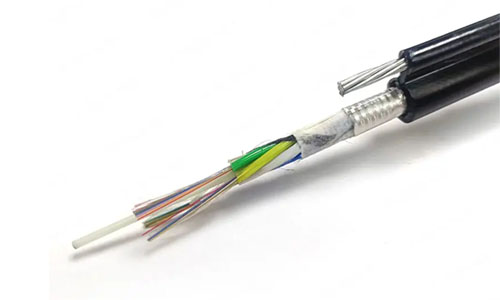 Figure 8 Fiber Optic Cable
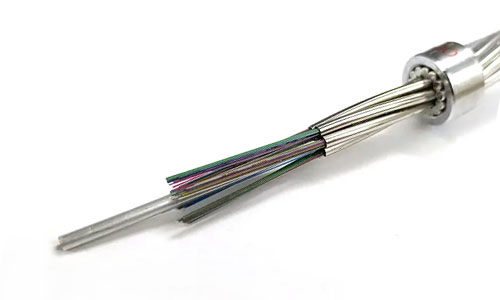 OPGW Fiber Optic Cable
 Coaxial Cable
 Ethernet Cable
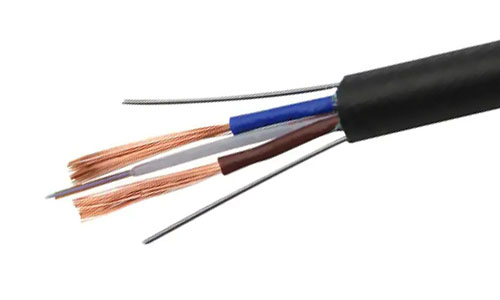 Photoelectric Composite Fiber Optic Cable
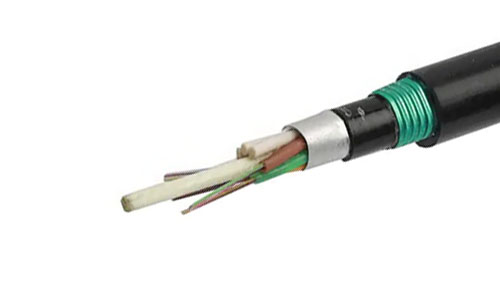 Underground & Pipeline Fiber Optic Cable
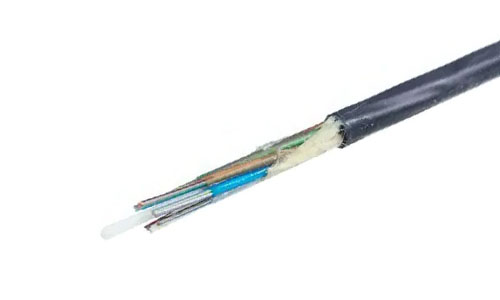 Air-Blown Micro Fiber Optic Cable
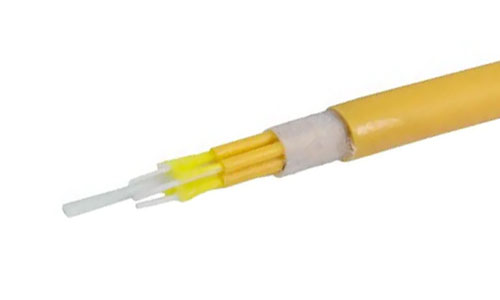 Indoor Fiber Optic Cable
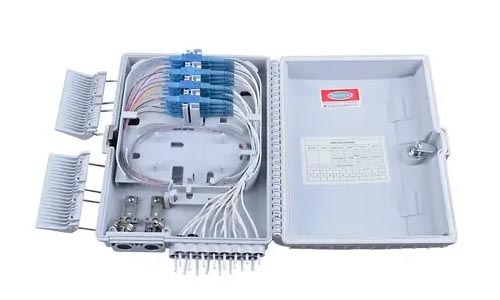 Fiber Optic Distribution Box
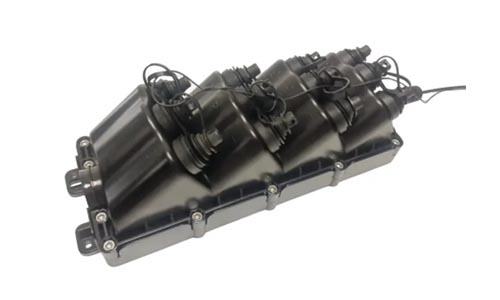 Multiport Service Termina Box
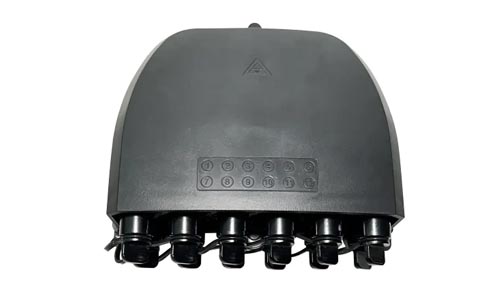 Fiber Optical Terminal Box
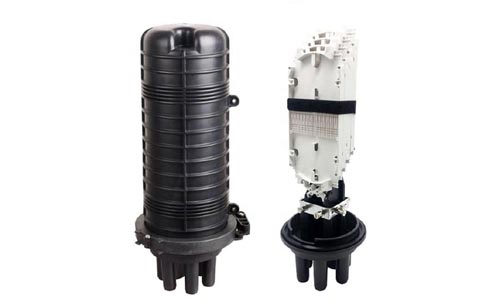 Fiber Optic Splice Closure
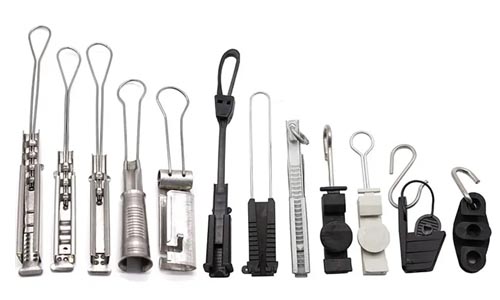 Fiber Optic Clamps
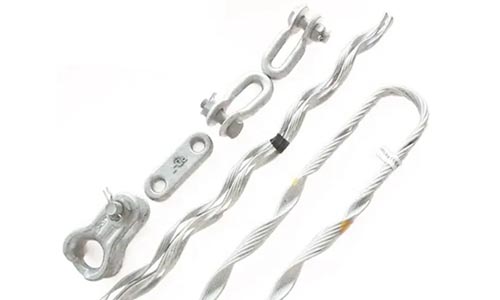 Fiber Optic Cable Fittings
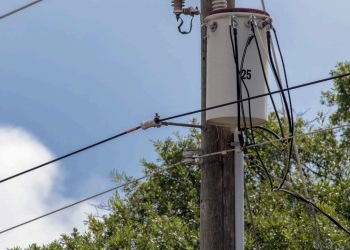 ADSS Fiber Cable
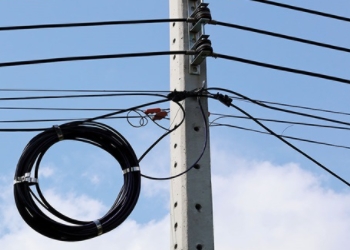 ASU Fiber Cable
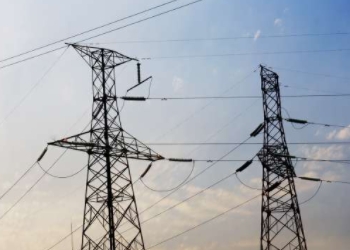 OPGW Fiber Cable
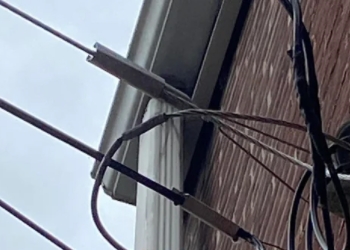 FTTH Fiber Cable
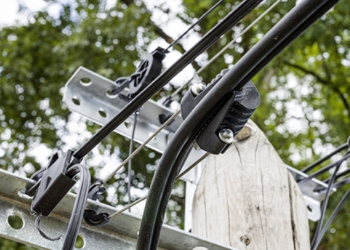 Figure 8 Fiber Cable
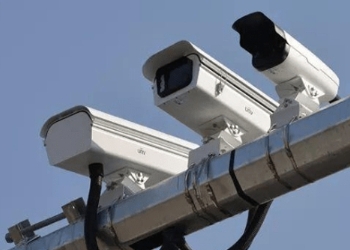 Photoelectric Composite Fiber Cable
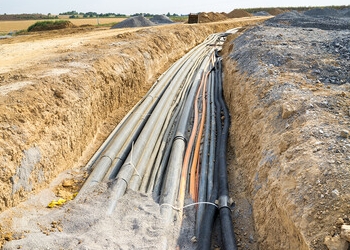 Underground & Pipeline Fiber Cable
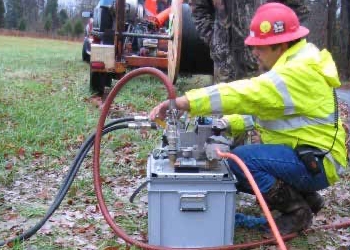 Air-Blown Micro Fiber Cable
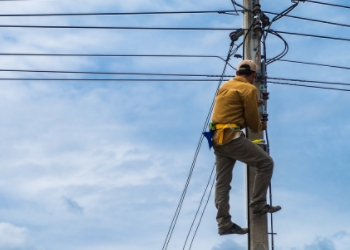 Aerial Fiber Cable
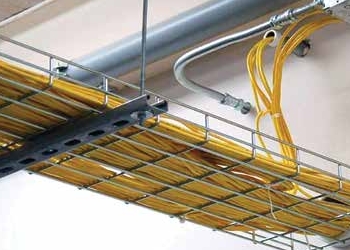 Indoor Fiber Cable
 Fiber Optical Terminal Box
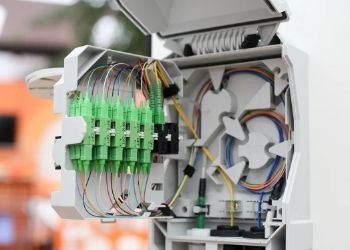 Fiber Optic Distribution Box
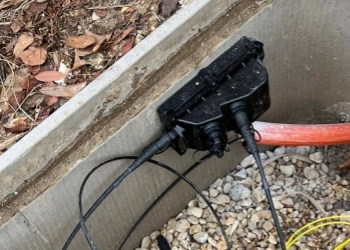 Multiport Service Termina Box
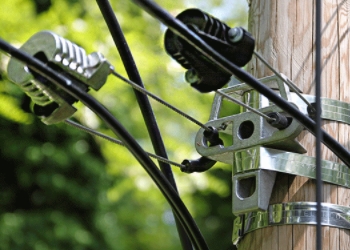 Fiber Optic Clamps
 About Us
 Our Team
 History
 R&D Strength
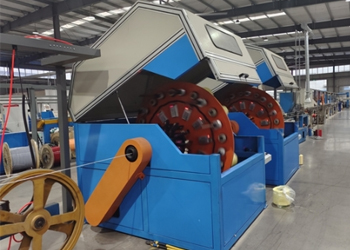 Production Base
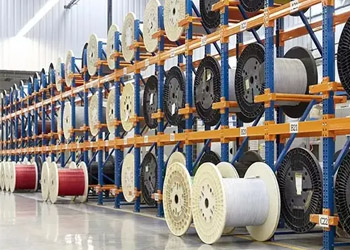 Warehouse & Logistics
 Quality
 FAQs
FAQsG.652D vs G.657A2 Single Mode Fiber: Key Differences, Performance Comparison & Application Selection Guide
2026-07-31
Selecting the wrong single-mode fiber leads to excessive optical loss, project acceptance failure, unnecessary rework, and wasted capital investment. For decades, G.652D and G.657A2 have dominated global fiber optic projects, from long-distance telecom backbone networks, metro fiber links, data center cabling to FTTH fiber-to-the-home deployment. Many procurement managers, field engineers and network designers continuously face the same confusion: When should we deploy G.652D fiber? What scenarios require G.657A2 bend-insensitive fiber? Can these two fiber types be spliced together in hybrid networks?
Most online articles only list basic technical parameters without addressing real engineering pain points: unexpected signal attenuation caused by tight bending, cost overrun from over-specification, compatibility risks in mixed fiber links, and improper cable design leading to long-term network instability. This comprehensive guide compares G.652D and G.657A2 based on official ITU-T standards, field construction experience, total cost of ownership (TCO), and suitable deployment environments, helping industry practitioners make data-driven fiber selection decisions and avoid costly engineering mistakes.

1. Basic Definition & ITU-T Standard Background
1.1 ITU-T G.652D Fiber
ITU-T G.652D is classified as low-water-peak non-zero dispersion single-mode fiber. It is the most widely deployed traditional single-mode fiber worldwide, standardized under ITU-T G.652 recommendation. G.652D eliminates the water absorption peak near 1383 nm, enabling stable transmission across the full O, S, C, L communication bands (1260 nm ~ 1625 nm). Since its commercialization, G.652D has become the standard fiber for outdoor duct, direct buried and aerial backbone cables. It features stable attenuation coefficient, mature manufacturing technology, universal compatibility with all legacy optical transmission equipment, and competitive bulk pricing. However, its core limitation lies in sensitivity to macro-bending and micro-bending loss.
1.2 ITU-T G.657A2 Fiber
G.657A2 belongs to the G.657 family of bend-insensitive single-mode fibers defined by ITU-T. An important technical fact: G.657A2 is fully compliant with all optical specifications of G.652D. In other words, G.657A2 inherits all transmission performance indicators of G.652D while adding greatly improved anti-bending capability. The G.657 standard divides bend-resistant fibers into two categories: Category A (compatible with G.652D) and Category B (ultra-bend insensitive). G.657A2 supports a minimum bending radius of 7.5 mm, outperforming G.657A1 (10 mm minimum bend radius). Manufacturers optimize the fiber refractive index profile to trap light energy inside the core, preventing light leakage when the fiber is sharply bent. This design makes G.657A2 the preferred fiber for indoor tight-space wiring, FTTH drop cables and high-density data center cabling.
2. Core Technical Parameter Comparison
The table below highlights critical specifications that directly affect engineering performance:
| Parameter | G.652D | G.657A2 | Practical Impact |
|---|---|---|---|
| Minimum specified bend radius | 30 mm (standard test condition) | 7.5 mm | G.652D generates severe extra loss when bent below 30 mm; G.657A2 maintains low loss under sharp bending |
| MFD @1550 nm | 9.2 ±0.4 μm | 8.8~9.2 μm | Minor MFD difference creates slight splicing loss in hybrid connections |
| Cable cut-off wavelength | ≤1260 nm | ≤1260 nm | Fully consistent, ensures single-mode operation in all communication bands |
| Typical attenuation @1550nm | ≤0.20 dB/km | ≤0.21 dB/km | Long-distance transmission performance nearly identical |
| Macro-bending loss (1550nm) | High loss under tight bend | Very low extra loss at 7.5mm bend | Biggest performance gap between two fiber types |
| PMD Coefficient | ≤0.2 ps/√km | ≤0.2 ps/√km | Supports 10G, 40G, 100G transmission for both fibers |
| Bandwidth Coverage | O/S/C/L Band | O/S/C/L Band | Equal spectrum availability |
It is necessary to correct a widespread industry misunderstanding: G.657A2 is NOT “better than G.652D in all situations”. Its structural optimization for bending resistance brings a small manufacturing premium. Deploying G.657A2 in long-distance straight backbone links with few bends is unnecessary and increases project cost.
3. Key Differences: Pain Points Encountered in Real Projects
3.1 Anti-Bending Performance (The Most Distinct Advantage of G.657A2)
Macro-bending loss is the top failure reason for fiber optic projects. When G.652D fiber is forced into tight corners, small cable trays, compact optical distribution boxes, sharp conduit turns, light energy leaks out of the fiber core, causing rising optical attenuation. In severe cases, OTDR testing shows abnormal loss events, resulting in project non-acceptance.
Construction standards require G.652D permanent bending radius ≥30 mm, temporary construction bending radius ≥15 mm. In many indoor renovation, residential FTTH scenarios, this requirement is hard to satisfy. Builders often squeeze fiber into narrow wall conduits, create tight coils inside wall-mounted ODF boxes. Using G.652D in such environments creates hidden network faults that only appear months after completion.
By contrast, G.657A2 can withstand repeated bending at a 7.5 mm radius with controlled additional loss. Field technicians enjoy greater construction tolerance. Complex routing, multiple turns, compact cabinet coiling no longer risk signal degradation. This dramatically reduces post-installation troubleshooting costs.
3.2 Transmission Distance & Long-Haul Suitability
In long-distance outdoor backbone networks (city-to-city trunk, metro core links, lengths exceeding 20 km), G.652D remains the mainstream choice. Its attenuation performance is marginally superior, and mass production lowers per-kilometer cable cost. Since backbone cables are installed in ducts or aerial routes with planned, gentle bends, there is no need for bend-insensitive fiber.
G.657A2 can technically support long-distance transmission, but the extra fiber cost creates uneconomical project budgets. Many buyers mistakenly upgrade all backbone cables to G.657A2, causing unnecessary capital waste.
3.3 Compatibility & Splicing Between G.652D and G.657A2
A frequently asked question: Can G.652D splice with G.657A2 in the same optical link? Answer: Yes, hybrid splicing is allowed, but engineers must control splicing loss. Due to slight differences in mode field diameter, improper splicing parameters may introduce insertion loss above 0.3dB. Best practice recommendations:
- Use fusion splicers with dedicated G.657 fiber splicing profiles;
- Complete bidirectional OTDR testing at 1310nm and 1550nm after splicing;
- Avoid multiple alternating splice points between G.652D and G.657A2 on the same link.
Hybrid layout is common in access networks: G.652D for outdoor feeder cables, then G.657A2 drop cables from distribution points to customer premises. This hybrid design balances cost and bending performance, widely adopted by global telecom operators.
3.4 Cost Factor & Total Project Economy
Raw G.657A2 fiber carries a price premium compared with standard G.652D. For large-scale outdoor backbone projects with thousands of fiber kilometers, the cost gap accumulates significantly.
However, cost analysis cannot only focus on raw fiber price. We need to evaluate total cost of ownership:
- If deployed in indoor, multi-bend environments: G.657A2 avoids rework, reduces construction failure risk, lowers long-term operation and maintenance expenses. Higher upfront fiber cost is justified.
- Straight outdoor trunk routes: G.652D delivers identical transmission performance with lower material expenditure.
4. Recommended Application Scenarios
When to Choose G.652D Fiber
- Long-distance telecom backbone cables, metro feeder cables (duct, direct buried, aerial GYTA, GYTS, GYFTY cables);
- Rural broadband trunk lines, campus outdoor backbone, highway monitoring long-distance fiber links;
- Projects with straight routing, standardized cable trenches, sufficient bending space;
- Large-volume infrastructure projects sensitive to material budget.
When to Choose G.657A2 Fiber
- FTTH drop cables, indoor riser cables, home wiring, residential building optical distribution networks;
- Data center high-density cabinet cabling, patch cords, vertical and horizontal structured wiring;
- Building renovation projects with narrow conduits, numerous corners, limited installation space;
- Security monitoring inside buildings, elevator traveling cables, industrial equipment internal wiring;
- Pre-terminated fiber assemblies, compact optical terminal boxes requiring dense fiber coiling.
5. Common Industry Pitfalls to Avoid
Pitfall 1: Uniformly use G.657A2 for all cables
Many purchasers simplify procurement by ordering only G.657A2 for the entire project. While technically feasible, this inflates budget for outdoor long-haul cables with no bending challenges. Optimized solution: Hybrid network design: G.652D outdoor feeder + G.657A2 indoor/drop cable.
Pitfall 2: Replace G.657A2 with cheaper G.652D in indoor wiring
Some suppliers cut costs by substituting G.652D for G.657A2 indoor cables. After construction, customers face unstable internet connection, packet loss, fluctuating optical power. Fault diagnosis is difficult because attenuation problems only emerge after fiber is fixed inside walls or conduits. Replacement requires destructive construction, huge losses. Buyers must request fiber test reports to verify bend loss indicators before shipment.
Pitfall 3: Ignore bending radius requirements for G.652D during construction
Even with high-quality G.652D cable, improper installation such as sharp bending, tight cable ties, small-radius coiling will permanently damage link performance. Field supervisors must enforce minimum bend radius specifications.
Pitfall 4: Neglect splicing loss management on hybrid fiber links
Multiple alternating splices between G.652D and G.657A2 stack insertion loss, shortening maximum transmission distance. Network designers should minimize hybrid splice points wherever possible.
6. Summary & Final Selection Checklist
G.652D and G.657A2 are not competitive alternatives where one universally outperforms the other. The correct selection depends on routing layout, installation environment, bending conditions and project budget.
Quick Decision Checklist: Long-distance outdoor backbone, simple routing → G.652D Indoor wiring, FTTH drop cable, tight corners, compact cabinets → G.657A2 Mixed access network: outdoor feeder + indoor user cable → Hybrid layout (G.652D + G.657A2) Limited bending space, complex renovation engineering → Prioritize G.657A2 Large-scale trunk infrastructure with strict cost control → Prioritize G.652D
As global demand for FTTH, edge computing and data center expansion continues rising, fiber optic engineers will keep deploying both fiber types. Understanding the technical boundary between G.652D and G.657A2 eliminates specification errors, improves network reliability and optimizes capital expenditure.
FAQ Section (Google Featured Snippet & Long Tail Traffic)
Q1: Can G.657A2 run 100G/400G transmission same as G.652D?
A1: Yes. G.657A2 meets all G.652D standards, supporting 10G, 40G, 100G coherent transmission under the same distance limitations.
Q2: What is the difference between G.657A1 and G.657A2?
A2: G.657A1 minimum bend radius 10 mm; G.657A2 reaches 7.5 mm, better anti-bending performance for more challenging narrow-space deployment.
Q3: Does G.657A2 have higher signal loss than G.652D on straight routes?
A3: Under straight, no-bending conditions, attenuation difference is negligible (less than 0.01 dB/km). Loss gap only appears when tight bending occurs.
Q4: Can I use G.652D fiber for indoor patch cords?
A4: Not recommended. Patch cords are frequently coiled inside racks. Small bending will introduce persistent extra loss, affecting system stability.