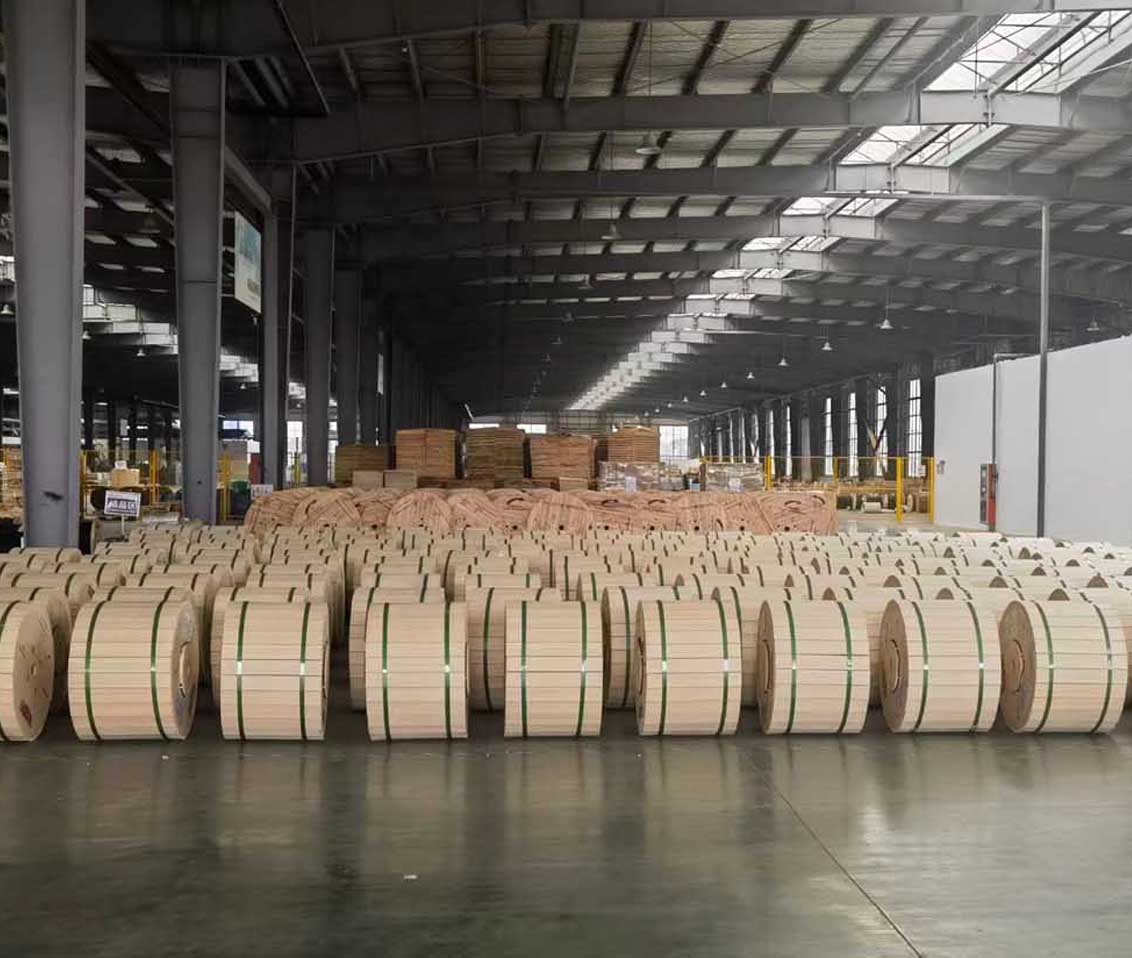
 Optical Fiber
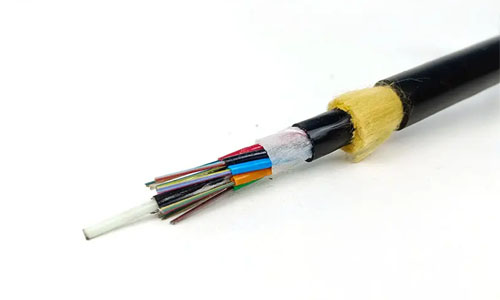 ADSS Fiber Optic Cable
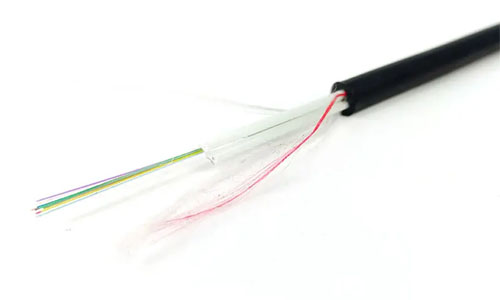 ASU Fiber Optic Cable
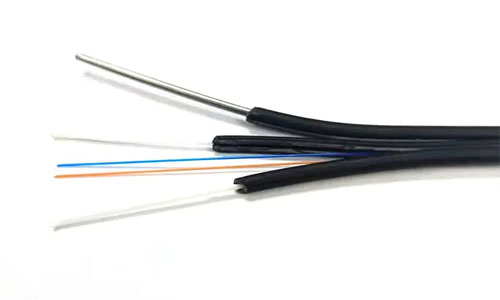 FTTH Fiber Optic Cable
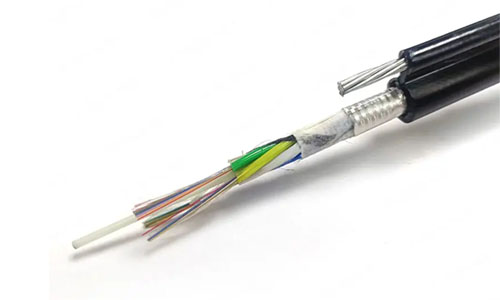 Figure 8 Fiber Optic Cable
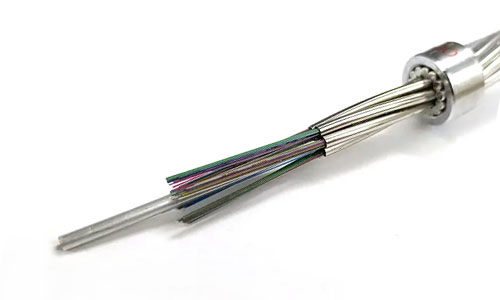 OPGW Fiber Optic Cable
 Coaxial Cable
 Ethernet Cable
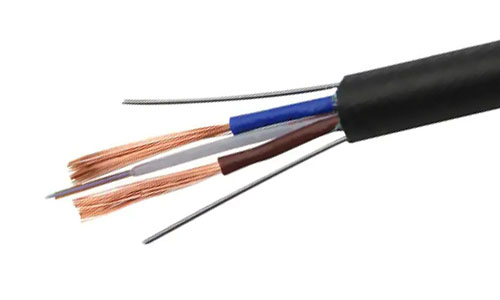 Photoelectric Composite Fiber Optic Cable
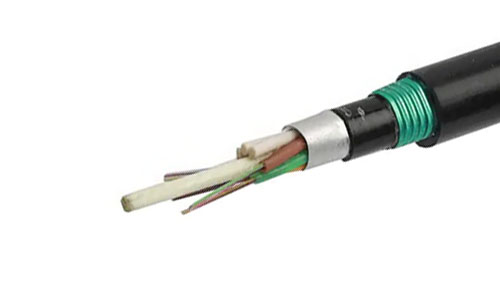 Underground & Pipeline Fiber Optic Cable
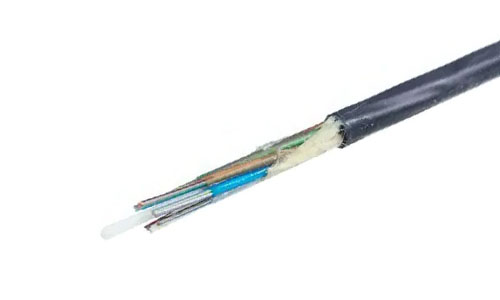 Air-Blown Micro Fiber Optic Cable
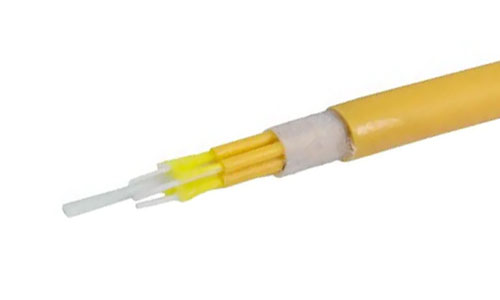 Indoor Fiber Optic Cable
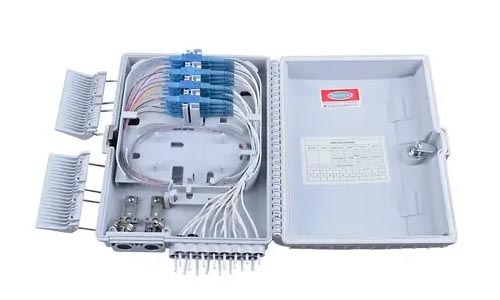 Fiber Optic Distribution Box
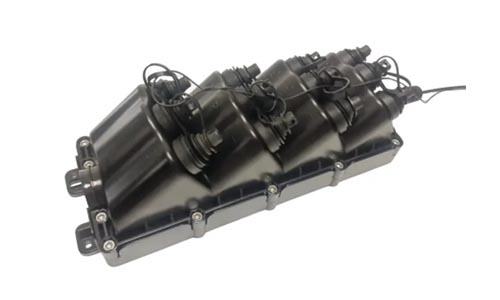 Multiport Service Termina Box
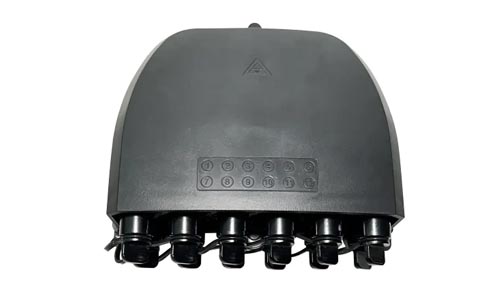 Fiber Optical Terminal Box
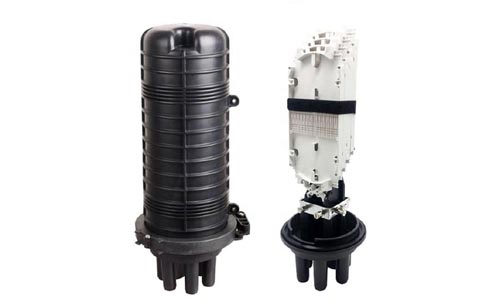 Fiber Optic Splice Closure
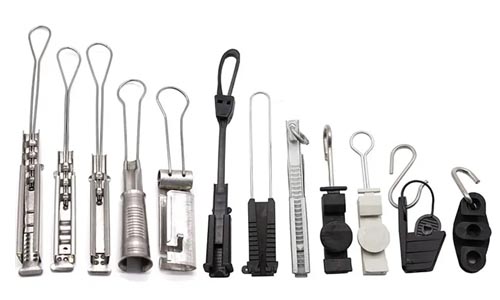 Fiber Optic Clamps
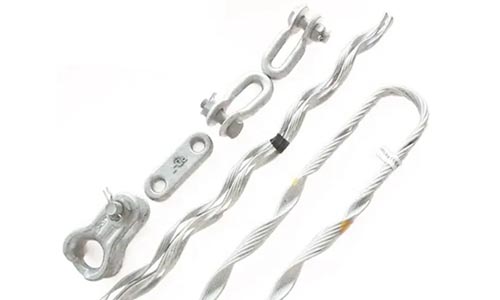 Fiber Optic Cable Fittings
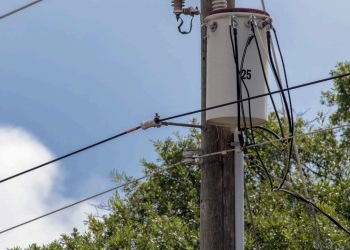 ADSS Fiber Cable
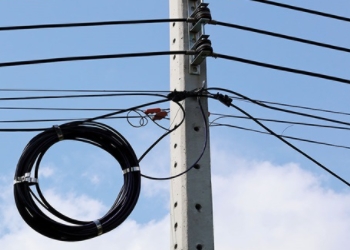 ASU Fiber Cable
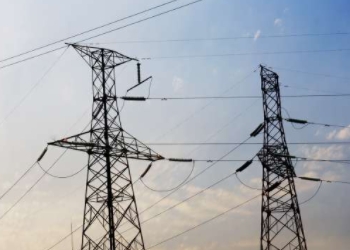 OPGW Fiber Cable
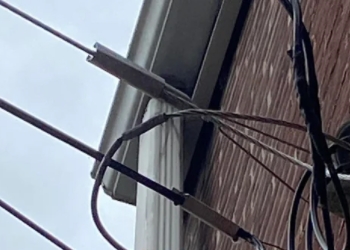 FTTH Fiber Cable
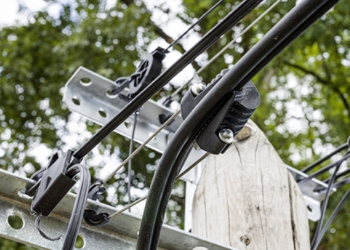 Figure 8 Fiber Cable
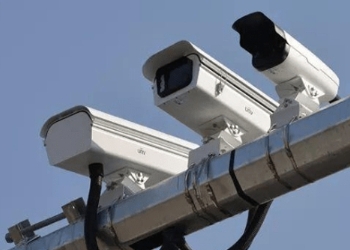 Photoelectric Composite Fiber Cable
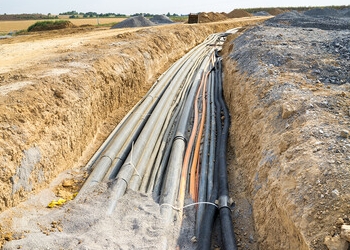 Underground & Pipeline Fiber Cable
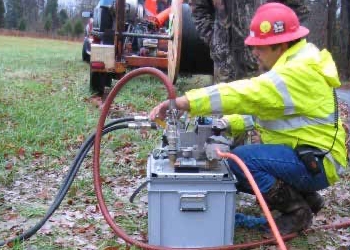 Air-Blown Micro Fiber Cable
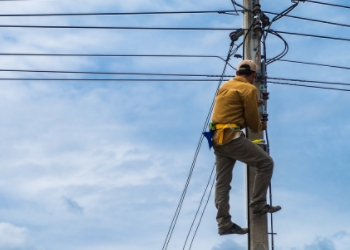 Aerial Fiber Cable
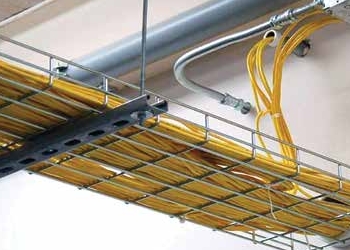 Indoor Fiber Cable
 Fiber Optical Terminal Box
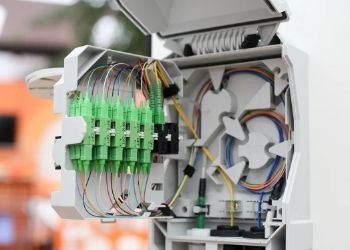 Fiber Optic Distribution Box
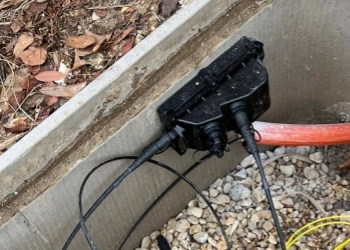 Multiport Service Termina Box
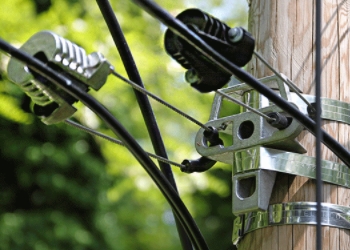 Fiber Optic Clamps
 About Us
 Our Team
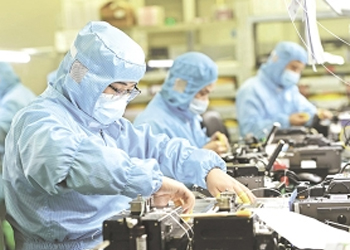 History
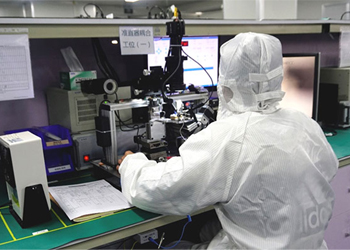 R&D Strength
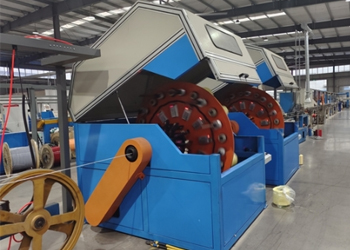 Production Base
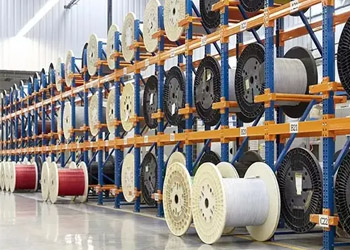 Warehouse & Logistics
 Quality
 FAQs
FAQsFiber Optic Fast Connector
Fiber Optic Fast Connector is a device used to quickly and easily terminate a fiber optic cable in the field. Unlike traditional fiber optic connectors, which require precise fiber cleaving, polishing, and epoxy curing processes, fast connectors allow for rapid installation with minimal tools and expertise. Here’s a more detailed overview:

Key Features
Pre-polished Ferrule: Fast connectors come with a pre-polished ferrule, which eliminates the need for polishing in the field.
Mechanical Splice: They use a mechanical splice mechanism to align and join the fiber ends within the connector, ensuring low insertion loss.
No Epoxy Required: Traditional connectors often require epoxy to hold the fiber in place. Fast connectors typically use a mechanical clamping system.
Field Installable: Designed for quick and easy installation in the field, often taking just a few minutes per connector.
Reusable: Some models can be reused if a termination is not done correctly on the first attempt.
Advantages
Time Efficiency: Significantly reduces the time required for termination, making them ideal for emergency repairs and quick installations.
Cost-Effective: Reduces the need for expensive equipment and consumables associated with traditional connectorization processes.
Ease of Use: Can be installed by technicians with minimal training, lowering the barrier to entry for fiber optic work.
Versatility: Suitable for a variety of environments, including telecom networks, data centers, and FTTH (Fiber to the Home) applications.

Installation Steps
Prepare the Fiber: Strip the fiber optic cable to expose the bare fiber. This usually involves removing the outer jacket, buffer, and coating.
Cleave the Fiber: Use a precision fiber cleaver to create a clean, flat end on the fiber.
Insert Fiber into Connector: Carefully insert the cleaved fiber into the fast connector until it reaches the pre-polished ferrule.
Secure the Fiber: Engage the mechanical clamping mechanism to hold the fiber in place.
Test the Connection: Use an optical power meter or a visual fault locator to verify the quality of the connection.
Applications
Telecommunications: Used in the deployment and maintenance of fiber optic networks for telecommunication services.
Data Centers: Useful for quick, reliable connections in data center environments.
FTTH Installations: Facilitates rapid connections in Fiber to the Home deployments.
Emergency Repairs: Ideal for scenarios where quick restoration of service is critical.
Common Types
SC (Subscriber Connector): Common in FTTH and LAN environments.
LC (Lucent Connector): Often used in data centers and high-density applications.
ST (Straight Tip): Typically used in legacy networks and multimode applications.
FC (Ferrule Connector): Common in telecom and long-haul networks.
Conclusion
Fiber Optic Fast Connectors are essential tools for modern fiber optic installations, providing a quick, reliable, and cost-effective solution for field terminations. Their ease of use and minimal tool requirements make them an indispensable asset for technicians and engineers working with fiber optic networks.