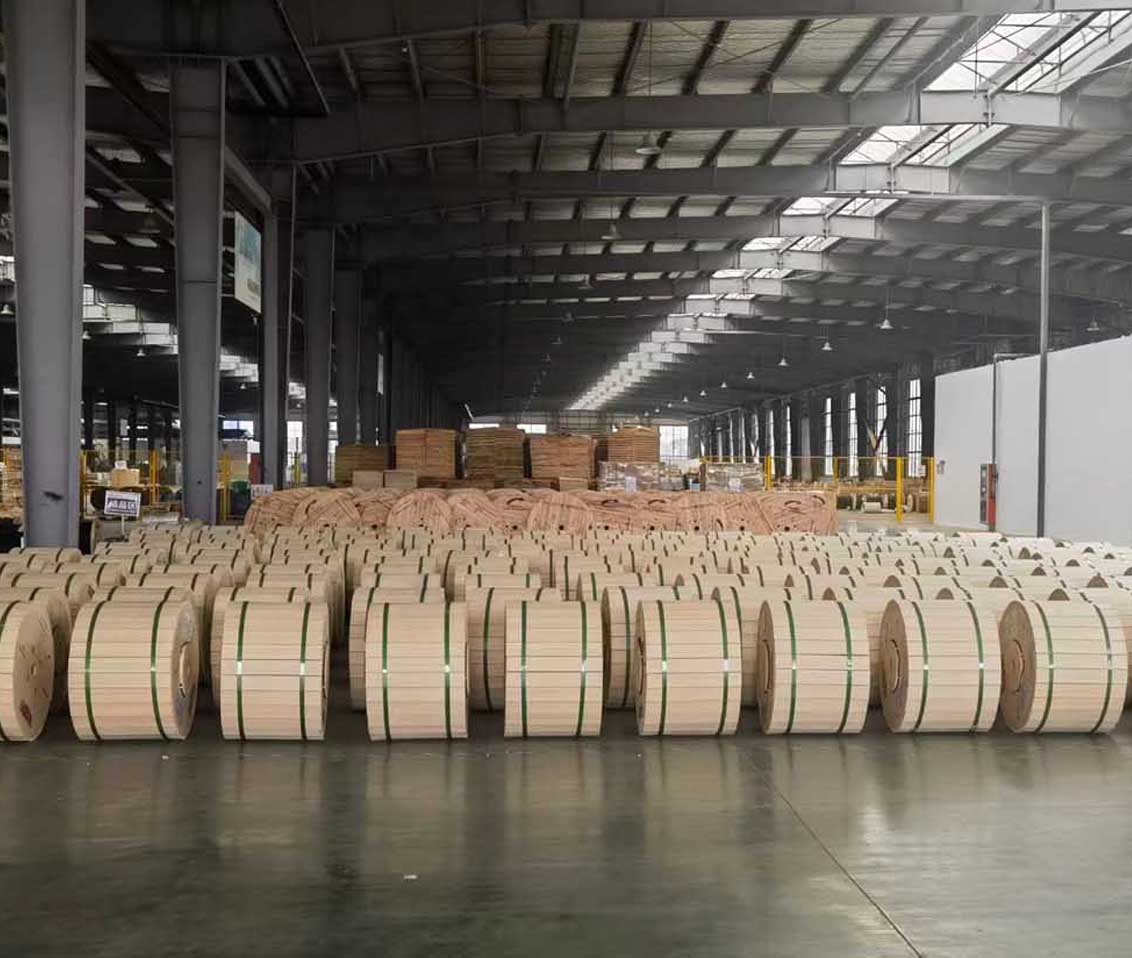
 Optical Fiber
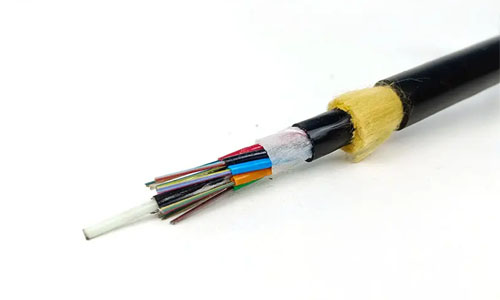 ADSS Fiber Optic Cable
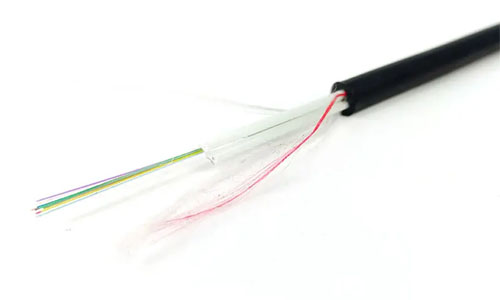 ASU Fiber Optic Cable
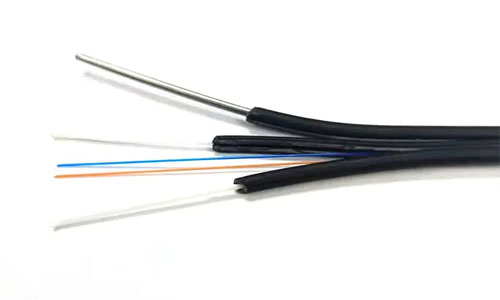 FTTH Fiber Optic Cable
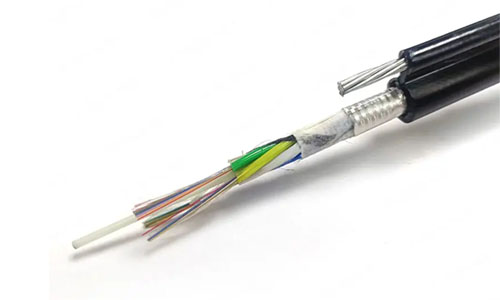 Figure 8 Fiber Optic Cable
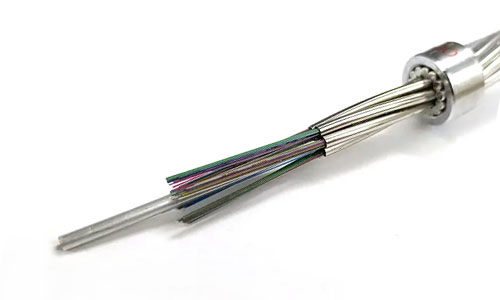 OPGW Fiber Optic Cable
 Coaxial Cable
 Ethernet Cable
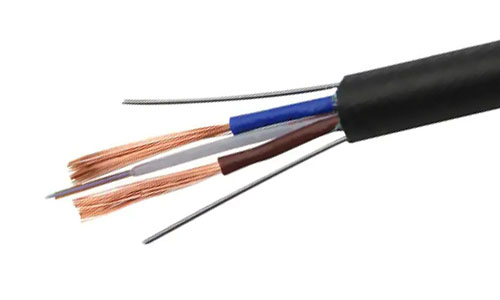 Photoelectric Composite Fiber Optic Cable
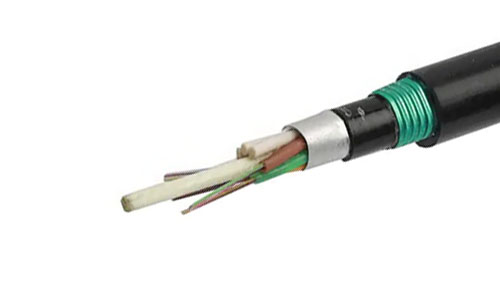 Underground & Pipeline Fiber Optic Cable
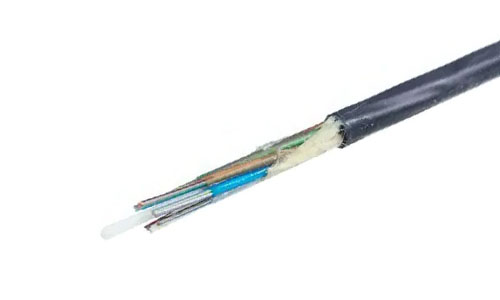 Air-Blown Micro Fiber Optic Cable
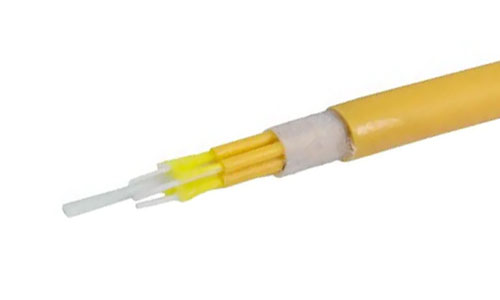 Indoor Fiber Optic Cable
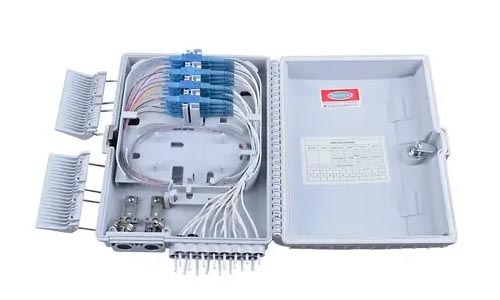 Fiber Optic Distribution Box
 Multiport Service Termina Box
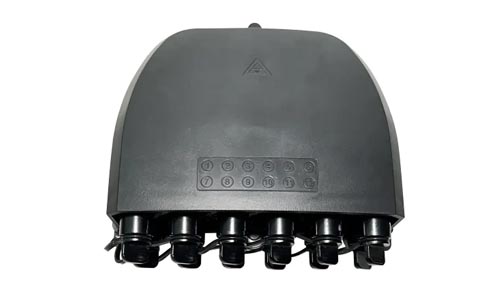 Fiber Optical Terminal Box
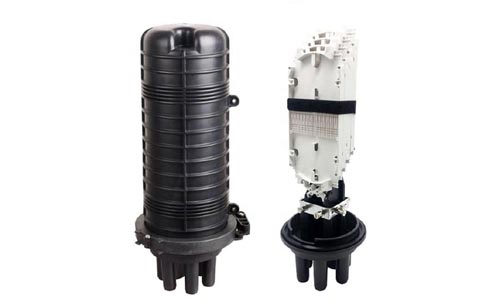 Fiber Optic Splice Closure
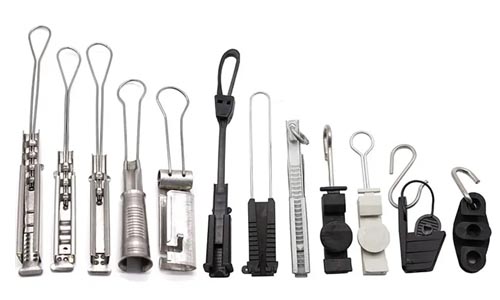 Fiber Optic Clamps
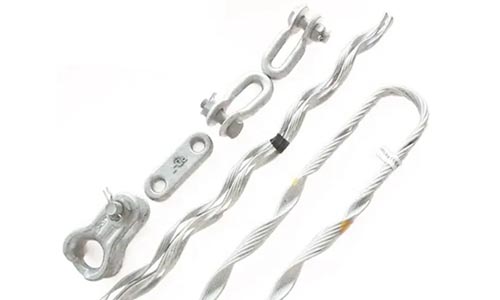 Fiber Optic Cable Fittings
 ADSS Fiber Cable
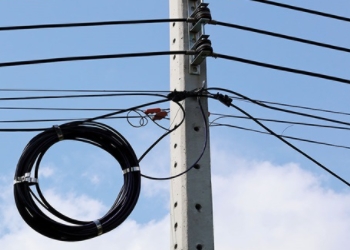 ASU Fiber Cable
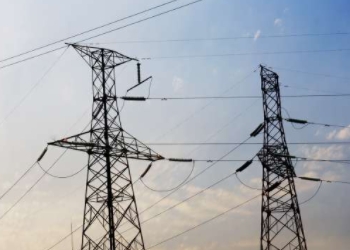 OPGW Fiber Cable
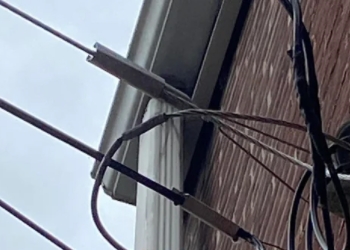 FTTH Fiber Cable
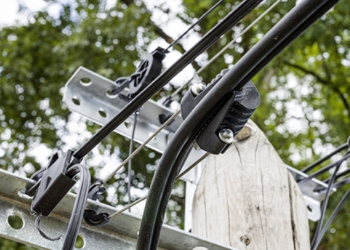 Figure 8 Fiber Cable
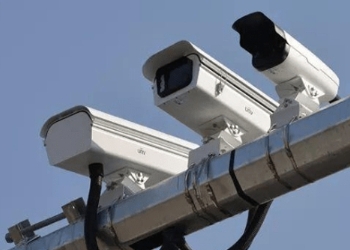 Photoelectric Composite Fiber Cable
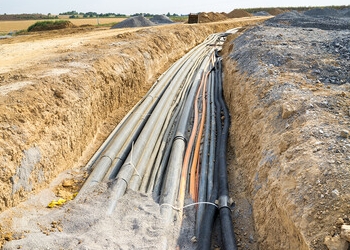 Underground & Pipeline Fiber Cable
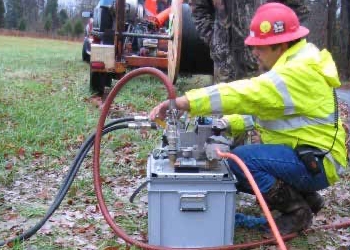 Air-Blown Micro Fiber Cable
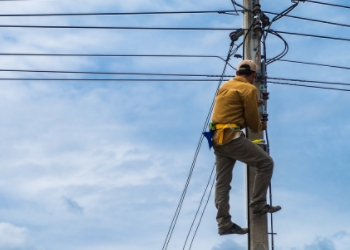 Aerial Fiber Cable
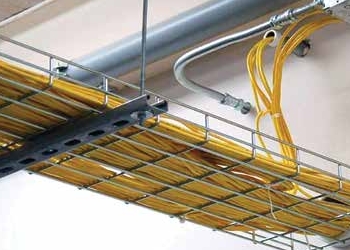 Indoor Fiber Cable
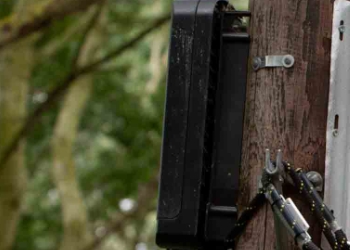 Fiber Optical Terminal Box
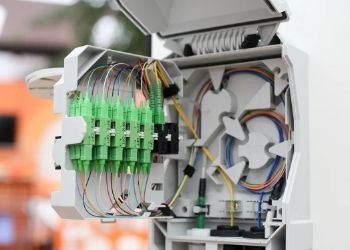 Fiber Optic Distribution Box
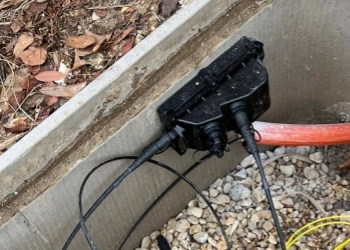 Multiport Service Termina Box
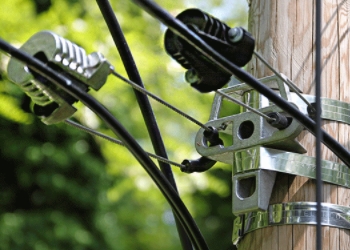 Fiber Optic Clamps
 About Us
 Our Team
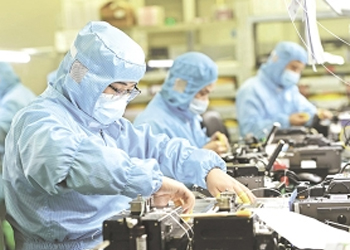 History
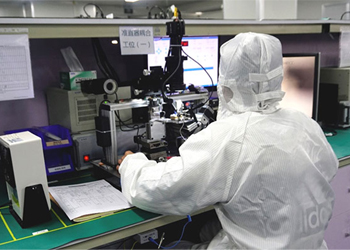 R&D Strength
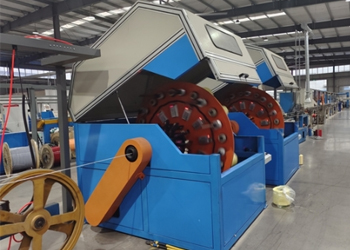 Production Base
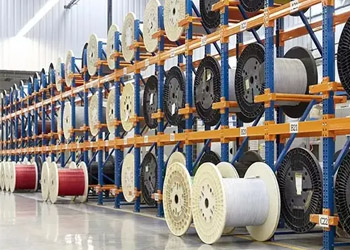 Warehouse & Logistics
 Quality
 FAQs
FAQsFiber Optic Lines: Applications and Benefits
Contact for Free Quotation & Sample, According to your needs, customize for you.
inquiry nowFiber Optic Lines: Applications and Benefits
A fiber optic line is a thin strand made from glass or plastic that sends data as pulses of light. Americans enjoy fast internet, crystal clear phone calls, and high definition television thanks to the technology carried on fiber optic lines. Towns and cities weigh heavily on these lines in their quest for faster connection speeds and less dropped signal.
It’s no wonder that most of these providers will place their fiber optic lines underground, most frequently along major thoroughfares or in housing developments. Special tools allow crews to splice or repair lines if they are cut. Large metropolitan areas find more homes with fiber optic service, while rural areas see improvements bit by bit.
The next sections will show how fiber optic lines work, why they matter, and what to expect if you plan to get one.

What Exactly Is Fiber Optic?
What is fiber optic? Fiber optic is the best technology in the world to transmit data quickly and reliably. This cable is composed of very fine strands, or optical fibers, that are typically glass or, in some instances, plastic.
These fibers transmit information with light instead of electricity, like the legacy copper lines. The core and cladding are the two primary components within each fiber. The core carries the light, and the cladding prevents the light from escaping, causing it to reflect and continue on its path.
How do optical fibers transmit data?
Optical fibers transmit data by converting electrical signals into optical signals (light signals). At the far end, devices convert the light back into electricity. This ping-ponging allows signals to travel great distances with virtually no degradation.
Fiber optic cables are the same wires used in internet lines, phone networks, and even in medical devices. Since they use light, they not only carry more data, but reach farther than the old copper wires.
Fiber optics come in two main types: single-mode and multimode. Single-mode fibers carry only one path of light through their small core, making them ideal for long distance communication.
Multimode fibers, which have a larger core and transmit multiple rays of light, are more suited for short-distance networks.
How Light Carries Your Data?
Light moves within the fiber by reflecting off the cladding, a process known as total internal reflection. Multiple colors of light, or wavelengths, can travel at the same time, further increasing data speeds.
This is part of the reason why internet delivered over fiber optic seems so fast and seamless.
Inside a Fiber Optic Cable
In addition to the core and cladding, the cable itself has an outer jacket, or sheath, that protects everything. The jacket is designed to resist water and impact.
While most fibers are glass based, plastic fibers are deployed on very short, inexpensive lines.
Key Types of Fiber Lines
| Fiber Type | Core Size | Distance | Use Case |
|---|---|---|---|
| Single-mode | Small | Long | Internet, backbone |
| Multimode | Large | Short | Buildings, LAN |
Why Fiber Beats Old Connections
Fiber optic lines have revolutionized how residents in Marrakech and across the country are getting connected. The technology underlying fiber provides tangible advantages compared to legacy copper connections. People here understand just how expensive dropped calls and slow downloads can be. This is particularly the case when the dust comes sweeping in from the Sahara! Fiber doesn’t disappoint like copper did.
1. Experience Unrivaled Internet Speed
Enjoy unmatched internet speed. Fiber is synonymous with speed, no ifs, ands, or buts. It allows you to download HD movies in seconds and participate in video calls without a hitch.
Whether uploading files for work or sharing photos with family, it all takes place in a flash. For gamers and remote workers, this means less lag. Even in the busiest of homes where everyone’s streaming at once, fiber is equipped to handle it.
2. Count on Rock-Solid Reliability
Fiber optics cables signal loss is less than half that of copper. They don’t crackle, fade or degrade performance when a storm rolls through or when power lines cross overhead.
Whether summer heatwaves or occasional winter ice storms hit Marrakech, fiber wins out every time. This means that it doesn’t rust or snap like you might find with old copper wires.
3. Handle More Data Effortlessly
Fiber handles much more data with ease. Bandwidth is the lane that traffic travels down—the wider the lane, the more cars you can fit.
On fiber, businesses operate multiple cloud applications and schools stream online classes for entire classrooms simultaneously. Meanwhile, local cafés can comfortably host dozens of café surfers simultaneously.
4. Secure Your Digital Information
Fiber is difficult to wiretap. Signals are less prone to leaking out like they can with copper.
Combined with strong encryption, it ensures that conversations and data remain private. That’s good news for banks, hospitals and anybody that values security.
5. Invest in Future-Ready Tech
That’s because fiber is constructed with the future in mind. It’s future-proof, especially for technology such as 5G and smart city infrastructure.
Once deployed, it requires minimal maintenance and saves money in the long run.
Who Needs Fiber Optic Lines?
Fiber optic lines are creating exciting new opportunities all over the U.S., revolutionizing how people connect, work, and learn. These lines, comprised of very thin strands of glass, can transmit data at the speed of light, offering tremendous increases in capacity, speed and dependability.
From rural valleys to urban canyons, fiber is changing everyday lives in numerous ways. From crowded urban streets to calming countryside roads, it fuels innovation across every industry.
Transforming American Homes Daily
That’s because fiber optic lines deliver the reliable high-speed broadband homes need. This ensures that a family’s ability to stream HD movies or engage in multiple online gaming sessions doesn’t result in lag time.
For people who embrace smart home technology, fiber is what keeps those devices connected—lights, cameras, and speakers can all communicate with each other more quickly and efficiently. Big names like Verizon Fios, AT&T Fiber, and Google Fiber now serve many U.S. Neighborhoods, giving more people a taste of high-speed living.
Advancing U.S. Medical Fields
Local hospitals and clinics rely on fiber for clear imaging and fast access to test results. Fiber allows doctors to transmit scans and X-rays in a matter of seconds, allowing them to make informed decisions more quickly.
In telehealth, fiber ensures that patients—especially those in rural areas—can have uninterrupted video calls with their healthcare providers. New surgical tools that employ fiber for increased precision and safety are revolutionizing how doctors treat and save patients' lives.
Boosting Industry and Commerce
Corporations run their entire operations on fiber—aligning teams on video calls, sharing huge files, and everything in between. Supply chains operate more efficiently with constant, real-time information made possible by reliable, high-speed links.
Data centers and server farms rely on fiber to transmit massive loads of information in the blink of an eye. Tech, finance, and retail industries have become dependent on fiber to remain competitive and secure.
Empowering Schools and Learning
Schools are using fiber to allow students easy access to remote classes and electronic textbooks. Educators conduct real-time virtual classes with minimal lag time, connecting students in remote and rural areas.
Infrastructure efforts like E-Rate are bringing fiber to more schools, working to close the digital divide across the country.
Fiber's Impact Across the USA
From Upstate New York to Southern California, the expansion of fiber optic lines has transformed not just how people connect, but how they work and how they learn. That effort to start building new fiber networks can be found in large cities and rural towns.
Even with consistent gains, nearly 40% of the nation’s households remain without access to fiber. This is a troubling state of affairs that continues to disadvantage those most in need. The demand for faster, stronger internet continues to increase as Americans use digital tools more than ever before in everyday life.
Fiber’s economic impact shines the brightest. Chattanooga, Tennessee, is a prime example. The introduction of high-speed fiber has propelled the city’s economy by almost $2.7 billion since 2012. Nationwide, property values increase by as much as 12.8% in neighborhoods with fiber lines.
The workforce development aspect of this is crucial. The job market prospers. In fact, the need for fiber optic technicians is projected to increase by 6% between 2022 and 2032, faster than average. Installation costs vary—$1 to $4 a foot for aerial fiber, up to $30 a foot for underground lines—but the long-term payback is clear.
Fiber is an important part of connecting everyone and closing the digital divide as well. Its enormous capacity—over 1,000 times that of copper—fosters not only smart homes, but microgrids and renewable energy interconnects. This is especially critical to stay ahead of America’s growing digital needs.
Connecting Underserved Rural Areas
Underserved rural areas frequently face the biggest challenges related to access to fast, reliable internet. Digging to lay fiber in these locations is challenging and expensive. Yet, federal HRTP and local TSPLOST programs continue to advance.
Some small towns in the Midwest now enjoy fast connections, letting students attend online classes and farmers use smart tech.
Modernizing Our Urban Centers
Across the country, cities are exchanging outdated copper telephone lines for more robust fiber. This modernizes everything from traffic signals to hospitals.
Take for example projects in New York and San Francisco that exemplify how fiber fuels smarter transit and public safety networks.
Leveling the Digital Playing Field
Weaving Together Digital Equity for All Fiber helps connect more Americans equally to opportunity — to jobs, to school and to telehealth. It connects Americans to opportunities, it drives innovation in technology and clean energy for the future, it enables small businesses to compete and grow.
So the more fiber there is, the more people can get a leg up.
Considering a Fiber Optic Upgrade?
We understand that making the transition to fiber optic lines is no small feat. In countries such as Morocco, high speed and reliable internet connections have become a reality! Whether you’re operating a small office, populating a co-working hub, or simply craving more reliable video chats in your remote work setup—there are some very important things to look at right off the bat!
Consider not just what speed you need today, but what you will need a few years down the line. Have a lot of devices in your household? What are your data usage needs? This is where online bandwidth calculators come in handy.
Speeds are unaffected even when sending data more than 25 miles away! This quality, along with extremely low maintenance means it’s perfect for the biggest buildings and the most active offices! These cables and the infrastructure required to install them can be very expensive. You’ll need to consider what you’re paying upfront vs what savings and speed you’ll receive in return.
Weighing Costs and Long-Term Gains
Fiber optic cables are definitely not inexpensive, nor is the installation. Those long-term wins tend to dwarf the sticker shock. Unlike legacy copper lines, fiber networks seldom experience slowdowns or outages, resulting in minimal downtime and reduced repair costs.
Many providers today have eliminated data caps, contracts, and equipment fees. For one of their businesses, that translates into less surprises and more ability to scale.
Navigating Fiber Installation Steps
A successful installation requires a detailed plan. First, do an audit of your building’s existing wiring. Afterward, choose the appropriate cable—specifically, consider LC or SC connectors, as they are typically used in most fiber jobs.
Step two, hire a qualified installer. Although DIY can be enticing, fiber is fickle and errors are more expensive in the long run. You’ll need: fiber cables, connectors, a splicing kit, cable testers, and safety gear.
Measuring Your Fiber Investment Return
To measure whether the upgrade was worth it, monitor speeds and customer satisfaction. These metrics might include uptime, upload and download speeds, and the number of support calls received.
So, when your video calls are never freezing and files are uploading in seconds, you’ll realize you made the right decision.
The Bright Future Powered by Fiber
Here’s how fiber optic lines are revolutionizing the way people in the U.S. Connect, communicate, and browse the internet. Fiber has strong historical connections to cities, towns, and communities across America. Today, it is widely considered as the best available option for fixed broadband.
Quality of service It’s not only about speed. A future-proof fiber advantage, that will last for generations to come and evolve as technology advances!
Enabling Next-Gen 5G & IoT
Enabling Next-Gen 5G & IoT While fiber may be a hero, it’s the unsung one. It’s the backbone for 5G towers, which allow them to move massive quantities of data at nearly instantaneous speeds. Last-hop latencies are now down to the range of 1-4 milliseconds.
This speed lets connected devices—including smart thermostats and farm sensors—respond in real-time and remain coordinated. This increased low latency and high capacity enables fiber to support thousands of devices at once. It is capable of transmitting data at speeds up to 10 gigabits per second!
For folks using smart speakers, doorbells, or security cams, fiber keeps everything smooth, even when the whole block is online.
Building America's Smart Cities
All over the country right now, cities are placing big bets on fiber. Chattanooga, Tennessee, and Kansas City, Missouri, use their fiber for public safety communications and other public applications.
They operate smart traffic lights, public Wi-Fi and citywide surveillance. This lets city planners monitor traffic patterns, reduce congestion, and address problems in real time. Its magic isn’t only in the speed.
That number can only increase as more cities deploy smart electric meters and smart water sensors.
What's Next in Fiber Innovation?
We can’t have our fiber being too thick and busting through walls or ceilings,” says Haller. Labs have developed techniques to transmit a greater volume of data over each individual fiber line while reducing interference.
With these developments, fiber may soon be the technology that makes cloud gaming, VR meetings, and perhaps even remote surgery a reality. As demands arise, fiber’s shortcomings continue to diminish and applications continue to expand.
Conclusion
Fiber optic lines revolutionize how people access the internet in the United States. Speed is addictive, and people will quickly forget the days of waiting for documents to load or videos to buffer. Reliable fiber lines keep the momentum going for remote work, remote learning, and online leisure activities. They link rural communities across the Midwest to urban metropolitan areas on both coasts. Children knock out their homework in a hurry, parents labor at home without interruption, and family film evening goes off without a hitch. To experience the change firsthand, neighbors discuss their new installations and how quickly everything operates these days—no jargon necessary. People who want the best long-term value usually choose fiber when they need faster speeds and more reliable service. Looking to maximize the potential of your pipeline? Contact your internet service provider and determine if fiber is available in your area and what options are available.
Frequently Asked Questions
What is a fiber optic line?
What is a fiber optic line? It carries information over long distances through pulses of light, enabling the fastest internet speeds available and a more reliable connection.
How does fiber optic compare to traditional copper lines?
Fiber optic lines provide better speeds, bandwidth, and reliability compared to copper lines. They’re immune to interference and signal loss.
Can fiber optic internet improve streaming and gaming?
Yes, fiber optic internet does improve streaming and gaming latency and speeds. This translates to smoother streaming, quicker downloads and an overall better gaming experience with no lag time.
Is fiber optic internet available everywhere in the USA?
Is fiber optic internet available everywhere in the USA? It’s a technology that’s widely available in our major cities and most suburbs, though some rural communities don’t have access to it just yet.
Who benefits most from upgrading to fiber optic?
Homes and businesses with high bandwidth demands, multiple users or devices, or remote workers stand to gain the most. Fiber makes it crystal clear. Video chats, HD streaming, and big file uploads and downloads are a breeze.
Is fiber optic internet more expensive?
Fiber optic internet isn’t necessarily more expensive. Fiber optic plans may cost more than entry-level DSL or cable options. In return, you receive much quicker and more dependable service, which more than justifies the cost.
How secure is fiber optic internet?
How safe is fiber optic internet? Because data sent by light is difficult to tap into physically, this form of internet is inherently more secure from hackers than older technologies.