 Optical Fiber
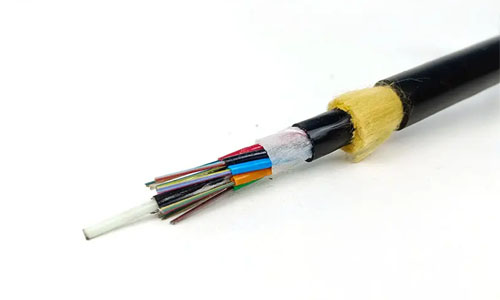 ADSS Fiber Optic Cable
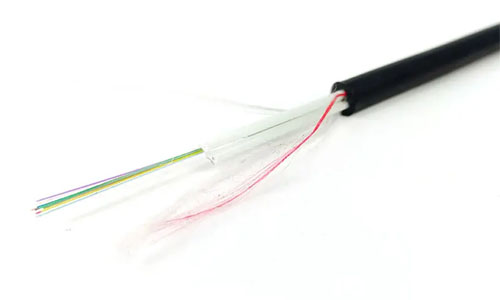 ASU Fiber Optic Cable
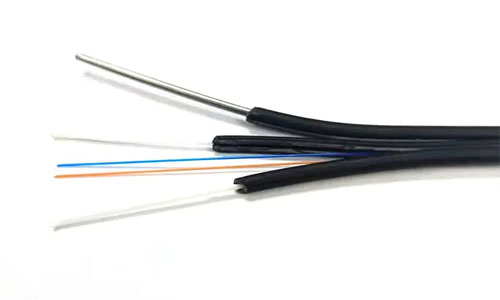 FTTH Fiber Optic Cable
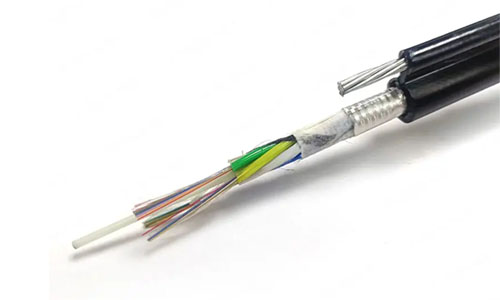 Figure 8 Fiber Optic Cable
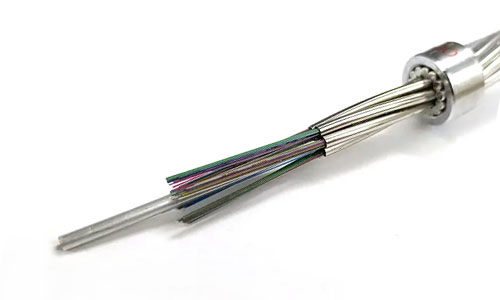 OPGW Fiber Optic Cable
 Coaxial Cable
 Ethernet Cable
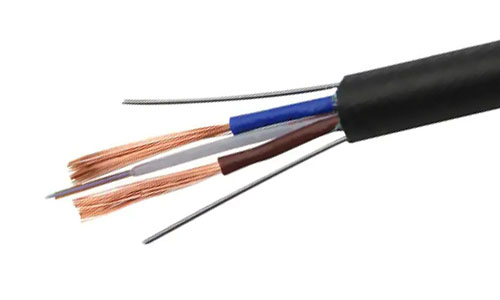 Photoelectric Composite Fiber Optic Cable
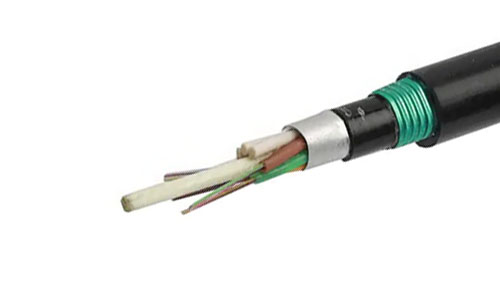 Underground & Pipeline Fiber Optic Cable
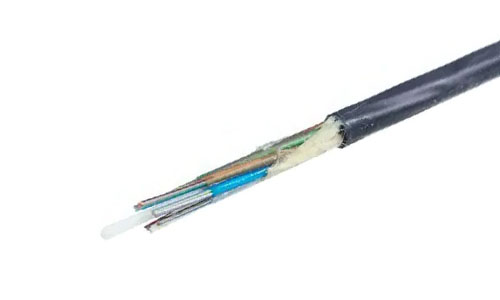 Air-Blown Micro Fiber Optic Cable
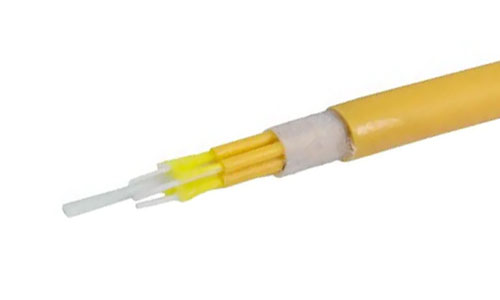 Indoor Fiber Optic Cable
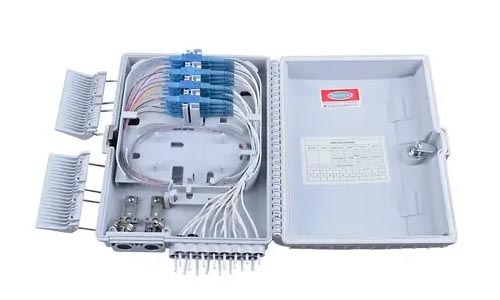 Fiber Optic Distribution Box
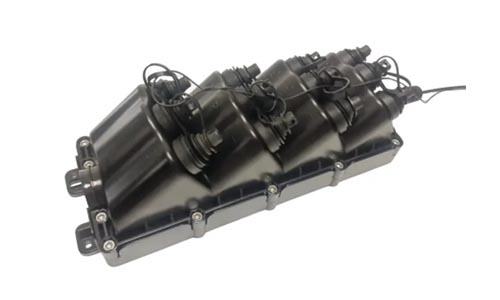 Multiport Service Termina Box
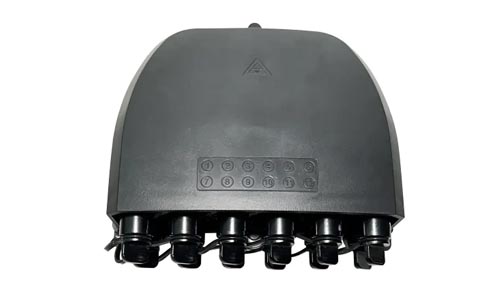 Fiber Optical Terminal Box
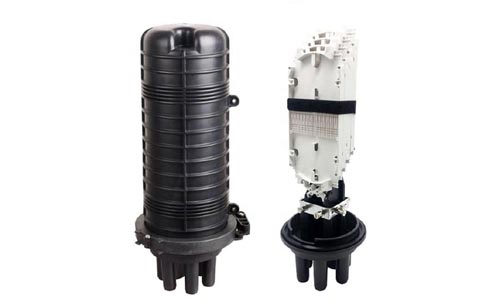 Fiber Optic Splice Closure
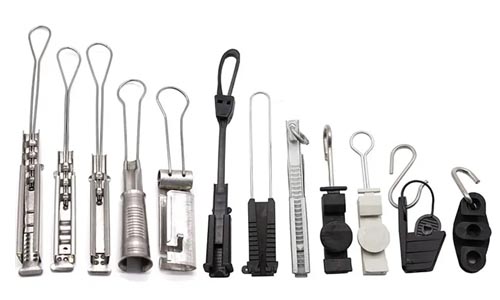 Fiber Optic Clamps
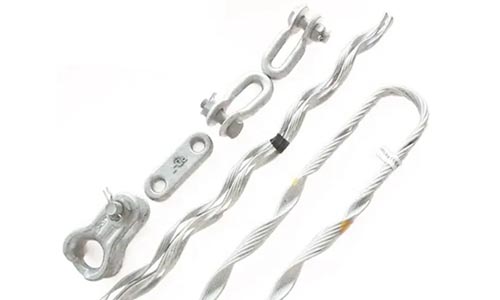 Fiber Optic Cable Fittings
 ADSS Fiber Cable
 ASU Fiber Cable
 OPGW Fiber Cable
 FTTH Fiber Cable
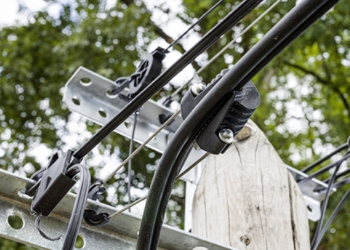 Figure 8 Fiber Cable
 Photoelectric Composite Fiber Cable
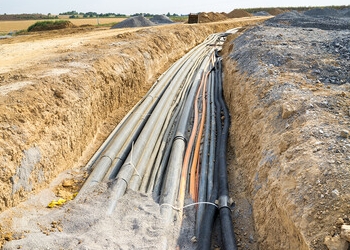 Underground & Pipeline Fiber Cable
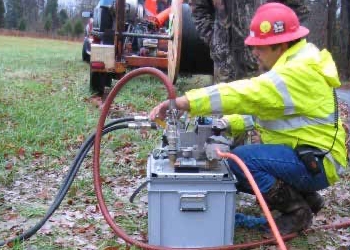 Air-Blown Micro Fiber Cable
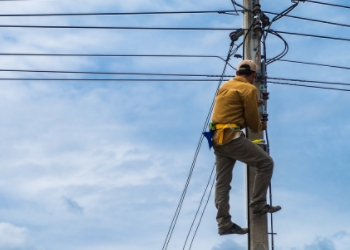 Aerial Fiber Cable
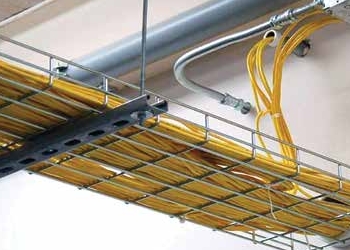 Indoor Fiber Cable
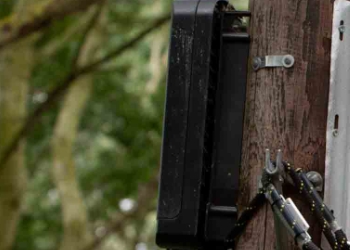 Fiber Optical Terminal Box
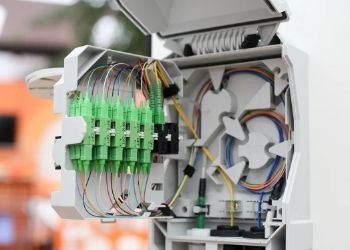 Fiber Optic Distribution Box
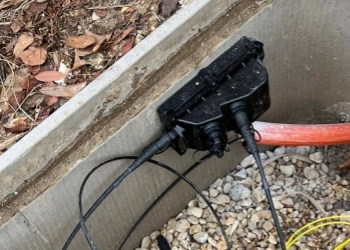 Multiport Service Termina Box
 Fiber Optic Clamps
 About Us
 Our Team
 History
 R&D Strength
 Production Base
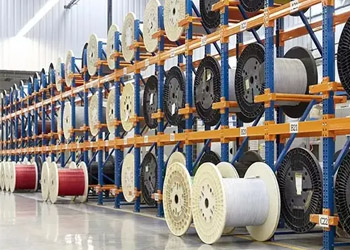 Warehouse & Logistics
 Quality
 FAQs
FAQsFiber Optic Patch Cable: Ultimate Analysis
Contact for Free Quotation & Sample, According to your needs, customize for you.
inquiry nowFiber Optic Patch Cable: Ultimate Analysis
A fiber optic patch cable connects devices in a network by sending data as light signals through thin glass strands. Common in data centers, offices, and increasingly in homes, these cables are one of the keys to maintaining fast internet speeds and stable connections.
They are available as single-mode and multi-mode types, each designed for specific applications and distances. Millions of people across the U.S. Rely on fiber optic patch cables. Whether it’s seamless streaming, fast downloads, or clearer video chats—these cables make it happen!
Most local tech shops will have various lengths and ends to accommodate what you need whether it be a router, switch, or server. Understanding the fundamentals of fiber optic patch cables will help ensure that getting a network operational or back up and running again is an easy process.
Coming soon, we’ll provide guidance on what to consider when selecting the appropriate cable.

What Is A Fiber Patch Cable?
A fiber patch cable, sometimes called a fiber-optic patch cord, is a short cable made to link two network devices using light that travels through glass fibers. They’re most recognizable by fiber optics in a network room setting. They are available in many lengths, from as short as 1/2m to hundreds of meters.
Their core responsibility is to integrate systems. These systems require exchanging massive quantities of data at rates frequently exceeding 10 Gbit/s and often even higher. On both ends, you’ll find connectors—sometimes the same type, sometimes different, like LC on one end and ST on the other. Some cables only carry a single fiber and some carry two fibers.
They are bundled tightly together in a jacket that is only a few millimeters across, and the fiber itself is about as thick as a human hair.
Defining the Essential Connector
LC connectors, which stands for Lucent Connectors, are highly popular for fiber patch cables especially when space is limited. Their minor footprint allows you to fit a lot more connections into tight spaces, such as densely populated network panels or laboratory environments.
These connectors were designed for consistent, low-loss connections, allowing data to flow continuously without interruptions. For applications that require higher reliability—such as telecom racks or remote sensor networks—LC connectors help the signal maintain its integrity. They shine especially when room is at a premium.
Core Components: Glass and Light
At the cable’s heart is pure glass. This transparent core prevents the light signals from escaping out the sides, resulting in a decrease in data loss as information travels. The size of the core matters: bigger cores can carry more information at once, giving you higher bandwidth.
Light forms the backbone of your network, speeding down these ultra-thin fibers, bouncing inside so it arrives at the other end quick and clear.
How Data Travels So Fast?
Light races down the fiber, far outpacing copper cables in speed. Fiber patch cables carry large amounts of data from room to room or lab to lab with very little loss, even over longer distances.
Which is exactly why laboratories and network hubs choose fiber optics for their backbone connections.
Patch vs. Other Fiber Cables
Patch cables are most notable for their extra flexible design and super manageable shape. They are an ideal choice for environments with frequent moves, such as test labs or high-density data centers.
Replacing them or even just swapping them out is quick—no muss, no hassle, no interruption in service. While other fiber cables may be able to give additional power, patch cords take the cake when it comes to adaptability to tasks and fast changes.
Decoding Fiber Patch Cable Types
Fiber optic patch cables are available in a wide variety of types, each with unique benefits. Picking the right one can make a big difference, whether you’re running a small office network in Marrakech or wiring up a data center for a global company. Most cables fit into two main groups: single-mode and multimode. This is because each group has its own core size and use case. Picking the wrong one can slow things down or end up costing you a lot more!
Single-Mode: Long Haul Champion
Single-mode cables utilize a very thin core, typically 9/125 µm. They’re the clear choice anytime you need to send data a great distance—such as between buildings or long-haul telecom lines. These cables carry super-fast signals, sometimes 10 Gbit/s or greater, for kilometers without significant degradation.
You’ll encounter single-mode in large enterprise networks or in metro area networks, where distance is the primary concern.
Multi-Mode: Shorter Reach, Wider Core
Multimode cables have a larger core—50/125 µm or 62.5/125 µm—which allows the light to bounce more within the cable. This is great for short hops, such as connecting racks in a data center. Multi-mode is further divided into OM1 through OM5.
OM1 supports 1Gb Ethernet up to 200 meters and OM2 up to 500 meters. The higher grades, such as OM3 and OM4, go even further and faster. For shorter runs, multimode is less expensive and simpler to install.
Connector Craze: LC, SC, ST, MPO
Connectors aren’t just a mounting choice. LC connectors are small but powerful, widely used for high-density patches. SC and FC connectors utilize larger ferrules, typically 2.5mm.
MPO/MTP is designed to connect multiple fibers simultaneously, making them ideal for today’s high-density data centers. Most new builds are moving in the direction of LC, as they take up less space and are more compatible with modern equipment.
Simplex vs. Duplex Explained
Simplex cables carry data one way, while duplex lets you send and get data at the same time—handy for most networks. For most common applications, duplex is the clear favorite.
Simplex suits applications where only single-direction signals are required, as in some sensor configurations.
My View: When Mode Really Matters
Getting the mode right makes all the difference in a resilient smart network. Long distance, high speed connections—such as between the technology centers of Morocco’s Marrakech and Tangiers.
Choose multimode in short, high-traffic environments, such as a modest-sized office. In the real world, selecting the right cable means the difference between smooth streaming and endless troubleshooting.

Key Fiber Patch Cord Applications
Fiber optic patch cords have created a standard for quick, stable, and easily expandable network infrastructures in a plethora of industries. These cables aren’t only used by large technology corporations. Today, you can find them connecting data centers, connecting hospitals, connecting homes, and even connecting factory floors.
They particularly shine when it comes to transporting massive volumes of data at lightning quick speeds. These rugged patch cords make installation a breeze while minimizing the complexity of their operation. Here’s a look at some of the key applications in which fiber patch cords prove their value. We’ll take a look, too, at why countless industries trust them to ensure information continues to flow.
1. Powering Data Centers Nationwide
Visit any state-of-the-art data center today. You’ll walk into rows of servers and storage racks connected by rows of switches, all tied together with a web of fiber patch cords. These cables are what guarantee the proper data goes where it needs to go. They ensure that it comes when it’s needed.
High-density networking is now the industry standard. Fiber patch cords can fit many more links into a small space without tangling or reducing speed! As a business expands, so too does its requirement for additional servers and speedier connections. These patch cords facilitate scalable expansions.
They are available in many different lengths, from 0.5m to over 10m. You can modify them to work with your particular applications. Duplex cords, sometimes called “zip cords,” have two fibers connected adjacent to one another. They are particularly useful for applications that involve two-way data exchange.
Considering all the various connector types—LC, SC, ST, MPO, etc.—there’s a patch cord for every job! The end product is a more efficient, more scalable and more organized data center.
2. Connecting Local Area Networks (LANs)
Whether in offices, schools, or government buildings, local area networks (LANs) are an important lifeline. They require them to transfer massive quantities of data quickly between computers and devices. Often, fiber patch cords are the first choice for completing these projects.
They become even more valuable when the situation calls for high data rates, such as 10 Gbit/s. Given that unlike copper wires, fiber doesn’t pick up as much noise from other electronics, data travels cleaner and faster. Fiber patch cords provide the infrastructure for ever-growing LANs.
One of the key advantages provided by fiber patch cords is their ability to transfer data over much greater distances, with minimal signal loss. This translates into less frustration due to lost connections or laggy downloads. As a result, over time, a lot of IT departments have replaced aging copper lines with fiber.
They made these changes to meet the increasing demand for both speed and reliable performance.
3. Enabling Telecommunication Networks
Telecom providers rely on fiber patch cords to provide the links that makes phone calls, video calls and broadband possible. These cables connect together routers, switches and transceivers within large switching centers as well as smaller metro hubs.
Fiber in telecom—I just think it’s gorgeous! It is the only technology capable of carrying massive amounts of data at the lightning fast speeds consumers demand today. Fiber patch cords allow signals to travel at the speed of light without distortion even over long distances.
This ensures that calls don’t suddenly drop, and that internet speeds remain fast, even during rush hour. Telecom operators have faith in these cords as they feature an extended lifespan, with minimal maintenance needs. This level of reliability directly contributes to overall cost avoidance and uninterrupted service.
4. High-Speed Internet at Home
Fiber patch cords aren’t only meant for large enterprise—they’ve recently entered into residential spaces. With everyone working from home, streaming HD movies and playing video games online, bandwidth demand is increasing. This trend has only made the need for reliable, high-speed internet more urgent.
Fiber patch cords provide the direct connection users need to get the most from their fiber optic equipment, connecting fiber optic modems, routers and devices. Home networking has changed quickly to fiber optics. Consumers are increasingly demanding that communication providers replace legacy copper with fiber for faster speeds and less frequent outages.
With a fiber patch cord, users will experience reduced lag and quicker downloads, as shown in the chart below. They experienced a much smoother online experience, be it surfing the web or video calling relatives across the country.
5. Critical Medical Imaging Links
Hospitals and clinics have high, specific demands for data—particularly on critical medical images such as X-rays or MRIs. Fiber patch cords are an important part of the equation, connecting medical imaging devices to computers and storage systems. In those scenarios, a missing or lateness image could equate to a lost diagnosis.
The number one reason fiber patch cords are selected, especially in healthcare, is the dependability. They are impervious to outside interference, so images, data, and other information arrive where they need to go without interruption or interference.
From real-time imaging during surgery to storing patient records, fiber ensures that medical teams have the tools to do their jobs well.
6. Broadcasting and Video Transmission
Television stations, sports venues, and any venue that hosts live events depend on fiber patch cords. They rely on these cords to transfer video feeds and audio signals. These cords allow for the rapid and seamless transfer of large files with 0% loss in quality.
In the case of live broadcasting, even a second’s delay or a single lost signal will break a live performance. Fiber patch cords in this arena provide distortion-free, realistic video and audio. They are the industry’s number one for high-stakes live events!
They are key to enabling real-time editing capabilities and delivery of video feeds to distant locations. This service is critical for today’s international viewers!
7. Industrial Control Systems
Manufacturing and factory facilities require networks that will withstand extreme levels of dust, heat and vibration. Fiber patch cords are superior for high-speed, real-time data monitoring and control. They make it easy to connect machines and systems smoothly across the factory floor.
They’re immune to corrosion and disconnection in extreme environments, and they continue to maintain data transmission even in demanding industrial locales. Deployment of fiber in these environments significantly reduces downtime while increasing safety.
When sensors detect an issue, the data reaches operators immediately, allowing them to respond without delay. This not only ensures the production line continues to run but prevents potential costly and dangerous breakdowns.
8. My Insight: Niche Application Surprises
When most people imagine fiber patch cords, they are picturing them in large enterprise networks or data center environments. They provide a surprise appearance and steal the show! As an illustrative case, art museums rely on fiber to link climate sensors, protecting delicate artworks from temperature fluctuations.
In smart agriculture, farmers connect soil sensors and meteorological stations via fiber to monitor crop health and increase productivity. The expansion into niche uses doesn’t end there. Fiber is continuing to make its way into smart building systems, high-tech cars, and even space research.
Fiber patch cords are flexible enough to change with nearly any application. Their adaptability to unique configurations and the thousands of connector types available allow for some extreme versatility.
Smart Choices: Selecting Your Cable
Selecting a fiber optic patch cable may not be as cut and dry as it seems at first glance. All the combinations of cable types, performance requirements and installation particulars can easily make a choice that seems straightforward on the surface into a deeper dive. Every network, whether in a bustling data center in Casablanca or a small office in downtown Marrakech, relies on the right cable to keep things moving at top speed.
Here’s how to identify what cable you need and cut through all the noise to make a smart choice for your rig.
Match Connectors to Your Gear
Choosing the right connector type is just the first step. Your gear, from switches to servers, all have different requirements. If you are using a switch with LC ports, you will need to select the appropriate cable. If you choose a cable with SC connectors, you are in trouble or searching for adapters!
This mismatch can either slow down installs or lead to signal loss, creating network issues that are difficult to diagnose. The four most popular connector types are ST, SC, LC, and MTP/MPO. LC connectors, due to their small footprint, work well in space constrained network racks and are often used in today’s equipment.
SC connectors are slightly larger and are still used in some legacy deployments. MTP/MPO connectors are multi-fiber connectors that translate many fibers concurrently, making them a preferred choice for high-speed data centers. Ensure compatibility. Always read what your devices require before purchasing. It saves time and reduces the hassle down the line.
Single-Mode or Multi-Mode Decision
The decision on single-mode versus multi-mode fiber weighs heavily on how your network operates. Single-mode cables have a small core, allowing data to travel great distances—many dozens of miles—without degrading speed. This makes multimode fibers a widely popular choice for interconnecting buildings on a campus or between networks on a city-wide basis.
Multi-mode cables have a larger core. They work well for shorter runs, like those between racks in a server closet or floors in an office building. If your data doesn’t have to travel much further than a medium-sized office, multi-mode is usually what you want.
It’s often less expensive and it performs better on shorter links. If your application requires long distances and/or high bandwidths, such as 10Gbps of speed or higher, then single-mode fibers are the clear winner. They are fantastic over very long distances! Selecting the appropriate mode enables you to obtain the speed needed without paying extra for capabilities you do not need.
Getting the Length Just Right
Choosing your cable length is more important than many people realize. A cable that’s too short has you searching for extensions. Conversely, a cable that’s too long can make tidy racks look like a wad of spaghetti. Even more troubling, longer than needed cables introduce additional signal loss, which could result in reduced speeds or dropped data.
To determine which length you’ll need, measure the distance between your equipment and where you’ll connect. Consider turns, racks, and any areas where the cable will have to route vertically. Leave some slack for a neat installation! Just be sure you don’t leave enough slack that you have a bunch of coils on the floor.
A tape measure or a piece of string to mark out the intended route will help you determine the length as accurately as possible. In crowded deployments such as those in Marrakech’s new tech parks, a clean installation can make for quicker repair and replacement speeds and decreased down time.
Jacket Material: Environment Matters
The jacket that encases your fiber cable serves a purpose beyond just protecting the glass. It serves to protect against heat and flame exposure, as well as harsh cleaning chemicals often found in commercial office settings. Consumer electronics Indoor cables are typically made with polyvinylchloride (PVC) jackets, which are inexpensive and inherently fire-resistant.
This adaptability to different indoor environments makes them a very good choice for almost any indoor application. The reality is not all classrooms, labs, and designs are created equal. Certain buildings require OFNR (Optical Fiber Nonconductive Riser) or OFNP (Optical Fiber Nonconductive Plenum) jackets.
OFNR is particularly effective for vertical runs between floors. OFNP, which is designed to more stringent fire codes, is required where air ducts or plenum spaces are used. Be sure to consult your local building code and choose the appropriate jacket for your environment. It’s more than just passing an inspection—it’s about protecting your crew.
Core/Cladding Diameter Insights
Core and cladding are at the center of signal propagation. The core of the fiber is where light travels and the cladding helps to retain it inside. Typically, multi-mode cables will use a 50/125 micron core/cladding size, whereas single-mode will continue to use 9/125 microns.
These numbers are significant because they determine how far and fast your data can travel. In general, a larger core means more light can be accepted and transmitted. This works well in tight, high traffic runs, but we lose more signal through distance.
Because of that, small cores, as found in single-mode, keep the light tight and focused, sending it much farther. Terms such as “OM4 50/125” seen on a cable label are industry standards that give you the keys to match the right cable to your application. Understanding these specs removes the guesswork from shopping and ensures your cable is up to the task.
My Tip: Future-Proof Your Choice
When selecting a cable, consider the future. Your network today may be adequately served by basic cables, but don’t forget one thing—what about next year’s upgrades? The difference between low-quality and high-quality patch cords is their ability to handle faster speeds and emerging technology as the industry expands.
For instance, OM4 or OM5 multi-mode cables are available for faster speeds and can reach further, maximizing your investment. Cables that support higher levels of bandwidth or more advanced technology will be cheaper in the long run.
Plus, you won’t need to change out cables each time you upgrade your network equipment. It’s just plain easier for you and your crew, too, reducing the need for re-installs.
Cost vs. Performance: Smart Trade-offs
Fiber patch cables are available at every price point. It’s tempting to go for the lowest upfront, but that can lead to greater costs downstream. When low-cost cables don’t make the cut on tough specs, they may crack sooner or lose signal strength more quickly.
That results in slowdowns, more expensive repairs, or more time spent fixing problems. Find trade-offs between cost and performance. Consider what your network actually requires. For short desktop runs in a controlled office environment, mid-grade cables are adequate.
For large installations or rugged environments, it’s worth spending a little extra on high-performance cables. You’ll have less issues and get more years of cable life. A quality fiber optic cable will lose very little signal—even up to 100 meters.
For comparison, copper cables lose seven times as much signal over the same distance. It translates into lower downtime and more reliable performance, year after year.
Quality Counts: Standards & Testing
When it comes to fiber optic patch cables, quality is more than a catchphrase—it’s a requirement for on-the-ground, real-world performance. Every cable has a story to tell. It’s leaking with checks, balances, and triple checks that make sure it functions properly every single time you plug it in.
If you’re tired of dropped signals and fuzzy connections, you know how irritating that can be. Never underestimate the power of a bad patch cable to ruin your day! Which is why standards, testing, and certifications are critically important.
Why Industry Standards Exist?
Additionally, industry standards such as those developed by ANSI/TIA and ISO/IEC help ensure interoperability between cable and connectivity solutions from different manufacturers. These standards establish minimum requirements for aspects such as connector styles, loss standards, and safety.
If it’s up to code, you can have confidence in a patch cable. Its purpose is to integrate and operate beautifully with the rest of your network! These requirements go a long way in ensuring people can trust cable manufacturers and ensure public safety.
Common Testing: Insertion & Return Loss
Before any cable can receive the go-ahead, it must pass insertion loss (IL) and return loss (RL) tests. IL indicates the degree to which the signal has diminished as it travels through the cable. RL testing measures the return of the signal.
Both have a strong emphasis on signal quality. Testers further examine apex offset, fiber height and the three C’s—core, cladding, and coating. Contamination on an endface is the number one cause of cable failures.
If a cable fails fundamental tests such as 3D surface inspection, it’s not prepared for the demanding applications.
Certifications: What to Look For
Certifications are crucial indicators of quality. Look for certifications such as UL, ROHS, and ISO. These indicate that the cable has passed a number of rigorous safety and performance standards.
Certified cables are guaranteed to last longer while avoiding the heartache of network pain.
My Take: Reliable Cables Save Headaches
It’s worth spending a little extra up front on tested, certified patch cords to save headaches down the road. I’ve watched networks fail from penny cables that passed the wrong tests.
Do it right and use reliable cables, and you sidestep the headache of surprise outages.
US Compliance: What You Need
U.S. Standards—such as those from ANSI/TIA—provide specific standards for fiber cable manufacturers. When purchasing, look out for these certifications and request testing reports.
As the fiber optics testing market continues to expand at an impressive rate, being proactive and informed about compliance is what will protect and reinforce your network.
Installation: Maximize Cable Lifespan
Properly installing fiber optic patch cables involves more than plugging in ends and waiting for magic to happen. Small choices made during setup can stretch cable life to the max, save money, and keep your network running smooth in the long run. Gentle handling, strategic routing, and focus on the little things make up the difference.
Proper Handling: Avoid Damage
You don’t want to begin with a faulty cable. We’re talking no yanking, no sharp bends, no drop and roll. Even tugging too hard when pulling lines can pull the fiber taut, creating initial defects that will amplify as time goes on.
Avoiding abrasive surfaces and careful coiling will keep cables in fighting form and raring to roll.
Bend Radius: Don't Overdo It
Each cable has a specified minimum bend radius from the manufacturer. Bending tighter than this can create internal cracks or micro-breaks within the glass strands, speeding signal degradation or disrupting it entirely.
Never use tight turns, particularly around corners or bike racks. In other words, if your cable is rated for a 2-inch bend radius, don’t try to shove it into an inch space.
Clean Connectors: A Must-Do
Dirty connectors can damage signals even worse than a sharp bend. Dust or oil on these tips causes light to scatter, creating a once-clear connection into a major pain point.
We recommend using isopropyl alcohol and lint-free wipes. Fortunately, simple tools such as connector cleaners quick and easy connectors to implement this step.
Cable Management: Neatness Pays Off
Just like a house of cards, good cable management doesn’t involve tugs, twists, tangles, tight loops, or any clutter. Velcro strap ties, cable trays, and obvious labeling go a long way to making sure lines are easy to follow and troubleshoot.
Clean work reduces errors and makes future modifications quicker.
Environmental Factors to Consider
Temperature extremes, dust, humidity—the environment is frequently hostile. Cables rated for local weather conditions and indoor/outdoor requirements have a greater lifespan.
This is doubly true in cities such as Marrakech, where summer temperatures can be brutal. Pick the one that suits your area best, and be sure to test for water leaks before you install new lines.
My Experience: Small Steps, Big Impact
In my work, bypassing a basic task—such as washing a connector—cost multiple days of dropped signal with ensuing lost revenue. Whereas before, I didn’t slow down for these little chunks, now I purposely spend time on them.
Each step contributes to minimizing issues and maximizing cable durability.
Fixing Issues: Cable Troubleshooting Tips
Even the most pristine installation can have issues with fiber optic patch cables that can arise suddenly. A calm, methodical process goes a long way in determining what’s broken and what you should tackle first. In Marrakech, the daily dust and heat can damage cables in a hurry.
Which is why it’s so important to carefully check cables each time and have the proper tools on hand!
Visual Inspection: First Simple Step
First, always visually inspect the cable. Look for kinks, hard twists, or pressure points—these can create microbends that disrupt the signal. Examine the connectors under magnification for any debris, cracking or damage on the connectors.
Even a minuscule speck of dust can impede light and drag down your entire network. With static attracting even more debris in our dry climate, frequent inspections prevent issues down the line.
Using a Light Source Tester
A basic light source tester sends a signal down the line. If the light doesn’t pass through, you’ll know something’s wrong. Using this tool paired with a power meter gives a much clearer picture of how much signal is being lost.
Identifying where the loss occurs allows you to repair only the faulty area rather than replacing the entire cable.
OTDR for Deeper Problems
When the issue is buried a bit deeper, an OTDR is your friend. It sends OTDR Pulse Optical Time Domain Reflectometer pulses down the line and creates a map that will show bends, breaks and connectors.
When a cable is routed up a wall or through a ceiling, an OTDR will identify the problem without the need to demolish everything. This is the go-to tool for larger jobs or if the issue is persistent.
Connector Cleaning Fixes Many Issues
Dirty connectors lead to more problems than you might imagine. In Marrakech, the fine habit dust from the streets coats everything quickly. A lint-free wipe and a drop of cleaning solution remove any debris.
Less signal loss and a smoother connection are the results of clean ends. Consider connector cleaning an important preventative maintenance step.
My Go-To: The Process of Elimination
My favorite is the process of elimination—I want to rule out problems one by one. Begin with the most obvious solution first, such as a cleaning, and then replace with a new, known-good cable or test equipment.
Tip #4—Work from the simple to the complex. This ensures you don’t skip a step or spend time troubleshooting unnecessarily.
Peeking Ahead: Future Cable Tech
Fiber optic patch cables continue to evolve as technological demands continue to expand. That ongoing demand for faster internet and smarter more efficient networks continues to fuel innovation. Novel innovations are making incredible impacts on cable performance and capacity!
Now, as cities become rapidly “smarter” and 5G deployment begins in earnest, whatever their story, the story of demand for better, smaller, more flexible and more reliable cables stands front and center.
Smaller, Denser Connectors Emerge
As network spaces continue to shrink, cables need to be smaller to accommodate tighter spaces. New compact connectors such as LC and MPO allow more fibers to be loaded into a single panel.
Look how much room these dinky connector plugs free up! They increase how much data you can transfer in data-dense server closets or compact telecom exchanges.
As an example, MPO connectors are designed to accommodate as many as 24 fibers in a single connector—vastly simplifying upgrades in large data centers.
Bend-Insensitive Fiber Advances
Legacy fiber cables would break or drop signal when bent beyond a certain point. The latest innovation—the bend-insensitive fiber—allows installers to snake cables around sharp corners, in tight spaces behind desks, or up the walls, with peace of mind.
It makes cabling in historic buildings or tight telecom room racks much easier. In addition, there’s less stress on the cables which means longer life!
Higher Data Rate Support
Because everyone is streaming, working, and connecting more, networks require additional speed. Higher Data Rate Support for new data rates of patch cables up to 400 Gbps are making companies more efficient and enabling 5G networks.
Video conferencing, cloud-based applications, and cutting-edge medical technology all rely on this increase in data speed.
My Prediction: Smarter Patch Cables
Coming soon, cables might “talk” back—demonstrating faults, tracking usage, or assisting with repairs. Smart patch cables with embedded chips could be used to constantly monitor their health or send alert notifications.
This development would greatly simplify maintenance and reduce downtime.
Sustainable Materials on Horizon
More eco-friendly cables are on the horizon, made with recycled plastics or sustainable materials. This move not only allows large enterprises to fulfill their green objectives, but also reduces waste and creates a more sustainable future for technology.
Boost Network: Optimize Fiber Use
Maximizing productivity from fiber optic patch cables involves more than simply plugging them in. It’s not about building shiny new infrastructure — it’s about smart planning, careful placement, and routine upkeep. Thinking of optical fiber patch cables as one small part of your overall network puzzle actually optimizes your whole network. That makes everything run more efficiently and improves long-term durability!
Strategic Cable Placement Benefits
Taking the time upfront to plan where you place your cables should lead to significant savings. When it comes to fiber cables, every little bit counts – especially when it comes to their placement. For instance, placing new cables outside of busy roadways reduces the chance of cable damage and service interruptions.
Running cables through cable trays or along labeled pathways allows for simple upgrades down the road and reduces clutter. In crowded areas, such as the case with data centers in expanding metropolitan areas, space is at an extreme premium. Every inch matters so this is doubly important!
Proper placement prevents both signal loss and interference, too. Strategic cable placement can go beyond reconnecting fiber to benefit military and civilian communications. Single-mode cables can run distances over 100 kilometers, whereas multimode typically only manage around 2 kilometers.
Noticeable kinks or a jumbled tangle can lose signals. Staying ahead of the curve, keeping cables aligned and properly anchored ensures a steady stream of data. Trying to adhere to common color codes, such as orange for OM1 and OM2 multimode cables, aids teams in identifying and troubleshooting problems rapidly.
To determine the optimal locations for your cables, consider the architecture of the building. In addition, flag potential areas of congestion. Don’t forget about the cable core and cable jacket. A durable jacket combined with the ideal core diameter increases safety and enhances performance!
Proper cable management with clear paths and room for future growth equals less downtime and more uptime. Second, because back-up lines—redundancy—ensures that the operation continues if one link goes down.
Conclusion
Fiber optic patch cables help to ensure that business, schools, and homes all stay connected and operating efficiently. Quick fixes, major speed boosts and long-lasting connections—these cables are the complete package. At one DOT small office in New York City, their last remaining outpost of copper was replaced with fiber. Even more importantly, the entire team experienced much quicker, more reliable uploads, with no more mysterious outages. People in Phoenix connected their homes to fiber and eliminated delay in video chats. Better patch cables provide longer-term solutions and reduce the occurrence of irritants. Easy changes and wiser care can take us further. For everyone else who craves less tech hassle and a quick, plug-and-play setup, the right cable will make the transition seamless and effortless. Put your network far ahead of the competition! Choose the right fiber patch cable for your location, and see everything speed up.
Frequently Asked Questions
What is a fiber optic patch cable used for?
As such, a fiber optic patch cable is used to connect fiber-enabled devices within a network, such as switches, servers or patch panels. Providing the speed and reliability needed for today’s broadband and communications networks, it is the foundation for high-speed internet and mobile communications infrastructures.
How do I choose the right fiber patch cable for my network?
Choose the right fiber patch cable length, connector type, single-mode vs. Multi-mode fiber, and network speed requirements. Keep in mind to always confirm compatibility with your current devices.
What is the difference between single-mode and multi-mode fiber patch cables?
Additionally, single-mode cables transmit data over longer distances with lower attenuation or signal loss. Multi-mode cables are most effective for shorter distances and typically operate within buildings or a data center.
How should fiber optic patch cables be installed for maximum lifespan?
Avoid pinching or sharply bending cables and keep them free of dirt and excessive force. Be sure to use adequate cable management solutions, and never rest anything heavy on top of cables to avoid unnecessary tension or damage.
What standards should I look for in a quality fiber optic patch cable?
Ask about the standards used in the manufacturing process — U.S. Standards such as TIA/EIA and ISO/IEC are essential. It may cost a little more, but certified cables guarantee performance, safety, and reliability for your network.
What are common problems with fiber optic patch cables and how can I fix them?
Typical problems are usually from dirty connectors, too tight bends, or broken fibers. To get performance back, clean connectors with the right tools, as well as straighten/reduce bends or replace damaged cables.
How can I optimize my network’s performance with fiber optic patch cables?
Install quality cables, install them correctly, and make sure your cable types are suited to your network’s requirements. Schedule routine testing and cleaning of all terminations to ensure maximum speed and reliability.