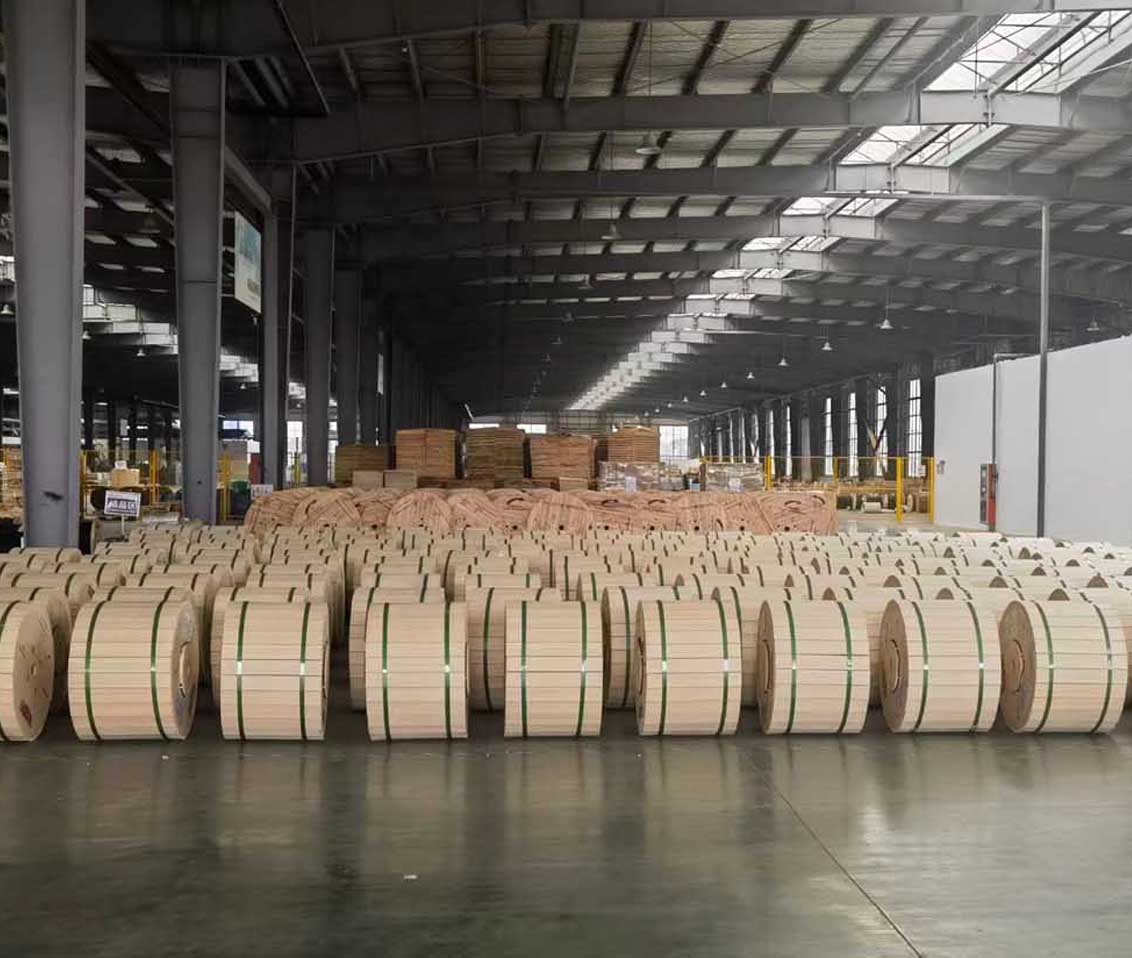
 Optical Fiber
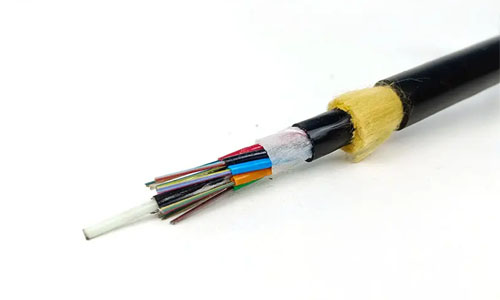 ADSS Fiber Optic Cable
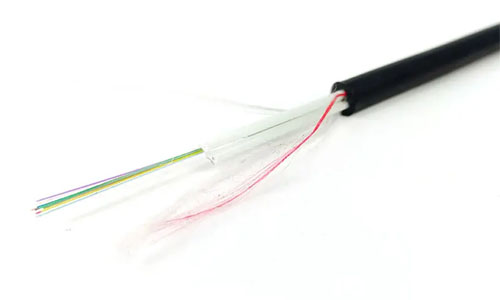 ASU Fiber Optic Cable
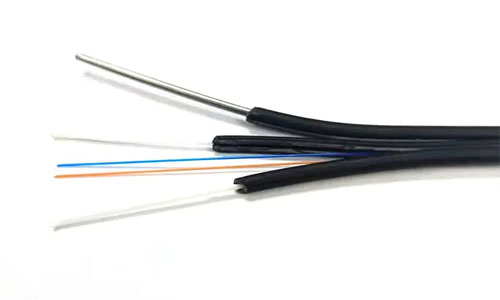 FTTH Fiber Optic Cable
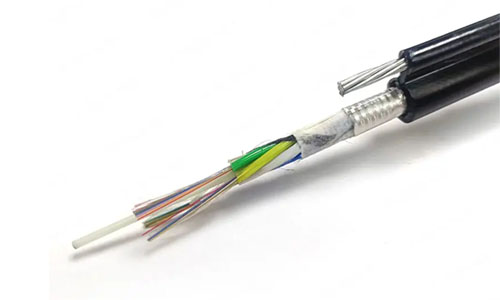 Figure 8 Fiber Optic Cable
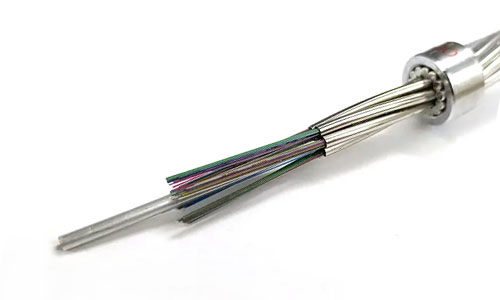 OPGW Fiber Optic Cable
 Coaxial Cable
 Ethernet Cable
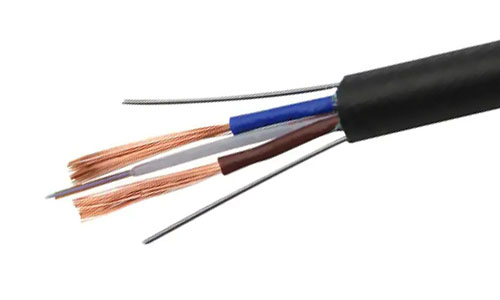 Photoelectric Composite Fiber Optic Cable
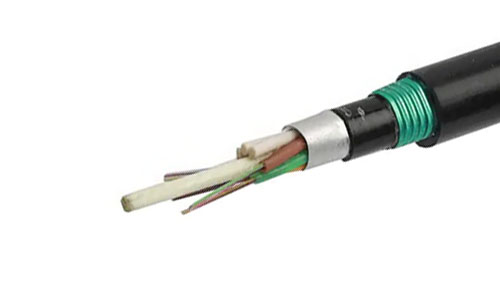 Underground & Pipeline Fiber Optic Cable
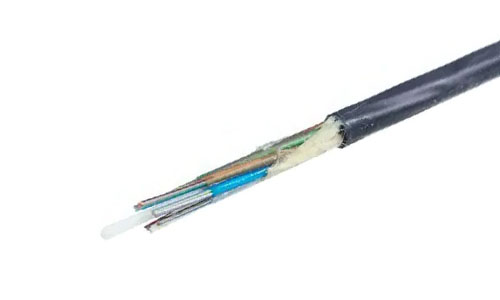 Air-Blown Micro Fiber Optic Cable
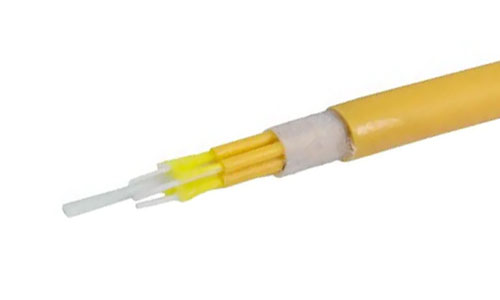 Indoor Fiber Optic Cable
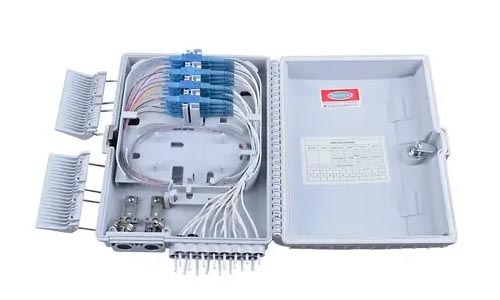 Fiber Optic Distribution Box
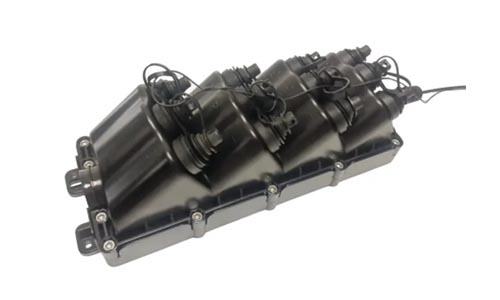 Multiport Service Termina Box
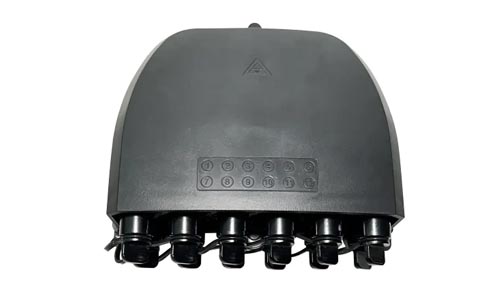 Fiber Optical Terminal Box
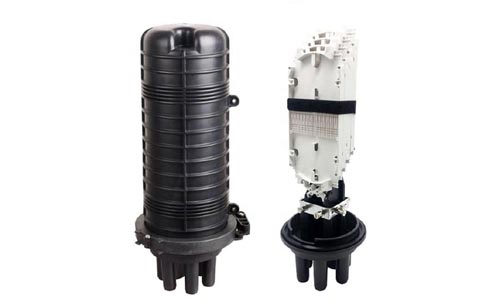 Fiber Optic Splice Closure
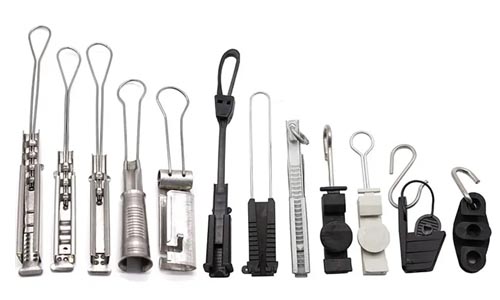 Fiber Optic Clamps
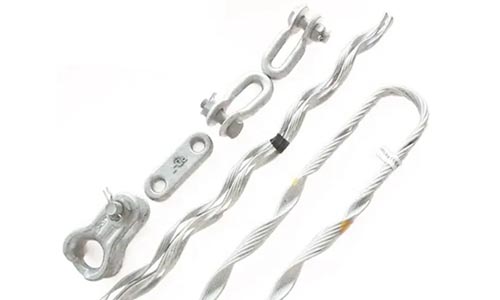 Fiber Optic Cable Fittings
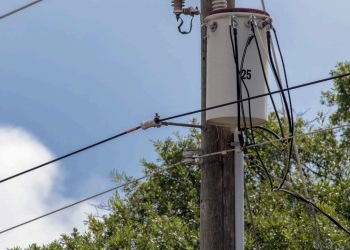 ADSS Fiber Cable
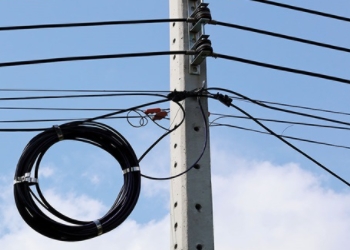 ASU Fiber Cable
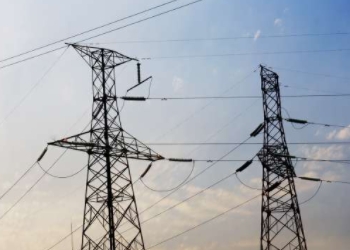 OPGW Fiber Cable
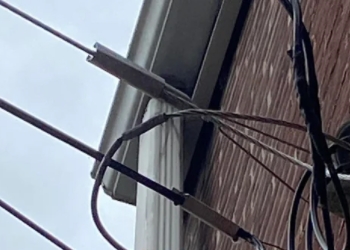 FTTH Fiber Cable
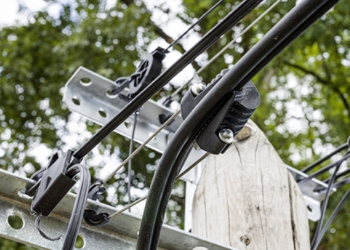 Figure 8 Fiber Cable
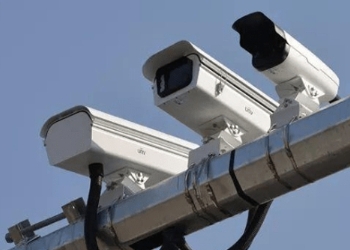 Photoelectric Composite Fiber Cable
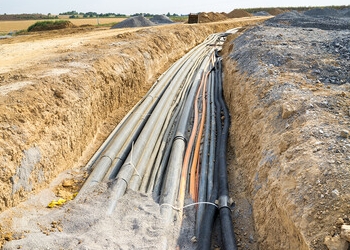 Underground & Pipeline Fiber Cable
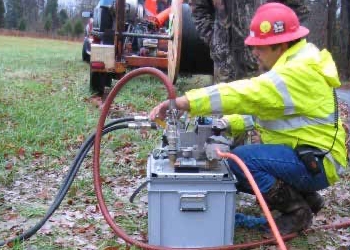 Air-Blown Micro Fiber Cable
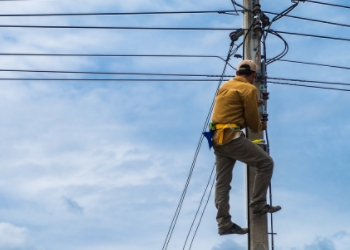 Aerial Fiber Cable
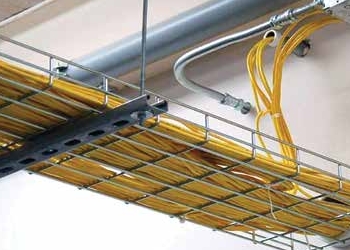 Indoor Fiber Cable
 Fiber Optical Terminal Box
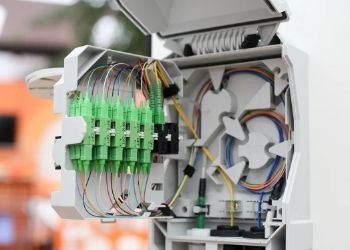 Fiber Optic Distribution Box
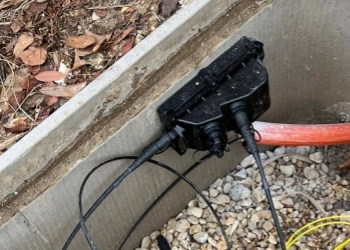 Multiport Service Termina Box
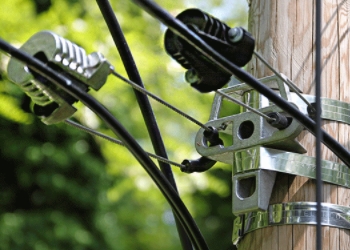 Fiber Optic Clamps
 About Us
 Our Team
 History
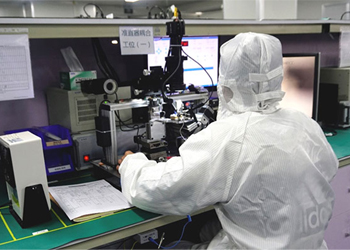 R&D Strength
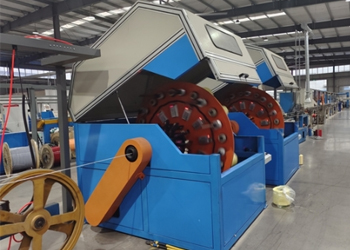 Production Base
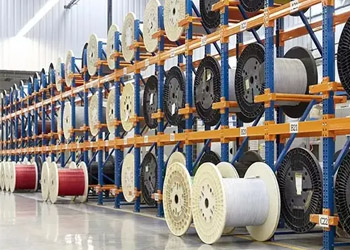 Warehouse & Logistics
 Quality
 FAQs
FAQsHow to choose underground optic cable?
Choosing the right underground optic cable GYTS GYTA involves several considerations to ensure it meets the specific requirements of your project. Here are the key factors to consider:
Fiber Count: Determine how many fibers (individual strands) you need. This depends on the current and future bandwidth requirements of your network. Common fiber counts range from 2 to 288 fibers or more.
Fiber Type: Select the appropriate fiber type based on your transmission needs:
Single-mode: For long-distance transmissions (>10 km).
Multimode: For shorter distances (<10 km) within buildings or campuses.

Cable Construction:
Loose Tube vs. Tight Buffered:
Loose tube: Suitable for outdoor installations, provides protection against moisture and mechanical stress.
Tight buffered: Often used indoors or in protected outdoor environments where additional protection is not needed.
Armored vs. Non-armored:
Armored: Provides extra protection against rodent damage, moisture, and physical stress. Ideal for direct burial in rugged terrains.
Non-armored: Lighter and more flexible, suitable for duct and aerial installations where protection is provided by the environment.
Environmental Conditions: Consider the environmental factors where the cable will be installed:
Direct burial: Requires cables designed for burial without additional conduit.
Aerial: Cables designed to withstand exposure to sunlight and weather conditions.
Duct: Cables for installation inside conduits, providing protection against moisture and physical damage.
Installation Method: Determine how the cable will be installed (direct burial, duct, aerial, etc.) and ensure the cable is rated for that specific installation method.
Budget and Longevity: Balance the initial cost with the expected lifespan and maintenance requirements of the cable. High-quality cables may cost more initially but can reduce maintenance and replacement costs over time.
Standards Compliance: Ensure the cable meets relevant industry standards (e.g., IEC, TIA, ISO) to guarantee quality and compatibility with your network equipment.
Supplier and Support: Choose a reputable supplier that provides technical support and warranties, ensuring you have assistance if issues arise during installation or operation.
By considering these factors, you can select an underground optic cable that not only meets your current needs but also supports future scalability and reliability for your network infrastructure.