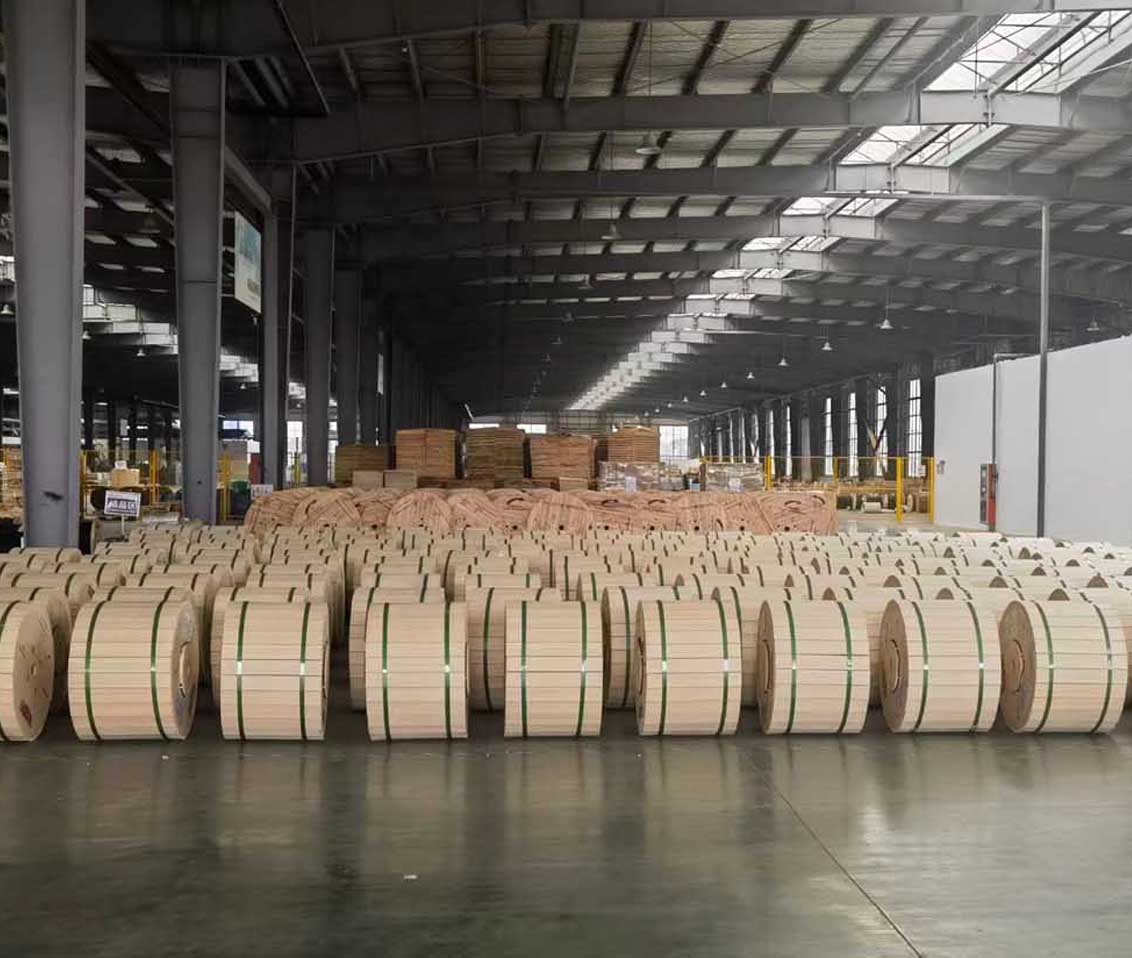
 Optical Fiber
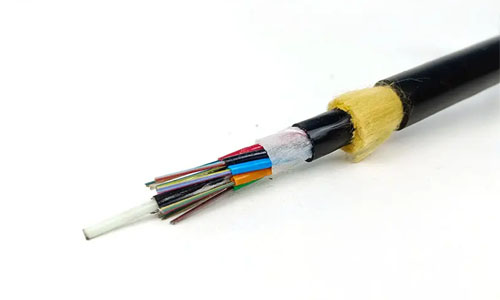 ADSS Fiber Optic Cable
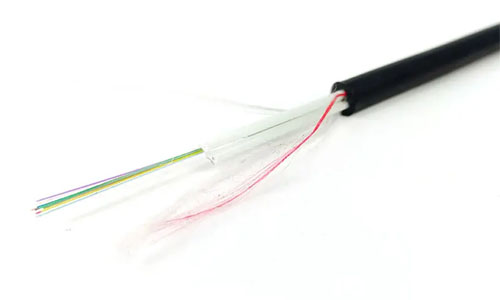 ASU Fiber Optic Cable
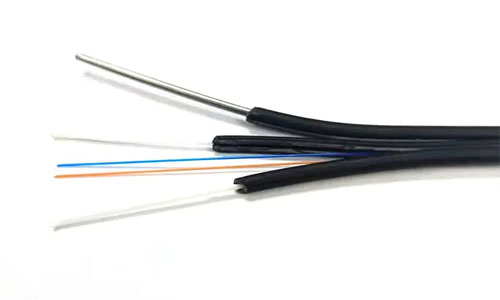 FTTH Fiber Optic Cable
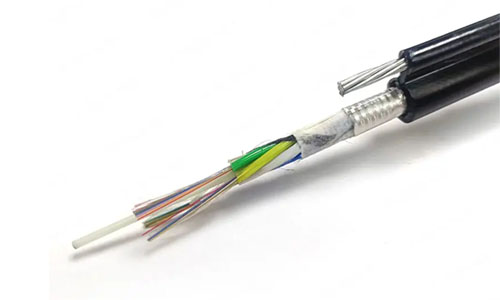 Figure 8 Fiber Optic Cable
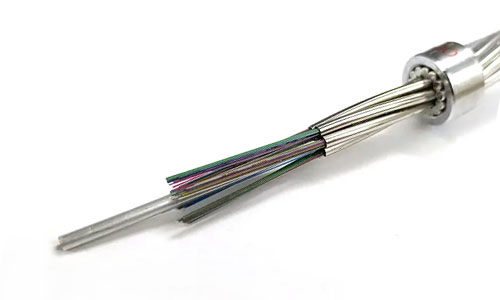 OPGW Fiber Optic Cable
 Coaxial Cable
 Ethernet Cable
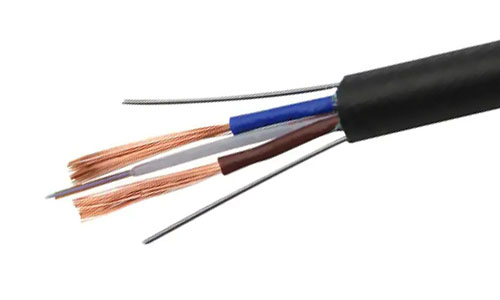 Photoelectric Composite Fiber Optic Cable
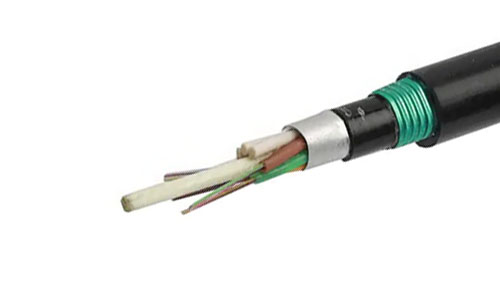 Underground & Pipeline Fiber Optic Cable
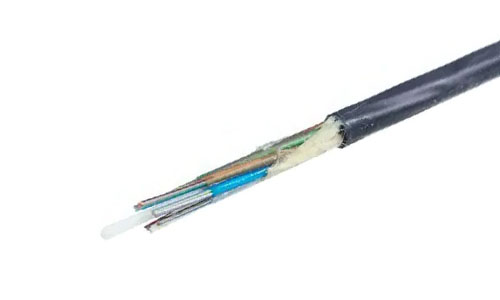 Air-Blown Micro Fiber Optic Cable
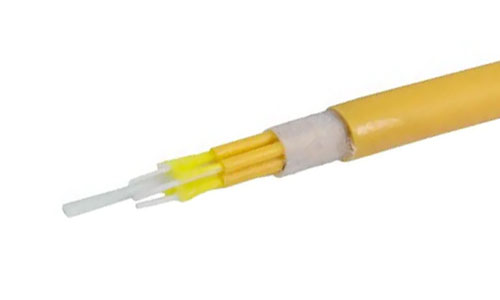 Indoor Fiber Optic Cable
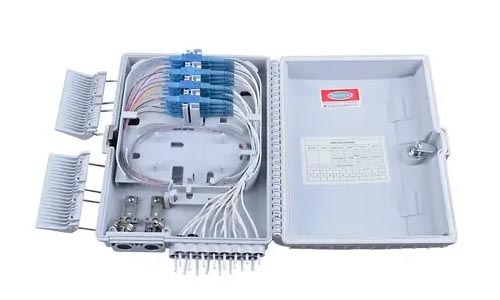 Fiber Optic Distribution Box
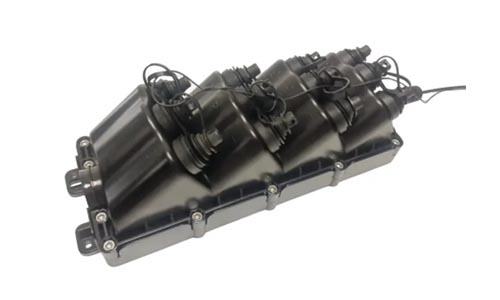 Multiport Service Termina Box
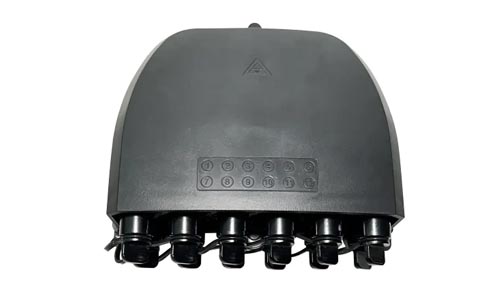 Fiber Optical Terminal Box
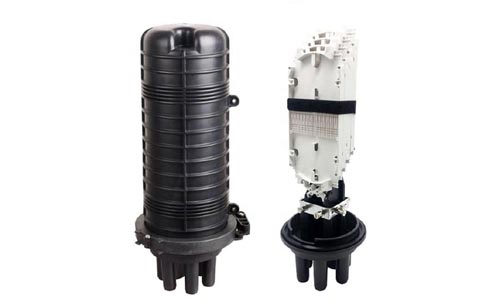 Fiber Optic Splice Closure
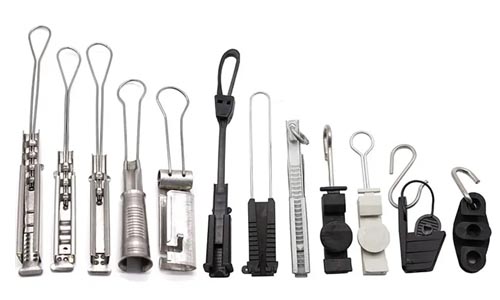 Fiber Optic Clamps
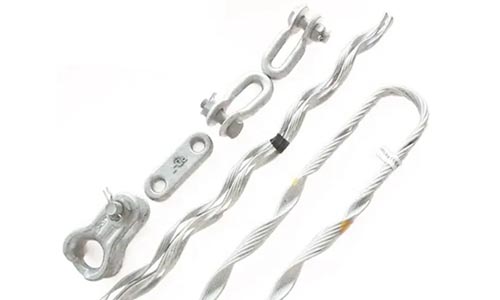 Fiber Optic Cable Fittings
 ADSS Fiber Cable
 ASU Fiber Cable
 OPGW Fiber Cable
 FTTH Fiber Cable
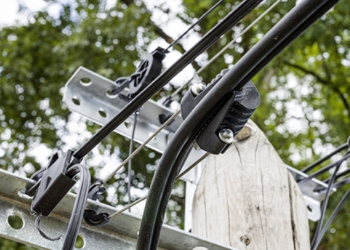 Figure 8 Fiber Cable
 Photoelectric Composite Fiber Cable
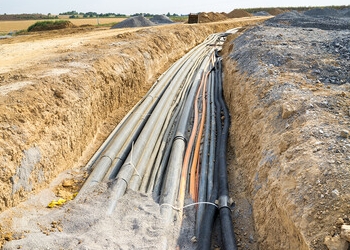 Underground & Pipeline Fiber Cable
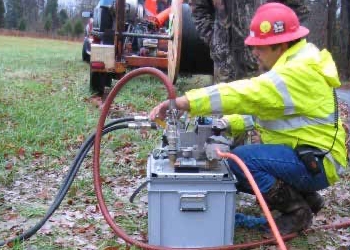 Air-Blown Micro Fiber Cable
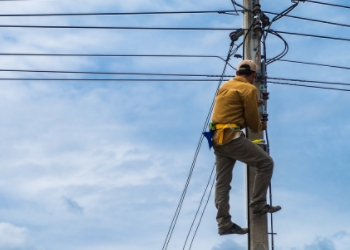 Aerial Fiber Cable
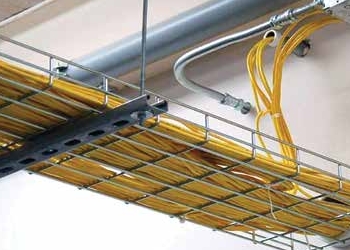 Indoor Fiber Cable
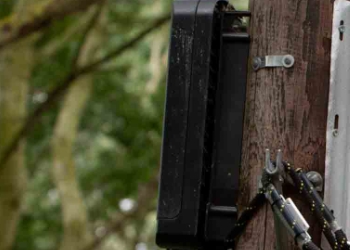 Fiber Optical Terminal Box
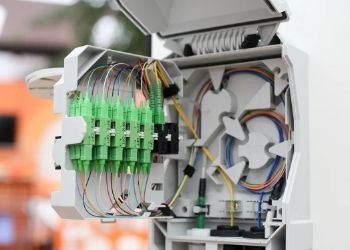 Fiber Optic Distribution Box
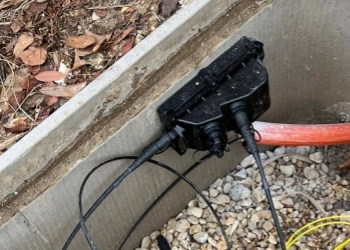 Multiport Service Termina Box
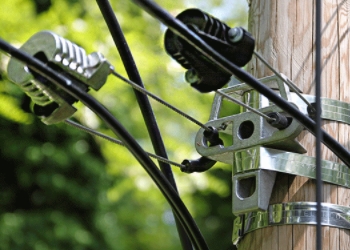 Fiber Optic Clamps
 About Us
 Our Team
 History
 R&D Strength
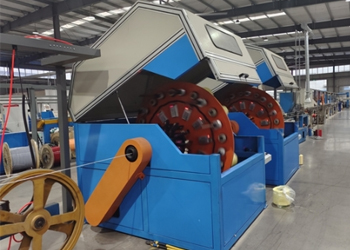 Production Base
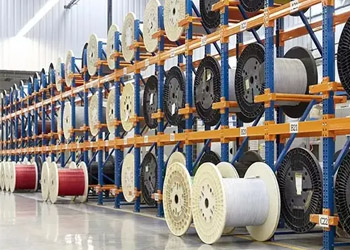 Warehouse & Logistics
 Quality
 FAQs
FAQsHow to Connect Fiber Optic Cable?
Contact for Free Quotation & Sample, According to your needs, customize for you.
inquiry nowHow to Connect Fiber Optic Cable?
To terminate fiber optic cable, one needs to attach the cable ends together through placing the cables into appropriate connectors with specialized tools. They must make sure that each fiber is precisely aligned, so the signal can pass through without loss.
In the United States, SC, LC or ST connectors are most commonly used for home and office installations. Typically, you would begin by removing the fiber cable jacket. Next, you prepare clean fibers and snap them into place with the appropriate connector, doing so in a dust-controlled work area.
Having good light and a very steady hand goes a long way. In places such as Dallas or Los Angeles, the installers will usually just use a basic hardware store kit. The next part breaks down these steps, shares what to watch for, and gives tips to make the job smooth for anyone, even first-timers.

Why Fiber Beats Old Internet?
To make this investment, fiber optic cable is the only technology that truly changes the way people connect online. It transmits information in the form of light signals using very narrow glass wires. This transition from the old, slow metal wires to the incomparable speed of light is where we see the most significant increase in speed and reliability.
In major urban areas such as Marrakech, residences and enterprises demand strong connectivity. Fiber is best when it comes to no frills, seamless flow and less snags.
Feel Real Internet Speed
With fiber optic lines, the possibilities are endless. Fiber can move massive amounts of data at lightning speed. While copper cables can slow down with heavy use, fiber lets you stream videos, join video calls, and play online games without lag.
Even if your whole house is online at once—mom’s working, kids are on their devices playing games, dad’s streaming sports—fiber doesn’t blink an eye. A friend in Gueliz said his home transitioned from perpetual buffering to premium streaming once he made the switch. That difference is obvious when you’re trying to upload large files or operate smart devices 24/7.
Say Goodbye to Buffering
Fiber’s blazing fast speeds equate to no more waiting and no more dreaded buffering icon. Old copper cables may start to falter in the evenings when everyone’s online. With fiber, you’ll enjoy a reliable connection.
Video chat remains clear, and streaming doesn’t pause to buffer. You have the same quality at night as you do in the morning. For anyone who operates a business or presents online, that’s a serious lifesaver.
Future-Proof Your Home Network
Fiber is purposefully made for the future. As our homes get packed with smart devices, only fiber can future-proof your home network. It’s future-proof, taking upgrades and new technology in stride without requiring a major shakeup.
Investing in fiber now means your home stays ready for whatever comes next—smart thermostats, security cams, or even neighborhood-wide networks.
My Take: It's a Game Changer
Moving to fiber completely transformed my personal and professional life. That upfront cost is more than worth it in the long run by saving headaches and providing residents better service.
Businesses have a competitive advantage, homes have the comfort of knowing their business and residential needs will be met. So if you’re looking to improve your internet, fiber is the obvious choice.

What Gear You Actually Need?
Smart fiber optic installation Getting fiber optic cable installed in the home involves more than extending a wire to the premises. Choosing the right gear will help you get fast, steady internet and spare you the heartburn of incompatible parts.
Getting down to the basics, the very first piece of equipment that provides all other devices internet access is the modem. In Morocco, as is common with many fiber deployments, homes use an Optical Network Terminal (ONT). This little box, often called a fiber jack, connects the provider’s signal right into your home.
The ONT plugs straight into your router. This arrangement delivers internet connectivity to every room, where a second router usually serves as a WiFi extender in bigger homes.
The Essential ONT Box
The ONT is the central piece of the configuration. It converts all those light signals from the fiber into something your devices can actually use. Ensure that the ONT box is compatible with your provider’s system—request a list if in doubt.
Seek out ONTs that support the highest possible speeds, appropriate port counts, and robust security. Unfortunately, not all boxes are compatible with each provider in Morocco, so make sure you double-check compatibility before purchasing.
Your Router: Is It Ready?
Your router has to be ready for the task. WiFi routers that are WiFi 6 or better are going to give you the best speed, particularly with faster speed plans. If your router isn’t up to speed, an upgrade will deliver improved streaming and reliable connections.
Things like dual-band support and strong coverage are important—particularly in Moroccan homes with concrete walls.
Cables: Not Just Any Cord
In general, there are two types of fiber cables—single-mode and multi-mode. Long-distance runs favor single-mode fiber, while multi-mode is preferred for shorter runs, such as within a home. Quality matters: cheap cables can kill your speed or drop your connection.
Just ensure you order the right length and quality, and that you have the right connectors—confirm with your provider what works with their network.
Simple Tools for the Job
-
Fiber optic cable stripper
-
Fiber cleaver
-
Splicing device
-
Gloves and safety glasses
Understand every tool you use before you work on their projects. Take care of little things, keep your tools clean and ready, so you don’t run into big snags. When your proper gear results in a safer, smoother install.
My Tip: Check ISP List
My Tip – Verify ISP Approved Gear List. After all, they know best what works with their network, and when you use the equipment they suggest, it helps them to keep everything running smooth.
Read their install guide and keep in contact with them to know what’s new, so you don’t get caught out.
Connect Fiber Cable: Step-by-Step
Connecting a fiber optic cable in Marrakech is more than just connecting wires together. It’s about building a quick, stable digital infrastructure that stands up to the city’s burgeoning, colorful, digital pulse.
Every step counts, whether it’s determining the proper location for your equipment or securing your network with the right cable lock. Here’s our step-by-step, illustrated how-local for a trouble-free installation.
-
Find your ONT unit.
-
Prep your router location.
-
Link ONT to router.
-
Plug in and power up.
-
Test the connection.
-
Secure your new network.
-
Check each step for errors.
-
Document each move for easy future fixes.
1. Find Your ONT Unit
First things first, you need to find your ISP’s ONT installation. It’s typically installed on a wall near where the fiber comes into your home.
Ensure it’s powered and nearby where you plan to place your router. The ONT decodes the fiber light signals into Ethernet, so that connection is crucially important.
2. Prep Your Router Location
Pick a central location that’s free and clear for your router. A shelf in the middle of your apartment is ideal!
Try to keep it away from other electronics and thick walls to ensure the best Wi-Fi signal possible. Ensure outlets and cords are accessible, too.
3. Link ONT to Router
Insert the ONT into your router’s WAN port with the appropriate fiber connector (LC, SC, or ST). To achieve maximum speed, we recommend using a Cat 6 Ethernet cable.
Make sure to verify both ends of the connection. Now your ONT should be powered, and your router should be Wi-Fi 5 or higher.
4. Plug In and Power Up
Allow some time for indicator lights to reveal a live link. If all else fails, unplug both for at least 30 seconds—a good old-fashioned reset is sometimes all you need.
5. Test That Sweet Connection
Go to www.speedtest.net on your phone or laptop to see the results in action. Ensure that the connection is stable on all your devices.
Network management tools can assist you in identifying these slowdowns. Your speed result should be close to whatever your ISP has promised you.
6. Secure Your New Network
Choose a strong password and enable WPA3 on your router if it supports it. Keep firmware up to date regularly.
For guests and visitors, establish a separate Wi-Fi to protect your primary network.
Does Your Router Cut It?
With fiber optic internet now available in Marrakech, you have exciting new opportunities for high speed and stability—but your router needs to be up to the task. Not every router is up to the task, and many people discover that their current equipment simply isn’t up to the new standard.
Take stock of what your router is capable of. Choose dual-band, Wi-Fi 6 capable routers. Routers that have a built-in fiber optic port can support direct fiber links. Check that your router has a WAN port labeled “Fiber,” “ONT,” or “WAN.
For those for whom having a router with an SFP+ port is essential, especially those who seek the fastest available speeds.
Understanding Router Needs
Consider what all of the different members of your home do online. Perhaps you telecommute, binge-watch Netflix, or game with friends online. Fewer users, fewer devices, less bandwidth required.
If your router is unable to handle the load, it impacts everyone’s connection. Routers designed for fiber internet tend to be cutting-edge, featuring more advanced antennas and channels.
These features work to distribute the load so each device still receives a strong signal, even during peak usage times. Visit our guide to learn how to check your internet bill or inquire with your provider about the speeds you’re paying for. After that, check to see if your router can handle those speeds!
When an Upgrade is Smart?
Red flags are persistent slow speeds, frequent dropped connections, or hardware that’s old enough not to have a fiber port. Replacement benefits Newer models offer significant increases in speed and device capacity.
Consider the price of a new router against the value of your time. The improvement in speed and less frustration for every person in the house might just be worth it!
One user in Marrakech learns that a cheap media converter will make even dusty legacy routers play ball with fiber. A full replacement often delivers more lasting value over the long haul.
ONT and Router Teamwork
The ONT (Optical Network Terminal) connects your home to the fiber line. Your router works with your ONT. Your router takes the signal from your ONT and distributes it throughout your home or office.
Both of them have to be correctly configured to ensure a seamless, speedy service. Monitor their link if you ever start seeing drops or slowdowns.
Some installations require only the best router, some installations are best done with a second.
Handle Fiber Like a Pro
Yet working with fiber optic cable in Marrakech’s complex blend of ancient souks and emerging urban fabric requires considerable expertise and diligence. Connecting a historic riad to high-speed internet or wiring a new co-working space might seem straightforward.
Just some simple good habits will have your fiber setup operating at peak performance. Here’s a list of best practices:
-
Take care to move cables in ways they won’t be damaged, always making light moves.
-
Keep all of your connectors clean and protect them from that dastardly Marrakech dust.
-
Ideally rig your equipment in an area with plenty of fresh air and avoid areas with wet walls.
-
Never bend fiber cables sharply—keep routing gentle and smooth.
-
Teach these habits to anyone who helps with installs.
-
Check cables often for wear to catch problems early.
-
Store extra cable rolls flat and neat.
Gentle Hands, Best Results
Rough handling will not be forgiven by fiber cables. At the same time, use two hands to avoid yanking or twisting.
A razor knife with a fresh blade gives a nice, square cut—critical to ensuring high quality signals. Place longer pieces into wide coils when you have extra lengths to store.
In the medina, people will sometimes power cables across corridors; just ensure they’re not getting squished.
Keep Those Connectors Clean
My personal daily war dust in Marrakech. Clean connectors with fiber-specific swabs.
Inspect them all before you plug them in. Follow a regular cleaning routine and you won’t get caught with a dirty fiber connection.
Ideal Spot for Equipment
Ideal location for equipment Choose a location with plenty of air circulation for your ONT and router.
Stay away from kitchens or tiled patios where moisture can infiltrate! Look for routers that say “AX” or “Wi-Fi 6” on the box, and install Cat 6 cables to enjoy all the speed of fiber.
My Rule: No Sharp Bends!
My Rule No sharp bends! Look at the cable’s minimum bend radius (typically printed on the spool or the carton).
Cable clips or cable trays are a great way to organize cables and prevent unwanted kinks.
Fixing Glitches: Quick Tips
The experience of having fiber optic cable connected to one’s home in Marrakech isn’t necessarily seamless. Occasionally, they simply stop functioning. Here’s our quick, no-nonsense guide to remedying those pesky, little glitches.
These are frequent glitches that occur not just when you’re installing a new line, but when you’re trying to fix the old one.
-
Look for any small lights on your router and ONT. Green or blue lights are generally positive indicators. Red or blinking indicates there is a problem. If you notice unusual colors or patterns, consult your user’s guide or search online to determine what they signify.
-
Fully unplug your router and modem for a minimum of 30 seconds. This easy step goes a long way toward resolving many strange glitches. Plug them back in and wait for the lights to stabilize.
-
Ensure all cables are tight—particularly the fiber connectors. Loose ends result in lost connections. If you notice a dust build-up, wipe down the connectors with lint-free wipes and an approved electronic cleaner.
-
If speeds are still slow, unplug additional devices that are using the internet. In some cases, it takes just a single phone watching a video to bring everything crashing to a halt.
-
Keep all devices and router software up to date. Legacy software trips everybody up.
-
Consider using a visual fault locator tool, or, in a pinch, a flashlight to identify breaks in the cable. If light doesn’t shine through, your cable might be bare.
-
Be careful not to create tight corners or chafed wires. Turns can distort the signal and delay the entire span.
-
If the issue remains, contact your provider and provide them with as much information as possible. Make sure you’re keeping track of what’s occurred, so you’re not reinventing the wheel every time.
-
Bring it back. Share these new lessons and experiences with others back home. It gets the public involved to see problems from the outset.
Conclusion
Hooking up fiber optic cable can be intimidating when you first look at it. Don’t worry, with a little time—and if you know what to do—you can conquer it! People in the US trade out rusty copper for fiber on a daily basis and experience dramatic increases in speed. Choose the best quality fiber optic cable, ensure the connections are spotless and test every single connection. As it happens, a buddy of mine in Austin managed to get his own fiber line installed last fall. He streamed all three hours of a football game with no buffering and proclaimed it a game-changer. When you do inevitably hit a snag, most solutions are simple—clean the connectors, look for a sharp bend in the cabling, replace a cable. Try fiber for yourself, experience the difference it can make for you, and encourage your friends or neighbors to start their own story. Want to learn more, or have something else on your mind? Contact us today and let’s talk.
Frequently Asked Questions
What makes fiber optic internet better than DSL or cable?
What makes fiber optic internet so superior to DSL or cable? Since it transmits data over light, you experience faster speeds and less signal degradation when you choose fiber optic over the outdated copper cables.
What equipment do I need to connect fiber optic cable at home?
To connect fiber optic cable at home, you’ll need a fiber optic modem (ONT), router compatible with fiber, fiber patch cables, and the proper connectors. The ONT is usually provided by the provider, which is the case for most providers in the U.S.
Can I connect a fiber optic cable to any router?
No. Can I connect a fiber optic cable to any router? Look for a WAN port and compatibility with your provider’s ONT.
How do I safely handle fiber optic cables?
Always treat fiber cables with extreme care. Do not exceed the minimum bend radius or twist/pinch them. Use protective eyewear and do not observe the cable ends directly under any circumstances.
What should I do if my fiber connection isn’t working?
Step One – Make sure all cable connections are secure. Power cycle your ONT and router. First, unplug your router and then unplug your ONT. If it’s still not working, it’s time to call your provider.
How do I know if my area in the U.S. supports fiber optic internet?
Look up your neighborhood with local ISPs or their online availability checkers. While fiber is making big strides in many U.S. Cities, it’s not yet ubiquitous.
Can I install fiber optic cable myself?
Basic connections such as plugging in patch cables are generally suitable for DIY. When having new line installed, always have a certified technician do the work for the safest and most reliable results.