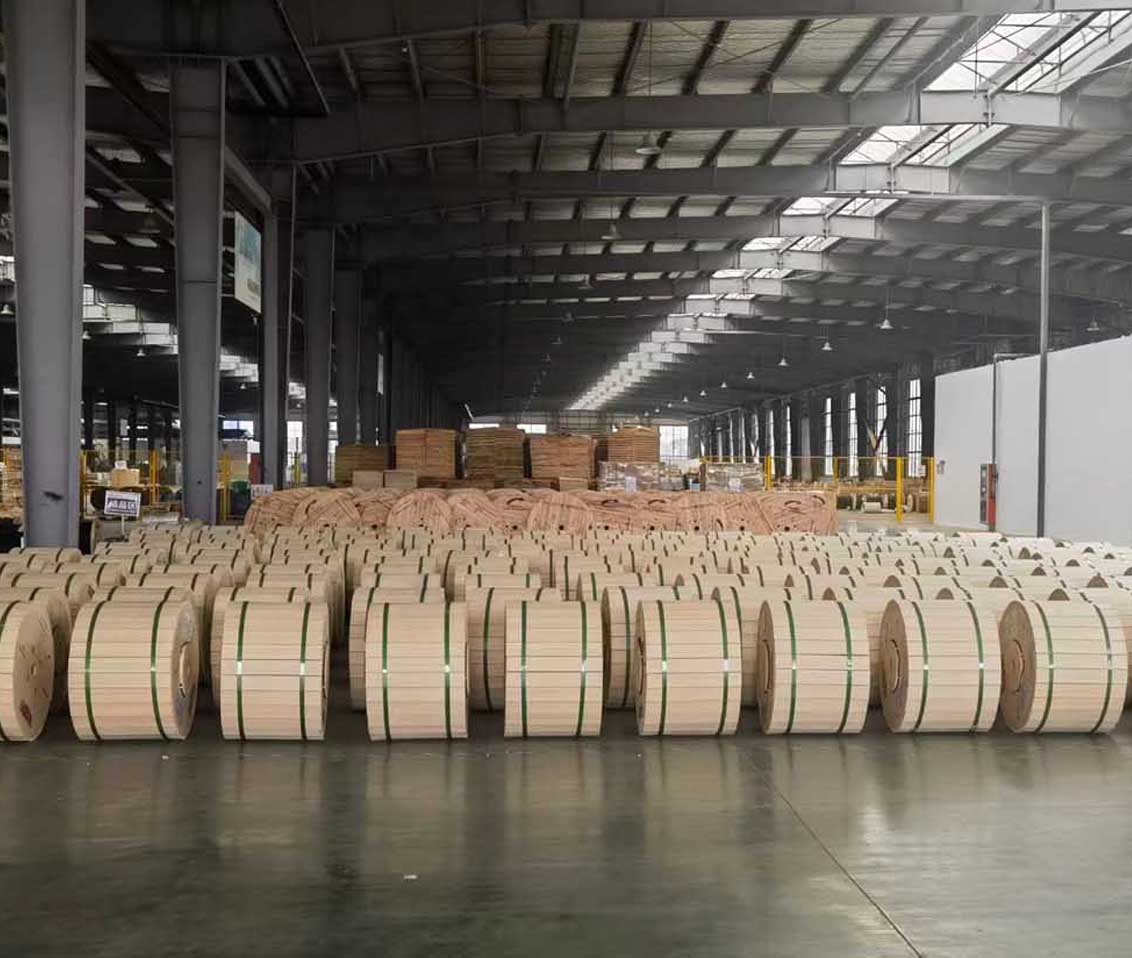
 Optical Fiber
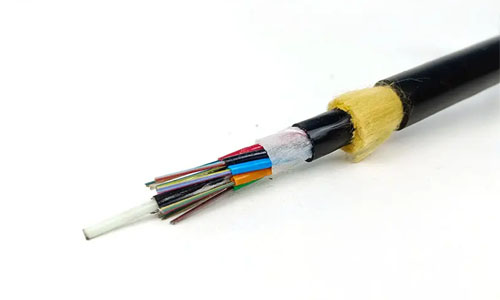 ADSS Fiber Optic Cable
 ASU Fiber Optic Cable
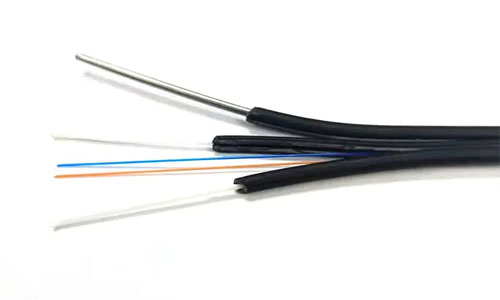 FTTH Fiber Optic Cable
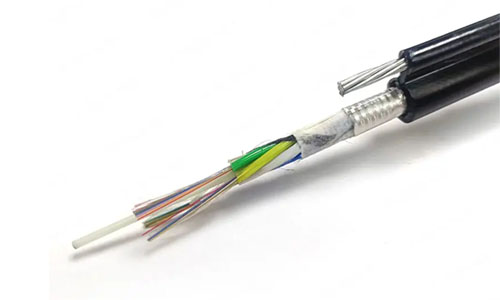 Figure 8 Fiber Optic Cable
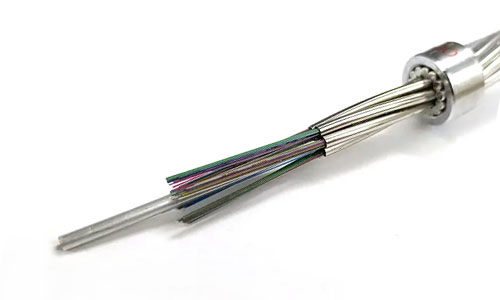 OPGW Fiber Optic Cable
 Coaxial Cable
 Ethernet Cable
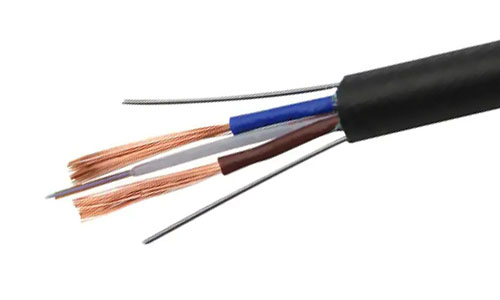 Photoelectric Composite Fiber Optic Cable
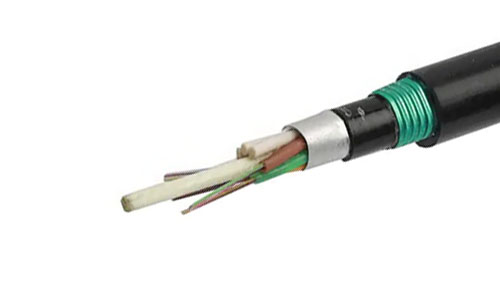 Underground & Pipeline Fiber Optic Cable
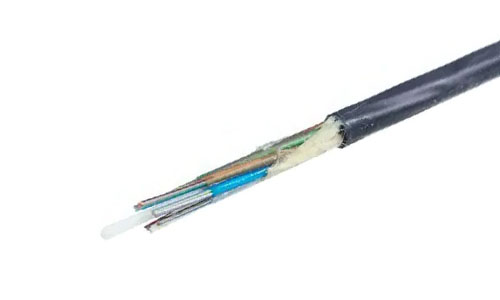 Air-Blown Micro Fiber Optic Cable
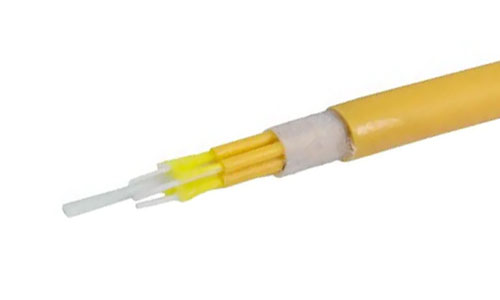 Indoor Fiber Optic Cable
 Fiber Optic Distribution Box
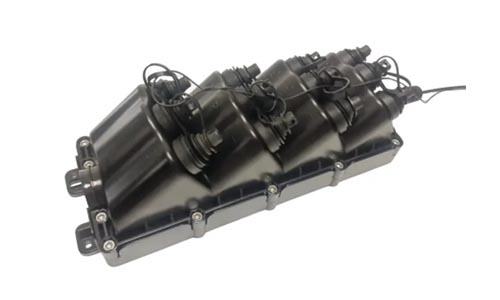 Multiport Service Termina Box
 Fiber Optical Terminal Box
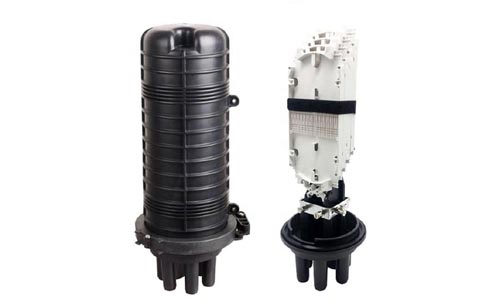 Fiber Optic Splice Closure
 Fiber Optic Clamps
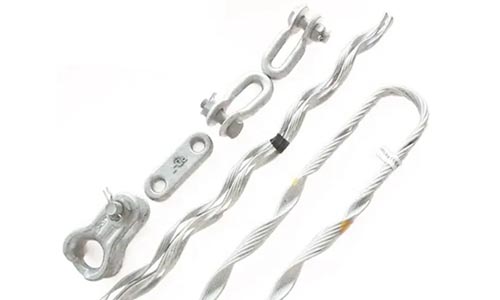 Fiber Optic Cable Fittings
 ADSS Fiber Cable
 ASU Fiber Cable
 OPGW Fiber Cable
 FTTH Fiber Cable
 Figure 8 Fiber Cable
 Photoelectric Composite Fiber Cable
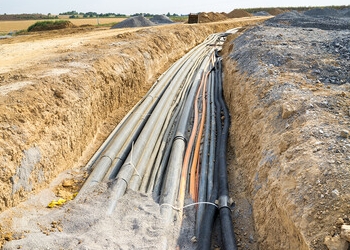 Underground & Pipeline Fiber Cable
 Air-Blown Micro Fiber Cable
 Aerial Fiber Cable
 Indoor Fiber Cable
 Fiber Optical Terminal Box
 Fiber Optic Distribution Box
 Multiport Service Termina Box
 Fiber Optic Clamps
 About Us
 Our Team
 History
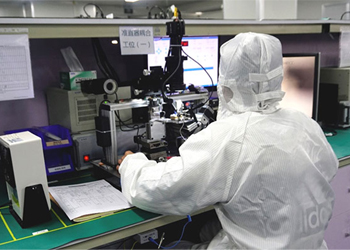 R&D Strength
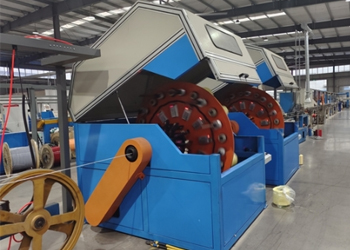 Production Base
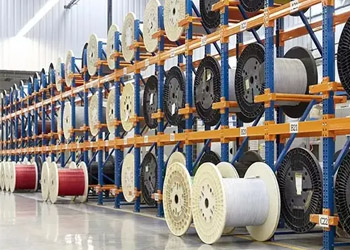 Warehouse & Logistics
 Quality
 FAQs
FAQsTensile Strength - The Ultimate Guide
Contact us for more sample, According to your needs, customize for you.
inquiry nowTensile Strength - The Ultimate Guide
Tensile strength refers to the maximum amount of tensile (pulling) stress that a material can withstand without breaking or failing. It is an important mechanical property for materials, especially those used in engineering and construction, as it indicates how much force a material can endure before it undergoes permanent deformation or fractures.
Tensile strength is typically measured in units of force per unit area, such as pounds per square inch (psi) or megapascals (MPa). The test to determine tensile strength involves subjecting a specimen of the material to gradually increasing tensile forces until it breaks. The resulting stress-strain curve provides valuable information about the material's behavior under tension.
It's important to note that tensile strength is just one of many mechanical properties that characterize a material's performance. Other properties, such as yield strength, ductility, and elasticity, also play crucial roles in determining how a material will behave under various loading conditions.

Understanding Tensile Strength
Understanding tensile strength involves grasping several key concepts:
Definition: Tensile strength is the maximum stress a material can withstand while being stretched or pulled before breaking or fracturing.
Measurement: Tensile strength is typically measured in units of force per unit area, such as pounds per square inch (psi) or megapascals (MPa).
Testing: Tensile strength is determined through a tensile test, where a sample of the material is pulled apart using a machine until it breaks. The force applied and the corresponding elongation of the sample are recorded to generate a stress-strain curve.
Stress-Strain Curve: This curve illustrates the relationship between stress (force per unit area) and strain (change in length relative to the original length) during the tensile test. It typically consists of distinct regions:
· Elastic Region: At low stress levels, the material deforms elastically, meaning it returns to its original shape when the stress is removed.
· Yield Point: The stress at which the material begins to exhibit plastic deformation, meaning it undergoes permanent deformation without fracturing.
· Plastic Region: Beyond the yield point, the material deforms plastically, elongating further with increasing stress.
· Ultimate Tensile Strength (UTS): The maximum stress the material can withstand before fracturing occurs.
· Fracture Point: The stress at which the material breaks.
Importance: Tensile strength is crucial in engineering and material selection, as it indicates the material's ability to withstand applied tensile loads without failure. It influences the design and performance of structures, components, and products.
Factors Influencing Tensile Strength: Tensile strength is affected by various factors, including the material's composition, microstructure, processing techniques, temperature, and environmental conditions.
Comparison: Tensile strength values allow for the comparison of different materials' mechanical properties and help engineers and designers select appropriate materials for specific applications.
By understanding these aspects of tensile strength, engineers and material scientists can make informed decisions about material selection, design, and structural integrity in various industries and applications.

Factors Affecting Tensile Strength
Tensile strength is influenced by various factors, including material composition, microstructure, processing techniques, temperature, and environmental conditions. Here's a more detailed overview of factors affecting tensile strength:
Material Composition: The chemical composition of the material greatly affects its tensile strength. Different elements and their concentrations can lead to variations in the strength of the bonds between atoms or molecules within the material.
Microstructure: The internal structure of the material, including grain size, grain boundaries, and phase distribution, significantly impacts tensile strength. Fine-grained materials often exhibit higher strength due to grain boundary strengthening mechanisms.
Processing Techniques: The method used to produce or shape the material can influence its tensile strength. For example, heat treatment processes such as annealing, quenching, and tempering can alter the material's microstructure and mechanical properties, including tensile strength.
Temperature: Tensile strength can vary with temperature. Some materials may exhibit decreased strength at elevated temperatures due to thermal softening, while others may experience increased strength due to strain hardening or other mechanisms.
Strain Rate: The rate at which a material is deformed can affect its tensile strength. Some materials may exhibit higher strength at higher strain rates due to strain rate sensitivity, while others may show reduced strength.
Defects and Imperfections: The presence of defects such as voids, inclusions, or dislocations can act as stress concentrators and reduce tensile strength. Conversely, materials with fewer defects generally exhibit higher tensile strength.
Environmental Conditions: Exposure to environmental factors such as moisture, chemicals, radiation, and corrosion can degrade the material's strength over time, leading to reduced tensile strength.
Alloying Elements: Adding alloying elements to the base material can improve tensile strength through solid solution strengthening, precipitation hardening, or other strengthening mechanisms.
Rate of Loading: The rate at which the material is loaded can affect its tensile strength. Some materials may exhibit different strengths under static loading compared to dynamic or cyclic loading conditions.
Understanding these factors and their effects on tensile strength is essential for material selection, design optimization, and ensuring the structural integrity of components and systems in various engineering applications.