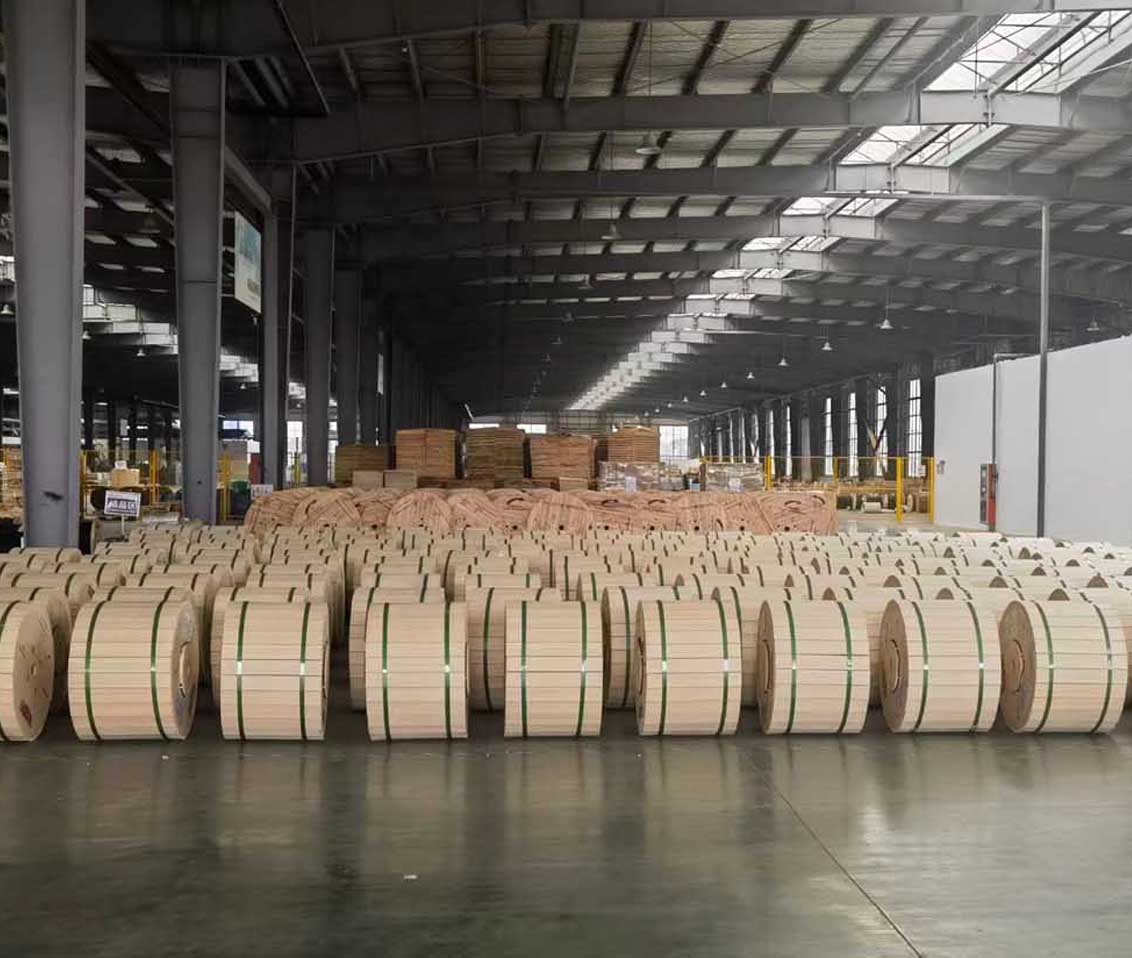
 Optical Fiber
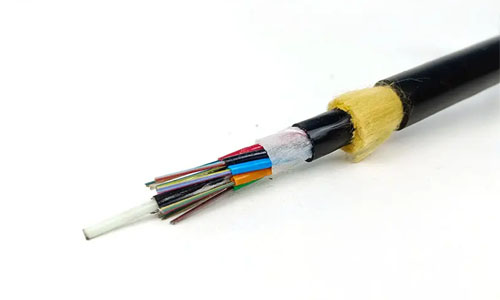 ADSS Fiber Optic Cable
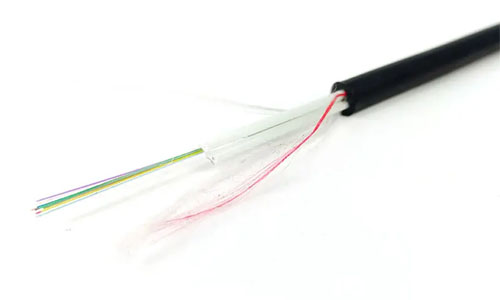 ASU Fiber Optic Cable
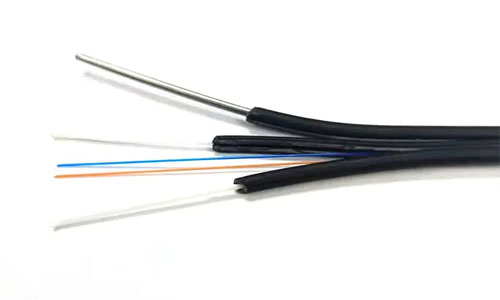 FTTH Fiber Optic Cable
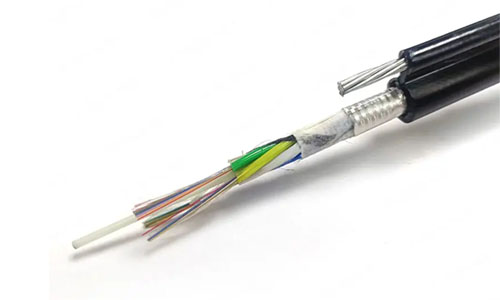 Figure 8 Fiber Optic Cable
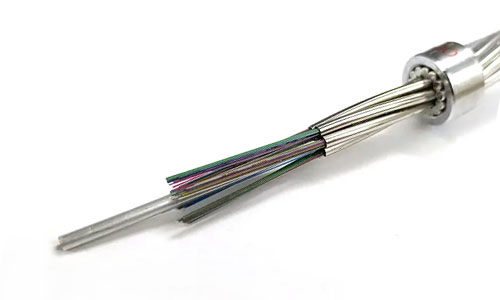 OPGW Fiber Optic Cable
 Coaxial Cable
 Ethernet Cable
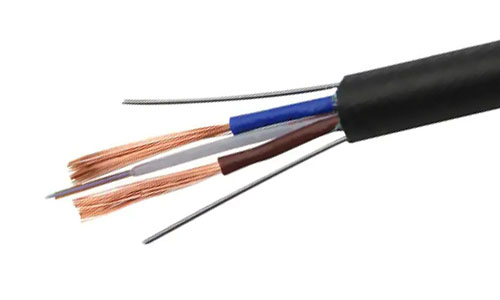 Photoelectric Composite Fiber Optic Cable
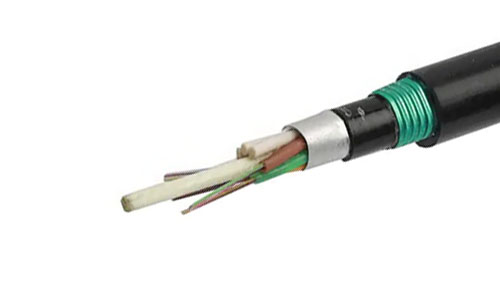 Underground & Pipeline Fiber Optic Cable
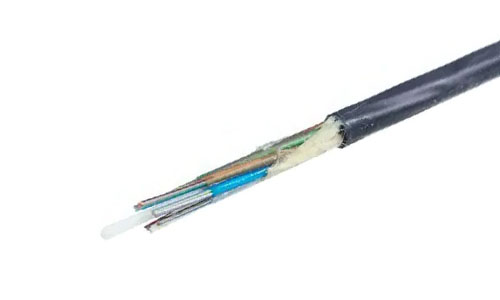 Air-Blown Micro Fiber Optic Cable
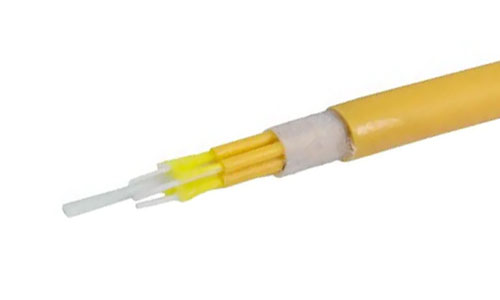 Indoor Fiber Optic Cable
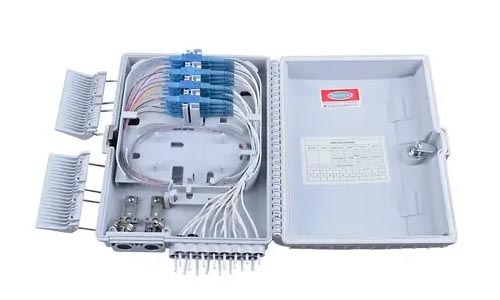 Fiber Optic Distribution Box
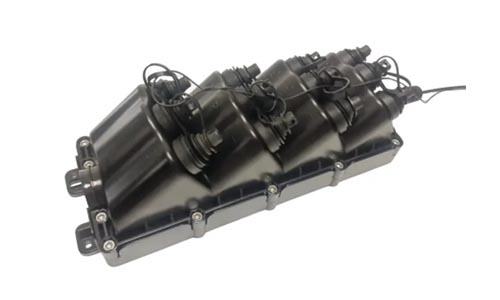 Multiport Service Termina Box
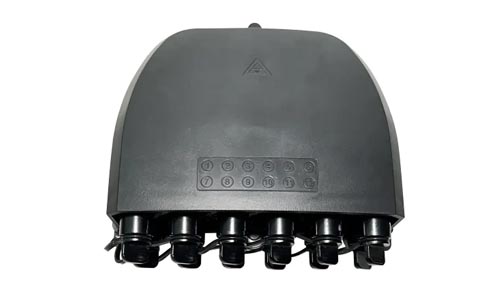 Fiber Optical Terminal Box
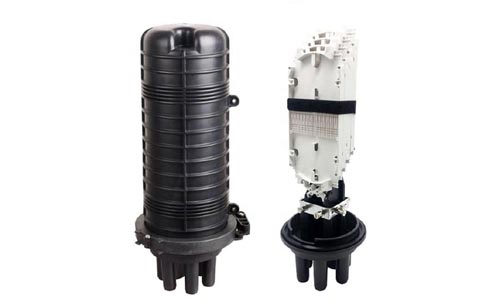 Fiber Optic Splice Closure
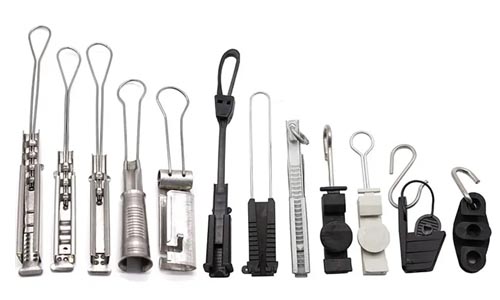 Fiber Optic Clamps
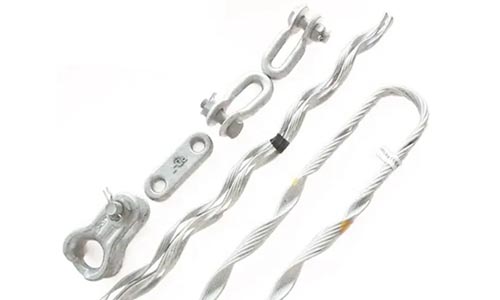 Fiber Optic Cable Fittings
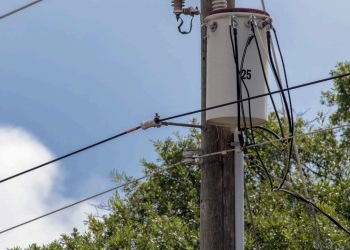 ADSS Fiber Cable
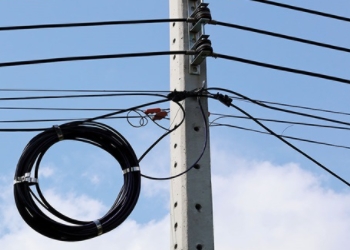 ASU Fiber Cable
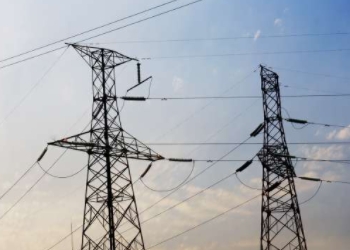 OPGW Fiber Cable
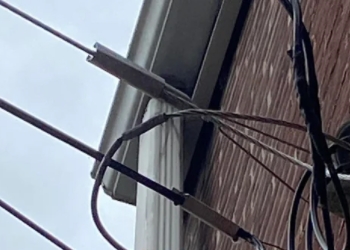 FTTH Fiber Cable
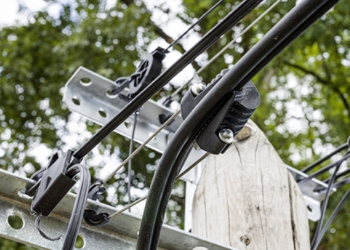 Figure 8 Fiber Cable
 Photoelectric Composite Fiber Cable
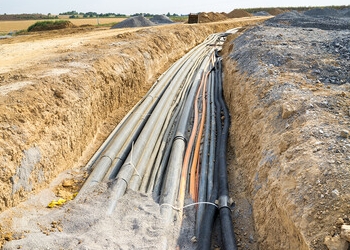 Underground & Pipeline Fiber Cable
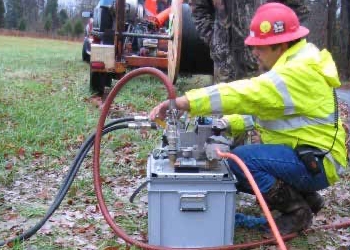 Air-Blown Micro Fiber Cable
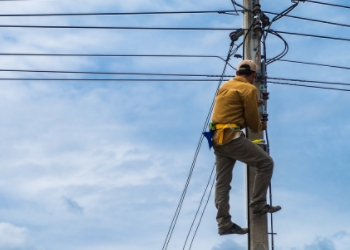 Aerial Fiber Cable
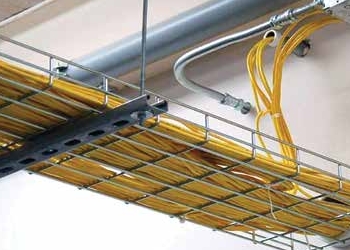 Indoor Fiber Cable
 Fiber Optical Terminal Box
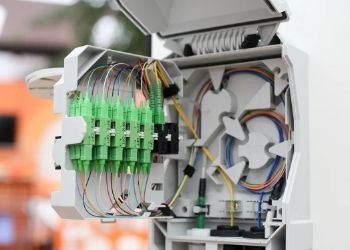 Fiber Optic Distribution Box
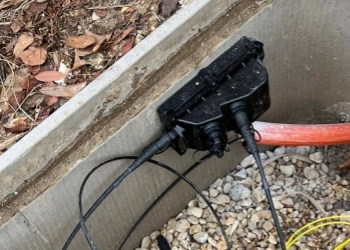 Multiport Service Termina Box
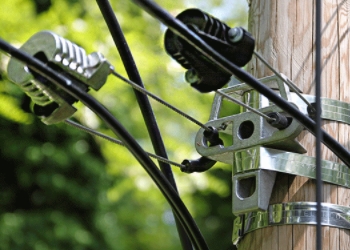 Fiber Optic Clamps
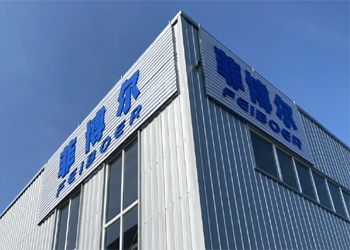 About Us
 Our Team
 History
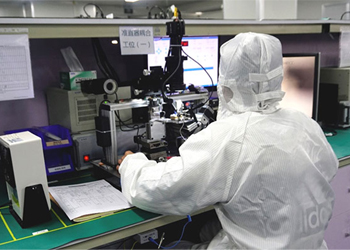 R&D Strength
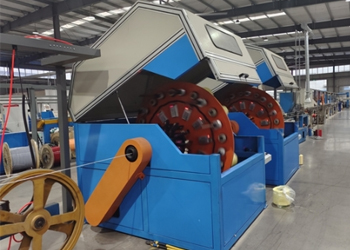 Production Base
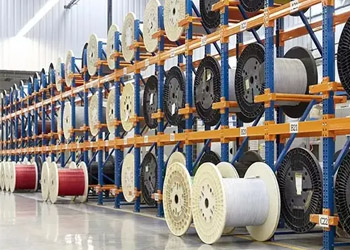 Warehouse & Logistics
 Quality
 FAQs
FAQsThe Difference Between ADSS Cable Aramid and Polyester Yarn
The difference between ADSS (All-Dielectric Self-Supporting) cable with Aramid and Polyester yarn lies primarily in their respective properties and roles within the cable structure:
Material Properties:
Aramid: Aramid fibers, such as Kevlar, are known for their exceptional strength-to-weight ratio and resistance to stretching. They provide high tensile strength and durability, making them ideal for bearing the mechanical loads experienced by the cable during installation, tensioning, and operation.
Polyester: Polyester yarn offers flexibility, elasticity, and abrasion resistance. While not as strong as Aramid, Polyester adds resilience to the cable and helps improve its handling characteristics. It also contributes to the cable's resistance to environmental factors like moisture and temperature fluctuations.
Role in Cable Structure:
Aramid: Aramid fibers are typically used as the primary strength members within the cable. They provide structural support and ensure the cable can withstand the mechanical stresses associated with its installation and operation. Aramid fibers bear the majority of the tension load and help maintain the cable's integrity over time.
Polyester: Polyester yarn complements the Aramid fibers by enhancing the cable's flexibility and resistance to abrasion. Polyester yarn is often used in the cable's outer layers or as additional reinforcing elements to improve handling and protect against damage during installation and maintenance activities.
Applications:
ADSS cables with Aramid and Polyester yarn are commonly used in telecommunications and power distribution networks for long-span aerial installations. They are designed to support their weight and transmit signals without the need for separate metallic support structures.
The specific composition of Aramid and Polyester yarn can vary based on factors such as the cable's design requirements, environmental conditions, and performance specifications.
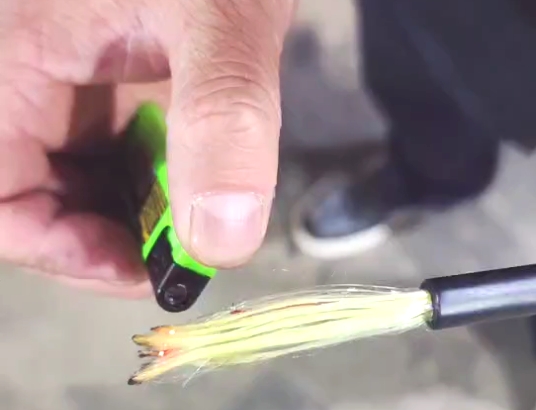
In summary, while both Aramid and Polyester yarn contribute to the overall performance and durability of ADSS cables, they serve distinct roles within the cable structure. Aramid provides strength and stability, while Polyester enhances flexibility and protection against abrasion, resulting in a cable that can reliably transmit signals over long distances in diverse environmental conditions.