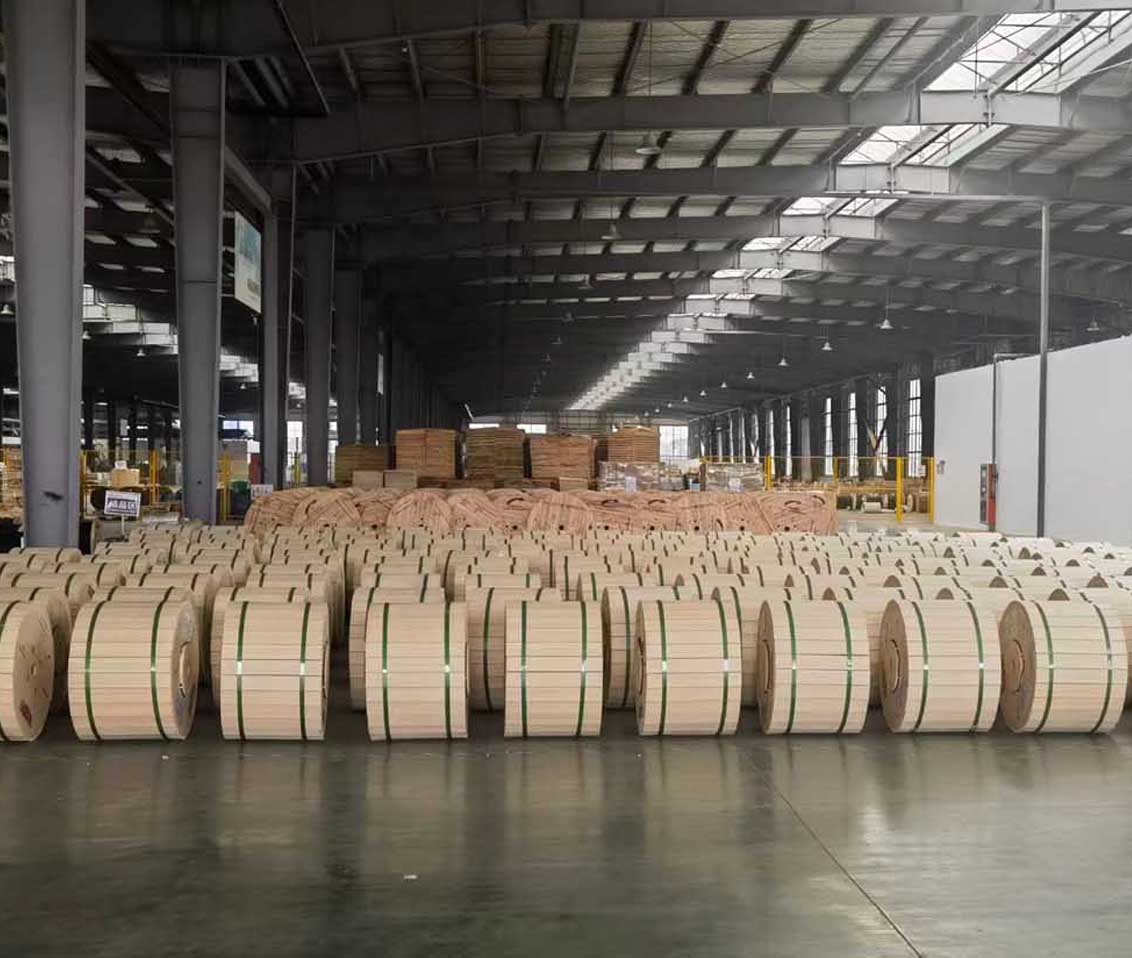
 Optical Fiber
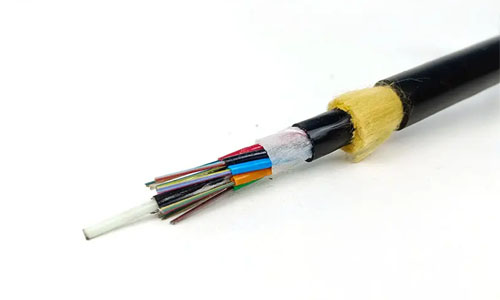 ADSS Fiber Optic Cable
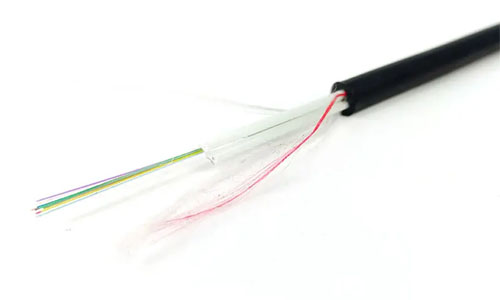 ASU Fiber Optic Cable
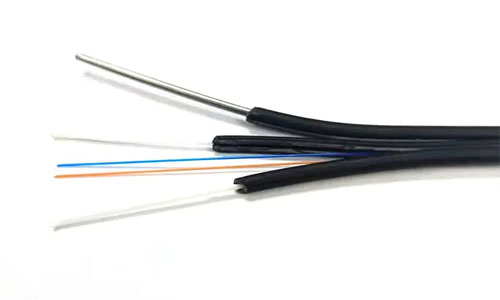 FTTH Fiber Optic Cable
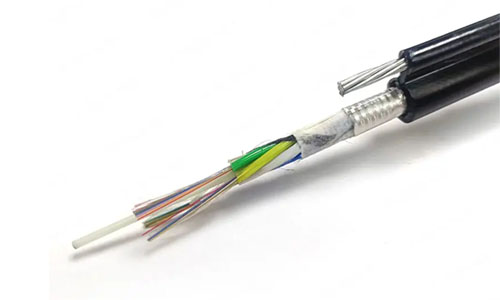 Figure 8 Fiber Optic Cable
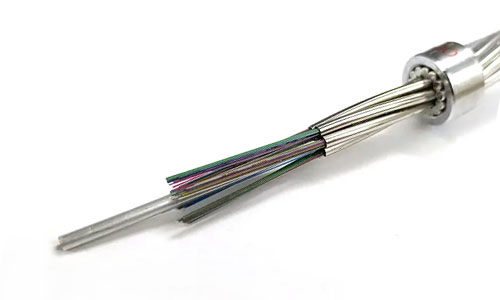 OPGW Fiber Optic Cable
 Coaxial Cable
 Ethernet Cable
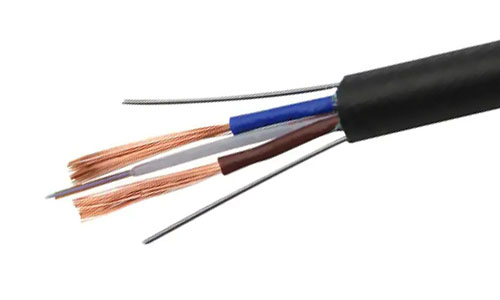 Photoelectric Composite Fiber Optic Cable
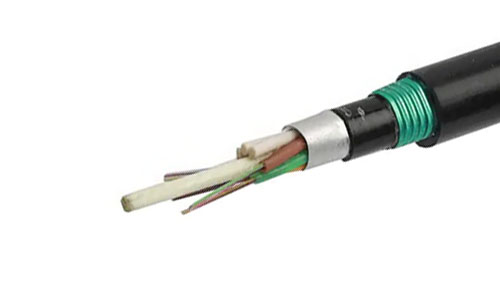 Underground & Pipeline Fiber Optic Cable
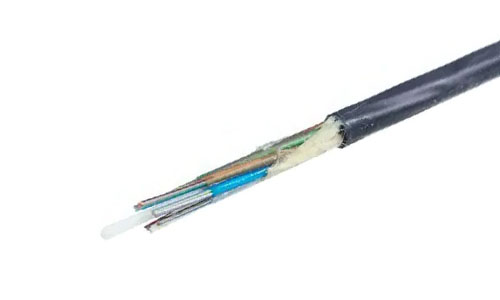 Air-Blown Micro Fiber Optic Cable
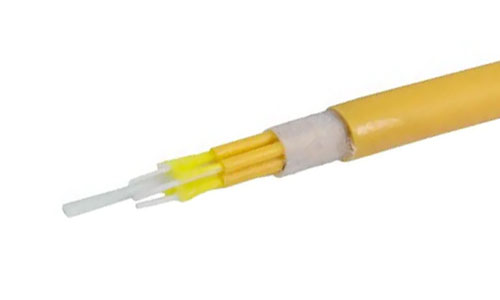 Indoor Fiber Optic Cable
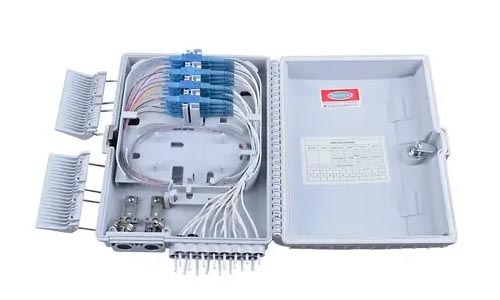 Fiber Optic Distribution Box
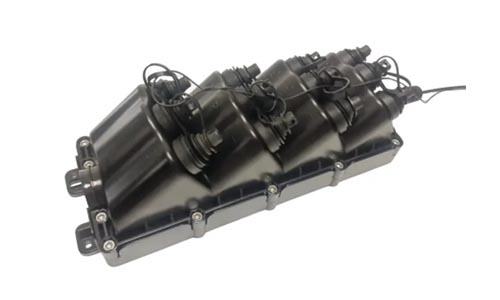 Multiport Service Termina Box
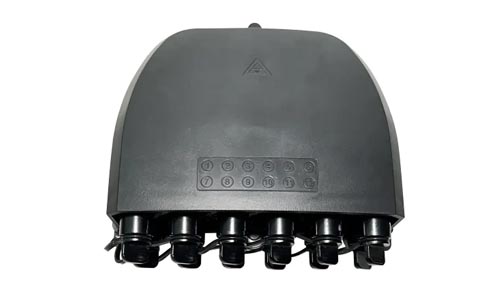 Fiber Optical Terminal Box
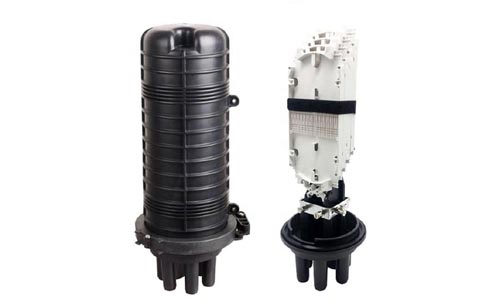 Fiber Optic Splice Closure
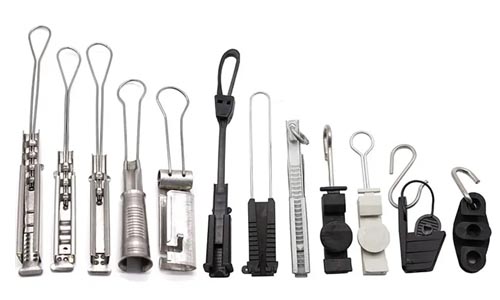 Fiber Optic Clamps
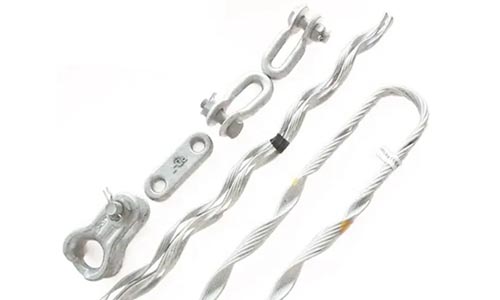 Fiber Optic Cable Fittings
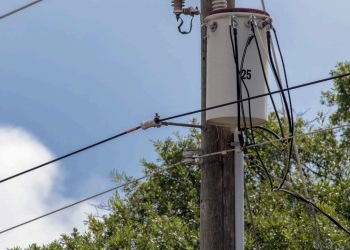 ADSS Fiber Cable
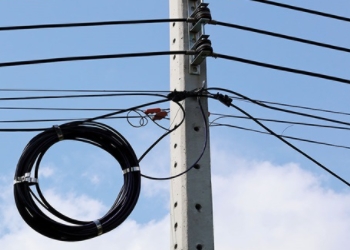 ASU Fiber Cable
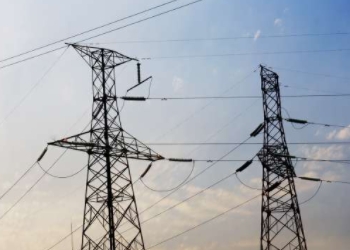 OPGW Fiber Cable
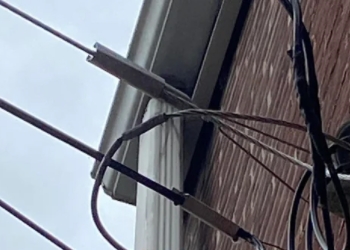 FTTH Fiber Cable
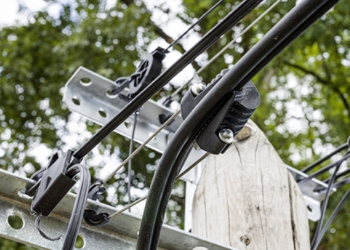 Figure 8 Fiber Cable
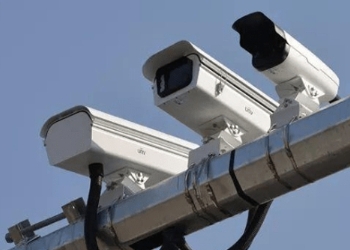 Photoelectric Composite Fiber Cable
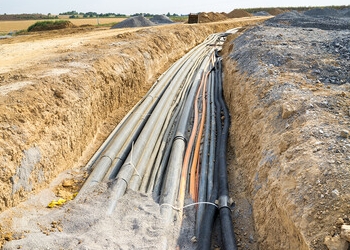 Underground & Pipeline Fiber Cable
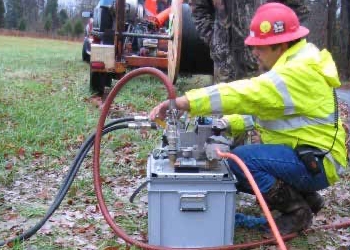 Air-Blown Micro Fiber Cable
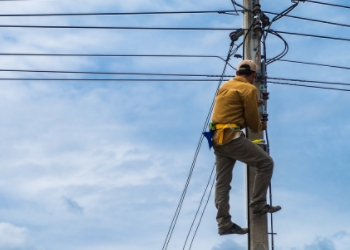 Aerial Fiber Cable
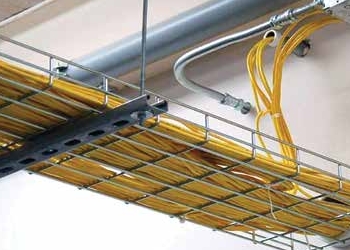 Indoor Fiber Cable
 Fiber Optical Terminal Box
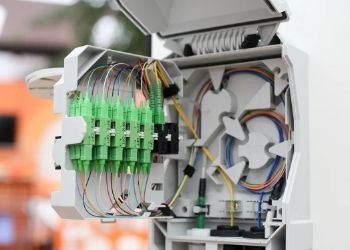 Fiber Optic Distribution Box
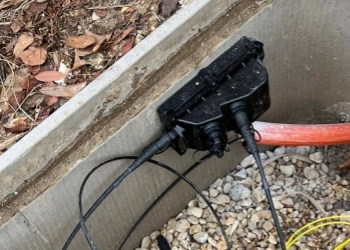 Multiport Service Termina Box
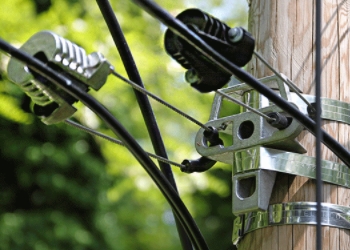 Fiber Optic Clamps
 About Us
 Our Team
 History
 R&D Strength
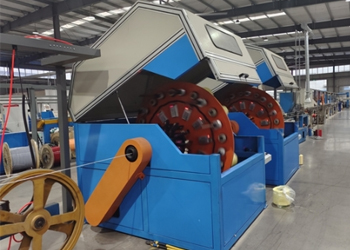 Production Base
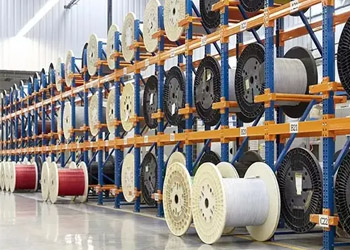 Warehouse & Logistics
 Quality
 FAQs
FAQsThe Difference Between Cat5e vs Cat6 Ethernet Cable
Contact us for more sample, According to your needs, customize for you.
inquiry nowThe Difference Between Cat5e vs Cat6 Ethernet Cable
Cat5e and Cat6 are both types of Ethernet cables commonly used for networking purposes, but there are several differences between them, particularly in terms of performance and specifications:

Speed and Bandwidth:
·Cat5e (Category 5e): It supports speeds of up to 1000 Mbps (1 Gbps) and has a bandwidth capacity of 100 MHz. Cat5e is suitable for most home and small business networks.
·Cat6 (Category 6): It supports higher speeds of up to 10 Gbps over shorter distances (up to 55 meters) and has a bandwidth capacity of 250 MHz. Cat6 is ideal for demanding applications or environments where higher data transfer rates are necessary.
Construction and Internal Wiring:
·Cat5e: It typically contains four twisted pairs of copper wires with varying levels of twists per inch (TPI). The twists help reduce crosstalk and electromagnetic interference.
·Cat6: It also contains four twisted pairs of copper wires, but with more twists per inch compared to Cat5e. This tighter twisting reduces crosstalk and improves performance at higher frequencies.
Shielding:
·Cat5e: Generally, Cat5e cables are unshielded (UTP - Unshielded Twisted Pair), meaning they don't have any additional shielding to protect against electromagnetic interference.
·Cat6: Cat6 cables may come in shielded (STP - Shielded Twisted Pair) or unshielded (UTP) variants. Shielded cables have an additional layer of shielding, such as foil or braided shielding, which provides better protection against interference.
Compatibility and Cost:
·Cat5e: It is compatible with older networking standards such as Cat5 and Cat3. Cat5e cables are generally less expensive than Cat6 cables.
·Cat6: While backward compatible with Cat5e and Cat5 standards, using Cat6 cables with older equipment might not yield the full benefits of its higher performance capabilities. Cat6 cables are typically more expensive than Cat5e due to their enhanced specifications.
Distance and Application:
·Cat5e: It is suitable for most common networking applications within typical office or home environments where cable runs are relatively short.
·Cat6: Due to its higher performance capabilities, Cat6 is better suited for environments requiring higher data transfer rates over longer distances, such as data centers or high-performance computing environments.

In summary, while Cat5e and Cat6 Ethernet cables may look similar, Cat6 offers superior performance in terms of speed, bandwidth, and interference resistance, making it the preferred choice for demanding networking applications where higher data transfer rates and reliability are essential. However, for many typical home and small business networks, Cat5e cables may suffice and are often more cost-effective.