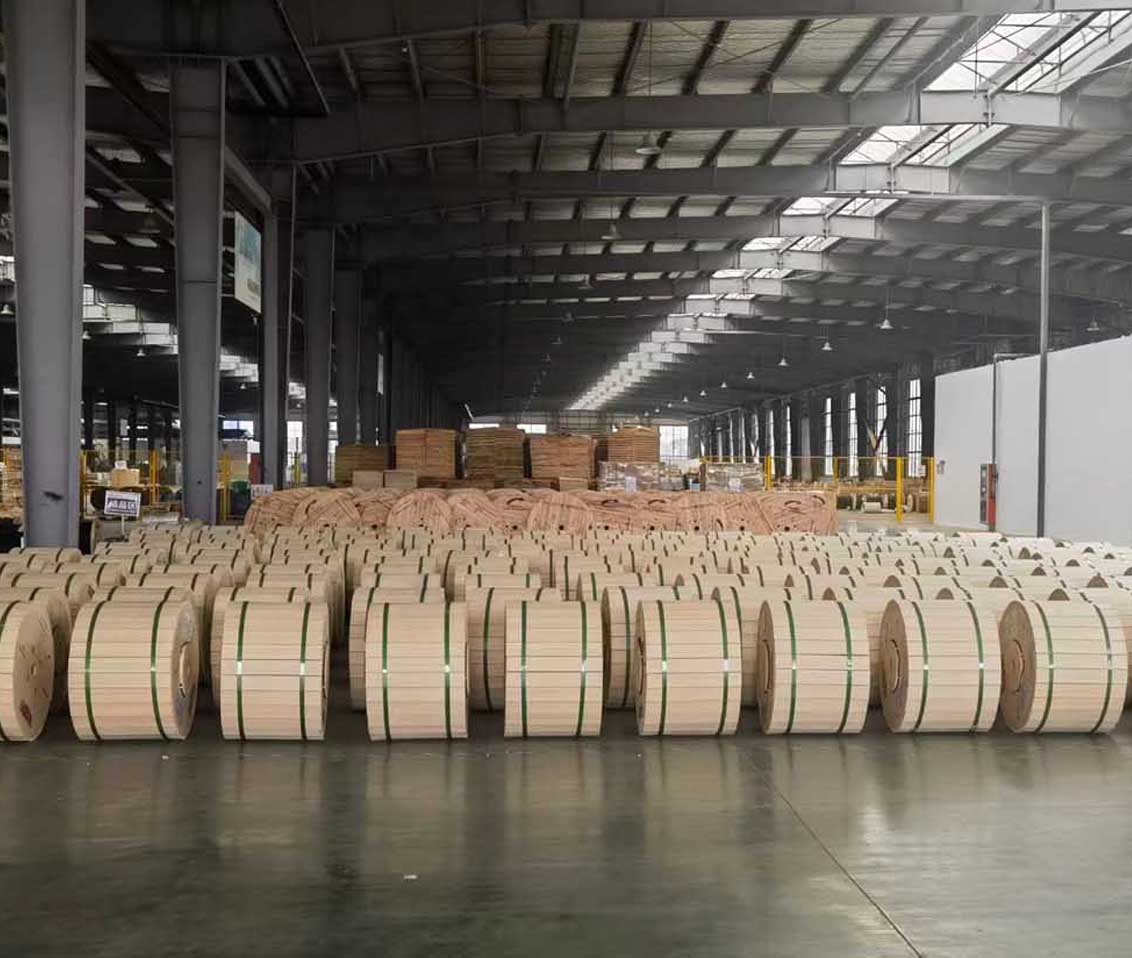
 Optical Fiber
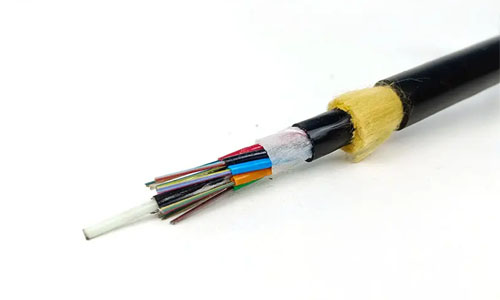 ADSS Fiber Optic Cable
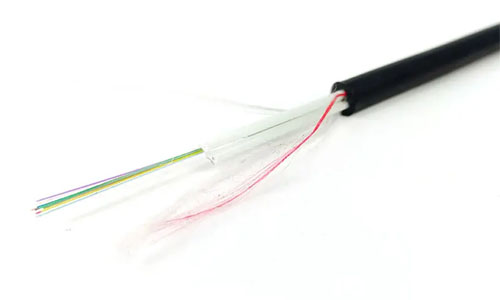 ASU Fiber Optic Cable
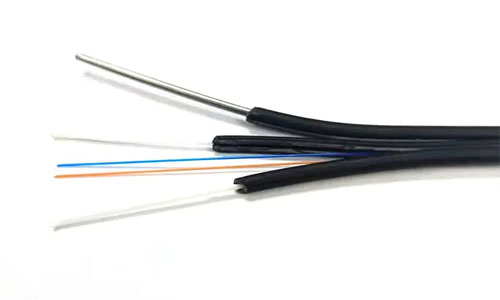 FTTH Fiber Optic Cable
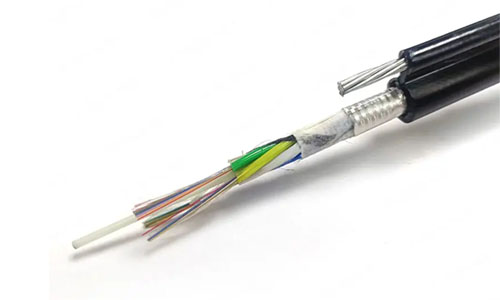 Figure 8 Fiber Optic Cable
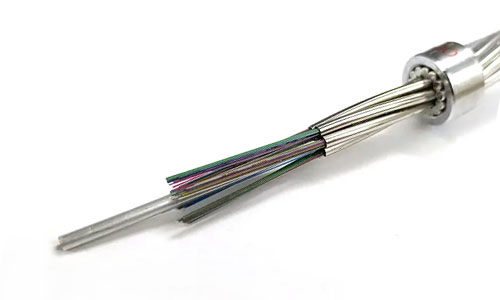 OPGW Fiber Optic Cable
 Coaxial Cable
 Ethernet Cable
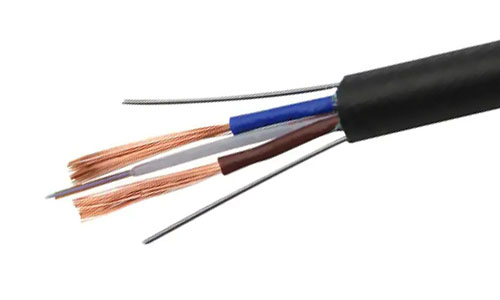 Photoelectric Composite Fiber Optic Cable
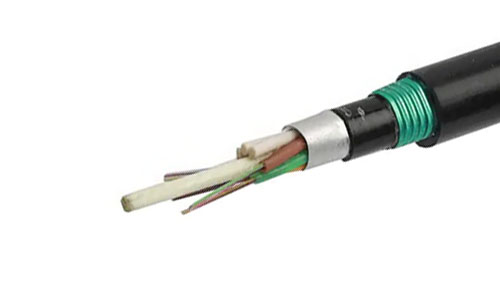 Underground & Pipeline Fiber Optic Cable
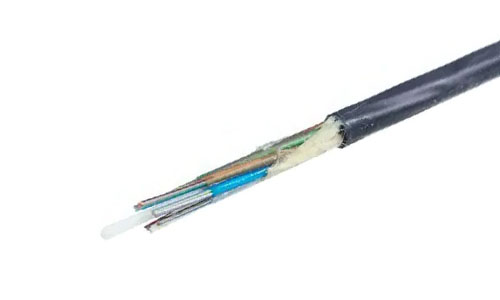 Air-Blown Micro Fiber Optic Cable
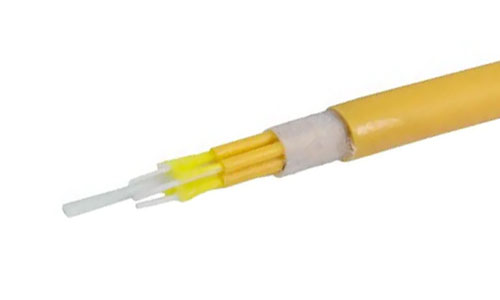 Indoor Fiber Optic Cable
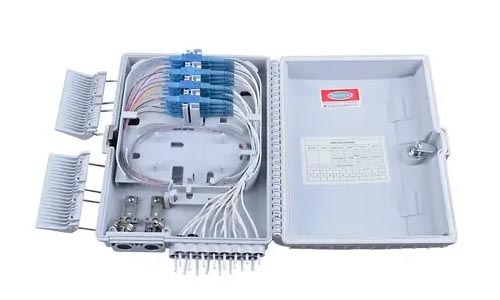 Fiber Optic Distribution Box
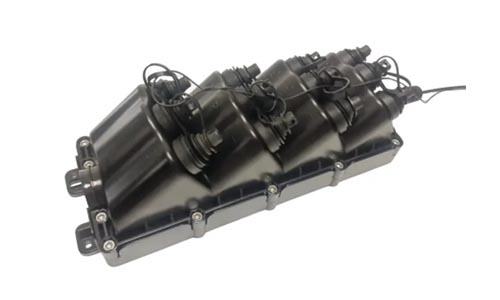 Multiport Service Termina Box
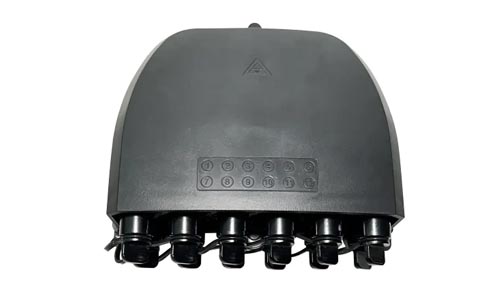 Fiber Optical Terminal Box
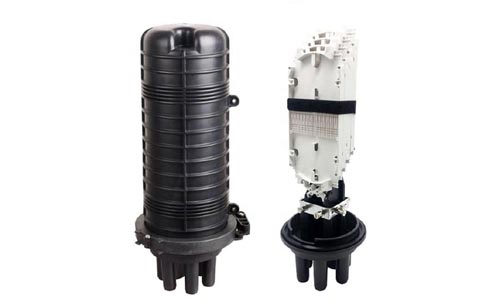 Fiber Optic Splice Closure
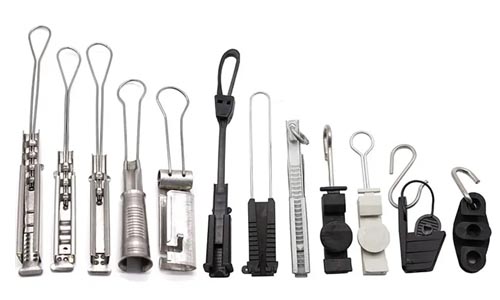 Fiber Optic Clamps
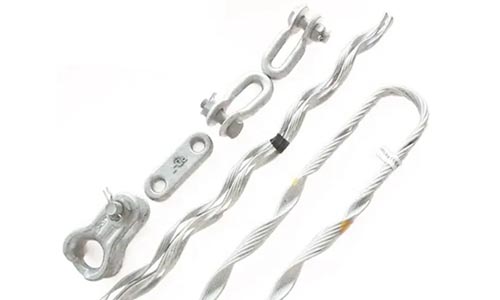 Fiber Optic Cable Fittings
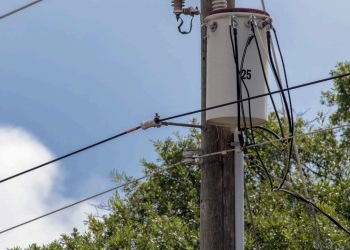 ADSS Fiber Cable
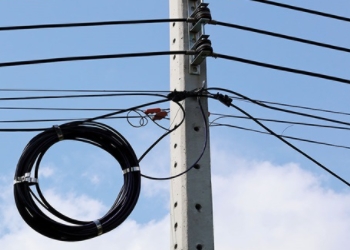 ASU Fiber Cable
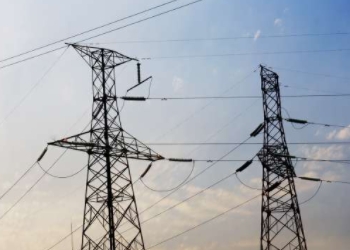 OPGW Fiber Cable
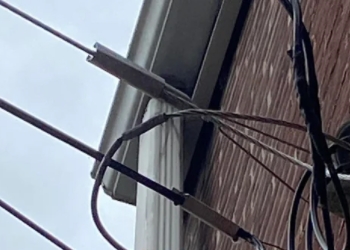 FTTH Fiber Cable
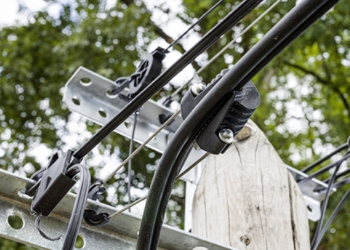 Figure 8 Fiber Cable
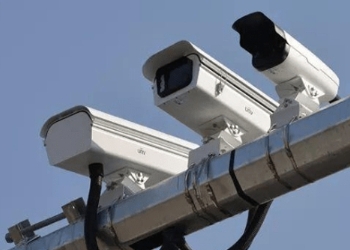 Photoelectric Composite Fiber Cable
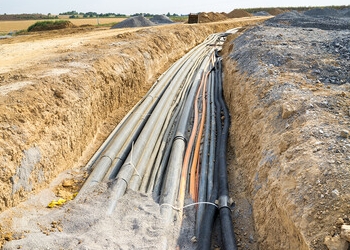 Underground & Pipeline Fiber Cable
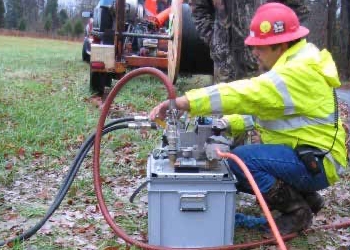 Air-Blown Micro Fiber Cable
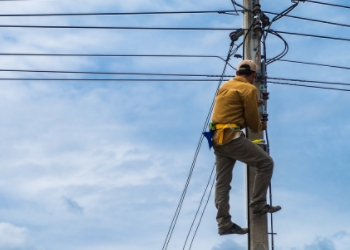 Aerial Fiber Cable
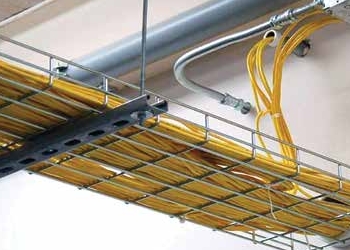 Indoor Fiber Cable
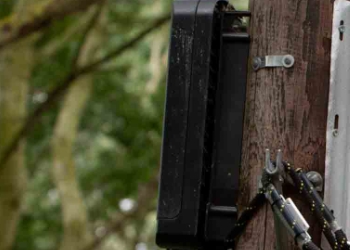 Fiber Optical Terminal Box
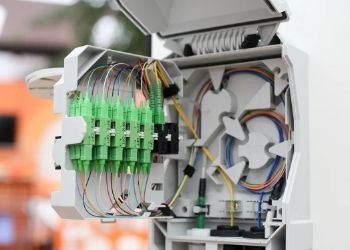 Fiber Optic Distribution Box
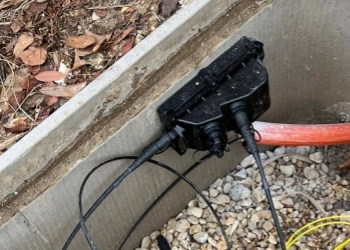 Multiport Service Termina Box
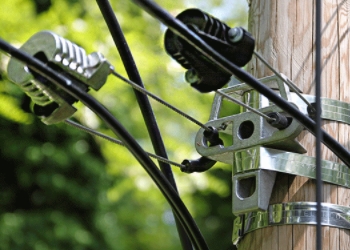 Fiber Optic Clamps
 About Us
 Our Team
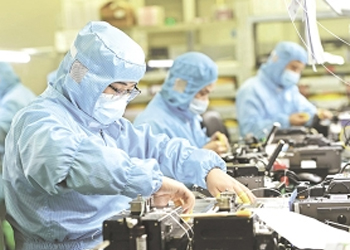 History
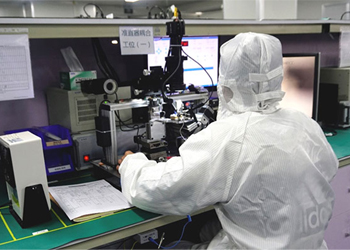 R&D Strength
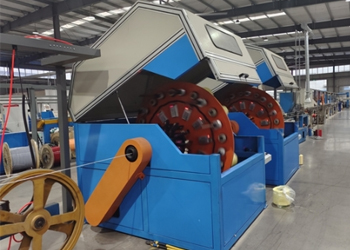 Production Base
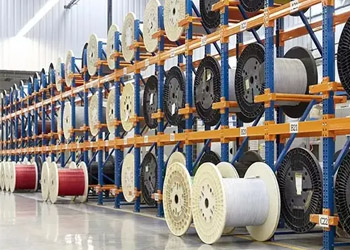 Warehouse & Logistics
 Quality
 FAQs
FAQsUltimate Guide to Ethernet Cables: Cat5/5e, Cat6/6a, Cat7, and Cat8
Introduction
Ethernet cables are crucial for wired networking, providing reliable and high-speed data transmission. They are categorized based on their performance specifications, with higher categories supporting faster speeds and greater bandwidth. This guide will delve into the details of Cat5/5e, Cat6/6a, Cat7, and Cat8 cables, their features, uses, and differences.

Cat5 and Cat5e Cables
Cat5
- Category 5 cables were once the standard for Ethernet connections.
- Speed and Bandwidth: Supports up to 100 Mbps and a bandwidth of 100 MHz.
- Use Case: Suitable for basic networking needs like internet browsing and simple file transfers.
- Obsolescence: Largely obsolete due to the advent of faster cables.
Cat5e (Enhanced)
- Category 5e is an enhanced version of Cat5, designed to reduce interference.
- Speed and Bandwidth: Supports up to 1 Gbps (Gigabit Ethernet) and a bandwidth of 100 MHz.
- Use Case: Commonly used in residential and small business networks for general purposes.
- Performance: Improved crosstalk reduction compared to Cat5, making it more reliable for Gigabit speeds.
Cat6 and Cat6a Cables
Cat6
- Category 6 cables offer a significant upgrade over Cat5e.
- Speed and Bandwidth: Supports up to 10 Gbps speeds over short distances (up to 55 meters) with a bandwidth of 250 MHz.
- Use Case: Ideal for high-speed networks, including gaming and high-definition video streaming.
- Construction: Tighter twists and better insulation compared to Cat5e, reducing interference.
Cat6a (Augmented)
- Category 6a is an augmented version of Cat6.
- Speed and Bandwidth: Maintains 10 Gbps speeds over longer distances (up to 100 meters) with a bandwidth of 500 MHz.
- Use Case: Suitable for demanding applications, such as data centers and large enterprise networks.
- Construction: More robust shielding to eliminate crosstalk and EMI (electromagnetic interference).
Cat7 Cables
- Category 7 cables offer even higher performance.
- Speed and Bandwidth: Supports up to 10 Gbps with a bandwidth of 600 MHz.
- Use Case: Used in data centers and large corporate networks, and suitable for applications requiring high-frequency signals.
- Construction: Features shielded twisted pairs (S/FTP), providing excellent noise resistance.
- Backward Compatibility: Compatible with Cat5e and Cat6 Ethernet standards.
Cat8 Cables
- Category 8 is the latest standard, designed for the most demanding environments.
- Speed and Bandwidth: Supports up to 40 Gbps with a bandwidth of 2000 MHz.
- Use Case: Primarily used in data centers for switch-to-switch communications.
- Construction: Heavily shielded (S/FTP) to prevent interference and maintain signal integrity.
- Length Limitation: Effective at full speed up to 30 meters, making it less common for home use.
Comparison Summary
Category | Max Speed | Bandwidth | Max Distance at Max Speed | Shielding | Typical Use Case |
Cat5 | 100 Mbps | 100 MHz | 100 meters | Unshielded | Basic networking, obsolete |
Cat5e | 1 Gbps | 100 MHz | 100 meters | Unshielded | Residential, small business |
Cat6 | 10 Gbps | 250 MHz | 55 meters | Unshielded/STP | Gaming, HD streaming, small offices |
Cat6a | 10 Gbps | 500 MHz | 100 meters | Shielded | Data centers, enterprise networks |
Cat7 | 10 Gbps | 600 MHz | 100 meters | Shielded (S/FTP) | High-performance, professional use |
Cat8 | 40 Gbps | 2000 MHz | 30 meters | Shielded (S/FTP) | Data centers, high-speed switches |
Choosing the Right Cable
- Home Use: Cat5e is sufficient for most needs, but Cat6 offers future-proofing for faster internet speeds and network demands.
- Office Use: Cat6a is recommended for its balance of performance and distance capabilities.
- Data Centers: Cat7 and Cat8 are best for high-density environments requiring the highest speeds and minimal interference.
Conclusion
Understanding the differences between Ethernet cable categories helps in selecting the right one for your networking needs. While Cat5 and Cat5e are suitable for basic applications, Cat6 and above offer significant improvements in speed and bandwidth, making them ideal for more demanding environments. For cutting-edge performance, especially in data centers, Cat8 cables provide the highest speeds and bandwidth available.
Additional Tips
- Installation: Ensure proper installation to maximize performance, including using appropriate connectors and avoiding physical stress on cables.
- Testing: Regularly test your network to ensure cables maintain their performance, especially in high-traffic environments.
By selecting the appropriate Ethernet cable, you can ensure a reliable and high-performance network tailored to your specific requirements.