
 Optical Fiber
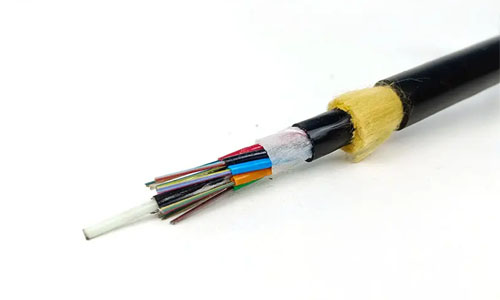 ADSS Fiber Optic Cable
 ASU Fiber Optic Cable
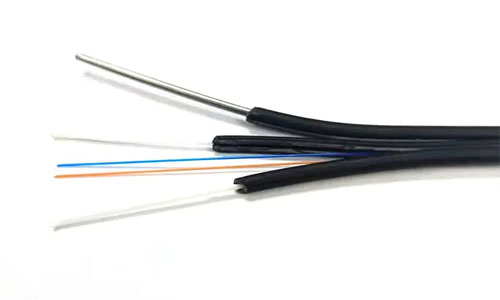 FTTH Fiber Optic Cable
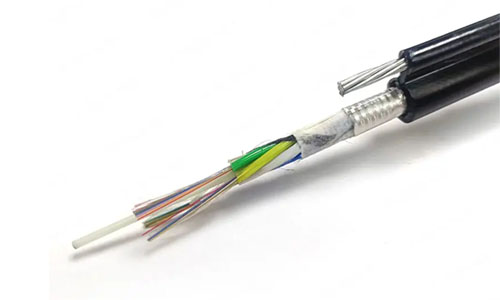 Figure 8 Fiber Optic Cable
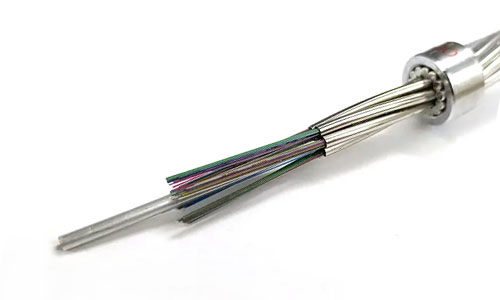 OPGW Fiber Optic Cable
 Coaxial Cable
 Ethernet Cable
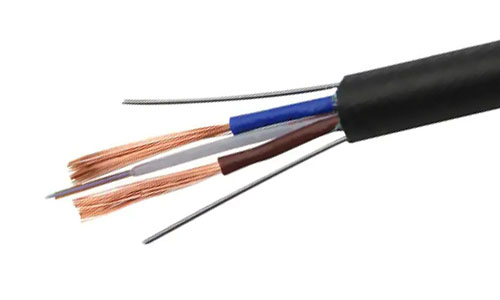 Photoelectric Composite Fiber Optic Cable
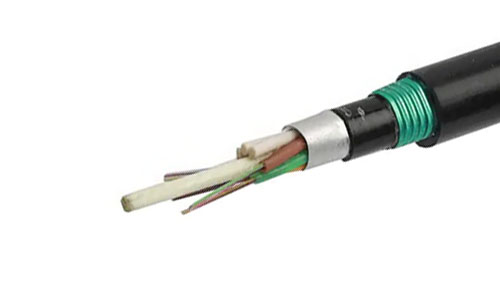 Underground & Pipeline Fiber Optic Cable
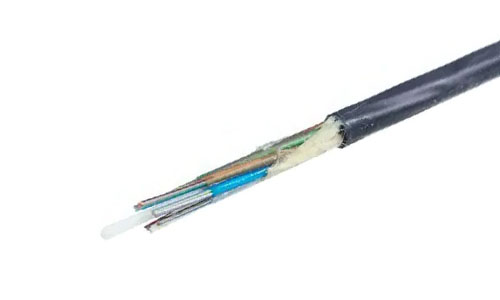 Air-Blown Micro Fiber Optic Cable
 Indoor Fiber Optic Cable
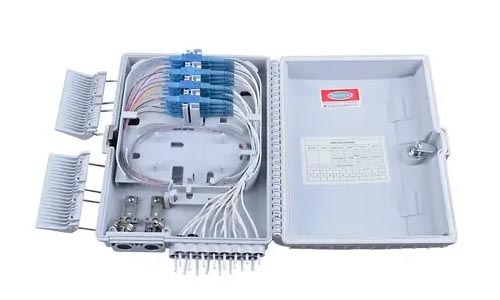 Fiber Optic Distribution Box
 Multiport Service Termina Box
 Fiber Optical Terminal Box
 Fiber Optic Splice Closure
 Fiber Optic Clamps
 Fiber Optic Cable Fittings
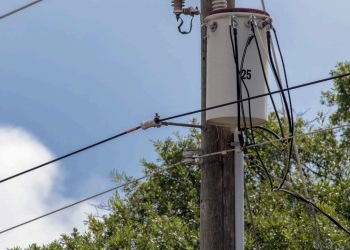 ADSS Fiber Cable
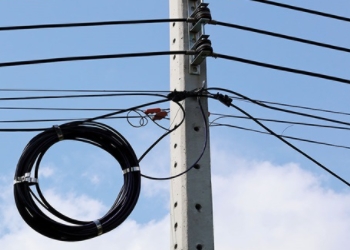 ASU Fiber Cable
 OPGW Fiber Cable
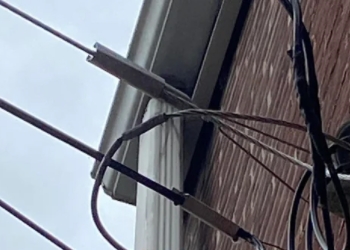 FTTH Fiber Cable
 Figure 8 Fiber Cable
 Photoelectric Composite Fiber Cable
 Underground & Pipeline Fiber Cable
 Air-Blown Micro Fiber Cable
 Aerial Fiber Cable
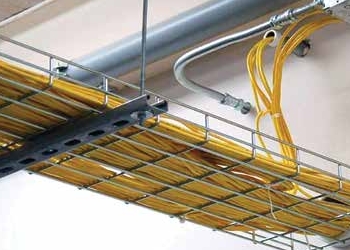 Indoor Fiber Cable
 Fiber Optical Terminal Box
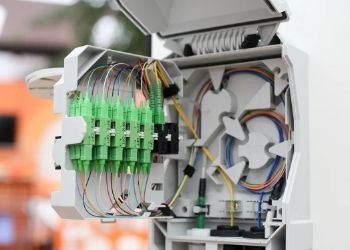 Fiber Optic Distribution Box
 Multiport Service Termina Box
 Fiber Optic Clamps
 About Us
 Our Team
 History
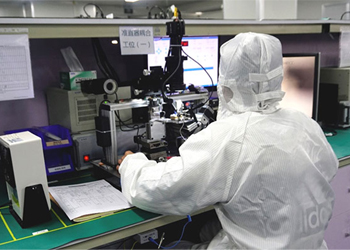 R&D Strength
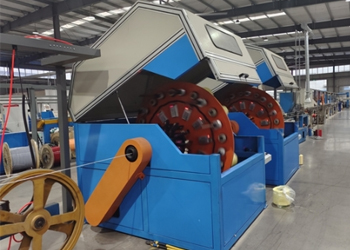 Production Base
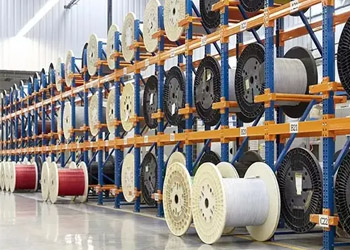 Warehouse & Logistics
 Quality
 FAQs
FAQsUnderstanding Optical Network Terminal Output
In the telecommunications sector, optical network terminal (ONTs) play a vital role in delivering high-speed Internet, voice and video services to homes and businesses. As technology continues to advance, understanding the output of ONTs is critical for both consumers and service providers.
ONT acts as a bridge between the fiber optic network and the client, converting optical signals into electrical signals that can be used by various devices. It comes with multiple outputs that help distribute services within the premises.
One of the main outputs of the ONT is the Ethernet port, which allows devices such as computers, routers, and smart home devices to be connected. This port enables high-speed internet access and is essential for creating a wired network within the premises.
In addition to the Ethernet ports, the ONT may have phone ports for voice services. These ports allow the connection of traditional landlines, providing customers with a reliable means of communication.
Additionally, some ONTs are equipped with video outputs that can provide television service over the same fiber optic connection. This feature is particularly beneficial for service providers who want to offer bundled services to their customers.
Understanding the ONT's output is critical to ensuring seamless service delivery to end users. Service providers must carefully configure ONTs to meet the specific needs of each customer, taking into account factors such as Internet speed, voice services, and video streaming capabilities.
For consumers, having a basic understanding of ONT output can help them set up their home network and troubleshoot any connectivity issues. Knowing which devices are connected to which ports and how to configure ONT settings can have a significant impact on the overall user experience.
As technology continues to evolve, so too do ONT outputs to meet growing consumer demands. With the rise of smart home devices, streaming services, and high-definition video content, ONTs are designed to support a variety of outputs to accommodate these advancements.
In summary, the output of optical network terminal plays a vital role in delivering a wide range of services to homes and businesses. Understanding these outputs is critical for both service providers and consumers to ensure seamless delivery of high-speed internet, voice and video services. As technology continues to advance, ONT output will continue to evolve to meet the changing needs of the telecommunications industry.