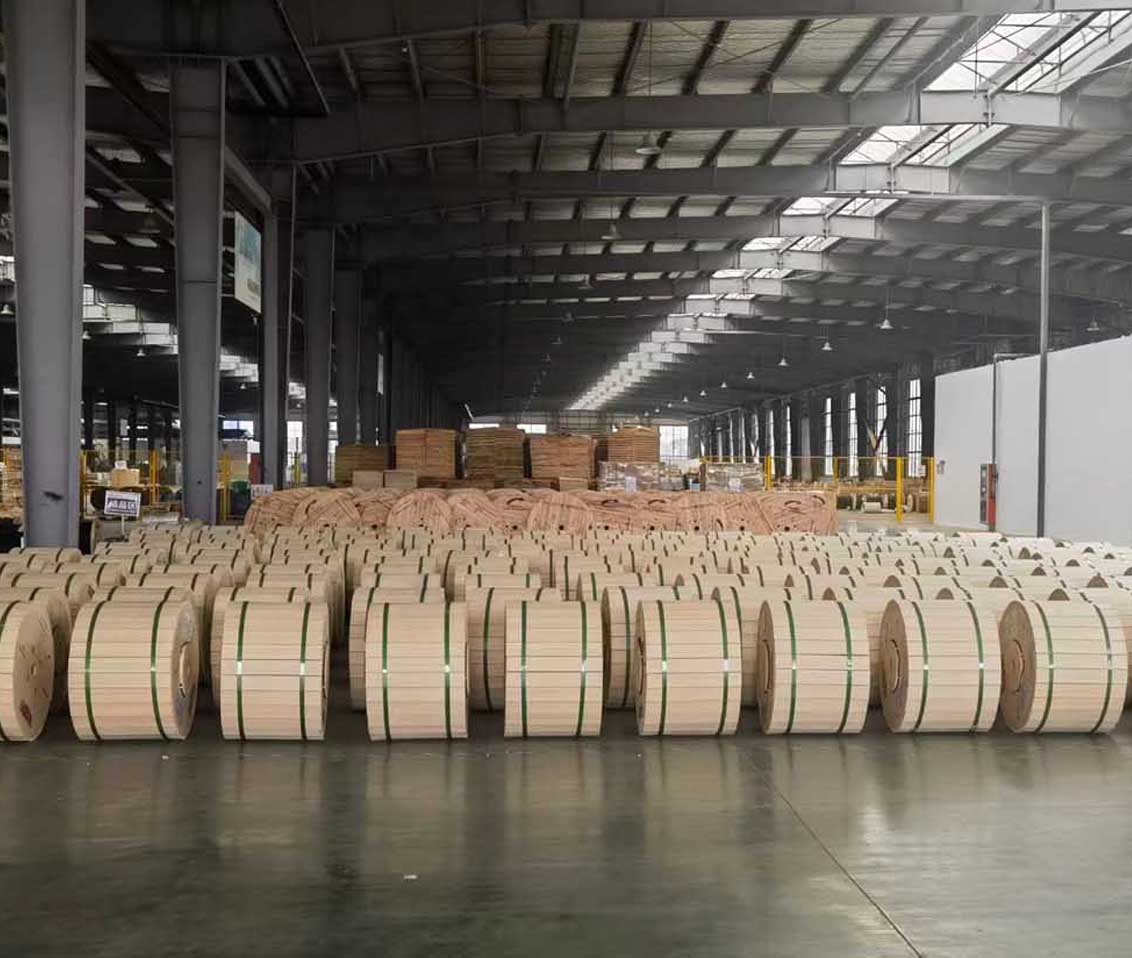
 Optical Fiber
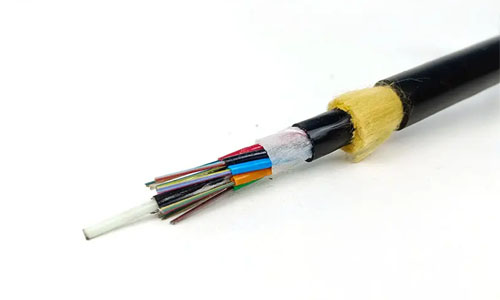 ADSS Fiber Optic Cable
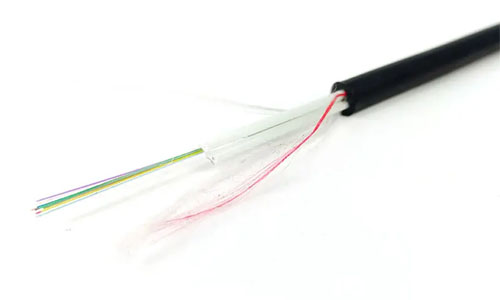 ASU Fiber Optic Cable
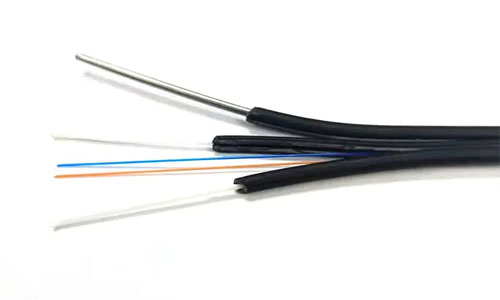 FTTH Fiber Optic Cable
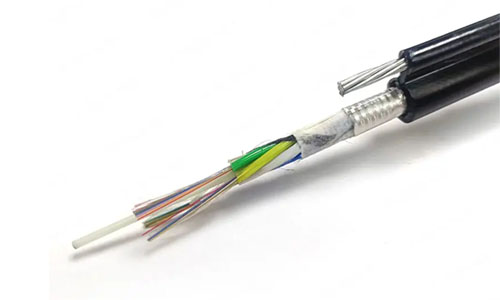 Figure 8 Fiber Optic Cable
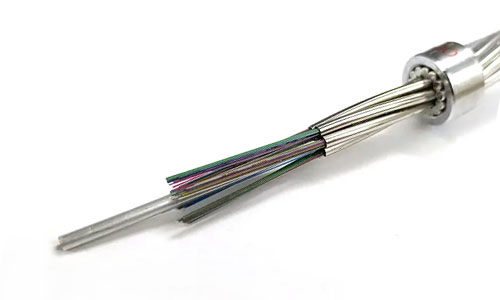 OPGW Fiber Optic Cable
 Coaxial Cable
 Ethernet Cable
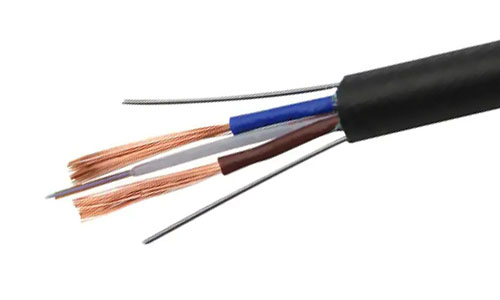 Photoelectric Composite Fiber Optic Cable
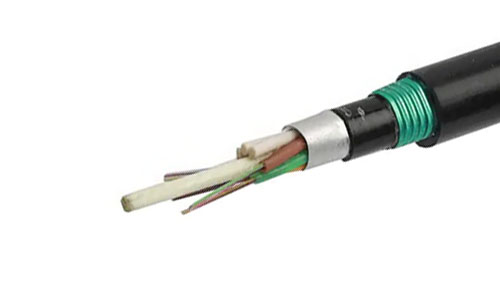 Underground & Pipeline Fiber Optic Cable
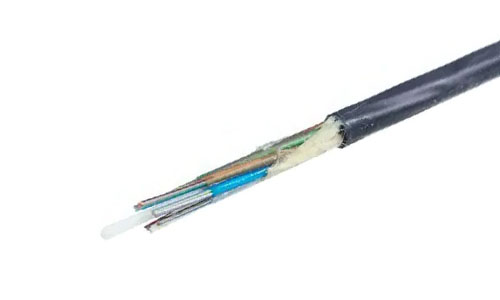 Air-Blown Micro Fiber Optic Cable
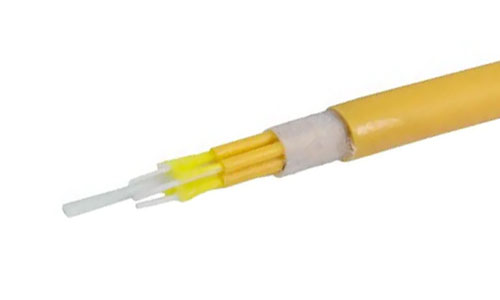 Indoor Fiber Optic Cable
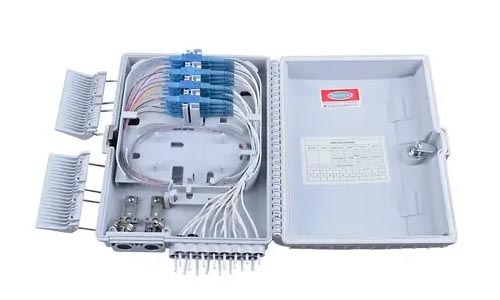 Fiber Optic Distribution Box
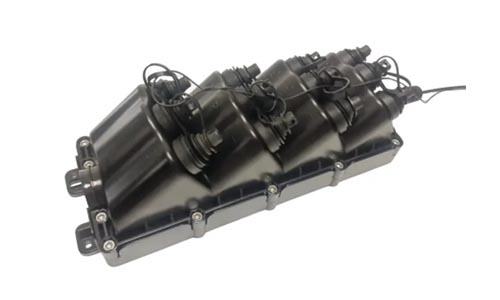 Multiport Service Termina Box
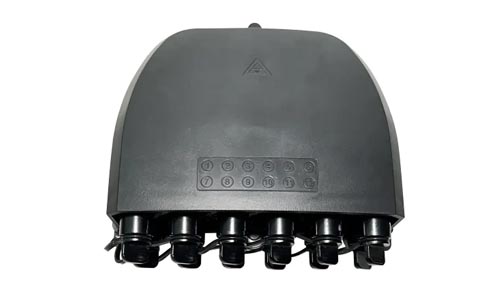 Fiber Optical Terminal Box
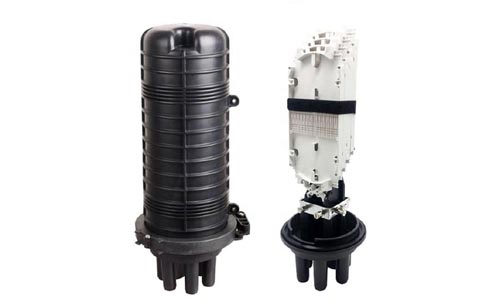 Fiber Optic Splice Closure
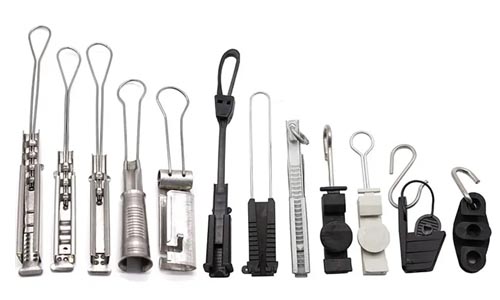 Fiber Optic Clamps
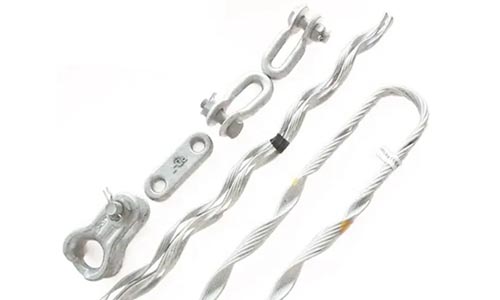 Fiber Optic Cable Fittings
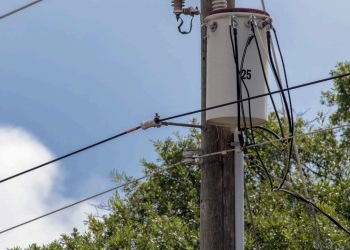 ADSS Fiber Cable
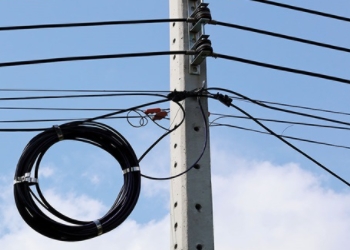 ASU Fiber Cable
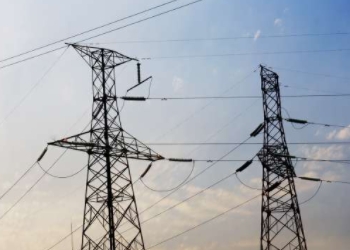 OPGW Fiber Cable
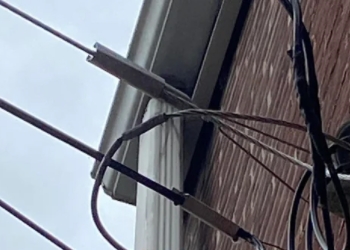 FTTH Fiber Cable
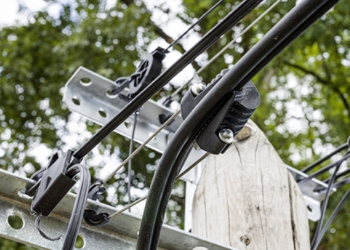 Figure 8 Fiber Cable
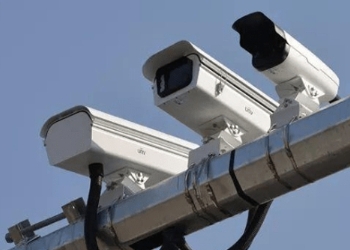 Photoelectric Composite Fiber Cable
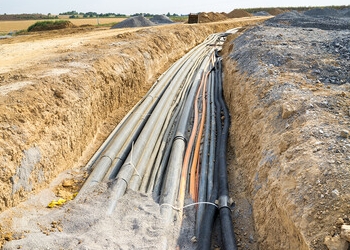 Underground & Pipeline Fiber Cable
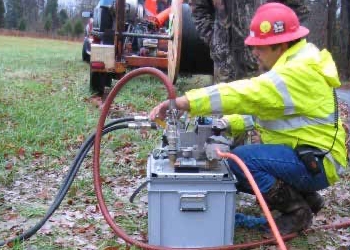 Air-Blown Micro Fiber Cable
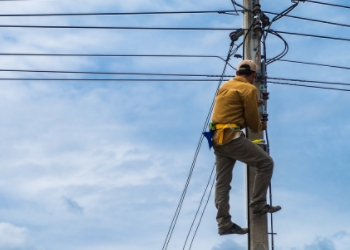 Aerial Fiber Cable
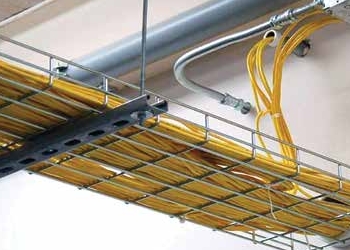 Indoor Fiber Cable
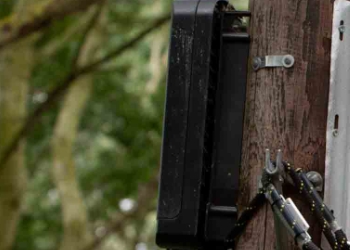 Fiber Optical Terminal Box
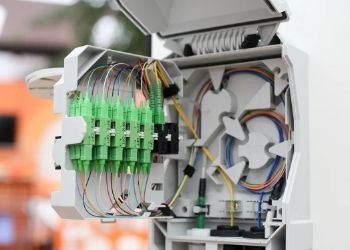 Fiber Optic Distribution Box
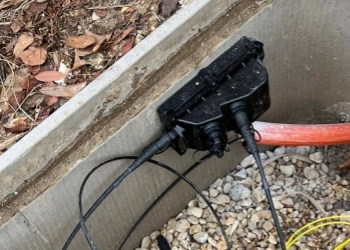 Multiport Service Termina Box
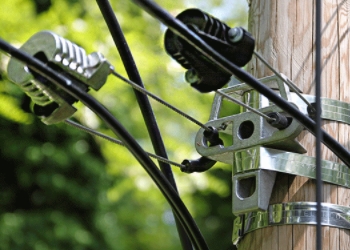 Fiber Optic Clamps
 About Us
 Our Team
 History
 R&D Strength
 Production Base
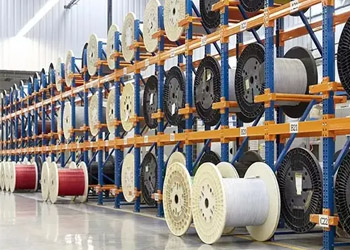 Warehouse & Logistics
 Quality
 FAQs
FAQsWhy is Indoor Fiber Optic Cable Important?
Contact for Free Quotation & Sample, According to your needs, customize for you.
inquiry nowWhy is Indoor Fiber Optic Cable Important?
Indoor fiber optic cable is a specially designed cable used to transmit data at extremely high speeds indoors. These cables are the arteries that keep the internet, phone, and TV networks humming that Americans rely on every day.
Because fiber optic wires transmit signals using light—not electricity—they can carry data at speeds significantly faster than legacy copper lines. Offices, classrooms, and households today depend on fiber optics for high-quality video conferencing, gigabit downloads, and buffer-free streaming.
Individuals appreciate how these cables just blend into walls and conserve area, producing tidy appearing areas. Workers and customers alike are demanding a faster, more stable internet connection both on the job and at home.
Indoor fiber optic cable has become the first and only solution to fulfill these demands. The following section dives further into their applications and advantages.

What Makes Indoor Fiber Unique?
What makes indoor fiber different is its design. Designed with collaborative environments such as workplaces, hospitality, and educational applications in mind. In contrast with outdoor cables, indoor fiber is designed for spaces sheltered from precipitation, ultraviolet rays, and extreme temperature changes.
These cables have smaller outer diameters and are lighter in weight. They’re more flexible, which makes them the first choice for passing through walls, floors, and ceilings! They are available in single mode and multimode. Each type helps fulfill another task, from connecting servers in a data center to connecting classrooms on a school campus.
1. Defining This Indoor Superstar
At its most basic, an indoor fiber optic cable transmits information at the speed of light through incredibly skinny glass fibers. The important elements are the core, which transmits the light, and the cladding, which prevents the light from leaking out.
Fiber optic cables can transmit much more information than the outdated copper telephone wires we all use today. They suffer less attenuation and won’t catch noise from other electronic devices! That high bandwidth is a significant benefit, powering innovations such as 5G networks and cloud computing.
2. Special Design for Inside Spaces
Indoor fiber cables utilize loose-tube buffers that shield the fibers from environmental shocks or tugs. Those jackets are designed to withstand bumps and the wear-and-tear of a bustling building.
They manage indoor temperatures and reduced humidity well, accommodating turns around sharp corners or tight ducts.
3. Jacket Types: Safety First (Plenum/Riser)
So, the jacket really does play a role in safety. Plenum-rated cables are installed in air ducts and help to slow the spread of smoke and flames in the event of a fire.
On the other hand, riser-rated jackets are intended for runs that travel vertically through floors. Both types of jackets comply with U.S. Building codes and standards and protect lives.
4. Understanding Bend Radius Limits
Indoor fiber can bend more than outdoor types, but even indoor fiber has a bend radius limit. Bend it beyond a certain point, and you’re inviting signal loss or, potentially, damage.
Signal integrity is the key to great Wi-Fi and cellular service, so the wider and gentler the bends, the better.
5. How Its Build Affects Signal?
Why cable build impacts speed and distance. The core size and layers around it set how much data moves and how far it can go without slowing down.
No one wants a weaker build that would necessitate more repairs and worse uptime for overall users on the shared network.
Why Go Fiber Indoors?
Going with indoor fiber optic cables delivers huge benefits for residences and businesses in the US. They beat legacy, old-school wiring such as copper in virtually every respect. This transition results in lower maintenance, increased reliability, and networks that are future-proof even as priorities shift.
Fiber optics are literally made to outlast us—up to 50 years, while traditional copper wiring rusts out in five. Taken together, that makes going fiber indoors a no-brainer, future-proof choice. Compared to fiber cables, which lose only around three percent of their signal every 328 feet, that translates into faster, more reliable connections when you’re streaming video, playing online games, or teleworking.
Unlock Blazing Fast Speeds
Indoor fiber enables everyone to take advantage of internet speeds that can handle multiple people downloading large files or streaming video content simultaneously. That’s because the technology powering fiber connects us through signals of light, so our data travels at the speed of, um, light.
You get high-quality streaming, zero-lag gaming, and a lot more people teleworking simultaneously with no lag. Work gets accomplished more efficiently in the office, and families remain connected at home on multiple devices.
Future-Proof Your US Home/Office
Wiring a home or office space with fiber today ensures that building is ready for whatever technology comes next. Fiber is really the only technology that can support smart home gadgets, IoT devices, and whatever comes next.
Only networks constructed over a fiber backbone will be able to handle the growing prevalence of devices and files, large and small. Codes like Grade 3 wiring suggest fiber to cover basic and advanced needs, putting your building ahead of the curve.
Say Goodbye to Interference
Because fiber isn’t affected by electromagnetic interference from other devices, your connection remains clear. That translates to fewer dropped calls or glitchy streams—even in bustling, high-tech auditoriums.
No crosstalk as with copper, only crystal clear, reliable data.
Weighing Costs and Benefits
Key Costs:
-
Initial cable and install fees
-
Hardware upgrades
-
Possible wall access work
Key Benefits:
-
Lasts up to 50 years
-
Handles high speeds and heavy loads
-
Low signal loss, reliable service
-
Preps your building for the future
In the end, both businesses and homes receive more value for their investment. Fiber pays off not only by cutting future upgrade and maintenance costs, but by being the best long-term investment.
Indoor vs. Outdoor Fiber Facts
Selecting the right fiber optic cable is just the beginning. It all starts with understanding where the cable will be deployed. Indoor cables and outdoor cables have some core characteristics in common—they both transmit data quickly and efficiently. Yet, the job site dictates what materials they consist of and how it’s ultimately installed.
Built for Different Environments
Indoor fiber optic cables are manufactured to withstand the rigors of environmental unlimited life indoors. They’re slender and flexible, slipping through narrow walls or bending around curves above drop ceilings.
These cables aren’t required to hold up against the elements like rain, dust or intense sunlight. Consequently, their designs are minimalistic and ultra-lightweight. That means the production process is a lot less complicated compared to outdoor cables.
With outdoor cables, they are subjected to much harsher conditions. Outdoor cables are subjected to violent environments, whether it’s the Sahara heat of a Marrakech summer or deep freeze of a winter in the Rockies. They require durable jackets to resist radical temperature fluctuations, moisture and UV light!
Some run underground, nearly three feet down, while others dangle from utility poles, exposed to wind and grit. Choosing the right cable starts with giving serious consideration to its intended environment—indoor or outdoor.
Protection Levels: A Key Contrast
| Feature | Indoor Fiber | Outdoor Fiber |
|---|---|---|
| UV Resistance | Low | High |
| Water Resistance | Low | High |
| Flexibility | High | Low-Medium |
| Rodent Protection | Minimal | Enhanced |
| Fire Safety | High (plenum, riser) | Medium |
Outdoor cables are supplied with UV shields, water-blocking gels, and armored layers. Indoor cables prioritize bend radius and easy draws on install. Understanding these various protection levels is key to winning or losing a fiber job.
When Indoor Is Smarter?
Indoor fiber is particularly advantageous in environments with limited real estate, such as urban business offices or data center campuses. These cables are much easier to run through walls and ceilings, and they’re much easier to swap out should household or business needs change.
Security is excellent—cables are out of the way, protected from the elements or vandalism. In environments where quick deployment, widespread coverage and aesthetic appearance are top priority – indoor fiber is the solution.
Smart Indoor Fiber Installation Tips
Properly installing indoor fiber optic cable can be the difference between a widely successful network and one that’s deeply flawed. It requires advance thought and attention to detail. First, consider your building’s floor plan.
Whether navigating old riads in Marrakech or modern offices in New York, sharp twists and turns abound. These types of architectural quirks can quickly stop an advanced cable run in its tracks. Inspect the path and avoid sharp turns, direct sunlight, or areas in which debris tends to accumulate.
Trace the route and avoid running cables near high-voltage wires or energized steam or heat pipes.
Tools and Materials Needed:
-
Measuring tape
-
Fiber optic cable (rated for indoor use)
-
Cable trays, flexible conduit, and bend guides
-
Spools or rollers
-
Label maker and endpoint tags
-
Velcro ties (every 3 to 4 feet)
-
Safety glasses and gloves
Plan Your Cable Route Wisely
Select routes that ensure bends are always less than or equal to 10x the cable’s diameter. To avoid angular bends, rollers or bend guides are useful for keeping corners neat. Build the capacity to meet tomorrow’s demands today.
Cable trays and conduit are your friends, allowing you to manage cables simply and provide easy access for future upgrades. Label each end and splice box for easy troubleshooting. Velcro ties every couple feet reduce sag and tangles, providing a professional appearance and reliable signal.
Navigating US Fire Safety Codes
Navigating US Fire Safety Codes Indoor cables are required to pass rigorous flame and smoke standards. Sometimes called the “fire code,” these regulations frequently mandate the use of plenum-rated jackets in air-handling spaces.
Prevent hazards and costly penalties by confirming local regulations either online or through the local fire department.
Handle Cables with Gentle Care
Don’t pull or twist fiber cables—overpulling breaks the glass inside. Be sure to store cables on spools, avoid kinking cables, and use proper termination tools. Poor terminations result in a slow connection.
Store indoor cables in a clean, dry area with proper protection to prevent dust and moisture from contaminating cables.
Integrating with Existing Setups
Test each leg, especially when integrating with legacy networks. Inspect plugs and switches before installation to ensure they’re compatible. Post installation, conduct diagnostics as necessary to ensure any weak points can be identified.
Apply field-labeled endpoints to make future upgrades manageable.
Shielding from Indoor Elements
Dust, water leaks, etc., are all dangers that can destroy fiber cables. Apply the right fittings and flexible raceway. Ensure that cables are not placed on wet floors or in high-traffic areas.
Inspect your cable runs regularly to avoid last-minute surprises.
Indoor Fiber: Powering US Spaces
Behind the scenes and across the United States, indoor fiber optic cables are powering profound changes to the ways we learn, live, and work. These thin cables of glass and plastic snake through walls and ceilings. They provide high-speed and reliable connectivity for residential, commercial, industrial, medical, and educational environments.
Fiber cables are 100 times more powerful than legacy copper wires. They reduce interference, secure data, and travel at the speed of light! In an age where remote work and smart technology are the norm, these cables form the backbone of our digital ecosystem.
Transforming American Homes
Indoor fiber puts an end to buffering and dropped calls indoors. Families stream movies in 4K, play the latest fast-paced online games, and operate smart thermostats with zero lag time. Those of us working or learning from home depend on fiber’s consistently high speed for seamless video calls and large file uploads.
As more Americans add smart lights, speakers, security cameras, and other innovations to their homes, fiber ensures that everything stays connected and operating seamlessly. The nationwide push for high-speed internet is just now gaining momentum in communities across America.
Boosting Office Productivity Nationwide
For US offices, fiber helps teams communicate and collaborate, regardless of where they’re located. Cloud-based applications and convenient file-sharing capabilities are optimized with the massive bandwidth that only fiber can deliver. Reliable and efficient connection to the internet increases workforce satisfaction and productivity.
Reliable fiber is a table stake for any company looking to maintain an online presence and be on the cutting edge.
The Backbone of US Data Centers
Data centers require indoor fiber to transfer terabits of data each second. Fiber cables maintain the pace of storage, backup, and analytics seamlessly. Downtime is not an option for these advanced centers.
They deploy a variety of fiber types—such as tight-buffered versus loose-tube—to keep their networks resilient and secure.
Vital for Healthcare and Schools
The clarity that fiber allows for is vital to hospital imaging, telehealth appointments, and electronic medical records. Schools especially require it to implement digital lessons and online tests.
In either case, fiber is the only thing that powers those critical apps to continue working when they’re needed the most. Safe, fast connections power doctors, nurses, educators, and students every day.
Maintain Your Indoor Fiber Network
Maintaining your indoor fiber network begins with regular routines and proactive maintenance. Fiber optic cables, strong enough to handle up to 200 pounds of pull, do well in local networks but still need careful handling to last their full 50-year span. Prevent premature fiber failure and install confidence into your indoor network by taking these five steps. You’ll need to do this to keep your speeds—after all, it’s up to 100x faster than copper!
Simple Care for Long Life
Routine maintenance checks have been proven highly effective in preventing damage. Inspect your cables at least every three months. Just be careful they aren’t getting bent too sharp or pinched under desks!
Dust has a way of getting into connectors, particularly in residential and commercial environments here in the U.S. Just give them a dry cloth wipe every once in a while!
Watch for changes in room temperature or humidity—big swings can stress the cable’s jacket, especially with options like tight-buffered or hollow types. Brief inventory of existing conditions, followed by minor interventions today, prevent costly maintenance in the future.
Spotting Common Signal Problems
When you begin to notice any slowdowns or signal drops, look for loose ends or fine fissures. Often just moving a desk to vacuum or clean will cause a cable to shift.
Basic everyday tools can help check for loss of signal. Keep in mind, fiber has low loss at 0.2 dB per 328 ft, so larger drops = issues!
Replace with a paragraph that uses a screening test that includes vibration testing. Monitoring speed allows you to identify issues before they escalate into something more serious.
Knowing When to Get Help
If these fixes don’t work, or you discover a damaged fiber, it’s time to call in a pro. For complex initial set-ups—such as selecting between distributed or broadband variations—contact a qualified specialist.
Better assistance equals lower downtime, so seek nearby, proven specialists who understand indoor fiber. Long-term assistance helps solidify your network for decades to come.
Conclusion
When it comes to installing high-speed internet inside homes, businesses, or government buildings anywhere in the US, using indoor fiber optic cable is the smart choice. It prevents ingress of dust and performs well in the tightest bend radius or confined spaces. Whether you live in a major metropolitan area or rural community, you enjoy sharper streaming quality, faster upload speeds and fewer interruptions. Forget all about those ancient copper wires—fiber’s got ’em beat. With a neat configuration and a few routine inspections, fiber lines can remain vibrant for decades. Tech continues to advance at an incredible pace, and fiber is more than capable of keeping up seamlessly. Looking to upgrade to a stable, reliable connection that just works? Experience indoor fiber and witness the difference firsthand. Have any questions or want to tell us about your own setup experience? Leave a message in the comments section below—let’s discuss fiber!
Frequently Asked Questions
What is an indoor fiber optic cable?
An indoor fiber optic cable is a kind of network cable made for safe, dependable installation indoors. Because it uses light to transmit data incredibly fast, fiber is perfect for delivering high-speed internet and secure, reliable communications.
How is indoor fiber optic cable different from outdoor fiber?
Indoor fiber cables are designed with flexibility, low smoke, and fire safety in mind. They don’t have the hard, heavy, weatherproof jackets that outdoor cables require. This flexibility makes indoor fiber safer and easier to run inside homes, offices, and public buildings.
Why should I use fiber optic cable indoors?
Benefits of using fiber optic cable indoors Fiber optic cables are more efficient than traditional copper cables. They’re ideal for high-speed streaming, high-quality video conferencing, and large file transfers—essential in today’s American homes and businesses.
Can I install indoor fiber optic cable myself?
While you could install indoor fiber optic cable yourself, it takes a delicate touch along with dedicated tools. To achieve optimal performance and safety, it’s advisable to use a trained and certified technician who has experience with U.S. Standards.
What are the best practices for indoor fiber optic cable installation?
Avoid sharp bends, exposure to high temperatures, and installation near electrical wire with indoor fiber cables. Install in approved raceways and supports. As always, the U.S. Building code is the final word on ensuring safety and performance.
How do I maintain my indoor fiber optic network?
Inspect your cables for dust, moisture, and bends regularly. Cleaning connectors in a lint free manner and proper cable management ensures high-speed, internet-grade connectivity while delivering a reliable service life.
Is indoor fiber optic cable safe for American homes and offices?
Are indoor fiber optic cables safe for American homes and offices? These armored designs reduce the penetration of smoke and fire hazards. Such features ensure they provide a safe alternative for American residences, educational facilities, and businesses.