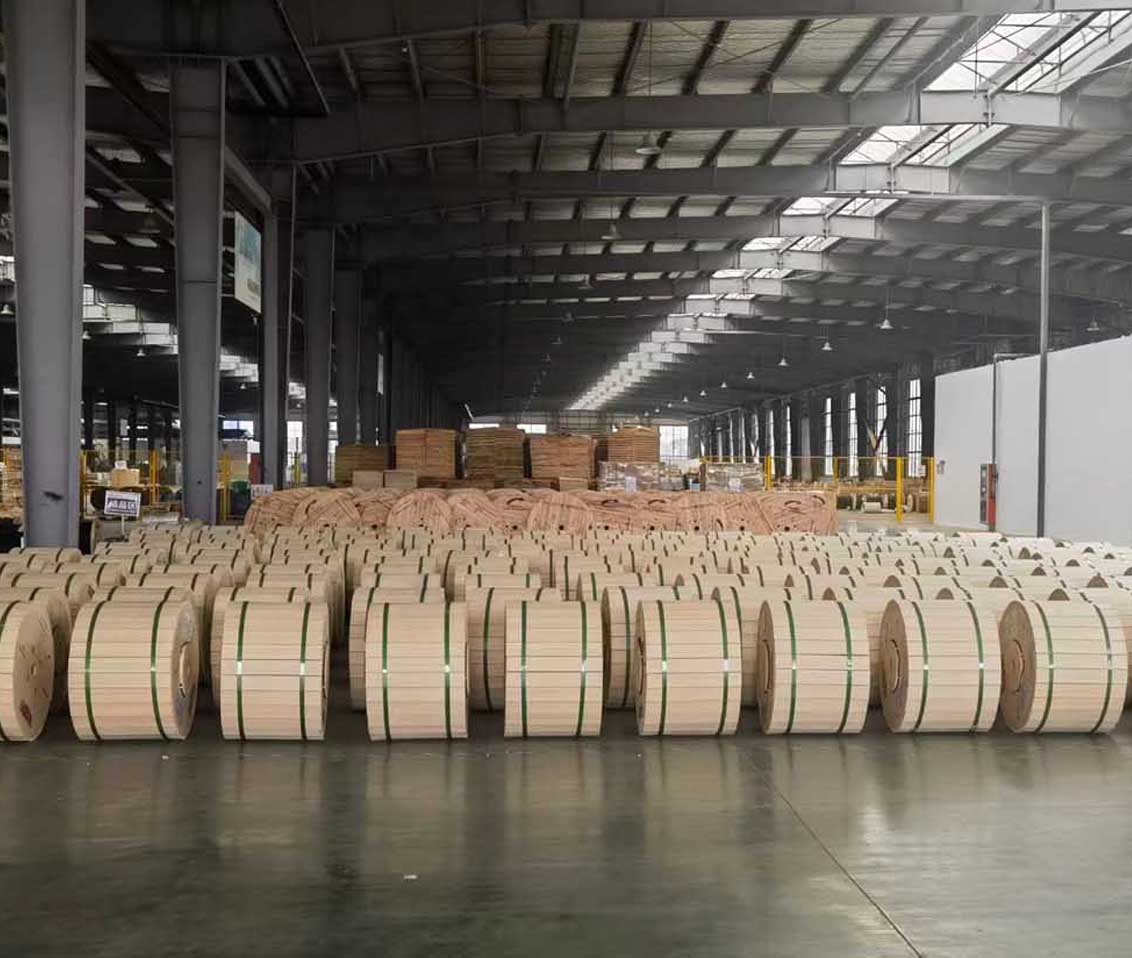
 Optical Fiber
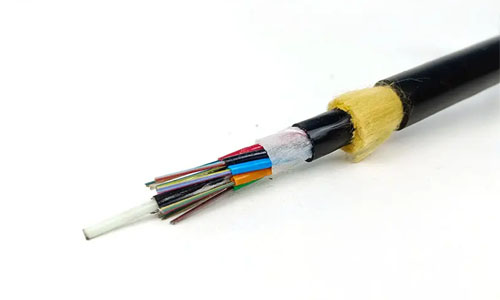 ADSS Fiber Optic Cable
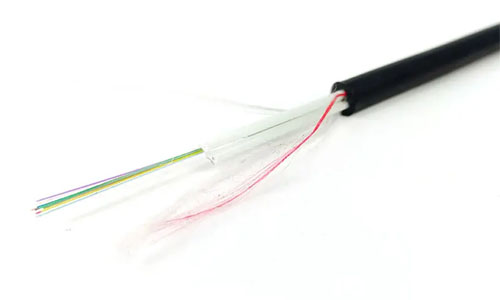 ASU Fiber Optic Cable
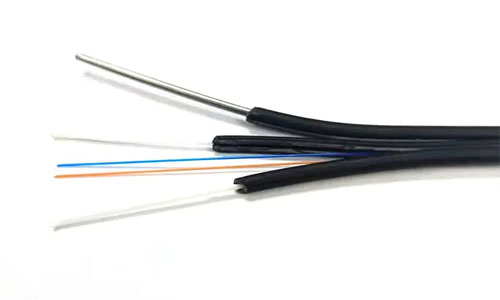 FTTH Fiber Optic Cable
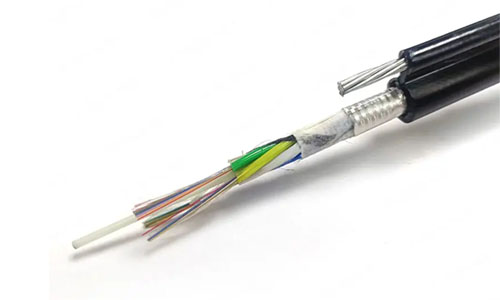 Figure 8 Fiber Optic Cable
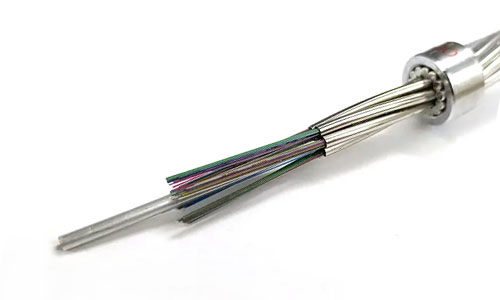 OPGW Fiber Optic Cable
 Coaxial Cable
 Ethernet Cable
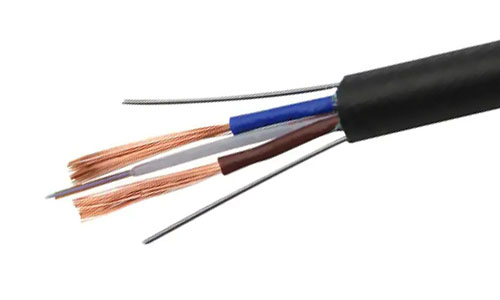 Photoelectric Composite Fiber Optic Cable
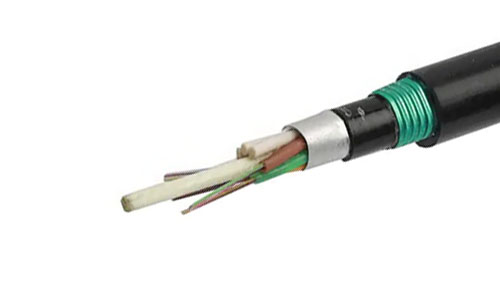 Underground & Pipeline Fiber Optic Cable
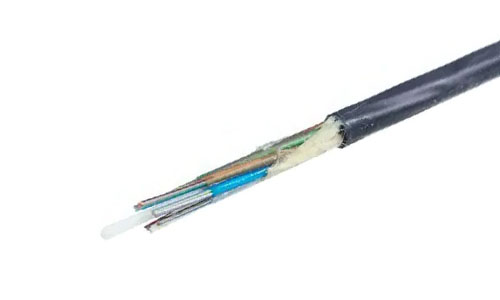 Air-Blown Micro Fiber Optic Cable
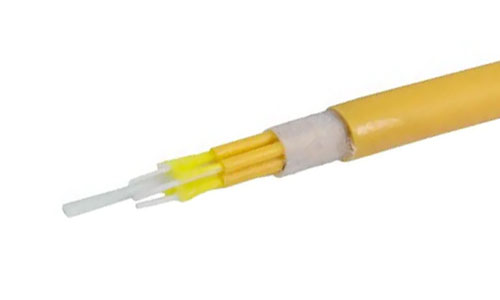 Indoor Fiber Optic Cable
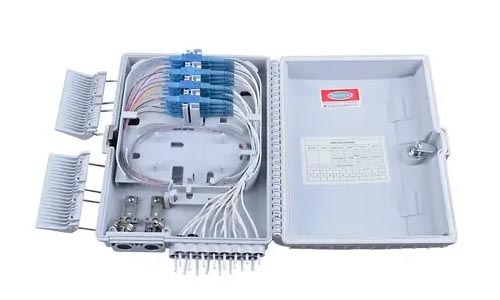 Fiber Optic Distribution Box
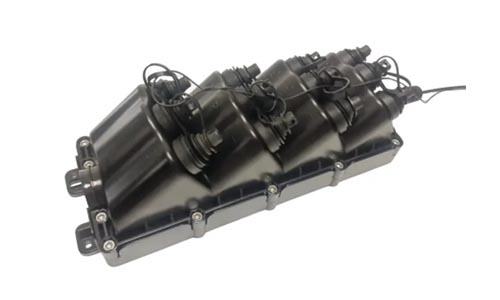 Multiport Service Termina Box
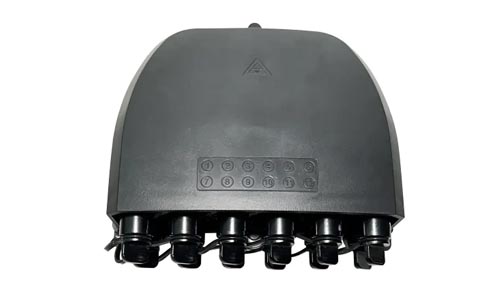 Fiber Optical Terminal Box
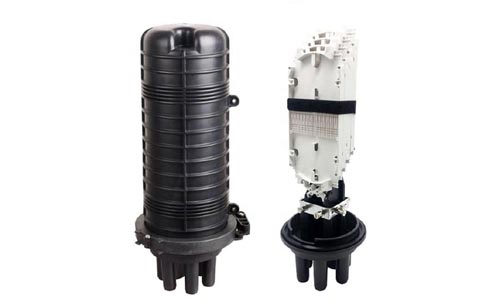 Fiber Optic Splice Closure
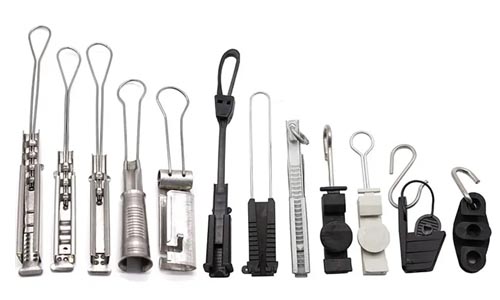 Fiber Optic Clamps
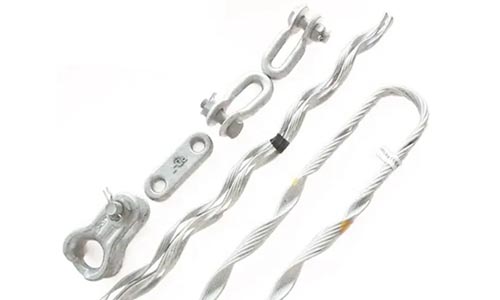 Fiber Optic Cable Fittings
 ADSS Fiber Cable
 ASU Fiber Cable
 OPGW Fiber Cable
 FTTH Fiber Cable
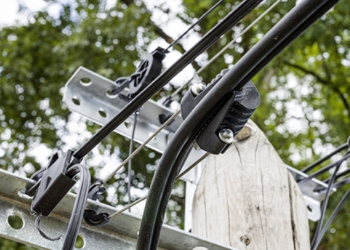 Figure 8 Fiber Cable
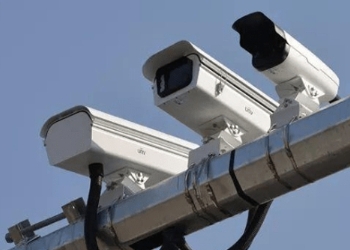 Photoelectric Composite Fiber Cable
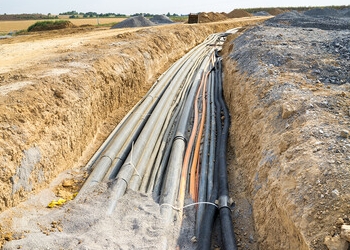 Underground & Pipeline Fiber Cable
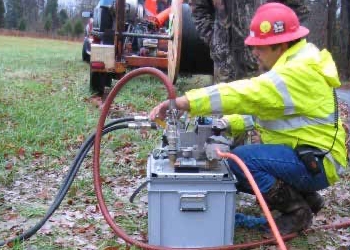 Air-Blown Micro Fiber Cable
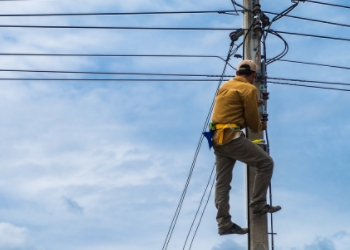 Aerial Fiber Cable
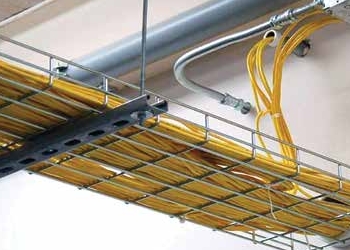 Indoor Fiber Cable
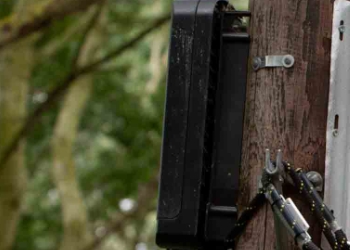 Fiber Optical Terminal Box
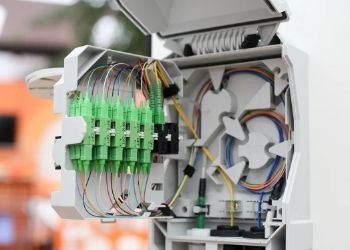 Fiber Optic Distribution Box
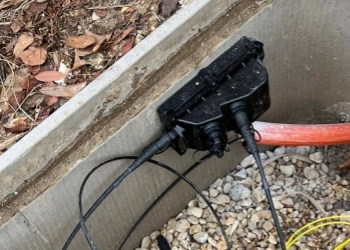 Multiport Service Termina Box
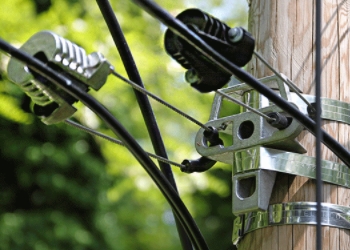 Fiber Optic Clamps
 About Us
 Our Team
 History
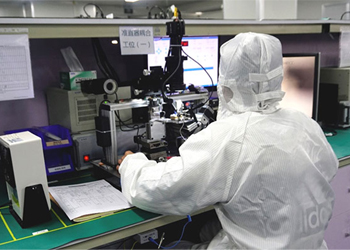 R&D Strength
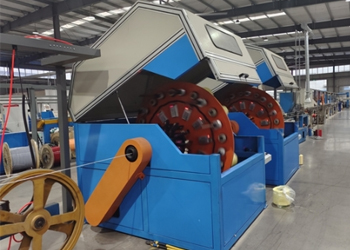 Production Base
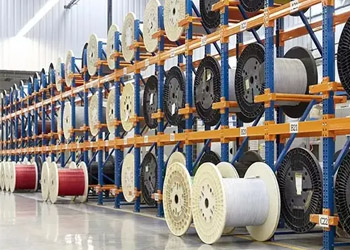 Warehouse & Logistics
 Quality
 FAQs
FAQsAerial Fiber Optic Cable Characteristics and Benefits
Aerial fiber optic cable refers to a fiber cable strung aerially, such as between utility poles or towers. They rely on these cables to deliver data at high speeds over long distances, primarily for internet or phone use. Unlike buried cables, aerial fiber optic cable remains exposed and accessible for repair. Installers frequently choose them in congested urban areas or rocky terrain because they avoid excavation expenses and perform well in a variety of conditions. Aerial cables have to withstand wind, sun and storms, therefore they are manufactured with hard jackets and additional reinforcement. A lot of cities and towns opt for aerial fiber to connect houses, offices or even schools. Next, the post provides important facts and advice on how to use and care for these cables.

What is Aerial Fiber Optic Cable?
Called outdoor plant, aerial fiber optic cables are suspended in the air above ground between two points, typically between poles and/or towers. These cables deliver high-speed data and internet and serve as a backbone for numerous networks around the globe. Lightweight and low on installation time, aerial fiber cables are great for long stretches, even where trenching is hard. The cables withstand wind, ice, and extreme temperatures, so they continue to operate in remote locations. Aerial fiber cables transmit data quickly, they don’t lose much signal, and they last forever. There are two main kinds: self-supporting (also called ADSS) and catenary wire. ADSS cables perform nicely around high-voltage lines as well as prevent interference from power lines and lightning. The figure 8 cables, with their special shape, use messenger wires for additional strength. Installers have the moving reel or stationary reel method to put these cables in the air. The key is to select the right cable and method for your site and budget.
Key Features and Advantages:
-
Above-ground installation means fast deployment and less digging.
-
Because of their lightweight design, teams can install them rapidly on poles or towers.
-
High-speed data transmission holds up over long stretches.
-
Strong outer layers withstand wind, rain, ice, and sunlight.
-
Choices such as ADSS and Figure 8 meet differing requirements, from urban to rural.
-
Engineered to endure extreme tension—up to 600 lbs during installation.
1. Core Composition
Aerial fiber optic cables begin with a glass fiber. This core transmits light signals, transporting information quickly and efficiently. Premium glass maintains signal strength, with lower attenuation. Buffer tubes coil about these fibers, providing additional protection from knocks and curves. These tubes keep the cable flexible, simplifying installation and allowing the cable to survive longer in harsh environments.
2. Strength Members
Strength members are essential to aerial cables. They provide the cable brawn, allowing it to hang slack between poles without snapping. Most cables use aramid yarn or steel because it can take a lot of pull. With solid strength members, the cable can survive arduous installs, strong winds or even ice build-up. Tensioning is important as well – if a cable sags, then speed and reliability can plummet quickly.
3. Outer Jacket
The outer jacket is the cable’s armor plate against existence. Constructed of durable materials such as polyethylene, it resists rain, sun, and cold weather. The jacket blocks UV rays, so sunshine doesn’t degrade it. This layer helps the cable endure for years, even when storms come a’ blowin’!
4. Support System
Different locations require different cable. ADSS cables can be great near power lines since they don’t have metal elements, so they don’t pick up electrical interference. Figure 8 cables serve locations that require additional strength. Choosing the appropriate cable type and installation method relates back to the local infrastructure, budget and climate. The right choice means superior performance, peace of mind and a network that just works.
Types of Aerial Fiber Optic Cable
Aerial fiber optic cables, suspended from poles, are the lifeblood of countless data networks around the world. These cables fit into two main groups: self-supporting and catenary types. Each has its own characteristics, functions, and methods of accomplishing the task.
Self-Supporting
Self-supporting aerial fiber optic cables don’t require additional support structures. So they fold in a built-in messenger wire—this is the sort of strong cable that runs alongside the fiber, providing backbone and support to the whole shebang. This arrangement eliminates additional equipment, allowing for rapid installations and often lower costs because you don’t have to purchase or install other cables. These cables are prevalent in urban and suburban environments where poles are in close proximity and the configuration varies from street to street.
ADSS (All Dielectric Self Supporting) cables are a huge section of this bunch. They’re constructed from non-metal materials, so they don’t conduct electricity and perform well in the vicinity of high-voltage lines or areas with frequent lightning activity. They’re rugged, lightweight and extremely tensile. OPPC cables are another type, typically used in power transmission where they serve as a phase line as well as a data link.

Figure-8
Figure-8 cables are special due to their shape—it resembles a side-lying “8”. That form isn’t just decorative. It increases the cable’s stability while suspended and implies you can attach it directly to poles without any additional clamps or hooks. Messenger wires in these cables have high tensile strength, resisting sag and withstanding wind or severe weather. They’re durable and they save you on maintenance.
They’re a telecom and broadband favorite. Models such as GYTC8S, GYXTC8S and GYXTC8Y appear frequently, typically employed when carriers demand a rugged outdoor offering.
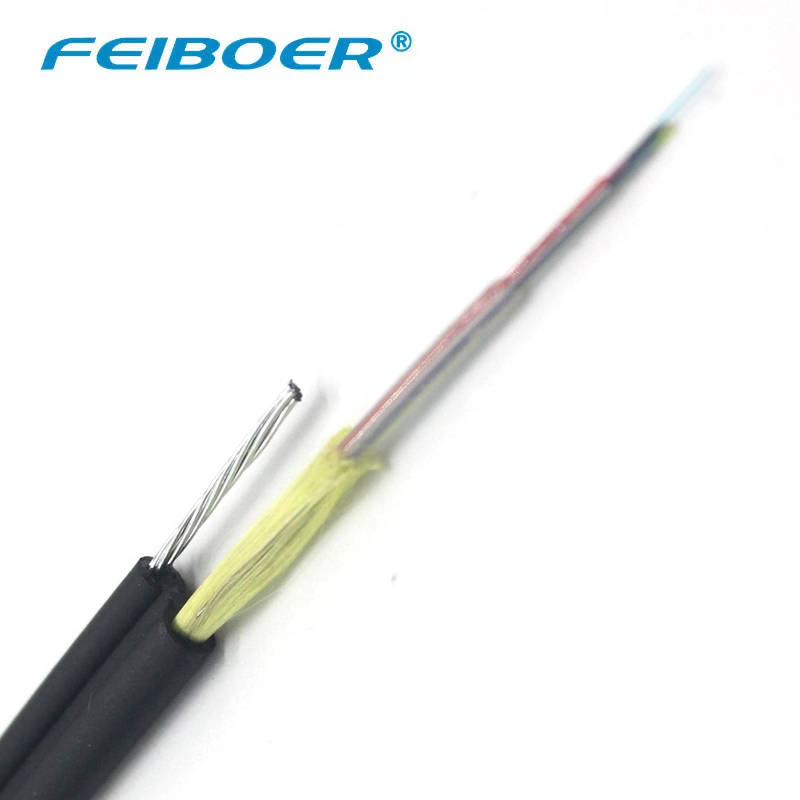
Lashed
Lashed aerial fiber optic cables use a different trick: they tie or “lash” the cable to a messenger wire, not built in but added on site. This offers greater flexibility to adjust or reposition cables and makes emergency repairs easier. You’ve got to lash with care, however. Done wrong, it can harm the cable or reduce its lifespan.
Lashed cables are good in locations where the configuration is going to change frequently, or where lines have to weave around obstacles. The technique fits rural and urban designs because of its versatility.
Aerial vs Underground Deployment
Aerial installs trounce underground ones for speed and cost. Crews can string cable with moving reel or stationary reel methods, saving time and typically completing faster and without tearing up roads. Underground installs, meanwhile, require massive trenching, can damage pipes or roots, and are more expensive to repair or modify later on.
Deciding on aerial vs. Underground is not just a financial decision or a timeline decision. It depends on what the site needs: things like weather, safety, and how easy it should be to reach the cables for future work.
Aerial Versus Underground Deployment
Aerial fiber optic cable or underground deployment are two primary options for network builders. Both have their unique advantages and challenges, and the optimal choice frequently varies by project requirements, geographic area, and immediacy of installation. Knowing these distinctions aids planners in pairing the appropriate strategy to each scenario.
Installation Speed
Aerial fiber can be deployed quickly. Less digging means work crews accomplish more every day. Lots of teams — they use existing poles, so they don’t cut into streets or sidewalks. This prevents extensive road closures and public disturbance. In one city, aerial cables were completed in less than half the time of a comparable underground construction. Rapid installs accommodate the growing demand for internet in expanding communities and rural areas.
Underground cables take the longest They have to dig deep trenches or drill through hard ground. In others, clay soil or rocky ground impedes progress. Trenching goes quicker in sandy ground. Fiber blowing—shooting cable through microducts—can accelerate this process, hitting 60 to 85 meters per minute, but the prep work remains time consuming.
Initial Cost
Aerial fiber tends to be less expensive initially. Taking advantage of existing poles is economical. There’s less heavy machinery and less manpower. No requiring tear-up of congested streets, which can be very expensive, particularly if the ground is rocky or paved over with asphalt. Rural ground, especially soft dirt, permits it to be buried with shallow trenching, but in cities, costs soar.
Don’t forget about long-term costs. Aerial cables require more repairs in brutal weather. Underground systems, though expensive to install, generally remain protected from storms and mishaps. They can be 10 times more reliable in foul weather.
Maintenance Access
It’s easy to repair aerial cables. Technicians can identify and access issues quickly, typically employing just a lift or ladder. Repairs and upgrades require no digging, so downtime is minimal. Quick fixes translate to less irate customers and a more dependable service.
Underground cables are harder to access. Repairs could translate to shutting down streets or parks and tearing up the earth. This is time-consuming and can disturb those in the vicinity.
Environmental Risk
Aerial cables must endure wind, ice and storms. In certain locations, these dangers result in increased downtime. Underground cable is protected from weather, but flooding and soil shifts, such as erosion, can still wreak havoc. Microducts provide a solution, leveraging small trenches in the ground to circumvent large scale excavation and minimize ecological disruption.
It’s a decision based on the land and local climate. Bad weather implies that the aerial lines may not endure as well. In quiet dry regions, they may do very well indeed for years.
Key Steps in Aerial Installation
Putting up aerial fiber begins with planning. Our teams plan the route, validate safe pole attachment and obtain permits. Expert crews then hang cables, ensuring each span is taut and free of tree limbs or other hazards. Safety issues—workers wear harnesses and insulated equipment.
Dropped cables or unsafe lines to risk both service and safety.
The Installation Process
Aerial fiber optic cable installation begins with meticulous planning and inspections. Pole survey first, pole survey last, pole survey always – because that’s how you build safe and smart. This step verifies every pole on route. Installers examine the pole’s composition, age, and durability. They employ this survey to identify optimal locations for cable mounts and to ensure that the poles can support the new load. Taking a note of your current setup prevents conflicts with other cords or hardware and it guarantees the build is up to local codes and safety standards.
Pole Survey
A messenger wire is a sturdy support line which suspends the fiber optic cable overhead. It protects the cable from wind, weight and movement. Separate messenger wires for different jobs—steel wire for long spans and light aluminum for short runs. All three types fit a different configuration based on the path and regional requirements.
Installing messenger wire is an art. It should be tensioned and positioned at proper height without sagging. If it’s too loose, the cable will sag. If too tight, it could snap in cold or windy weather. Messenger wires maintain cable tension and extend cable life.
Messenger Wire
Cable lashing is lashing the fiber cable to the messenger wire, so it doesn’t move. They employ skilled workers, special tools and a lashing machine to wrap stainless steel wire around the two. This prevents the cable from flapping in the wind or moving out of position.
Its all about the right technique! Bad lashing can lead to cable wear or even breaks. Good lashing adds strength and helps the full system stand up to bad weather and time.
Cable Lashing
Splicing connects two cables, extending the network or repairing breaks. There are two main ways: fusion splicing melts fibers together. Mechanical splicing uses a sleeve to hold the ends. Both require a deft touch.
A quality splice maintains the integrity of the data signal. Bad splices cause weak signals or outages. Let the pros do it.
Splicing
Aerial cables endure sun, rain, wind and even ice, so they have to be rugged. Design counts—a quality cable fights stress and keeps going for years. Tests test cable integrity pre- and post-install. Installers have clever ways to reduce hazards, like stress checks and hardy attachments.
Overcoming Environmental Stresses
Aerial fiber optic cables have hard lives. Wind, ice, sunlight and temperature swings can all stress the cables. Their construction, fabrics, and routine maintenance is the secret to durability and dependable performance, sometimes for as long as 25 years, even in rugged environments such as the mountains.
Wind Load
Tenacious winds tug and repeatedly snap at overhead cables, causing lines to sway or even break. Where rough terrain, wind is more uncontrollable and imposes additional stress. Installers rely on self-supporting cables like ADSS, with their thick jackets and strong cores. These cables are commonly stranded on steel or all-dielectric supports for added tensile strength. Good support structures and careful tensioning do matter, too little, and cables sag, too much, and fibers may break. Wind load checks, for example, are routine. Troops seek out chafing straps or anything that could be a friction point, patching up little problems before they become big ones.
Ice Buildup
Ice can coat cables in winter, making them heavy and stiff. The extra weight can pull cables down or bend poles, especially when snow follows ice. ADSS cables help since their smooth jackets shed ice faster. Some designs use wrappings or coatings that make it harder for ice to stick. Regular weather checks help crews spot risks early. In ice-prone areas, teams may install vibration dampers or use cables with extra strength. After storms, quick inspections and repairs keep service running.
UV Degradation
Sunlight breaks down cable jackets over time. This is a big risk in sunny climates or open areas. Cables use UV-resistant plastics and add extra coatings to block rays. These coatings slow down wear and keep the cable safe for years. Still, even the best materials suffer from long-term sun. Inspections look for cracks or fading on the cable’s surface. When damage shows up, crews patch or swap out the bad section fast.
Temperature Fluctuations
Cables expand and contract with temperature fluctuations from heat to cold. Major transitions, such as sunny days that are then suddenly followed by cold rain, can put stress on fibers within the cable. Using materials that tame these swings is the trick. Other cables have heat spreading or cold-blocking layers. Good installation, such as maintaining appropriate tension and avoiding overly tight bends in cables, prevents breaks. Teams will frequently inspect cable lines after severe weather to detect issues early.
Future-Proofing and Adaptability
Fiber networks will have to evolve alongside new technology and escalating demand. By using premium cable and durable anchors cable lasts longer and transmits more. ADSS cables are light, so crews can install them quick—up to 5 km/day—saving cash and time. Choosing scalable architectures and reserving space for expansion facilitates scaling the network down the road. Smart design and quality ingredients prevent expensive repairs in the future.
Future-Proofing Aerial Networks
Aerial fiber cables have their place in the current quest to upgrade and expand coverage. They’re usually selected as they’re cheaper and fit the bill for hard-to-dig locations, such as rural or inaccessible areas. These cables rest above ground, strung between poles, so crews can deploy them quickly and with little hassle. We know this well from satellites — that is, it allows people in rural areas to have rapid access to the web or whatever service, and it closes that digital divide a little further.
Selecting the appropriate cable type is critical to a network’s long-term success. There’s a couple of primary paths for doing so. A few teams go with cable-in-duct, where fiber runs through a rugged tube, protecting it from wind or birds. Others opt for ruggedized pre-fibered aerial cable that’s constructed to withstand harsh weather and rough treatment. Self-supporting cables, such as the ADSS (All-Dielectric Self-Supporting) variety, support their weight without supplementary cable. They employ bulky jackets and robust metal components. Catenary wire cables, by contrast, suspend from a tensioned steel wire. Each has its place, and choosing the wrong one could translate into more maintenance or bottlenecks down the road.
Installation and upkeep are keys to future-proofing aerial networks. If a crew hurries or shortcuts, cables may stretch or snap—some encounter as much as 270 kilograms (600 pounds) of pull during deployment. That’s why diligent labor and the appropriate equipment count. ADSS cables bring another plus: they ask for very little care once they’re up. With them, long-term costs decline, and crews don’t have to inspect lines as frequently. Their jackets resist rain, sun and cold, so the cables keep working, year after year.
For anyone planning to bang out wide, powerful links—be it for a metropolis or an agricultural community or a boutique shop—it’s smart to consider aerial fiber choices. They’re designed to be durable, economical and transmit signals far and wide — long after the storm comes raging.
Conclusion
Aerial fiber optic cable delivers high speed, reliable connections to any location. You can still identify these cables strung across city streets, small towns and fields. They’re resistant to sun, rain and wind. Crews can hang them up fast, so less digging, less mess. They select aerial cable to get to places where ground work is too expensive or time-consuming. Builders rely on it to help new networks light up quickly. Out front, people watch for innovative methods to guard and enhance these lines. Wanna a silky-strong network in your neighborhood? See what aerial fiber can do for your plans and consult with local professionals to find what best suits.
Frequently Asked Questions
What is an aerial fiber optic cable?
Aerial fiber optic cable is a cable that is laid in the air, typically on poles. It carries information by means of light signals and is widely deployed for telecommunications networks.
How does aerial fiber optic cable differ from underground cable?
Aerial cables are installed overhead so they’re quicker and simpler to put in place. The underground cable is buried, providing greater protection from the weather but more complicated to install.
What are the main types of aerial fiber optic cables?
The primary varieties are self-supporting and lashed cables. Self-supporting cables incorporate strength members, whereas lashed cables are secured to an independent messenger wire.
What are the advantages of aerial fiber optic cable installation?
Aerial installation is affordable, quick and simple to service. It enables rapid upgrade and repair, minimizing downtime for customers.
How are aerial fiber optic cables protected from environmental stresses?
Special jackets and materials shield cables from uv light, wind and temperature variations. Proper installation and regular maintenance protect against damage.
Can aerial fiber optic cables support future network upgrades?
Yep, aerial networks are accessible for upgrades or repairs. This renders them future-proof against technological shifts and burgeoning bandwidth requirements.
What are the key challenges of aerial fiber optic deployments?
Storms and birds, among other things, can damage cables. Routine inspections and robust materials mitigate these hazards and preserve network integrity.