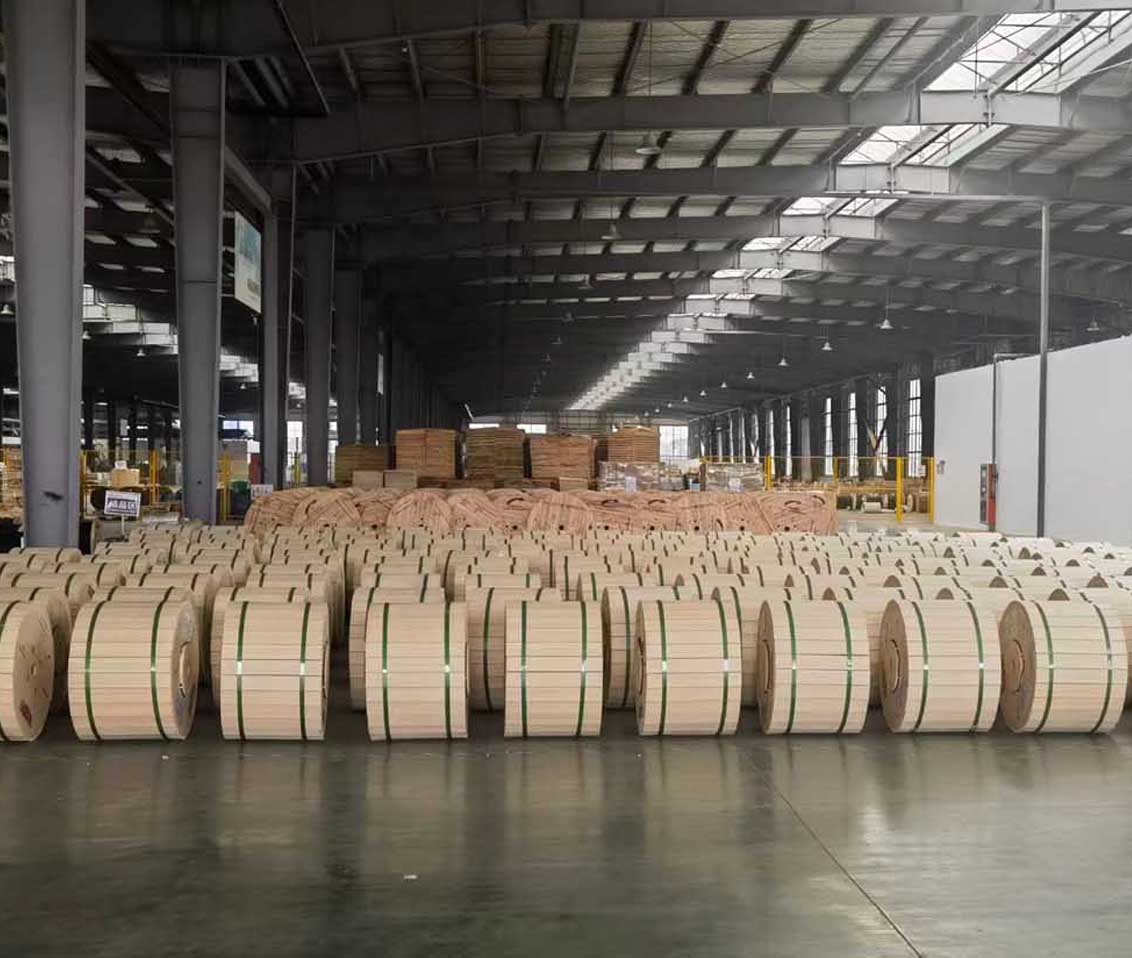
 Optical Fiber
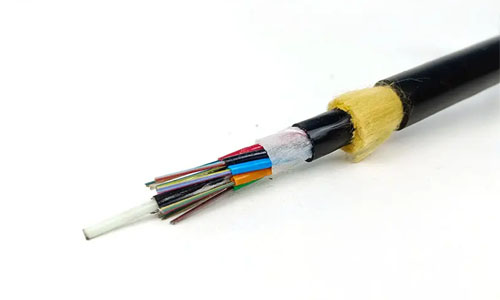 ADSS Fiber Optic Cable
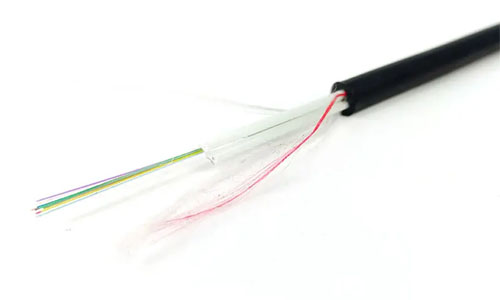 ASU Fiber Optic Cable
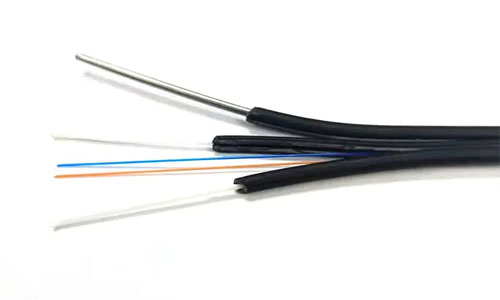 FTTH Fiber Optic Cable
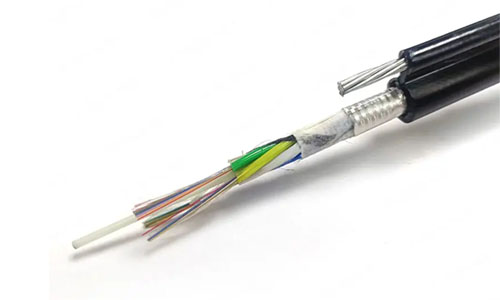 Figure 8 Fiber Optic Cable
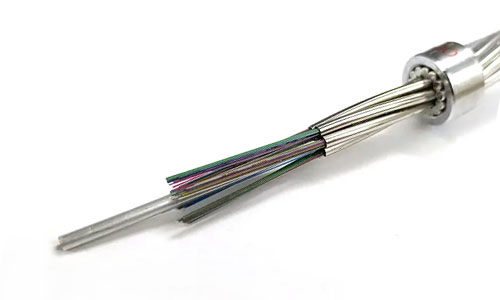 OPGW Fiber Optic Cable
 Coaxial Cable
 Ethernet Cable
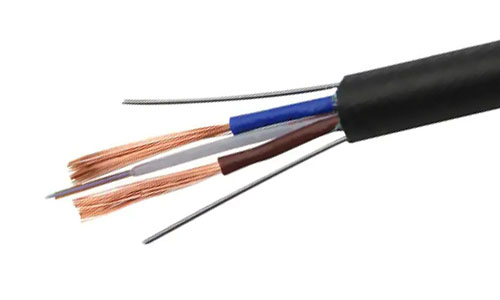 Photoelectric Composite Fiber Optic Cable
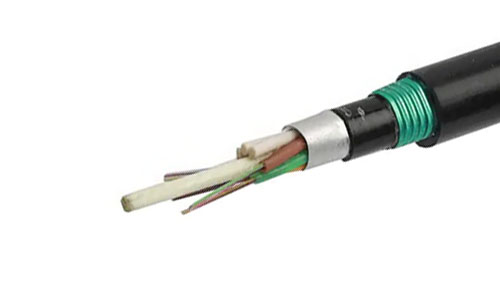 Underground & Pipeline Fiber Optic Cable
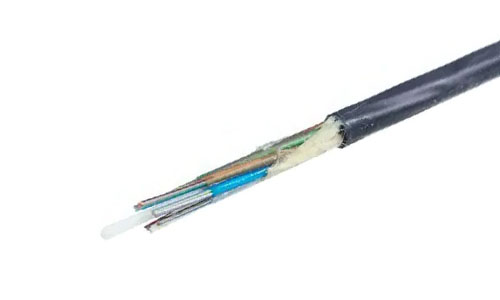 Air-Blown Micro Fiber Optic Cable
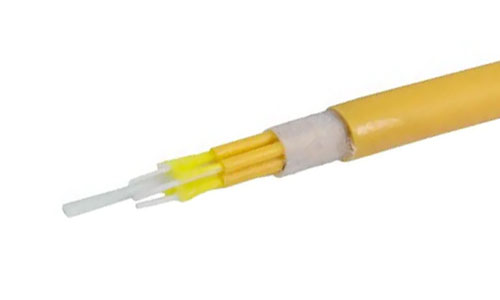 Indoor Fiber Optic Cable
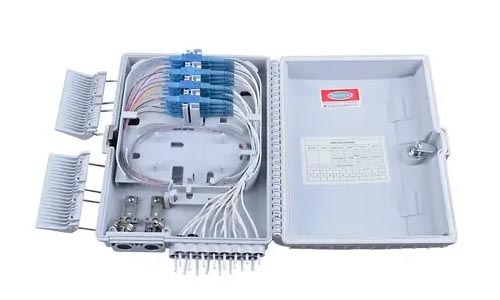 Fiber Optic Distribution Box
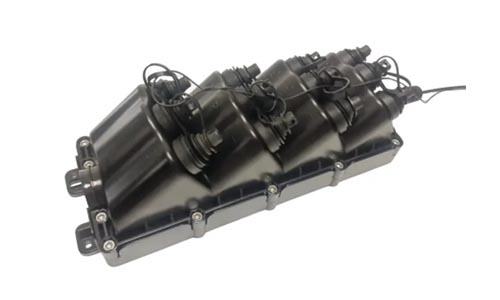 Multiport Service Termina Box
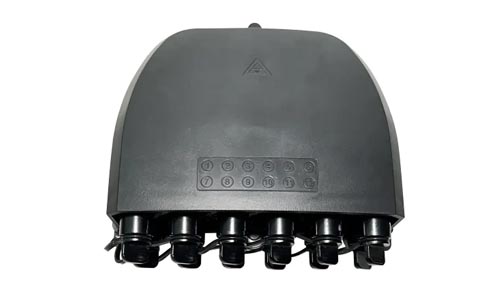 Fiber Optical Terminal Box
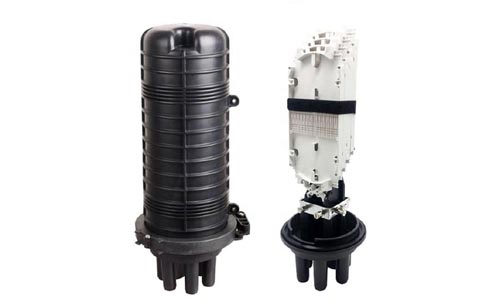 Fiber Optic Splice Closure
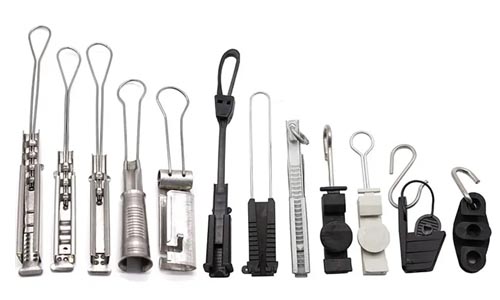 Fiber Optic Clamps
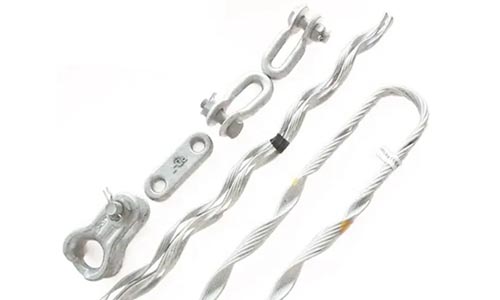 Fiber Optic Cable Fittings
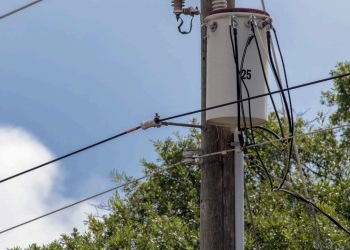 ADSS Fiber Cable
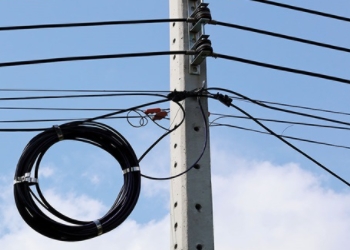 ASU Fiber Cable
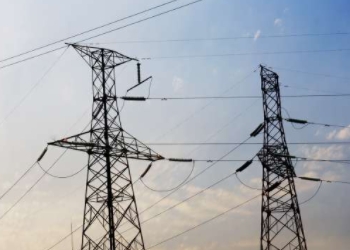 OPGW Fiber Cable
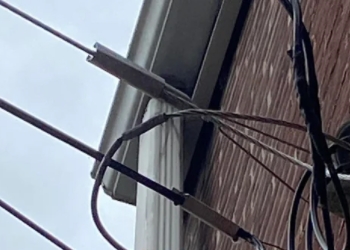 FTTH Fiber Cable
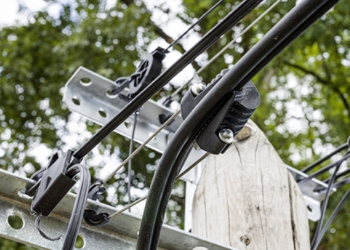 Figure 8 Fiber Cable
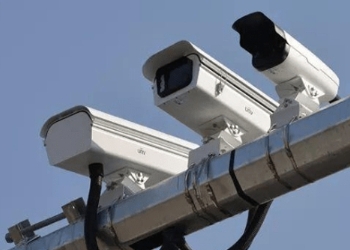 Photoelectric Composite Fiber Cable
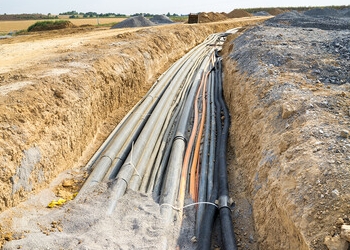 Underground & Pipeline Fiber Cable
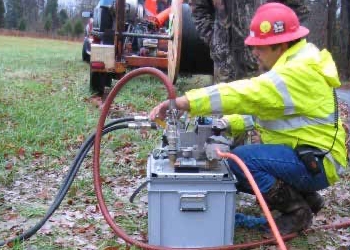 Air-Blown Micro Fiber Cable
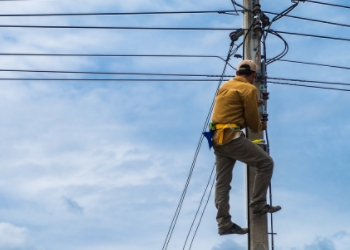 Aerial Fiber Cable
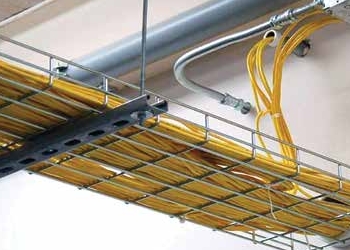 Indoor Fiber Cable
 Fiber Optical Terminal Box
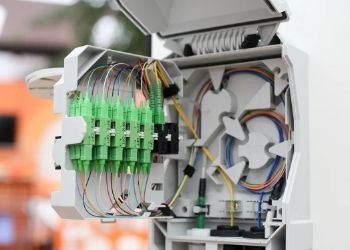 Fiber Optic Distribution Box
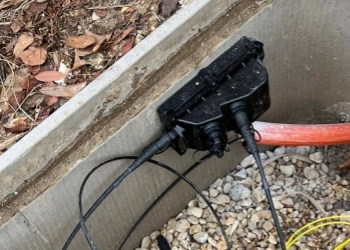 Multiport Service Termina Box
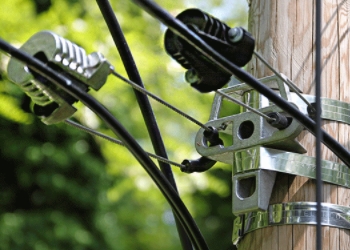 Fiber Optic Clamps
 About Us
 Our Team
 History
 R&D Strength
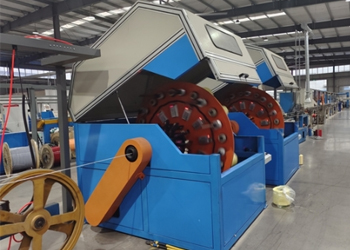 Production Base
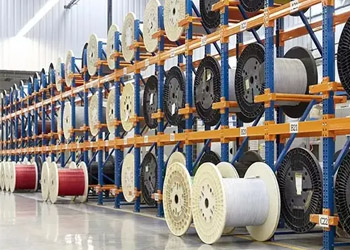 Warehouse & Logistics
 Quality
 FAQs
FAQsCat5e vs Cat6: Choosing the Ethernet Cable for Your Network
When deciding between Cat5e and Cat6 Ethernet cable for your network, it's important to consider several factors, including speed requirements, network environment, future-proofing, and budget. Here’s a detailed comparison to help you make an informed choice:
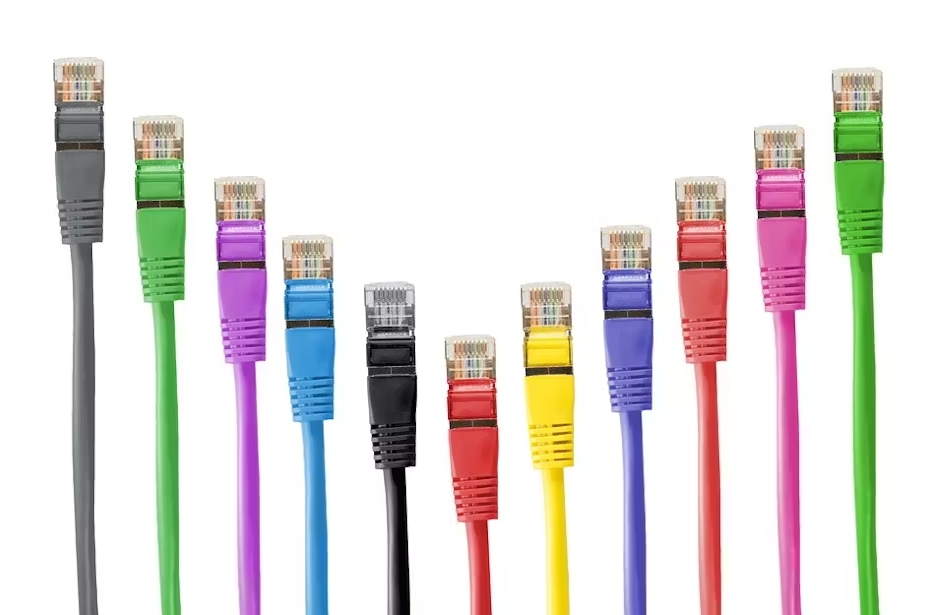
Cat5e (Category 5 Enhanced) Cable:
Speed and Bandwidth:
Supports speeds up to 1 Gbps (Gigabit Ethernet).
Bandwidth capacity of up to 100 MHz.
Suitable for most home and small business networks.
Performance:
Adequate for typical internet usage, including streaming, online gaming, and standard file transfers.
Reduced crosstalk compared to the original Cat5 due to improved specifications.
Cost:
Generally less expensive than Cat6 cable.
Good choice for budget-conscious installations.
Use Case:
Ideal for applications where high-speed internet and moderate data transfer rates are required.
Perfect for home networks and small offices without plans for immediate high-speed upgrades.
Cat6 (Category 6) Cable:
Speed and Bandwidth:
Supports speeds up to 10 Gbps over short distances (up to 55 meters or 180 feet).
Bandwidth capacity of up to 250 MHz.
Better performance for high-speed networks and more demanding applications.
Performance:
Improved performance with less crosstalk and interference due to tighter specifications and better shielding.
Capable of handling higher data transfer rates and more complex networking tasks.
Cost:
Typically more expensive than Cat5e cables.
Higher upfront investment but potentially more cost-effective in the long run due to future-proofing.
Use Case:
Suitable for environments with high data transfer needs, such as large offices, data centers, and places with advanced network infrastructure.
Good for future-proofing against higher speeds and more bandwidth-intensive applications.
Key Considerations:
Current and Future Network Needs:
Evaluate your current network demands and anticipated future growth.
If you expect to upgrade to higher internet speeds or implement more bandwidth-intensive applications, Cat6 is a better choice.
Distance and Installation:
For longer cable runs (up to 100 meters or 328 feet), Cat5e can handle Gigabit Ethernet efficiently.
For shorter distances or specific high-speed requirements, Cat6 provides superior performance.
Budget:
Assess your budget constraints. If the immediate cost is a significant concern, Cat5e may be the practical choice.
Consider long-term benefits and potential need for upgrades, which might justify the higher cost of Cat6.
Network Environment:
In environments with high levels of electromagnetic interference (EMI), Cat6 may offer better performance due to improved shielding.
For typical residential settings, Cat5e is usually sufficient.
Conclusion:
Choosing between Cat5e and Cat6 depends on your specific network requirements, budget, and future plans. Cat5e is a cost-effective solution for standard home and small office networks, while Cat6 is better suited for environments demanding higher speeds and more robust performance. If future-proofing your network and supporting advanced applications are priorities, investing in Cat6 is a wise decision.