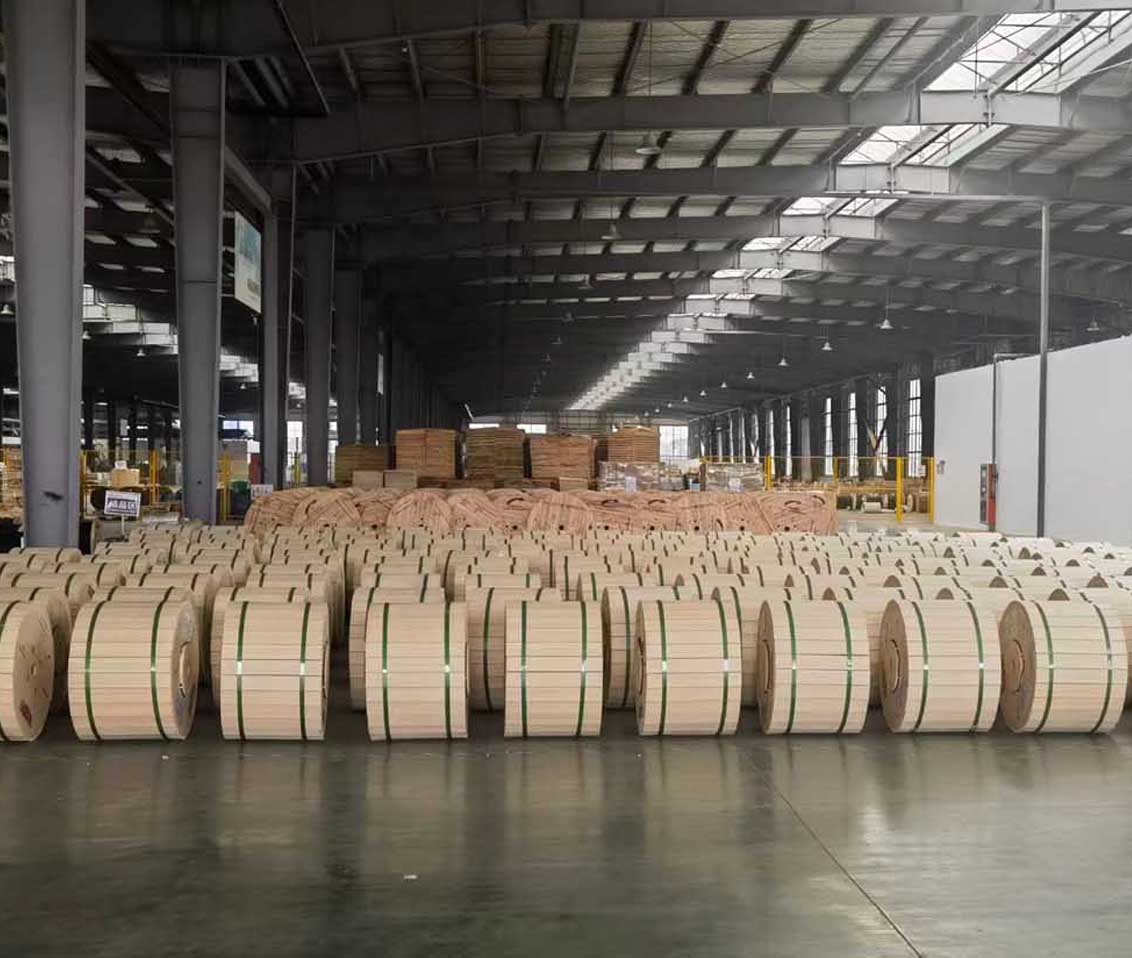
 Optical Fiber
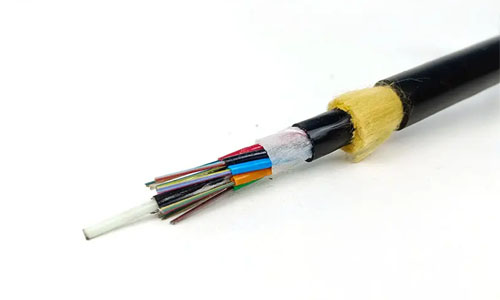 ADSS Fiber Optic Cable
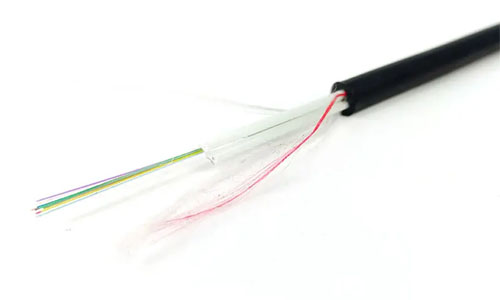 ASU Fiber Optic Cable
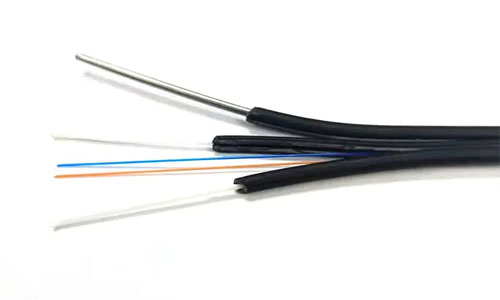 FTTH Fiber Optic Cable
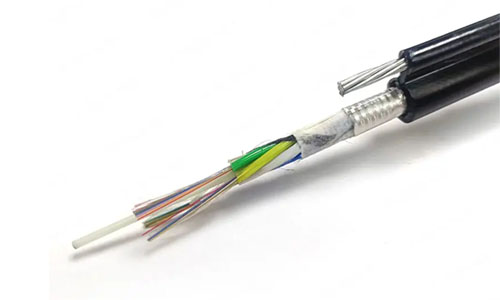 Figure 8 Fiber Optic Cable
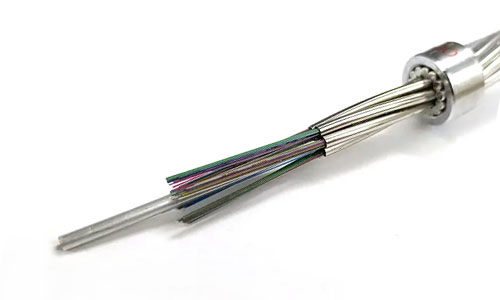 OPGW Fiber Optic Cable
 Coaxial Cable
 Ethernet Cable
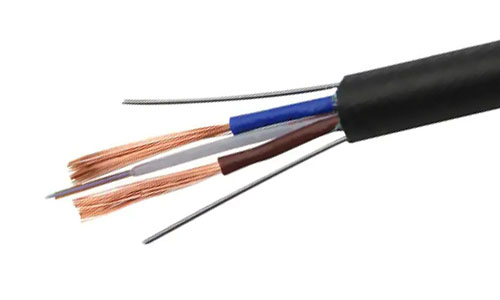 Photoelectric Composite Fiber Optic Cable
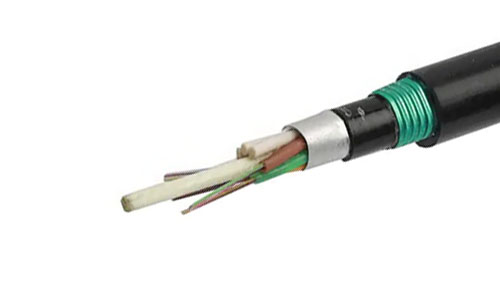 Underground & Pipeline Fiber Optic Cable
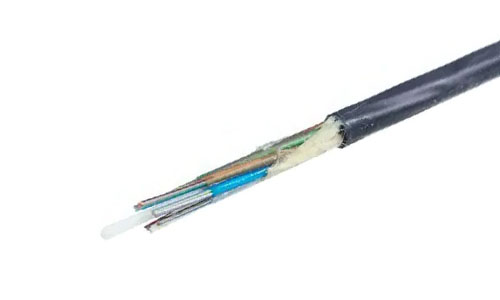 Air-Blown Micro Fiber Optic Cable
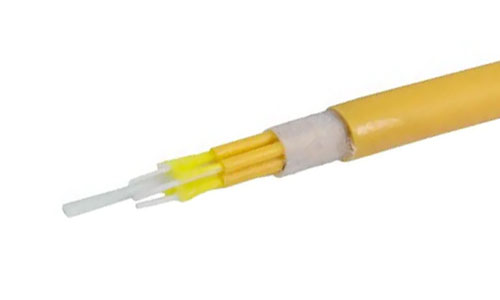 Indoor Fiber Optic Cable
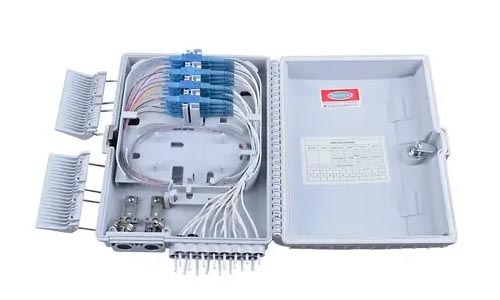 Fiber Optic Distribution Box
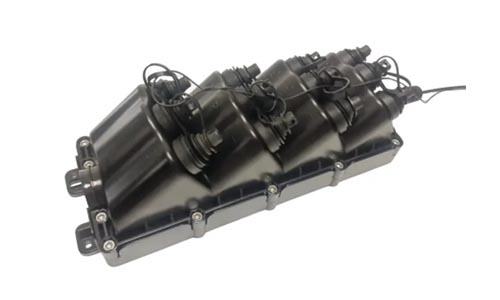 Multiport Service Termina Box
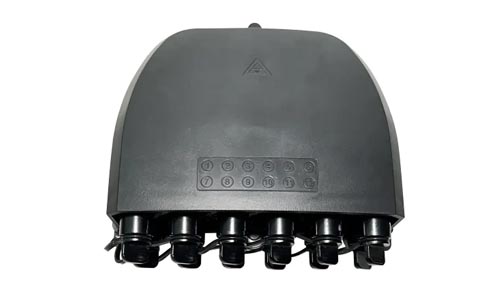 Fiber Optical Terminal Box
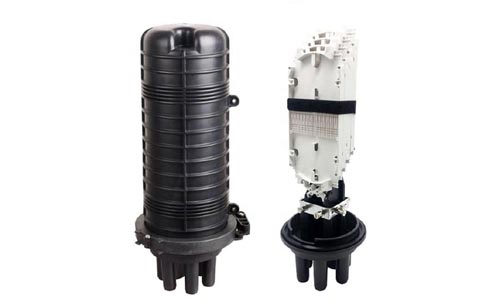 Fiber Optic Splice Closure
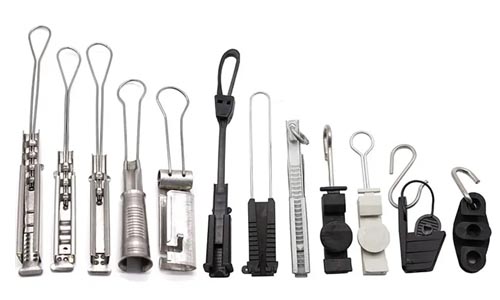 Fiber Optic Clamps
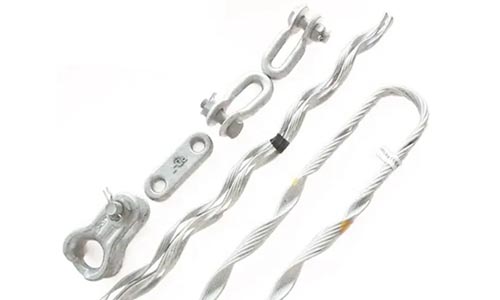 Fiber Optic Cable Fittings
 ADSS Fiber Cable
 ASU Fiber Cable
 OPGW Fiber Cable
 FTTH Fiber Cable
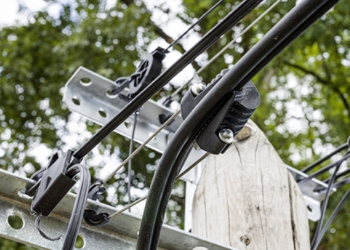 Figure 8 Fiber Cable
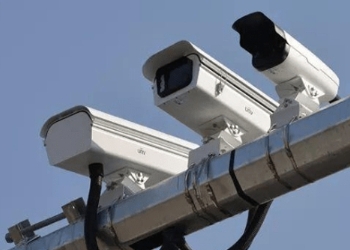 Photoelectric Composite Fiber Cable
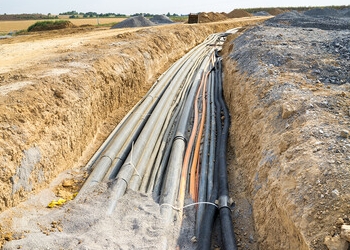 Underground & Pipeline Fiber Cable
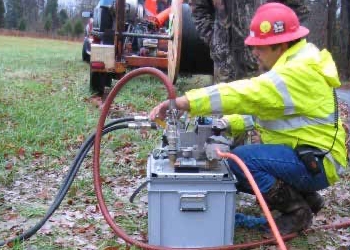 Air-Blown Micro Fiber Cable
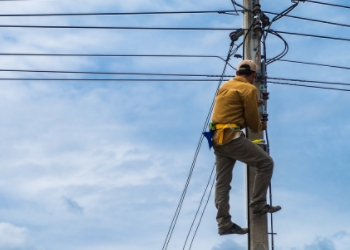 Aerial Fiber Cable
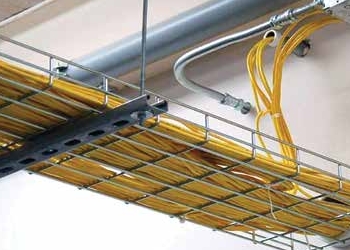 Indoor Fiber Cable
 Fiber Optical Terminal Box
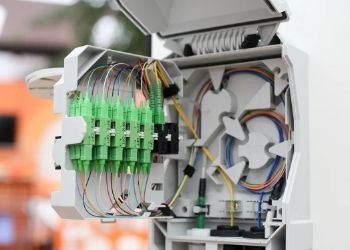 Fiber Optic Distribution Box
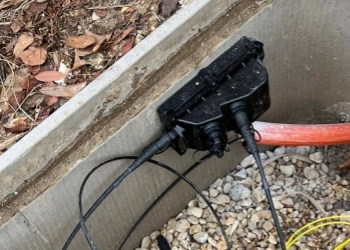 Multiport Service Termina Box
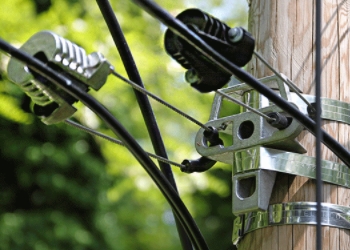 Fiber Optic Clamps
 About Us
 Our Team
 History
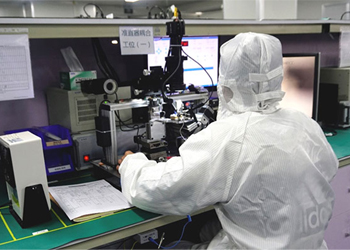 R&D Strength
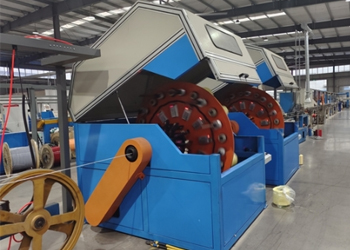 Production Base
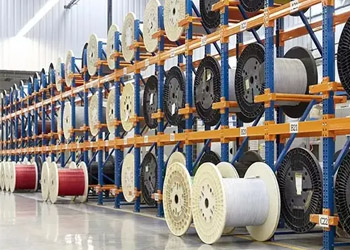 Warehouse & Logistics
 Quality
 FAQs
FAQsFiber Optic Cable Prices-Course Guide
Contact us for more sample,According to your needs, customize for you
inquiry nowFiber Optic Cable Prices-Course Guide
How much does fiber optic cable cost?
The cost of fiber optic cable varies based on several factors, including the type of fiber optic cable, its length, and the manufacturer. Generally, prices can range from a few dollars per meter for standard single-mode or multi-mode fiber optic cable to tens of dollars per meter for specialty cables or those with higher performance specifications.
For example, as of my last update, the cost of standard single-mode fiber optic cable typically ranges from $1 to $10 per km, while multi-mode fiber optic cable may range from $20 to $50 per km. However, these prices can fluctuate based on market conditions, demand, and specific requirements of the project.
It's essential to consider additional costs such as installation, connectors, termination, and other associated equipment when budgeting for a fiber optic installation project. Additionally, purchasing in bulk or through wholesale channels may offer cost savings. For accurate pricing, it's advisable to consult with fiber optic cable suppliers or distributors for current pricing information.

What to consider in fiber optic cable price?
When considering the price of fiber optic cable, several factors come into play. Here are some key considerations:
Type of Fiber Optic Cable: Fiber optic cables come in various types, including single-mode and multi-mode, each suited for different applications. Single-mode fiber is typically more expensive than multi-mode due to its higher performance and longer transmission distances.
Fiber Count: The number of fibers within the cable affects its price. Cables with a higher fiber count generally cost more than those with fewer fibers.
Performance Specifications: Cables with special performance specifications, such as enhanced bandwidth or durability, may come at a premium price compared to standard cables.
Length: The length of the cable needed for the installation impacts the overall cost. Longer cables will naturally cost more than shorter ones.
Quality and Manufacturer: The reputation and quality of the manufacturer can influence the price. Established brands may command higher prices due to their reliability and quality assurance.
Installation Requirements: Consider additional costs such as installation equipment, labor, connectors, terminations, and any specialized tools needed for the installation process.
Certifications and Standards Compliance: Cables that meet specific industry standards or certifications may be priced higher due to the additional testing and compliance requirements.
Warranty and Support: Some manufacturers offer warranties and support services, which may factor into the overall cost but can provide peace of mind and long-term value.
Market Conditions: Prices can fluctuate based on market demand, raw material costs, and other economic factors.
Bulk Purchases and Discounts: Purchasing larger quantities or through wholesale channels may offer volume discounts and cost savings.
Considering these factors can help you evaluate the overall value and suitability of fiber optic cable options for your specific project while ensuring that you get the best price-performance ratio.

Choose a correct fiber cable
Choosing the correct fiber optic cable depends on your specific requirements and application. Here are two common types of fiber optic cables:
Single-mode Fiber Optic Cable (OS1/OS2):
Application: Ideal for long-distance, high-bandwidth applications such as telecommunications, long-haul networking, and data centers.
Characteristics: Single-mode fiber has a smaller core diameter (typically 9 microns) compared to multi-mode fiber, allowing it to transmit light signals over longer distances with lower attenuation.
Advantages: Offers higher bandwidth and longer transmission distances compared to multi-mode fiber. Suitable for applications requiring high-speed data transmission over long distances.
Considerations: Generally more expensive than multi-mode fiber. Requires precise alignment of light signals, which can increase installation costs.
Multi-mode Fiber Optic Cable (OM1/OM2/OM3/OM4/OM5):
Application: Commonly used for short-distance applications within buildings, data centers, and local area networks (LANs).
Characteristics: Multi-mode fiber has a larger core diameter (typically 50 or 62.5 microns) compared to single-mode fiber, allowing multiple light modes to propagate through the fiber.
Advantages: Cost-effective solution for short to medium-distance transmission. Suitable for applications with lower bandwidth requirements.
Considerations: Offers lower bandwidth and shorter transmission distances compared to single-mode fiber. Limited scalability for long-distance applications.
Based on your specific needs, you can choose the appropriate fiber optic cable type. If you require high bandwidth and long-distance transmission, single-mode fiber optic cable would be suitable. For shorter distances and cost-effective solutions, multi-mode fiber optic cable may be more appropriate.

Buy from a fiber optic cable manufacturer
When looking to buy fiber optic cable directly from a manufacturer, consider the following steps:
Research Manufacturers: Start by researching reputable fiber optic cable manufacturers. Look for companies with a proven track record, certifications, and positive customer reviews.
Contact Manufacturers: Reach out to the manufacturers directly through their website, email, or phone. Provide details about your specific requirements, such as cable type (single-mode or multi-mode), fiber count, length, performance specifications, and any other relevant information.
Request a Quote: Request a detailed quote from each manufacturer, specifying the quantity of cable needed, delivery timeline, pricing, and any additional services or requirements. Be sure to inquire about discounts for bulk purchases or ongoing contracts.
Evaluate Pricing and Terms: Compare the quotes received from different manufacturers, considering factors such as pricing, quality, warranty, support, and payment terms. Choose the manufacturer that offers the best combination of value and reliability for your needs.
Ask for Samples or Specifications: If possible, request samples or detailed specifications of the fiber optic cable to ensure it meets your requirements in terms of performance, durability, and compatibility with your equipment.
Discuss Customization Options: If you have specific customization needs, such as custom cable lengths, connectors, or performance enhancements, discuss these with the manufacturer to determine if they can accommodate your requirements and any associated costs.
Negotiate Terms: Once you've selected a manufacturer, negotiate terms such as pricing, delivery schedule, payment terms, and any additional services or support needed.
Place the Order: After finalizing the terms, place the order with the chosen manufacturer, ensuring that all details are clearly documented in the purchase agreement or contract.
Follow Up and Communication: Maintain open communication with the manufacturer throughout the ordering process to address any questions, concerns, or updates. Confirm delivery schedules and track the progress of your order until it is successfully delivered.
By following these steps, you can effectively purchase fiber optic cable directly from a manufacturer while ensuring that you get the right product at the best possible price and terms for your project.