 Optical Fiber
 ADSS Fiber Optic Cable
 ASU Fiber Optic Cable
 FTTH Fiber Optic Cable
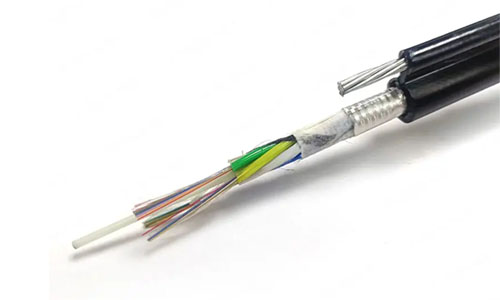 Figure 8 Fiber Optic Cable
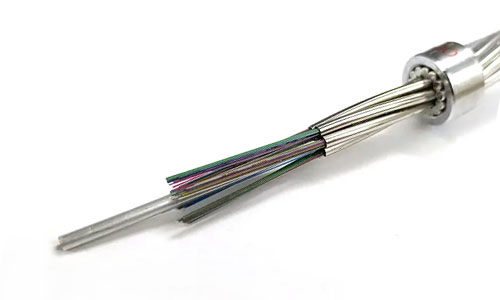 OPGW Fiber Optic Cable
 Coaxial Cable
 Ethernet Cable
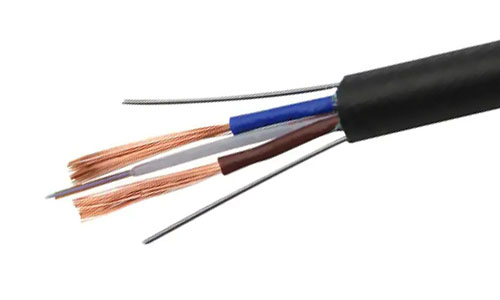 Photoelectric Composite Fiber Optic Cable
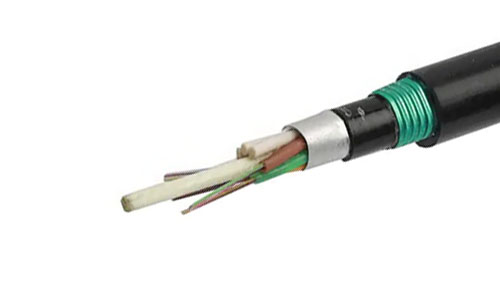 Underground & Pipeline Fiber Optic Cable
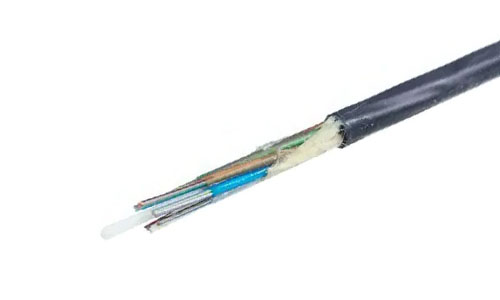 Air-Blown Micro Fiber Optic Cable
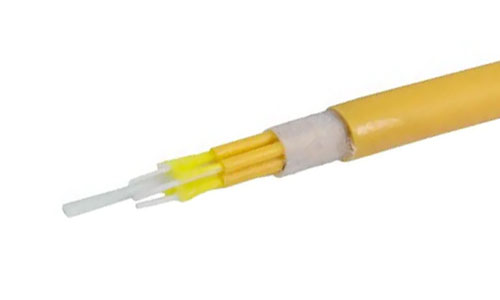 Indoor Fiber Optic Cable
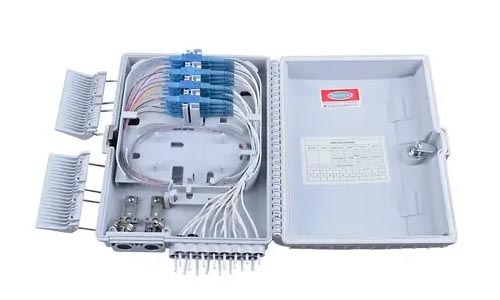 Fiber Optic Distribution Box
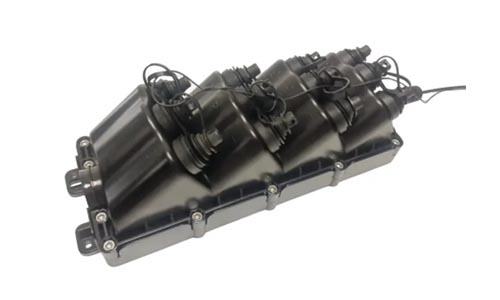 Multiport Service Termina Box
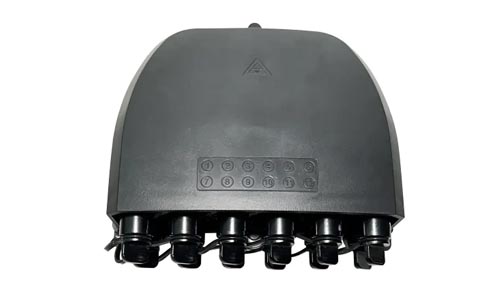 Fiber Optical Terminal Box
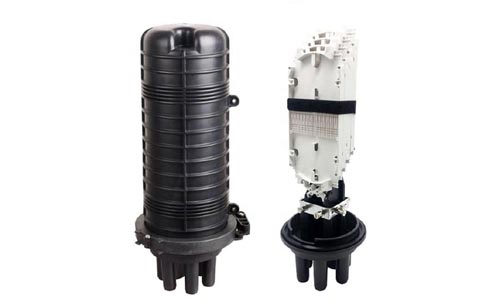 Fiber Optic Splice Closure
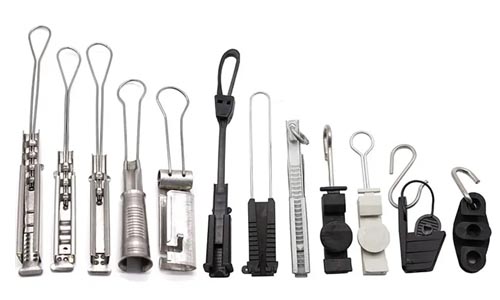 Fiber Optic Clamps
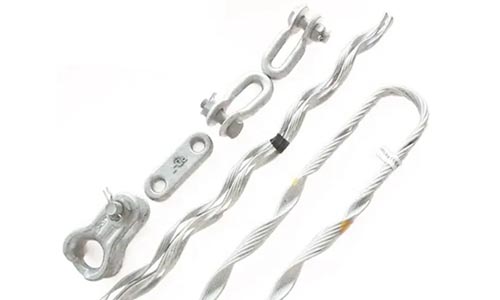 Fiber Optic Cable Fittings
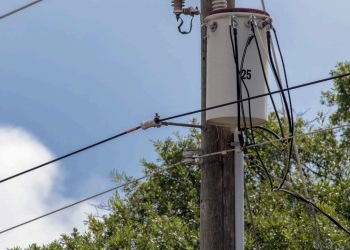 ADSS Fiber Cable
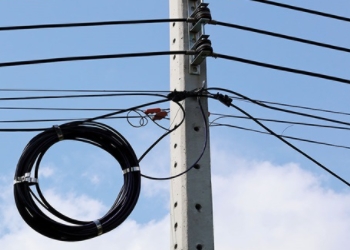 ASU Fiber Cable
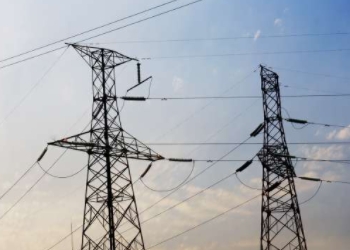 OPGW Fiber Cable
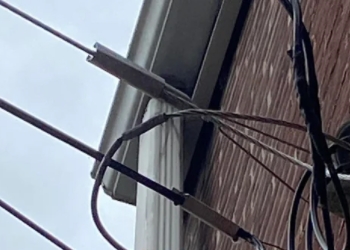 FTTH Fiber Cable
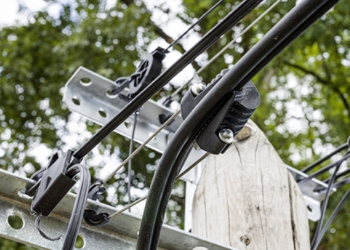 Figure 8 Fiber Cable
 Photoelectric Composite Fiber Cable
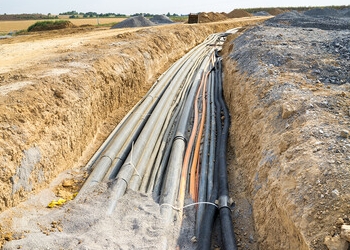 Underground & Pipeline Fiber Cable
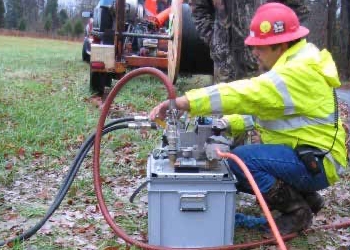 Air-Blown Micro Fiber Cable
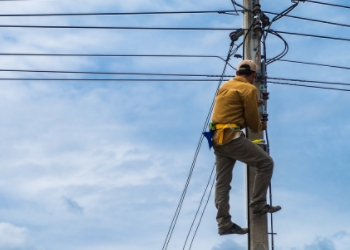 Aerial Fiber Cable
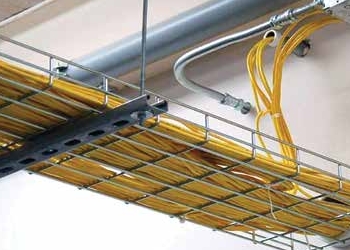 Indoor Fiber Cable
 Fiber Optical Terminal Box
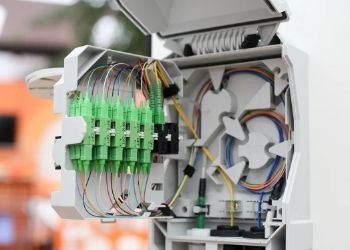 Fiber Optic Distribution Box
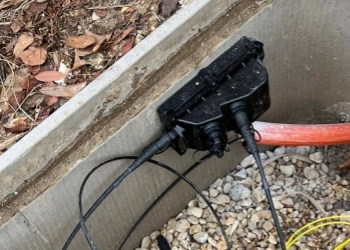 Multiport Service Termina Box
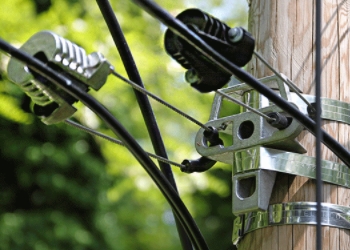 Fiber Optic Clamps
 About Us
 Our Team
 History
 R&D Strength
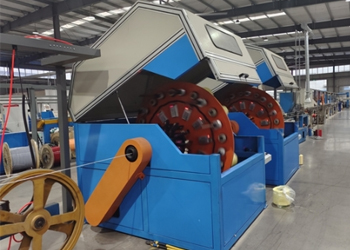 Production Base
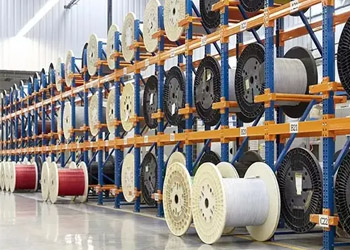 Warehouse & Logistics
 Quality
 FAQs
FAQsHow to Choose Aerial Fiber Optic Cable Types?
2026-08-03
Aerial fiber optic cables remain one of the most cost-effective outside plant (OSP) networking solutions worldwide. Instead of digging trenches for direct burial or installing underground duct routes, operators suspend fiber cables on utility poles, transmission towers, and building facades to deliver broadband, power grid communication, and private network connectivity. However, many engineers and procurement professionals face recurring challenges: picking the wrong aerial cable type leads to premature failure, excessive installation costs, signal attenuation, safety hazards near high-voltage power lines, and incompatible hardware.
Common pain points in real projects include:
- Confusion between ADSS, Figure-8, OPGW, ASU aerial cables and their suitable span lengths
- Incorrect selection of metallic vs all-dielectric cables for power line co-location
- Underestimating environmental loads: wind vibration, ice coating, UV radiation, bird damage
- Unclear differences between self-supporting aerial fiber and cables requiring separate messenger wires
- Poor total cost evaluation: comparing only unit price without installation, hardware, and maintenance expenses
- Mismatched fiber specifications (G.652D, G.657A2) and cable jacket materials for tropical, cold, or coastal areas
This guide systematically classifies all mainstream aerial fiber optic cable types, explains internal structures, pros and cons, typical deployment scenarios, and critical selection criteria. Whether you are planning FTTH last-mile rollout, power utility communication upgrade, rural backbone construction, or temporary aerial fiber deployment, this article helps you eliminate costly selection mistakes.

1. Main Classification Standard for Aerial Fiber Optic Cables
Industry professionals categorize aerial fiber optic cables primarily by load-bearing structure, which directly determines installation method and application boundary:
- Self-supporting aerial fiber optic cable (no extra messenger wire required)
- ADSS (All-Dielectric Self-Supporting) Cable
- Figure-8 Self-Supporting Aerial Cable (GYTC8S / GYXTC8S)
- ASU Mini Self-Supporting Aerial Fiber Cable
- FTTH aerial drop cable
- OPGW Optical Fiber Composite Overhead Ground Wire
- Messenger-supported aerial fiber optic cable (requires independent steel messenger wire)
- Conventional loose-tube aerial cable (GYTA/GYTS) hung on external steel strand
Each category solves distinct engineering demands, and cross-use will significantly shorten service life. Below is a detailed breakdown of every mainstream type.
2. Self-Supporting Aerial Fiber Optic Cable (Most Widely Adopted)
Self-supporting aerial fiber cables integrate tensile strength components inside the cable structure. They can withstand cable weight, wind and ice loads directly after suspension, removing the need to purchase and install separate messenger steel strands. This reduces construction time, material costs, and tower hardware loads.
2.1 ADSS All-Dielectric Self-Supporting Fiber Optic Cable
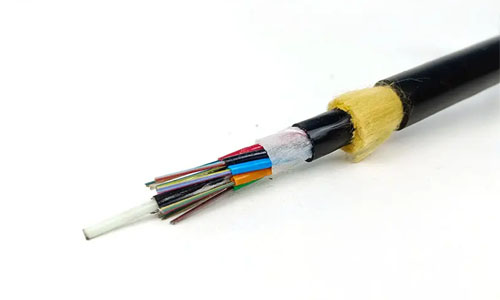
ADSS stands for All-Dielectric Self-Supporting optical fiber cable. As the most popular aerial cable for power grid communication, its core characteristic is zero metallic components. Tensile load is borne by high-strength aramid yarn surrounding the loose tube fiber core. The outer layer adopts UV-resistant HDPE jacket.
Structure Composition
Central strength member (FRP non-metal rod) → Jelly-filled loose tubes (single-mode G.652D/G.657A2) → Water-blocking tape → Aramid yarn reinforcement layer → HDPE outer sheath (single jacket / double jacket)
Key Advantages
- Fully insulated, no induction current risk; safe to deploy alongside high-voltage transmission lines (35kV–500kV)
- Lightweight structure, suitable for long span installation (50m – 500m)
- Can be installed on existing power towers without power outage, ideal for old power line reconstruction
- Strong resistance to electromagnetic interference (EMI)
Limitations
- Higher raw material cost than Figure-8 cables
- Must calculate electric field distribution on transmission routes to avoid sheath corrosion under high voltage
- Double-jacket version required for heavy ice and wind load zones
Typical Application Scenarios
Power utility communication networks, substation interconnection, overhead lines parallel with high-voltage cables, river-crossing and valley-crossing long-span aerial routes, smart grid SCADA communication.
2.2 Figure-8 Self-Supporting Aerial Fiber Cable (GYTC8S / GYXTC8S)
Figure-8 cable gets its name from its vertical cross-section shaped like number “8”. The upper circle is integrated galvanized steel messenger wire, and the lower circle contains the fiber optic core. Two parts are wrapped within one continuous PE sheath. It is also called integrated messenger aerial cable.
Structure Composition
Integrated steel messenger strand + Loose tube fiber core + Water blocking system + HDPE outer jacket
Key Advantages
- Integrated design simplifies transportation and installation; workers only pull one cable during deployment
- Stable mechanical performance for medium and short spans (30m – 200m)
- Lower unit price than ADSS cables; mature supply chain for telecom FTTH projects
- Steel messenger delivers stable tensile force under ordinary weather conditions
Limitations
- Contains metal steel wire, cannot be used near high-voltage power lines; easily generates induced voltage
- Heavy weight; not suitable for spans exceeding 200 meters
- Steel wire may corrode rapidly in coastal salt-spray environments without anti-corrosion treatment
Typical Application Scenarios
Urban telecom pole overhead lines, FTTH rural access networks, campus communication aerial wiring, low-voltage distribution line communication routes, projects without high electromagnetic interference.
2.3 ASU Mini ADSS Aerial Fiber Cable
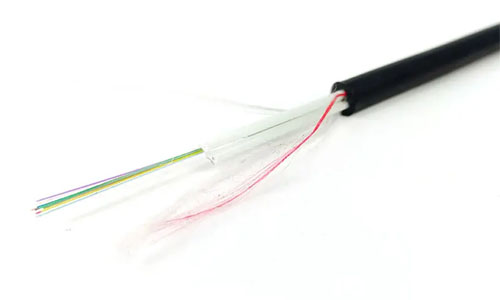
ASU cable, also known as mini self-supporting aerial fiber, is a compact lightweight derivative of standard ADSS. It removes redundant structural layers, retains FRP central strength member and thin aramid yarn reinforcement. Fiber count is generally limited to 2–24 cores.
Key Advantages
- Ultra-light, small outer diameter, easy manual pulling
- Low installation hardware load, suitable for lightweight utility poles
- All-dielectric construction, anti-EMI performance preserved
Limitations
Only applicable for short spans ≤100m; cannot withstand heavy ice and strong wind loads
Typical Application Scenarios
FTTH last-mile aerial drop replacement, community short-distance overhead networking, temporary event communication links.
2.4 OPGW Optical Fiber Composite Overhead Ground Wire
OPGW is a special aerial cable exclusively used on new high-voltage transmission towers. It replaces traditional metal overhead ground wire. Inside the stranded aluminum-clad steel wire structure, stainless steel tubes accommodate optical fibers. It fulfills two functions: lightning shielding for power lines and optical signal transmission.
Key Advantages
- Dual function: lightning protection + communication transmission
- Long service life matching power transmission lines (25–30 years)
- Suitable for ultra-high voltage new-built power backbone routes
Limitations
- Must be installed synchronously during power line construction; cannot be retrofitted on finished towers
- Installation requires power cut; high construction cost
- Complex design calculation for wind, ice and short-circuit thermal load
Typical Application Scenarios
Newly constructed 220kV, 500kV, 750kV high-voltage & ultra-high voltage transmission trunk lines.
2.5 FTTH Aerial Drop Cable
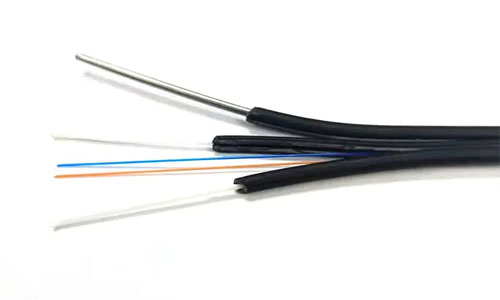
Aerial drop cables are subscriber-level overhead fiber cables, mainly single-core or dual-core bend-insensitive G.657A2 fiber, reinforced with two parallel FRP rods. They serve the final connection from utility pole to residential buildings.
Key Advantages
High flexibility, easy stripping, low bending loss, convenient indoor & outdoor transition
Limitations
Extremely short span capacity; only for vertical drop or pole-to-building short distance
Typical Application Scenarios
FTTH home access, building aerial fiber entry points.
3. Messenger-Supported Aerial Fiber Optic Cable
Standard outdoor loose tube cables GYTA (aluminum tape armored) and GYTS (steel tape armored) do not have built-in tensile components. When deployed aerially, operators must hang the cable below an independent pre-installed steel messenger strand.
Key Advantages
Maximum flexibility: same cable can switch between duct, direct burial and aerial deployment Low inventory pressure for network contractors
Limitations
Double installation workload: lay messenger wire first, then fix fiber cable with suspension clamps High overall labor cost; multiple hanging points increase wind vibration risk
Typical Application Scenarios
Short-distance aerial sections integrated into mixed network routes, small-scale temporary communication projects.
4. Critical Comparison Table of Main Aerial Fiber Cable Types
| Cable Type | Self-Supporting | Metallic Component | Usual Span Limit | Can deploy near HV power lines | Best Fit Project |
|---|---|---|---|---|---|
| ADSS | Yes | No | 50–500m | Recommended | Power grid communication, long span overhead |
| Figure-8 (GYTC8S) | Yes | Yes (integrated steel messenger) | ≤200m | Not allowed | Telecom FTTH, urban ordinary poles |
| ASU Mini ADSS | Yes | No | ≤100m | Short-distance last-mile access | |
| OPGW | Yes | Yes (composite ground wire) | 80–400m | New power line construction | New high-voltage transmission trunk |
| Messenger-supported GYTA/GYTS | No | Optional armor | ≤100m | Depends on armor | Mixed duct & aerial hybrid routes |
| FTTH Aerial Drop | Yes | No | ≤80m | Limited | Home user fiber access |
5.Aerial Fiber Optic Cable Selection Guidelines
After analyzing thousands of OSP engineering cases, we summarize the most frequent mistakes and corresponding solutions to help readers avoid project failure.
1: Choose Figure-8 cable for routes parallel to high voltage power lines
Risk: The built-in steel messenger generates induced voltage, causing electric shock hazards and accelerating sheath aging. Solution: Any aerial route within 10 meters of 35kV and above power lines must select all-dielectric ADSS cable, never Figure-8 cable.
2: Select standard ADSS for heavy ice & strong wind regions without technical calculation
Risk: Cable tensile strength insufficient under ice coating, leading to broken fiber and line outage. Solution: Submit span length, wind speed, ice thickness data to cable manufacturers. Order customized rated tensile strength (RTS) ADSS and choose double HDPE jacket structure.
3: Confuse OPGW and ADSS for power grid renovation
Risk: Procuring OPGW for existing power towers; impossible to install without full line power outage. Solution: New power transmission line construction → OPGW. Existing power line communication upgrade → ADSS.
4: Blindly pursue low unit price and ignore jacket material adaptation
Risk: Ordinary PE sheath quickly cracks under strong UV radiation in tropical regions; salt fog corrosion in coastal areas. Solution: Coastal projects select anti-salt HDPE sheath; desert/tropical areas adopt UV-stabilized black polyethylene jacket.
5: Mismatch span specification and cable design
Many buyers order general ADSS designed for 100m span for 300m crossing routes. Permanent extra tension causes hidden fiber breakage risks that only appear after 2–3 years. Always confirm design span before issuing purchase orders.
6. Frequently Asked Questions
Q1: What is the difference between ADSS and Figure 8 aerial fiber cable?
ADSS is all-dielectric without metal, suitable for power line corridors and long spans. Figure-8 cable contains integrated steel messenger, low cost for telecom access networks, strictly forbidden near high voltage power facilities.
Q2: Can I use GYTS cable for aerial installation directly?
GYTS cannot be self-supported aerially. If aerial deployment is required, you must install separate steel messenger wire with matched suspension hardware.
Q3: Which aerial fiber cable type is best for FTTH rural projects?
For rural poles without nearby high voltage: Figure-8 GYTC8S. If power lines run along the same route: ASU mini ADSS or standard short-span ADSS.
Q4: What fiber types are used inside aerial fiber optic cables?
Most long-distance aerial backbones adopt G.652D singlemode fiber. Last-mile aerial access prefers bend-insensitive G.657A2 fiber to reduce bending loss during installation.
Q5: What service life can I expect from aerial fiber optic cables?
Standard HDPE sheath aerial cables achieve 20–25 years service life under normal environment. Double-jacket ADSS in harsh climate zones can reach 25–30 years with proper hardware matching.
7. Conclusion
Understanding different aerial fiber optic cable types is the foundation of reliable outside plant network design. There is no universal “best aerial cable”; the optimal solution depends on span length, electromagnetic environment, new construction vs renovation, local climate conditions, and long-term operation budget.
- Long-span power grid parallel route → ADSS
- New high voltage power trunk construction → OPGW
- Ordinary urban and rural telecom poles without high voltage interference → Figure-8 self-supporting cable
- Short-distance last-mile fiber access → ASU mini ADSS or aerial drop cable
- Hybrid duct and short aerial segments → messenger-supported GYTA/GYTS
When planning your next aerial fiber project, prioritize engineering parameters (span, ice load, wind speed, nearby voltage level) over simple unit price comparison. Proper cable selection reduces maintenance costs, avoids unexpected network outages, and maximizes the return on your fiber infrastructure investment.