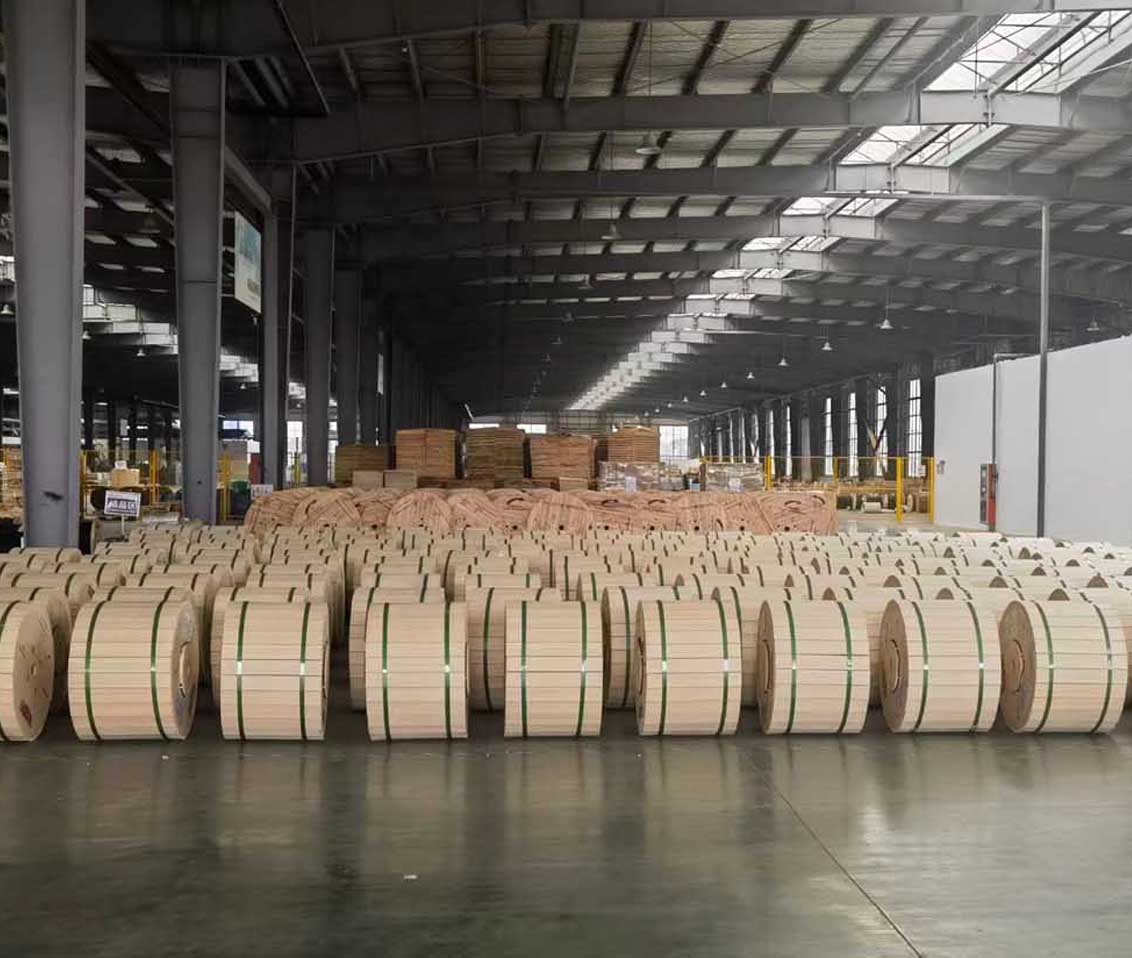
 Optical Fiber
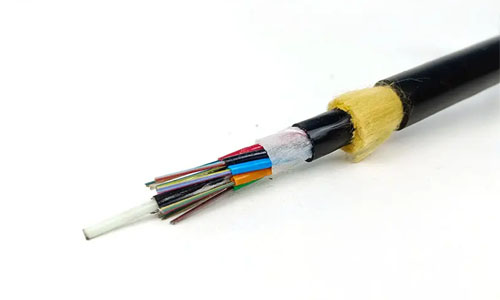 ADSS Fiber Optic Cable
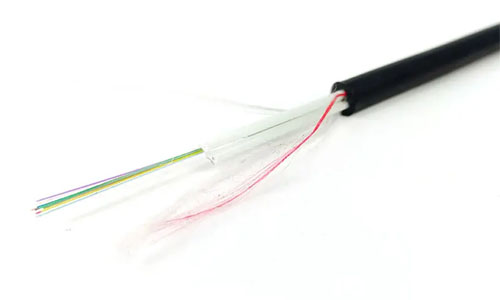 ASU Fiber Optic Cable
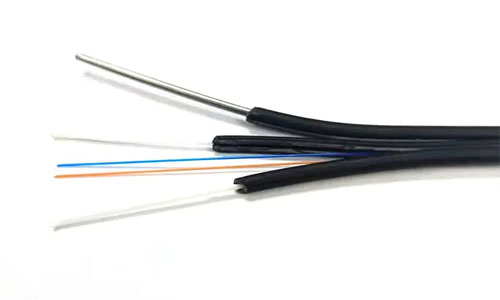 FTTH Fiber Optic Cable
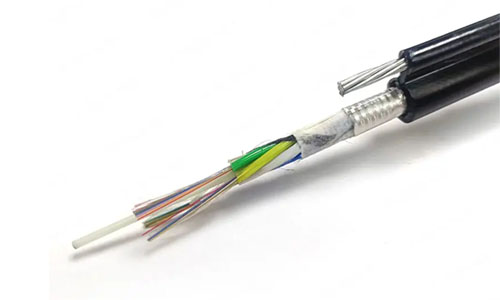 Figure 8 Fiber Optic Cable
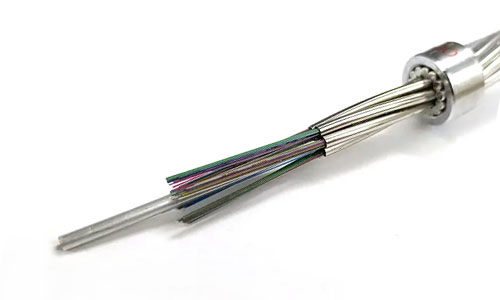 OPGW Fiber Optic Cable
 Coaxial Cable
 Ethernet Cable
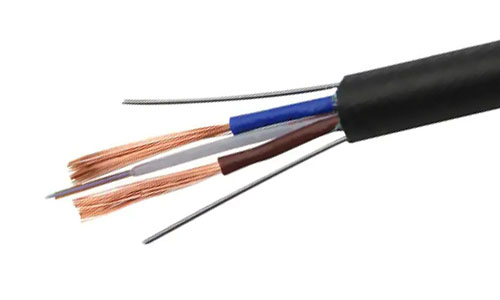 Photoelectric Composite Fiber Optic Cable
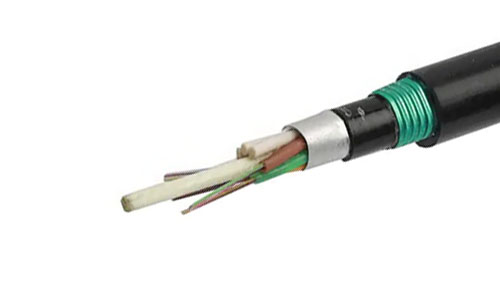 Underground & Pipeline Fiber Optic Cable
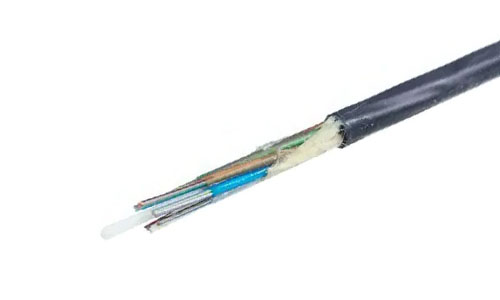 Air-Blown Micro Fiber Optic Cable
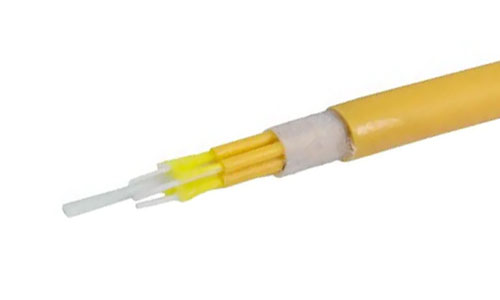 Indoor Fiber Optic Cable
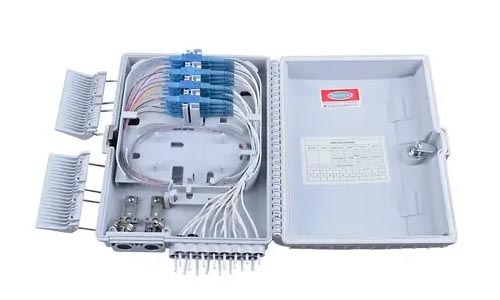 Fiber Optic Distribution Box
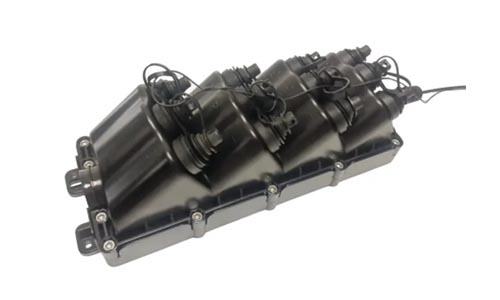 Multiport Service Termina Box
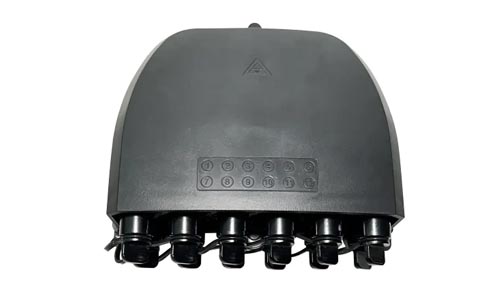 Fiber Optical Terminal Box
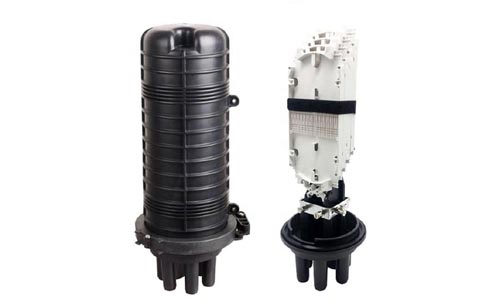 Fiber Optic Splice Closure
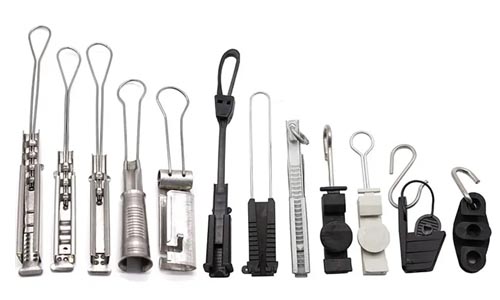 Fiber Optic Clamps
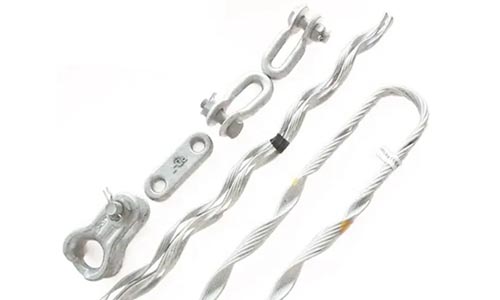 Fiber Optic Cable Fittings
 ADSS Fiber Cable
 ASU Fiber Cable
 OPGW Fiber Cable
 FTTH Fiber Cable
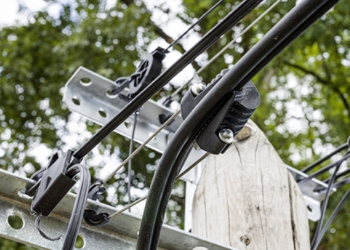 Figure 8 Fiber Cable
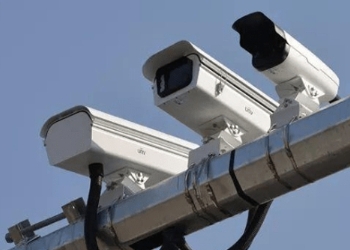 Photoelectric Composite Fiber Cable
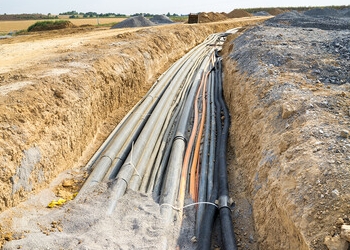 Underground & Pipeline Fiber Cable
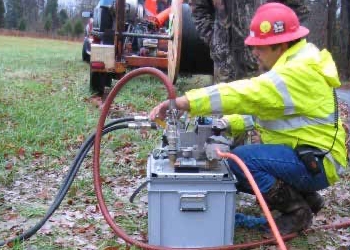 Air-Blown Micro Fiber Cable
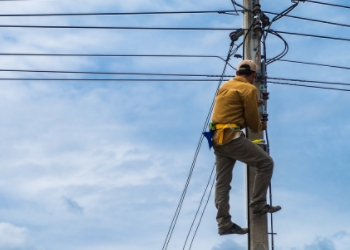 Aerial Fiber Cable
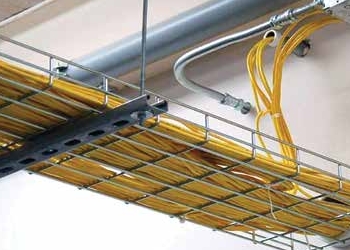 Indoor Fiber Cable
 Fiber Optical Terminal Box
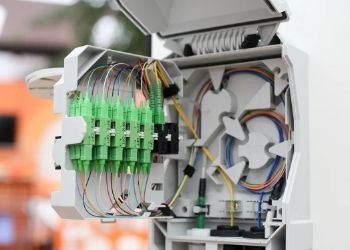 Fiber Optic Distribution Box
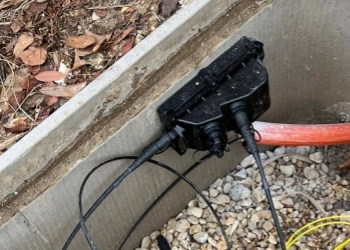 Multiport Service Termina Box
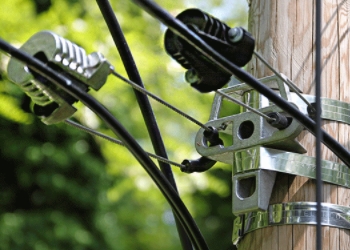 Fiber Optic Clamps
 About Us
 Our Team
 History
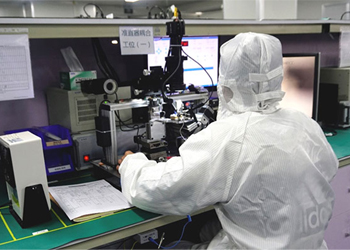 R&D Strength
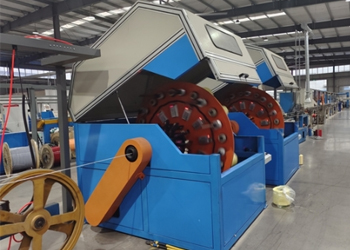 Production Base
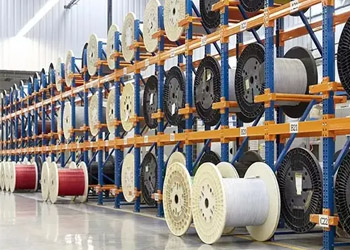 Warehouse & Logistics
 Quality
 FAQs
FAQsONU vs Router vs Switch: Understanding Their Roles in Fiber Networks
Contact for Free Quotation & Sample, According to your needs, customize for you.
inquiry nowONU vs Router vs Switch: Understanding Their Roles in Fiber Networks
ONU, or Optical Network Unit, converts fiber signals into data devices can utilize at home or office. Routers transmit data across networks and assist devices in sharing the identical internet connection. Switches connect multiple devices on a local network, enabling them to communicate efficiently and securely. Each device stands out with its own job: ONUs connect to fiber lines, routers guide internet traffic, and switches join many devices in one spot. To make smart decisions for a network, it helps to know what each does best. The following section will explain the primary distinctions and applications for each device.

Decoding Each Device
Fiber network devices could appear to be similar, however, each function is very distinct. Understanding what each device does will help you maximize your home or business network. Here’s a quick look at what makes each device matter in a fiber optic setup:
-
ONU: Connects your home or office to the fiber optic network and changes light signals into digital signals for your devices.
-
Router: Directs data between your local network and the internet, sorts out traffic, and keeps your network safe.
-
Switch: Links many devices in your local network, sending data where it needs to go inside your space.
The ONU
The ONU (Optical Network Unit) is at the center of every fiber-to-the-home arrangement. Its job is to act as a go-between between your devices and the expansive optical network beyond. This box receives high-speed light signals from the fiber line and converts them into digital signals your computers, phones, and smart TVs can use. Without the ONU, none of your internet-ready devices would be able to communicate with the fiber network.
ONUs tend to be port-rich—some are Ethernet only, others supplement with voice or TV interfaces. In most PON, every home or business has its individual ONU. This permits providers to deliver quick, consistent access to multiple users simultaneously. ONUs are fundamental to providing robust, reliable connections fiber builds, whether a high-rise or single-family home.
The Router
A router is the network’s central traffic officer. It encodes the information coming in from the ONU and determines which device gets what. Routers operate at Layer 3, routing data based on IP addresses and directing each packet to its destination, be it your laptop or phone.
There’s a lot of router types. The prevalent ones in residences are Wi-Fi routers, allowing you to roam freely. In offices, you’ll see wired routers that process much more traffic. Routers are capable of much more than forwarding. They assist in protecting your network with firewalls and can obfuscate your devices from external threats with NAT. Routing protocols within these devices assist in maintaining your network efficient and stable by consistently selecting the optimal path for your data.
The Switch
A switch connects all your devices—laptops, printers, smart home hubs—within your internal network. It relies on Ethernet cables the majority of the time, although certain high-end switches provide wireless alternatives.
There are two main kinds: unmanaged switches, which you just plug in and use, and managed switches, which let you control traffic, set priorities, or even split your network into parts. Switches operate at Layer 2, although certain managed varieties extend to Layer 3 for tasks such as routing between VLANs. By transmitting data solely to the device intended to receive it, switches assist in preventing congestion and ensuring that every device obtains the required bandwidth. More ports let you plug in more devices without breezing things down.

Key Differences: ONU vs Router vs Switch
Fiber networks utilize a combination of devices—ONU, router, and switch—to transport data to its destination. They each have a distinct role, operate at different network layers, and influence the way users connect and remain protected. Here’s a quick look at how they stack up:
| Device | Core Function | OSI Layer | Main Role in Network | Security Features |
|---|---|---|---|---|
| ONU | Connects users to fiber | Layer 1 & 2 | Signal conversion, bridge | Limited, basic isolation |
| Router | Directs internet traffic | Layer 3 | Packet routing, manages IP | Firewalls, NAT, VPN |
| Switch | Links LAN devices | Layer 2 (sometimes 3) | Local data switching | VLAN, port-based controls |
1. Core Function
ONUs are essentially the handshake between your home or office and the provider’s fiber line. Their primary role is converting fiber light signals into something common devices—such as laptops or phones—can utilize. Certain ONUs also carry Wi-Fi, voice, or TV signals.
Routers do the heavy lifting of routing traffic between your local devices and the outside world. They employ IP addresses, determine where each data packet needs to be sent and maintain everything efficiently, even with multiple devices connected at a time.
Switches, on the other hand, are the silent beasts in the back. They connect multiple devices within the same local network—imagine printers, PCs, and cameras at a company. Switches don’t manage external traffic—they maintain speed and smoothness of traffic within your walls.
All together, these guys form a network that can extend to the internet, keep local devices unified, and connect the world between copper and fiber.
2. Network Layer
ONUs primarily operate at the physical and data link layers, performing signal conversion and basic bridging functions.
Routers reside at the network layer, where they determine packet routing, handle IP addresses, and separate external and internal networks.
Switches operate at the data link layer, but some can perform rudimentary routing between VLANs at Layer 3. That is, switches are crucial for rapid local device-to-device communications.
Each layer has a function. ONUs are concerned with transmitting signals, routers distribute data between networks, and switches optimize local communication.
3. Traffic Handling
ONUs convert optical signals to electrical ones so your devices can interpret them. They don’t prioritize traffic or allocate bandwidth, they simply forward it.
Routers differentiate themselves by handling traffic in both directions. They direct traffic, select the optimal route, and act to prevent bottlenecks, particularly when many users are online.
Switches take care of all the jibber jabber between local devices. They eliminate latencies, route data to the correct destinations, and ensure your printers, PCs and phones can all communicate quickly.
Routers deal with the high-level view. Switches and ONUs keep the local traffic clean and fast.
4. Security Role
Routers employ firewalls, NAT and VPN to secure networks.
ONUs and switches have minimal or no inherent security.
Switches can configure VLANs and lock ports down for security.
Security counts most at the router, less so for switches and ONUs.
5. Physical Placement
ONUs are located at the fiber terminus, often close to the cable entry point.
Routers live where they can access every user—typically centrally in a home or office.
Switches usually live in network hubs or wiring closets.
Where you place them affects your network performance.

How They Work Together
A well-oiled fiber network combines the power of the ONU, router, and switch to deliver data from the provider to your screens. All of the devices have their individual role, translating signals, directing the flow, making sure every bit arrives safe and sound. This collaboration is what delivers high-speed, reliable internet to homes and businesses globally.
The Data Journey
Data begins its journey as light pulses coursing through the fiber line. The ONU, located on the edge of the user’s premise, receives these pulses and converts them into electrical signals. This is similar to a decoder converting from one language to another, so your local network can ‘understand’ what the fiber is saying.
Once converted, the router takes over. It’s the intelligence of the arrangement, steering data through webs. As the router examines each packet, considering where it has to get to, it consults its routing table to select the most efficient path. Some routers can filter traffic and run security services, ensuring only the appropriate data passes through.
The switch follows. Hooked to the router, it controls devices on your LAN–printers, workstations or IP phones, for example. A Layer 2 switch keeps it local, transferring data within one segment. If you have a larger configuration, a Layer 3 switch can even route between different VLANs. They all work together to deliver you fast, secure online access without lag or hassle. The path from luminosity to gadget is fluid, transforming the intricate technosystem into the effortless quotidian implement.
Integrated Devices
Integrated devices – i.e. ONT-modem-router combos – are a game-changer for many users. These self-contained units with both used to be separate boxes–now, setup is a breeze. For home users it translates to less cables, less clutter and easy plug-and-play installation.
The big victory here is ease. You don’t have to figure out which cable plugs in where or fret over matching features between brands. As usual, though, trade-offs. An all-in-one box is convenient, but restricts you from adjusting the settings or updating individual components. If you lust for complete control or best-in-class performance, discrete units might still reign supreme.
Fit is important as well. Not all combo devices work with all fiber services or support advanced features such as VLANs or custom routing rules. Always review what your provider suggests and what your network requires before purchasing.
Choosing Your Device
Your device for your fiber network is all about understanding what you desire from your internet, the number of users or devices you’ll likely have on. Below is a checklist to help guide your decision:
-
Verify compatibility with your ISP and fiber type (GPON, EPON)
-
Take into consideration how many wired and wireless devise you intend to plug in.
-
Determine whether you want Wi-Fi built in, or a separate router.
-
Look for at least 4 LAN ports for flexibility.
-
Check out features such as QoS for buffer-free streaming or VPN for secure remote working.
-
Consider wireless standards—favor 802.11ac or Wi-Fi 6 (802.11ax) support over 1200 Mbps.
-
The number of antennas is important (3-4 is typical), but signal coverage is influenced by the chip.
-
Think ahead—save space for more devices or faster speeds.
-
Mix and match: ONU + Router, or add a Switch if needed.
Home Networks
-
For the majority of homes, a Wi-Fi router with plug-and-play setup is a best fit.
-
Select a router with a minimum of 4 LAN ports for smart TVs, game consoles or desktop PCs.
-
If you’re loaded up with devices, a switch can keep wired connections solid and speedy.
-
Scan for Wi-Fi 6 support for improved speeds and coverage.
-
With streaming, gaming, and remote work all pushing your network—QoS can help keep things smooth.
-
Think about if you desire ONU Wi-Fi or a different router. ONU Wi-Fi provides an all in one solution, but individual devices provide more control.
A device-heavy family—laptops, phones, streaming boxes—needs a router with strong antennas and a chip that maintains speeds when everyone’s online. For smart homes with lots of wires and wired needs, extending a switch can make life easier by distributing the connections.
Small Businesses
A small business requires a powerful router to support numerous users and high traffic. Switches support printers, VoIP phones, and shared storage, so you can easily share files and communicate.
ONUs are crucial when you crave a fiber connection that won’t falter. They serve as the connection to your ISP and are combinable with routers or switches. Consider growth—select devices that provide you with additional users and faster speeds as your business grows.
Scalability counts. Select devices that allow you to expand with additional LAN ports, wireless access points, or faster speeds as your requirements increase. Things such as VPN and QoS are worth it for secure and efficient business operations.
Campus Networks
Campus networks are tricky, spanning across multiple buildings and hundreds of devices. Enterprise-grade routers are a necessity to handle traffic loads and keep the users connected.
Switches tie labs, offices and classrooms together, connecting everything from computers to access points. ONUs deliver high-speed, reliable fiber connectivity to every building or department, keeping students and faculty connected.
Don’t skimp on security features. Search for switches and routers with powerful firewalls and management controls and monitoring tools to keep the network operating secure and easy.
Campus network lives on planning. Select your gear such that it expands as your need evolution without having to re-buy it all.

Performance and Scalability
Performance and scalability define the robustness of any fiber network. They determine how the network performs under increasing numbers of users, increasing amounts of data, and growth over time. Speed, latency, upgrade options and bandwidth management are just some of the key factors that can keep your connected devices running smoothly.
-
ONUs provide that last stretch of fiber links, thus their speed and reliability impacts end user experience. Routers direct and divide traffic, contributing to keeping everyone online quick and smooth. Switches shuttle data between local devices—some allow you to prioritize traffic for more control. Bandwidth management is a necessity for dense or heavy-use networks. Scalability depends on being able to add users or devices without slowdowns, so protocols like LACP matter. Evaluating immediate and future needs ensures you pick the right device to back your long-term plans.
Speed Metrics
ONUs are the intermediary between the fiber line and the residence or business, and typically handle speeds of anywhere from 1 Gbps to 10 Gbps or more, depending on the fiber plan. Routers need to keep up, too, particularly as homes and offices continue to load up on gadgets—cutting-edge routers now boast 25G or even 100G links, guaranteeing no congestion. Switches shine in local speed: Layer 3 switches, for example, can route traffic internally instead of sending it all to the router, which cuts down on wait times. Speed metrics, such as throughput and port speed, indicate the real-world performance users will experience on a daily basis.
Latency Impact
Low latency keeps online games smooth and video calls clear. ONUs can introduce some latency if poorly matched with the fiber network, for most users the variance is minimal. Routers are more important for maintaining low latency since they determine where each packet is sent and at what speed. Switches employ techniques such as cut-through switching to reduce latency. Store-and-forward switching sacrifices some speed in favor of data integrity. In congested networks, each millisecond matters, particularly for real-time teams or remote students.
Upgrade Paths
The technology race continues on, fast. ONUs might require swaps as fiber speeds increase. Scalable routers, with modular ports and support for new standards, future-proof the network. Switches that support more protocols and speeds can scale with a business or school. Being on the lookout for 5G-ready routers or fiber switches with expansion slots can save headaches down the road. Keeping up with tech news, and selecting equipment that’s simple to upgrade, ensures your network will remain robust as requirements evolve.
Bandwidth Management
Managed switches allow you to prioritize or set rules about who receives what percentage of bandwidth, which is good for fairness when there are a lot of people online. Most routers provide traffic shaping/quality of service controls. Good bandwidth management prevents one device from bogging down the rest. This counts in offices, schools or hectic households.
Beyond the Basics
Fiber network equipment such as ONUs, routers, and switches all have associated expenses and maintenance requirements. Picking the right one is about more than just the sticker price. Instead, users should consider how these devices complement long-term goals and day-to-day use.
Operational Costs
Start-up costs for ONUs can be significant, because each fiber endpoint requires its own unit. Routers, with their dual-port configurations and occasionally more, can deliver a cutting edge initial invoice, particularly in extensive MAN or WAN environments. Switches — with up to 52 ports — frequently increase in price as networks scale, but potentially manage more wired connections per device.
Smart devices cost less in the long run. As an example, a smartly controlled traffic router that discovers the optimum, most cost-effective paths can reduce transit costs and energy consumption. Cool-running, low-energy switches contribute to lower bills as well. Yet, budgeting for upgrades is crucial. Fiber technology progresses quickly, and swapping or incorporating devices maintains seamless networks. It’s smart to consider the actual cost per year, not simply at the beginning.
Maintenance Needs
Regular maintenance is essential. ONUs require frequent monitoring for signal strength and fiber health. To stay fast routing and safe traffic flow, routers require firmware updates and security patches. Switches require port tests and occasionally cable swaps, particularly in high-traffic configurations.
Network techs are a big part of this. They catch problems before they get big, repair bottlenecks, and maintain device communication. A proper maintenance schedule extends equipment life and reduces unexpected expenses. Schedule checks, keep logs, update sw when necessary–these simple habits save headaches later.
Future Trends
Fiber optics just get faster and smarter. New ONUs and switches can soon consume less power and serve more data. AI is beginning to assist routers in making faster, smarter decisions regarding data routes. Smart switches could detect issues before users even realize.
Keeping abreast of these shifts keeps networks robust. Anticipate upcoming standards and tools, and schedule upgrades that meet your long-term requirements. Opting for devices that can evolve will pay for itself in time and money saved over the years.
Conclusion
Selecting the appropriate equipment for a fiber network becomes significantly simpler once you understand the function of each component. An ONU connects your residence to the fiber line. A router distributes the internet around your room. A switch forwards traffic to the proper location. All are best at their task. For instance, a switch keeps a large office humming. A router suits homes or small stores. Getting the balance of these right can maximize speed and minimize lags. You don’t need high-tech jargon to notice the shift. Even a minor adjustment, such as replacing an aging switch, can reveal an unmistakable surge in velocity. Let’s build a smoother network! Begin tiny and experience the increases immediately.
Frequently Asked Questions
What is the main role of an ONU in a fiber network?
As the name applies, an ONU is a device that connects a fiber optic network to user devices. Which translates the optical signal to an electrical signal and provides internet access at your home or business.
How does a router differ from an ONU?
A router routes network traffic within a local network. Unlike an ONU, it doesn’t convert optical signals but connects multiple devices to the internet.
When should I use a network switch?
Use a switch when you want to connect lots of wired devices in a local network. It smartly controls the data traffic among devices like computers, printers and servers.
Can I use an ONU as a router or switch?
No, ONU just signal conversion. Routers and switches deliver network management and device interconnection. All of these devices play a different role on the network.
How do routers and switches work together in a fiber network?
Routers share internet access with various devices. Switches scale your network to more devices. Together, they establish a scalable and efficient local network.
What should I consider when choosing between an ONU, router, and switch?
Think about your network requirements. So, ONU vs router vs switch – when to use each? USE ONU FOR FIBER, ROUTER FOR INTERNET, SWITCH FOR MANY WIRED DEVICES. They each cater to different needs.
Are ONUs, routers, and switches compatible with high-speed fiber connections?
Well, new ONUs, routers, and switches support fiber networks with high speed. Make sure each device is compatible with your fiber provider’s specifications.