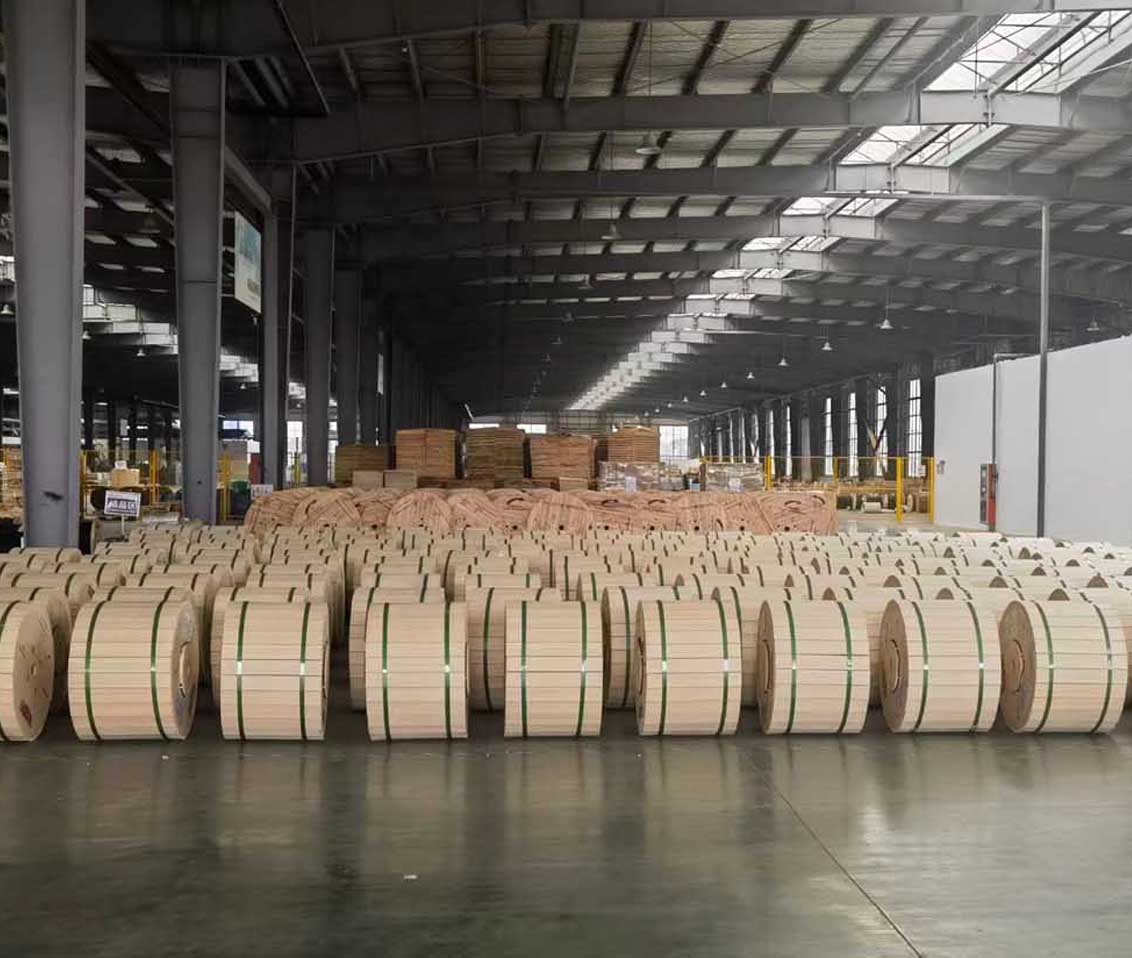
 Optical Fiber
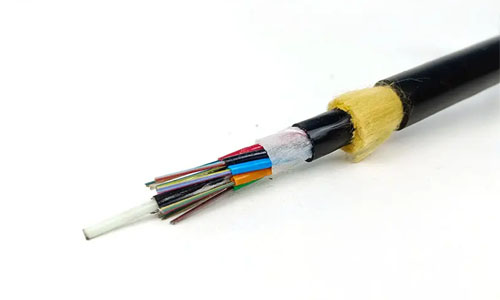 ADSS Fiber Optic Cable
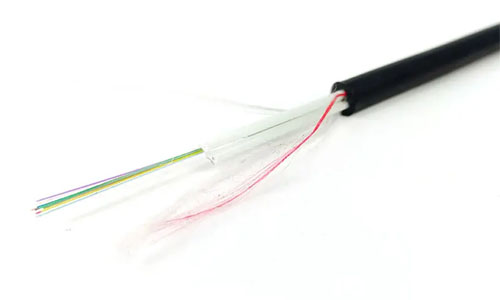 ASU Fiber Optic Cable
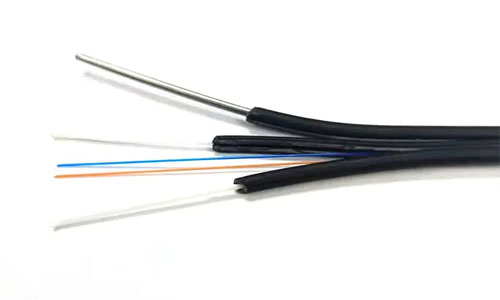 FTTH Fiber Optic Cable
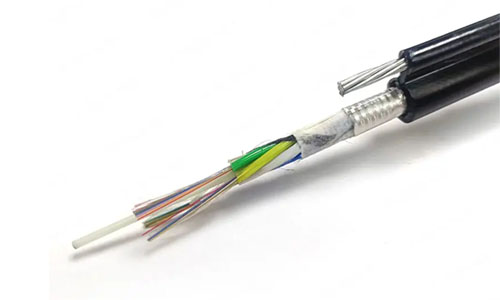 Figure 8 Fiber Optic Cable
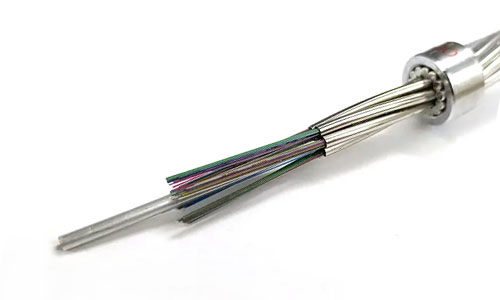 OPGW Fiber Optic Cable
 Coaxial Cable
 Ethernet Cable
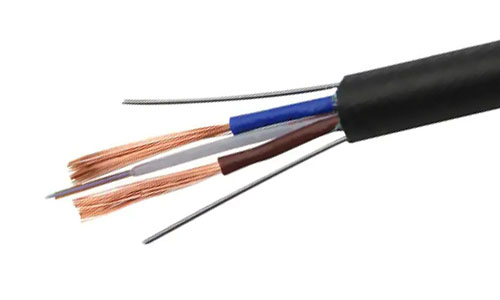 Photoelectric Composite Fiber Optic Cable
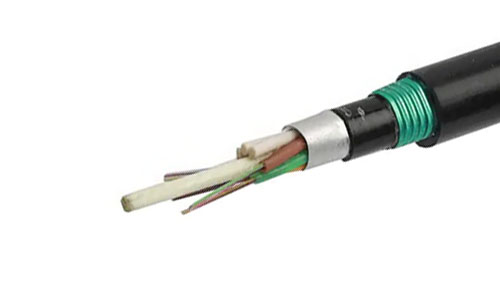 Underground & Pipeline Fiber Optic Cable
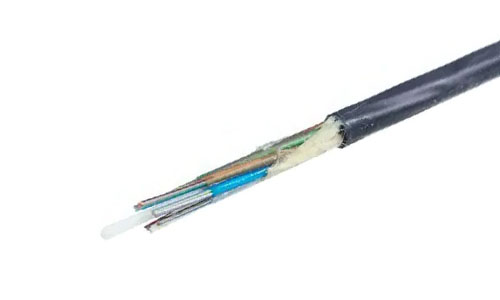 Air-Blown Micro Fiber Optic Cable
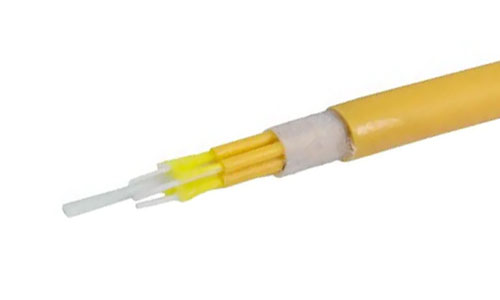 Indoor Fiber Optic Cable
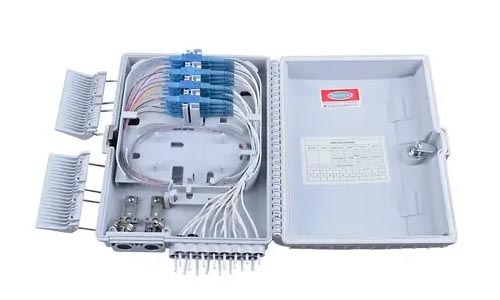 Fiber Optic Distribution Box
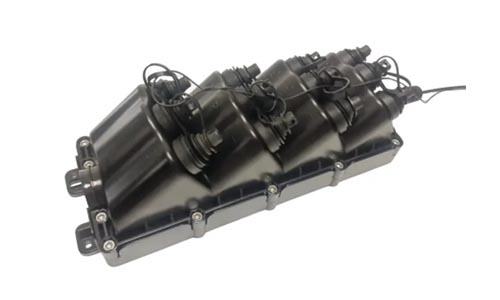 Multiport Service Termina Box
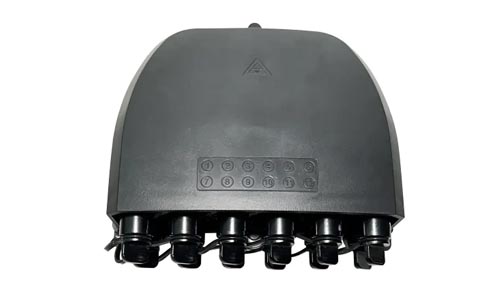 Fiber Optical Terminal Box
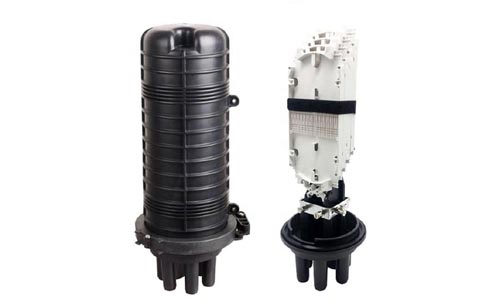 Fiber Optic Splice Closure
 Fiber Optic Clamps
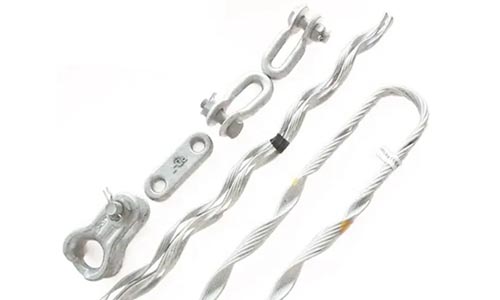 Fiber Optic Cable Fittings
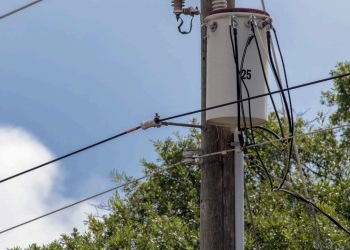 ADSS Fiber Cable
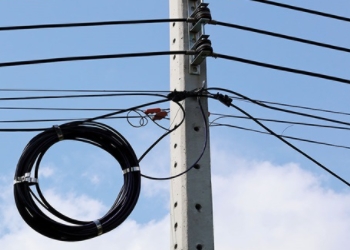 ASU Fiber Cable
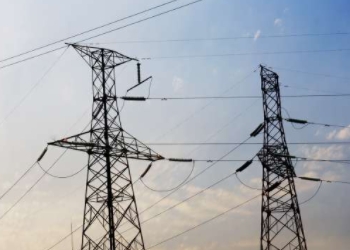 OPGW Fiber Cable
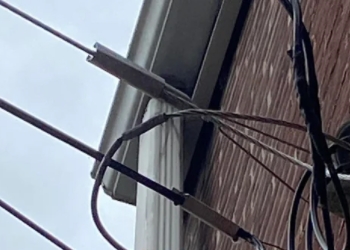 FTTH Fiber Cable
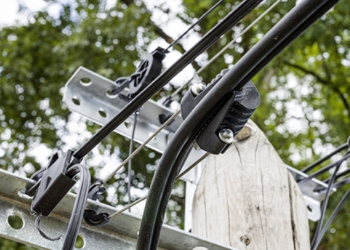 Figure 8 Fiber Cable
 Photoelectric Composite Fiber Cable
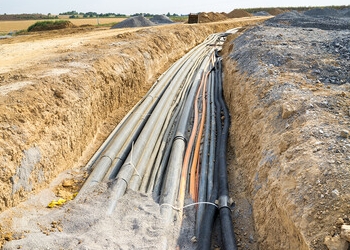 Underground & Pipeline Fiber Cable
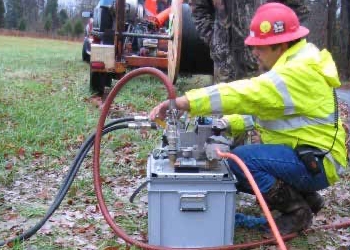 Air-Blown Micro Fiber Cable
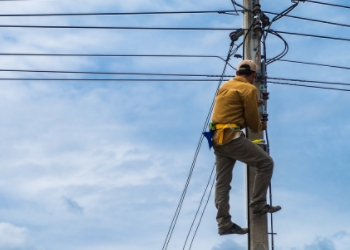 Aerial Fiber Cable
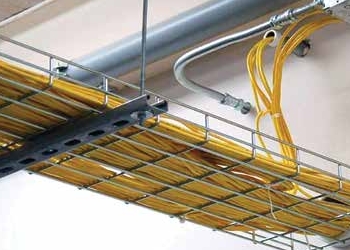 Indoor Fiber Cable
 Fiber Optical Terminal Box
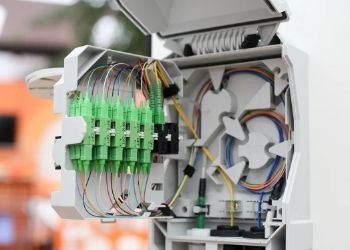 Fiber Optic Distribution Box
 Multiport Service Termina Box
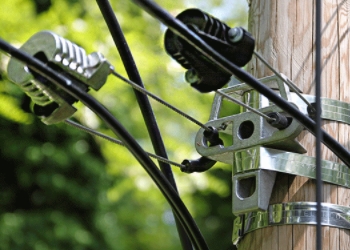 Fiber Optic Clamps
 About Us
 Our Team
 History
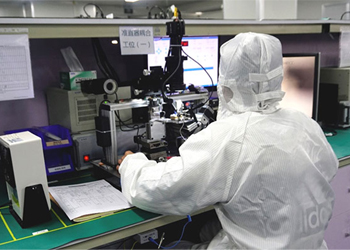 R&D Strength
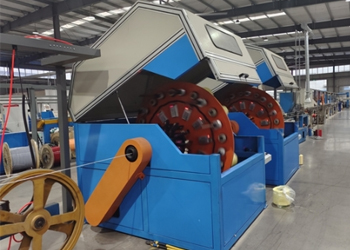 Production Base
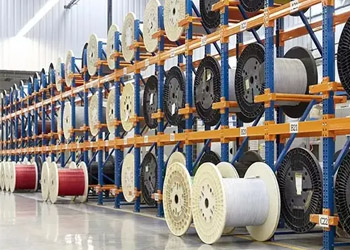 Warehouse & Logistics
 Quality
 FAQs
FAQsOptical Fiber: A Complete Multi-Dimensional Guide
Optical fiber is a thin, flexible, and transparent strand made of high-purity glass or plastic that transmits data in the form of light pulses. Unlike traditional copper cables, which use electrical signals, optical fiber uses light, typically generated by lasers or LEDs.
A standard optical fiber consists of three main layers:
- Core: The central region where light travels
- Cladding: A layer surrounding the core that reflects light back into the core
- Coating/Buffer: Protective layer to prevent damage and moisture interference
This structure ensures that light signals remain inside the fiber through a process called total internal reflection.

How Optical Fiber Works
The working principle of optical fiber is based on physics and light propagation.
Total Internal Reflection
When light enters the fiber core at a specific angle, it reflects continuously within the core instead of escaping. This allows signals to travel long distances with minimal loss.
Light Transmission
Data is converted into light pulses using:
- Laser diodes (for long-distance, high-speed communication)
- LEDs (for short-distance communication)
These pulses represent binary data (0 and 1), which is decoded at the receiving end.
Signal Reception
At the destination, a photodetector converts light back into electrical signals, which are then processed as data (internet, voice, or video).
Types of Optical Fiber
Optical fiber can be categorized based on mode transmission and material structure.
Single-Mode Fiber (SMF)
- Small core diameter (around 9 microns)
- Transmits one light mode
- Used for long-distance communication (telecom backbone, submarine cables)
- Low signal attenuation and high bandwidth
Multi-Mode Fiber (MMF)
- Larger core (50 or 62.5 microns)
- Supports multiple light paths
- Used for short-distance communication (LAN, data centers)
Step Index vs Graded Index
- Step Index: Sharp refractive index change
- Graded Index: Gradual refractive index change to reduce dispersion
Key Advantages of Optical Fiber
Optical fiber offers significant advantages over traditional copper cables:
High Bandwidth
Optical fiber supports extremely high data rates, making it ideal for modern internet traffic, video streaming, cloud computing, and AI workloads.
Low Signal Loss
Fiber optic cables can transmit data over tens or hundreds of kilometers without significant degradation.
Immunity to Electromagnetic Interference (EMI)
Unlike copper cables, fiber is immune to electrical noise, making it more stable in industrial environments.
High Security
It is difficult to tap fiber optic cables without detection, providing better data security.
Lightweight and Flexible
Fiber cables are thinner and lighter than copper alternatives, making installation easier.
Optical Fiber Cable Structure Types
Different cable constructions are designed for different environments:
Indoor Fiber Cable
- Used inside buildings and offices
- Flexible and easy to install
Outdoor Fiber Cable
- Designed for harsh environments
- UV resistant and waterproof
Armored Fiber Cable
- Protected with steel or aluminum layers
- Used for direct burial or rodent protection
Aerial Fiber Cable
- Installed on poles or towers
- Includes ADSS (All-Dielectric Self-Supporting) cables
Optical Fiber in Modern Communication Systems
Optical fiber is the backbone of global communication infrastructure.
Internet Backbone
Long-distance fiber networks connect cities, countries, and continents.
FTTH (Fiber to the Home)
Fiber is directly delivered to residential users, providing gigabit-speed internet.
Data Centers
High-speed fiber interconnects servers, switches, and storage systems.
5G Networks
Fiber is essential for connecting base stations and supporting ultra-low latency communication.
Submarine Cables
Undersea fiber cables carry over 95% of international internet traffic.
Optical Fiber vs Copper Cable
| Feature | Optical Fiber | Copper Cable |
|---|---|---|
| Speed | Extremely High | Limited |
| Distance | Very Long | Short |
| EMI Resistance | Yes | No |
| Security | High | Medium |
| Weight | Light | Heavy |
Conclusion: Optical fiber is the superior technology for modern digital communication.
Common Optical Fiber Standards
Some widely used fiber standards include:
- G.652D (standard single-mode fiber)
- G.657 (bend-insensitive fiber)
- OM1 / OM2 / OM3 / OM4 / OM5 (multi-mode fiber standards)
These standards define performance, attenuation, and bending characteristics.
Installation Methods of Optical Fiber
Proper installation ensures long-term performance and reliability.
Aerial Installation
Fiber is suspended on poles using messenger wires or self-supporting structures.
Direct Burial
Fiber is buried underground with protective armor layers.
Duct Installation
Fiber is placed inside protective conduits.
Indoor Cabling
Used in structured cabling systems inside buildings.
Challenges of Optical Fiber Deployment
Despite its advantages, optical fiber has some challenges:
- Higher initial installation cost
- Fragility during handling
- Requires skilled technicians for splicing
- Specialized equipment needed for testing and maintenance
However, long-term benefits outweigh these limitations.
Future Trends of Optical Fiber Technology
The future of optical fiber is closely tied to global digital transformation.
Higher Capacity Networks
Next-generation fibers will support terabit-level transmission.
Smart Cities
Fiber networks will power IoT devices, traffic systems, and surveillance infrastructure.
6G Development
Future wireless systems will rely heavily on fiber backhaul.
Photonic Integration
Integration of optical components into chips will further enhance speed and efficiency.
Why Optical Fiber Is Critical for the Digital Era
In today’s world, everything depends on data:
- Cloud computing
- Artificial intelligence
- Streaming platforms
- Remote work
- E-commerce
All these systems rely on high-speed fiber infrastructure. Without optical fiber, modern digital life would not be possible.
Conclusion
Optical Fiber is the foundation of modern global communication networks. It delivers unmatched speed, reliability, and scalability compared to traditional copper systems. As digital demand continues to grow, optical fiber will remain the backbone of global connectivity, enabling faster internet, smarter cities, and advanced technologies such as AI, IoT, and 6G networks.
For businesses, engineers, and network planners, understanding optical fiber is essential for building future-proof infrastructure.