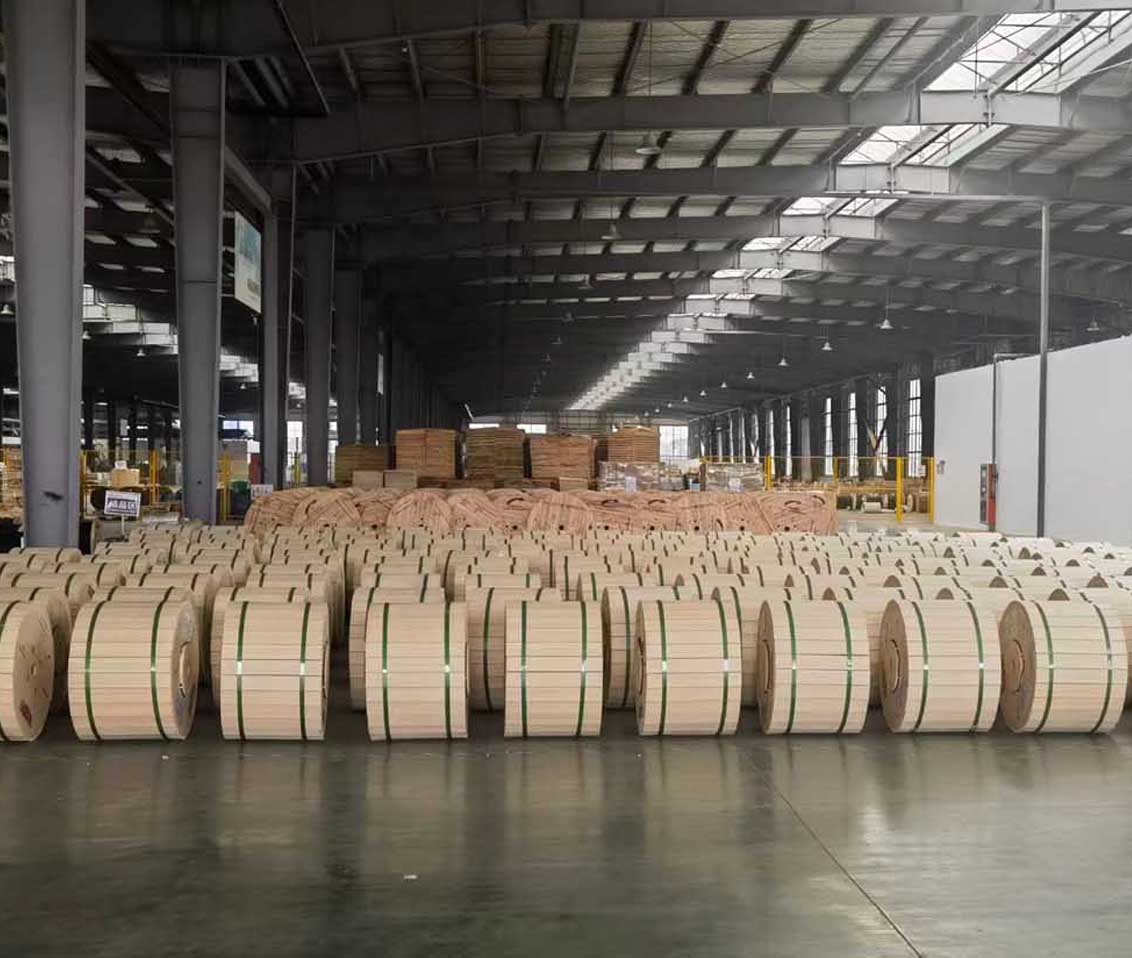
 Optical Fiber
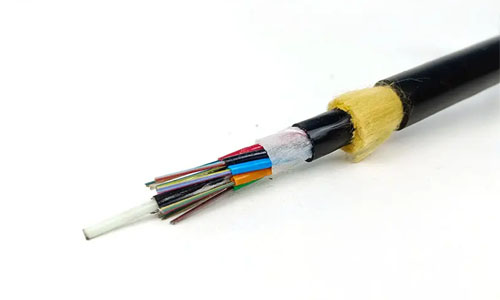 ADSS Fiber Optic Cable
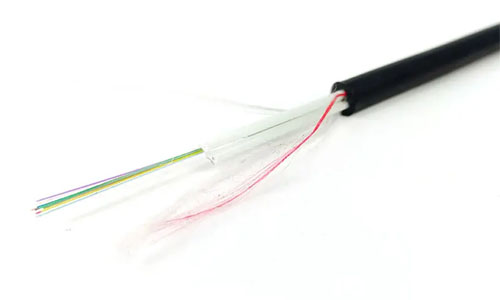 ASU Fiber Optic Cable
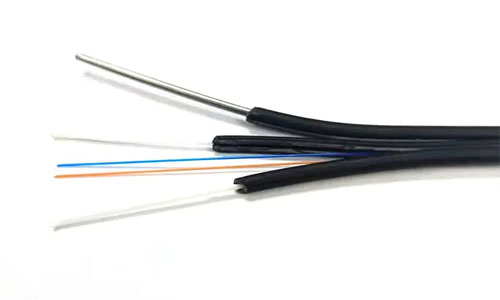 FTTH Fiber Optic Cable
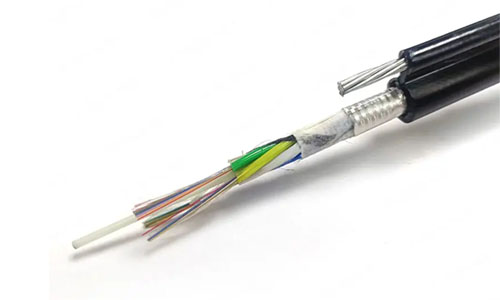 Figure 8 Fiber Optic Cable
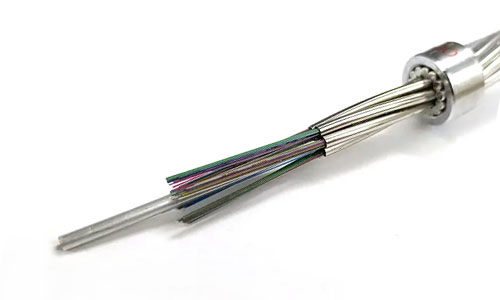 OPGW Fiber Optic Cable
 Coaxial Cable
 Ethernet Cable
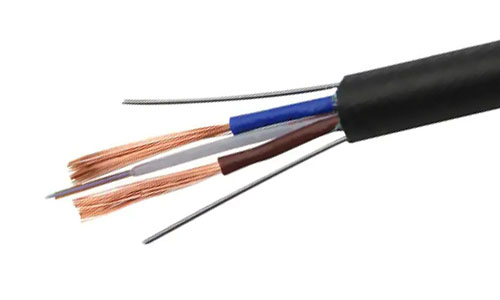 Photoelectric Composite Fiber Optic Cable
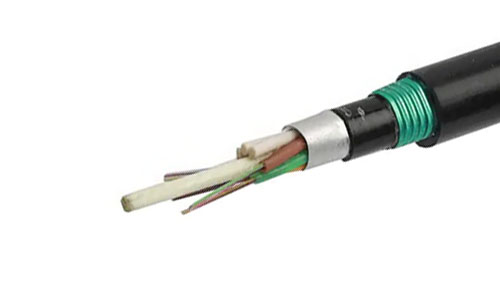 Underground & Pipeline Fiber Optic Cable
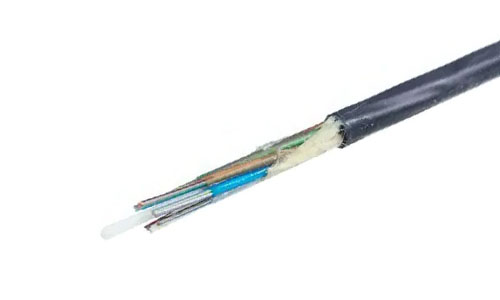 Air-Blown Micro Fiber Optic Cable
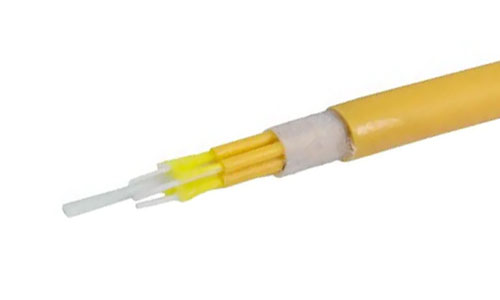 Indoor Fiber Optic Cable
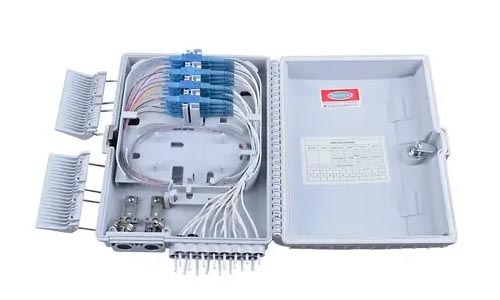 Fiber Optic Distribution Box
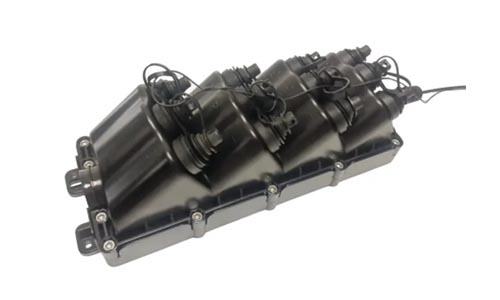 Multiport Service Termina Box
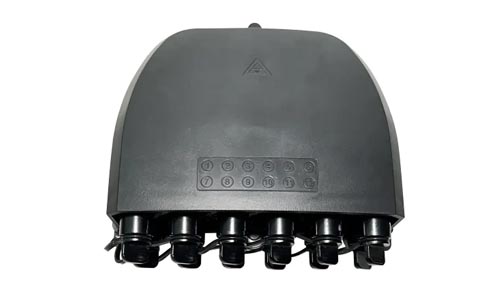 Fiber Optical Terminal Box
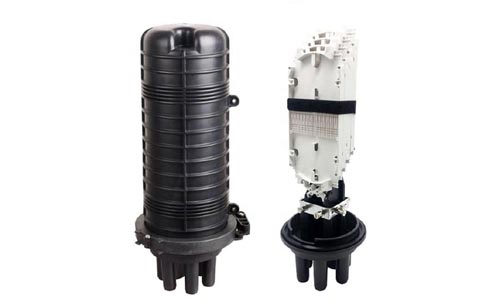 Fiber Optic Splice Closure
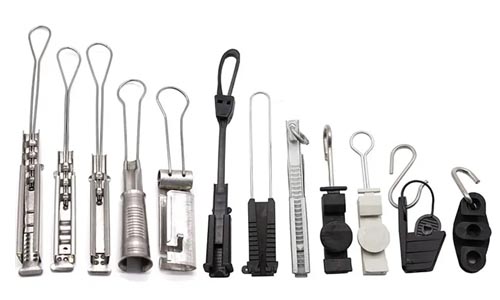 Fiber Optic Clamps
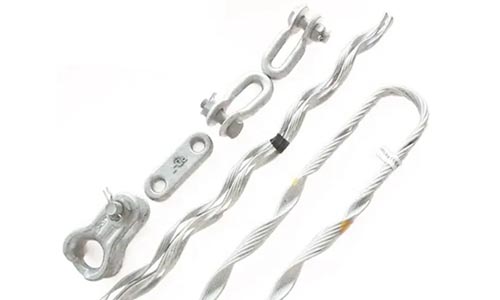 Fiber Optic Cable Fittings
 ADSS Fiber Cable
 ASU Fiber Cable
 OPGW Fiber Cable
 FTTH Fiber Cable
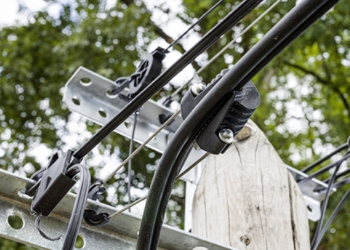 Figure 8 Fiber Cable
 Photoelectric Composite Fiber Cable
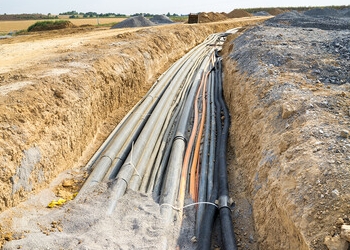 Underground & Pipeline Fiber Cable
 Air-Blown Micro Fiber Cable
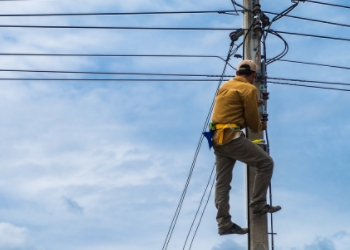 Aerial Fiber Cable
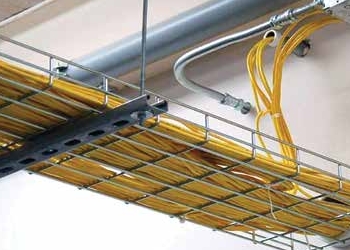 Indoor Fiber Cable
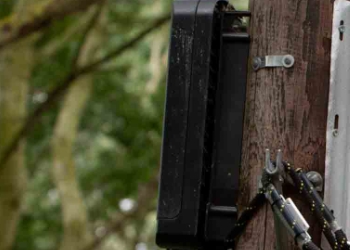 Fiber Optical Terminal Box
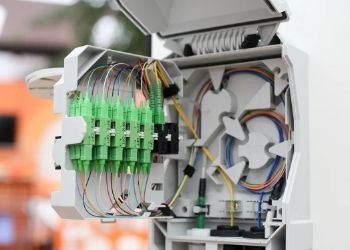 Fiber Optic Distribution Box
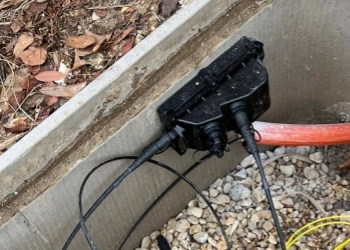 Multiport Service Termina Box
 Fiber Optic Clamps
 About Us
 Our Team
 History
 R&D Strength
 Production Base
 Warehouse & Logistics
 Quality
 FAQs
FAQsUnderstanding MDU in FTTH: Solutions for Fiber Installation
Contact for Free Quotation & Sample, According to your needs, customize for you.
inquiry nowUnderstanding MDU in FTTH: Solutions for Fiber Installation
-
MDUs, or Multiple Dwelling Units, are instrumental in connecting more people to high-speed fiber internet, especially in densely populated cities where multiple families share a single apartment complex.
-
MDU fiber installs are more involved than single-family homes and need planning, collaboration and coordination with the property managers and tenants to overcome unique structural and logistical challenges.
-
By communicating clearly and avoiding disruption during installation, you keep tenants happy and make the switch to faster internet a smoother process for all of us.
-
Selecting the right fiber architecture, cabling methods and terminal equipment can optimize efficiency, minimize costs and guarantee every household receives a dependable, high-speed connection.
-
Service providers stand to reap incredible returns—including higher revenue and loyalty—by investing in MDU fiber solutions, when they break down costs, monitor subscriber value and maintain robust relationships with landlords and residents.
-
By planning for capacity growth, staying on top of new technologies, and maintaining rigorous upkeep, we can future-proof our MDU fiber networks and keep our communities connected well into the future.

MDU in FTTH stands for Multi-Dwelling Unit such as apartment complex in fiber-to-the-home networks. In such scenarios, fiber strands extend from an ingress point to every living unit, providing every inhabitant access to high-speed and consistent connectivity. This is the setup used by the majority of urban apartments and condos, where residents are in close proximity to each other. MDU configurations reduce expenses and maintain the building aesthetics by commonizing segments of the fiber route. Providers frequently choose FTTH for MDUs to provide all tenants with equal access to top tier bandwidth. In the following, we’ll dig deeper into how MDU configurations operate, the components within these systems, and their significance for users and network operators.
What is an MDU in FTTH?
MDUs are essentially multi-dwelling-unit buildings–apartments, condos, even hotels. These buildings are critical to delivering high-speed fiber internet to bustling urban centers, where one structure might accommodate hundreds of individuals, each desiring rapid, reliable connections.
1. The Definition
MDU, or Multi-Dwelling Unit, refers to any building housing multiple living units within a single structure—such as apartment buildings, mixed-use developments, or high-rise residences. In environments where multiple families or individuals live closely together, each requiring their own internet, understanding MDU fiber installation factors is crucial for those aiming to provide fiber optic services. These buildings form the base, connecting various residences to a shared fiber network through specialized high-capacity equipment—typically capable of managing over 100 lines at speeds surpassing 30 megabits per second.
2. The Context
MDUs are at the center of contemporary FTTH deployments, particularly in dense urban environments. As we all relocate to the city and engage in telework, telelearning, and telestream, the urgency for speedy web access intensifies. Laying fiber in an MDU means careful planning—employing equipment that’s ultra-reliable, easy to repair, and durable enough for anything from desert sands to heavy snowfall in older apartment blocks. Urbanization leads to more MDUs and a higher demand for smart fiber distribution, often utilizing a two-stage 1:8 optical splitter setup to reach every floor and living unit.
Whereas single-family homes mold network design, MDU fiber installation reshapes it. The installer now has to consider how to split the fiber among multiple households, typically deploying fiber boxes that cover 24-48 units and can span up to 10 stories. These installations can be challenging spaces, with numerous walls and common hallways that complicate cable runs.
3. The Contrast
Fiber installation in single-family homes is typically straightforward—one drop per house. However, in multiple dwelling unit (MDU) environments, the work is more complex. Shared walls, tight utility spaces, and multitudes of floors increase both time and cost. Vertical buildings necessitate strategies distinct from those used in horizontal layouts. Installers must choose between single-dwelling ONTs and multi-dwelling ONTs, which highlights the unique requirements of MDU fiber installation. Understanding these differences allows teams to plan smarter, reduce overhead, and ensure all subscribers receive the speed they require.
4. The Significance
MDUs get fiber to more people in less space.
They close the digital gap for city folks.
More service providers = better prices/speeds for tenants.
Deployment Challenges
Deployment Challenges
Rolling out fiber to MDUs presents deployment challenges that distinguish it from typical single family home installs. Every building is distinct, with its own layout, age, and units—some extending to upwards of 10 apartments per floor. This implies that there’s no one-size-fits-all approach. Teams encounter idiosyncratic challenges, from pesky legacy wiring to rigid building regulations, and typically have to purchase new equipment or contract expertise. Here are a few common obstacles:
-
Getting building access and coordinating with property managers or landlords
-
Trying to operate complicated and old building infrastructures, particularly in buildings constructed prior to 2000
-
Balancing aesthetics and minimizing visible disruption
-
Handling internal wiring across multiple floors and units
-
Meeting building codes and tenant needs
-
Managing costs and the risk of delays
-
Being clever about which areas to cable, according to demand.
-
Training or hiring staff for specialized tasks
Building Access
MDU buildings can be a nightmare for mdu fiber installation due to the challenges installers face in accessing these environments. They require permission from property managers or landlords, which isn’t always fast or simple. Old buildings, particularly those that predate 1980, tend to have hazy access policies. Installers sometimes have to manage around heavy entranceways or common areas, so smart scheduling is essential for maintaining flow. Knowing the right people and the building’s rules helps, but flexibility and good scheduling are vital for successful fiber architecture projects with minimal disruption.
Internal Wiring
Running cables inside a multi-story, multi-unit building is nothing like wiring a single house. To engineers, these are walls upon walls, tight ducts and limited space, particularly in older buildings where finding paths for new wires is a challenge. Sure, some jobs require drills and others require new ductwork or fiber termination boxes — but these all add time and money to the job.
It pays to pick the correct cabling method. For instance, pre-terminated cable assemblies can both accelerate the work and lower your need for highly trained staff. Thoughtful cable routing helps keep your hallways and rooms less cluttered, which is nice grammatically as well as from a safety perspective.
More often than not, the secret to minimizing disruption is to simply wire it in such a way that it involves the least amount of modifications to the building itself. That keeps tenants happy and gets the project going faster.
Aesthetics
MDU owners and residents care about how their buildings appear, both internally and externally. Exposed cables or new hardware in hallways can devalue the property or just bother tenants who are proud of their homes. Installers have to somehow hide wires behind walls, use slim trunking or color match fittings. Cable management is good for aesthetics and it prevents wires from turning into trip hazards or breaking.
Selecting hardware that disappears and routing routes around busy areas preserves the building’s aesthetics. Listening to residents’ concerns and working with building standards can make the end result much more appealing.
Tenant Disruption
-
Share clear, simple schedules for when work will happen.
-
Give updates in advance about noise or access needs.
-
Noisy work off hours or when most people are out4.
-
Set up a contact for tenant questions and feedback.
Tenants appreciate being engaged early in the mdu fiber installation process, which helps us all adjust.
Technical Solutions
MDU fiber installation faces unique technical challenges, including intricate building architectures and varying user requirements. Effective mdu solutions hinge on smart decisions regarding cabling and terminal equipment, ensuring reliable, fast connectivity for every living unit.
Fiber Architectures
Choosing the appropriate fiber architecture is the trick. There are several common MDUs designs, each appropriate for different building types and requirements.
| Architecture | Description | Best For | Benefits |
|---|---|---|---|
| Point-to-Point | Direct fiber from basement to each unit | Low-rise, small MDU | Simple, high bandwidth |
| Passive Optical Network (PON) | Shared fiber with splitters | High-rise, large MDU | Cost-effective, scalable |
| Centralized Splitter System | Splitter in central location (cabinet) | Medium/large MDU | Efficient signal management |
Dedicated splitter cabinets, servicing anywhere from 32 to 864 residential units, are capable of increasing efficiency in highrise buildings. With these, providers can centralize maintenance and rapidly onboard new users. The correct architecture affects not only bandwidth—point-to-point provides dedicated lines, while PON shares capacity—but how straightforward it is to scale and maintain the network. Think about building layout, like hallway space and shaft access, when choosing a design.
Cabling Methods
MDUs require cabling that is tidy, quick to deploy and long lasting. Discrete drop cables are fantastic for running fiber to individual apartments without the clutter. Mini termination boxes save space, especially where hallway closets are cramped. Pushable fiber is another alternative, allowing installers to push fiber through complicated routes with less equipment.
Performance cables are key—they endure the bend and crush found in MDUs, reducing the need for rework down the road. Pre-terminated solutions, with as much as 150 meters of cable prepped and ready to roll, help deliver fast turn around work and prevent splicing from occurring inside apartments. As a rule of thumb, keep cable runs short and direct as possible, use shared risers when you can and select materials that fit the building’s needs. Less time, less cost — and networks that are easier to manage.
Terminal Choices
Optical network terminals (ONTs) come in two types: single-dwelling and multi-dwelling units. Certain buildings require a terminal on every floor, whereas others can function with only one for multiple floors. The ONT’s kind and location are important for both everyday operations and future maintenance. A terminal in a hallway closet, for instance, can make troubleshooting significantly easier than one tucked away miles deep in a unit.
Splitters and sophisticated transmission gear do lots too. With quality splitters, everyone receives a solid signal, even as more residents come online. With the optimum combination of ONTs and supporting infrastructure such as distribution frames and terminal boxes, providers can satisfy bandwidth demands and minimize downtime.
The Business Case
FTTH in multiple dwelling unit environments (MDUs) delivers significant expenses and opportunities for carriers. Decisions around these mdu fiber installation projects often come down to the math — how much it takes to build the necessary infrastructure, and how much can be gained in return. Apartment complexes and high-rises pack a lot of homes into a single location, making them appealing markets but challenging for fiber rollout.
Cost Analysis
-
Equipment costs: High upfront spend for fiber, ducts, tools, and ONTs
-
Labor and training: Need skilled teams, retraining, and sometimes more staff
-
Time: Longer builds, cable runs from basement to each home slow things down
-
Complexity: Planning around old buildings, odd layouts, and tight spaces
-
Ongoing costs: Repairs, upgrades, and managing shared gear
Thoughtful design can reduce price, especially in multiple dwelling unit environments. Pre-terminated fiber solutions, such as pushable fiber, can significantly decrease mdu fiber installation times by eliminating the need for splicing in every apartment. This aids budgets in staying on course without swapping out quality, while ensuring optimal connectivity products for indoor living units.
ROI Models
ROI for MDU fiber installation projects varies by building architecture, number of users, and local demand. Others consider payback over 3-7 years, comparing install spend against new revenue streams. Dense cities can spread costs across hundreds of homes, which accelerates returns. Subscriber growth, service pricing, and churn rates all impact the bottom line. Following installations, sign-ups, and upgrade rates provide a reality check on returns. To increase ROI, precision marketing, packages, and flexible MDU solutions can assist in tipping the figures in your direction.
Subscriber Value
-
Fast, steady internet for all units
-
Better streaming, video calls, and online gaming
-
More devices connected at once—over 100 lines supported
-
Higher property values and tenant satisfaction
Blazing-fast FTTH powers streaming, gaming, and work-from-home without slowdowns, making it a crucial component of modern living units. Delighted customers stay, so keeping them happy reduces churn. Bundled services—like TV, security, or smart home features—can enhance the appeal of mdu fiber solutions, increasing both value and monthly spending.
The Human Element
In every MDU fiber installation project, it’s all about the people involved. Trust, respect, and teamwork are crucial, just as much as the optical fiber cables and infrastructure. Even with advanced technology, success hinges on acknowledging the human element in multiple dwelling unit environments.
Landlord Relations
Trust with landlords influences the entire MDU fiber installation process. Landlords want assurance that their asset is protected and that any work will not lead to permanent problems or additional expenses. When providers respect the building and address landlord concerns, they facilitate easier access agreements. These deals define how work will occur, how tenants will be serviced, and how issues will be resolved should they arise.
Negotiations can be stressful, especially if the landlord is apprehensive about drilling or on-site equipment. Some have faced cluttered installs in the past or fear unexpected costs. Providers who guide landlords through each step, showcase sample hardware, and clarify timelines often gain more trust. For example, demonstrating a pre-terminated fiber architecture arrangement in a high-rise can alleviate concerns about noise or dust. Engaged landlords are more likely to help coordinate access and troubleshoot tenant requests efficiently.
Tenant Experience
Tenants want fast internet, but not if it means daily disruptions. Transparent indicators, straightforward notifications, and easy help desks matter. Informing tenants when installers will be on their floor, how long work may take, what to expect — all reduces stress and confusion.
On the other hand, when tenants feel heard, they’re more forgiving of hiccups. For instance, if a tenant sees a hallway panel open, rapid response and rapid repair engender trust. Practitioners could implement web-surveys or a hotline for questions and feedback. Happy tenants, after all, are word of mouth – which is how providers win more contracts down the road.
Installer Training
Installers require practical training for MDUs. Each building is unique–low-rise or high-rise, old or new, thick walls or thin. Some require new ducts or special fiber termination work, others have crunch deadlines or occupied tenants.
Boot camp ain’t enough. Installers have to learn how to snake cable through tight jig-saw puzzles, utilize specialized tools for MDUs and communicate to tenants who are in home during installs. Pre-terminated solutions can occasionally accelerate and reduce the skill required, but continuing education keeps all of us sharp. Weekly workshops or new tool updates help installers work smarter, not harder. Well trained teams = less errors, safer buildings and great service for all.
Future-Proofing MDU Fiber
MDU fiber networks must evolve along with continually transforming technology and escalating demand for fiber optic services. Future-proofing is essential for today's and tomorrow's multiple dwelling unit environments, no matter how quickly tomorrow comes. Fiber already reaches more than 50 percent of the world’s homes, and by 2025, some 47 billion homes are likely to be wired up. That’s why it’s key to future-proof when architecting and deploying MDU networks.
Scalability
Scalability in MDU fiber is not optional. Homes today have more devices and internet consumption increases every year. A scalable network means you can extend to more homes and support more traffic without reinventing the wheel.
Flexible network designs assist. For instance, using 1:8 or 1:16 fiber splitters in a two-level light splitting setup lets a single fiber serve many units and makes it simpler to grow as new units or floors are added. Thinking at least 30 Mbps/user, with some space to go even higher, guarantees the network can support streaming, video calls, as well as emerging apps. It means less trouble and expense when the building requires an upgrade down the road. Blazing, reliable connections—up to 10 gigabits per second—are possible when you lay the foundation for scalability.
Emerging Tech
New tech can alter that MDU fiber free-for-all. 10G EPON and 10G GPON help accelerate bandwidth so more users can achieve higher speeds simultaneously. 5G and smart home tools put even more devices online, driving networks harder.
Keeping current is clever. The tech world moves fast, so check back often for new standards or equipment. Stacking new tech on top of old is simpler if the fiber was future-proofed. Future-proof your MDU fiber by installing spare ducts or fibers, making it easy to add additional lines or swap equipment down the road. This allows buildings to stay ahead of the trend, e.g., smart sensors or security cameras, without a massive reconstruction.
Maintenance
Proper upkeep keeps fiber networks humming and prevents minor problems from blossoming into full-blown complications. Routine inspections identify vulnerabilities prior to failure, and that keeps residents smiling.
Monitor — Use tools to observe the system and address issues early. Intelligent design, such as employing blades constructed to withstand temperatures ranging from -40℃ to 65℃, reduces maintenance and maintains uptime. Convenient, quick repairs count as well—an architecture that simplifies access to and replacement of cables or splitters translates to reduced downtime and expenses.
Conclusion
MDUs in FTTH delivers blazing fast fiber to more residences, even in skyscraper apartments or massive complexes. Everything along the way — from wiring halls to chatting residents — requires attention and definite plans. Fiber breaks ancient limits. It delivers true speed, crystal clear calls and seamless video to everyone. Winners are tenants and owners alike. Close teams with people encounter less issues. A lot of cities nowadays employ these tricks to keep pace with the world. To find out, tell your story or seek advice from others in the same line of work. Each new wire connects someone to connect, to work lightning quick, or simply stay connected with family. Fiber route sculpts our world, home by home.
Frequently Asked Questions
What is an MDU in FTTH?
An MDU (Multi-Dwelling Unit) in FTTH refers to a building with multiple residential or business units, such as apartments or offices, connected to fiber-optic internet directly to the premises.
Why are MDUs challenging for FTTH deployment?
MDUs present challenges due to their tricky layouts and multiple living units. Effective mdu fiber installation requires careful planning to deliver fiber optic services to each unit without disturbing residents.
What technical solutions exist for FTTH in MDUs?
Solutions there are technical in nature and involve the utilization of fiber splitters, micro-ducts, and pre-terminated cables. These tools assist in providing reliable fiber optic services to each indoor living unit effectively, including aging or towering structures.
How does FTTH benefit residents in MDUs?
FTTH, particularly through mdu fiber installations, provides residents with higher speed, more reliable internet, and enhanced online experiences, adding value to properties and attracting tenants who demand high-speed connectivity.
What role do building owners play in FTTH deployment?
Building owners must collaborate with providers for mdu fiber installation, ensuring smooth deployment and minimizing installation time to meet tenants’ indoor living unit internet needs.
How can MDUs be future-proofed for fiber?
Future-proofing involves deploying additional conduits and employing modular cabling systems in multiple dwelling unit environments, allowing seamless upgrades to support future technological shifts without significant new construction.
Is FTTH in MDUs a good business investment?
Indeed, FTTH, particularly through mdu fiber installation, helps to attract more tenants, increase rental income, and keep buildings competitive in multiple dwelling unit environments.