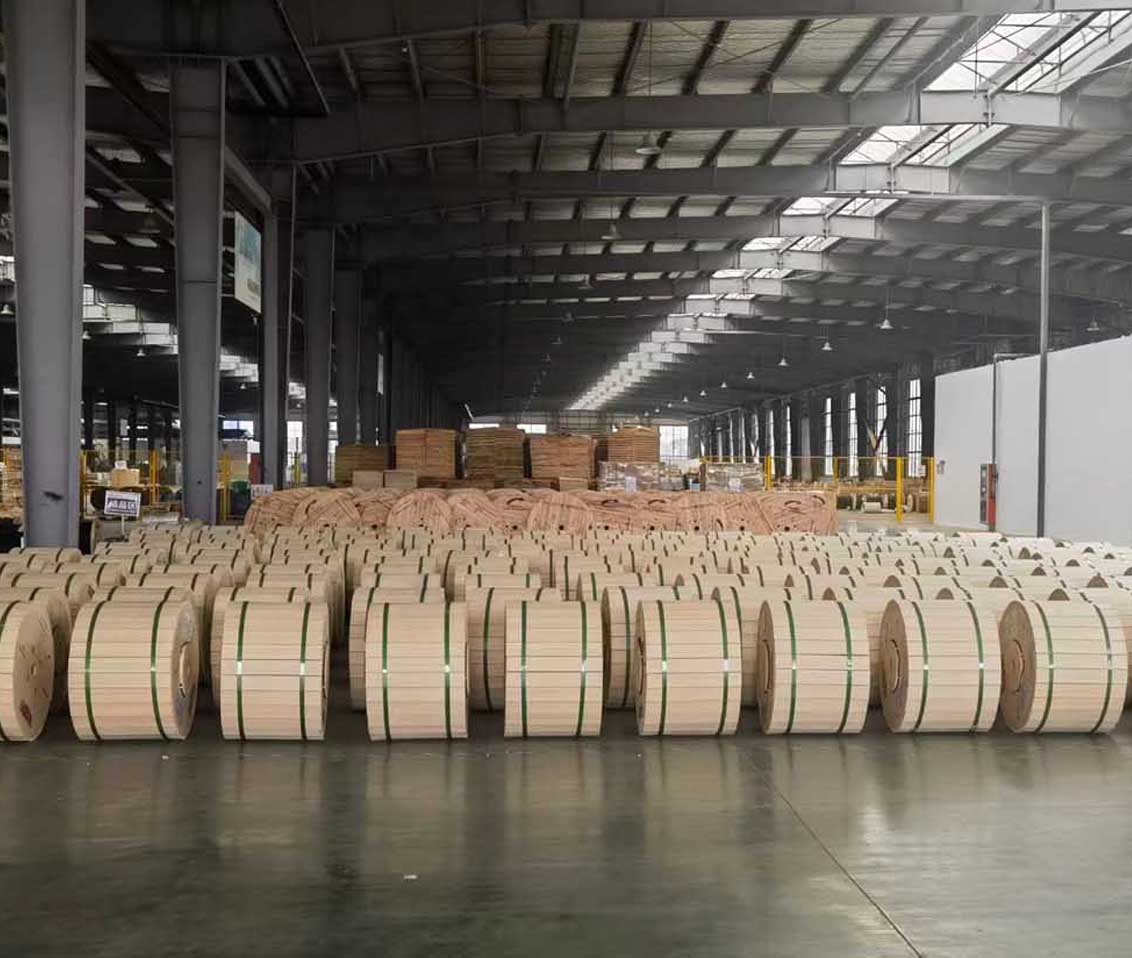
 Optical Fiber
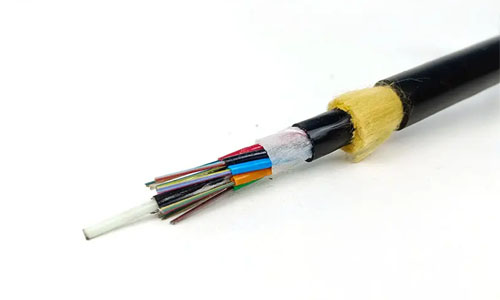 ADSS Fiber Optic Cable
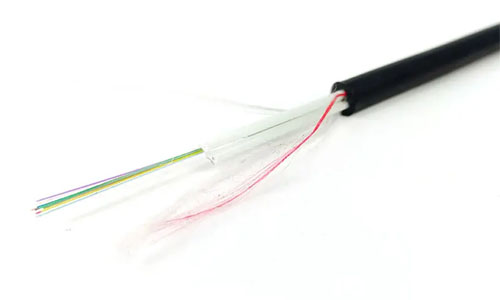 ASU Fiber Optic Cable
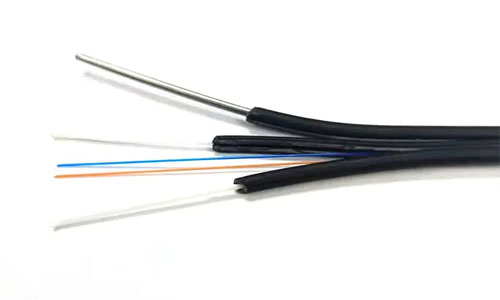 FTTH Fiber Optic Cable
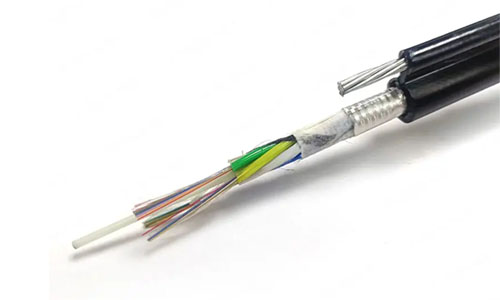 Figure 8 Fiber Optic Cable
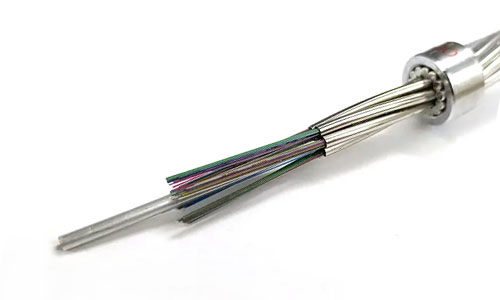 OPGW Fiber Optic Cable
 Coaxial Cable
 Ethernet Cable
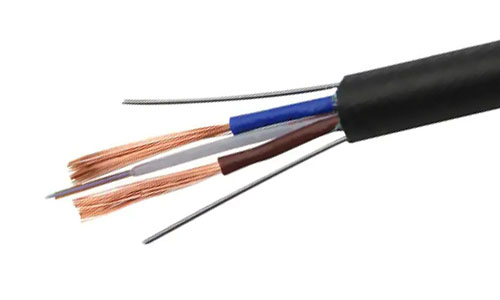 Photoelectric Composite Fiber Optic Cable
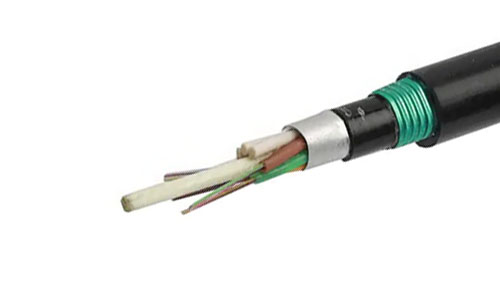 Underground & Pipeline Fiber Optic Cable
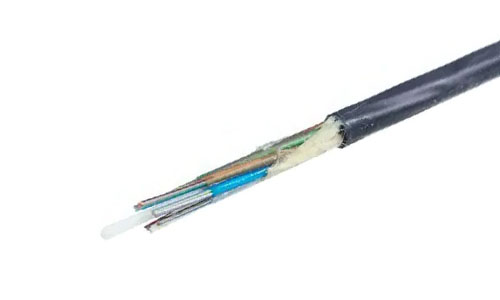 Air-Blown Micro Fiber Optic Cable
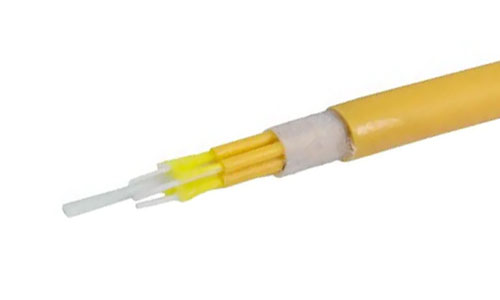 Indoor Fiber Optic Cable
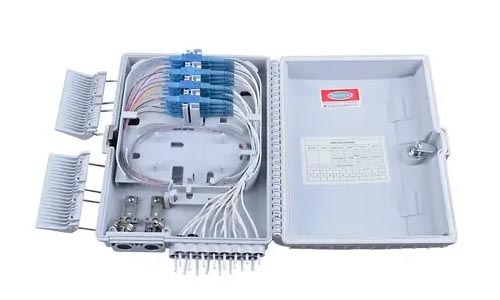 Fiber Optic Distribution Box
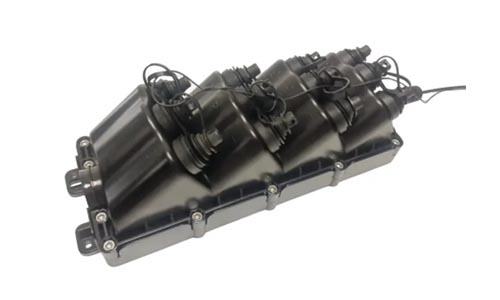 Multiport Service Termina Box
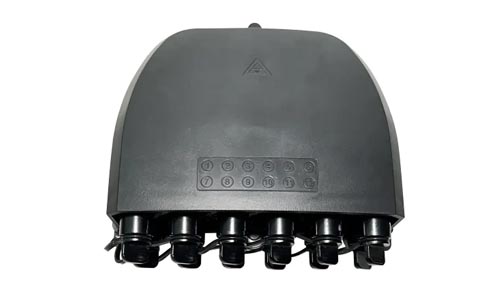 Fiber Optical Terminal Box
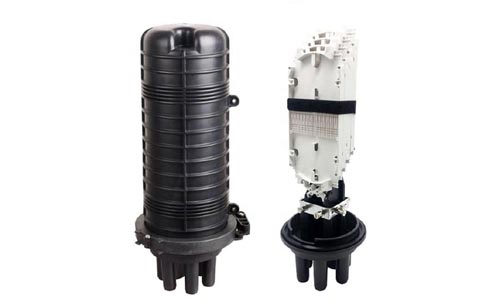 Fiber Optic Splice Closure
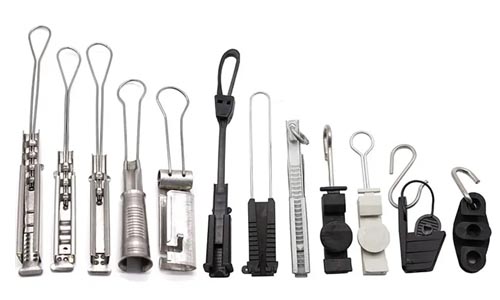 Fiber Optic Clamps
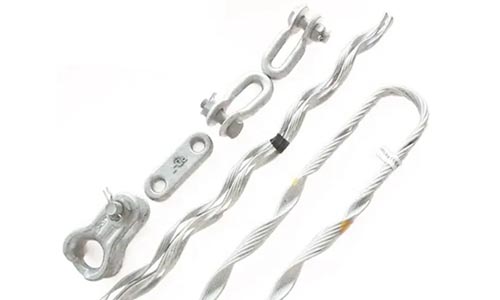 Fiber Optic Cable Fittings
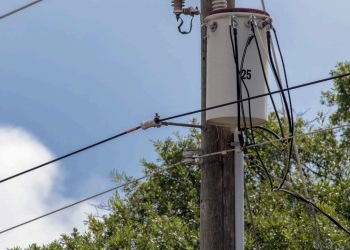 ADSS Fiber Cable
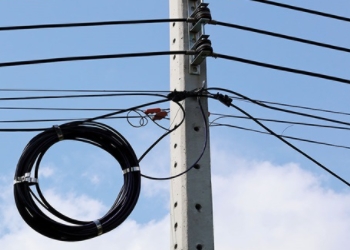 ASU Fiber Cable
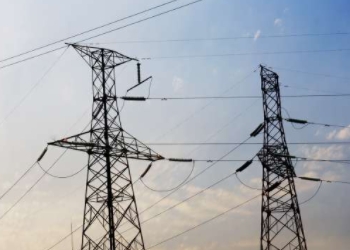 OPGW Fiber Cable
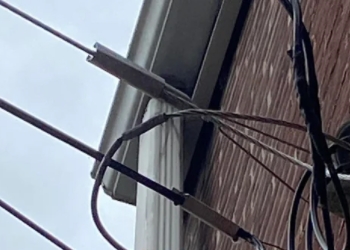 FTTH Fiber Cable
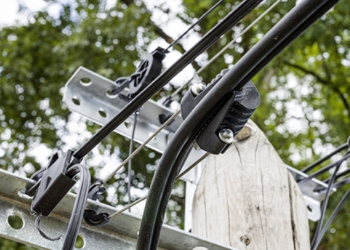 Figure 8 Fiber Cable
 Photoelectric Composite Fiber Cable
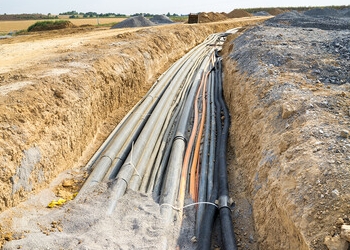 Underground & Pipeline Fiber Cable
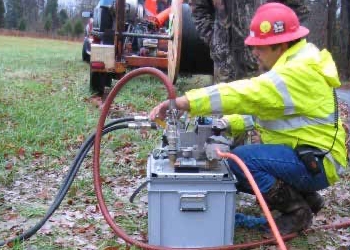 Air-Blown Micro Fiber Cable
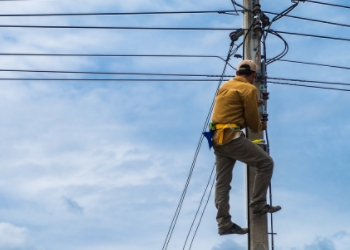 Aerial Fiber Cable
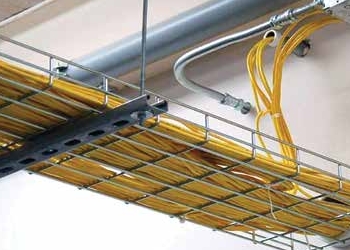 Indoor Fiber Cable
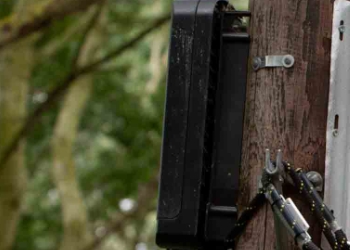 Fiber Optical Terminal Box
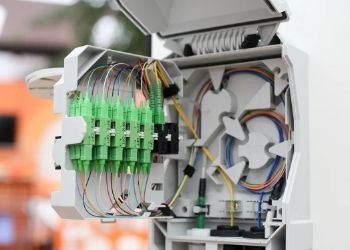 Fiber Optic Distribution Box
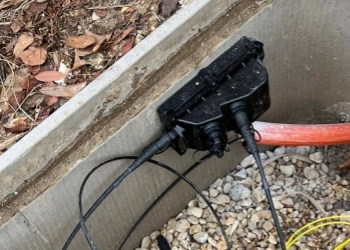 Multiport Service Termina Box
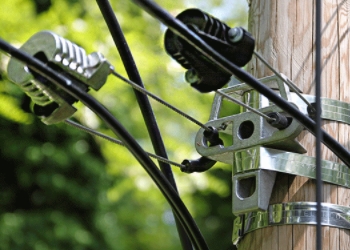 Fiber Optic Clamps
 About Us
 Our Team
 History
 R&D Strength
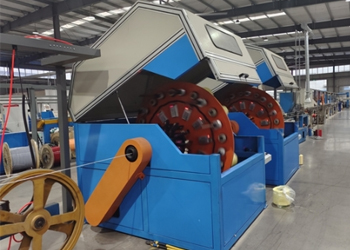 Production Base
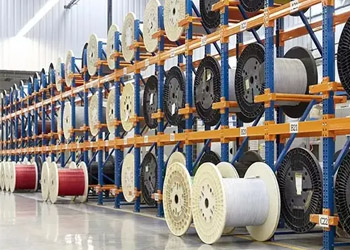 Warehouse & Logistics
 Quality
 FAQs
FAQsWhat is FTTH, FTTP, FTTC, and FTTX? Understanding Fiber Optic Architectures
Contact for Free Quotation & Sample, According to your needs, customize for you.
inquiry nowWhat is FTTH, FTTP, FTTC, and FTTX? Understanding Fiber Optic Architectures
FTTP, FTTH, FTTC, and FTTx are all forms of broadband internet that utilize fiber optic cables to transmit data at high speeds. FTTP stands for Fiber to the Premises and means fiber runs all the way to a home or business. FTTH, or Fiber to the Home, is a FTTP variant for homes and FTTC which means Fiber to the Curb, where fiber extends to a pole or cabinet nearby and copper completes the connection. FTTx is a blanket term for any fiber deployment. They all provide varying degrees of speed and reliability, defined by the proximity of the fiber to the end-user. The body breaks down each type and how they differ.

Decoding FTTX Architectures
FTTX is a generic term for how fiber optic networks reach users. All three architectures suit various needs, locations, and budgets. Fiber—primarily single and multi-mode—transports data at high speed with minimal attenuation. These play with active (AON) or passive (PON) networks, depending on your geography, population density, and existing fiber infrastructure.
-
FTTH (Fiber to the Home): Direct fiber from provider to each house. Perfect for homes craving speed.
-
FTTB (Fiber to the Building): Fiber to a shared building, then copper or Ethernet inside. Excellent for apartments and offices.
-
FTTC (Fiber to the Curb): Fiber stops close to homes, final link uses copper. Less expensive, but a tad slower.
-
FTTN (Fiber to the Node): Fiber to a cabinet serving many homes, then copper for the rest. Quick to deploy, but speeds decrease with distance.
1. Fiber to the Home
FTTH is a fiber link all the way from provider to each home. That is, no copper drags things down. They get speeds ideal for streaming, gaming, or working from home. If you ever streamed a 4K movie without buffering or hopped on a video conference with no glitches, FTTH had your back.
Installers drop the fiber straight into the house, install an optical network terminal and hook it up to your router. It’s a little laborious but rewards you in velocity and consistent service. As individuals desire additional capabilities for their internet—consider smart homes and remote work—the need for FTTH continues to increase.
2. Fiber to the Premises
FTTP means FDTH + FDTB, fiber all the way. It’s not just for homes. From offices and medical centers to schools, FTTP is used for big data and cloud tools. FTTP provides reliable, fast internet to every unit, not just FTTB or FTTC.
Its power is adaptability. FTTP rocks for small homes or big campuses. With full fiber, business video calls, big file sharing, and cloud apps run without a hitch. It’s the choice for anyone who craves a future-proof network.
3. Fiber to the Curb
With FTTC, fiber runs to a box or pole within 300 meters of homes. The last bit is copper, often VDSL. It’s a sort of middle ground, faster and cheaper than legacy DSL, but not as fast as FTTH.
FTTC works great anywhere that excavating streets for fiber is too expensive. You get respectable speed for most needs, though it’ll never hold a candle to full fiber for huge downloads. It’s popular in urban and suburban environments, where residents require reliable internet, but price is a factor.
4. Fiber to the Node
FTTN is fiber to a cabinet serving numerous homes, then copper last mile. This allows carriers to deliver greater speeds to more customers, quickly.
It’s cheaper and can be constructed fast, leveraging what’s in the dirt. Copper becomes slower as distance increases. For rural or dispersed environments, FTTN usually adds up. It delivers enhanced internet to locations where full fiber isn’t quite feasible yet.
Performance and Speed
Performance and speed is the heart of fiber-optic broadband. Contemporary existence demands bandwidth on the order of gigabits a second—consider video conferencing, cloud-based collaboration, and streaming media. Various fiber configurations, such as FTTH, FTTP, FTTC, and FTTN, customize your internet’s speed and reliability wherever you are — home, office, or otherwise.
| Technology | Typical Download | Typical Upload | Max Speed | Distance to User | Scalability |
|---|---|---|---|---|---|
| FTTH/FTTP | 1–3 Gbps+ | 1–3 Gbps+ | 10 Gbps | Direct to home | 32–256+ users |
| FTTC | 100–300 Mbps | 30–100 Mbps | 1 Gbps (G.fast) | 300–500m from home | 32–128 users |
| FTTN | 50–100 Mbps | 10–30 Mbps | 100 Mbps | Up to 1 km | 32–128 users |
| FTTB | 1–3 Gbps+ | 1–3 Gbps+ | 10 Gbps | To building | 32–256+ users |
FTTH and FTTP transmit fiber directly to your residence or enterprise. This means no legacy copper wires to drag it to a crawl. You have blisteringly fast speeds of up to 10 Gbps with XGS-PON technology, and symmetrical upload and download speeds. This assists those who have to send large files, participate in video meetings, or work with cloud apps. In the real world, FTTH tends to provide 3+ Gbps downloads, significantly faster than cable’s standard 1 Gbps and light years ahead of DSL’s 100 Mbps.
FTTC and FTTN are hybrids, using fiber and copper. In FTTC, fiber runs near your street then copper wires complete the work. FTTN terminates at a neighborhood node. That copper component throttles things, and the further from the fiber you are, the slower it becomes. With new tech like G.fast, even copper can hit 1 Gbps if you’re near the cabinet—50 meters or so.
GPON is another backbone for fiber, driving downloads to 2.5 Gbps and uploads to 1.2 Gbps. Fiber can feed many homes at a time–32, 64, even 256–so it’s ideal for bustling cities or expanding neighborhoods.
Speed isn’t all about the hardware. Network congestion and multiple people sharing the fiber count. Speeds may dip during peak hours as others come online.
Deployment and Cost
How these fiber optic networks deploy – FTTH/FTTC/FTTN/FTTx – impacts cost and advantages across the long term. FTTH, or fiber to the home, takes home run status for bringing a fiber connection all the way to the home. This may run $20 - $100 per foot, molded by terrain, local regulations, and residential density. In locations where the install is simpler or ductwork already exists, prices can fall to $10 to $30 per foot. There’s no way around it: FTTH is pricey up front. Nonetheless, it provides the speediest speeds and most stable fiber optic internet connection, which can increase home prices and ignite development in the areas where it’s deployed.
FTTC/FTTN provide a compromise. Fiber just to curb or node, then legacy copper wires take on the last mile. These arrangements are cheaper than FTTH because less new fiber optic cables get installed. They’re good for wiring-rich neighborhoods. There’s a trade: speeds and reliability can dip since signals slow down over copper. For people that want service better than ancient DSL but can’t afford FTTH, these options hit a sweet spot.
When cities or towns want to deploy fiber infrastructure, leveraging what’s already in the ground makes a huge difference. If ducts or poles are already there, crews can hang or pull fiber without ripping up roads, saving both time and money. Terrain and the proximity of homes impact costs; rural locations or those with rugged terrain are more expensive to wire up.
It’s not easy to pay for all this work, so projects frequently blend public and private funds. Typical funding and incentives include partnerships with internet service providers and local governments.
-
Government grants for rural or underserved areas
-
Low-interest loans from public banks
-
Tax credits for building out broadband
-
Partnerships with private companies
-
Community-led funding or co-ops
Although the start-up cost for fiber optic networks can cause sticker shock, maintenance over time is less expensive than legacy copper networks. Fiber requires fewer repairs, has a longer life, and can accommodate upgrades with less hassle. The up front spend can payoff for years, both for users and the broader economy.
The "Last Mile" Challenge
The “last mile,” as it’s known, is that crucial leg connecting fiber optic networks to homes or offices. This section often becomes a pain point since it relies on legacy cables such as copper or coaxial wires, which can’t transmit data nearly as swiftly as fiber optic internet. Even if the majority of the system operates on high-speed fiber, this last mile can bottleneck the entire network. With more people working remotely, using cloud applications, or living in smart cities, the urgency to solve this issue has increased. Speedy and reliable connectivity is now a necessity rather than a luxury.
Delivering fiber to homes and businesses presents numerous challenges. Installing fiber optic cables in crowded cities or remote locations is costly. Crews often have to dig up roads or sidewalks, which consumes both time and money. Additionally, historic architecture in certain areas complicates improvements. The high costs usually prevent companies from bringing fiber all the way to each door, leading them to terminate it at a central location in the neighborhood. This method is known as Fiber to the Node (FTTN). From that node, legacy copper cables complete the journey, but copper cannot match fiber’s speed, especially if the node is located far away. The signal weakens with distance, leading to reduced rates.
Others fixes help squeeze more out of copper, such as better signal processing. These are just makeshifts. A more future-proof approach is FTTP, which extends fiber all the way to homes or offices. This configuration can reach speeds of up to 100 megabits per second in both directions, making it ideal for streaming, video calls and smart technology. It’s expensive, but the rewards are enormous—lightning-quick connections, rock-solid reliability and, most important, satisfied customers.
Other last mile solutions can be network configurations such as Home Run, Active Star, and PON (Passive Optical Networks). Each has its positives and negatives, but all seek to push more of the trip onto fiber. The last mile is where it counts — and the better the last mile, the better the whole network runs.
Future-Proofing Your Connection
Selecting the perfect fiber optic connection now positions you for what’s next. As more of us work online, stream media, and connect smart devices, the demand for stable and speedy internet continues to increase. Choosing a robust fiber route—such as FTTH (fiber-to-the-home) or FTTP (fiber-to-the-premises)—is a wise way to prepare for these shifts. These configurations deliver fiber directly to your home, providing you a fiber optic network that can readily support up to 10 Gbps. That’s not merely a matter of speed; it’s about future-proofing your connection as new tech lands and data floods in each year.
Fiber cables are future-proof. These chairs hold up really well against bad weather and don’t tear out fast. So, you receive your rock-solid link for years and that result makes fiber a future-proof option for anyone planning ahead. Here in a lot of places they see FTTC or FTTN as a stopgap. These configurations utilize fiber for most of the distance, but the final segment still utilizes legacy copper lines. This can bog things down, particularly in larger communities. VDSL is typical for these configurations, but its pace declines if you’re further than 100 meters from the street cabinet. That’s why others view FTTC as a quick fix, not a permanent solution.
Fiber optic networks are now essential for powering significant emerging trends, such as the Internet of Things (IoT) and smart cities. These trends signify millions of devices communicating with one another simultaneously, transmitting massive amounts of data in real time. Only fiber can keep up without breaking a sweat! Ethernet over fiber can run for tens of kilometers, making it excellent for connecting campuses, business parks, or even entire city blocks.
Tech never stands still. New ideas like G.fast and XG-fast try to squeeze more speed from old copper lines, but experts are still testing how well they work and where they fit in. When picking your fiber infrastructure, think about more than just today’s needs. Look at how easy it will be to scale up as more people and devices come online. A fiber line that can adapt and grow is the best way to stay ready for whatever comes next.
Choosing Your Fiber
Selecting your fiber connection provider is a huge move for anyone who desires reliable, lightning-fast Internet. It pays to understand the fundamentals, so begin by posing these important inquiries. What do you require from your internet? Do you need rapid uploads for large files or live calls? Will you require additional speed going forward? Consider your current internet habits, and how they could be different. This aids you in identifying the fiber optic network that best suits you.
A checklist can help you sort out what counts. First, see how close the fiber node is to your home or office. This distance can make all the difference. FTTP, for example, takes fiber optic cables all the way to your door. That translates into quicker and more consistent speeds. FTTC (Fiber-to-the-Curb)/FTTN (Fiber-to-the-Node) fall just short — they rely on copper wires for the final mile. This can drag things out, particularly if the distance is greater than 100 meters. Certain arrangements utilize VDSL, which performs admirably over short distances, although speed falls the further you are from the node.
See what’s available locally. Occasionally FTTP is not available and you’ll have to settle for FTTC or FTTN. If you live in a high-rise building, FTTB may be ideal. Each has its own advantages and constraints. FTTP tends to have symmetrical speeds—upload and download are the same—which is perfect for video calls, streaming, or large file transfer. FTTC and FTTN can be more vulnerable to speed drops and outages due to the copper wiring.
Speak to local ISPs. Find out what fiber options they offer, and see if their optical network extends to your address. Doctors can talk you through the advantages and disadvantages of each kind and help you prepare for what’s ahead. Fast speeds aren’t the only thing that makes a connection reliable. They’re about staying connected, even as your needs expand.
Conclusion
Fiber tech is known for snappy speeds and seamless online packages. FTTP and FTTH deliver fiber to your doorstep, so you benefit from blazing fast speeds. FTTC uses old copper wires for the last mile, which can bog things down a tad. FTTX is a catchall for all these methods of bringing fiber near residences or businesses. Each arrangement suits various requirements, wallets and locations. Dense cities get FTTH and the suburbs get FTTC. Overhead costs and build time move depending on the choice. To choose the best one, consider your requirements, speed targets and what local providers provide. See what’s in your area, ask questions and pick the fiber plan that works for you.
Frequently Asked Questions
What does FTTX stand for?
FTTX refers to Fiber to the X, indicating the fiber connection terminates at a user location such as home, premises, or curb.
How does FTTH differ from FTTC?
FTTH networks deliver fiber optic internet directly to your home, while FTTC utilizes a fiber connection to a street cabinet, with the final leg relying on copper infrastructure.
Is FTTP the same as FTTH?
FTTP, or fiber to the premises, is a generic term, while FTTH (fiber to the home) specifically refers to a fiber optic connection that extends fiber infrastructure directly to homes.
Which FTTX type offers the fastest internet speeds?
FTTH and FTTP provide the fastest fiber optic internet, as the fiber connection reaches the user directly, ensuring minimal data loss or delay.
What is the "last mile" in FTTX?
The ‘last mile’ fiber optic connection is the final link to your home or office, significantly impacting speed and performance.
Are FTTX networks future-proof?
Yes, FTTH networks, part of the fiber optic infrastructure, are future proof, enabling increasing data demands and next generation networks.
How do deployment costs compare among FTTX options?
FTTH and FTTP are more costly to deploy than FTTC, as they require extensive fiber infrastructure installation, while FTTC utilizes existing copper wireline infrastructure for the last mile, reducing expenses.