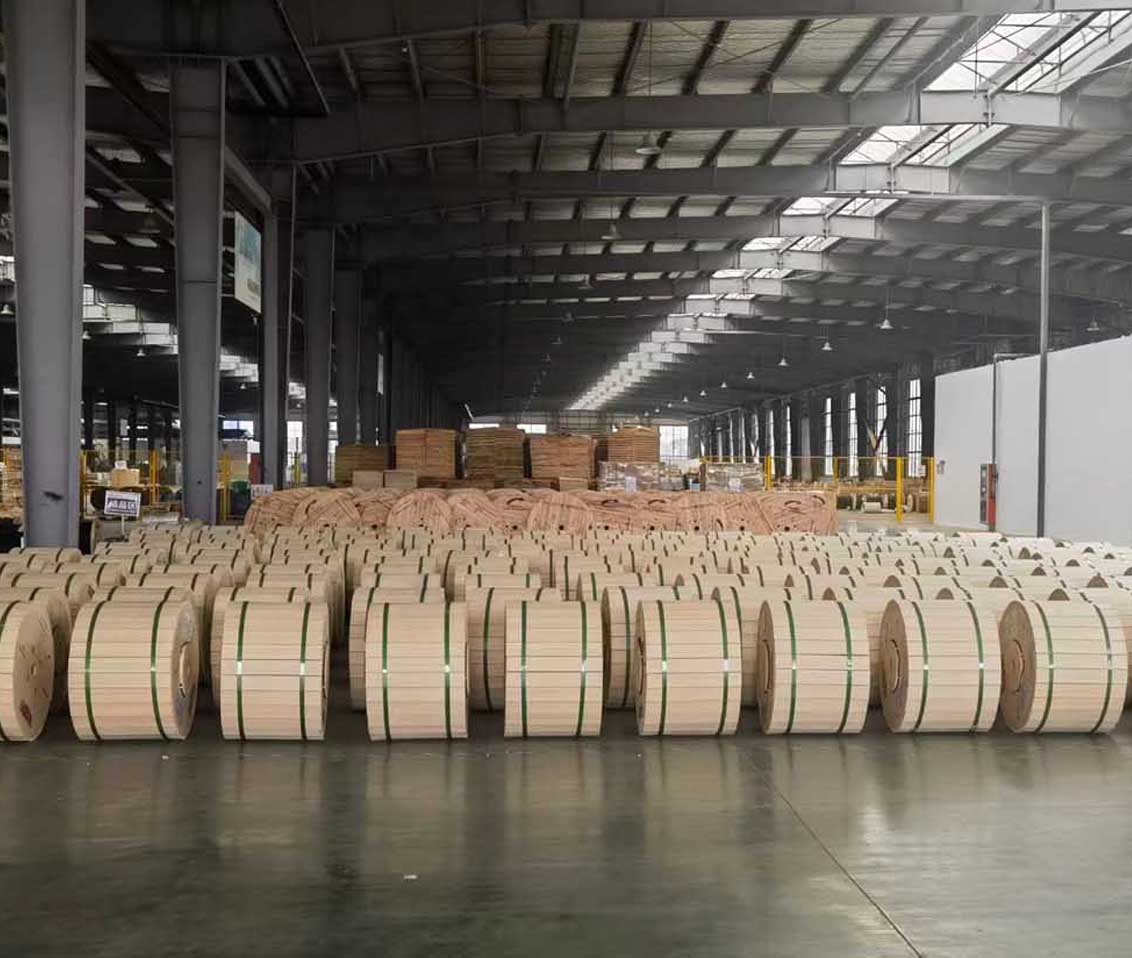
 Optical Fiber
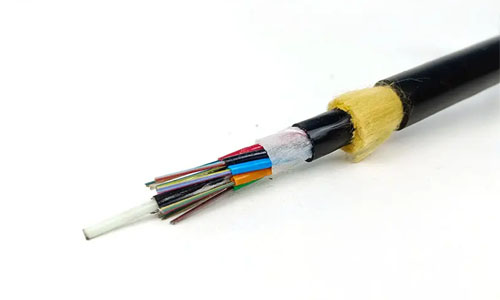 ADSS Fiber Optic Cable
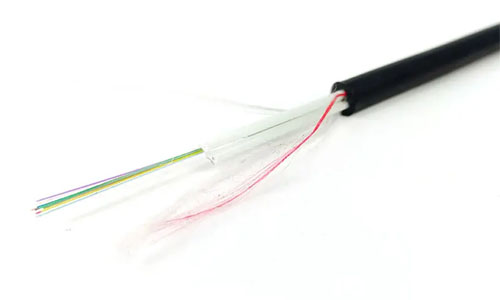 ASU Fiber Optic Cable
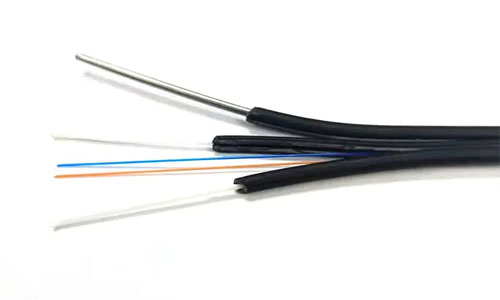 FTTH Fiber Optic Cable
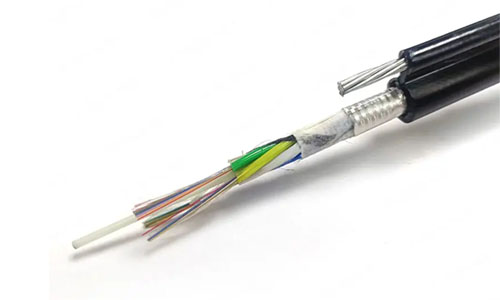 Figure 8 Fiber Optic Cable
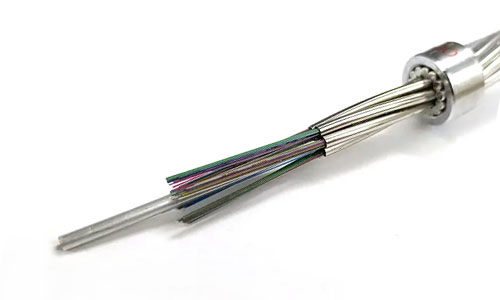 OPGW Fiber Optic Cable
 Coaxial Cable
 Ethernet Cable
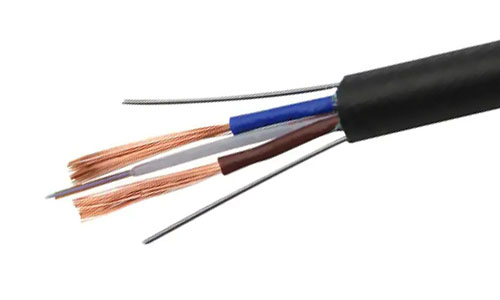 Photoelectric Composite Fiber Optic Cable
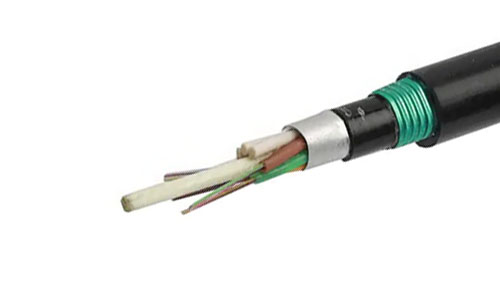 Underground & Pipeline Fiber Optic Cable
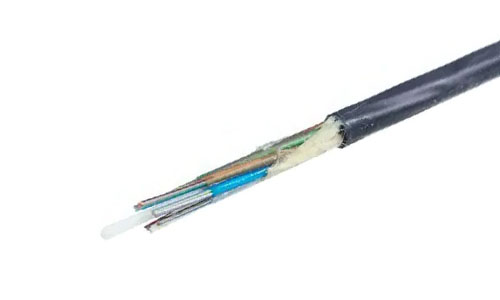 Air-Blown Micro Fiber Optic Cable
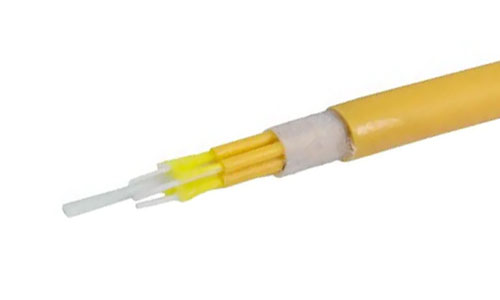 Indoor Fiber Optic Cable
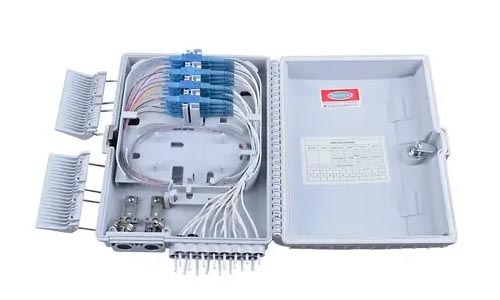 Fiber Optic Distribution Box
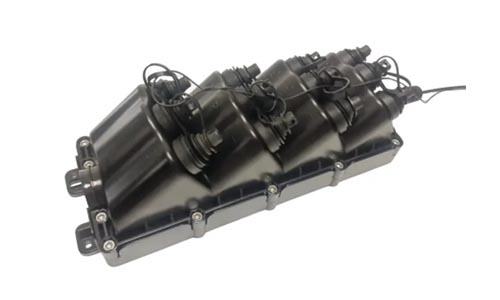 Multiport Service Termina Box
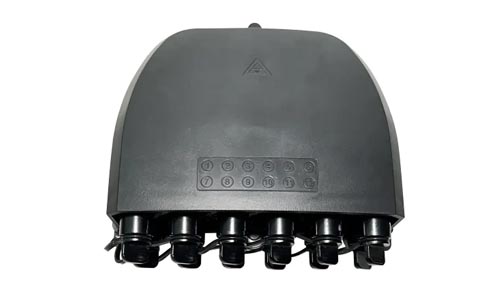 Fiber Optical Terminal Box
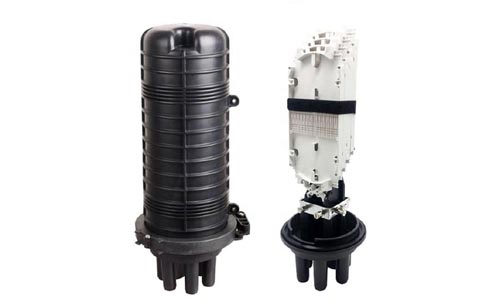 Fiber Optic Splice Closure
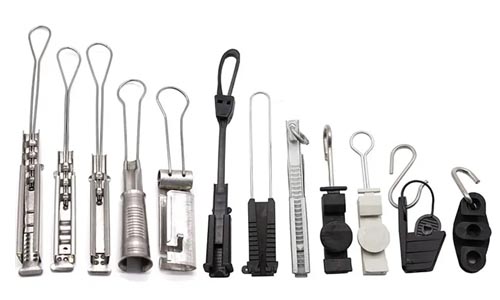 Fiber Optic Clamps
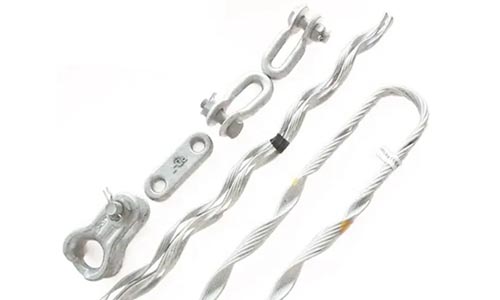 Fiber Optic Cable Fittings
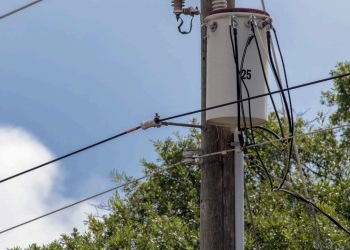 ADSS Fiber Cable
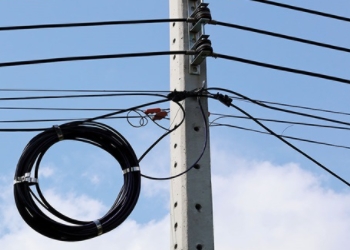 ASU Fiber Cable
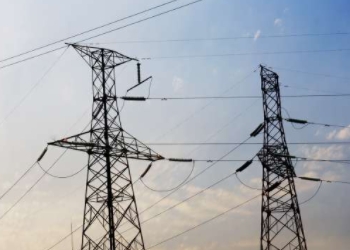 OPGW Fiber Cable
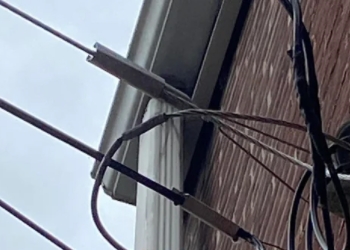 FTTH Fiber Cable
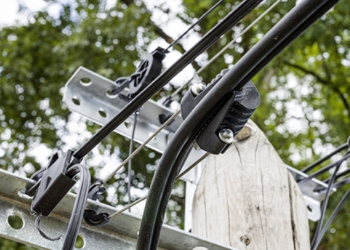 Figure 8 Fiber Cable
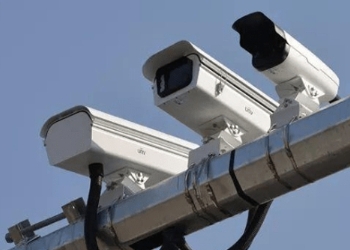 Photoelectric Composite Fiber Cable
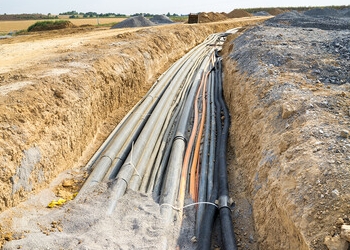 Underground & Pipeline Fiber Cable
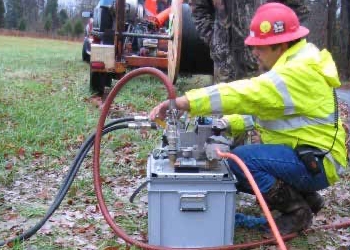 Air-Blown Micro Fiber Cable
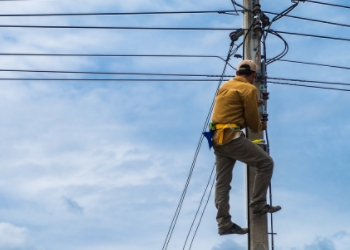 Aerial Fiber Cable
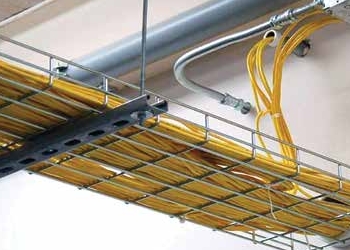 Indoor Fiber Cable
 Fiber Optical Terminal Box
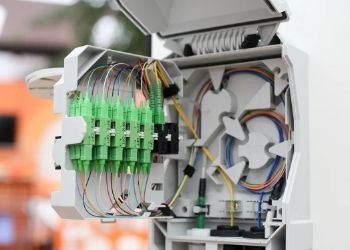 Fiber Optic Distribution Box
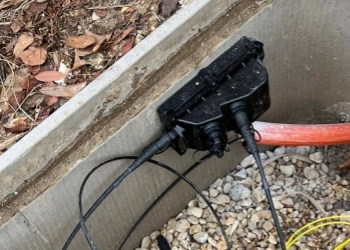 Multiport Service Termina Box
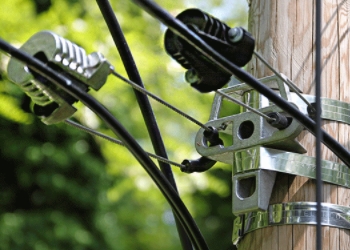 Fiber Optic Clamps
 About Us
 Our Team
 History
 R&D Strength
 Production Base
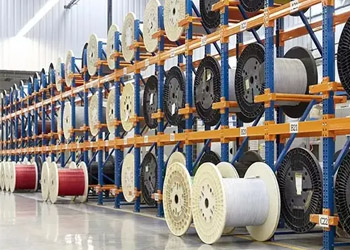 Warehouse & Logistics
 Quality
 FAQs
FAQsWhat is Coaxial Cable?
Contact for Free Quotation & Sample, According to your needs, customize for you.
inquiry nowWhat is Coaxial Cable?
Coaxial cable is an electrical cable designed to provide stable and consistent signal transmission at high frequencies. It has since established itself as the foundation for television, broadband, and telecommunications networks throughout the United States.
The four-layer construction of coax cable consists of a center conductor, insulating dielectric, metallic shield and outer jacket. In tandem, these elements help reduce interference and protect the signal’s integrity, even across great distances.
Selecting the appropriate coaxial cable type will have a significant impact on performance. Choose RG-6 for most single family homes, RG-11 for longer runs to prevent signal loss on long runs.
High-quality shielding and grounding are necessary for preventing interference from surrounding electronics, as well as for maintaining a stable, sharp signal output.
The bottom line Proper installation with high-quality connectors and splitters can prevent most common issues and ensure that your coaxial setup operates without a hitch.
Some simple preventive maintenance and troubleshooting steps can solve the majority of common issues in short order. Easily troubleshoot with just a visual inspection of connections and replacing frayed cables—no tech support required.
A coax cable is made up of a central round conductor and a dielectric. It has a metallic shield and a tough plastic outer cover. Folks often use coaxial cables in the United States for TV signals, internet connections, and linking security cameras at home or work.
This design prevents signal noise from sneaking in and allows data to travel quickly over large distances. In homes, you mostly see them as the thick, round cables that you connect to a TV or a modem. Engineered specifically for use in urban and suburban settings, coaxial cable is resilient to the elements and flexing.
Read on in the following sections to find out how coax cables work, where you should use them, and what makes them different from their counterparts.

What Exactly Is Coaxial Cable?
Coaxial cable, frequently reduced to “coax,” is an electrical cable designed to carry high-frequency signals with smooth, consistent performance. It was to achieve this aim that, in 1880, a young British engineer named Oliver Heaviside first cut his swath. He saw that there was a place for a cable that would shield radio signals from external interference.
In fact, today, people are using coax all over the place! They set it up for cable television within their family areas and even connect antennas outside crowded telecom booms. Its unique construction allows signals to move extremely far with little degradation, making it an ideal vehicle for today’s digital communications.
1. The Core Idea: Shielded Signal Path
It’s the shielded path that makes coax special. It reduces EMI or outside noise, by keeping the signal secure inside its coaxial layers. The metallic shield ensures the signal arrives in the original condition intended, unaffected by outside interference.
This configuration helps to maintain a consistent signal. It excels in situations where cables must pass through busy or noisy environments, such as an urban apartment or corporate office.
2. Layer 1: The Center Conductor
At the center of it, you’ll find the center conductor—typically made of copper for superior signal transmission. This is the wire that carries the primary signal. The diameter of the center conductor affects how signal propagates along it busbar, which is quantified as the impedance (most commonly 50, 75, or 93 ohms).
Quality of the coax Another important aspect to coax cable is the size, as the common phrase quality in, quality out applies here as well.
3. Layer 2: Insulating Dielectric
Wrapped around the center is a thick, spongy insulator, or dielectric. It prevents your coax signal from leaking into the shield and losing strength. The material—foam or solid plastic—shapes the cable’s impedance and how well it keeps the signal intact, especially over long runs.
4. Layer 3: The Protective Shielding
Now we have the shield, which is either braided wire or foil. This layer is meant to act as a barrier to any outside EMI from interfering with the signal. In tempestuous or manufacturing zones, a double shield or stronger mesh provides superior protection.
That’s why in-city and out-of-city deployments alike favor coax as the go-to option!
5. Layer 4: The Outer Jacket
The fifth and final layer, the outer jacket, is made of rigid plastic. It protects the cable from snips, sunlight, moisture, and abuse. First-rate jackets help the cable withstand wear and tear—vital for jobs outdoors or in areas with heavy pedestrian traffic.
6. How These Layers Work Magic
It’s the different layers working together that ensures coax remains strong, flexible and reliable. The purpose of each layer is clear: the conductor carries the signal, the dielectric and shield protect it, and the jacket binds it all together.
That collaboration is why coax is such a great fit for all things TV, internet, radios and beyond.
How Coax Actually Works?
Coaxial cable transmits signals over a wire. The layers in it cushion those signals from any outside noise. It’s a simple idea that’s lasted because it works so well, especially for radio and TV across Marrakech’s busy neighborhoods where signal loss can mean missing out on the news or a favorite show.
The cable’s proprietary design helps maintain a consistent signal—especially crucial given the city’s plethora of ancient walls and forbidding concrete.
The Science Behind Signal Flow
Signals travel along the inner copper wire, but not in a direct path. Rather, they propagate as waves along the surface as coaxial cable between the inner conductor and outer conductor, called the shield.
This space, packed with an insulating layer known as dielectric, is where the magic happens. This helps the electromagnetic field remain focused between the two conductors, thereby maintaining a strong signal and preventing it from bleeding out.
The devil is in the cable’s design, however. It’s about using the right size inner and outer layer and insulation to keep the signal flowing in the right direction. A quality cable just provides a clean highway. This ensures speed and strength are maximized, even at the much higher frequencies used in short-range local radio and Wi-Fi.
Impedance: A Critical Match
Impedance just refers to how much a cable opposes the movement of electricity. For coax, impedance match is critical. If the radio station’s coax is 75 ohms, and the receiving equipment is 75 ohms too, the signal is free to pass smoothly.
If the match is off, parts of the signal bounce back, creating static or a weak sound. Broadcast television continues to use 75 ohms as the standard for most applications.
50 or 52 ohm impedance is favored in walkie-talkies and domestic security systems.
Attenuation: Understanding Signal Loss
Attenuation is the term for how much signal you lose, or the distance the signal will travel. Whatever the cause—long cables, old insulation, or that hot Marrakech sun—signal loss is inevitable.
To further reduce loss, some cables utilize a unique spiral plastic within the cable. This design helps maintain signal crispness over long piers or through concrete maritime walls.
Frequency’s Role in Performance
Not every coax cable is suitable for every task. In other words, if you want higher frequencies, say for faster broadband, you need coax that is designed for it.
The greater the bandwidth, the more signal that can travel simultaneously. Local television, radio stations, and internet select cables that fit their frequency spectrum. This helps to keep service high quality during peak times in busier markets.
Why Shielding is So Key?
Shielding is your most effective defense against outside noise. All of that out on Marrakech’s crowded streets, with their myriad cell towers and radios, can really knock signals around.
Quality coax cables enclose the inner wire in multiple layers of shielding. This architecture does a great job at shielding interference from motors, power lines, and even competing Wi-Fi networks.
The correct shielding translates to quiet sound and crisp images, despite the clamor of the busy city.
Common Coax Types & Uses
Coaxial cables are ubiquitous, found in every imaginable environment from urban high-rises to rural ministries throughout Morocco. Their primary purpose? Transport radio frequency signals quickly and consistently—up to 10 Mbps, actually—without sacrificing performance.
Well, you have a lot of types to pick from. The best option really depends on your end goal, how far you need the signal to reach, and what type of device you’re using! Choosing the correct cable translates to better sound, clearer video and much less frustration in the future.
RG-6: Today's Home Standard
RG-6 is what you’ll find behind most of today’s TVs or internet modems. Its heavier core and improved insulation were more than equipped to tackle HDTV, satellite and broadband requirements.
RG-6 is much better at shrugging off interference than legacy cables. That maintains your signal loss at bay, even in longer runs throughout your home. This coax will do you great connecting your living room television to the satellite dish. You can even get internet directly from a wall outlet to your modem!
RG-59: For Older Video Gear
RG-59 is the old-timer of coax types. You can still see it connected to older video gear, or analog CCTV.
RG-59 is not as effective as RG-6 over longer distances because it allows more signal loss so it is better suited for shorter runs. It’s thinner core and lighter shielding that really make it different. When you’re working with vintage restoration, RG-59 is frequently the right choice.
RG-11: When Distance Matters?
RG-11 really excels when you want to send signals over the longest distances. Imagine municipal outdoor CCTV communicating from a public street directly into a police department surveillance hub.
Its thicker build helps keep the signal strong over longer distances. The trade-off is flexibility: RG-11 is stiff, harder to work with in tight spots, and usually costs more.
Other Coax: RF, CCTV Needs
Hardline and triaxial cables are needed for tougher applications, such as radio towers or professional-grade security systems. Hardline is very thick, can handle a lot of power and is weatherproof, while triaxial adds a third layer of protection to prevent interference.
These options are smaller and more robust than RG cables in terms of shielding. They employ different connectors, some of which are rated for frequencies of 12 GHz and higher!
Choosing Your Right Coax Cable
Choosing Your Right Coax Cable It’s all about compatibility. Think about:
-
Length of cable run
-
Type of device (TV, modem, radio, CCTV)
-
Frequency range (standard or high-frequency)
-
Location (indoor or outdoor)
-
Impedance match (like 75 Ohm for most home uses)
-
Durability and weather exposure
Always check specs, especially if your cable runs outside, since Moroccan sun and dust can wear down cable insulation fast.
Coax: The Upsides and Downsides
Coaxial cables are older than many of us, but they’ve somehow survived for decades amidst a never-ending wave of new technology. Though their construction is quite thick, their stackable design adds a certain rugged feel that holds up through everyday use.
On the ground in locations like Marrakech — where the heat and the dry desert winds constantly push every cable to their limits — coax holds up. That heavy shielding really does resist interference, protecting against things like losing the channel in the middle of a sandstorm.
People today still use coax for TV and internet access, largely because it’s affordable. Second, coax is cheaper to deploy and repair than fiber optics. This distinction is important to large telecoms and small establishments.
Why Coax Still Shines Bright?
Coaxial cables are surprisingly robust. We’ve seen them do well from indoors to outdoors, even under that blazing hot sun or those congestion city streets. You’re guaranteed good speeds, usually at least 1 Gbps down, more than sufficient for homes and businesses.
Coax is compatible with legacy devices. From satellite dish replacement to Wi-Fi router installation, it’s a perfect match for modernization! With types ranging from RG-6 for TV to 50 Ohm for data, there’s one for every job.
Limitations You Must Consider
Coax isn’t all good news, though. Signal falls off quickly over long distances, and the maximum bandwidth is limited to about 400 Mbps downstream. When too many people are on a line, speeds slow to a crawl.
Signal leakage prevents this as well and can be a major issue, allowing interference to creep through. Dust, precipitation, or high temperatures can interfere with quality, notably in the field. When it comes to big enterprise campuses or data centers, coax just simply can’t cut it.
Coax vs. Fiber Optic Showdown
Fiber optic wins on speed and bandwidth, easily hitting multiple gigabits per second. While coax is less expensive, fiber is slimmer and immune to signal leakage which is more complicated to repair.
Given coax’s sturdier construction and lower cost, it makes the most sense in places where budget and durability are a top priority. In established neighborhoods or the traditional, rural Morocco, coax almost always comes out on top for the rapid deployment.
| Feature | Coaxial Cable | Fiber Optic |
|---|---|---|
| Speed | 10 Mbps – 1 Gbps | 1 Gbps – 10+ Gbps |
| Cost | Lower | Higher |
| Durability | High | Moderate |
| Signal Loss | Over long distances | Minimal |
| Bandwidth | Up to 400 Mbps | Up to 10+ Gbps |
Coax or Twisted Pair Wires?
Twisted pair wires, as used in legacy phone lines, are sufficient for very short hops and voice-only services. Coax excels in longer distances and superior shielding, which helps maintain a clean signal in congested environments.
Twisted pairs are much easier to run in tight spaces and are cheaper for low duty cycles. Coax’s thicker construction allows for a better signal, but is more difficult to install.
In stormy medinas or high-rises, twisted pairs may be the wiser choice for telephony or low-bandwidth data.
Essential Coax Connectors & Tools
Working with coaxial cables, whether for home internet or a satellite setup, means you’ll run into a range of connectors and tools. From the core to the shield, insulation and jacket—each part of a coaxial cable requires a correct connection to maintain the integrity of the signals. Choosing the right connector isn’t simply a matter of finding the right size connector to mount.
It prevents signal loss too! Your setup works great in the dry heat and dust of Marrakech, where cables experience some harsh conditions.
F-Connectors: The Usual Suspect
F-connectors are the standard connector for most people working with coax cables. You’ll find them on the rear of your television or cable modem. They help cable TV and internet signals travel without interruption.
Because f-connectors screw on tight, they’re very good at keeping dust and moisture out—an enormous advantage in Morocco’s dry, desert climate. When installing one, cut the cable end squarely, push the connector over the end of the cable, and twist until tight. A too loose of a fit could result in weak signals or no signal at all.
BNC and Other Connector Types
BNC connectors are commonly seen on video equipment and security cameras. They twist on with a snap, allowing for fast replacements in the field. RCA connectors are everything you would think of as old school, but they still show up for a/v connections.
N-type connectors work well with outdoor antennas. Choosing the appropriate connector is important. A simple mismatch can result in dropped signals or interference, even on densely packed city blocks where every last decibel matters.
Understanding Coaxial Ports on Devices
Coaxial ports can be found on TVs, modems, and even some older radios. They’re very round, with a pin in the middle—they become easy to identify after you know what you’re looking for. Cramming in loose or rusty connectors can damage your image quality or reduce the speed of your web.
Security note: make sure you have a solid, dirt free connection.
Smart Use of Coaxial Splitters
Splitters are devices that take one incoming signal and send it to multiple downstream devices. Low-loss splitters reduce signal loss, providing a boost to homes with dense walls or long coax runs.
They’re especially prevalent in Moroccan households where a single satellite dish can feed service to multiple televisions. Installation is simple, just align the “in” and “out” ports and screw down the connectors.
Do You Need a Signal Booster?
Occasionally, cable runs are just too long, or signals are too weak—particularly in older buildings. When you need a little extra assistance, a signal booster can make all the difference by boosting your signal strength.
The key here is choosing the right one for what you want your cable to do, whether that’s boosting your TV, internet, or radio signal. With the right booster, you’ll enjoy crystal-clear TV and lightning-fast internet in every room.
Taming Coax Interference & Issues
Coaxial cables may light up more homes and businesses than any other service, but COAX has its own issues. Signal loss, fuzzy reception, or dropouts are clear indicators of interference problems. Fixing these issues proactively prevents future irritation and lost streaming, work-from-home, or relax-at-home time due to a shaky connection.
A great – or even just good – setup begins with the right cable and thoughtful precautions during installation. Being aware of what to look out for is the key!
Common Sources of Signal Noise
Roaming RF signals can be captured by coax cables from electronics such as WiFi routers or cordless phones. Even minor oversights—such as running cables parallel to power lines—can create interference and disrupt your signal.
In Marrakech’s crowded medina, jumbled webs of networks or outdated internal wiring can complicate things. In addition, weather and dust—common, particularly in outdoor setups—accelerate insulation degradation and expose cables to even more interference.
Preventative measures
Prevent strong electrical sources from creating noise by keeping them away from cables. Seal outdoor runs and replace aged insulation for even more improvement!
Shielding: Your First Line of Defense
Shielding prevents unwanted signals from entering your device. While a lot of standard coax only has one or two shield layers, the “quad-shield” varieties employ four layers of shielding for heavy-duty protection.
The proper shield is most important in areas with a high concentration of electronics or near radio towers. The shield cutoff frequency varies from 600 Hz to 2,000 Hz. Therefore, it’s very important to select the correct cable for the application!
The better shielded the cable, the less static you’ll hear and the better sound or picture you’ll receive.
Proper Grounding is Non-Negotiable
Properly grounding routes wayward signals safely to ground, minimizing interference. Grounding is a very standard practice for homes utilizing coax. If not properly grounded, stray currents may accumulate, resulting in static or worse, damage.
Proper grounding is the key to trouble free, safe operation.
Cable Quality & Installation Tips
Not all cables are created equal. High-quality coax with double-braided shielding and thick insulation hold up better over time and perform better, particularly in Marrakech’s desert sun and dust.
Prevent sharp bends and ensure cables are free from dirt and debris. Low-loss cables that use polyethylene as a core support maintain the signal better with less drop-off. Routine inspection for bumps, cracks or stiffness can catch issues before they become serious.
Basic Home Troubleshooting Steps
Start simple: check all connections, look for visible damage, and swap out older cables. If the signal’s still weak, move any cables away from electronics or replace cable ends.
Cleaning dust and dirt off the outside is important as well. Routine plant inspections identify minor issues before they can develop into major ones. If these basic home troubleshooting steps haven’t resolved the issue, calling in professional assistance is definitely the way to go.
Conclusion
With coaxial cable, there’s less to complicate the process and upset the balance. People depend on it across the country, from analog TV to gigabit home internet. You can get it at any home improvement store. Where it needs to bend around sharp corners and run through walls in environments like crowded apartment buildings or large homes. Whether it’s your cable TV in a metro area, or your neighbor using coax to keep his Wi-Fi strong in his old, thick-walled, suburban house. So whether you’re looking for a strong, reliable cable for your coax antenna or another type of signal, coax has got you covered. Looking for a neat installation or more reliable signal reception? Consider coax cable in your next upgrade. Share your own coax stories or coax tips in comments! Hit me up anytime to trade concepts and keep this creative energy flowing.
Frequently Asked Questions
What is a coaxial cable used for?
Coaxial cable primarily serves as a transmission medium for television signals, internet data, and cable services. It’s a choice for home and enterprise networks, because it is a reliable option with good shielding to protect against interference.
How does a coaxial cable prevent signal loss?
Its unique, multi-layered structure—complete with a central conductor, insulation, shielding, and outer jacket—works to prevent outside interference. This ensures your signal is strong and clear, even on long distances.
What are the common types of coaxial cables in the U.S.?
The most widely recognized varieties are RG6 and RG59. RG6 is the coax cable standard for cable television and broadband internet connections. RG59 is typically used for older systems and CCTV cameras.
Can I use coaxial cable for high-speed internet?
12 Can I use coaxial cable for high-speed internet. It can handle very high speeds, particularly when paired with DOCSIS 3.0 or more recent technology.
What connectors are used with coaxial cables?
F-type connectors are the standard for television and internet in American households. Other popular varieties are BNC and RCA connectors commonly used with security systems and audio/video equipment.
What are the main advantages of coaxial cable?
These cables are low-cost, highly reliable, and immune to interference. Installation is seamless in the majority of U.S. Homes and service is dependable for both television and broadband.
What problems can affect coaxial cable performance?
Physical damage, loose or corroded connectors, or exposure to moisture can increase signal loss. Prevent problems and maximize performance by keeping cables in good condition and dry.