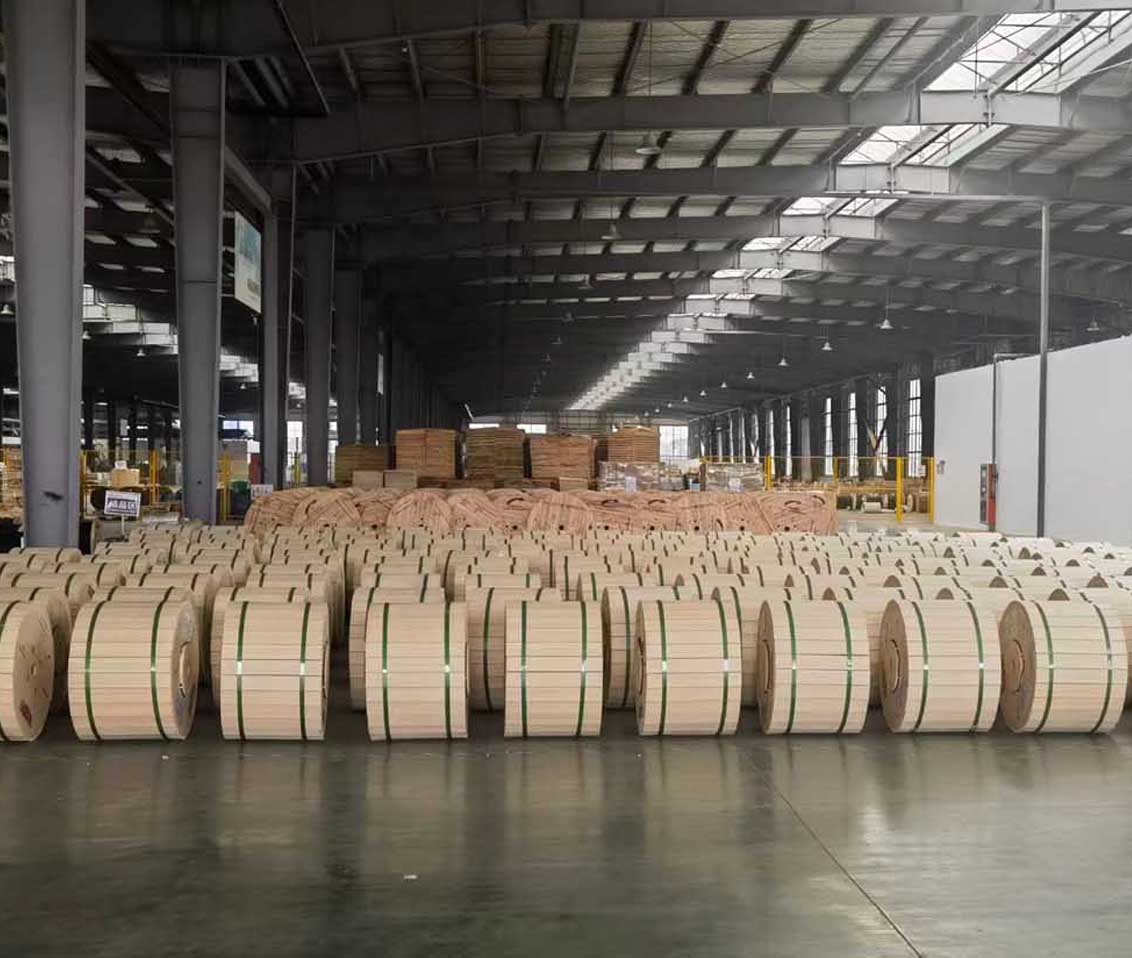
 Optical Fiber
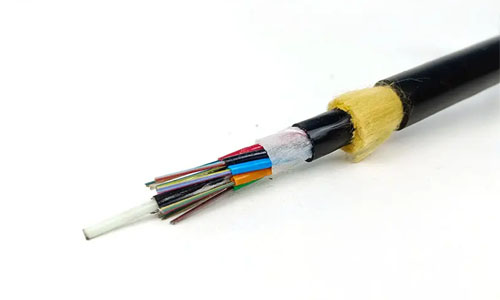 ADSS Fiber Optic Cable
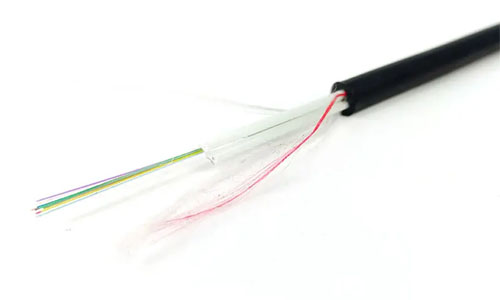 ASU Fiber Optic Cable
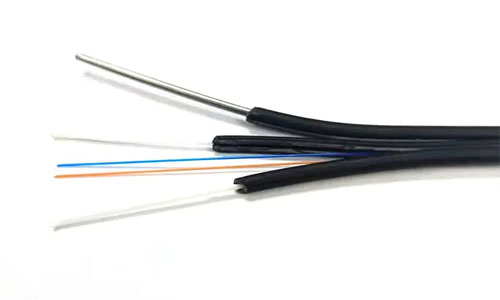 FTTH Fiber Optic Cable
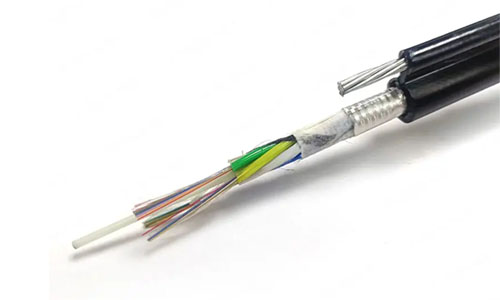 Figure 8 Fiber Optic Cable
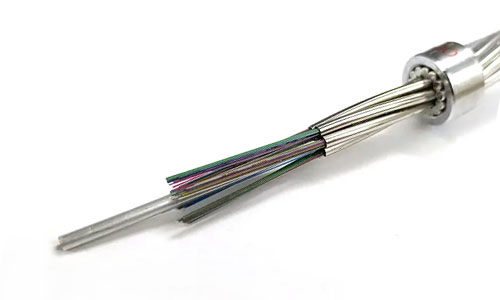 OPGW Fiber Optic Cable
 Coaxial Cable
 Ethernet Cable
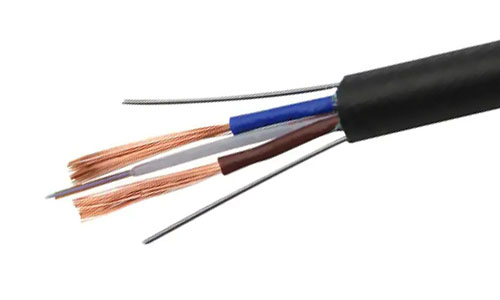 Photoelectric Composite Fiber Optic Cable
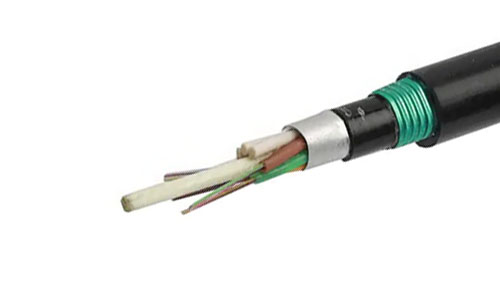 Underground & Pipeline Fiber Optic Cable
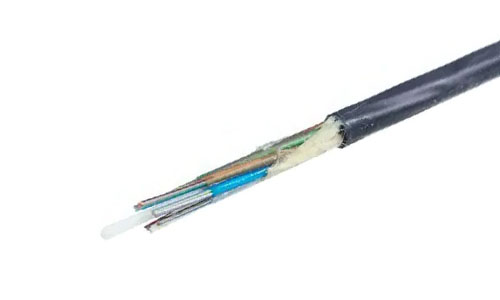 Air-Blown Micro Fiber Optic Cable
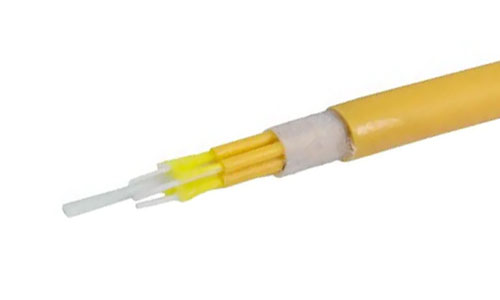 Indoor Fiber Optic Cable
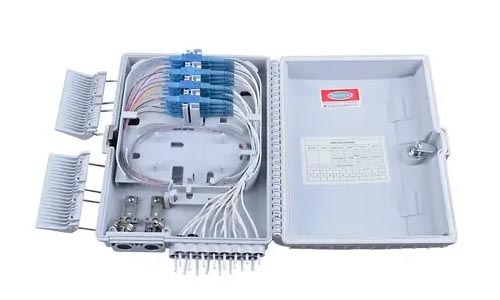 Fiber Optic Distribution Box
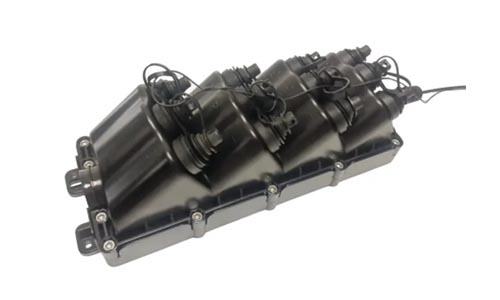 Multiport Service Termina Box
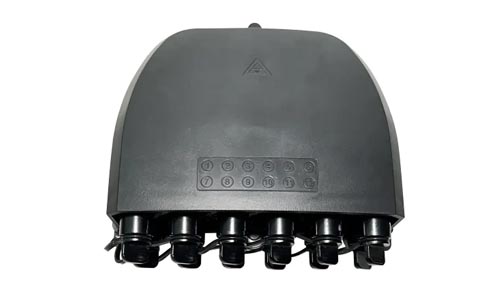 Fiber Optical Terminal Box
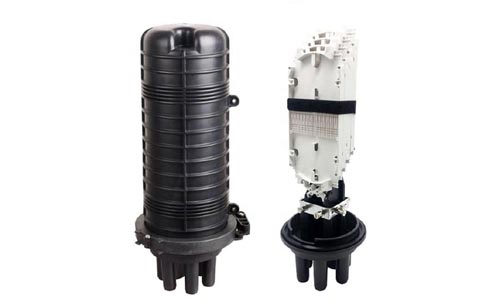 Fiber Optic Splice Closure
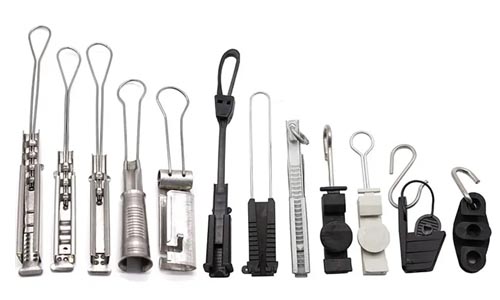 Fiber Optic Clamps
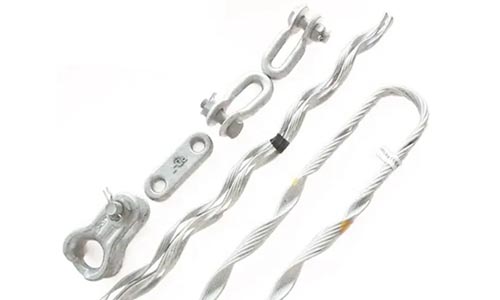 Fiber Optic Cable Fittings
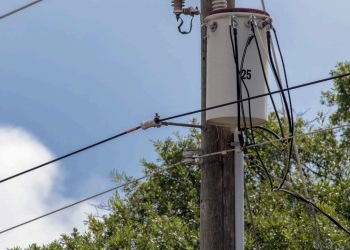 ADSS Fiber Cable
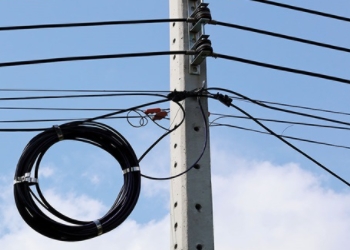 ASU Fiber Cable
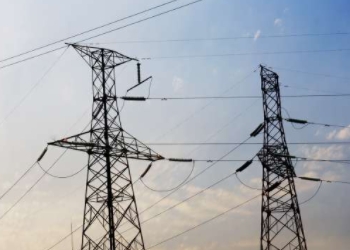 OPGW Fiber Cable
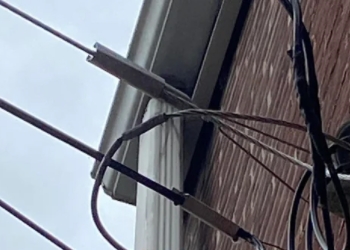 FTTH Fiber Cable
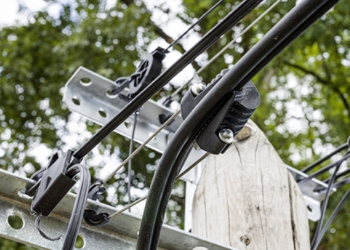 Figure 8 Fiber Cable
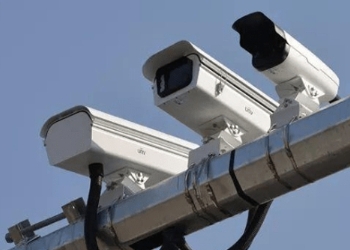 Photoelectric Composite Fiber Cable
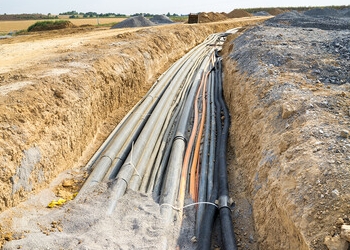 Underground & Pipeline Fiber Cable
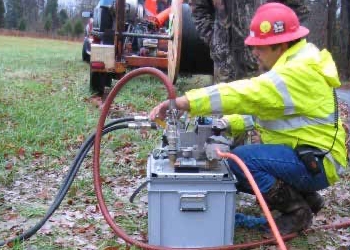 Air-Blown Micro Fiber Cable
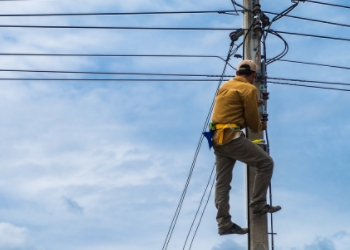 Aerial Fiber Cable
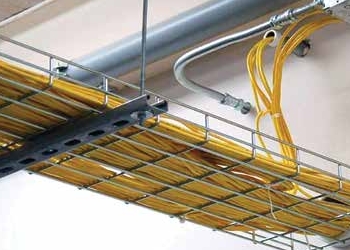 Indoor Fiber Cable
 Fiber Optical Terminal Box
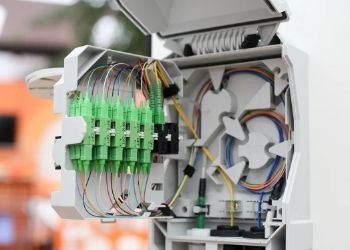 Fiber Optic Distribution Box
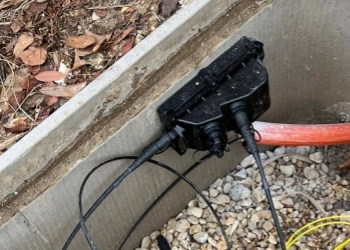 Multiport Service Termina Box
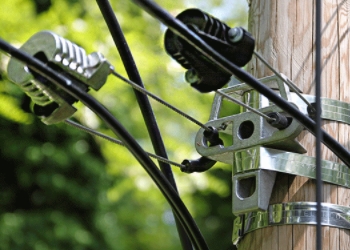 Fiber Optic Clamps
 About Us
 Our Team
 History
 R&D Strength
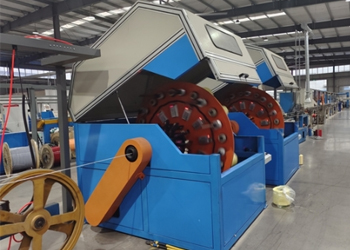 Production Base
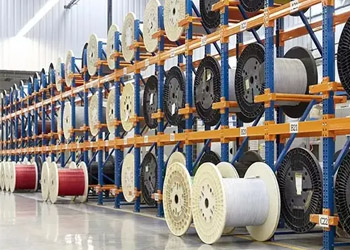 Warehouse & Logistics
 Quality
 FAQs
FAQsWhat is Outdoor Fiber Optic Cable?
Contact for Free Quotation & Sample, According to your needs, customize for you.
inquiry nowWhat is Outdoor Fiber Optic Cable?
Outdoor fiber optic cables Outdoor cables are specifically made to endure the harshest American conditions. From sweltering summers to icebox winters, always select cables properly rated for your climate!
Loose tube and armored cables offer the best defense against moisture, rodents, and harsh environments. This is what makes them the best fiber solution for any outdoor installation in the United States.
Take time to evaluate your project specifications! Are you planning on deploying cable aerially, directly buried, or in inner duct? Choose the correct cable type for your installation method.
Don’t forget to look up the durability ratings! Think UV-resistant jackets and water-blocking features that survive American outdoors.
Consider future bandwidth requirements so your cable will support the technology of tomorrow—without requiring an expensive replacement.
Conduct routine visual inspections and proactive maintenance on your fiber lines. Keep a close eye on vegetation, and when a situation goes beyond your expertise, bring in an emergency response professional!
High-grade outdoor fiber optic cabling should provide a high level of weatherproofing and UV protection. Its rugged construction guarantees it can withstand extreme outdoor environments.
Direct-burial armored cables are particularly important for the U.S. There’s no denying that they really help keep data lines safe from water, sunlight, and creepy crawly critters!
If your project requires long runs in open air spaces, choose single-mode fiber with a gel-filled core. It retains moisture and speed, even when exposed to quick temperature changes.
It’s no wonder that countless homeowners and small businesses sing their praises after making the switch to outdoor fiber. They have half the outages, even in places with spring thaws and summer humidity.
Selecting the appropriate cable means less need for repairs and a better quality streaming experience. This is important even if you only want home security or backyard wi-fi!
To continue these discussions, the following sections address why outdoor fiber is important, followed by my own take.

What Is Outdoor Fiber Cable?
Outdoor fiber cable is, without a doubt, the lifeline to providing those critical, strong, and steady network links in the toughest of environments. Outdoor cables are definitely made for the great outdoors! In contrast to the fiber that’s hidden away inside office walls, they’re built to handle downpours, swamps, deserts, sunshine—and yes, even the occasional squirrel.
These cables do all of this while extending beyond a single home or office. Due to their durable nature, you’ll see them at factory installations, military installations, and between complex installations in a city. Here’s a look at the differences between the two.
Not Your Indoor Cable
What’s wrong with indoor cables? Indoor cables are great for tidy, dry environments. Once you go outside, you require something more durable. Outdoor fiber cables aren’t just built to endure, they’re loaded with unique features to ensure their longevity.
Imagine heavy, armored sheaths that prevent moisture, soil, and pests from entering. These materials masterfully fend off bending and crushing forces. This structural integrity guarantees they will withstand the elements and not break or shatter while being buried or hung on utility poles.
Sizes can be all over the place! Some outdoor cables can only fill with a single fiber, others can fit thousands—6,912 fibers, in fact. This makes them perfect for large networks.
Built Tough for Outside
Outdoor fiber cables are designed and built to withstand the elements. With most rated IP68, they prevent infiltration of salt water and dust particles. Rainstorm, heat wave, or blizzard—these cables do it all, withstanding temperature ranges of -40°F to 185°F.
They can be dropped underground, buried directly in the ground, or run overhead between poles. Connectors such as LC, SC, ST and FC are compatible with these cables to accommodate any configuration.
With the right outdoor cable, your network is resilient, even when the world isn’t.
US Outdoor Cable Challenges
US Outdoor Fiber Optic Cable Challenges
Our US outdoor fiber optic cables have a hard enough time as it is. They have to deal with extreme weather variations, difficult terrain, and much more. These cables truly have to withstand conditions that indoor cables simply aren’t subjected to.
Second, let’s take a look at what goes into making American outdoor cable installs so difficult.
Battling US Weather Extremes
Whether it’s the cold in Minnesota or the heat in Arizona, cables are subjected to extreme temperature changes. Most outdoor cables function from -40°F to 158°F, allowing them to continue operating in the majority of the U.S.
Even a sudden freeze, heat wave, or storm can wreak havoc on the cable’s jacket and tensile strength. This is why installers in the Midwest or the Rockies frequently choose cables with larger diameter jackets and gel-filled tubes. That’s what keeps them living longer even when the weather shifts quickly.
Moisture: The Silent Enemy
Moisture: The Silent Enemy Water is a crafty enemy. It seeps into cracks, no matter how small, and can freeze, making them larger or induce the formation of rust.
In regions such as the Gulf Coast or Pacific Northwest, rain and humidity present serious risks for cabling. That’s why they need additional seals and water-blocking tape! Gel-filled or dry-blocked cables do just fine. They prevent water from traveling throughout the cable, protecting the fiber and maintaining the fast, reliable speeds customers expect.
Sun, Critters, and More
UV rays can break down cable jackets over time, creating problems in sunny, warm-weather states such as California or Texas. UV protection Black polyethylene jackets protect cables from the sun’s harmful UV rays to prevent cables from deteriorating and cracking.
Animals bring an even greater level of misery—rodents gnaw through cable, while insects and birds puncture and burrow. Armored cables, or cables with rodent resistant layers are frequently used in rural or heavily forested areas.
Unique Soil & Terrain Issues
Unique Soil & Terrain Issues Soil in the US varies from rocky terrain in Colorado to sandy soil in Florida. Each of these types come with their own set of challenges.
With rocky soil that can crush or slice cable, armored designs are most effective. Areas with sandy or constantly shifting soils, such as coastal regions, can shift and stretch cables. This entails crews inspecting more regularly for cable sag and employing additional cable supports.
Outdoor Cable Types Explained
Choosing the right outdoor fiber optic cable in the U.S. Means sorting through several types, each built for a certain job and environment. From busy streets in New York to open fields in the Midwest, the cable you pick matters for how well your network holds up over time.
Loose Tube: The Go-To
Loose Tube : The Go-To Loose tube cables are the workhorse when it comes to outdoor runs. Those fibers are housed in multiple gel-filled tubes to prevent water ingress and protect the fiber from changes in temperature.
This versatility coupled with an ability to withstand harsh environments makes them a popular choice for long-haul and campus networks. You’re probably used to seeing them buried under the ground or strung between telephone poles.
They can be produced in simplex, with one fiber strand, or duplex, with two strands for send and receive. The duplex type increases the rate of transmission by enabling simultaneous two-way transmission of data.
Strength members internal to prevent the fiber from being crushed or overstretched in a hard pull.
Armored for Max Protection
Armored for Max Protection When you really need to protect your investment, armored cables go above and beyond. They are wrapped with steel or aluminum under the jacket.
It’s so rugged that it keeps them safe from the likes of rodents, rocks and even wayward shovels. They’re the choice for the most dangerous of runs—imagine municipal run through an urban back alley or a rugged terrain.
Not all armored cables come with LSZH jackets, so check before you buy. These jackets lower smoke and fumes in the event of a fire, meeting safety regulations such as NEC Article 770.
Aerial, Duct, or Burial?
Whether you deploy using aerial, duct, or burial methods will dictate your decision. Aerial cables, which hang on poles, require jackets that are resistant to ultraviolet rays.
Duct cables go into pipes, protected from exposure to elements, but requiring a bit of a longer, smoother pull. Direct burial cables feature heavy-duty construction, frequently armored, and designed to resist soil, stone, and tree roots.
Single-Mode vs. Multimode Outdoors
Single-Mode vs. Multimode Outdoors Single-mode cables truly excel when it comes to long runs— miles, not feet. They’re the default for metropolitan area connections and countryside runs.
Multimode is ideal for short hops in business parks or campuses. Both are available in general-purpose, riser, and plenum varieties, in accordance with the regulations for where you install them.
What Is The Best Outdoor Fiber?
Choosing the right outdoor fiber optic cable requires some due diligence. It isn’t only speed that matters. You want something that will stand up to the unpredictable storm of weather and wildlife that is the U.S.
It should handle the wear-and-tear you put it through too! Let’s demystify what to consider, so you can choose the best fiber for your application.
1. Assess Your Local US Climate
That’s why outdoor cables should be able to withstand the climate you live in. In hot, sunny areas of the US including Texas or Arizona, black water- and UV-resistant jackets help cables prevent degradation.
Further north, or in areas with extreme cold, waterproof and armored cables prevent snow, ice and rodents from wreaking havoc. IP68-rated cables provide protection in wet or dusty areas, such as near lakes or agricultural fields, by preventing the ingress of water and dust.
2. Match Cable to Your Project
Consider what you want the cable to accomplish. Multimode OM1 or OM2 fiber is perfectly acceptable for short runs within a single backyard or business park.
With longer runs or large data requirements, OM3 or OM4 types provide higher speeds and increased distance capabilities. Multimode fibers typically have core sizes of 50 or 62.5 micrometers.
For starters, they can transport a much higher quantity of data simultaneously, which makes them ideal for congested networks!
3. Scrutinize Jacket & Armor
Cables are available armored or unarmored. Armored varieties prevent rodent and crush damage.
Tightly buffered, supple jackets hold up better in the elements. Aim to find those with a crush resistance between 225 and more than 1,100 pounds-force.
4. Check Real-World Durability Specs
A quality outdoor cable will bend without snapping. Most hues for outdoor folks have a bending radius of 1.5–6 in.
They need to withstand 18-wheelers, plow blades, gravel, frost, and spades.
5. Think Future Bandwidth Needs
Select an outdoor cable that will scale with your future requirements. As a rule of thumb, always choose higher specs, even if you don’t require them all at this very moment.
6. Balance Upfront Cost & Lifespan
Armored, waterproof cables are more expensive but have a longer lifespan and reduce future repair costs.
Install Outdoor Fiber Right
Getting outdoor fiber right requires an acute focus on the details that make the biggest difference between plans on paper and practical, real-world results. Wireless-fiber-integration Outdoor fiber optic cable can vary widely from basic, loose-tube to various armored cables. Each type has unique advantages.
Armored types give you better crush resistance and more tensile strength. Pick them if you expect to be beat up, have cables stepped on or dragged! Members made out of high-strength members, typically Kevlar, increase durability. Sometimes it’s the small actions that, when repeated enough times, lead to big change.
Respect Bend Radius Always
Outdoor fiber cable may be rugged, but they don’t take kindly to tight bends. Each cable has a minimum bend radius which is typically marked on the reel or available in the specifications. When you push a fiber past its limit, you start to lose signal or can even cause a permanent break.
Consider, for instance, singlemode fiber—with its tiny 9-micrometer core—that requires even less bend than its bulkier multimode counterparts. This is important to note if you’re working near garden paths or tight 90-degree corners—always adhere to manufacturer’s numbers to maintain the integrity of your connection.
Secure Against Wind & Water
Fiber cables deployed outdoors are subjected to extreme conditions, from the sweltering heat of summer to blistering winter storms. Outdoor-rated cables can survive temperature shifts from -40 °F to 158 °F without issue. Water and wind are still threats.
Employ weatherproof enclosures at splice points, and tie down cables with heavy-duty fasteners to ensure they are anchored securely. In more wide-open areas, armored or water-resistant cables provide an extra layer of assurance. Look for changes in topography, such as slopes or dips, which could pool water or face your installation to additional wind.
Proper Grounding is Key
Proper grounding is the key. Safe, stable grounding is essential for both job safety and proper fiber network performance. Any metal parts—such as armored jackets—should be properly grounded to dissipate stray voltage and protect against lightning strikes.
Proper grounding prevents corrosion as well as electrical shocks and power surges from entering the network. Grounding is an important care detail. Always verify grounding at each junction box, and utilize US-standard equipment for optimal performance.
Professionals utilizing fiber optic splicing ensure clean connections that minimize loss of signal.
Outdoor Cable Upkeep Tips
Outdoor fiber optic cables are essential to making sure we can all stay connected no matter where we are. Even when the weather goes from arctic to desert temperatures overnight, they work! To ensure your dollars are spent to keep your program rolling right, some preventative maintenance and routine maintenance should do the trick.
Ensure these cords stay in proper working order with these tips! This is crucial, particularly in environments where dust, sun, and rain can all be experienced in a single week.
Inspect Lines Seasonally
Flooding, winter storms, wildfires—each season brings new challenges to maintaining outdoor cables. By spring, you’ll be able to see signs of new growth or new mud showing where the cables cross the ground. Wind and leaf litter from autumn can camouflage this, making it even more important to inspect regularly.
Taking a close look at your cables every three months or so will allow you to notice any signs of wear, nicks, or fraying ends. Check for cracks in the outer jacket, evidence of animal chewing, or any areas where water could potentially enter.
A simple, slightly damp, non-abrasive cloth will take off dust or bird poop—avoid anything abrasive. This weekly maintenance routine prevents unwanted signal loss and prevents small issues from developing into larger threats.
Manage Nearby Vegetation
Vegetation can become overgrown, particularly around water access points, or just after the rainy season has ended. Tree branches and roots can exert pressure against cables or even break them in high winds and severe weather. Keeping vegetation trimmed around cable runs makes a difference.
When installing new circuits, install armored cables. Industrial-grade tape or a pull strength high enough (112 pounds) to hold up against aggressive roots and rocks make these cables tough enough to handle anything. Choosing the path to dodge low areas or steep grades creates less risk of issues down the road.
Know When Pros Are Needed
Know When Professionals Are Needed DIY only goes so far. At the first sign of a signal loss or strange splices, call in the cavalry. If you don’t know how to properly terminate a cable, definitely be safe and hire a professional!
Those trained eyes ensure everything is connected properly and sealed securely, which helps protect the data stream. That’s one of many ways to prevent small errors from becoming large failures.
Conclusion
Choosing the best outdoor fiber optic cable has a profound effect on speed and signal quality. In the US, extreme temp changes, animals, and rugged terrain take even outdoor cables to their breaking point. Armored cables with a rugged outer armored shell and water-blocking inner gel excel in these hit-or-miss areas. The water blocking gel, along with the durable hard shell that repels sharp rocks and water-loving pests like mice. I’ve seen people down in Texas use armored, gel-filled cable when they encountered rocky soil—cable held up just fine, even following a storm. Frequent inspections allow you to identify any incisions or bites sooner rather than later. Choose a cable specifically designed for your lawn, not just leftover spool. Looking for lag-free streaming and no headaches? Test a rugged cable suitable to your terrain. Have a burning question or crazy backyard tale to share? Leave it in the comments!
Frequently Asked Questions
What makes a fiber optic cable “outdoor-rated”?
An outdoor-rated fiber optic cable would have heavy duty jackets, UV protection, and would be water-resistant. They’re built to withstand the rain, sun, and temperature fluctuations found in extreme American climates.
Which type of outdoor fiber optic cable is best for US weather?
Armored Loose Tube Fiber Optic Cables Ideal Outdoor Cables For Harsh US Environments They protect against moisture incursion, rodents, and extreme temperature changes, from snowbelt to sunbelt states.
How do I choose the right outdoor fiber optic cable length?
Take into account the length of the route Taking into consideration bends and/or rises. Sprinkle on a few more feet for comfort and simple setup. Never choose a cable that’s too short, but avoid the temptation to overestimate and buy a cable that’s too long.
Do I need special tools to install outdoor fiber optic cable?
Yes. You would need fiber strippers, cleavers and termination kits. Using the appropriate tools helps prevent potential cable damage while ensuring safe and reliable connections.
How often should I check my outdoor fiber optic cable?
How often should I inspect my outdoor fiber optic cable? Check for wear, animal chewing, or weather erosion. Routine inspections prevent issues from creeping up on your network.
Can outdoor fiber optic cables be buried directly?
Many outdoor fiber optic cables are rated for direct burial. Look at the product label provided by the manufacturer. Direct burial cables come with an extra durable, water-repellant jacket that protects the cable when buried underground.
What’s the main benefit of using outdoor fiber optic cable?
What’s the main benefit of using outdoor fiber optic cable? They are resistant to weather, rodents, and UV rays, so they are ideally suited for dependable, long-term outdoor networks found throughout the US.