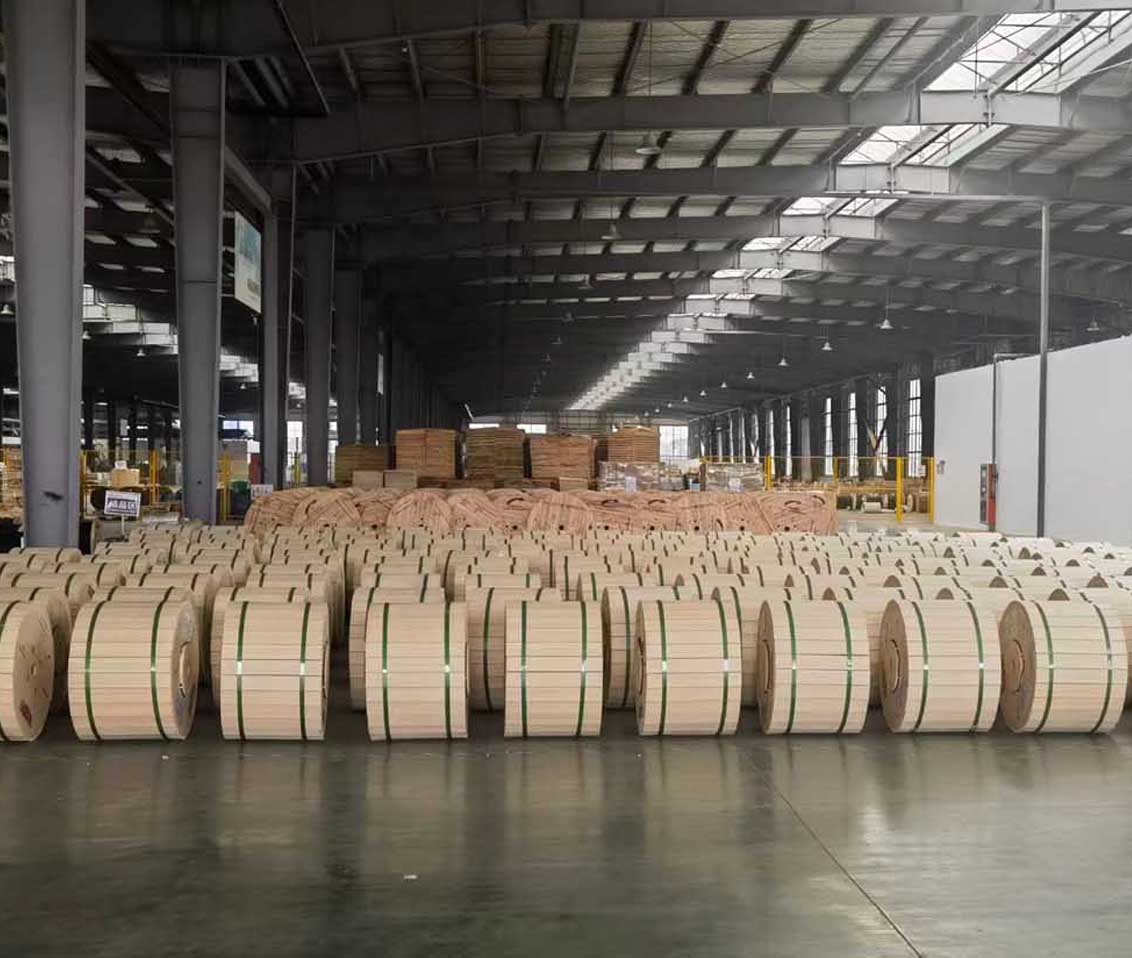
 Optical Fiber
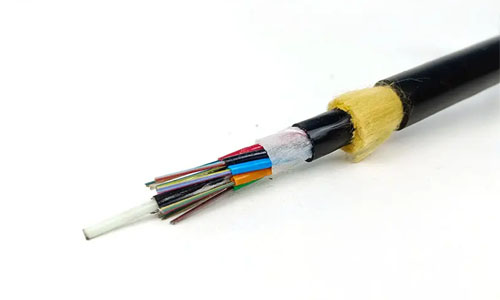 ADSS Fiber Optic Cable
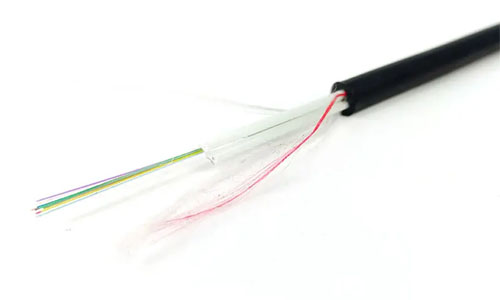 ASU Fiber Optic Cable
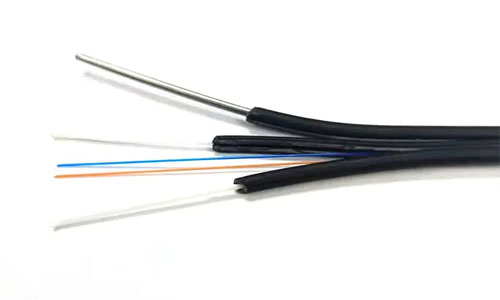 FTTH Fiber Optic Cable
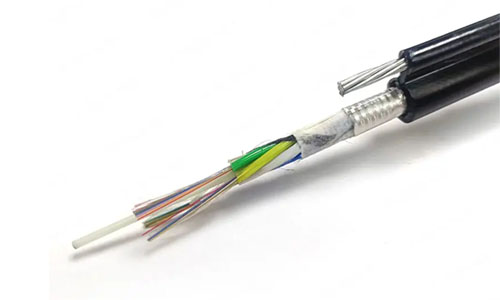 Figure 8 Fiber Optic Cable
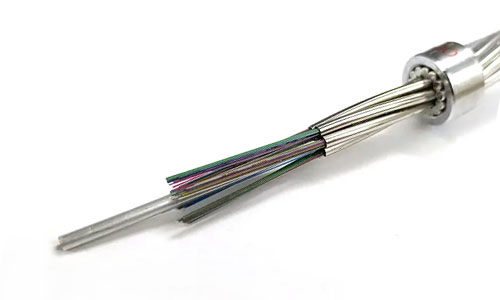 OPGW Fiber Optic Cable
 Coaxial Cable
 Ethernet Cable
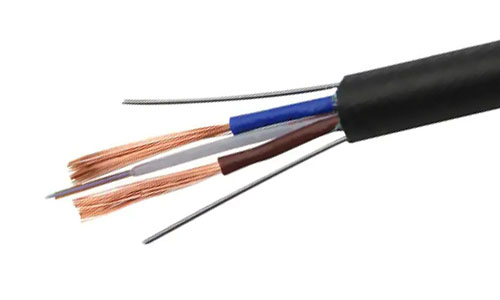 Photoelectric Composite Fiber Optic Cable
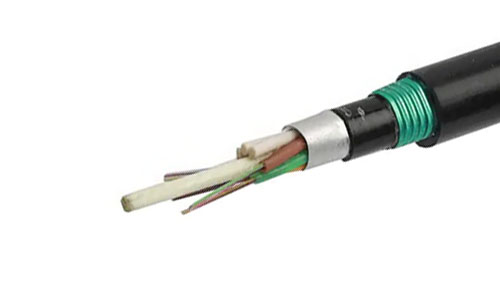 Underground & Pipeline Fiber Optic Cable
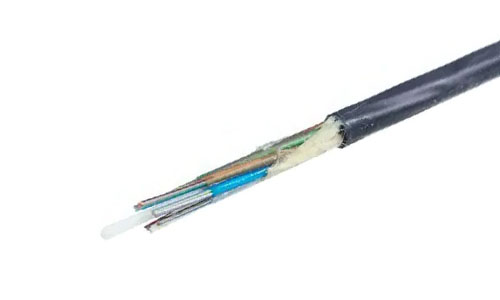 Air-Blown Micro Fiber Optic Cable
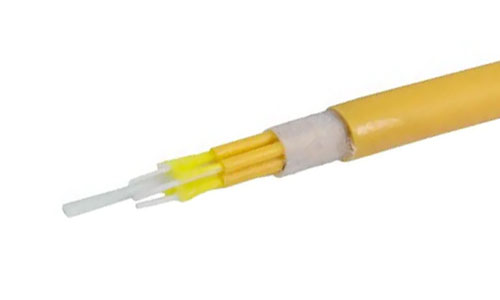 Indoor Fiber Optic Cable
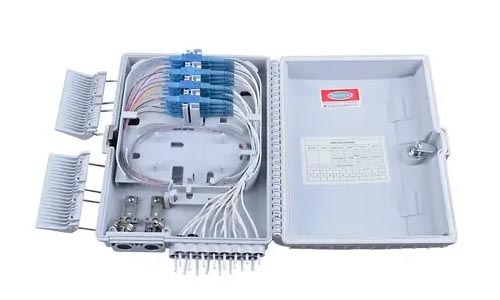 Fiber Optic Distribution Box
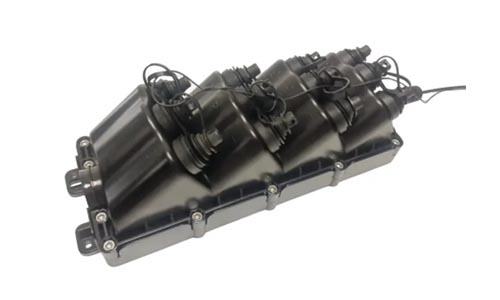 Multiport Service Termina Box
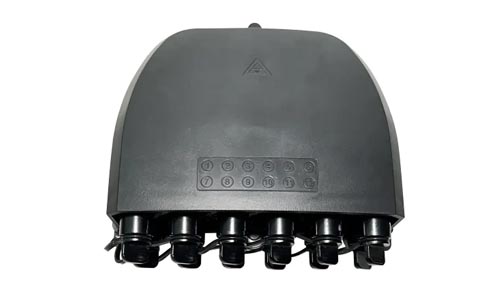 Fiber Optical Terminal Box
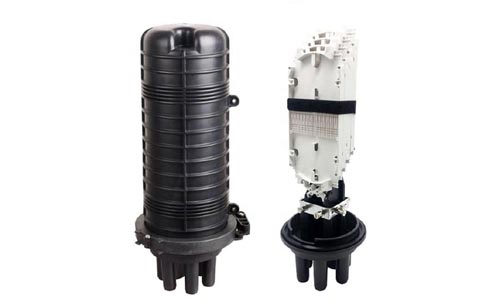 Fiber Optic Splice Closure
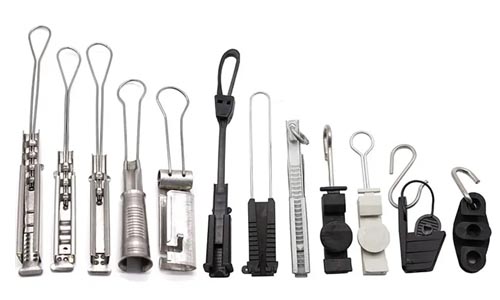 Fiber Optic Clamps
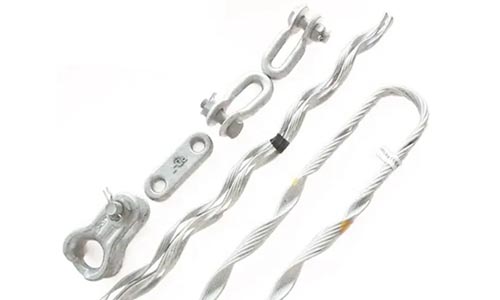 Fiber Optic Cable Fittings
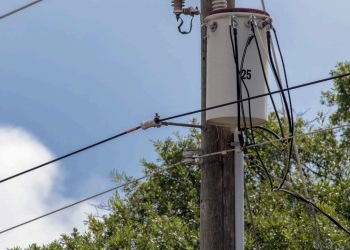 ADSS Fiber Cable
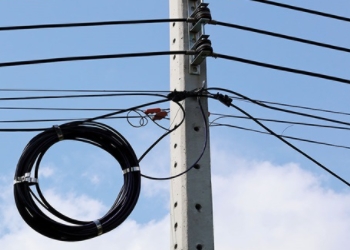 ASU Fiber Cable
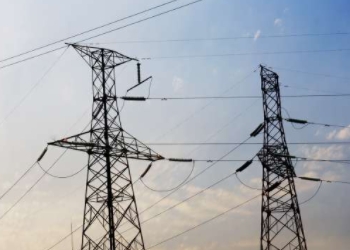 OPGW Fiber Cable
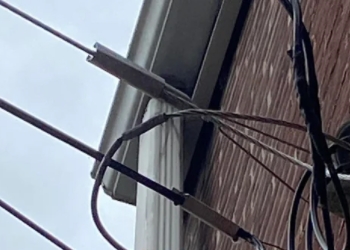 FTTH Fiber Cable
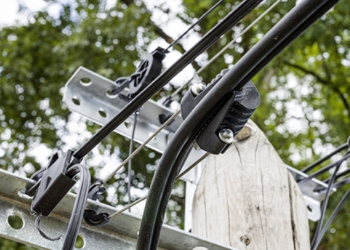 Figure 8 Fiber Cable
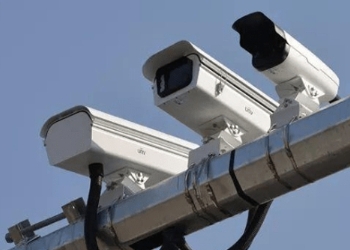 Photoelectric Composite Fiber Cable
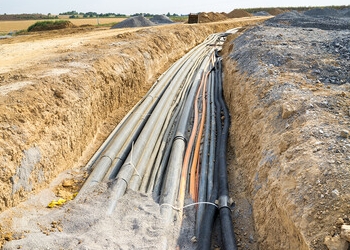 Underground & Pipeline Fiber Cable
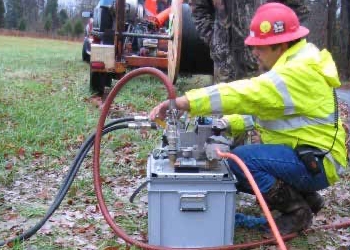 Air-Blown Micro Fiber Cable
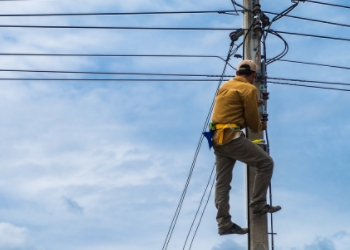 Aerial Fiber Cable
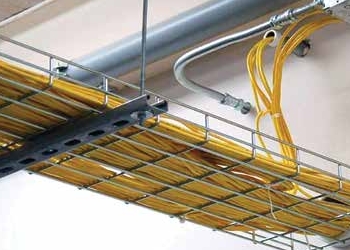 Indoor Fiber Cable
 Fiber Optical Terminal Box
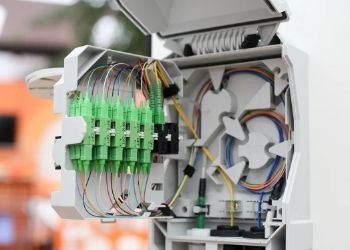 Fiber Optic Distribution Box
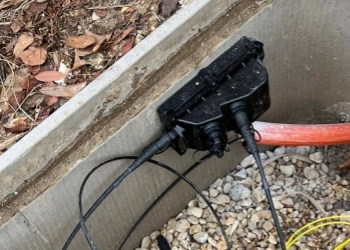 Multiport Service Termina Box
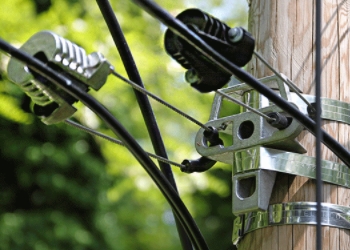 Fiber Optic Clamps
 About Us
 Our Team
 History
 R&D Strength
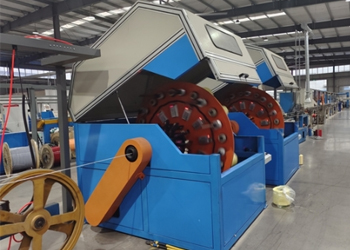 Production Base
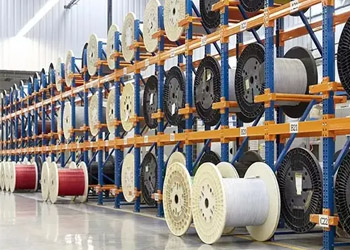 Warehouse & Logistics
 Quality
 FAQs
FAQsWhat is Rat-proof Fiber Optic Cables?
Contact us for more sample, According to your needs, customize for you.
inquiry nowWhat is Rat-proof Fiber Optic Cables?
Metal rat-proof fiber optic cables
There are already many existing metal rat-proof fiber optic cables, such as GYTS with double-sided plastic-coated steel strip longitudinal wrapping or GYTA33 with steel wire armored cables. These traditional cable structures can indeed play a role in preventing rats in a short period of time. Due to cost considerations, the metal materials of these cables generally adopt ordinary galvanized steel wires or chrome-plated steel strips, so the long-term rat-proof effect will be greatly reduced. Specifically, if the cable is laid in a poor environment, especially seasonal water pipelines, coastal areas, and overhead optic cables in rainforest environments, once the outer protective layer is gnawed by rats, steel and iron will rust quickly. These metal armored layers cannot guarantee the safety and reliability of the optical cables within their effective lifetime. Therefore, in order to obtain cost-effective rat-proof fiber optic cables, improvements must be made to the materials or adjustments to the cable structure.

Stainless steel mesh armored rat-proof fiber optic cables
Utilizing the superior corrosion resistance of 304 stainless steel wire, or even 316 stainless steel wire, a stainless steel mesh with certain specifications (stainless steel wire grade, single wire diameter, mesh size, mesh width, etc.) is customized. In the process of forming the sheath of overhead or pipeline fiber optic cables, the stainless steel mesh is directly longitudinally wrapped or helically wrapped outside the steel/aluminum strip of the ordinary cable core. The steel mesh forms a fully enclosed mesh structure, and then a sheath is extruded outside the mesh.
To avoid the cable core being exposed after the outer sheath is gnawed, which may lead to failure in waterproofing and damp-proofing, a thin polyethylene (PE) inner protective layer can be added outside the steel/aluminum strip as a moisture barrier layer, and then the stainless steel mesh is helically wrapped or longitudinally wrapped outside it. To prevent the steel mesh with too small mesh size from bonding with the inner and outer sheaths, polyester tape can be helically wrapped inside the steel mesh. These two types of fiber optic cables have simple production processes and can achieve the purpose of rat proofing. In water or circulating air, the stainless steel mesh with 304 or 316 grades can effectively prevent corrosion and protect the fiber optic cables.
In terms of technology, if custom-made stainless steel mesh wrapping or longitudinal wrapping is not used, a weaving process can also be employed, where a layer of stainless steel mesh is woven outside the steel/aluminum inner protective layer, similar to the shielding layer of cables. This structure is relatively complex to produce, as the weaving production efficiency is low, resulting in slower core production and naturally higher costs. The advantage is that it has a better appearance and does not have the "overlapping seam" issue that occurs in wrapping or longitudinal wrapping processes.
It is recommended to use stainless steel mesh with a mesh size of 20 or above and a single wire diameter of 0.5mm or above to avoid fine steel wires being bitten off by large rats. The cost of these two types of fiber optic cables increases slightly, but they have a high cost-effectiveness and a certain price competitiveness.