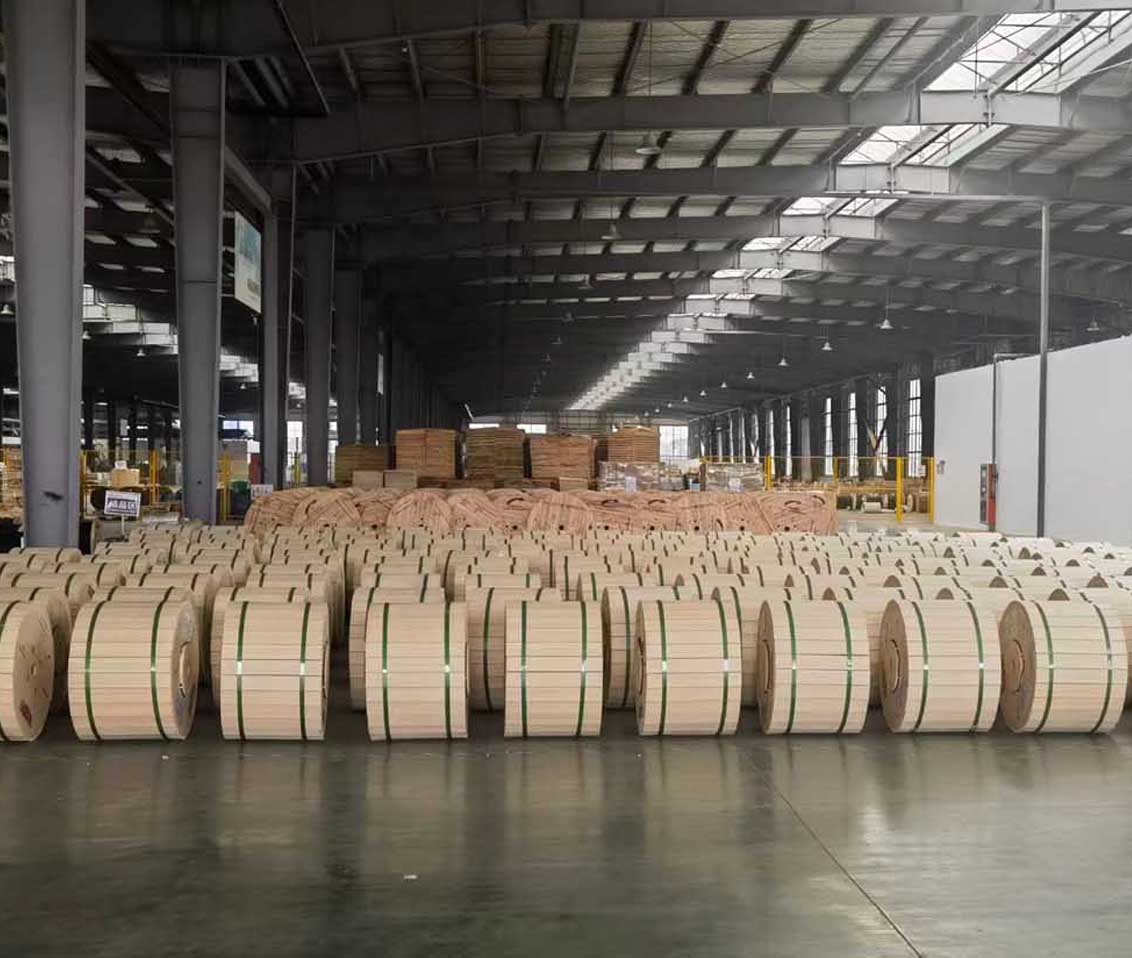
 Optical Fiber
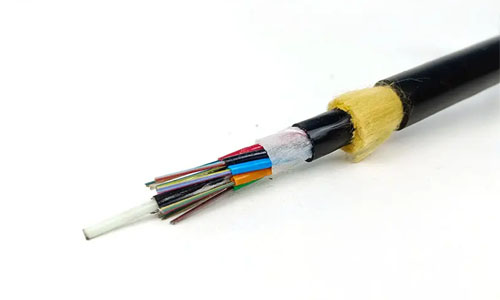 ADSS Fiber Optic Cable
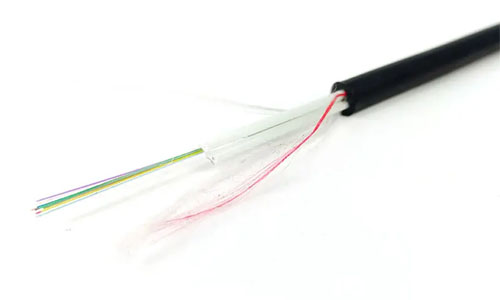 ASU Fiber Optic Cable
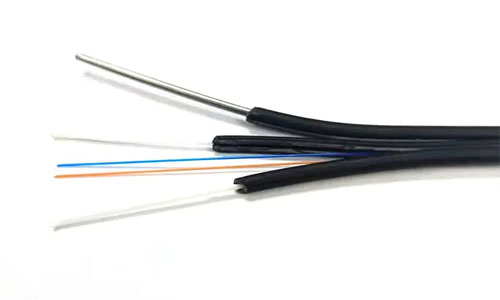 FTTH Fiber Optic Cable
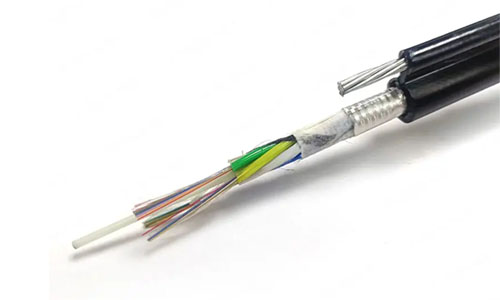 Figure 8 Fiber Optic Cable
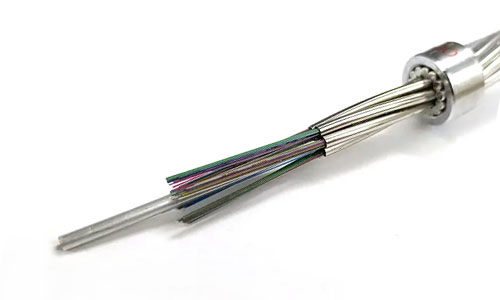 OPGW Fiber Optic Cable
 Coaxial Cable
 Ethernet Cable
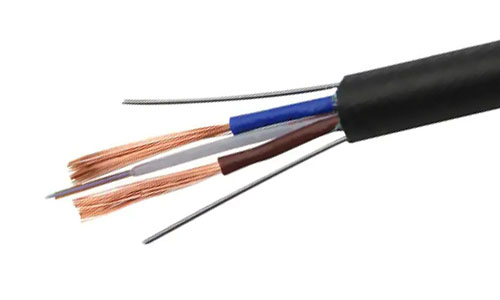 Photoelectric Composite Fiber Optic Cable
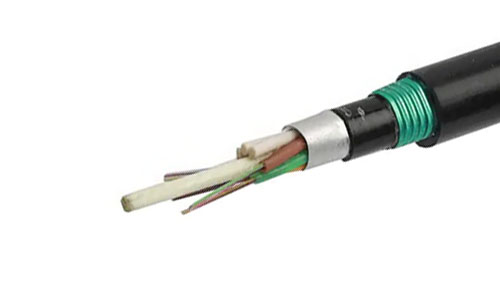 Underground & Pipeline Fiber Optic Cable
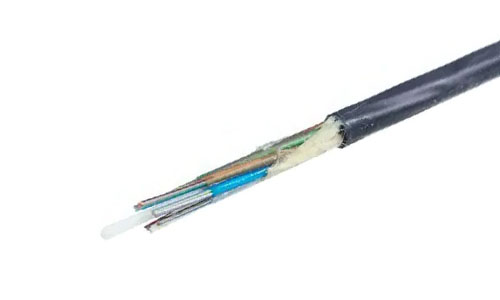 Air-Blown Micro Fiber Optic Cable
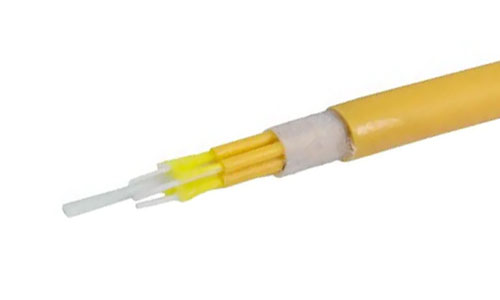 Indoor Fiber Optic Cable
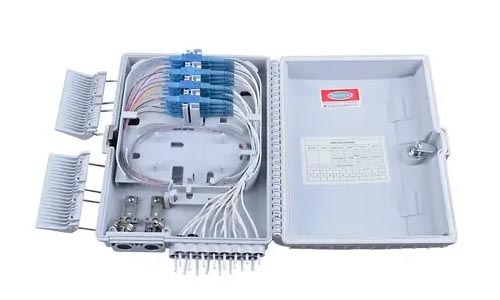 Fiber Optic Distribution Box
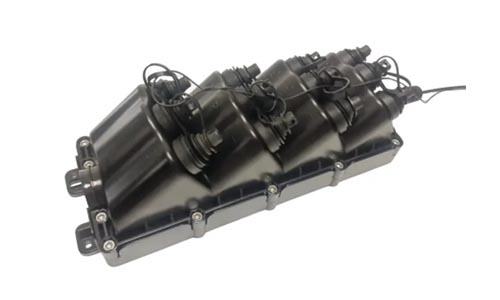 Multiport Service Termina Box
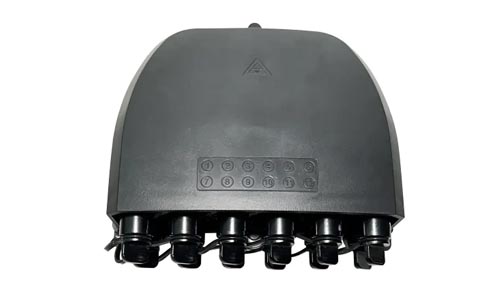 Fiber Optical Terminal Box
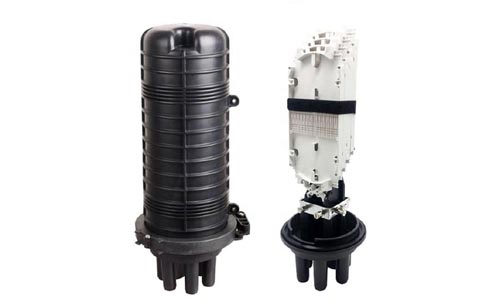 Fiber Optic Splice Closure
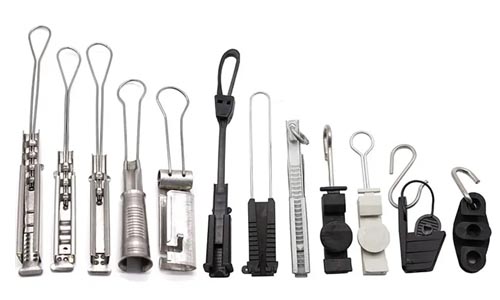 Fiber Optic Clamps
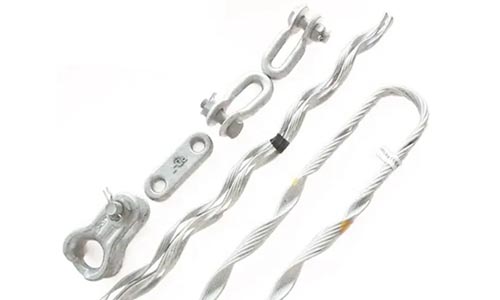 Fiber Optic Cable Fittings
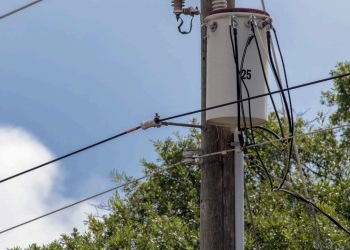 ADSS Fiber Cable
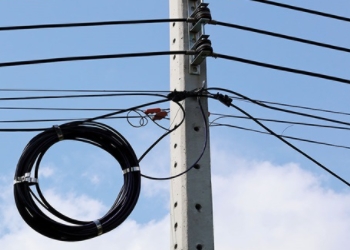 ASU Fiber Cable
 OPGW Fiber Cable
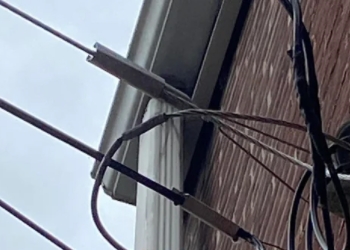 FTTH Fiber Cable
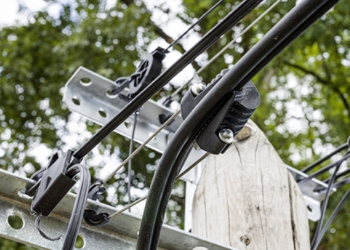 Figure 8 Fiber Cable
 Photoelectric Composite Fiber Cable
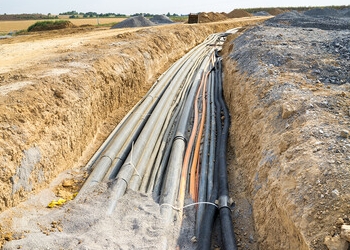 Underground & Pipeline Fiber Cable
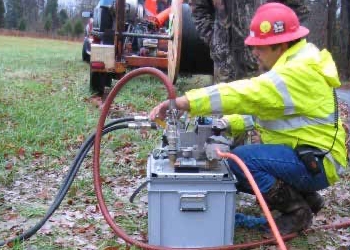 Air-Blown Micro Fiber Cable
 Aerial Fiber Cable
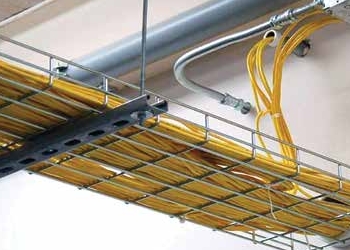 Indoor Fiber Cable
 Fiber Optical Terminal Box
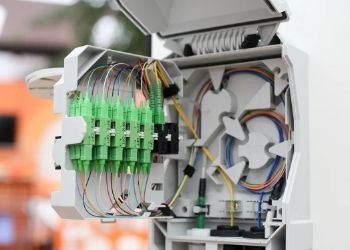 Fiber Optic Distribution Box
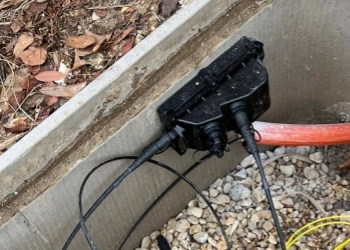 Multiport Service Termina Box
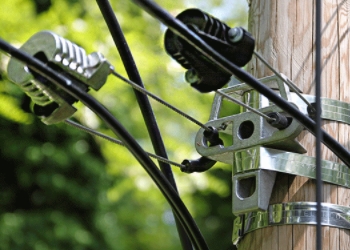 Fiber Optic Clamps
 About Us
 Our Team
 History
 R&D Strength
 Production Base
 Warehouse & Logistics
 Quality
 FAQs
FAQsWhat is the difference between SFP, RJ45 Copper SFP, and OLT SFP?
Contact for Free Quotation & Sample, According to your needs, customize for you.
inquiry nowWhat is the difference between SFP, RJ45 Copper SFP, and OLT SFP?
-
Knowing the distinction between SFP, RJ45 copper SFP and OLT SFP enables you to select the appropriate connector for your network’s speed, distance and media requirements.
-
SFP modules are flexible, supporting fiber or copper connections and easily upgradeable as your network expands.
-
RJ45 connectors, on the other hand, are easy, cheap and perfect for short distance connections at home or an SOHO environment, but they’re not quite as fast and don’t cover as much distance.
-
OLT SFPs are essential components in fiber optic networks, facilitating high-bandwidth broadband connectivity and future-proofing telecom infrastructure.
-
And as always, when choosing connectors, think about power consumption, cost, and future scalability — to guarantee that your network will remain efficient and adaptable.
-
Good maintenance, installation and troubleshooting can keep all types of connectors ringing true.

SFP stands for Small Form-factor Pluggable and serves as an interface for network modules, supporting fiber and copper. RJ45 copper SFP is a kind of SFP, but it accommodates regular Ethernet cables, so it enables fiber switches to communicate to copper networks. OLT SFP is an Optical Line Terminal SFP, present primarily in fiber-to-home or business deployments, typically in telecom. It transmits information from central offices to multiple users at long distances. Each type does its part in helping networks run better, but each does a different job. The latter will demonstrate when to use each.
Foundational Network Connectors
Network connectors are the bricks that connect devices and form the pathways along which data flows. Understanding the variations between SFP ports, copper SFP modules, and OLT SFP allows any professional to select appropriate components for speed data transmission, distance, and dependability. Each connector type serves a different purpose, from home networks to international fiber optic cables.
-
Helps choose the right connector for each network job
-
Avoids costly mistakes by matching cable and port types
-
Boosts network speed and reliability
-
Supports new tech in smart homes, offices, and cities
-
Makes upgrading or fixing networks simpler
The SFP Module
SFP, or Small Form-factor Pluggable, refers to tiny, hot-swappable transceivers that can be directly inserted into an ethernet switch routing, router, or server. These SFP transceivers accommodate both copper and optical fiber, supporting speeds from 100 Mbps to over 1 Gbps. Their versatility makes them a preferred choice in backbone networks, data centers, and various office switches. The ability to switch between different cable types, such as copper SFP modules and fiber SFP modules, allows for seamless network expansion and adaptation to specific network requirements.
This adaptability is particularly beneficial for organizations looking to evolve their networking infrastructure. By simply swapping the SFP port, users can transition from copper cabling to fiber optic cables without replacing the entire device. This unique advantage enables IT teams to enhance data transmission speeds, reaching up to 25 Gbps and beyond, ensuring that networks can grow and adapt as business needs change.
The RJ45 Port
RJ45 is a standard 8-position, 8-contact (8P8C) modular plug as well. It’s the de facto port of choice for Ethernet networks, particularly when utilizing twisted-pair copper cables. RJ45 allows LANs to be installed in homes and offices easily… plug and play, no fancy tools or training required.
You find RJ45 everywhere, from desktop computers to smart home hubs. It’s pivotal in linking smart home devices, printers, and IoT gadgets. RJ45 isn’t designed for large distances or extremely high speeds. Copper Ethernet cables typically top out at 100 meters, and even gigabit speeds can’t compete with fiber.
The OLT SFP
OLT sfp modules are quite special in fiber optic networks. OLT, or Optical line Terminal – the device that lives at a central office or data center. The OLT SFP is the connector between the main network and many subscriber lines, transmitting blazing fast, dependable data to dwellings or offices.
These modules are designed for telecom and broadband providers. They assist in transporting large amounts of data over long distances via fiber – resulting in lower latency and more consistent connections for consumers. OLT SFPs enable high-bandwidth transmission, rendering them essential for speedy broadband and fluid streaming in densely populated areas or urban centers.
SFP vs. RJ45 vs. OLT SFP
Their formats, compatible media, and network functions determine how copper SFP modules and SFP transceivers function in various configurations, affecting deployment decisions in residential, business, or large-scale telecom environments.
1. Physical Form
SFP modules are little tiny rectangles approximately the length of your finger. Their small form factor allows you to replace or upgrade modules without having to replace the entire switch, saving you both time and money. RJ45 connectors, on the other hand, are larger and come as a stationary port on majority of network equipment. They use a physical plug with eight contacts, which you’re probably familiar with from casual Ethernet cables.
OLT SFPs resemble standard SFPs but are designed for specific tasks in fiber networks. Although they plug into the same slot as other SFPs, their form is aimed at long-haul fiber links. Choosing the right form factor makes a difference. Modular SFPs have the advantage if you need to interchange between copper and fiber or swap modules to increase speed.
2. Media Type
SFP shines for its versatility. It operates on fiber and copper cables, even special copper RJ45 SFPs.
RJ45 only supports twisted-pair copper wires, like the ones you find in most homes and offices.
OLT SFPs always deal with fiber—often single-mode—to transmit data around town or between structures.
Media type determines the distance and speed at which you can transmit data. Fiber SFPs, for instance, go for dozens or even hundreds of kilometers, and copper is ideal for short distances. The correct option frequently depends on the scale of your network and the level of scalability required.
3. Network Role
SFP modules provide data centers and enterprise networks a smorgasbord of options. So you can connect servers, switches or even link buildings—simply switch the module to what you require.
In the majority of residences and small offices though, RJ45 is the workhorse. It connects PCs, printers and routers and just makes it easy and dependable.
OLT SFPs are the foundation of fiber-to-the-premises, enabling service providers to deploy massive networks. They link central offices to homes and businesses with fiber lines, enabling high-speed internet for millions.
4. Performance Metrics
| Type | Max Speed | Max Distance | Latency |
|---|---|---|---|
| SFP | 1–25 Gbps | up to 200 km | Low |
| RJ45 | 1–10 Gbps | up to 100 m | Moderate |
| OLT SFP | 1–10 Gbps | up to 20 km (typ) | Very Low |
5. Power Draw
RJ45 ports consume more power than SFPs at higher speeds.
SFP modules, particularly fiber, require less power, which reduces heat and cost.
Power draw is important for large networks. Less power requires less cooling and less bills.
Always check power needs when planning a network.
Choosing Your Connector
Your connector choices, including copper SFP modules and SFP transceivers, shape how a network runs today and grows tomorrow. Each type can fit different necessities, budgets, and foresight.
-
Diagram your network and record the distance between each device.
-
Verify the required data rate now and in the next few years.
-
Weigh in initial costs against long-term running costs.
-
Factor in power use, especially in dense setups.
-
Think about future upgrades or changes in network design.
-
Consider network density and space on hardware racks.
-
See how simple it is to exchange, update or repair modules.
When to Use SFP
SFP is best suited for long runs between switches, servers, or data centers, processing anywhere from 100 meters to 160 kilometers with fiber optic cables. This capability makes it an excellent choice for extensive campus settings or connecting buildings throughout cities. This is crucial for configurations where high speeds are a requirement, particularly with copper SFP modules. The real magic is adaptability; SFP slots can interchange modules on the fly, allowing organizations to ramp up speeds or shift fiber types without a complete replacement. In data centers, where every square inch and future growth counts, SFP’s slim dimensions translate into more ports and a crisper upgrade path for network setups. For mixed-need enterprises—short links, long fiber runs, changing tech—SFP provides serious breathing room and expansion flexibility.
When to Use RJ45
RJ45 shines in small offices, home setups, and budget-conscious locations due to its compatibility with copper sfp modules. Copper cables are cheaper and readily available, making them an optimal choice for many users. Most people can choose their own connector without the need for special training or expensive equipment. For short jumps—links to 100 meters—RJ45 is overkill, as it’s commonly found on most routers, desktops, and printers, ensuring that support and parts are easy to locate.
When to Use OLT SFP
Telecom finds OLT SFP for FTTH, where copper SFP modules play a crucial role in optimizing broadband links for multiple residences or businesses from a single location. These SFP transceivers are designed for volume, balancing hundreds of users effortlessly while ensuring network setups are quick and future-ready.
Installation and Upkeep
Because network configurations typically require a varied solution while working with SFP modules, RJ45 copper SFPs and OLT SFPs. Each of these types has its quirks and needs. SFP modules, particularly optical ones, are trickier to install. They require compatibility checks with your switch/device. RJ45 connectors are simple—simply plug into existing copper Ethernet. Below is a general process for both types:
-
Check device compatibility and module type (especially for SFPs).
-
Power off equipment before making connections.
-
Insert the module or connector gently, avoiding force.
-
Secure cables (fiber or copper) with care.
-
Power on and test the link for activity.
-
Regularly inspect and clean connections for best performance.
SFP modules require delicate hands — rough handling can wreck pins or optics. Maintain clean connectors, particularly fiber. Frequent inspections of RJ45 connections prevent signal drops or sluggishness.
Optical SFP Handling
Prevent dust on optical SFP modules and don’t touch fiber ends. Even a trace of finger dust or oil can interfere and cause problems. Apply dust caps for unused module.
Cleanliness is second to none—always use lint-free wipes and fiber optic cleaning kits. A grimy connection can reduce performance or result in outages.
Be sure to align the module properly upon installation. If the fiber isn’t sitting properly, weak or unstable signals can arise. As always, follow the manufacturer’s instructions for best results. There are a few brands that require brand-branded modules, while others play nicely with certified third-party SFPs.
Copper SFP Handling
Copper SFPs are a little cleaner. They’re durable and no special cleaning is required, but fit counts. Always verify that your copper SFP fits your switch and cable type.
Test the connection–plug in both ends and look for link lights. Flashing lights can indicate non-compatible speed, damaged cables, or problems with the device.
Cable management is worth the hassle. Keep cables neat and isolated from sources of interference, such as power cords. This reduces crosstalk and stabilizes your network.
RJ45 Connector Upkeep
RJ45 connectors are easy but not idiot-proof. They can wiggle loose over time, so verify the fit if you observe strange decreases in network speed.
Search for bent pins within the connector. A bent pin can prevent a connection dead. If you see one, change the connector.
RJ45 cables go no further than 100 meters, even with premium cables such as Cat6A. Design layouts to not push this limit.
PoE is a bonus—RJ45 can feed devices directly via the cable.
Cost and Future Outlook
Deciding between SFP, RJ45 copper SFP and OLT SFP affects more than just your cost, it defines your entire network architecture and future scalability. If you’re establishing or refreshing a network, understanding the expenses associated with each alternative is crucial. Here’s a quick checklist to help compare SFP and RJ45 from a practical, budget-focused view:
-
Initial Hardware Cost: RJ45 connectors work with basic copper cables and tend to be cheaper for short runs (up to 100 meters). They are a good fit for small offices or locations where speeds are not critical. SFP modules, however, are pricier because they cater to copper and fiber, and because they can go faster and farther.
-
Setup and Maintenance: RJ45 is simple and cheap to roll out, but only practical for short links. SFP modules are more expensive up front, but provide flexibility down the road, such as transitioning from copper to fiber with growth. Servicing can be more costly with SFP, as fiber cables and modules require more delicate treatment.
-
Upgrade Path: SFP shines for future-proofing. As network speeds increase—say, 25G or even 100G—SFP can replace modules instead of the entire switch. RJ45 only goes so far. Once you smack up against the 100-meter limit or want more speed, you’ll require a larger upgrade.
-
Switch Density and Growth: SFP ports are smaller, so you can fit more of them on a switch. This is important for congested networks in data centers or large campuses, allowing you to design for expansion without upgrading core equipment.
-
Long-Term Costs: While RJ45 is cheap at first, it might not meet growing speed or range needs. SFP’s flexibility can translate into cost savings over time, with upgrades made simpler and a better fit for future technologies.
Networking trends indicate increased need for speed, agility and dense configurations. SFP modules, by virtue of their adaptability, are well equipped for this transition. OLT SFPs (in fiber access networks) likewise demonstrate the shift toward fiber for backbone and access both, as fiber continues spreading globally.
Budgeting isn’t merely about what you spend now. It’s clever to consider both the configuration cost as well as the cost of future upgrades. The connector you select today will influence how manageable—and cost effective—it remains to expand or evolve your network in the future.
Diagnosing Common Issues
Troubleshooting SFP ports, including RJ45 copper SFP modules and OLT SFP transceivers, is critical to maintaining network resilience. Each brings its own unique set of issues, and understanding the differences helps keep your networking equipment running smoothly, whether your network is mini or metropolitan in size.
SFP Link Failures
SFP modules frequently encounter issues when there’s a speed/type mismatch between the SFP and the device. If a device doesn’t support SFP module’s speed—for example, using a 10 Gbps SFP on a 1 Gbps port—the link may not establish at all. Don’t forget to verify that your device’s specifications allow for new modules before you install them!
Signal loss is another huge cause of SFP failures. Over long fiber runs, particularly those in excess of 10 kilometers, the signal can lose or degrade. If you’re using monitoring tools, you can detect this early—watch for lag, dropped packets, or a weak signal. Cleaning fiber connectors and inspecting for physical damage goes a long way.
Compatibility, too, matters. Some brands only take their own SFPs. If you mix ‘n’ match, links may not work. Routine inspections—such as cataloging all hardware and testing connections—detect these problems before they fester.
RJ45 Connectivity Errors
Issues with RJ45 copper SFPs manifest as intermittent drops or slow speeds. The number one suspect is a bad cable or loose connection. Because copper cables are only good to 100 meters, going over that can drop speeds fast or kill the link. Renew cables and test with shorter runs.
That said, ensure your RJ45 ports are configured correctly as well. Incorrect settings—such as incompatible duplex or speed—lead to errors. It’s worth verifying these in your switch or router configuration. Observing network performance with basic monitoring utilities can assist in identifying minor problems before they escalate into outages.
OLT SFP Problems
OLT SFP modules, which are utilized in fiber networks, occasionally encounter issues such as bad connection or slow speeds. These problems usually boil down to dirty fiber ends or stale firmware. Connector cleaning or firmware updates typically gets things good’n fast.
Firmware makes a world of difference in OLT SFP performance. Maintaining it current aids in bug avoidance and stability. Routine checks of cables and connections aid in catching problems early before users experience any service degradation.
Conclusion
Choosing the appropriate network component influences performance. SFP makes fiber and copper links interchangeable. RJ45 copper SFP sticks with standard cables and plugs into lots of configurations. OLT SFP connects to fiber for large networks such as citywide internet. Each has its purpose—consider speed, price, and your existing equipment. A school in Nairobi opted for RJ45 copper SFP to utilize old cables and save expenses, whereas a city in Brazil deployed OLT SFP for rapid fiber-to-the-homes. Small decisions make large impact in the way we connect. Have a network design you’re considering or a tale to tell? Leave your comment or question below. Let’s leave the conversation open.
Frequently Asked Questions
What is the main difference between SFP, RJ45 copper SFP, and OLT SFP?
SFP, a crucial transceiver module for both fiber and copper networks, includes the RJ45 copper SFP that connects to copper Ethernet cables, while OLT SFP is typically used in FTTH environments for efficient data transmission.
Can I use an RJ45 copper SFP in any SFP slot?
Most SFP ports accept RJ45 copper SFP modules, but it's crucial to verify device compatibility for optimal choice in networking equipment.
When should I choose OLT SFP over other types?
OLT SFP modules for fiber optic in service provider or FTTH scenarios enable long-distance, high-speed links between an optical line terminal and subscriber gear, enhancing network setups.
Are all SFP modules interchangeable?
Not all SFPs, including copper SFP modules and fiber SFP transceivers, are created equal. Module compatibility is dependent on the device, the type of network, and speeds needed.
What are the benefits of using SFP modules?
SFP modules provide flexibility, easy upgrades, and support for different cables and speeds, including copper SFP modules and fiber SFP modules. They assist you in adapting the network setup to evolving needs, without having to replace the whole device.
How do I maintain and install SFP modules?
Plug in copper SFP modules by carefully pushing them into the SFP ports. Clean connectors before installation and do not touch fiber ends, as dust and loose connections are performance killers.
Is there a significant cost difference between SFP types?
Yes, price differs by type and application. RJ45 copper SFP modules are usually cheaper than fiber SFPs, making them a preferred choice for many network setups. OLT SFPs, employed in niche applications, are pricier given their feature set.