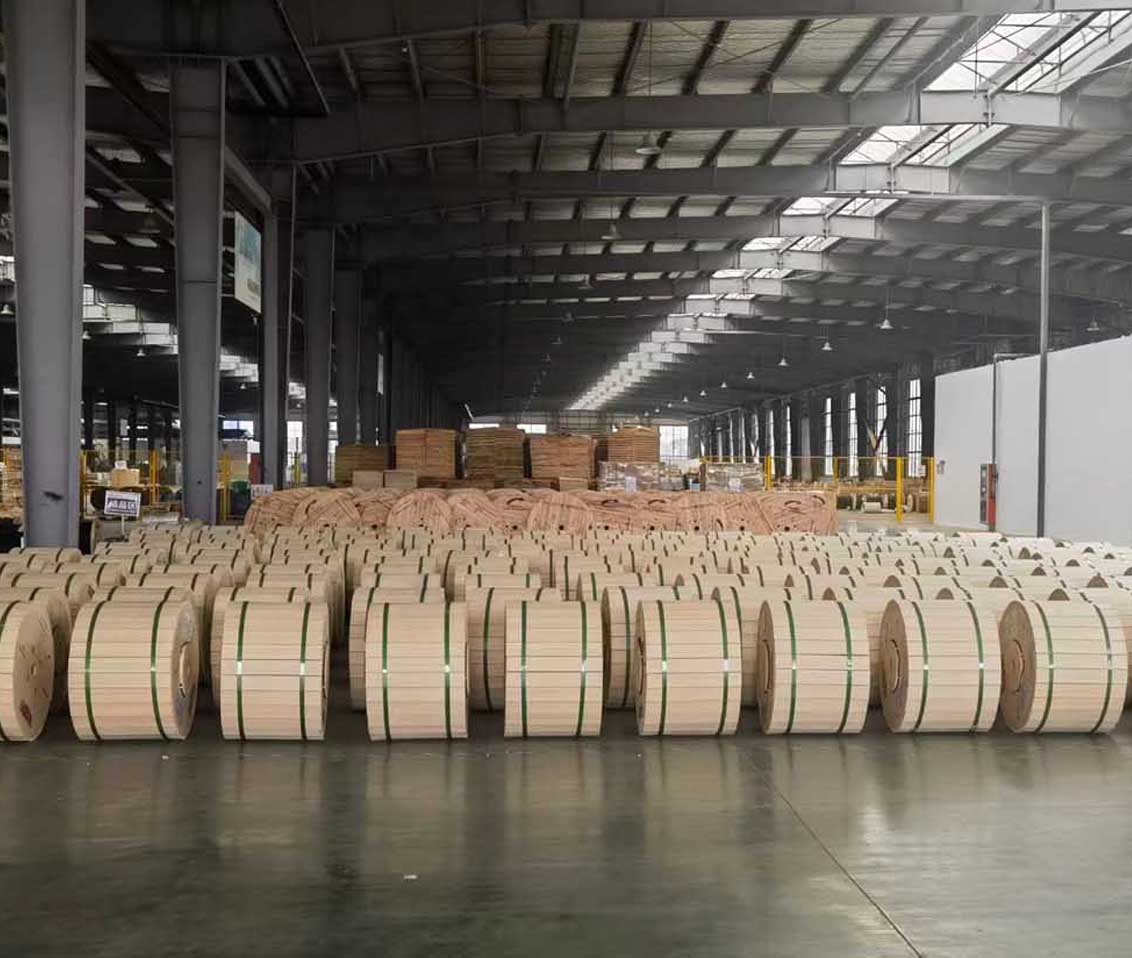
 Optical Fiber
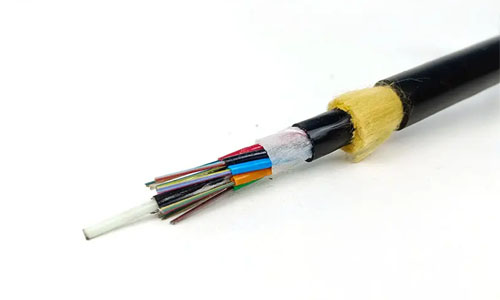 ADSS Fiber Optic Cable
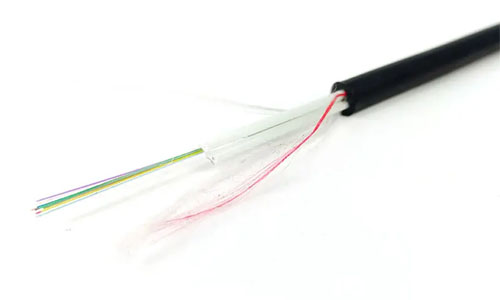 ASU Fiber Optic Cable
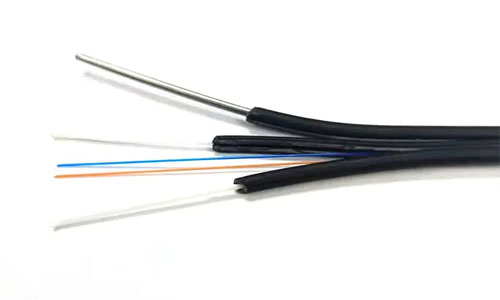 FTTH Fiber Optic Cable
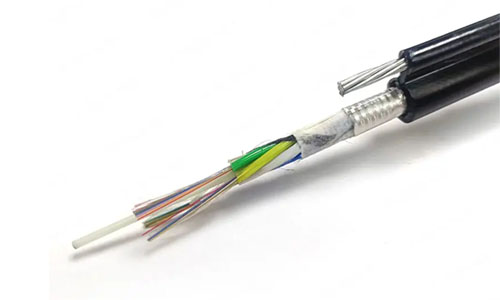 Figure 8 Fiber Optic Cable
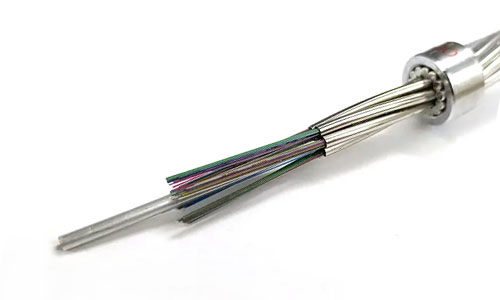 OPGW Fiber Optic Cable
 Coaxial Cable
 Ethernet Cable
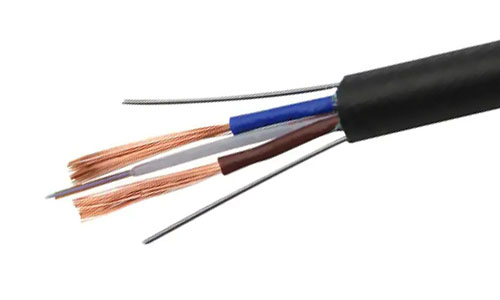 Photoelectric Composite Fiber Optic Cable
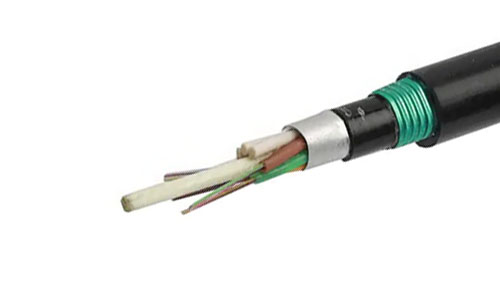 Underground & Pipeline Fiber Optic Cable
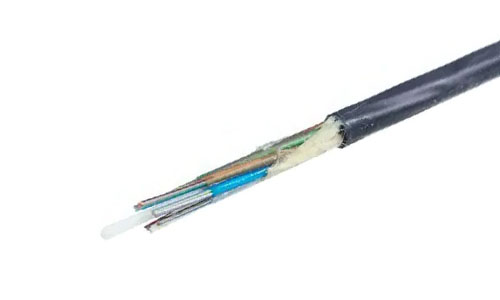 Air-Blown Micro Fiber Optic Cable
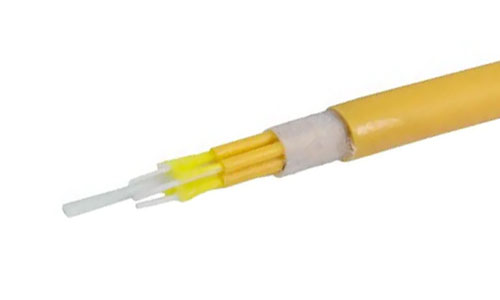 Indoor Fiber Optic Cable
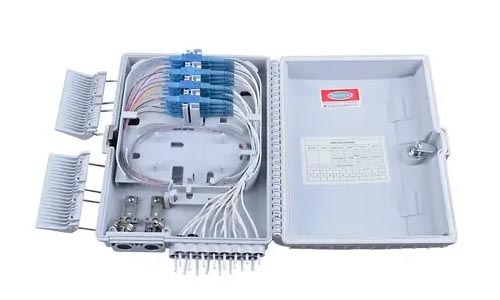 Fiber Optic Distribution Box
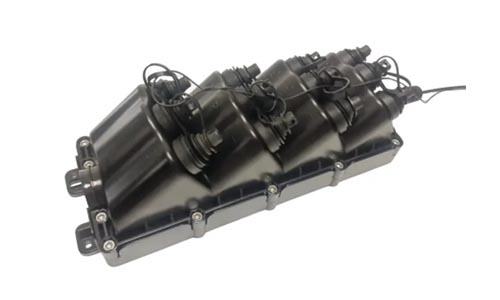 Multiport Service Termina Box
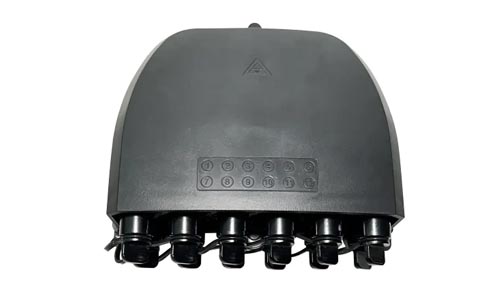 Fiber Optical Terminal Box
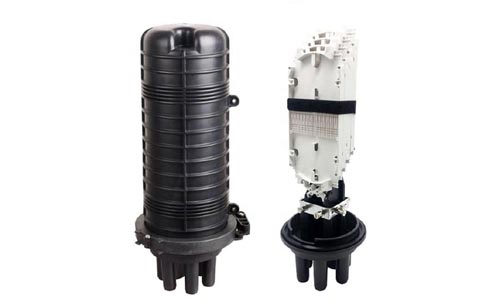 Fiber Optic Splice Closure
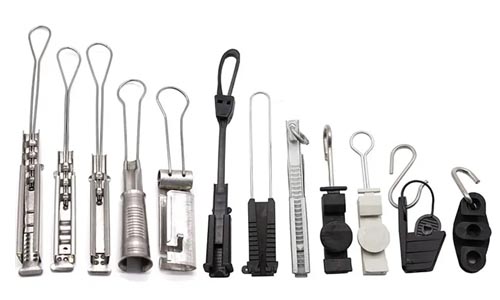 Fiber Optic Clamps
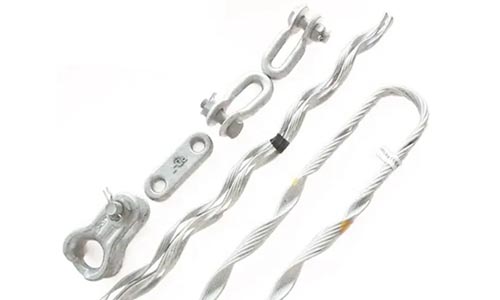 Fiber Optic Cable Fittings
 ADSS Fiber Cable
 ASU Fiber Cable
 OPGW Fiber Cable
 FTTH Fiber Cable
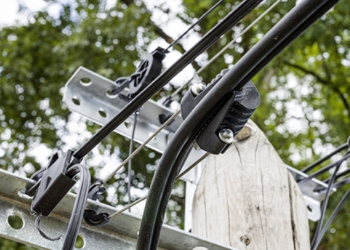 Figure 8 Fiber Cable
 Photoelectric Composite Fiber Cable
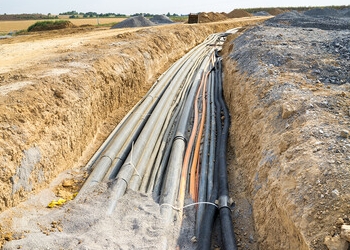 Underground & Pipeline Fiber Cable
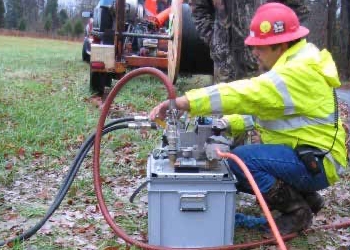 Air-Blown Micro Fiber Cable
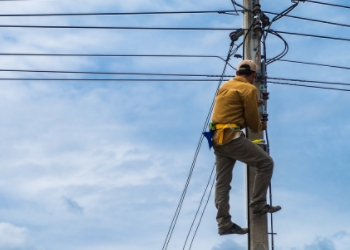 Aerial Fiber Cable
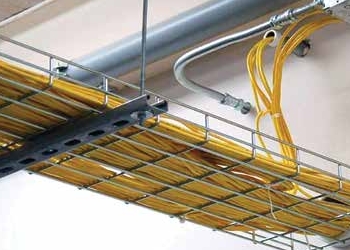 Indoor Fiber Cable
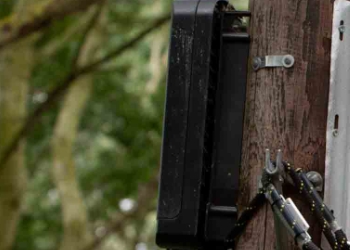 Fiber Optical Terminal Box
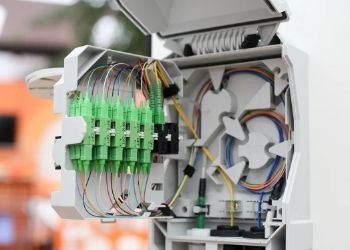 Fiber Optic Distribution Box
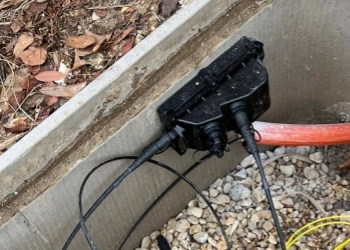 Multiport Service Termina Box
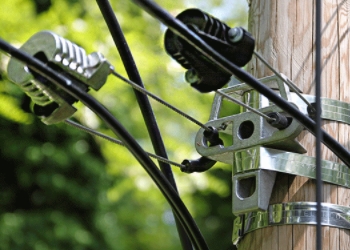 Fiber Optic Clamps
 About Us
 Our Team
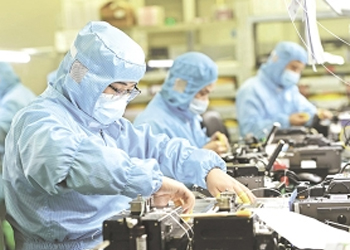 History
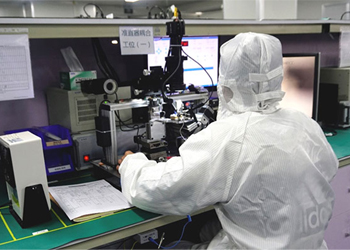 R&D Strength
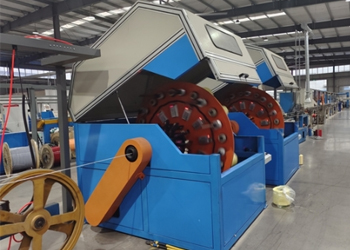 Production Base
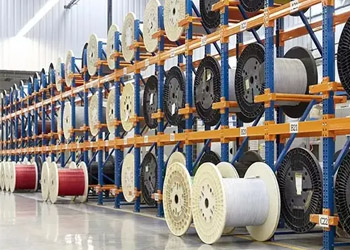 Warehouse & Logistics
 Quality
 FAQs
FAQsDetailed Explanation of Optical Cable Connection
Contact us for more sample, According to your needs, customize for you.
inquiry nowDetailed Explanation of Optical Cable Connection
Connecting optical cables involves several steps and requires careful handling to ensure optimal performance and reliability. Here's a detailed explanation of the process:

Preparation: Before beginning the connection process, ensure that you have the necessary equipment and tools, including the optical cables, connectors, fusion splicer (if splicing is required), fiber optic cleaning supplies, and inspection microscope.
Inspecting Cables: Inspect the optical cables for any signs of damage, such as cuts, bends, or kinks. Ensure that the cables are clean and free from debris. If any damage is found, replace the cable to avoid compromising performance.
Preparing Fiber Ends: If the optical cables have factory-installed connectors, skip to step 6. Otherwise, if you need to terminate the cables yourself, follow these steps:
Use a precision fiber cleaver to cut the fiber ends cleanly and squarely.
Strip off the protective coating to expose the bare fiber using a fiber stripping tool, taking care not to damage the fiber.
Clean the stripped fibers with lint-free wipes and alcohol to remove any residue or contaminants.
Preparing Connectors: If connectors are not factory-installed, you'll need to attach them to the prepared fiber ends. This process involves:
Installing the connector onto the fiber using an epoxy or mechanical splice method, following the manufacturer's instructions.
Curing the epoxy if applicable, according to the recommended time and temperature.
Inspecting Connection: Use an inspection microscope to inspect the fiber ends and connectors for cleanliness, proper alignment, and defects. Any contaminants or imperfections should be addressed before proceeding.
Cleaning Connectors: Clean the connectors using a specialized fiber optic cleaning tool or cleaning wipes. Ensure that both the connector ferrule and mating adapter are thoroughly cleaned to minimize insertion loss and ensure a secure connection.
Connecting Fiber Ends: Align the prepared fiber ends and gently insert them into the mating adapter or splice enclosure. Take care to avoid bending or twisting the fibers excessively, as this can cause signal loss or damage.
Testing Connection: After making the connection, use an optical power meter and/or an optical time-domain reflectometer (OTDR) to test the optical signal strength and verify the integrity of the connection. This step helps ensure that the connection meets performance specifications and identifies any issues that need to be addressed.
Protecting Connection: Once the connection are verified, protect them from dust, moisture, and physical damage by covering them with protective caps or enclosures. Properly securing and sealing the connection helps maintain signal integrity and prolongs the lifespan of the optical network.
Documenting Connection: It's essential to maintain accurate documentation of the optical cable connection, including details such as cable types, connector types, splice locations, and testing results. This documentation facilitates troubleshooting, maintenance, and future expansion of the optical network.
By following these steps and exercising care and attention to detail, you can ensure successful and reliable optical cable connection for your network infrastructure.