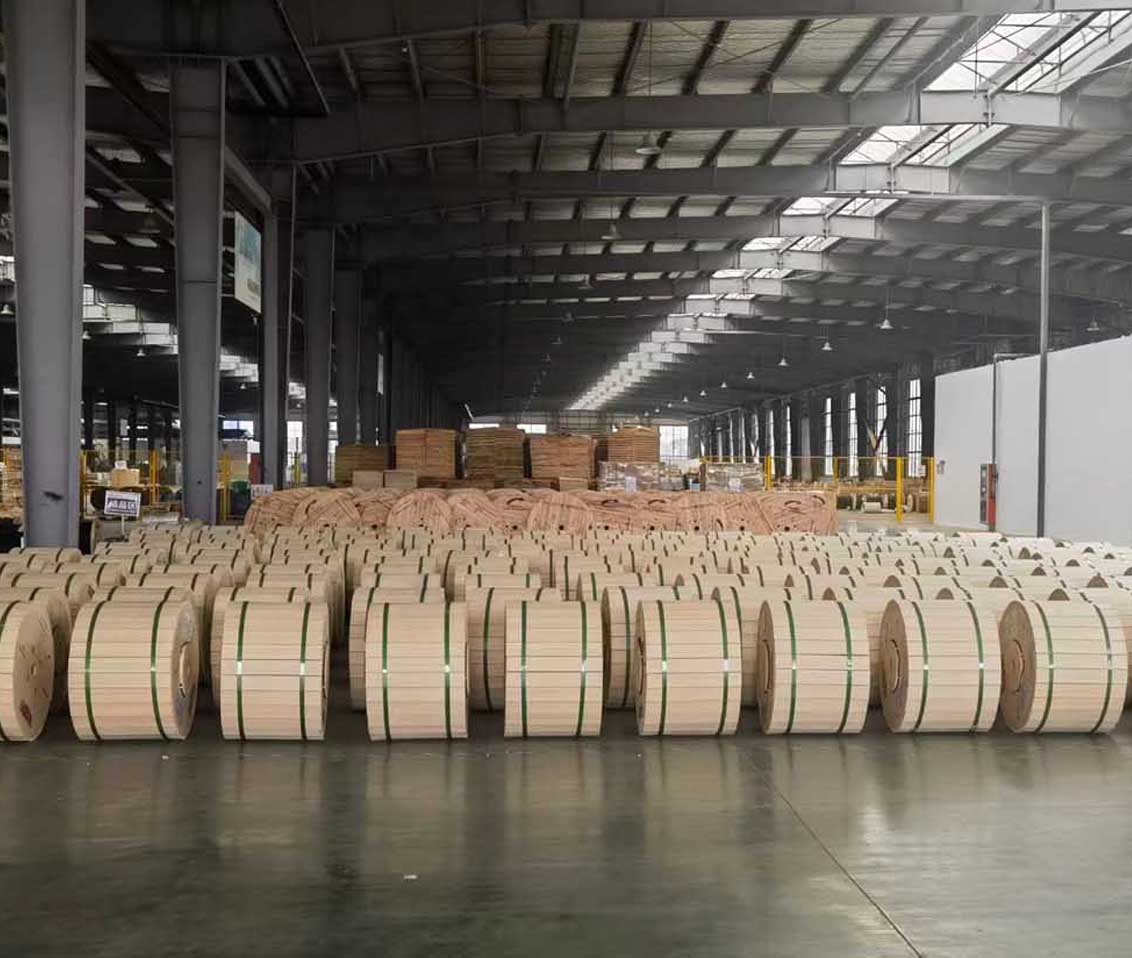
 Optical Fiber
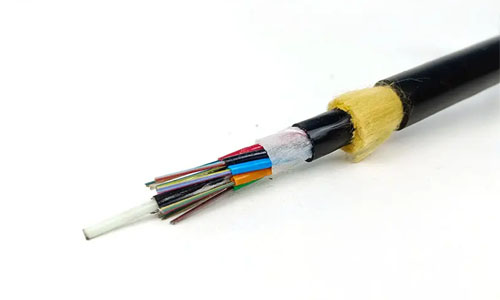 ADSS Fiber Optic Cable
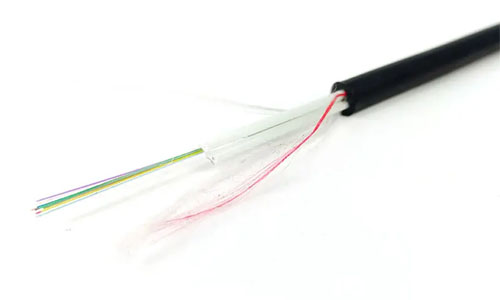 ASU Fiber Optic Cable
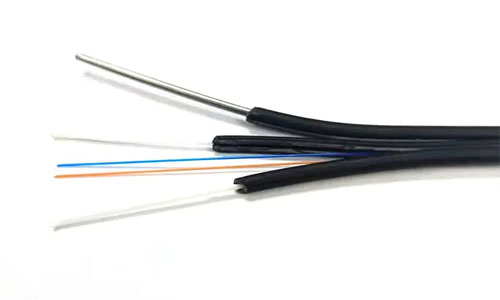 FTTH Fiber Optic Cable
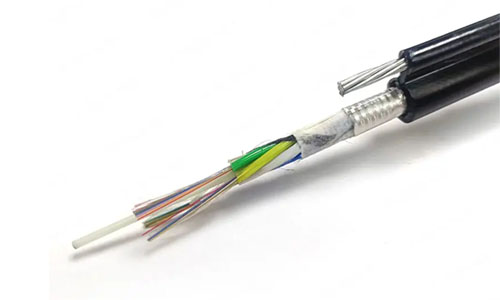 Figure 8 Fiber Optic Cable
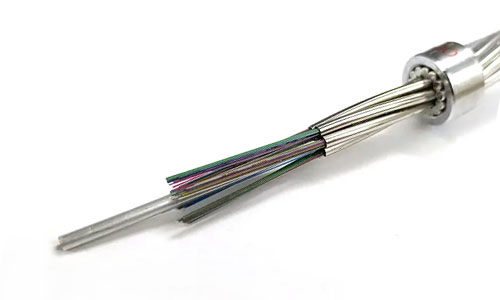 OPGW Fiber Optic Cable
 Coaxial Cable
 Ethernet Cable
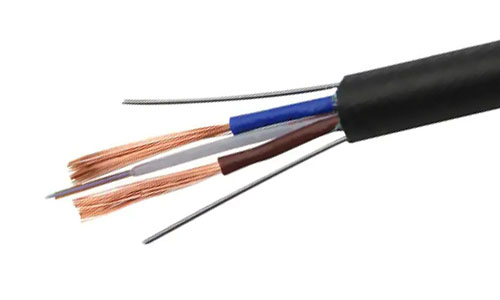 Photoelectric Composite Fiber Optic Cable
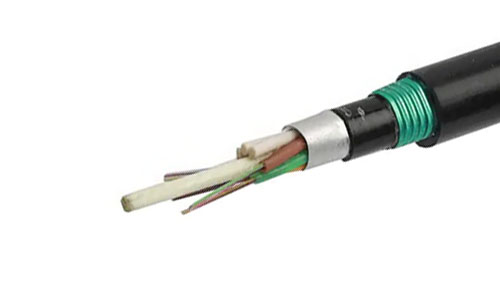 Underground & Pipeline Fiber Optic Cable
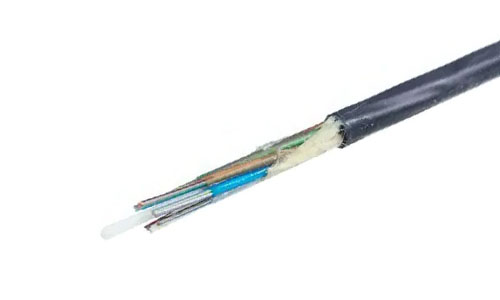 Air-Blown Micro Fiber Optic Cable
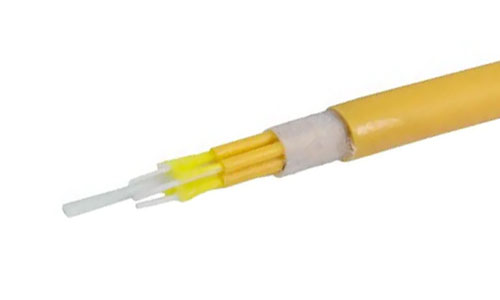 Indoor Fiber Optic Cable
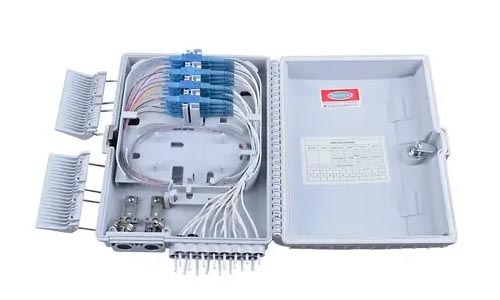 Fiber Optic Distribution Box
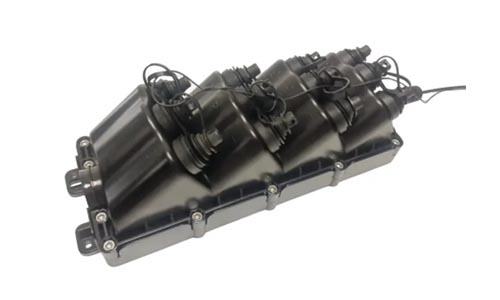 Multiport Service Termina Box
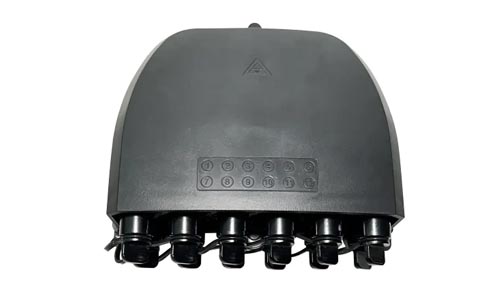 Fiber Optical Terminal Box
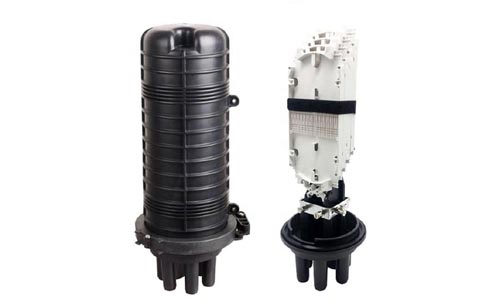 Fiber Optic Splice Closure
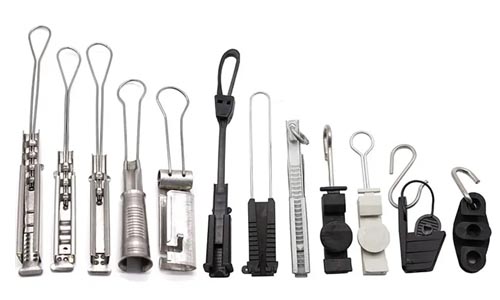 Fiber Optic Clamps
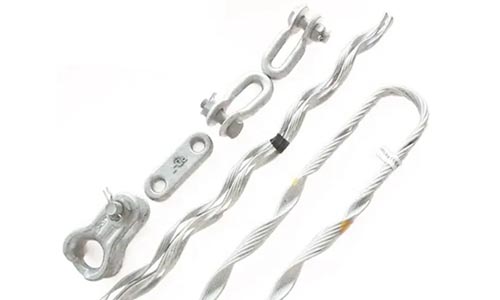 Fiber Optic Cable Fittings
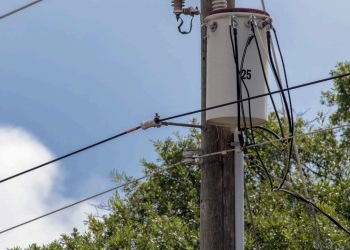 ADSS Fiber Cable
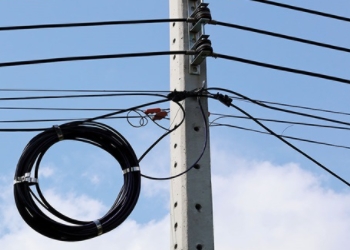 ASU Fiber Cable
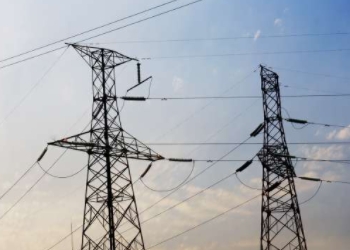 OPGW Fiber Cable
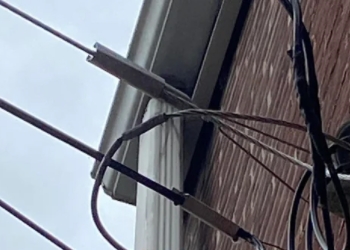 FTTH Fiber Cable
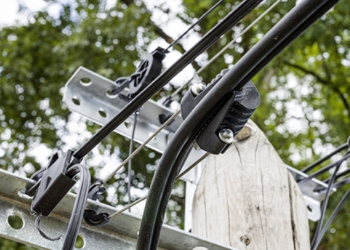 Figure 8 Fiber Cable
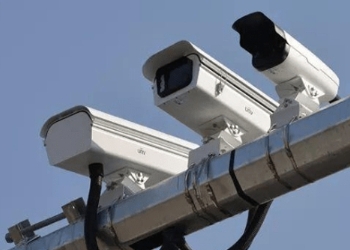 Photoelectric Composite Fiber Cable
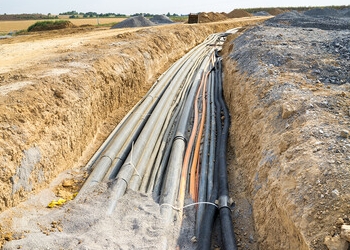 Underground & Pipeline Fiber Cable
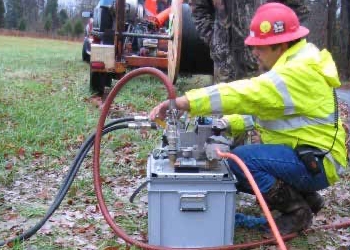 Air-Blown Micro Fiber Cable
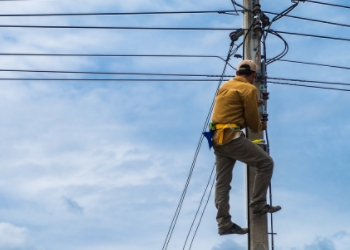 Aerial Fiber Cable
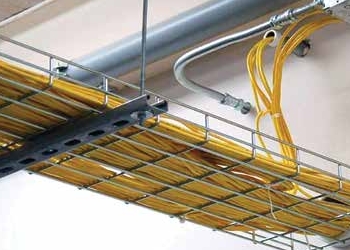 Indoor Fiber Cable
 Fiber Optical Terminal Box
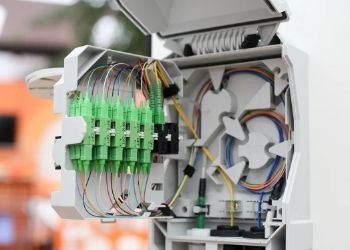 Fiber Optic Distribution Box
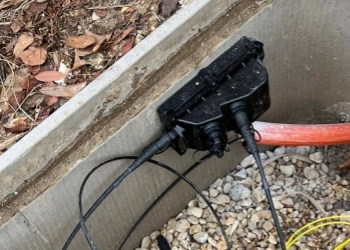 Multiport Service Termina Box
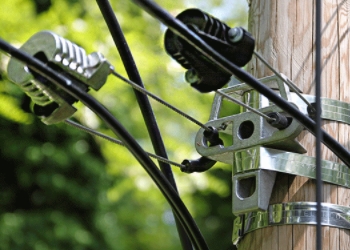 Fiber Optic Clamps
 About Us
 Our Team
 History
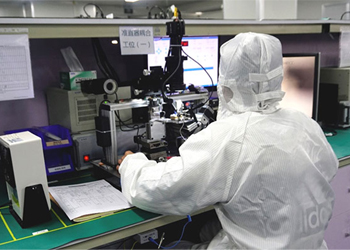 R&D Strength
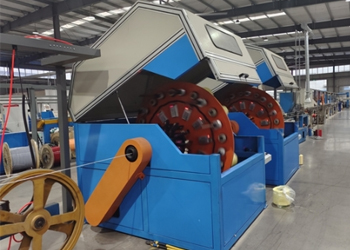 Production Base
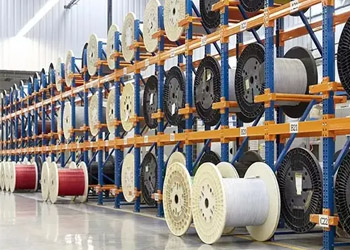 Warehouse & Logistics
 Quality
 FAQs
FAQsFiber Optic Cable Suppliers - Quality Products and Support
A fiber optic cable supplier sells fiber optic cables and products to organizations that construct networks for data, phone, and video services. They deal with everything from small local businesses to builders of huge networks. These suppliers typically have cables in various lengths and varieties, such as single-mode or multi-mode, to suit various tasks. Some assist with custom orders, so teams receive the appropriate fit for their projects. Suppliers are happy to offer tips on choosing the proper cable and can provide guidance on safe installation. To assist you in identifying the optimal choice, this article discusses what qualities to seek in a supplier and why partnering with the right one is essential for robust, speedy connections.
Understanding Fiber Optic Cables
Fiber optic cables transmit information as flashes of light, rather than electrical signals like copper wires. As a result, they transmit data more quickly and for greater distances with less attenuation. They consist of a core, cladding, and protective jacket. The core, typically glass, is where the light passes. The cladding envelops the core and traps the light within by reflecting it. The jacket protects the cable from harm. Fiber optic cables come in a few types, each designed for a different task. Popular variants are singlemode, multimode, simplex, duplex, and armored cables.
1. Singlemode
Singlemode fiber actually sends data over very long distances, potentially many kilometers, without much signal loss. Its thin core, roughly 9 microns across, allows a single route of light to pass. This arrangement maintains the purity and intensity of the signal. It’s the default choice for major telephone networks and high-speed data links. Our current international internet infrastructure uses singlemode fiber to connect cities and nations. Most singlemode fiber conforms to standards such as ITU-T G.652, which means it is compatible with widely used wavelengths such as 1310 nanometers and 1550 nanometers.
2. Multimode
Multimode fiber permits multiple light rays to traverse a larger core, typically about 50 or 62.5 micrometers across. This makes it good for transmitting a high volume of information only to relatively close proximity. You’ll encounter multimode cables in office LANs, data centers, and on campuses. They are less expensive than singlemode for these applications. There are five key types, OM1 to OM5, with OM3 and OM4 being favored for their high-speed capabilities. OM3 supports 10 Gbps up to 300 meters, while OM4 reaches 550 meters.
3. Simplex
Simplex fiber cables transmit data in only one direction and have a single fiber within. They’re ideal for tasks that don’t require bidirectional chatter, such as collecting sensor data or streaming video from a security camera to a control center. Security systems typically use simplex cables for dependable one-way transmissions. Simplex products are available on the market as singlemode and multimode, with custom indoor or outdoor jackets.
4. Duplex
Duplex cables employ two fibers adjacent to each other, allowing for simultaneous bi-directional data transfer. This enhances speed and optimizes two-way conversations or file sharing. Networking gear and telecom lines choose duplex when rapid back-and-forth data transmission is important. In contrast to simplex, duplex cables encase two fibers in one jacket or zip them together. They’re used in offices, data centers, and even hospitals linking imaging machines.
5. Armored
Armored fiber optic cables coat the cable in an additional layer of metal or hardened plastic to protect against crushes, cuts, and extreme weather. This makes them the number one choice for rough and tough locations, such as underground, in factories, or out in the wild. Armored cables prevent damage from rodents, moisture, and other dangers that can disrupt ordinary cables. Military, mining, and utility companies typically pick armored designs. The jacket’s material matters too; choosing the perfect one ensures the cable survives for years, even in high-traffic or wet locations. Suppliers like feiboer, based in China, offer custom armored cables built to handle any site condition.

The Anatomy of Resilience
Fiber optic cables are exceptional in their combination of rugged durability and high-speed data transmission. This strength results from how these strands combine. Understanding the anatomy of fiber optic cables enables installers, buyers, and operators to make better decisions, particularly when cables are subjected to inclement weather or long distances. Contemporary fiber optic techniques just keep improving — miles and miles of cable lasting longer and functioning better, wherever they’re installed.
Core
The core is the central element of all fiber optic cables. It’s the fiber optic strand that transmits data via light signals. Singlemode fibers have a core diameter of roughly 9 microns, significantly slimmer than the 50 or 62.5 microns in multimode fibers. A tighter core allows singlemode fibers to transmit over longer distances with less attenuation, which means they’re perfect for telecom backbones. The central component is crucial because impudence can attenuate transmissions, reduce range, and increase failure. Silica glass is the default material for most cores due to its purity and extremely low thermal expansion. That is, it maintains its form and properties in the temperature range of -40°C to +75°C.
Cladding
Cladding surrounds the core and prevents light from escaping by employing a magic known as total internal reflection. Its refractive index is slightly less than that of the core, so light remains contained and echoes down the fiber. Most claddings are made of the same glass as the core, but with minor modifications to the chemistry. Good cladding enhances efficiency and prevents signal loss, resulting in superior data speeds and reduced errors. Robust cladding protects the fiber from physical impacts, reducing the possibility of fractures when cables are bent or tugged.
Coating
The coating is a thin plastic layer that protects the glass fiber from scratches, moisture, and shocks. A rugged sheath makes the wire more manageable and less prone to kink or snap during installation. Different coatings serve different purposes. Some are softer for flexible cables, while others are thick for rugged use outdoors. Selecting the appropriate coating maintains the fiber's protection in its physical environment. We apply the coating immediately after the fiber is drawn, while the glass is still hot, to ensure good adhesion and provide long-term protection.
Strength Members
-
Aramid yarn (like Kevlar)
-
Fiberglass rods
-
Steel wires
-
Water-blocking yarns
Strength members prevent cables from extending or breaking when tugged or spun. Aramid yarn, for example, is sought after because it is strong but lightweight, and steel is chosen for ultra strenuous activity. These members are critical during installation, particularly in long runs or in high traffic areas. The right strength member reduces cable breaks and keeps networks up longer with less maintenance.
Outer Jacket
The outer jacket is the cable’s initial barrier to rain, dirt, UV exposure and even flames. Typical indoor cable PVC jackets, PE, or LSZH jackets are preferred outdoors or in areas with tight safety regulations. The right jacket material is crucial; outdoors, it prevents sun and water damage. Indoors, it can keep smoke levels low in a fire. Selecting the appropriate jacket ensures the cable endures, complies with flammability standards and remains safe for consumers and equipment.
Why Your Supplier Matters
Because who you buy fiber optic cable from makes all the difference. A trustworthy supplier means less downtime, less delay, and equipment you can depend on. Why your vendor is important. The best vendors don’t just sell you cables—they stand by your side through planning, custom builds, support, and sustainability, even!
Quality Assurance
Product quality defines the standard for every project. In fiber, QA isn’t a bullet point. It’s the gap between a system that stands the test of decades and one that fails in a few years. Top makers play by serious certifications and standards. You’ll find ISO 9001, IEC 60794, and RoHS compliance on their products. These aren’t merely badges; they’re evidence the cables endured rigorous testing for durability, signal attenuation, and safety.
| Certification/Standard | What It Means |
|---|---|
| ISO 9001 | Quality management system |
| IEC 60794 | Optical fiber cable standards |
| RoHS | Restricts hazardous substances |
| UL Mark | Safety testing and approval |
Quality is more than just documentation. Suppliers put cables through rounds of tests, including tension, crush, and temperature swings, looking for any weak spots. Others go to great lengths by conducting real-world sample installations to catch problems before the cable even leaves the factory. That quality control focus translates to better performance and longer life. Suppliers who care about quality care about the planet by using eco-friendly materials and clean processes wherever possible.
Technical Support
Support can either make or break your project. When you run into a snag during install or need specification help, a quality support team steps in quickly. Suppliers with actual technical expertise assist you in selecting the appropriate cable, demonstrate its installation, and troubleshoot if issues occur. They provide guides, workshops, and even practical training, keeping you and your team up to date.
Fast support leads to fewer errors and downtime. Some suppliers will even update you, sharing new tools or techniques as they are released. This type of support creates confidence and holds your project together, particularly if you’re working in uncharted or difficult conditions.
Custom Solutions
Not all projects are cookie-cutter. Perhaps you require cable in unusual lengths, or a special sheath designed for tough weather, or extra-durable shielding for high-vibration locations. Custom solution suppliers hear you out first and then help engineer cable that fits just so.
Consider this case—a hospital required ultra-flexible cables for confined areas. The supplier collaborated with clinic personnel, modified the cable’s core and sheath, and developed a product that could conform to any curve with zero signal degradation. That sort of collaboration is time and cost efficient, and it means your system performs better over time. Custom options aid in scaling up or down as needs shift, and you have a voice in every stage, from initial sketch to final product.
Matching Cables to Industries
Matching Cables to Industries Choosing the right fiber optic cable will begin with knowing what the needs are for each industry. Each vertical—telecom, data center, broadcast, industrial and military—all have different guidelines and difficulties. From the type of cable core—singlemode, multimode—to jackets—PVC, LSZH, thermoset—the little things add up. Where the cable will be deployed—plenum, riser or open space—influences the decision as well. We match cables to industries. Standards like UL 1581, ISO 9001 and IEC 60794 are there for safety and long life. Even the connectors—LC, ST, SC and MTP—have to match the application. It’s matching these parts to industries that ensures it all functions properly and safely.
Telecommunications
Fiber optic cables match industries. They transmit data more quickly than copper and don’t degrade in signal strength over distance. Telecom requires large bandwidth for streaming, calls, and web. Fiber’s low loss and high speed enable networks to keep pace with more users and devices. Hot new things like dense wavelength-division multiplexing (DWDM) allow more signals to propagate on a single fiber, making networks even more robust. Singlemode or multimode? It depends on how far you have to go and how much data you need to send.
Data Centers
-
Fiber type: Singlemode is suitable for long runs, while multimode is appropriate for short links.
-
Connector choice: MTP/MPO for high density, LC or SC for regular use.
-
Jacket material: LSZH is suitable for tight spots and PVC is appropriate for general rooms.
-
Bend radius and tensile strength are needed to fit racks and trays.
Data centers operate on high-speed, reliable connections between servers and switches. Cloud and virtual systems depend on fiber to transfer massive volumes of data securely.
Broadcast
-
Tactical fiber: Used for outdoor, live events.
-
Hybrid cables: Combine fiber with power lines.
-
Armored fiber: For protection at busy venues. Fiber keeps TV and radio clear even on the long haul. It prevents signal loss and takes live shows lag-free. Remote production relies on rugged, pliable cables that resist motion and flexing.
Industrial
Match cables to industries: Factories rely on fiber for rugged, transparent signaling. Machines and robots require fast, consistent data. Fiber dismisses noise from motors and sparks. Rugged jackets and armored styles endure well in soggy, grimy environments. Proper fiber lays the groundwork for intelligent networks and enables communication between devices.
Military
Military cables need to function in heat, cold or shock. Fiber provides swift, secure connections for command and drones. Jacks and jackets must adhere to stringent standards such as ITU-T G.652 for low loss. Hardy, armor-clad cables protect information from damage or intrusion.
Navigating Technological Advances
today operate in a rapidly evolving industry defined by innovative technology and robust demand. Manufacturing and design employ superior glass, sleeker sheathing, and more constricted bends. These updates increase signal strength and reduce signal loss. Cables last longer and withstand rough weather or rugged ground. Many suppliers now have laser-based techniques that assist with making cables both faster and more precise, keeping costs low and quality high.
Innovations don’t merely accelerate it. They render fiber optic cables more trustworthy. Where storms or earthquakes strike with force, their vendors emphasize rugged cables that recover more quickly. For instance, others employ armored layers or water-blocking gel to protect lines from floods or jagged rocks. Those capabilities translate to less downtime and fewer repairs, which is crucial for hospitals, banks, and data centers that can’t afford to lose connection, even momentarily.
The future of fiber optics really shines due to the rapid propagation of new technology. High-speed networks are now powering things like smart meters, traffic lights, and sensors in cities. This could be possible with robust, extensive fiber optic lines. As more cities become “smart,” investments in these networks continue to increase. That’s largely being driven by the rollout of 5G. 5G requires a lot of fiber since it connects the small cell towers together in close proximity. Vendors who can stay ahead of this demand have an obvious opportunity for expansion.
Fiber optics has already altered numerous disciplines. In medicine, thin fiber cables aid surgery and imaging. In automation and telecom, fast data connects machines and humans in real time. Even more progress with federal funding and private investment is ahead. From cloud to remote learning, new applications will continue emerging. Vendors who observe trends and adopt new technology lead the pack.
Building a Lasting Partnership
A good relationship with a fiber optic cable provider can determine how successful a business expands. These types of relationships aren’t transactional. It means understanding each other’s assets, vulnerabilities, and aspirations. If both parties are respectful and value aligned, it feels like a partnership. It feels like working with a friend who wants to see you win. That vibe manifests in slicker projects, fewer shocks, and more opportunities to discover effective patch-ups when they do.
Good partnerships begin with good conversation. Plain, direct language and straightforward discussions prevent misunderstandings. Both sides should check in frequently. This might be something as basic as a monthly call or a moving-forward report. Listening counts as well. For instance, if a supplier is aware of your timelines and can communicate updates, you both identify issues early. This sort of talk and feedback loop helps keep projects on time and on budget.
Trust is what holds it all together. If a business has confidence in its fiber optic cable provider, it’s simpler to experiment or open up about plans for larger initiatives. Trust that you don’t have to question every estimate or timeline. It means you can work through problems, not just blame each other, when things get tough. For example, if a supplier acknowledges a shipment delay and provides a swift workaround, the business can adapt its own planning accordingly and both parties avoid unnecessary embarrassment.
Flexibility is important. Markets move, and technology evolves rapidly. When one side is too inflexible, the entire partnership feels locked down. For instance, if a supplier can substitute a cable type when specifications change, or the company can shuffle delivery dates, both conserve time and money. Transparency and responsibility count. A vendor who provides actual inventory levels assists purchasers in scheduling, while purchasers that remit punctually maintain the faith going both ways.
Check-ins are crucial. Through reflecting on what went well and what could be improved, both sides grow. Perhaps in one year you discover you require more bulk orders or expedited shipping. Discussing these needs and adjusting maintains the strength of the partnership and equips it for the next challenge.
Conclusion
It really makes a difference to have a great fiber optic cable supplier! The right one delivers solid cables, speedy support, and transparent solutions when it gets hard. A lot of factories, hospitals, and schools rely on them daily. One hospital in Brazil used a clever supplier to deploy new fiber lines and reduce downtime by fifty percent. The right partners understand the latest technologies, troubleshoot quickly, and are always looking out for opportunities to support your growth. True service manifests itself in little things, like fast delivery or honest guidance. To keep your networks robust, trust in people who focus on you. Post your own supplier tales or tips below. Let’s construct a platform where smart decisions allow all of us to succeed.
Frequently Asked Questions
What should I look for in a fiber optic cable supplier?
Choose a fiber optic cable supplier with a demonstrable track record, quality certifications and customer support. Trusted suppliers back their products with warranties, expert guidance and prompt delivery to ensure your project goes off without a hitch.
How do fiber optic cables benefit different industries?
Fiber optic cables provide high-speed, dependable data communication. Sectors such as medical, telecom, and industrial leverage them for reliable, high-speed connectivity, facilitating streamlined processes and driving innovation.
Why is cable resilience important?
Tough cables can take abuse. This minimizes downtime and maintenance expenses and provides reliable, superior performance for mission-critical applications.
Can technological advances affect my cable choice?
Yes. New technologies need increased bandwidth and improved performance. Pick vendors who have updated products and are current in the industry so that you’ll be future-proofing your investment.
How can I ensure a long-term partnership with my supplier?
Be forthright about what you want. Select a vendor that is transparent, provides good after sales support, and is willing to be flexible as requirements change.
What certifications should a fiber optic cable supplier have?
Seek out suppliers with ISO certifications and adherence to international safety and performance standards. These certifications guarantee the quality and reliability of the products.
How do I match the right cable to my industry’s needs?
Evaluate your data speed, distance, and environmental needs. An experienced supplier will suggest appropriate cable types for your industry and project requirements.