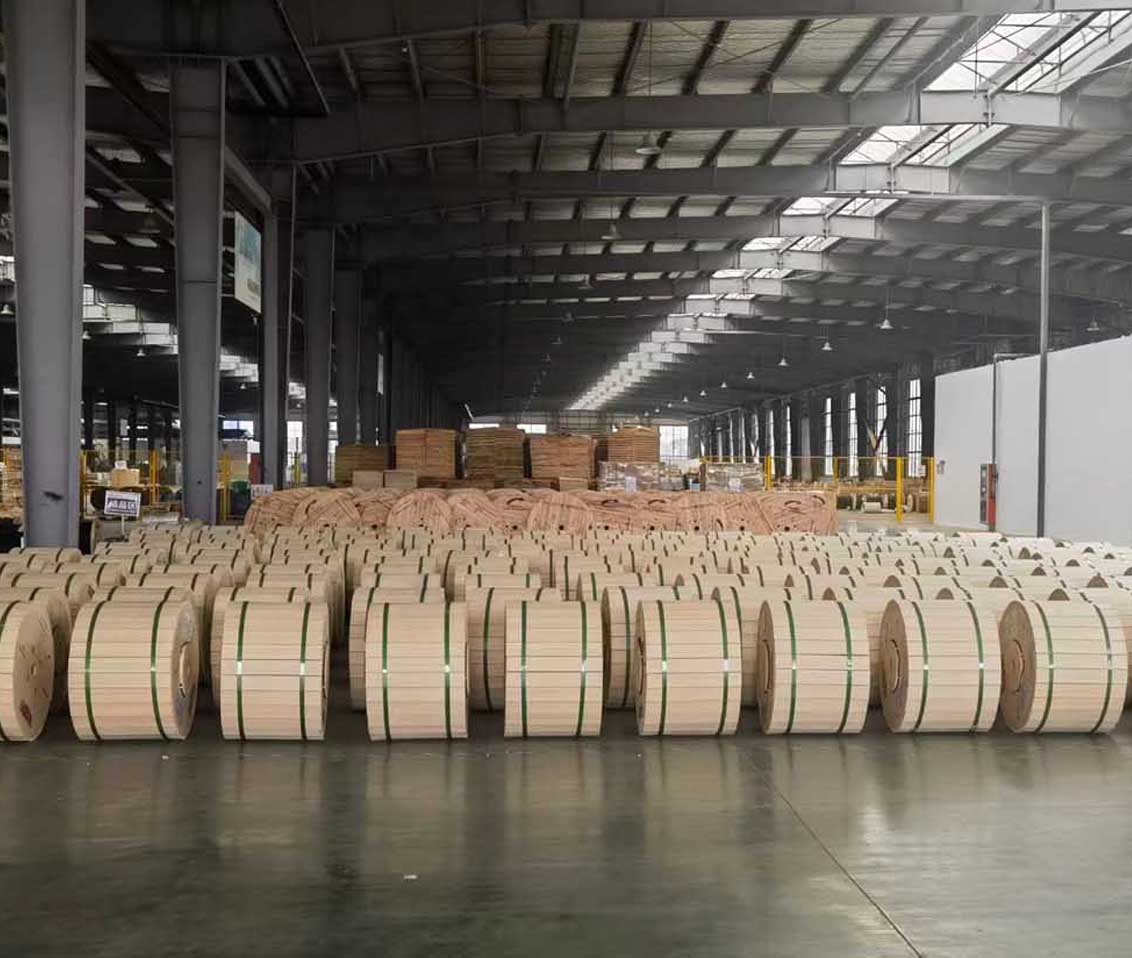
 Optical Fiber
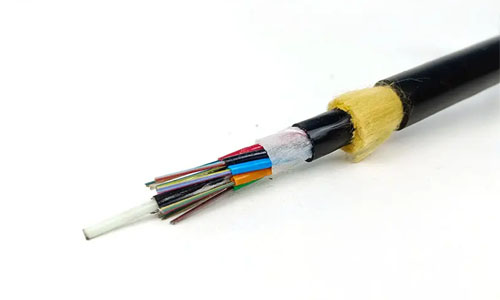 ADSS Fiber Optic Cable
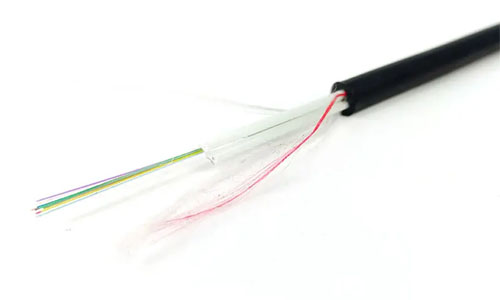 ASU Fiber Optic Cable
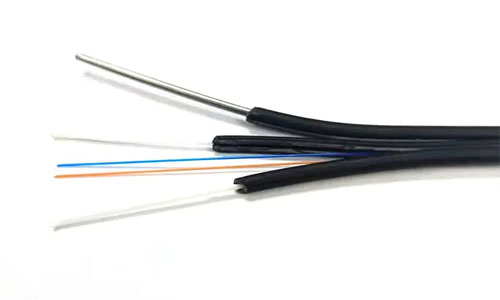 FTTH Fiber Optic Cable
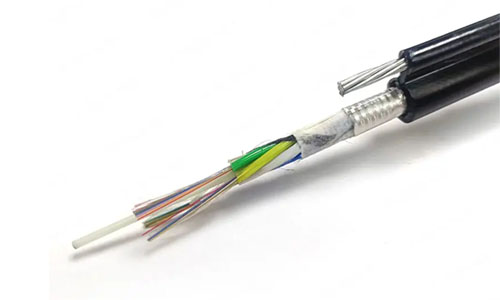 Figure 8 Fiber Optic Cable
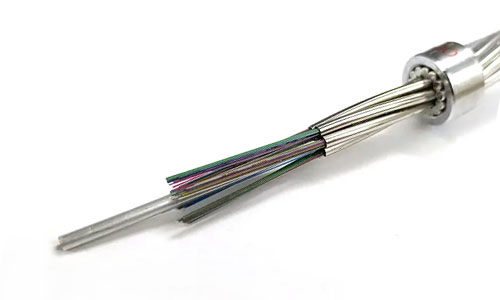 OPGW Fiber Optic Cable
 Coaxial Cable
 Ethernet Cable
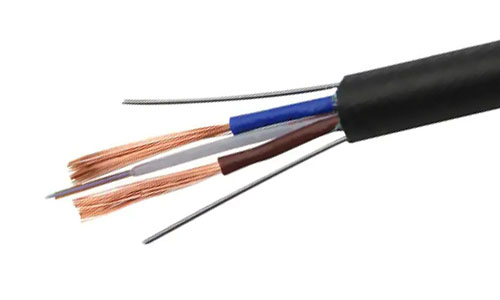 Photoelectric Composite Fiber Optic Cable
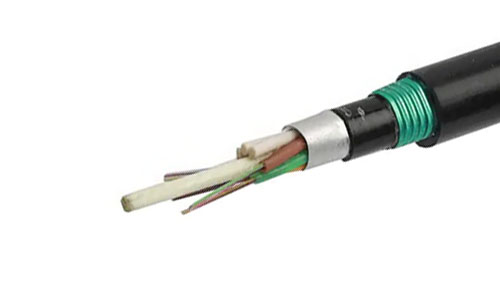 Underground & Pipeline Fiber Optic Cable
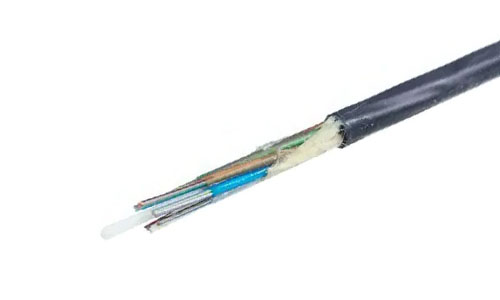 Air-Blown Micro Fiber Optic Cable
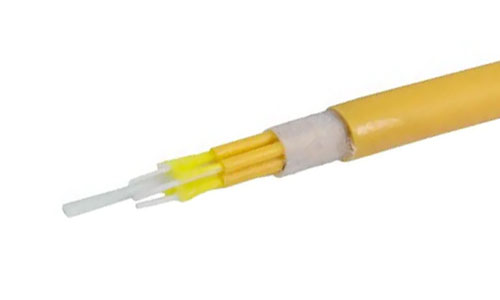 Indoor Fiber Optic Cable
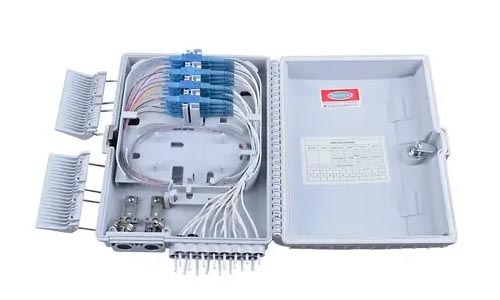 Fiber Optic Distribution Box
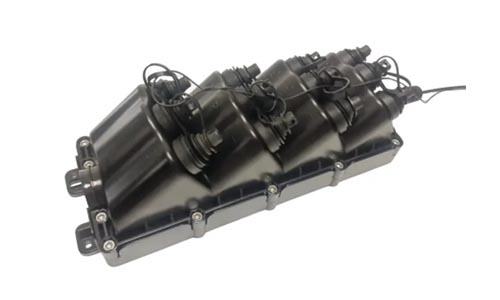 Multiport Service Termina Box
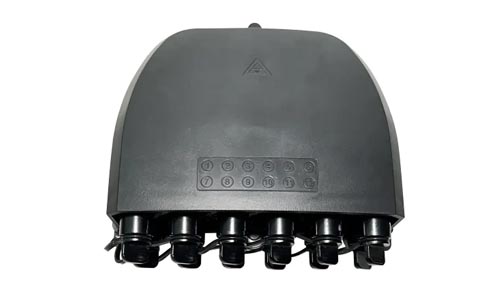 Fiber Optical Terminal Box
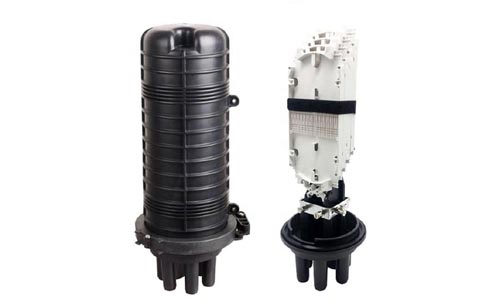 Fiber Optic Splice Closure
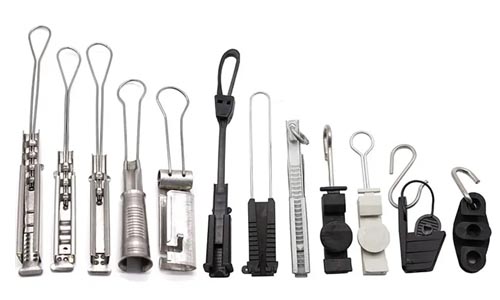 Fiber Optic Clamps
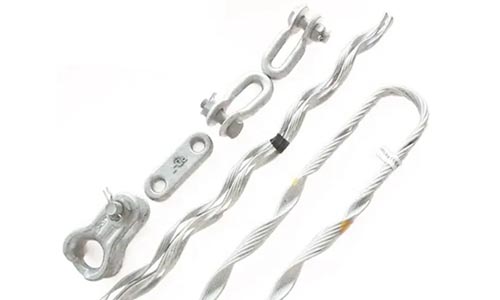 Fiber Optic Cable Fittings
 ADSS Fiber Cable
 ASU Fiber Cable
 OPGW Fiber Cable
 FTTH Fiber Cable
 Figure 8 Fiber Cable
 Photoelectric Composite Fiber Cable
 Underground & Pipeline Fiber Cable
 Air-Blown Micro Fiber Cable
 Aerial Fiber Cable
 Indoor Fiber Cable
 Fiber Optical Terminal Box
 Fiber Optic Distribution Box
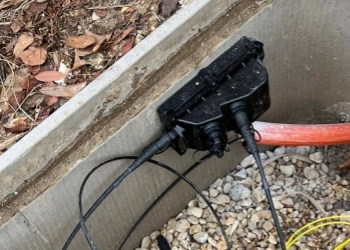 Multiport Service Termina Box
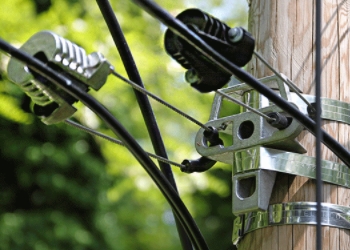 Fiber Optic Clamps
 About Us
 Our Team
 History
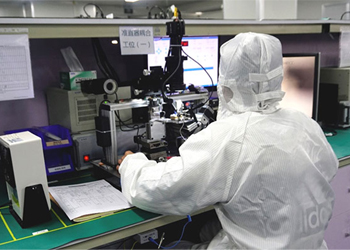 R&D Strength
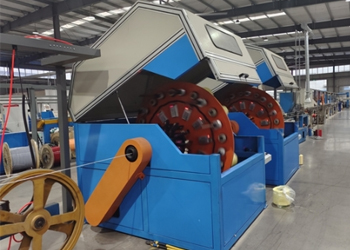 Production Base
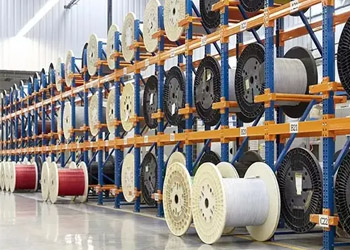 Warehouse & Logistics
 Quality
 FAQs
FAQsFiber Patch Cord SC LC FC ST APC/UPC Simplex Duplex Types
inquiry nowFiber Patch Cord SC LC FC ST APC/UPC Simplex Duplex Types
-
Fiber optic connectors are essential to the effective coupling of two or more optical fibers. Their quality and tolerances, including the ferrule as well as the alignment sleeve, are critical to the performance of these components and ultimately signal integrity.
-
SC connectors have become widely popular for their push-pull design, affordability, and versatility across telecom and data center deployments. They are the most common type of patch cord you will find in a single mode or multimode fibre network today.
-
LC connectors have a smaller form factor, which suits them well to high-density applications such as data centers. Their unique push-pull mechanism guarantees secure connections.
-
Since simplex cables can only transmit data in one direction, they are ideal for applications like monitoring systems. Duplex cables allow for two-way communication, making them better suited for high-speed internet and telecom networks.
-
APC connectors have an angled polish that reduces back reflection to near negligible levels, making them perfect for extreme performance systems. UPC connectors have an ultra-flat polish, which makes their operation convenient and provides a powerful signal transmission.
-
When selecting fiber patch cords, consider your application needs. Additionally, look for connector compatibility, cable construction, and industry compliance to ensure optimal performance and reliability.

Fiber patch cords are the backbone of any high performing network. They are available in SC, LC, FC, and ST connector types with APC or UPC polish options. These devices are meant to join network equipment.
They feature simplex or duplex configurations to accommodate single-mode as well as multimode fiber applications. These cables provide favorable signal attenuation and high quality performance that can meet the demanding requirements of telecom, data center and enterprise networks.
Available in a variety of lengths from short jumpers to long cords, fiber patch cords provide solutions for all types of installations. Their robustness coupled with accuracy make them a key player in the revolutionary evolution of today’s fiber optic networks.
In this guide, we’ll discuss features and applications of cable types simplex and duplex. We’ll point out the ways they differ to guide you towards determining the optimal cable for your application.
What Are Fiber Optic Connectors?
Fiber optic connectors are an essential component of today’s communication networks and communication technologies. Their purpose is to skillfully connect two optical fibers, maintaining the quality and continuity of transmitted light signals.
These powerful connectors allow for smooth and convenient transfer of fiber optic data from one cable to another. This capacity is essential for the fast, seamless connectivity that data centers, smart transportation networks, and smart utility grids require.
Their role is much more than simply making connections. Beyond that, they contribute an enormous amount of effort to maintaining signal fidelity—with both a powerful effect on network performance.
1. Define Fiber Optic Connectors
Fiber optic connectors are electrical devices that connect two optical fibers end-to-end for the purpose of joining their light transmitting properties. They come in many different styles including SC, LC, ST, and FC connectors designed for different applications.
SC connectors use a standard 2.5mm ferrule. They are widely used for their easy-to-use push-pull design. Conversely, LC connectors that use a 1.25mm ferrule are preferred for high-density applications.
These connector types are engineered to reduce signal loss and provide reliable performance. Duplex connectors, such as LC or SC duplex connectors, allow for simultaneous bidirectional transmission. This makes them ideal for local area networks (LANs) and campus networks.
2. Importance in Data Transmission
Not only data transfer rates, but the overall reliability of fiber optic connectors depend on their precision. Poor-quality connectors can increase insertion loss and signal degradation, which can affect the overall efficiency of the network.
APC connectors have an angled (or wedge) design that makes them most desirable. They perform best in applications that require low return loss and high signal fidelity, like long-distance single-mode cable networks.
Their greater expense shows their sophisticated performance, operational and functional requirements.
3. Key Components Explained
A fiber optic connector consists of a ferrule, housing, and alignment sleeve. The ceramic ferrule holds the fiber in place, maintaining a perfect picture – or signal – all while the connector housing protects the delicate components inside.
Maintaining accurate alignment to protect against loss is especially important in demanding, rugged applications such as industrial environments, where 3.0mm patch cords are frequently employed.
Exploring SC Connectors
Subscriber Connectors SC connectors, SC connectors, SC connectors — these are one of the most popular fiber optic network components. Renowned for their unique push-pull design and durable ceramic ferrule, they offer professional quality performance with easy-to-use convenience. To build an effective and reliable network of these connectors, they are absolutely key to efficiency.
Due to this, they have become widely used in both consumer and enterprise telecom applications. SC connectors are available in simplex and duplex configurations, so they offer versatility to interior or exterior networks. Duplex options, which are the most widely used, make up roughly four-fifths of their usage.
SC Connector Overview
The connectors’ push-pull mechanism makes them quick and easy to install and remove. This design makes for a fast, trouble-free connection that is made easily—not with hard, damaging wrench pressure. The added locking tab feature increases the reliability of this connection.
It keeps inadvertent latch release from occurring and secures receptacles in high-density connectivity environments, like data centers. SC connectors are compatible with both single-mode and multimode fibers. This range of adaptability means they are perfect for trust-wide long-distance communications, as well as shorter, high-bandwidth applications.
Applications of SC Connectors
SC connectors are the workhorses of many telecom and datacom networks. Their space-saving design makes them favored in datacenters, where their small footprint enables high-density deployments. These connectors can be seen in patch panels and fiber distribution systems, providing a secure connection for structured cabling.
Moreover, their resistance to electromagnetic interference (EMI) and drastic temperature fluctuations combine to make them perfect for hostile environments.
Advantages and Disadvantages
Low price, high accessibility SC connectors are affordable and easy to use, due largely in part to their simple design. They can have greater insertion loss than some other options. Owing to their ruggedness, ease of use, and economical nature, they continue to be one of the most popular technologies across many applications.
Understanding LC Connectors
LC connectors are very small and increased efficiency which makes them a perfect choice for high-density networking deployments. Their miniaturized form factor allows for ease of integration. Coupled with proven performance, these devices have emerged as the proven platform of choice for today’s data centers, enterprise networks and telecom infrastructures.
Having a high precision 1.25mm ferrule, LC connectors provide precision mating of both single-mode and multimode fibers for a high quality and high performance signal. Their patented push-pull mechanism affords easy, one-handed installation and removal for improved usability and minimized risk of connection errors.
Fast-forward to today, and nearly 70% of data centers are adopting LC connectors in support of high-speed operations. This dependence emphasizes their importance in today’s networking infrastructures.
LC Connector Overview
The most notable aspect of LC connectors is their small size, almost 50% smaller than previous SC connectors. This enables much greater port density in patch panels and transceivers, conserving precious rack space. The push-pull locking mechanism makes high-strength connections without the need for large amounts of axial force while minimizing repetitive connect/disconnect cycles damaging over time.
LC connectors are available in simplex, which uses one fiber, and duplex, that uses two fibers. This range provides versatility for any configuration, from simple point-to-point connections to complex bidirectional networks. Their design accommodates both single-mode and multimode fibers, which makes them a suitable optic solution for short-distance and long-distance data transmission.
Applications of LC Connectors
LC connectors perform exceptionally well in high-density environments such as data centers where space needs to be maximized and speed is essential. What, then, enables enterprise networks to support such scalable and reliable infrastructure?
In telecom and broadband, LC connectors enable efficient data transmission over fiber optic cables, connecting transceivers and patch panels seamlessly, even under demanding conditions.
Advantages and Disadvantages
LC connectors provide a compact form factor and user-friendly operation thanks to a push-pull locking system. They can be quite sensitive to dust, needing clean environments to operate at peak performance.
When compared to their larger counterparts, their precision and size create the perfect fit for high-speed applications.
Delving into FC Connectors
FC connectors have long been the standard for single-mode fiber applications. FC connectors have been key ambassadors for the evolution of fiber optic systems. These connectors come highly praised for their rugged reliability. They are integral to applications that require exactness and dependability. Though increasingly supplanted by newer alternatives, FC connectors are still widely used in specialized applications in certain industries due to their distinctive attributes.
FC Connector Overview
FC connectors are most easily identifiable by use of metal, which reinforces durability and an increased resistance to wear and tear. What’s even better is their threaded screw-on mechanism, which provides an extra level of connection security and stability—even in dynamic or high-vibration environments. This design prevents accidental disconnection, making it a good choice for applications where reliability and full performance is paramount.
Historically, FC connectors were the first to use a 2.50mm ferrule. This throwback is still found in today’s modern connectors, even SC types. Their introduction was a huge leap forward in developing fiber optic technology, especially in the early development of single-mode fiber.
Applications of FC Connectors
As a result, you’re likely to encounter FC connectors in more niche industries like telecom, R&D labs, or manufacturing environments. Their safe, threaded design makes your connection stable. This robustness to environmental and mechanical factors makes them ideal for connecting sensitive equipment, such as laser systems and high-precision measurement tools.
These connectors excel in applications that involve a repetitive back and forth motion or shaking condition. In harsh climates, no other connector can hold a connection like FC Connectors do.
Advantages and Disadvantages
FC connectors provide significant benefits that enhance connectivity by having strong durability and protection from environmental features such as dirt and mechanical strain. With these older designs come disadvantages. They disconnect more slowly and have higher manufacturing costs relative to newer designs such as LC or SC.
Despite these drawbacks, none of their stability is found elsewhere for certain use cases.
Examining ST Connectors
ST connectors, or “Straight Tip” connectors, take the advantages of the FC and SC connectors, and combine them. This unique hybrid design provides superior performance and flexibility. Their distinctive characteristics, especially the ST bayonet locking feature, provide a durable, tight connection you can depend on in any scenario.
ST connectors could be considered outdated after the advent of smaller and more functional designs. They persist in great abundance in certain applications due to their mechanical robustness and ease of use.
ST Connector Overview
ST connectors are easily identified by their round, metallic housing with a bayonet-style locking system. This mechanism creates a very stable connection, as it twists and locks the connector into a very robust connection.
As they come with a 2.5 mm ferrule, they are suitable for multimode fibers, which makes them a versatile choice for a wide range of applications. Historically, ST connectors were among the first widely adopted connectors in fiber optic technology, particularly during the 1980s and 1990s, when they were favored for their simplicity and reliability.
Applications of ST Connectors
ST connectors are still commonly found in legacy systems and older network infrastructures, where their compatibility with existing equipment remains essential. They are commonly used by education institutions and research labs for laboratory configurations and experimental applications.
They are critical for tying together legacy telecommunications infrastructure. Their rugged construction makes them particularly effective in utility distribution networks, transportation networks, and industrial environments.
This durability is a boon for power grids and railways, where operational resilience is of utmost importance.
Advantages and Disadvantages
ST connectors are often prized for their “dummy-proof” installation procedures and dependable performance in the rigid uses. Their physical dimensions and obsolescence of design do not lend themselves well to today’s cramped, high density racks.
When measured up against newer connectors such as the LC, they’re no longer the most compact, efficient connectors, which has led to their decline in popularity.
Simplex vs Duplex Fiber Cables
Whether you’re designing or upgrading a fiber optic network, knowing the difference between simplex and duplex cables is critical. Each of these types of fiber has unique qualities and uses within communication systems. Understanding their configurations and applications will help you choose the best solution for optimal network performance.
Define Simplex Cables
Simplex fiber cables have one strand of fiber, allowing only one-way data transmission. They perform best in environments where data only moves flowing one way. This includes uses such as surveillance and emergency response systems.
For instance, a simplex cable could be found in a temperature sensor sending information to a central control unit. Repairing and replacing faulty fiber Simplex cables simplify repairs and replacements within an existing network. Their simplex design makes for easier installation and lower overall cost.
Define Duplex Cables
Duplex cables have two fibers, which enables communication in two directions. They are capable of half-duplex mode, meaning that data can travel in either direction, just not at the same time.
Or, they could use full-duplex mode to communicate in both directions at once. Full-duplex configurations are rarer, with these applications making up only around 2% of real-world deployments. Duplex cables are the most common form of cabling employed in today’s networking environment, including enterprise high-speed internet infrastructure and telecommunications.
Their flexibility is improved thanks to the “zipcord” design. It is because the two fibers interconnect with a thin lace that provides stability and durability while keeping them lightweight and flexible.
Key Differences Explained
-
Structure: Simplex has one fiber; duplex has two.
-
Functionality: Simplex limits data flow to one direction, while duplex supports two-way communication.
-
Simplex is common in unidirectional systems. Duplex provides more efficiency in two-way communications.
Applications for Each Type
Simplex cables are often seen in control applications such as traffic lights or industrial environments where sensors may be deployed. Duplex cables are absolutely essential in the telecommunications and internet industries, where high-speed data transfer has reached a new level of importance.
Simplex cables are best in cost-sensitive, single-flow applications, whereas duplex cables play a leading role in environments that require communication in both directions at once.
Impact on Network Design
The decision to use simplex or duplex cables has a major effect on network design. Simplex installations simplify and save cost for one-way data transmission.
To further illustrate duplex cable technology, their unique bidirectional feature provides support for more bandwidth and makes communication more efficient. When considering cost vs functionality, choosing the appropriate type makes a difference in maintaining top performance.
APC and UPC Connectors: What's the Difference?
APC (Angled Physical Contact) and UPC (Ultra Physical Contact) are two of the most widely used connector polish types in fiber optics. Since these different polishing styles affect signal quality and how reflections are managed, they are very important factors to weigh when choosing connectors for certain applications.
While each type is essential for maximizing performance, their differences make each more suitable for different applications.
Understanding APC Polishing
APC connectors have a fiber endface that is polished at an eight-degree angle. This angled APC finish helps to reduce back reflection by changing the direction of light signals coming back to the source, lessening interference.
APC connectors provide outstanding reflection termination, with a return loss rating of approximately -60dB. This precision makes them ideal for high-performance applications that require clear, accurate signals.
These connectors have an integral function in passive optical networks (GPONs and LANs). They are critical in systems that carry RF signals to deliver video. Careful alignment when installing them is essential to ensuring that performance is preserved.
Understanding UPC Polishing
UPC connectors have a completely flat endface with no angle. This design is all about improving signal transmission with less insertion loss.
This ease of use, combined with their excellent compatibility, has made UPC connectors the go-to choice in nearly 90% of today’s fiber networks. They work well in systems where some reflection is okay.
With repeated on-off use, the flat surface can wear, undercutting long-term performance slightly.
Performance Differences
| Metric | APC Connector | UPC Connector |
|---|---|---|
| Reflection (Return Loss) | -60dB | -50dB |
| Insertion Loss | Low | Low |
| Application Focus | High precision | General purpose |
When to Use APC vs UPC?
APC connectors are best in situations where no reflection is the key, like long-distance or high-density settings.
For short to medium distances and typical telecommunications environments, UPC connectors are ideal. Keep in mind that APC and UPC connectors are not cross-compatible.
Impact on Signal Reflection
Since reflection directly impacts transmission quality, connector polishing is especially important for maintaining network reliability. Choosing the right connector type helps avoid excessive reflective loss and guarantees optimal performance.
Selecting the Right Fiber Patch Cord
Selecting the right fiber patch cord is key to facilitating high performing and dependable network operation. The fiber patch cord selection process begins with understanding your unique application requirements. Getting it right from the start is crucial.
Next, we address connector compatibility, cable structures, industry standards and even potential installation headaches.
Assess Application Requirements
Understanding the application requirements is the first place to start. Consider the following:
-
Higher bandwidth applications, such as video streaming or data centers, may require single-mode fibers for long-distance transmission.
-
Distance: Short-distance requirements generally favor multimode fiber, while single-mode suits long-range needs.
-
For ruggedized environments, cords with a thicker 3.0mm sheathing provide more protection against corrosion and abrasion.
A 0.9mm cord better accommodates high-density environments because of its smaller diameter. Understanding the use case, such as telecommunications or medical equipment, can guide whether to use APC (low return loss) or UPC connectors.
Consider Connector Types
Matching connector types to network equipment and applications is important to ensure seamless integration. SC connectors used to dominate the market, but due to the need for ultra-high density environments, LC connectors have taken over.
APC connectors offer the lowest losses and best signal fidelity, which makes them ideal for mission-critical applications. They are more expensive than UPC connectors.
Evaluate Cable Structure
Cable durability should never be a concern. In addition, the fiber count and jacket material impact robustness. Increased protection against wear is provided by heavier sheathing, such as 3.0mm.
Proper cable management reduces the risk to cable performance.
Check Industry Standards
Compliance with standards is a mark of quality and reliability. Root cause compliance and standards-based approaches ensure the same great performance, even in widely different environments.
Plan for Installation Challenges
Proactive strategies such as thoughtful routing, careful measuring, and simple visibility and access can go a long way towards minimizing these disruptions.
Maintaining Fiber Optic Connections
Regular maintenance of fiber optic connections is essential for ensuring reliable performance and extending the lifespan of your network infrastructure. With more than 90% of data centers using fiber optics to connect people and places with high-speed data, maintaining this complex infrastructure is vital.
Preventive care maintains the clarity of signal travels, protects against outages and related response time, and protects from expensive repair or replacement costs. Whether you're managing simplex or duplex cables in high-density environments like data center racks or cabinets, attention to detail is key.
Inspect Connectors Regularly
Routine inspection of fiber optic connectors is important in order to maintain signal integrity. Key tasks include checking for scratches, cracks, or bent connectors.
Additionally, verifying the cleanliness of connector end faces and ensuring the proper alignment of connectors are crucial steps. Contamination as a result of dust, dirt, or oil can impede the light signal being transmitted through the fibers.
APC connectors provide less loss than UPC connectors. To ensure those connections remain accurate, you need to perform regular inspections. Whether working with high precision signaling or return loss sensitive applications, frequent cleaning practices guarantee the highest performance.
Clean Fiber Optic Connectors
For fiber optics, connector cleanliness is critical to avoiding signal degradation. Foreign material on connector interfaces can prevent light from traveling and result in signal loss.
Wipe with isopropyl alcohol or use premoistened wipes designed for fiber optics, then finish up with dry, lint-free cloths. Don’t apply any abrasive material which can scratch and damage the unit either.
Clean connectors guarantee a solid connection. This is particularly true for certified cords such as those complying with CE, UL or ROHS specifications.
Test Cable Performance
Conducting performance verification of installed cable helps spot problems early, keeping networks running with high reliability. The most prevalent of these are optical time-domain reflectometers (OTDR) tests and power meter tests.
Providing accuracy and repeatability are paramount for testing the overall performance of APC and UPC cables. This is particularly critical in high precision environments like data centers.
Troubleshoot Common Issues
Frequent problems include signal attenuation due to connector damage, misalignment in fiber cores, and dirt accumulation disrupting transmission.
Promptly resolving these issues ensures uninterrupted network performance.
Conclusion
Fiber patch cords are an unsung hero in keeping networks up and running. From SC and LC connector types to FC and ST connectors, each type has its unique strengths. When selecting simplex vs duplex cables, it’s best to understand your unique needs. Whether you choose APC or UPC finishes will affect your project. When you understand these nuances, you’re empowered to make informed decisions to guarantee optimal performance with minimal signal loss.
Caring for your fiber connections makes a big difference. Routine cleaning and careful use are key factors in increasing their longevity and dependability.
For optimal performance, selecting the appropriate patch cord is equally as important as patch cord maintenance. Do your research, consider your requirements, and purchase top-tier equipment to remain a step ahead.
Frequently Asked Questions
What are fiber patch cords used for?
Used to connect the network devices such as switches, servers, and patch panels. They are very important in providing fast and reliable data transmission, which makes them indispensable in today’s high-speed communication networks.
What is the main difference between SC and LC connectors?
SC connectors have a larger, push-pull design, while LC connectors are smaller with a latch mechanism. LC connectors save space and are commonly used in high-density applications.
What does APC and UPC mean in fiber connectors?
APC (Angled Physical Contact) has an angled end face that minimizes signal loss. Compared to regular PC, UPC (Ultra Physical Contact) uses a flat end face to reduce the back reflection. APC is perfect for high-precision usage.
How do I choose the right fiber patch cord?
Take into account connector type, simplex or duplex design, cable length, and polish type (APC/UPC). Align these with your network’s needs to ensure the best possible performance.
Why is proper fiber optic maintenance important?
By proactively preventing signal loss, proper patch cord maintenance can help ensure your network doesn't go down. Make sure to clean and inspect connectors on a regular maintenance schedule to maintain optimum data throughput.
Can fiber optic cables be reused?
The short answer is yes, as long as the fiber optic cables are still in good condition and still suit your network’s needs. Check cables and connectors for visible damage before reusing.