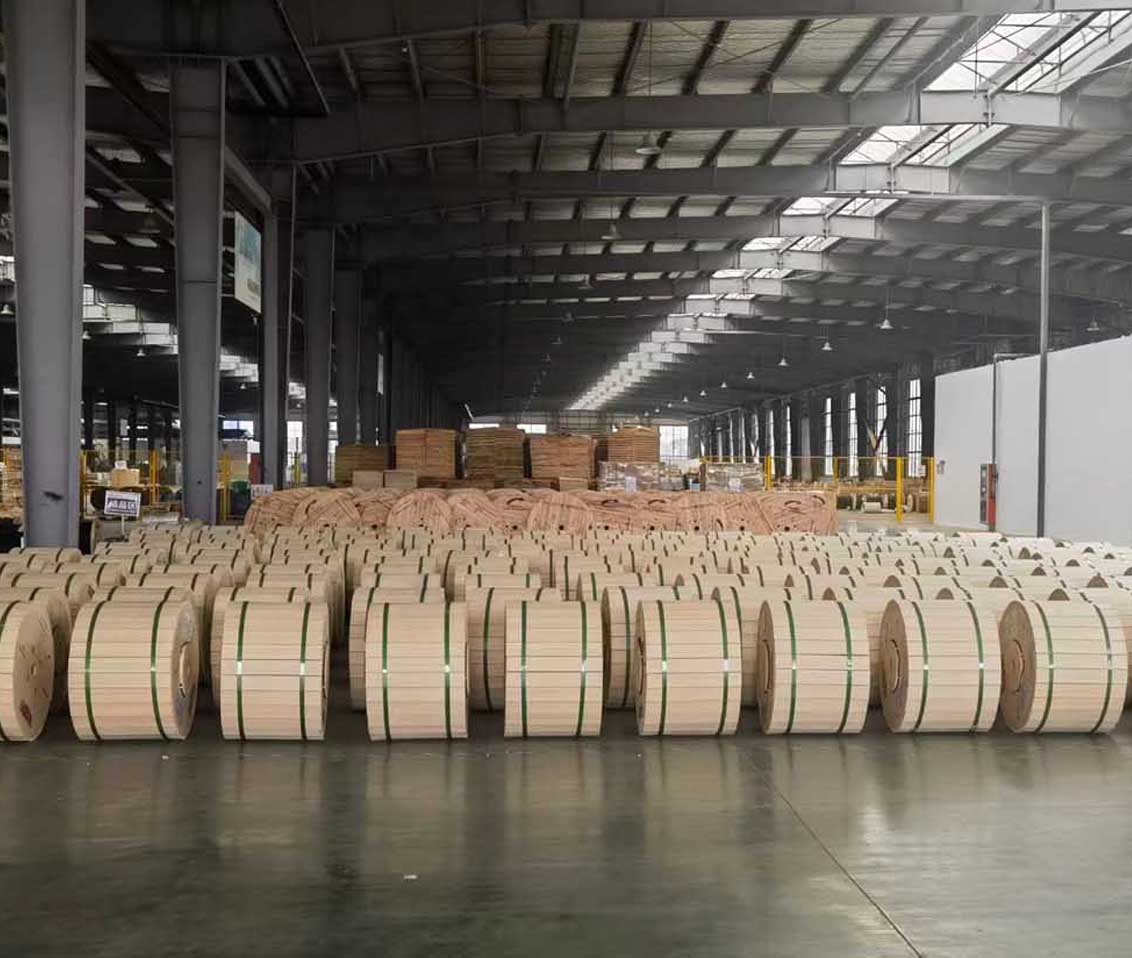
 Optical Fiber
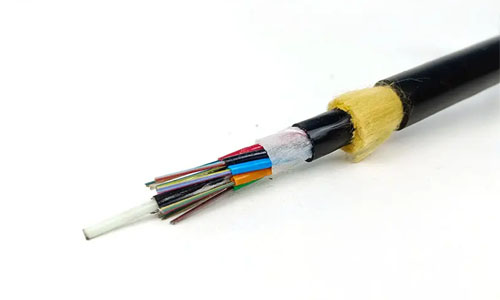 ADSS Fiber Optic Cable
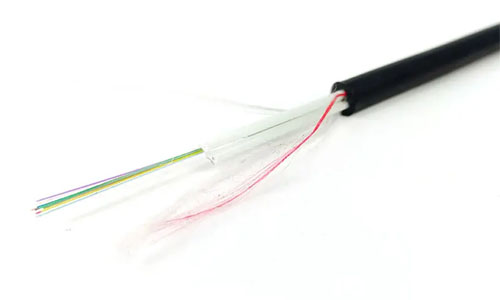 ASU Fiber Optic Cable
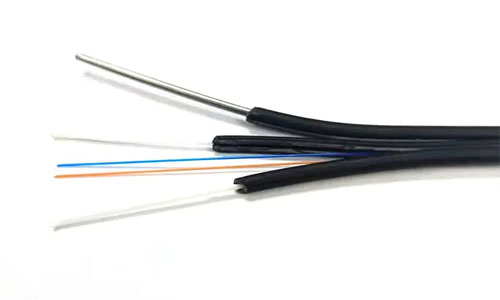 FTTH Fiber Optic Cable
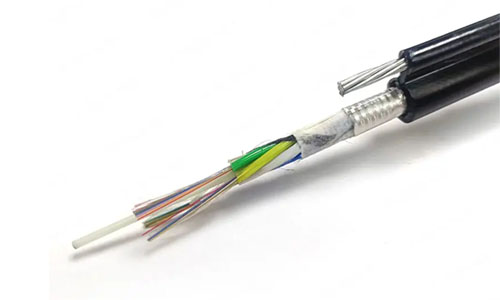 Figure 8 Fiber Optic Cable
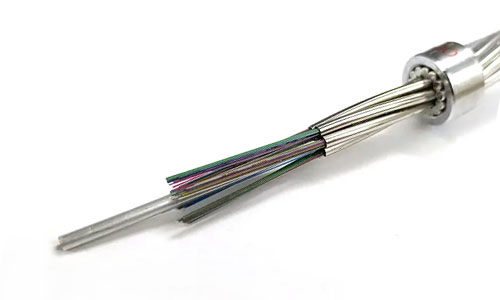 OPGW Fiber Optic Cable
 Coaxial Cable
 Ethernet Cable
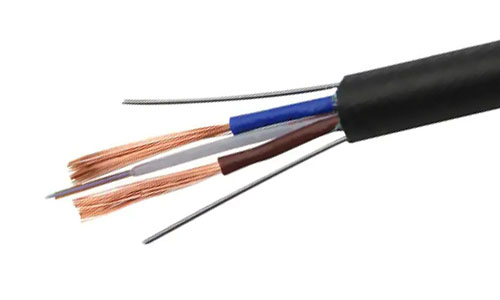 Photoelectric Composite Fiber Optic Cable
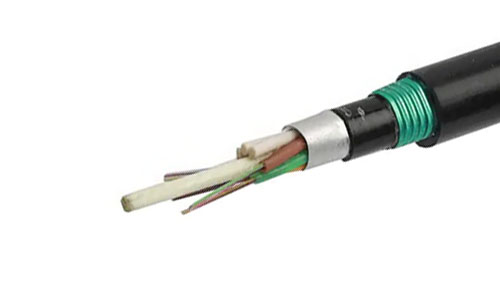 Underground & Pipeline Fiber Optic Cable
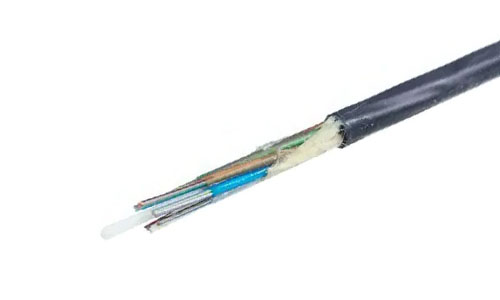 Air-Blown Micro Fiber Optic Cable
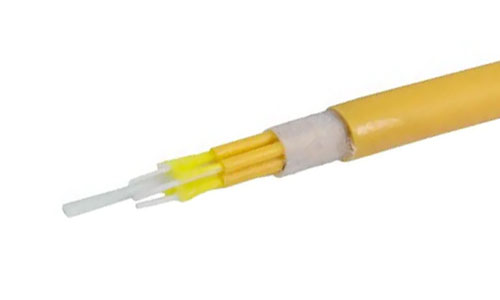 Indoor Fiber Optic Cable
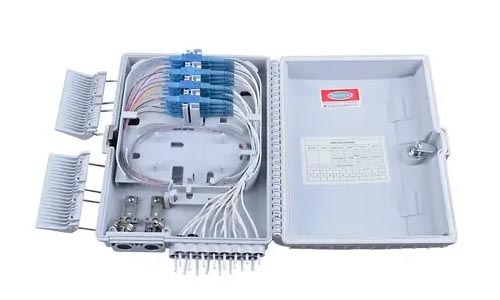 Fiber Optic Distribution Box
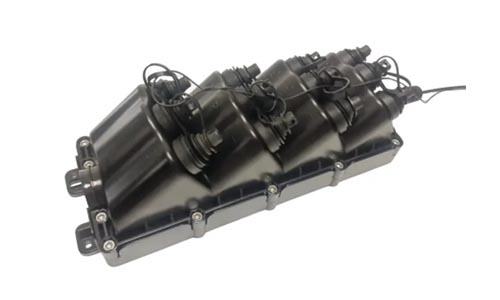 Multiport Service Termina Box
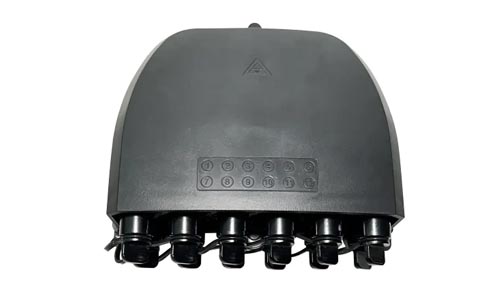 Fiber Optical Terminal Box
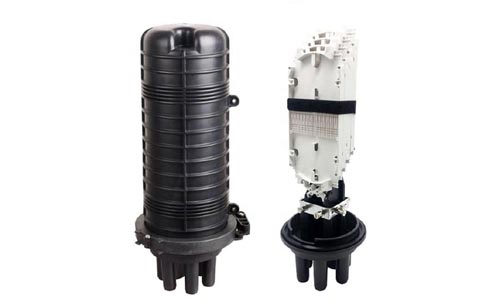 Fiber Optic Splice Closure
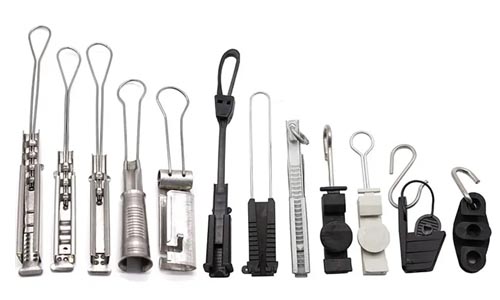 Fiber Optic Clamps
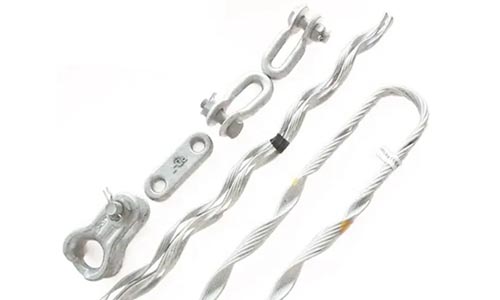 Fiber Optic Cable Fittings
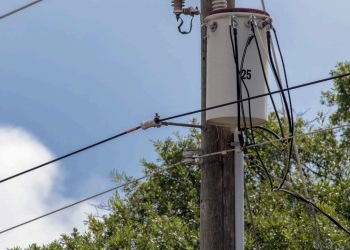 ADSS Fiber Cable
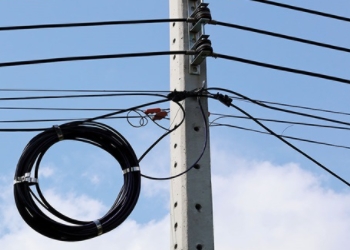 ASU Fiber Cable
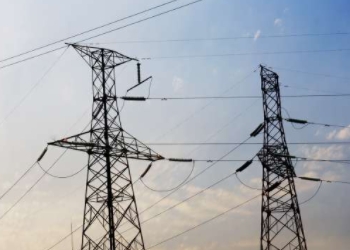 OPGW Fiber Cable
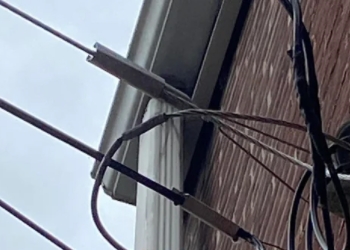 FTTH Fiber Cable
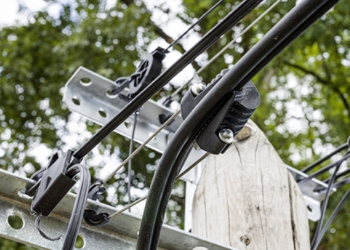 Figure 8 Fiber Cable
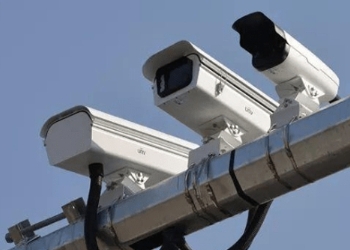 Photoelectric Composite Fiber Cable
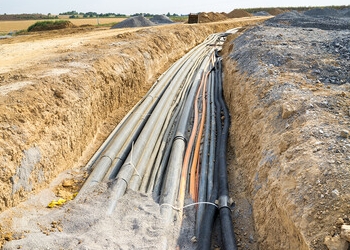 Underground & Pipeline Fiber Cable
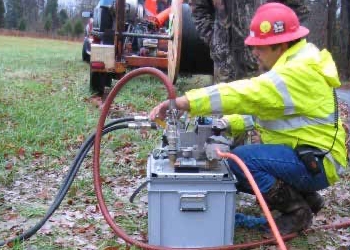 Air-Blown Micro Fiber Cable
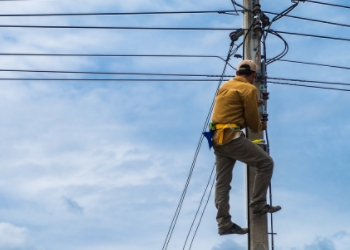 Aerial Fiber Cable
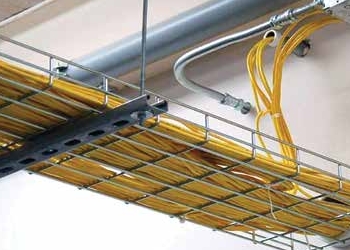 Indoor Fiber Cable
 Fiber Optical Terminal Box
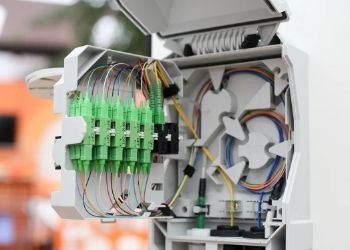 Fiber Optic Distribution Box
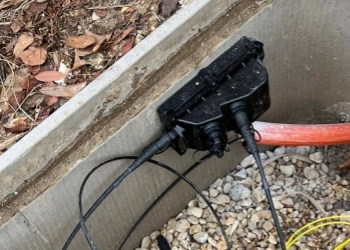 Multiport Service Termina Box
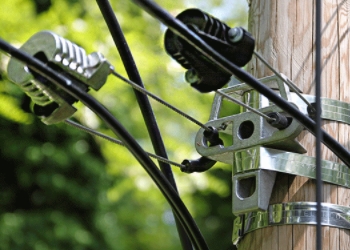 Fiber Optic Clamps
 About Us
 Our Team
 History
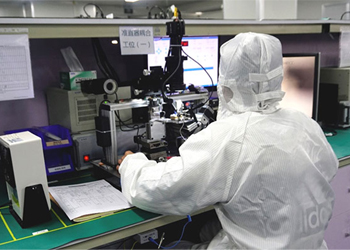 R&D Strength
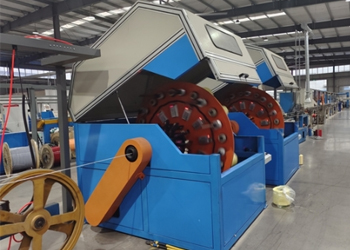 Production Base
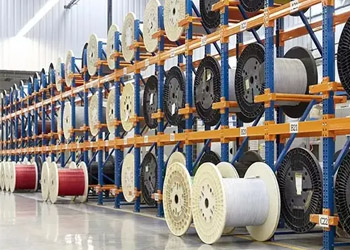 Warehouse & Logistics
 Quality
 FAQs
FAQsG657A2 Bend Insensitive Fiber Optic Cable
G657A2 is a single-mode optical fiber with excellent bend resistance that is widely deployed in FTTH networks. It employs a smaller bend radius, sometimes as little as 7.5 mm, that assists with simple cable routing in cramped indoor environments. Many network builders choose G657A2 because it is compatible with legacy G652D fibers and covers the majority of current requirements. Its low attenuation at typical wavelengths, such as 1310 nm and 1550 nm, makes it an excellent candidate for high-speed, reliable transmission. To help you experience how G657A2 performs in real world builds, the upcoming section details where this fiber belongs and why so many crews swear by it.

What are G657A2 Cables?
G657A2 cables are bend-insensitive single-mode optical cables designed for future-proofed networks. They assist in propelling high-speed data through tight spaces, such as in residences or business complexes. The real beauty of G657A2 is that it maintains low signal loss even when bent around tight corners or crammed into congested ducts. This makes them a favorite for fiber-dense deployments where room is tight and pristine signals count.
Advantages of G657A2 cables:
-
Lower signal loss, even with sharp bends
-
Stable, reliable performance in tight installations
-
Good for high-speed internet and dense city builds
-
Easy to splice with existing G652D fibers
1. Core Design
G657A2 cables have a small, tightly manufactured core, typically having a mode field diameter of 9.2 to 10.4 µm. It’s a bit more than older G652D fibers, but still compatible with common connectors. Their small size means that these fibers can turn tighter corners without breaking or degrading signal. Tight tolerances in the core shape and glass purity ensure light can continue moving free of loss, even with the cable twisted or looped. That meticulous construction aids the cable’s lifespan, making it an intelligent pick for environments where cables get shifted or bent frequently.
2. Bending Performance
Bending is where G657A2 shines. These fibers can bend down to a 10mm radius, so they nestle into tight spaces without incurring large losses. Installers utilize them in spaces such as apartment blocks or cramped utility closets. A petite bend radius keeps signals crisp, so users enjoy lightning-speed, dependable connectivity. In FTTH projects, these cables can snake through skinny walls and acute corners without hassle.
3. Optical Trench
An optical trench is a groove in the glass that assists in guiding light when the cable is bent. This design tweak allows G657A2 to brave hard routing through buildings or city ducts. The optical trenches reduce the risk of fiber breaks and weak spots, making the network stronger and more maintainable. Utilizing these trenches reduces the time and expense of laying cables since they don’t require special handling or additional separation. They provide an additional protective shield that keeps cables protected from dirt, water, or bumps.
4. Material Composition
G657A2 cables utilize robust, premium-quality glass and a rugged outer jacket. The glass is pure, so signals remain potent with minimal loss. Attenuation is around 0.36 dB per kilometer at 1310 nm. Its outer jacket resists heat, cold, and moisture, extending the cable’s life wherever you deploy it. Newer plastics and coatings help keep cables light and flexible. These material enhancements allow G657A2 to endure more abuse and still perform optimally for years.
5. ITU-T Standard
The ITU-T defines worldwide standards for manufacturing and testing G657A2 cables. Complying with these standards means G657A2 will interoperate with other cables and equipment, regardless of manufacturer. It assists in making networks modular and simple to reconfigure or repair. Adhering to ITU-T standards implies users can rely on the cable to satisfy rigorous quality marks, ensuring data passes through pristine and quickly. The G657A2 standard allows fiber to stay ahead as networks become more speed hungry and dense.

G657A2 vs. G657A1
G657A2 and G657A1 are both bend-insensitive fibers that find broad usage in FTTH and LAN environments. They’re primarily different in bending performance, attenuation, and how well they work for tight-space installs. For readers comparing these fibers, a side-by-side view helps:
| Feature | G657A1 | G657A2 |
|---|---|---|
| Min Bend Radius | 10 mm | 7.5 mm |
| Attenuation (1310 nm) | 0.36 dB/km | 0.4 dB/km |
| Attenuation (1550 nm) | 0.22 dB/km | 0.25 dB/km |
| Mode Field Diameter | 9.8 μm | 9.8 μm |
| Core/Clad Diameter | 9/125 μm | 9/125 μm | | Bend Resistance | Better | Best | | Use case | FTTH, LAN | Tight bends, DC |
Both can be spliced to G652D fibers, although G657A2 might have marginally higher splice loss because of its tighter geometry. G657A2’s smaller bend radius makes it a favorite for tight or complex runs, such as in data centers or congested telecom closets.
Bend Radius
G657A2 fibers are made for hard bends. With a minimum bend radius that is just 7.5 mm, it is an improvement over the 10 mm for G657A1. This tiny curve allows installers to cram cables in tight places without danger. In crowded environments, such as contemporary apartments or jamming server racks, this capability is a godsend.
A smaller bend radius equates to less physical stress on the fiber over time. This can extend cable life and maintain signal integrity, despite years of twisting and bending. G657A2’s bend-friendly architecture reduces its reliance on expensive routing equipment or large duct volumes.
-
Always follow the manufacturer’s bend radius for long life.
-
Avoid sharp kinks or pinches during install.
-
Use gentle guides and turns, not hard edges.
-
Check bends after install—don’t let them slip tighter.
Macrobending Loss
Macrobending loss refers to the loss of signal strength when a fiber is bent excessively. This can wreck network speed and cause downtime. G657A2 reduces this danger by employing a core that can retain the light within, even around tight curves.
Advanced materials and a core design allow G657A2 to bounce light back, preventing leaks. This is important when you install fiber behind walls, in floors, or in dense racks. If you’re planning a new network, understanding the risk of macrobending loss allows you to map routes with less concern.
To dodge macrobending loss:
-
Lay cables with wide, smooth loops.
-
Avoid hard clips or rigid ties.
-
Train staff on proper handling.
-
Inspect and test after pulling cables.
Compatibility
G657A2 is engineered to be compatible. It is the same size and core as G657A1 and G652D, so you can splice these fibers together with regular equipment. Backwards compatibility reduces headaches and prevents the necessity for complete upgrades.
So just being able to either splice or connect to the older lines, you get a smooth upgrade path. G657A2 cascades work anywhere, from home networks to large telecom trunks. Even if your build straddles old and new, G657A2 can assist without sacrificing signal strength.
Over the long haul, choosing G657A2 ends you up with a future-proof configuration. You have the super-flex for new builds and the bridge to the old stuff, which translates into less debris and simpler upgrades down the road.
Why Choose G657A2?
G657A2 cables are special for modern telecom setups because they take on hard areas that previous cables couldn't. Their tiny 7.5mm bend radius means they nestle perfectly into tight corners, crowded racks and ultra high density data centers. If you’ve ever caught a glimpse of a server room just crammed full corner to corner, you know how hard it is to run cables with no kinks. G657A2 can bend around corners without losing much signal, whereas older types require three to four times more space to make a turn. This renders them a smart selection for ultra-fast networks, where conserving space and maintaining orderliness count.
Lifetime costs frequently concern large and small network owners. G657A2 cables reduce these costs by reducing maintenance and cable failures. Their higher bend resistance means less signal drop and fewer breaks, so you won’t be replacing or repairing cables as often. Installation is faster as well. A technician can pull these cables through rough paths—around corners, through thick walls, under floors—without concern of harm. These little savings add up over time, particularly in locations where labor and downtime are expensive.
The higher the demands, the higher the benefits of G657A2. They thrive in congested environments such as offices, apartment complexes, or large campuses. Their pliability renders them ideal for FTTH and LAN applications. The mode field diameter is 9.8 μm at 1550nm, which causes slightly more loss when splicing with other fibers, but that’s negligible for most people. Attenuation is slightly higher than G652D, but still suits most requirements. It is backward compatible with G652D, so you can blend it in with legacy systems, although you should anticipate a minor splice loss from the tighter cable form.
As the world screams for higher broadband and more data, G657A2 delivers. It deals with faster speeds and larger volumes with ease. Its bend strength allows cables to course behind walls, within tiny ducts or overstuffed trays, accelerating upgrades in residences and offices. As broadband expands, fiber like this will simplify providing everyone with better, more dependable service.
Real-World G657A2 Applications
G657A2 fiber optic cables have transformed the way networks are designed and operated across the globe. These cables combine excellent bend performance with low attenuation, making them a savvy choice for numerous deployments. Key industries and sectors that rely on G657A2 cables include:
-
Telecommunications providers
-
Internet service companies
-
Data center operators
-
Commercial real estate developers
-
Urban infrastructure planners
-
Industrial and automotive sectors
FTTH Networks
G657A2 cables are the STFs of FTTH projects. They deploy them because they bend around tight corners and fit into cramped spaces, like in your house or apartment. This allows installers to pull cables through walls, ceilings, and even furniture with less chance of the fiber snapping or degrading the quality of the signal.
These cables assist in delivering high-speed, dependable internet to households. Many of these high-rise apartment cities use G657A2 cables because there isn’t a lot of extra room for wiring. Thanks to the cables’ low bending loss, they are ideal for these challenging runs. For residents, that translates to reliable connections and quicker speeds for streaming, video calls, and remote learning.
G657A2 plays nice with next-gen broadband services as well. As more households require bandwidth to support smart gadgets and work-from-home solutions, the future of FTTH will rely on cables that are resilient yet simple to deploy. G657A2 is just right for this requirement as cities and towns update their networks.
Data Centers
Today’s data centers require cables built to manage a multitude of connectors in a limited area. G657A2 cables provide data centers with this advantage by allowing operators to bundle cables densely without inducing signal attenuation. This supports the increasing need for cloud storage, real-time analytics, and high-speed business services.
G657A2 cables increase speed and reduce latency. These cables can be routed through tight racks and trays, which simplifies and adds flexibility to the installation. Large data centers have G657A2 applications in server-to-switch links and patch panels, where operators seek to deploy every scrap of space.
High-Density Cabling
High-density cabling crams as many cables as possible into a limited space, a priority for telecom and IT facilities. G657A2 fibers enable this with their bend resistance and low attenuation. They can be crammed into tight trays or snake along congested ducts without hazard.
Space restrictive facilities gain from migrating to G657A2. The cables’ ruggedness allows them to be deployed in harsh locations, such as factory floors and even outside. To maximize the benefits of high-density cabling, opt for G657A2 in both your indoor and outdoor runs, strategically design your paths to avoid acute bends, and employ protective trays to maintain cable order.
Installation Best Practices
G657A2 fiber is a rugged bend-insensitive cable designed for hard work, such as last-mile FTTH installs or ultra-high density data center wiring. Its tiny bend radius, only 7.5 mm, allows it to snake through constricted spaces and sharp corners with minimal losses, making it a go-to choice in densely populated buildings and fast drop cable runs.
Installation Best Practices
To truly maximize G657A2, installers should focus on a few best practices that help keep signal loss low and system reliability high.
-
READ AND OBSERVE THE MANUFACTURER’S INSTRUCTIONS Every brand has its own guidelines on how to pull, lay and fix the cable. If you skip any of these steps or guess, it can cause microbending, kinks or even breakage, resulting in higher attenuation and less stable performance. They include installation best practices such as safe pulling tension, bend radius, and how to splice connectors properly. For instance, if the manual says don’t bend the fiber below 7.5 mm, heed it — even if you think you can push it a little further.
-
Map out the cable path in advance. Consider its layout and choose paths with wide bends rather than sharp turns. G657A2 can manage tight spaces. Less stress now leads to fewer headaches later. The best practice for installation is to mark out where cables go so you steer clear of pinch points or places where someone might step or pile stuff on them.
-
Install Best Practices That is running cables in trays, ducts, or conduits and using ties that don’t squeeze too tight. Loose cables can tangle or snag, and tight ones can crush or stress the glass, causing loss. In data centers, stack cables neatly and do not bend them around sharp rack corners.
-
Make sure it’s compatible. G657A2 plays nice with older G652D systems, so you can mix and match in a lot of networks. Always triple-check connector types and splice methods to prevent mismatch or extra loss at joints.
-
Testing and inspection after each run. Employ tools for checking attenuation, insertion loss, and OTDR traces. Little checks now can save you from fault-chasing later. Routine testing means you detect problems before users experience them.
The Future of Fiber
Fiber is the future. Fiber optic networks are booming because everyone is hungry for faster, more reliable internet. It’s not cooling off either. G657A2 cables are right in the middle of this shift. Their bend-insensitive construction allows technicians to snake cables around sharp edges and into cramped areas without concern about attenuation. This is a big transition from heirloom varieties that required broad, mild terrain. G657A2 fibers are now in homes, offices, and even high-density apartment buildings. They simplify the process of getting gigabit connectivity into congested spaces.
Future100 – The future of fiber Bandwidth demands continue to rise as video streaming, remote work, cloud storage, and gaming all push networks. G657A2 cables assist in satisfying this need. They deliver greater volume with less latency. This is key for new tools like 5G, the IoT, and smart city projects. Take, for instance, smart city grids requiring fast, reliable data to manage traffic signals, security cameras, and sensors throughout vast expanses. G657A2’s low signal loss and toughness make it a great fit for these networks, both inside and out.
There’s an obvious evolution in making fibers stronger and more user friendly. G657A2 is rugged, enduring strain and tight curves without deteriorating. Fiber goes in more places—under roads and up tall buildings and even inside drones for video and data links. On drones, fiber’s light weight and speed enable pilots to see live feeds during searches or building inspections. Engineers continue to invent new fiber types and better materials. Such innovations may yield even more pliable, resilient cables, simplifying the deployment of high-speed internet wherever it’s required.
Looking ahead, networks will have to keep up as users demand faster speeds, lower latency, and more dependable connections. It’s about the future of fiber, where smarter ways to lay and manage cables and better materials and tools reduce the time and cost. G657A2 and beyond will play a big role here, servicing demands for homes, metropolises, and high-tech applications.
Conclusion
G657A2 cables stand out for superior bend performance and reliable attenuation properties. A lot of tech teams rely on them for hard city hauls and expansive country runs. Small homes and big offices alike get a clean line that keeps up with new needs. Some people choose G657A2 for rapid deployments, others for plug-and-play equipment transitions. You encounter them on busy streets, high towers and clever homes. Tangible victories manifest themselves in reduced fix costs and less slowdowns. To be prepared to address the upcoming wave of web requirements, consider G657A2 when making your next move to fiber. Contact your cable pro and inquire how these cables align with your plans. Keep your edge—new tech moves fast!
Frequently Asked Questions
What is a G657A2 fiber optic cable?
About g657a2 This makes it perfect for tight spaces and contemporary network installations as it provides high bending resistance.
How does G657A2 differ from G657A1?
G657A2 cables have an even tighter bend radius than G657A1. This flexibility makes them superior for complicated routing and tight spaces.
Where are G657A2 cables commonly used?
G657A2 cables are used in homes, offices, and city networks. They’re selected for locations where cables need to bend at steep angles, like within buildings or data centers.
What are the main benefits of G657A2 cables?
G657A2 cables are robust, bend-optimized, and high-speed data capable. They minimize signal erosion over compact distances, rendering them dependable for contemporary networks.
Can G657A2 cables be used outdoors?
G657A2 cables can be used indoors and outdoors. Always choose a cable that is properly shielded for outdoors.
Are G657A2 cables compatible with other fiber types?
Indeed, g657a2 cables will typically be compatible with other single-mode fiber types. Always check tech specs for best results.
What is the future outlook for G657A2 fiber cables?
G657A2 cables will grow as networks call for greater speed and agility. Their architecture enables forward compatibility.