 Optical Fiber
 ADSS Fiber Optic Cable
 ASU Fiber Optic Cable
 FTTH Fiber Optic Cable
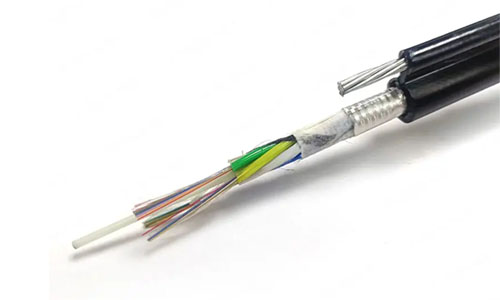 Figure 8 Fiber Optic Cable
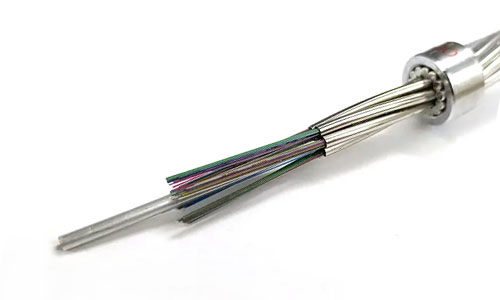 OPGW Fiber Optic Cable
 Coaxial Cable
 Ethernet Cable
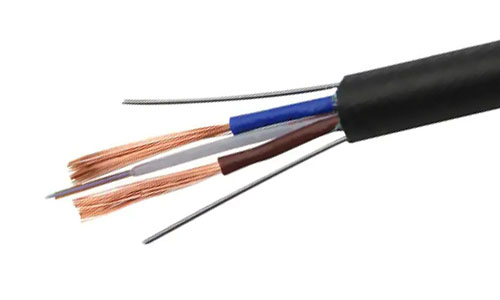 Photoelectric Composite Fiber Optic Cable
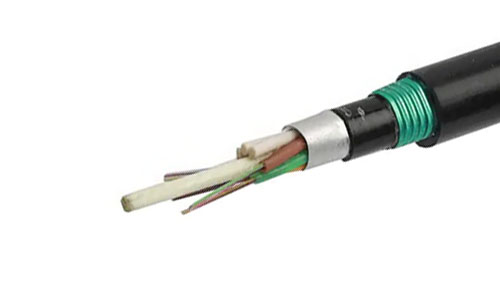 Underground & Pipeline Fiber Optic Cable
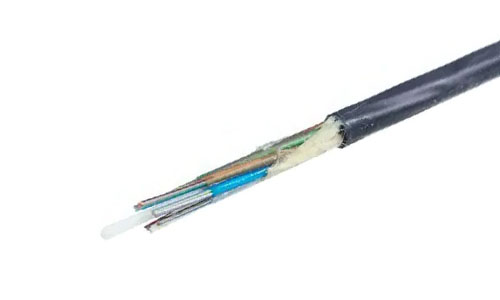 Air-Blown Micro Fiber Optic Cable
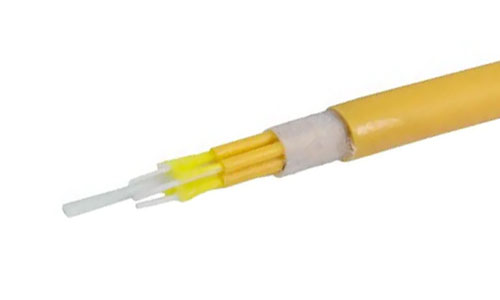 Indoor Fiber Optic Cable
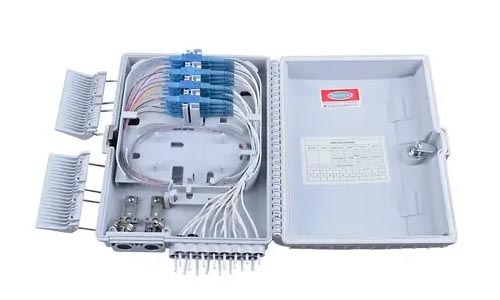 Fiber Optic Distribution Box
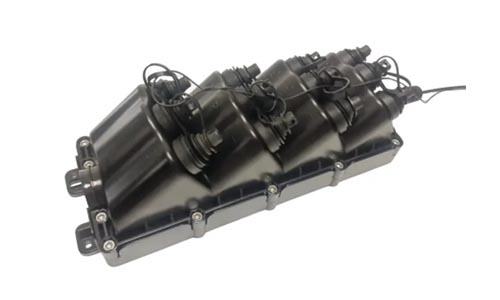 Multiport Service Termina Box
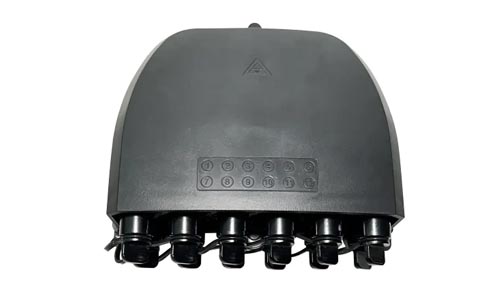 Fiber Optical Terminal Box
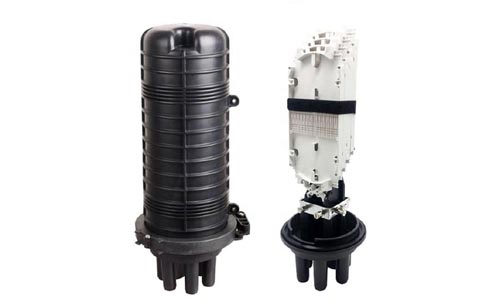 Fiber Optic Splice Closure
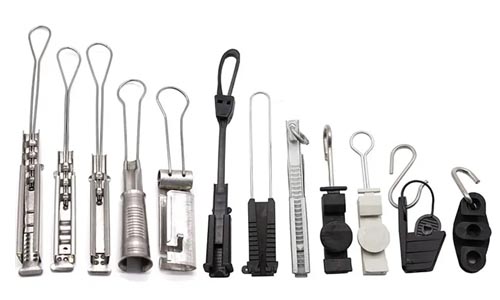 Fiber Optic Clamps
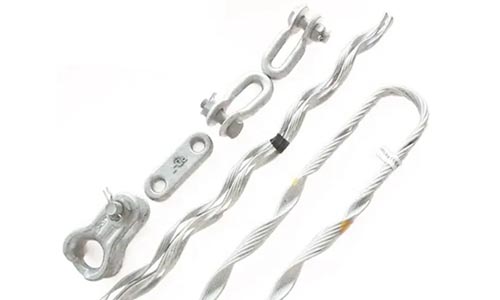 Fiber Optic Cable Fittings
 ADSS Fiber Cable
 ASU Fiber Cable
 OPGW Fiber Cable
 FTTH Fiber Cable
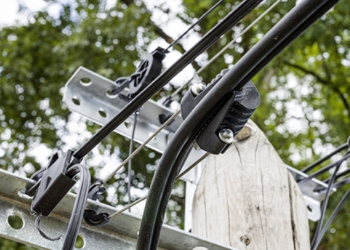 Figure 8 Fiber Cable
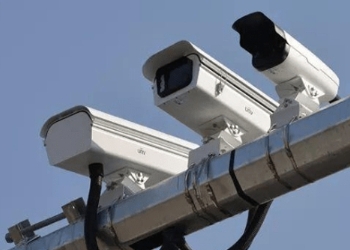 Photoelectric Composite Fiber Cable
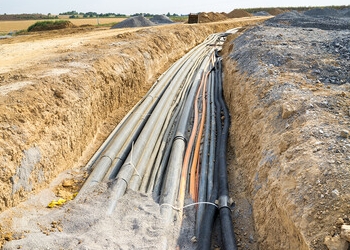 Underground & Pipeline Fiber Cable
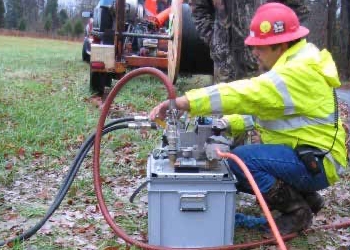 Air-Blown Micro Fiber Cable
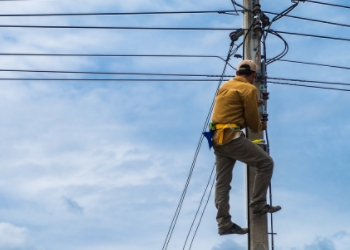 Aerial Fiber Cable
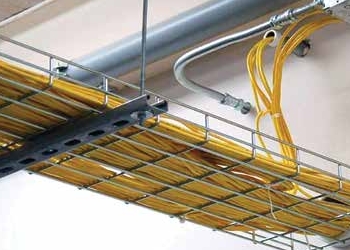 Indoor Fiber Cable
 Fiber Optical Terminal Box
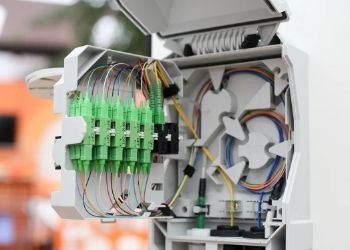 Fiber Optic Distribution Box
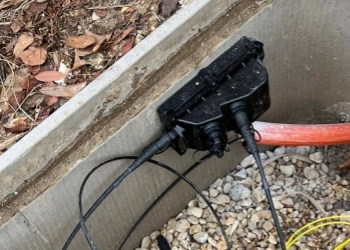 Multiport Service Termina Box
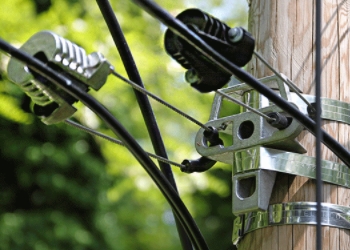 Fiber Optic Clamps
 About Us
 Our Team
 History
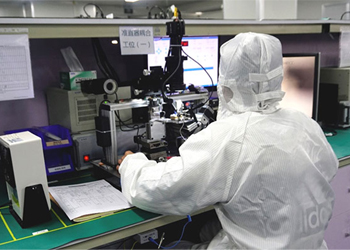 R&D Strength
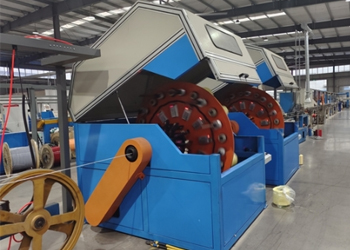 Production Base
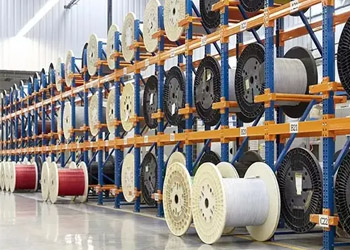 Warehouse & Logistics
 Quality
 FAQs
FAQsHow to Choose the Best ADSS Cable?
Contact for Free Quotation & Sample, According to your needs, customize for you.
inquiry nowHow to Choose the Best ADSS Cable?
-
Knowing your project’s needs is crucial before selecting ADSS cables, considering how span length, voltage, and fiber count impact performance and reliability.
-
ADSS cables have advantages such as low installation cost, free from induction interference and to support long-distance, high-speed data transmission without compromising the original infrastructure.
-
Choosing the appropriate structural design and sheath material aids in making the cable resistant to weather, UV rays, chemicals and temperature variations.
-
Consider environmental factors at the installation location to select cables capable of handling local climate challenges such as wind, ice, and temperature extremes.
-
Think about future-proofing your network by considering scalability and lifecycle costs, making sure your ADSS cable can support growth and new technologies down the line.
-
By understanding how ADSS compares to options like OPGW, you can pinpoint the ideal solution for your application, simplifying the process of constructing a reliable and high-performance network.

You need to check the span length, weather and voltage of your area. ADSS means All-Dielectric Self-Supporting cable, for overhead long-distance power and data lines. Consider the cable’s outer jacket, strength member and fiber count to align with requirements for strength and velocity. Consider where you’re going to hang it—urban spaces require more protection from wind and birds, rural lines may require longer spans. Inquire if the cable’s UV shield for sun, and if it can withstand storms or ice. Easy tests like these assist select a cable that endures longer and travels safer. Type, spec, and smart pick info follow in the main guide.
What is ADSS Cable?
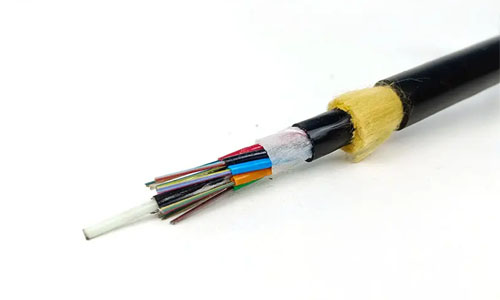
ADSS, or All-Dielectric Self-Supporting cable, is an aerial fiber optic cable designed specifically for installation on high-voltage power lines. Constructed with exclusively non-metallic components, these ADSS fiber cables are all-dielectric, meaning they do not conduct electricity. They’re designed to be robust enough to suspend between utility poles or towers without additional support structures, which enables them to be simpler and less expensive to install than traditional optical cables. ADSS gets deployed a lot in telecommunications and power lines, connecting major networks and delivering reliable broadband to remote locations.
Core Concept
ADSS cables are incredibly easy to install yet durable in design. Within, you discover signal-transmitting glass fibers, all cozy in a protective tube. Around this, there’s water-blocking gel to keep out moisture. The sheath, or outer layer, protects the cable from sun, wind and inclement weather.
The true magic of ADSS is in those glass fibers. They shift massive data blocks quickly, which is why phone companies and web hosts adore them. The cable is constructed to withstand harsh locations—icy cold, drenching rain or scorching sun. Most designs rely on aramid fibers, the same super-stuff in bulletproof vests. This allows the cable to hold, in place, for decades, even in tough locations.
Key Advantages
ADSS saves money because you don’t require additional supporting strands or excessive hardware to mount it. You literally just string it up and go. Because it’s all non-metal, it doesn’t get zapped by lightning or interfere with signals by power lines. So less outages and improved signal.
It’s designed for long distances, allowing you to link together villages dozens of kilometers away with minimum interruption along the way. You don’t have to disconnect the power or interrupt service to install it—installers can operate directly beside live wires.
Structural Designs
You’ll discover ADSS cables in several forms, such as central tube and loose tube styles. Which one works best depends on where you’re laying it—across open fields, city streets, or mountain passes.
Design selection counts. Some are more suitable for sharp turns, others for extended, straight stretches. The build affects the tension the cable can take and its water resistance. The sheath, typically composed of hardy plastics, is what protects the interior from sun, storms and critters.
How to Select ADSS Cable?
Selecting the appropriate ADSS fiber optic cable involves more than just choosing it from a catalog. Every project is unique—span, voltage, weather, and data all factor into the decision. Understanding these aspects is crucial before starting, as reliability and steady performance are essential for successful telecommunications networks.
1. Assess Span Length
Span length is crucial when choosing an ADSS cable. The longer the span between towers or poles, the more tension the cable encounters. As an example, if your span is greater than 500 meters you’ll need a cable with greater tensile strength so it doesn’t sag or snap. Short spans may allow you to use a lighter, less expensive cable.
Signal loss increases as the span becomes longer. If you want to maintain signal integrity across a large distance, you need to consider both the cable’s internal construction and its jacket. Perhaps create a table correlating span ranges — say 100–300 meters, 300–600 meters and beyond — with your best-fitting cable choices.
2. Evaluate Voltage Level
Test the voltage of overhead lines near you before you select a cable. If you’re running alongside high-voltage lines (like 110–220kV) you need special insulation—an AT-sheath is best. Lower voltages (under 110kV) typically come with HDPE sheaths.
If the voltage is high, you gotta keep it from ‘catching’ stray electricity. Cables with strong dielectric strength protect data from electrical noise. Match your cable’s voltage rating with your site. Don’t forget to look at the voltage class and sheath combo—that’s what can make the difference between easy and dangerous installations.
3. Analyze Fiber Count
Fiber count informs you of how much data you can transport. Little gigs—consider rural connections or standby circuits–might call for just 12 or 24 fibers. Big city grids and broadband lines have been up to 144 fibers and more as well.
See what you need now and in 5 years. If you believe you’ll expand to more users or devices, purchase a cable with capacity to expand. For video, voice and data combined, higher counts are the safer choice. Enumerate your present and upcoming applications to fit the appropriate fiber count.
4. Check Tensile Strength
Tensile strength refers to the amount of tension the cable can withstand. Choose a cable that can withstand wind, ice and its own weight. More robust cables have a longer lifespan and won’t break in wind.
Strength from within—choose cables with strong core members, not just thick sheaths. Test to standards, not just specifications.
Match strength to real-world weather.
Always double-check with national codes.
5. Consider Cable Diameter
Mini cables go easier on tight poles or crowded ducts. Big cables can take a beating from heavy wind or ice but could be more difficult to manage in tight areas.
Scout your site. Urban poles might accommodate only slim cables. For open fields with harsh weather, a wider cable may be more suitable.
Pick diameter for both space and strength.
Test install if you can.
Environmental Impact Factors
Making the right choice of ADSS fiber optic cable requires giving serious consideration to the environment through which it travels. These fiber cables endure all sorts of weather – from frozen storms to white heat. Each location presents its own cocktail of dangers, so it’s wise to consider local factors before selecting your aerial fiber optic networks, as they determine the longevity and effectiveness of the cable.
Wind and Ice
Powerful winds take a toll on cables, particularly in regions prone to severe weather. When ice accumulates, the weight can push ADSS fiber optic cables beyond their capacity. In mountain valleys or open plains, wind and ice can pound with greater force and frequency. That’s why site checks are important for ensuring the reliability of fiber optic networks. Being aware of the region’s wind speed and potential for icing will assist you in selecting the right cable, especially ADSS cables rated for these loads.
Temperature Extremes
ADSS fiber optic cables need to withstand huge temperature fluctuations, from -40°C to 85°C. The hot sun can make the sheaths brittle, while freezing cold stiffens the cables and makes them easy to snap. Different materials react in their own ways: some lose their stretch or crack in the cold, while others soften in heat. As always, compare the cable’s specs for thermal ratings with your climate. Before purchasing, sample-test if possible—subject them to local heat and cold and observe how well they resist.
UV Radiation
Sunlight, particularly UV rays, can erode cable sheaths, especially for aerial fiber optic networks. In sun-drenched locations, UV can degrade the jackets and allow moisture in. ADSS fiber optic cables are designed with UV-resistant coatings to prevent this type of damage. When installing fiber optic networks across open terrain or on tall poles, be sure to choose cables with heavy-duty UV protection, ensuring they remain rugged and durable in blazing sun.
Chemical Exposure
Certain regions may have chemical-laden air or soil from industry or agriculture, which can damage cable jackets and compromise the entire line. ADSS fiber optic cables frequently employ chemical-resistant sheaths to combat this issue. If you’re near factories or fields where spray and fumes are prevalent, always look for suitable cables that are chemical resistant for your peace of mind.
Deconstructing Cable Anatomy
ADSS cables are built for hard work. Every component counts, from the center to the jacket. Understanding how each piece operates allows you to select the appropriate cable for your requirements. Here’s a simple diagram to show the main layers:
|--- PE/TRPE Outer Sheath ---|--- Aramid/Steel Strength Member ---|--- Gel/Dry Water Blocking Element ---|--- Single-mode / Multi-mode Optical Fibers ---|
Fiber Type
Fiber is the soul of the cable. Two main types show up in ADSS cables: single-mode and multimode. Single-mode fibers, because of their low loss (attenuation under 0.35 dB/km), are ideal for transmitting data over long distances, even up to 100 kilometers. Multimode fibers accommodate shorter runs, such as within a large building or campus, maxing out at a few kilometers. Both may be fusion spliced, but single mode is more common for outdoor, long haul lines.
Fiber type matching your network is crucial. If you have to send data really far and really fast, single-mode is what works best. Multimode is nice for shorter locations with less money to blow. A quick chart:
| Type | Best For | Max Distance | Typical Use |
|---|---|---|---|
| Single-mode | High speed, long run | 100+ km | Aerial, backbone |
| Multimode | Short run, lower cost | <2 km | Campuses, LANs |
Strength Member
Strength members are the spine. They prevent the cable from sagging or snapping. Most ADSS cables incorporate aramid yarn (like Kevlar) or occasionally steel wires for additional strength. Aramid works because it’s tough but light, just right for long spans—ADSS cables can extend as far as 1,500 meters between poles. Steel is uncommon but appears when additional brute force is required.
Check out the specs prior to your purchase. If your location experiences fierce winds or ice storms, then opt for a cable with heavy-duty strength members. This prevents painful kinks or breaks, which trigger bend loss–where tight turns or sloppy installs kill your data signal.
Sheath Material
Sheath is the cable’s armor. Most ADSS cables use PE for standard tasks or TRPE when power lines might ignite issues. PVC is less common because it’s not as rugged for outdoor life.
Select the sheath according to how you intend to suspend the cable. For standard outdoor installations, PE gets the work done. If your run is near power lines, TRPE is safer. Don’t overlook water blocking—quality ADSS cables pack gel or dry material inside to prevent moisture damage.
Common sheath picks:
-
PE: Outdoor, normal sites
-
TRPE: Near power lines, high voltage
-
PVC: Rare, mainly indoors
ADSS vs. OPGW
ADSS vs OPGW
ADSS and OPGW cables both house fiber optics, yet they satisfy different requirements within power and communication systems. Understanding the distinctions assists selecting the appropriate one for each job. Below is a quick summary table to compare key features:
| Feature | ADSS Cable | OPGW Cable |
|---|---|---|
| Structure | All-dielectric, self-support | Hybrid: metal + fiber |
| Weight | Light | Heavier, metallic |
| EMI Resistance | High | Moderate |
| Grounding | Not used for grounding | Dual: grounding + data |
| Application | Aerial, no need for power off | Installed during live line work |
| Cost | Lower | Higher (due to metal, installation) |
Construction
ADSS fiber optic cables consist of an optical fiber core, protected by a loose sleeve. This sleeve is wrapped with robust materials such as aramid yarns, providing both elasticity and strength. The outer jacket, made of tough plastic with no metal parts, ensures that ADSS cables remain lightweight and free of electric fields. This characteristic allows them to perform exceptionally well even in high voltage environments, making them ideal for telecommunications networks.
In contrast, OPGW cables integrate optical fibers with steel or aluminum wires. These metallic wires assist in grounding the electrical system and provide lightning protection. The construction of OPGW is more complex, as it must protect the fibers while managing electrical faults, whereas ADSS fiber cables utilize uncomplicated, non-metallic techniques, making them adaptable for various aerial installations.
Installation
ADSS cables are suspended from a pole or tower utilizing clamps and minimal hardware. Their light weight — that translates into fewer guys and no cranes. Installers can usually utilize existing poles, which saves money. Because ADSS does not conduct electric current, it can be installed without de-energizing the lines, which makes it excellent for live-line environments.
Problems with ADSS include wind sway and ice loads, which can strain the cable. Best practice: employ tension meters and weather-proof clamps! Cable pullers and tensioners, for example, can keep fibers protected during the pull.
Application
ADSS is deployed in access networks, distribution lines and noisy environments, as it will not conduct interference. Telecoms rely on ADSS to string lines across rivers, valleys or through urban areas, where grounding is not an option. Power utilities choose ADSS for dense corridor upgrades.
It’s prevalent in broadband rollouts, smart grid networks and railway signaling. For example, a rural broadband network could use ADSS to extend fiber to distant villages, leveraging existing poles.
Future-Proofing Your Network
Future-proofing your network with ADSS fiber optic cable isn’t just about choosing the right product for the moment; it’s about anticipating expansion and ensuring your telecommunications networks support new tech while controlling expenses long term.
Lifecycle Cost
The true cost of ownership of ADSS fiber optic cable is more than just the purchase and installation; it includes maintenance, repairs, and replacement frequency. While less expensive fiber cables may save money initially, high-quality ADSS cables typically endure longer and require less maintenance, leading to significant cost savings, especially for large, inaccessible fiber optic networks after deployment. Factors such as cable jacket material, fiber type, and connectors all influence the overall cost of the cable throughout its lifetime. For example, selecting a rugged, UV-resistant jacket for harsh environments can minimize repairs, while single-mode fibers can accommodate future speeds with reduced upgrade challenges.
Scalability
Networks expand quickly, making scalability critical when selecting ADSS fiber optic cable. To ensure your network's longevity, opt for higher fiber count cables, even if you don’t utilize all the fibers today. This choice facilitates the addition of users or configuration of services in the future. By starting with something scalable, you avoid the hassle of ripping out old cables to keep pace with data demands. For example, deploying OM4 or single-mode fiber cables enables a smooth transition from today’s 1GbE to 10 or even 100GbE later on. Planning for upgrades from the outset helps you sidestep costly revamps and keeps your network operating efficiently.
Technological Shifts
Staying ahead on fiber matters is crucial for telecommunications. New gadgets and faster speeds—think streaming 4K video or powering IoT—can push aging networks to their breaking point. Selecting ADSS fiber optic cables that align with today’s standards, like Cat6a or Cat7, ensures you’re prepared for what comes next. Watch how emerging tech, such as advanced connectors or fiber cables, might influence future demands. Networks that adapt quickly remain at the forefront and provide users with a more seamless, consistent experience.
Conclusion
Selecting the proper ADSS cable is somewhat reminiscent of selecting the best equipment for a journey. Every decision determines the road forward. Consider the weather, distance and speed requirements. A quality cable will withstand wind, rain, intense sun and can even cross a wide river or open field without flinching. Choose a setup that suits your location and ambitions to expand. See how ADSS compares with OPGW for you. Tales from the trenches of mountain towns and humming cities prove that well-chosen, well-fit cables keep the networks humming. Want a straight path and less screw later on? Begin with the proper cable. Have your own story or advice? Share it. Your story makes others choose wiser.
Frequently Asked Questions
What is ADSS cable used for?
ADSS fiber optic cable is designed for aerial installation on power lines, eliminating the need for metallic support and making it ideal for areas with high electromagnetic interference.
How do I choose the right ADSS cable?
Choose the right cable according to span length, environment, and voltage. Consider mechanical strength, UV resistance, and local weather to ensure reliable performance and longevity in aerial fiber optic networks.
What environmental factors affect ADSS cable performance?
The main considerations for installing adss fiber optic cables are wind, ice, temperature swings, and UV exposure, which affect cable tension and longevity.
How does ADSS cable differ from OPGW?
ADSS fiber cables are all-dielectric and self-supporting, making them ideal for aerial installation near power lines, while OPGW combines grounding and fiber functions, offering resilience to lightning.
Can ADSS cable be used in all weather conditions?
Yep, ADSS fiber optic cables are weather resistant, and selecting the right cable type and strength for your local climate is essential.
Is ADSS cable suitable for future network upgrades?
Yes, ADSS fiber optic cables carry high-speed data and can support telecommunications network growth, making them a future proof option for communications.
What is the typical lifespan of an ADSS cable?
Given proper installation and maintenance, ADSS fiber optic cables can last more than 25 years, although environmental conditions and material quality may impact the actual service life.