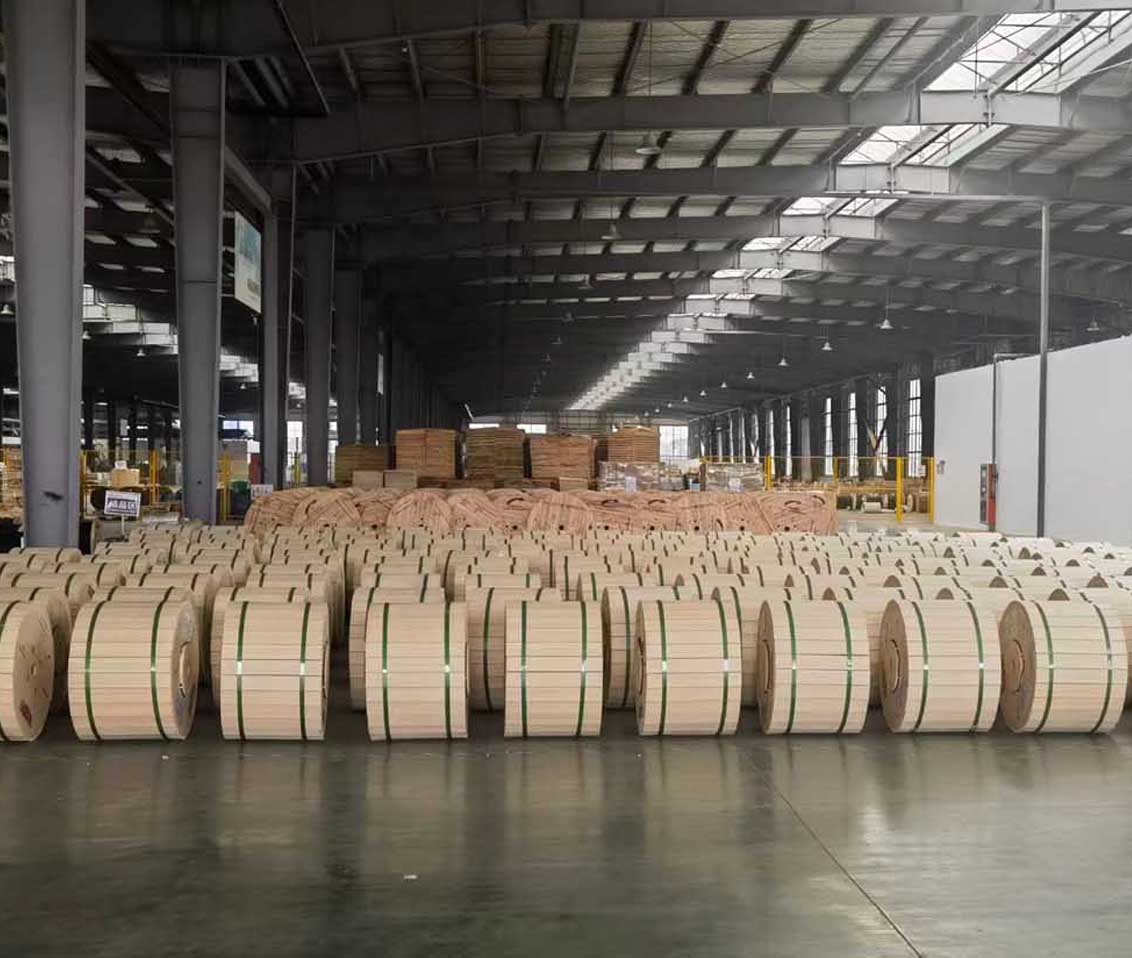
 Optical Fiber
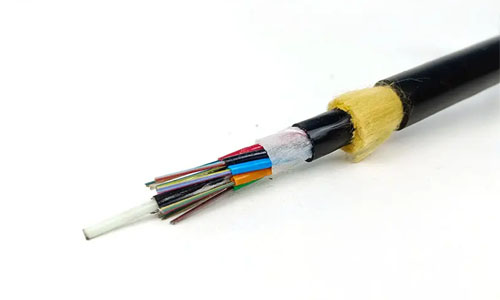 ADSS Fiber Optic Cable
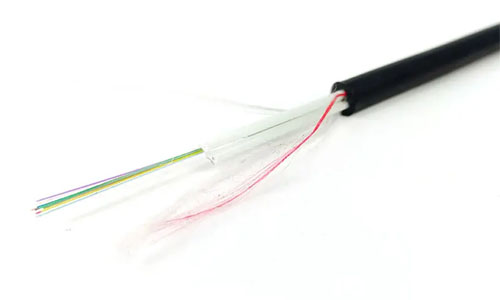 ASU Fiber Optic Cable
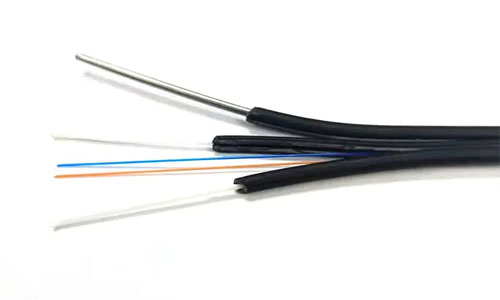 FTTH Fiber Optic Cable
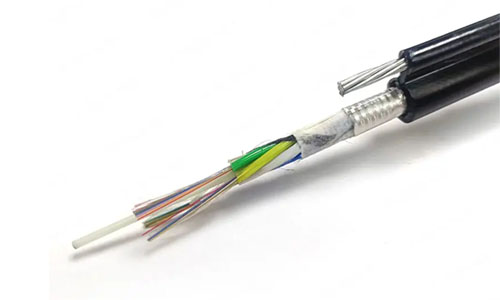 Figure 8 Fiber Optic Cable
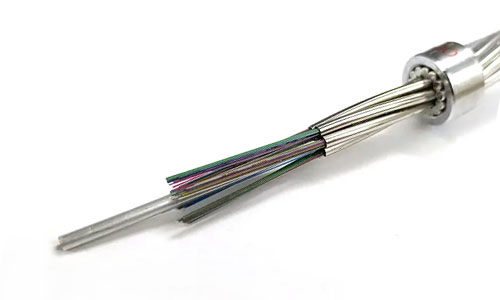 OPGW Fiber Optic Cable
 Coaxial Cable
 Ethernet Cable
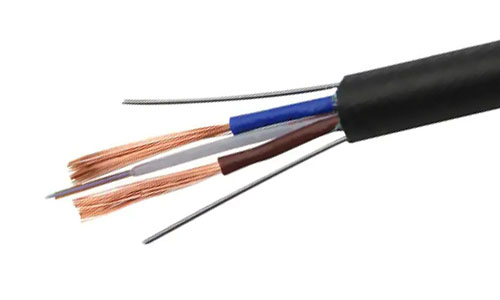 Photoelectric Composite Fiber Optic Cable
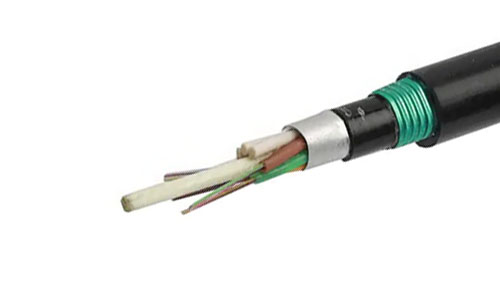 Underground & Pipeline Fiber Optic Cable
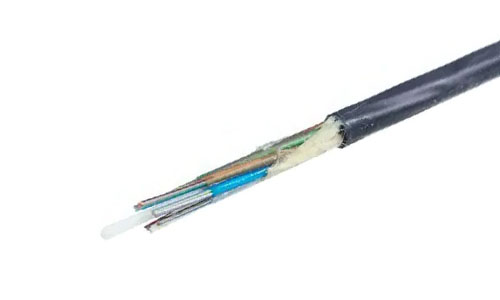 Air-Blown Micro Fiber Optic Cable
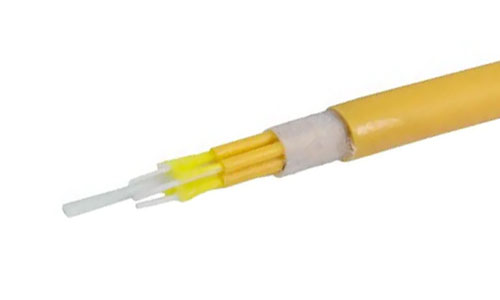 Indoor Fiber Optic Cable
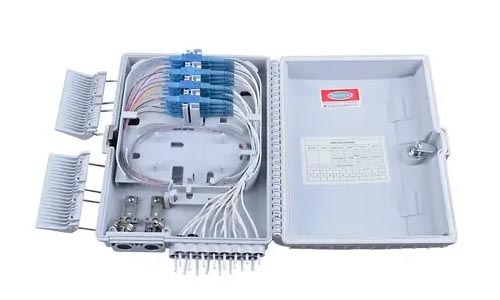 Fiber Optic Distribution Box
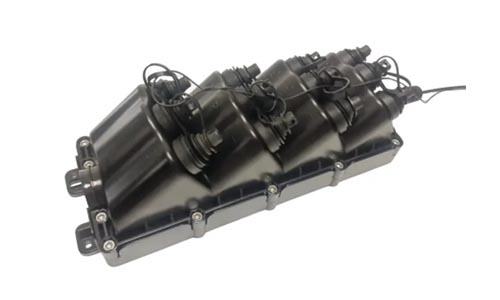 Multiport Service Termina Box
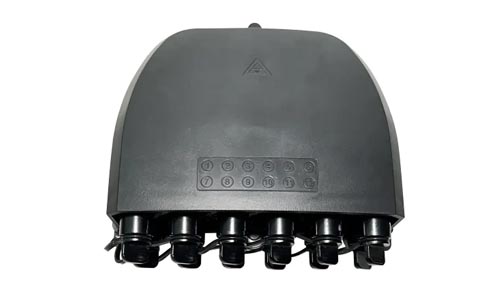 Fiber Optical Terminal Box
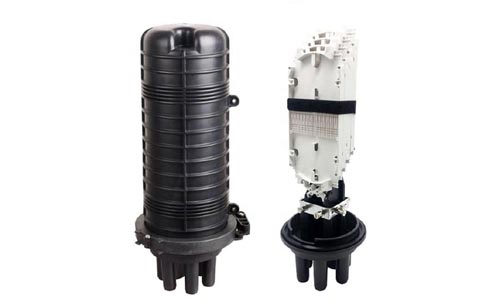 Fiber Optic Splice Closure
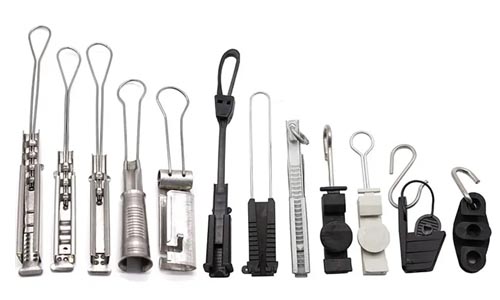 Fiber Optic Clamps
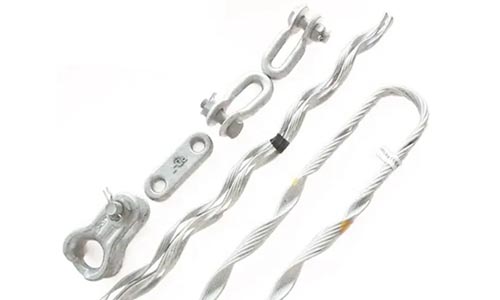 Fiber Optic Cable Fittings
 ADSS Fiber Cable
 ASU Fiber Cable
 OPGW Fiber Cable
 FTTH Fiber Cable
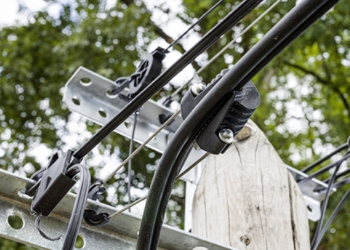 Figure 8 Fiber Cable
 Photoelectric Composite Fiber Cable
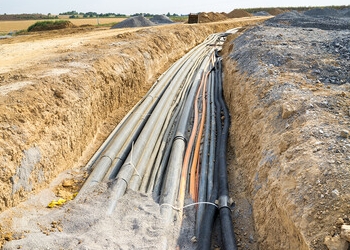 Underground & Pipeline Fiber Cable
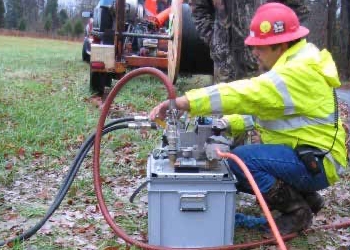 Air-Blown Micro Fiber Cable
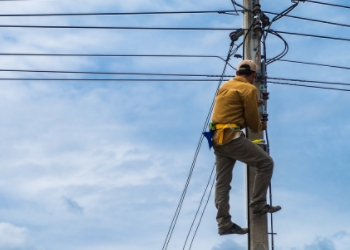 Aerial Fiber Cable
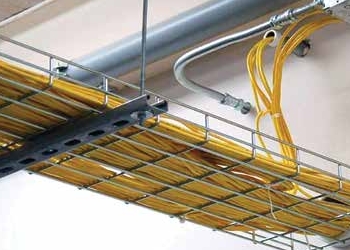 Indoor Fiber Cable
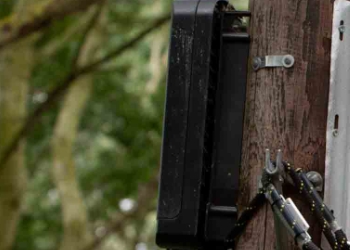 Fiber Optical Terminal Box
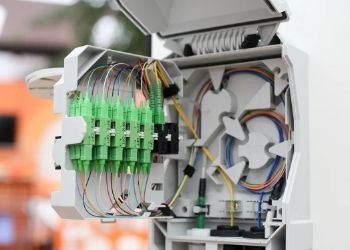 Fiber Optic Distribution Box
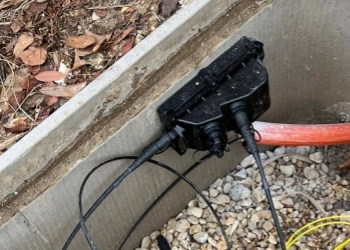 Multiport Service Termina Box
 Fiber Optic Clamps
 About Us
 Our Team
 History
 R&D Strength
 Production Base
 Warehouse & Logistics
 Quality
 FAQs
FAQsMaterial Guide for Fiber Termination Box
Contact for Free Quotation & Sample, According to your needs, customize for you.
inquiry nowMaterial Guide for Fiber Termination Box
-
Selecting fiber termination box material is all about performance, durability and suitability for different environments, from indoor applications to rugged, outdoor use.
-
Engineering plastics are light, pliable and affordable, while metals such as aluminum and steel provide robust shielding, and the possibility to recycle in an eco-friendly manner.
-
Cutting-edge composites impart strength and durability to demanding environments, holding potential for next-generation fiber networks.
-
The choice of material influences not only the ease of installation and maintenance of fiber optic systems, but their reliability as a whole, making it a crucial factor for any project.
-
Eco-friendly materials like recyclable or biodegradable options reduce environmental footprint and align with sustainability efforts.
-
Staying on top of new technologies and regulations enables you to make smarter decisions and promotes a tradeoff between cost, performance, and environmental responsibility.

The substance of a fiber termination box tends to be plastic or metal, each chosen for durability and protection in wiring environments. Plastic boxes commonly employ polycarbonate or ABS, which is shock resistant and cost effective. Metal boxes, such as those constructed from steel or aluminum, provide superior shielding and increased durability when deployed in demanding locations. All of them assist in protecting fiber cables against dust, water, and bumps. Some boxes even hybrid these materials, using a metal base with a plastic cover, to strike a price/performance balance. Choosing the appropriate material is based on location of the box, the expected usage level and protection requirements. The next section covers how each material can suit different needs and what to consider before selecting one.
What Materials Build Fiber Termination Boxes?
Fiber termination boxes, particularly outdoor fiber termination enclosures, protect fiber links in various environments. The shell can be made of plastic, metal, or both, depending on the installation requirements. Outdoor boxes require weatherproof materials to endure harsh conditions, while indoor optic termination boxes prioritize ease of installation and durability, ensuring secure connections for years.
1. Engineering Plastics
Engineering plastics are a prime example. They snap and don’t shatter and withstand impact without splitting, which counts when boxes are dropped or installed in cramped spaces.
These plastics keep things light, which makes wall or rack mounting a breeze. They don’t contribute additional bulk, yet the design remains rugged. It’s generally less expensive than metal, so manufacturers can hold prices low. They resist sun, heat, rain and dust so they function equally well indoors or outdoors. Plastic boxes are recyclable, too, which reduces waste!
2. Common Metals
Metal fiber termination boxes, mostly aluminum and steel, are constructed for durability. They laugh at dents and protect the fiber within from knocks and drops.
Metal boxes hold up longer, especially in rough places like outdoor cabinets or frenetic hubs. They don’t rust easily, which keeps connections clean and safe over the years. Metals can be melted down and repurposed, making them an easy, solid pick when it comes to cutting waste and assisting the planet.
Metal protects from external noise, a plus for consistent data transfer.
3. Advanced Composites
Advanced composites are mixed fibers in a resin shell. These boxes are light, but tough as nails, great for locations where weight or space is at a premium.
They resist heat, cold and downpours—no warping or cracking. This makes them perfect for rugged sites. Others are designed to minimize signal attenuation, keeping fiber connections crisp and fast.
They demonstrate the power of new technologies to enhance old designs.
4. Emerging Innovations
-
New eco-friendly materials, like bioplastics, could shrink waste.
-
Biodegradable boxes may break down after use.
-
Nanotech could boost strength, cut weight, and block water.
-
Ongoing research brings smarter, greener options.

How Material Choice Affects Performance
The material you select for an optic termination box significantly influences its performance, durability, and maintenance. Various environments require varying intensities, and those little touches on the internal components, such as ferrules and sleeves, can destroy or amplify the optical signals traveling through your fiber optic network.
Indoor Use
For interior rooms, plastic and featherweight metal cases are typical. They’re light to transport, slip into small spaces and score points for not busting up walls or shelves. A box that’s light makes installs faster and safer, particularly if you’re installing a bunch all at once.
In an office or apartment building, a fiber box has to blend in, not stand out. A sleek, neutral finish helps it blend into the room. Slick surfaces prevent dust from clinging, which reduces cleaning and extends the box’s life.
Outdoor Use
When it comes to fiber optic networks, outdoor fiber boxes must withstand harsh conditions like sun, rain, and dirt. High-quality materials such as polycarbonate and steel are essential, as they resist fading and cracking from UV rays. Optic termination boxes with waterproof seals ensure that rain stays out, keeping internal components dry. Sturdy walls protect the wires from wind and impacts, allowing the fiber distribution box to maintain performance without frequent service calls due to weather damage.
The choice of materials significantly affects performance. A durable outdoor harsh environment termination enclosure prevents water or dust infiltration, which could misalign fibers and corrupt data. Thus, a rugged termination box ensures reliable support against the elements.
Harsh Environments
Factories, tunnels or hot rooftops require boxes that can take a punch. Others go with stainless steel, or thick plastics with special coatings. These coatings shield the boxes from chemicals, salt or heat that would wear out lesser boxes quick. In such locations, each component has to get rigorous testing. If a box goes down, it could result in a significant outage or a safety danger.
Some boxes here still use sleeves and ferrules of ceramic for the best top connection quality. The right polish and fit, whether it’s UPC or angled end faces, reduce signal loss and increase network uptime.
Material Impact Overview
-
Ceramics: Great for ferrules, keeps signal clean with tight fits.
-
Plastics: Light, cheap, easy for indoor use, not for tough spots.
-
Metals: Good for outdoor or harsh places. Fights off weather and hits.
-
Coated Surfaces: Needed in dirty or chemical-heavy spaces, keeps boxes working longer.
The Link Between Material and Design
There’s a direct link between material and design, especially when considering the use of fiber optic boxes for various installations. The right match between the two ensures the box remains sturdy in heat and cold, keeps moisture at bay, and withstands the test of time. Boxes, including optic termination boxes, have to manage at least -25°C to 45°C and have melting and softening points of over 120°C and 90°C. The design must also suit the space, as some are too slim for inside, while others are rugged enough for outdoor environments. Material has to work with other components such as cable sheaths, and appearance is important for locations where the box is visible.
Rack Mount
Rack mounted fiber optic boxes require sturdy, heat-resistant housing. Metals like steel or aluminum are typical choices, especially since racks often enter server rooms filled with numerous devices positioned closely together. These metals maintain form even under high temperatures and assist in dissipating heat, preventing any components from melting or softening. Given that rack space is at a premium, our design for the optic termination box must be sleek yet effective. Efficient airflow is crucial, and metal contributes to that, allowing heat to dissipate quickly.
Furthermore, a rack mount box must protect its internal components as well. With cables tightly packed, bumps are inevitable. The connection between material and design is vital to keep those fibers secure and prevent signal loss. Quality boxes feature locks or latches that are easy to operate while ensuring that errors are kept at bay—this is essential for busy tech hubs.
Wall Mount
Lightweight materials like plastic or polycarbonate are ideal for wall-mounted kink boxes. They’re simple to hang — you don’t need huge bolts or support. This decreases install time, which aids in small offices or homes. Certain wall mount boxes look pretty slick and blend in, so they don’t protrude in hallways or rooms.
The design needs to cling to the wall, so boxes usually have clever brackets or hooks. That leads to less wobble or slip, even if you bump it. Looks are important in this arena, as these units tend to go where eyeballs are, so colors and sleek curves matter.
Internal Components
Inside, plastic or metal pieces keep the fibres in place. The right material holds fibers organized, prevents excessive fiber bending, and contributes to cable management. Cheap plastic can crack, which is why good boxes use tough blends that don’t wear out quickly, even if cables get tugged or tested frequently.
Fiber guides, trays and clips all have to hold up, because trading out pieces is neither enjoyable nor inexpensive. Well-designed cable paths and reinforced holders translate into lower risk of breaks, tangles, or signal degradation. If you have a nicely designed box, it’s even easier to add, shift, or check fibers — keeping everything running smooth.
Why Material Influences Installation
Material is more than a sheath—it defines every step of installing a fiber termination box, particularly when considering the various configurations of fiber optic boxes. The choice of sturdy materials not only affects portability and durability but also ensures that the optic termination box suits each individual project. Nailing the material can make the difference between a slick project and constant headaches.
Weight
A heavy box turns carrying into a hassle, particularly when climbing or crouching. Lighter materials – such as some plastics or aluminum – reduce the brawn required. This saves in labor, since one person can do a job instead of a crew.
When you reduce weight, you occasionally compromise strength. Too light, and the carton may not survive inclement weather or rough handling. The trick is selecting something that’s light enough to lift but strong enough to endure. In tight areas, like jam-packed server rooms or diminutive utility poles, weight matters even more—nobody desires a cumbersome box that’s difficult to wedge in.
Durability
Sturdy stuffspans the box keeps it running longer, with less swapping or repairing. Outdoor work requires boxes that can withstand rain, dirt and heat. If the box cracks or rusts, the entire fiber network can get damaged. Tough plastics or stainless steel frequently receive the nod as they resist sun, water and even chemicals in contaminated areas.
Less fixing means less costs and downtime—a win for busy crews. In areas with crazy weather or heavy usage, a rugged box is the foundation of a reliable network. Choosing the appropriate material maintains the signal and reduces the chance of breaks.
Customization
Certain work requires a snug box. Material counts for making holes for cable types, adding locks or picking shapes that fit the space. Plastics are simple to cut or form, so they’re great for bespoke designs. Metal is harder to form but can provide greater protection if fiddling is a concern.
Good material makes it easier to custom fit the box to special needs, whether it’s more ports, better airflow, or a certain color to blend in. This versatility translates into less headaches at installation and easier work across the board.
Checklist: Tools and Techniques
-
Employ saws or drills designed for the material — don’t shove it.
-
Wear gloves for rough or sharp edges.
-
Plastics, check for dust, use masks if necessary.
-
Pre-fit boxes before drilling—measure twice, cut once.
Unseen Factors: Standards and Sustainability
Material selection in fiber termination boxes defines more than their utility—it impacts safety, network longevity, and the environment. The right optic termination box does more than contain cables; it protects workers, extends fiber optic networks, and even reduces environmental impact.
Compliance
| Standard | What It Means | Why It Matters |
|---|---|---|
| IEC 61753 | Sets optical box performance | Ensures global compatibility |
| RoHS | Limits toxic stuff in materials | Lowers health, eco risks |
| UL 94 | Flammability for plastics | Boosts fire safety |
| ISO 9001 | Quality management | Builds user trust |
Disregard these standards at your peril — the performance of fiber optic boxes or worse, safety slips. Without certifications, there’s no evidence the optic termination box will guard against dangers such as fiber shards or laser light. If a box has the right marks on it, consumers know to believe that it will work and last.
Lifespan
How long a termination box lasts usually boils down to materials. Go with a box made of hard stuff, like UV-stable plastics or powder coated metals – it will weather sun, rain, and heat. Weak or cheap plastics crack or fade or let moisture in, and that can be network uptime trouble.
Old boxes can shed fiber or allow dust inside, or even risk eye damage if a laser leaks. That’s why routine inspections count—watch for cracks, discoloration or frayed seals. If you spot wear in the early stages, you are keeping the network humming.
A good box design scales with the network. Modular boxes enable techs to add additional lines without discarding old equipment, reducing waste.
Recyclability
More telecom companies now want boxes made of material that can be recycled. Recyclable plastics or metals reduce landfill, and a few companies even arrange boxes so every piece can re-enter the cycle. Closed-loop installations convert used cartons into fresh cartons, preserving raw materials.
When end-of-life hits, clear rules assist techs in determining if a box is headed to recycling or special waste—such as bags flagged for used glass fiber. That’s a step that keeps folks safe and reduces environmental damage.
Sustainability Essentials
-
Use recycled or recyclable plastics/metals
-
Modular design for easy upgrades, less waste
-
Safe disposal of fiber bits and laser parts
-
Pick boxes that fit the cable and site’s needs
-
Do something to shield techs from glass and light exposure.
My Perspective on Material Selection
The fiber termination box universe just keeps expanding as networks grow to accommodate more locations and subscribers. What goes inside the box counts even more now. The chassis and splice tray require sturdy materials that not only protect cables but also organize them effectively. A great optic termination box stands strong against sun, rain, and dust, so it’s not just about checkbox verification of what it’s made of.
Performance begins with fundamentals such as melting temperature. If the box melts below 120°C, it may fail when things get hot. This is an easy guideline, but it carries significant weight. For outdoor installations, the standard is materials that keep out water and dust. Inside, you still want a box that won’t break or crack with a bump. Consider a box in a hectic office or a moist basement—plastic that’s too thin simply won’t last. Polycarbonate and ABS plastic are popular choices due to their heat resistance, non-rusting properties, and impact-absorbent qualities. Metal boxes are uncommon, but a few utilize steel for added durability, primarily externally.
Price factors into every decision. Inexpensive boxes may seem like a bargain initially, but they often break later when they crack or allow water to seep through. I’ve witnessed crews swap out dozens of cheap optic termination boxes in just a few years, negating any savings. A superior material may be more expensive upfront, but it returns the investment in reduced labor and fewer headaches down the line. The trick is selecting what’s right for the task, not merely what’s cheap.
Sustainability is receiving increased focus in the telecommunications industry. A few manufacturers utilize recycled plastics or design boxes so that components can be interchanged instead of discarding the entire unit. These actions help reduce waste, regardless of their size. Every little bit helps as networks scale.
Innovation keeps the industry moving forward. New plastic blends can handle larger loads—imagine boxes with 96 ports, for example. Others have dirt-fighting coatings or cable-stickiness resistance, making them easier to maintain. Keeping abreast of these changes requires effort. Regular practice and researching new options can really add up. Teams that continue to learn tend to choose better materials and achieve superior results.
Conclusion
Fiber termination boxes require the proper construction. The shell may be steel, plastic or aluminum. They each have strengths. Steel stays strong and keeps the damage out. Plastic makes it all nice and light. Aluminum fights rust and remains durable. The right box keeps fiber protected and accessible. Crews hustle when they have intelligent design and good components. Choose the box that suits your site, your crew and your requirements. Consider heat, dust and bumps. Apply field insight, not just specs. Equipment that plays nice makes every assignment easier. If you want your network to last, begin with a solid box. Trade tales from work or request additional pointers. Your voice powers the decisions of others.
Frequently Asked Questions
What materials are commonly used for fiber termination boxes?
Fiber termination boxes, often made from sturdy materials like polycarbonate and ABS, are essential for secure connections in fiber optic networks, with metal options like stainless steel or aluminum providing additional strength.
How does the material affect the box’s durability?
Material selection for fiber optic boxes significantly affects their resistance to impact, weather, and corrosion. Metal offers rugged protection, while plastics are lightweight and moisture resistant, enhancing durability in outdoor harsh environments.
Why is material selection important for installation?
Certain lightweight plastics used in optic termination boxes are more convenient to process and install, facilitating efficient wall or rack mounting. Selecting the optimal materials can accelerate installations and minimize labor expenses.
Are fiber termination boxes environmentally friendly?
Some fiber termination boxes, including optic termination boxes, utilize recyclable plastics or metals, as manufacturers increasingly consider environmental standards and sustainability in their material selection.
Do different materials affect fiber optic performance?
Yes, the proper material used in fiber optic boxes safeguards fibers against dust, moisture, and mechanical damage, ensuring peak signal integrity and system performance.
What standards guide material selection for these boxes?
Materials for the fiber termination box are based on international standards (IEC, RoHS), ensuring safety and quality in fiber optic systems.
Can material choice impact the cost of fiber termination boxes?
Yup, while plastic termination boxes are less expensive, metal optic termination boxes offer better protection and durability, making them suitable for outdoor fiber installations depending on your budget and protection needs.