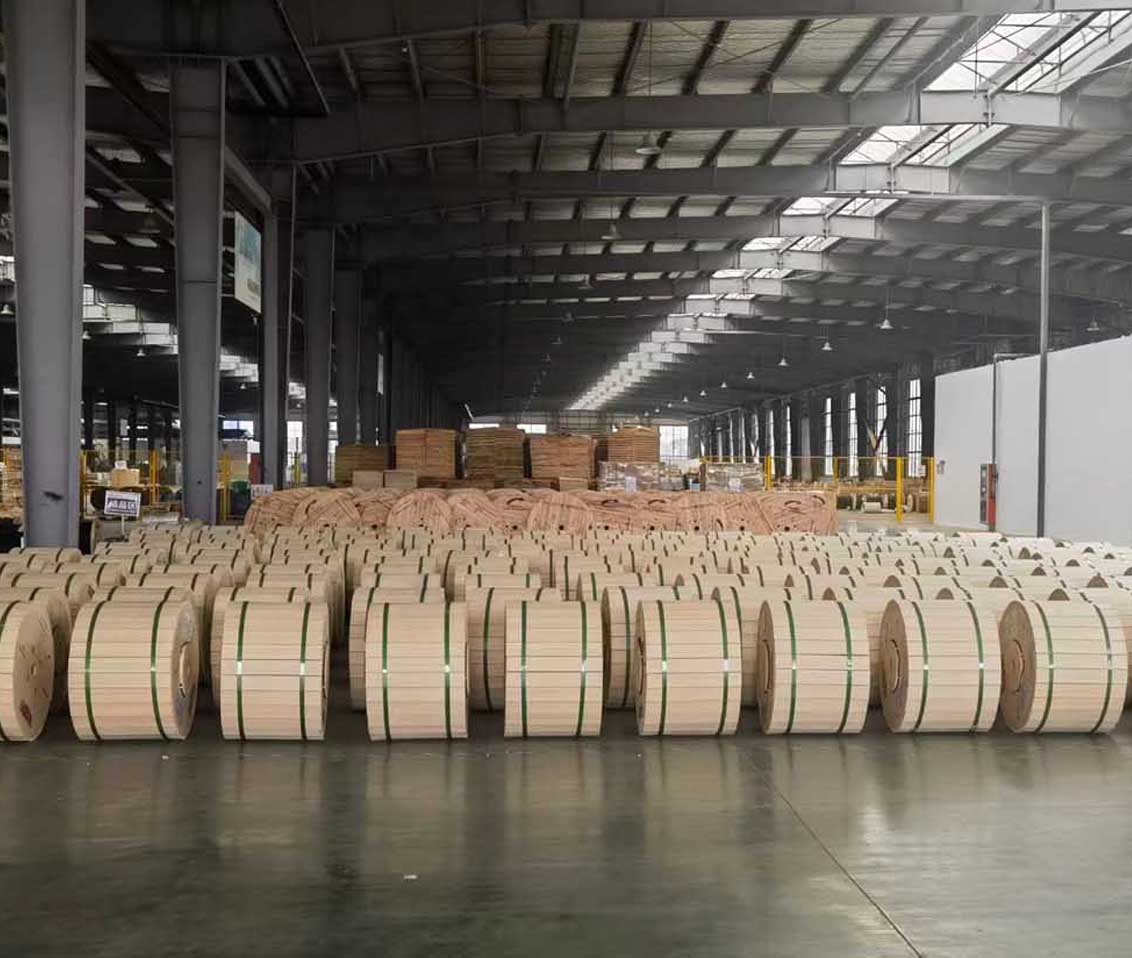
 Optical Fiber
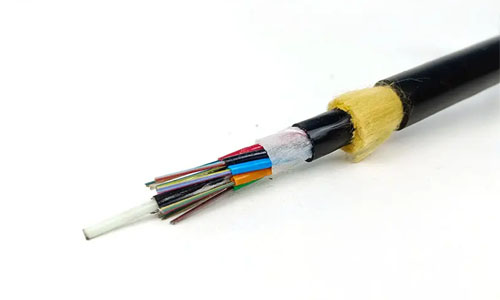 ADSS Fiber Optic Cable
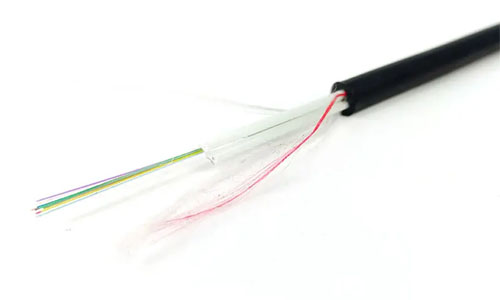 ASU Fiber Optic Cable
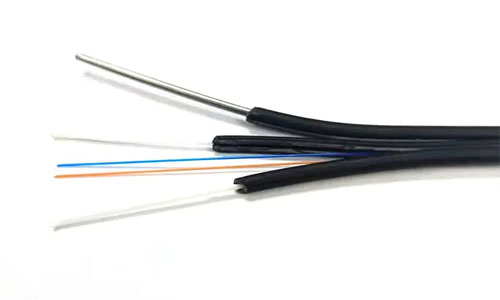 FTTH Fiber Optic Cable
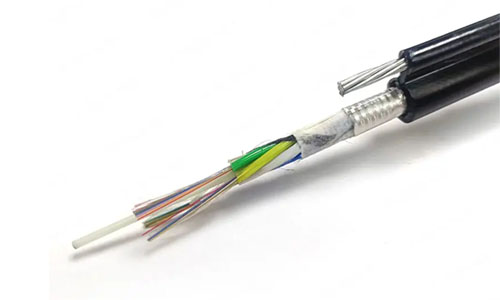 Figure 8 Fiber Optic Cable
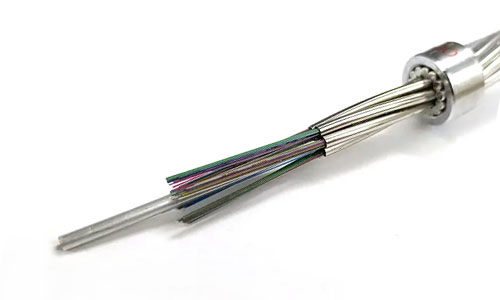 OPGW Fiber Optic Cable
 Coaxial Cable
 Ethernet Cable
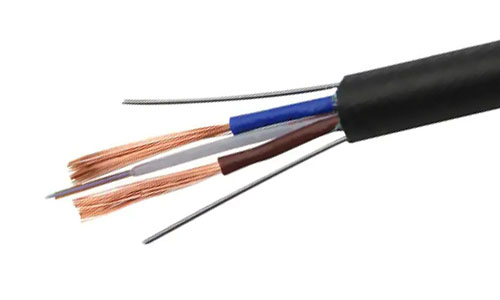 Photoelectric Composite Fiber Optic Cable
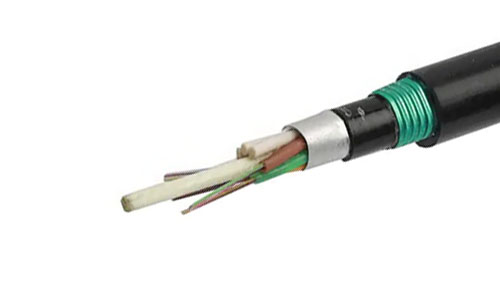 Underground & Pipeline Fiber Optic Cable
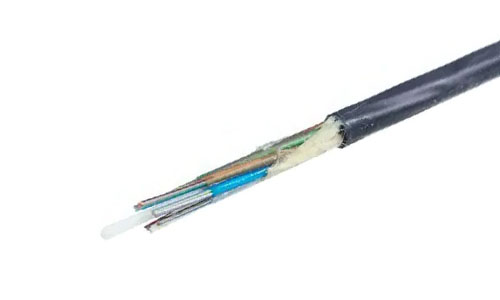 Air-Blown Micro Fiber Optic Cable
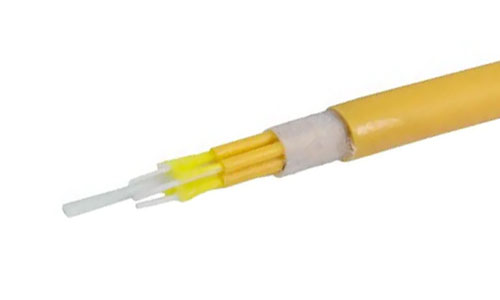 Indoor Fiber Optic Cable
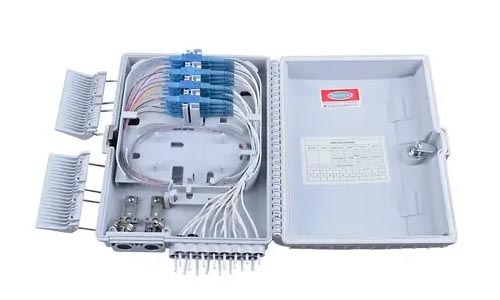 Fiber Optic Distribution Box
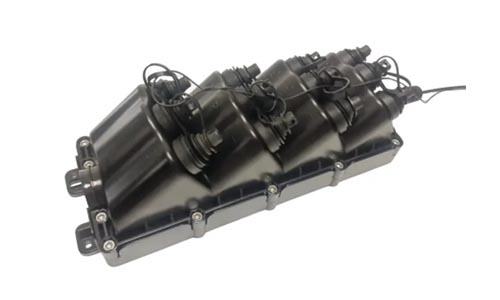 Multiport Service Termina Box
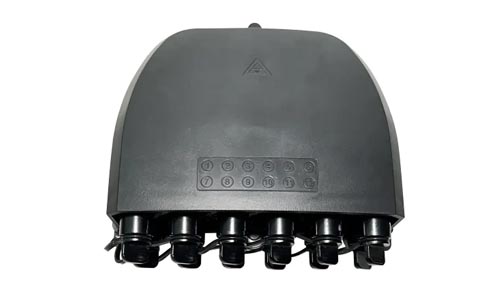 Fiber Optical Terminal Box
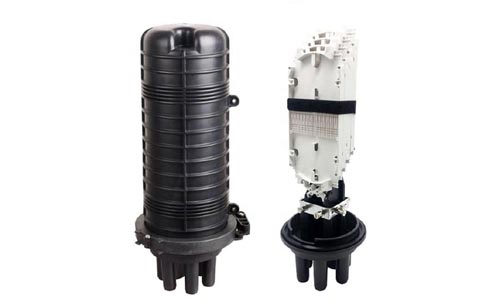 Fiber Optic Splice Closure
 Fiber Optic Clamps
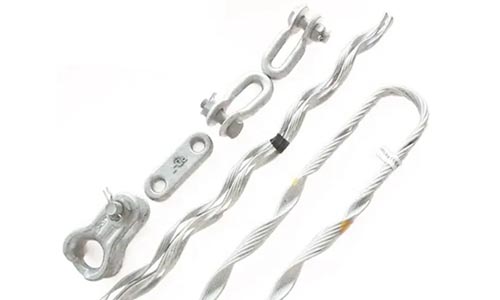 Fiber Optic Cable Fittings
 ADSS Fiber Cable
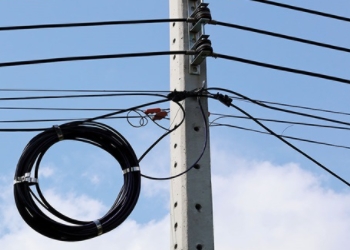 ASU Fiber Cable
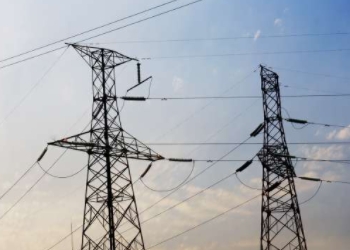 OPGW Fiber Cable
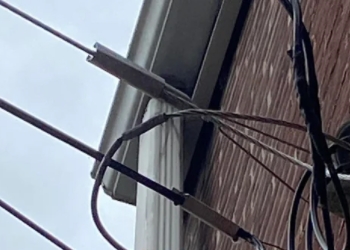 FTTH Fiber Cable
 Figure 8 Fiber Cable
 Photoelectric Composite Fiber Cable
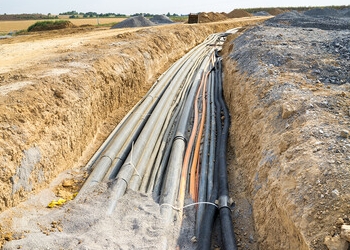 Underground & Pipeline Fiber Cable
 Air-Blown Micro Fiber Cable
 Aerial Fiber Cable
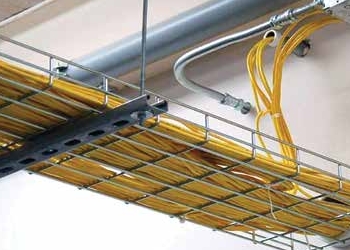 Indoor Fiber Cable
 Fiber Optical Terminal Box
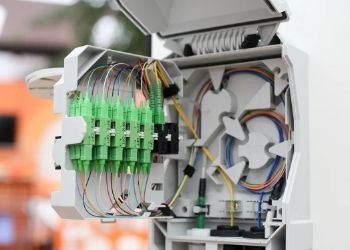 Fiber Optic Distribution Box
 Multiport Service Termina Box
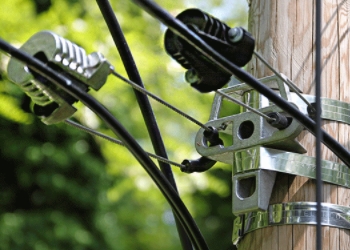 Fiber Optic Clamps
 About Us
 Our Team
 History
 R&D Strength
 Production Base
 Warehouse & Logistics
 Quality
 FAQs
FAQsSingle Mode vs Multimode Fiber: Key Differences Explained
inquiry nowSingle Mode vs Multimode Fiber: Key Differences Explained
Single mode fiber is best suited for long-distance communication due to its small core diameter of approximately 0.000354 inches. Its low propagation delay makes it ideal for sophisticated telecommunications and high speed data transfers.
Multimode fiber has a larger core diameter of .002- .0025 inches. This design contributes to its suitability for short-distance applications, such as local area networks and data centers, despite its higher modal dispersion.
The advantage of single mode fiber is nearly unlimited bandwidth over great distances. Limitation of multimode fiber has distance and bandwidth restrictions, especially when transmitting high data rates.
Choosing between single mode and multimode fiber depends on specific factors like application requirements, distance, bandwidth needs, and budget constraints.
While single mode fiber often has higher upfront costs, it provides greater scalability and long-term cost savings for network expansion. It’s no wonder that multimode fiber is more cost-effective in the short term and quicker to deploy.
Determining environmental impacts should be a priority to maximize the benefits of fiber optic systems. Moreover, future scalability and compliance with industry standards guarantee their optimal performance and longevity.
Single mode and multimode fibers vary in their core size, performance and applications. Single mode fiber has a thinner core, usually about 8-10 microns in diameter. This design allows it to transmit more light directly down the fiber and significantly reduces the amount of signal lost.
This unique property is why it’s used for long-distance and high bandwidth applications as well. Multimode fiber has a wider diameter core, around 50-62.5 microns. This unique design enables it to carry multiple light pathways, and its smaller size makes it perfect for shorter distances like data centers and office buildings.
The decision between the two is typically based on distance, budget, and the overall speed needed for the network. Knowing how single mode and multimode fiber differ allows one to make the right choices for their networking needs. This understanding provides the best performance and cost savings in any environment.
Single Mode vs Multimode Fiber
Fiber optic technology is more important now than ever, and an understanding of the differences between single mode and multimode fiber is essential for any modern network. Both modes are different in construction and operation, designed for different applications according to distance and bandwidth needs. Recognizing these key differences and how they might affect your network is important for optimal network planning.
1. Define Single Mode Fiber
Single mode fiber features a small core diameter of approximately 9 microns (µm), which minimizes signal dispersion. This design supports light transmission at wavelengths of 1310 nanometers (nm) and 1550 nm, enabling minimal loss over long distances.
With its ability to carry data across metro, access, and long-haul networks, single mode fiber is a cornerstone of telecommunications. Its reliance on solid-state lasers ensures high signal quality and efficiency over extended ranges, making it ideal for applications demanding high resolution, such as 4K and 8K video streaming.
2. Define Multimode Fiber
Multimode fiber has a core diameter that is more than 10 times larger—typically 50 µm—permitting many light paths. This characteristic makes it perfect for short-distance uses.
It is outstanding performance in data centers and local area networks (LANs), where the connections are typically under 1,000 feet. The common light sources that multimode operates on, all operating at 850 nm, light-emitting diodes or VCSELs.
It’s still economically viable for distances down to 1,969 feet. Its greater modal dispersion limits bandwidth and signal clarity over longer distances.
3. Light Transmission Differences Explained
Single mode fiber transmits light more directly in a single path or mode. This unique design results in exceptional signal integrity and enables virtually infinite bandwidth, even at great distances.
Multimode fiber, due to its multiple light paths, undergoes more dispersion, lowering effectiveness as distance increases. These differences emphasize the value of choosing fiber based on performance requirements and application details.
Bandwidth and Distance Capabilities
Knowing the bandwidth and distance capabilities of single-mode versus multimode fibers is key. Understanding this as a national priority is key to constructing a resilient broadband network. Each fiber type is designed for a specific use case, and performance will differ dramatically depending on how they are used.
Below is a comparative table to outline their key distinctions:
| Fiber Type | Bandwidth Capability | Maximum Distance |
| Single Mode Fiber | Virtually unlimited at high data rates | Over 24.85 miles (40 km) or longer |
| Multimode Fiber | Limited to lower data rates (10–400 Gbps) | Up to 1,312 ft (400 m) (OM4 grade) |
Multimode Distance Limitations
Multimode fiber is the best option for high-bandwidth transmission over short distances. Its larger core diameter (from 50 to 62.5 μm) allows several light modes to propagate concurrently.
Modal dispersion —the spreading of light pulses—imposes a practical distance limit on transmission. OM1 cables perform well at distances of 100 feet (33 meters) or less at these speeds. By comparison, OM4 cables can stretch an astounding 1,312 feet (400 meters).
Multimode fiber is the best choice for data centers and campus networks. That’s not enough for longer connections such as intercity links.
Single Mode for Long Distances
Single mode fiber has an even smaller core, only 8–10 μm. This proprietary design enables single mode light transmission, greatly minimizing dispersion and resulting in little to no signal loss.
Its distance capabilities shine in long-distance applications, working across distances exceeding 24.85 miles (40 km) with dispersion-compensating technology. This type is widely used in telecommunications, submarine cables, and large-scale infrastructure for its efficiency and cost savings over multimode options.
Bandwidth Comparisons Explained
Bandwidth and distance requirements are extensive and differ by environment. Multimode fiber remains a short-range cost-effective option, while single mode fiber shines with high-resolution (4K/8K), bandwidth-hungry video and future requirements.
Making the correct type of selection from the start leads to higher scalability and performance.
How Distance Affects Signal Quality
As attenuation and dispersion both can degrade the signal, careful distance planning is required to avoid these effects. Increasing performance at longer reaches frequently requires the use of amplifiers or dispersion management technologies.
Advantages and Disadvantages
Single mode and multimode fiber both offer specific advantages and disadvantages. Knowing the differences between these solutions is critical in selecting the best one for your unique use cases. To do that, below, I’ll tackle each type to show their real-world benefits and drawbacks.
Single Mode Fiber Benefits
Single mode fiber truly shines in long-distance applications where modal dispersion is a significant factor. It is immune to electromagnetic interference and supports 100 gigabits of bandwidth with transmit distances reaching 62 miles without regeneration.
This makes it especially well-suited for undersea cabling, or connecting data centers located hundreds of miles apart. Its modularity makes deploying upgrades extremely easy with no need to tear out existing infrastructure, a key future-proofing imperative scalability feature.
Single mode fiber underpins all modern telecommunications, such as 5G networks. It remains an exceptional option to address increasing needs.
Single Mode Fiber Drawbacks
Single mode fiber does have much higher upfront costs, usually 1.5 to 5 times the cost of multimode transceivers. Installation requires precision due to its smaller core size, typically 8 to 10 microns, and specialized equipment along with trained technicians.
It’s incredible over long distances. Yet for short connections, a multimode fiber is usually a more economical option.
Multimode Fiber Benefits
Installation and labor costs are decreased with multimode fiber’s larger core size, typically 50 microns, which makes it easier to install. This makes their solution ideal for last-mile applications.
It features extremely effective ranges up to 1,640 feet ideal for data centers or LANs, providing strong coverage even through obstacles. It is capable of streaming several light streams, making possible consistent, high-rate data transfers.
This level of flexibility will prove invaluable to larger enterprises that require the fastest time to user.
Multimode Fiber Drawbacks
Multimode fiber has greater distance and bandwidth limitations. It’s not as well suited for high speed applications over long distance due to modal dispersion and higher signal loss.
Its lack of future-proofing renders it poorly adaptable for changing network needs.
Practical Applications
To avoid confusion, let’s discuss the practical single mode and multimode fiber applications. That understanding allows you to make the best selection for your unique network needs. Combined, their unique traits well-equip them for use in a variety of environments and applications.
Single Mode Use Cases
As a result, single mode fiber is the dominant solution in long-distance and high-bandwidth scenarios. Its ability to transmit data over distances up to 62 miles without signal regeneration makes it ideal for long-haul telecommunications, such as connecting cities or even continents via undersea cables.
Telecom, cloud services and hyperscale internet companies all rely heavily on single mode fiber. This technology, implemented in their fleet, means they guarantee their customers high-speed, uninterrupted data transfer.
Third, the small 9-micron core and wavelength specific laser light sources minimize interference and improve security. This design lends itself well to the most critical of applications, like remote data centers or interconnecting LANs across huge geographical distances.
Multimode Use Cases
This makes multimode fiber an ideal platform for short-range applications, including enterprise LANs and data centers. The new, larger core size, from 50 to 62.5 micrometers, allows data to transmit faster.
Paired with larger luminous sources, as with today’s commonly used LEDs, it effectively drives many light streams. Multimode fiber tends to be most common in smaller networks, where the distances are generally less than 1,000 feet.
Industries such as healthcare, retail, and education benefit from its cost-effectiveness and ability to handle short-range, high-speed connections without compromising performance.
Choosing for Data Centers
In data center applications, bandwidth and distance are key requirements. Once again, multimode fiber is the smart choice for short-distance links, providing flexibility and scalability for emerging networks.
While single mode fiber has upfront cost disadvantages, it can result in significant long-term savings in power and cooling costs in larger facilities.
Selecting for Enterprise Networks
Enterprise networks are always under pressure to provide greater cost efficiency, continued high performance and rapid scalability. Multimode fiber works well for short-term needs, but single mode is better for long-term growth and security.
Cost Analysis
Whether you are comparing single mode and multimode fiber or weighing other options, knowing the cost differences is key to making an informed decision. Each fiber type has different cost metrics that affect upfront capital costs and ongoing operational costs.
It’s important to weigh these costs against your project needs to achieve the greatest long-term savings.
Cable Cost Comparison
| Factor | Single Mode Fiber | Multimode Fiber |
| Manufacturing Costs | Lower per unit length | Higher due to core size |
| Ideal Distance Range | Long-distance (miles) | Short-distance (up to 1,800 ft) |
| Project Suitability | Large-scale networks | Enterprise/data centers |
Single mode fiber cables provide dramatic savings for large scale deployments. They’re cheaper per-unit length and they’re much better at traveling long distances.
For example, a 1G network built with single mode fiber can scale to 10G or beyond, offering future savings of nearly 50% on fiber costs. For these shorter connections, multimode fiber is the best choice.
It’s something you commonly find in data centers for runs greater than 500 meters (about 1,800 feet).
Transceiver Cost Considerations
Transceivers are the biggest single factor influencing system costs. For example, multimode transceivers, like VCSEL-based modules, are cheaper to produce and ideal for array devices.
Nonetheless, single mode transceivers, although more expensive, offer greater scalability and performance for long haul applications. This trade-off is frequently the sole basis for fiber selection.
One specific instance is the requirement for 10G connections to use multimode OM3 or OM4 fibers which add around 35% to transceiver costs.
Installation and Termination Expenses
Installation costs vary significantly depending on the fiber used. The smaller core of single mode fibers means terminations must be exact, but they make long-distance configurations easier.
Multimode fibers, which terminate more easily and less expensively than single mode, are best suited where simplicity and shorter runs are essential—in enterprise systems.
Long-Term Cost Implications
Lower maintenance and upgrade costs with scalable networks allow single mode fiber to be the better option, especially when future-proofing expansive systems.
Multimode fiber will continue to be more economical for short-range applications, particularly enterprise deployments within 600 meters.
Choosing the Right Fiber
Choosing between single mode and multimode fiber involves a non-technical consideration of total cost of ownership versus technical factors. Getting it right means taking advantage of optimized performance, cost-efficiency, and future-proofing for your network infrastructure.
Assess Bandwidth Needs
Understanding your bandwidth requirements is critical. Start by evaluating the data transmission demands of your applications. For instance, bandwidth-intensive operations like data centers or 4K video streaming often require high-capacity fiber.
Singlemode fiber, with its smaller core diameter of 8-10 microns, supports high-bandwidth applications across long distances, operating effectively at 1310nm and 1550nm wavelengths.
Multimode fiber, with its larger 50-micron core, serves shorter distances well and operates at 850nm. Its maximum bandwidth reaches 28,000MHz*km with OM5 fiber, making it less suitable for long-term, high-bandwidth growth.
Consider Distance Requirements
Distance is often a primary consideration in choosing the right fiber. Singlemode fiber shines in long-haul installations as in service providers connecting businesses or homes and not only for the lack of signal dispersion.
In comparison, multimode fiber’s greater signal attenuation makes it impractical to use over longer distances. For instance, multimode makes sense in office building or campus network environments, where cost sensitivity and the need for shorter distances are the greater concern.
Evaluate Budget Constraints
Budget considerations heavily influence fiber selection. Although multimode fiber and transceivers present a lower up-front cost, singlemode provides a long-term, future-proof answer for increasingly expanding networks.
Singlemode’s greater scalability can often justify its greater cost, particularly when transceivers are 1.5x to 5x more expensive than their multimode counterparts.
Plan for Scalability
Future needs should inform today’s decisions. Singlemode fiber future proofs networks with increased bandwidths and distances capabilities—smart for any infrastructure in development, or in demand.
While multimode is common, it has scaling limitations depending upon the distance and bandwidth needed.
Challenges in High-Speed Transmission
While high-speed fiber optic transmission is critical for today’s networks, multiple challenges exist that can affect its optimal operation.
Dispersion and Attenuation
Dispersion and attenuation are the two greatest factors affecting signal quality and network performance. Whether using single mode or multimode fiber, understanding and mitigating these challenges is imperative for maximizing system performance.
Dispersion in Multimode Fiber
Modal dispersion occurs in multimode fiber when several different light modes are propagating at different speeds. This is due to the larger 50-micron core. This causes the signal to spread, making them less clear over long distances.
Multimode fiber works best for short-distance, high-bandwidth connections, so it’s well-suited for use within data centers. Yet modal dispersion limits its effectiveness past a few hundred meters. Graded-index fibers are very effective at reducing mode delays.
At the same time, vertical-cavity surface-emitting lasers (VCSELs) improve signal uniformity, offering an additional layer of protection against these effects. Grid networks design networks with exact distance and bandwidth needs from the get-go, setting them up for superior performance.
Attenuation in Single Mode Fiber
Single mode fiber, due to its smaller 9-micron core, is subject to attenuation from inflection, impurities, and attenuation. When operating at wavelengths such as 1310nm or 1550nm, it allows for the most cost-effective, long-distance, high-bandwidth transmission with the lowest signal loss possible.
Multimode’s low attenuation greatly reduces the need for costly repeaters, perfecting the long spans of multiple miles. Choosing premium single mode fiber and following installation best practices are two of the biggest ways to improve network reliability and signal integrity.
Overcoming Transmission Challenges
Tightly spaced wavelength channels are essential for maximizing capacity. Emerging technologies such as dense wavelength division multiplexing (DWDM) can maximize single mode fiber capacity by tightly spacing wavelength channels.
Appropriate maintenance, purpose-driven improvements, and upgraded features such as precision splicing machines help keep the system running at peak performance.
Impact of Signal Degradation
Whether it’s speed reducing through symptoms such as dispersion or attenuation, these factors affect both speed and reliability. Proactive monitoring is vital.
Tools such as optical time-domain reflectometers (OTDR) prevent problems from occurring and worsening before they get out of control and costly.
Network Scalability and Upgrades
Scalability allows your infrastructure to adapt to more users, devices, and growing traffic without significant redesign. Fiber optic cables, particularly single-mode and multimode types, play a critical role in determining how efficiently networks can expand and upgrade.
Future-Proofing Your Network
Future-proofing begins with understanding which fiber types suit your community’s long-term visions. Single-mode fiber has a 9-micron core and is typically used at 1310 nm or 1550 nm wavelengths. With a design focused on accuracy and range, it’s ideal for networks that need to scale.
Its manufacturing costs and transceivers costs are higher, but that doesn’t stop it. Combined with seamless long-distance transmissions and high bandwidth, this technology is clearly the future proof logical solution. Planning for future technology developments, including the migration to 5G and IoT, informs fiber selection.
Take, as an example, the heavy dependency by most telecom operators on single-mode fiber, due to its capacity to address future data needs and distance requirements.
Planning for Bandwidth Growth
Bandwidth demand grows rapidly in sectors like healthcare, where telemedicine and imaging require high data rates, or in education with online learning platforms. Single-mode fiber meets these demands by providing the lowest possible signal loss over extreme distances.
Its scaling to ever-higher data rates—even out to the terabit range—keeps the networks fortified in a time where attacks are more widespread. Determining future demand when a project is being planned prevents expensive widening and other retrofits down the line.
Upgrading Fiber Infrastructure
Upgrades require evaluating current capabilities and future goals. In order to reduce disruption to the least extent possible, phased implementation is essential.
For instance, swapping multimode fiber for single-mode fiber in data centers is a smart way to boost performance while future-proofing to stay ahead of demand.
Adapting to New Technologies
Keeping abreast of the latest innovations with fiber maximizes efficiency and capacity. Ongoing education helps networks take advantage of cutting-edge technologies including wavelength-division multiplexing to achieve greater scalability.
Conclusion
By knowing the difference between single-mode vs multimode fiber, you’ll be better equipped to make more intelligent decisions about what your network requires. Single-mode fiber is most effective for connection over long distances and high-speed, high-capacity links, whereas multimode fiber is more suitable for shorter distances and budget-conscious environments. Each type has its own distinct advantages. Select the type that will best serve your project’s unique requirements – from budget, to scalability, to performance objectives.
Either choice offers reliable, future-ready answers to today’s networks. Choosing the right one allows you to maximize efficiency and reduce the need for costly upgrades down the line. Running a corporate data center, modernizing an enterprise campus network or installing infrastructure to accommodate new business opportunities? Quality infrastructure The appropriate fiber can greatly impact each of these situations—in a positive way! To achieve optimal outcomes, select accordingly to what you aim to achieve and the size of your network.
Frequently Asked Questions
What is the main difference between single-mode and multimode fiber?
The biggest difference is the size of the core. Single-mode fiber has a smaller core (about 8-10 microns), allowing one light mode, while multimode fiber has a larger core (50-62.5 microns) for multiple light modes. This drastically affects their distance and bandwidth capabilities.
Which fiber type is better for long-distance transmission?
Single-mode fiber is more effective at long-distance transmission. This technology has virtually no signal loss and allows for much higher bandwidth over great distances. All of this is a reason it’s great for telecommunications and data centers.
Is multimode fiber more affordable than single-mode fiber?
Fiber type matters Yes, multimode fiber is typically less expensive. The cables and associated equipment, including transceivers, are less costly than single-mode systems. This makes them a more cost-efficient option for shorter runs.
What are the typical use cases for single-mode fiber?
Single-mode fiber continues to be the preferred technology for long-haul communication and metro area networks. It really shines in high-bandwidth applications such as internet backbones and massive-scale data centers.
Can multimode fiber support 10Gbps speeds?
Yes, multimode fiber can support 10Gbps speeds, but only over shorter distances, typically up to 1,000 feet with OM3 or OM4 multimode cables.
How do I choose between single-mode and multimode fiber for my network?
Think about the distance and bandwidth requirements of your network. Generally, single-mode is a good fit for long-distance or high bandwidth needs while multimode works for shorter, more economical connections such as within a building or campus.
Are single-mode fibers better for scalability?
Yes single-mode fibers are unsurprisingly best for scalability Their ability to handle higher bandwidth and longer distances make them ideal for future network upgrades and the new high-speed transmission demands.