 Optical Fiber
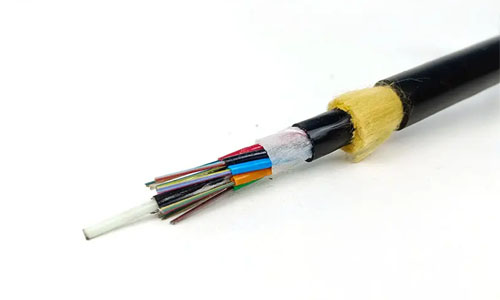 ADSS Fiber Optic Cable
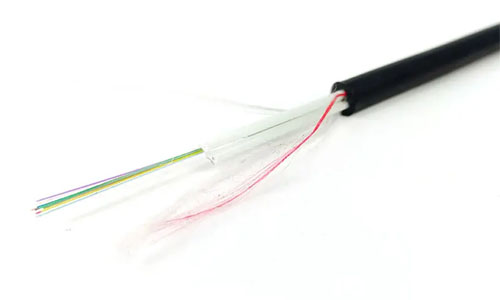 ASU Fiber Optic Cable
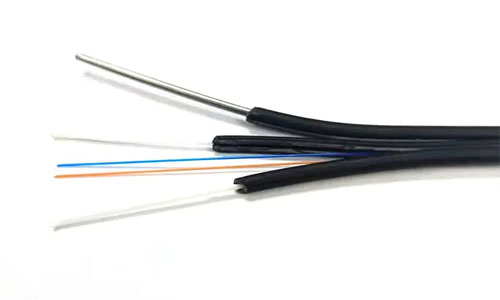 FTTH Fiber Optic Cable
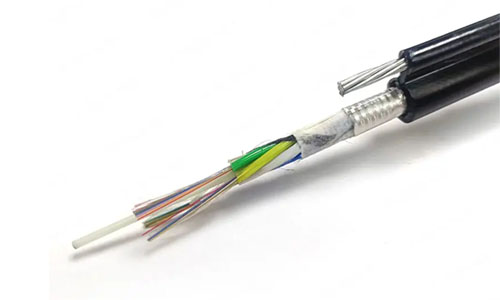 Figure 8 Fiber Optic Cable
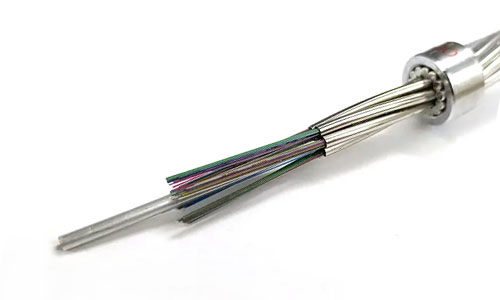 OPGW Fiber Optic Cable
 Coaxial Cable
 Ethernet Cable
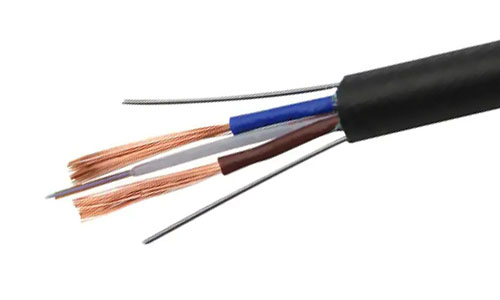 Photoelectric Composite Fiber Optic Cable
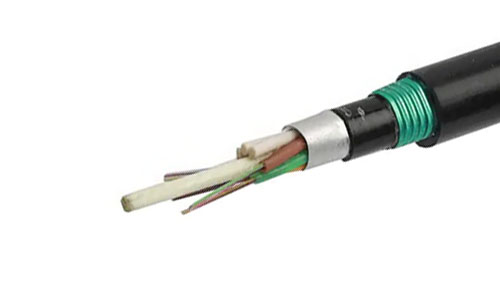 Underground & Pipeline Fiber Optic Cable
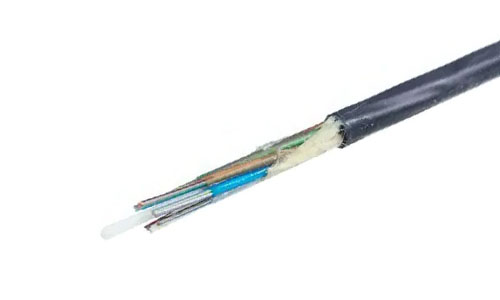 Air-Blown Micro Fiber Optic Cable
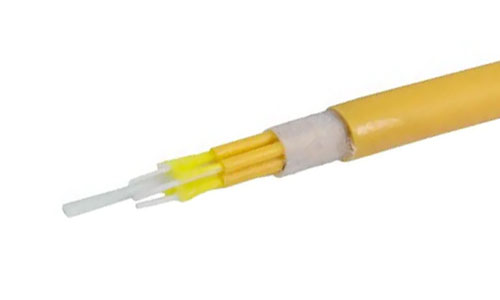 Indoor Fiber Optic Cable
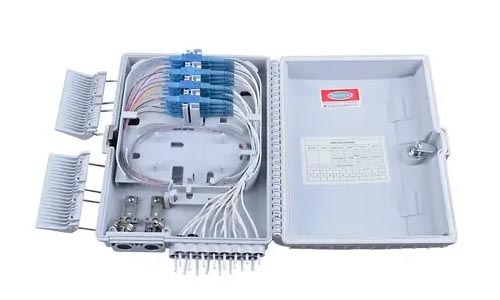 Fiber Optic Distribution Box
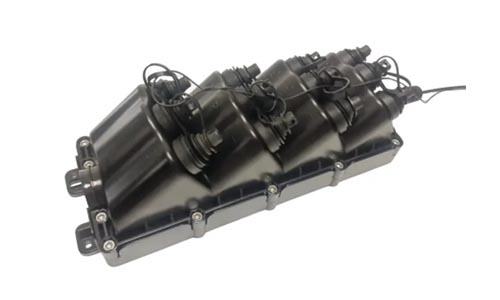 Multiport Service Termina Box
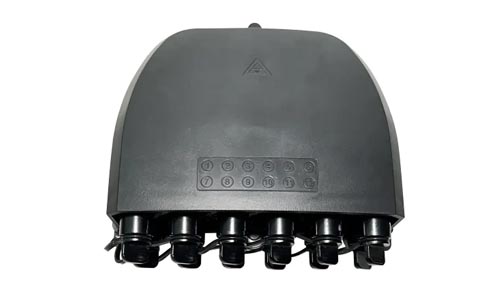 Fiber Optical Terminal Box
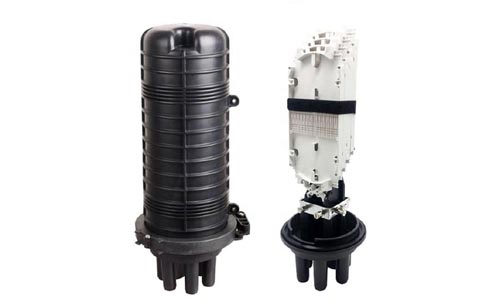 Fiber Optic Splice Closure
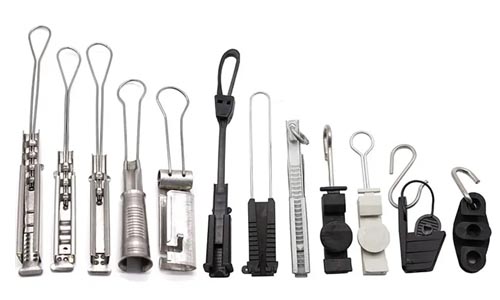 Fiber Optic Clamps
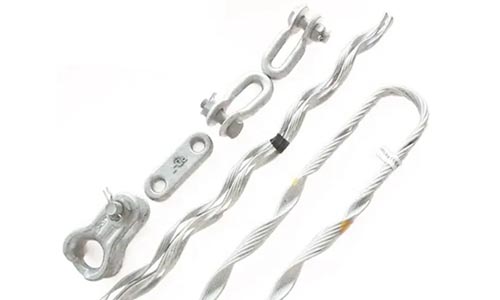 Fiber Optic Cable Fittings
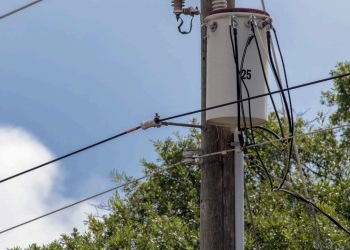 ADSS Fiber Cable
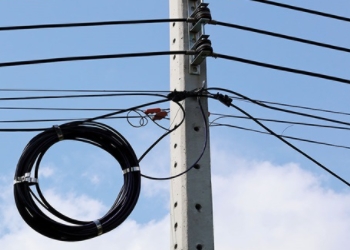 ASU Fiber Cable
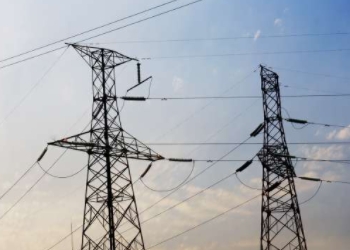 OPGW Fiber Cable
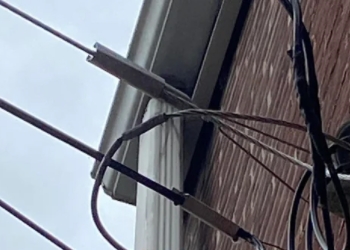 FTTH Fiber Cable
 Figure 8 Fiber Cable
 Photoelectric Composite Fiber Cable
 Underground & Pipeline Fiber Cable
 Air-Blown Micro Fiber Cable
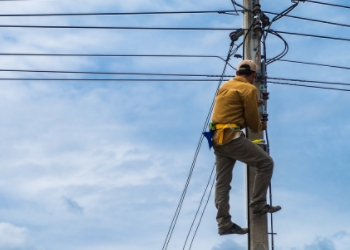 Aerial Fiber Cable
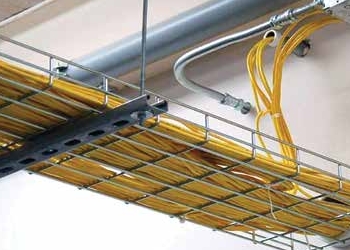 Indoor Fiber Cable
 Fiber Optical Terminal Box
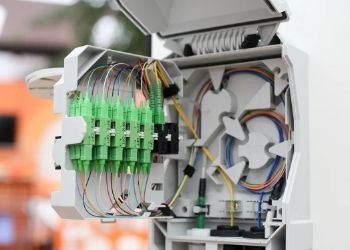 Fiber Optic Distribution Box
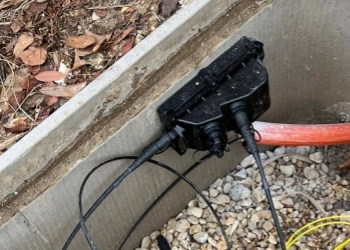 Multiport Service Termina Box
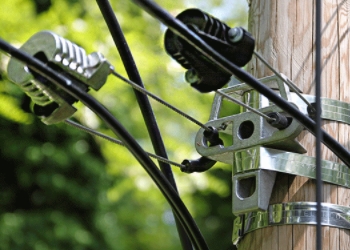 Fiber Optic Clamps
 About Us
 Our Team
 History
 R&D Strength
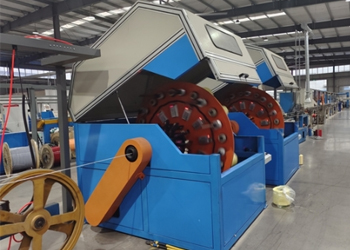 Production Base
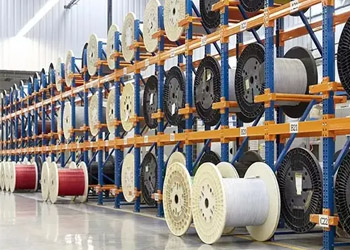 Warehouse & Logistics
 Quality
 FAQs
FAQsADSS Cable: Technical Specifications, Applications and Installation Guide
Contact for Free Quotation & Sample, According to your needs, customize for you.
inquiry nowADSS Cable: Technical Specifications, Applications and Installation Guide
An ADSS cable—short for all-dielectric self-supporting cable—is a type of fiber optic cable. It dangles imperiously over power lines, needing no further support. We pick ADSS when I need all-weather and ruggedized fiber for long runs between any structures or poles.
They are a great fit for urban municipal networks and rural municipal projects. These cables are designed to withstand high wind, rain, and sunlight, and they don’t require additional metal lashing wires to remain secured. You find them mostly in areas where real estate is at a premium or there’s heavy electric infrastructure in the vicinity.
They reduce installation time as you don’t require any hardware or grounding. In this post, I’ll provide an overview of ADSS cables to help you better understand how they work. Finally, I’ll focus on what sets them apart and when you should start using them.

What Defines ADSS Cable?
ADSS cable stands for all-dielectric self-supporting cable, a fiber optic cable designed for use in aerial application that contains no metallic components. This cable type is typically designed for long spans between utility poles or towers. It can withstand the elements while carrying its own weight.
You see it most commonly on roadside telephone power poles and in utility power grid applications. The cable is available in both single-mode and multimode, ranging in core sizes of 0.002-inch or 0.0025-inch diameter. ADSS cable can handle upwards of 144 fibers, all while fitting snugly in a single, thin cable.
This lets you fit a large number of data circuits in a relatively small area. Because the design is both lightweight and slim, the cable does not impose heavy loads on towers. That’s less loading from wind or ice.
1. Core Concept: All-Dielectric Explained
All dielectric simply means that there is no metal contained in the cable. That’s significant—especially when it comes to safety. It does not conduct a current, making it safe to fly close to power lines.
Since dielectric parts block electrical noise, signals remain clean and intact. There may be additional high tensile strength rods that are fiberglass or aramid yarn. These provide durability by offering protection from corrosion or deterioration.
2. Self-Supporting Design Unpacked
The cable is specifically designed to be strung between utility poles without the need for additional data wiring. It remains taut thanks to tough non-metallic strength rods embedded in the sheath.
This keeps installations quick and easy, eliminating the need for extensive retrofits to legacy poles or towers. You’re substantially saving time during installation and are greatly cutting down the associated labor costs.
3. Key Differences from Standard Fiber
Unlike regular fiber cables, which require steel wires woven within for added support and are susceptible to seizing power surges, the ADSS cable hangs freely. ADSS is non-metallic, therefore it does not.
It’s a little tougher in terms of weather resistance and consideration of power line stress. It’s deployed in applications where standard cable would fail.
4. Understanding Its Unique Purpose
ADSS really shines in the outdoor telecom space, particularly in environments where high-voltage lines are nearby. It takes the tough terrain and long spans in stride.
Providing support for extreme weather, these networks remain operational even during hurricanes.
5. Material Science Behind Dielectric Strength
The cable’s toughness is made with intelligent plastics and water-blocking polymer gels. These protect the fibers against water and UV light exposure.
The sheath is made of high density, tough polymers that will remain reliable for decades. Special composite blends allow the cable to maintain rugged toughness while becoming much lighter.
Inside ADSS: Cable Construction
ADSS cables, or all-dielectric self-supporting cables, have a unique construction that suits their special function on electric and telecom networks. How these cables are designed impacts their capacity to resist stress and weather changes. It most importantly shapes their installability and maintainability.
From the core to the jacket, each component serves an essential purpose. These factors combined dictate the future performance and life expectancy of the cable.
Essential Strength Members Examined
At the core of ADSS cables, strength members such as aramid yarn bear the weight. Aramid yarn offers high tensile strength combined with flexibility suitable for any splicing task. It helps the cable stay taut and firm when strung between poles.
This scrim yarn protects the delicate fiber core from stretch and sag. This allows the cable to withstand the harshest wind or ice loading conditions for a longer period of time. Picking a strength member is a key consideration.
Choose aramid or glass yarn for plenty of tensile strength so that the cable can handle the weight—all that and more, come rain or shine.
Fiber Optic Core Protection
ADSS cables are designed with loose tubes that are gel-filled or dry water-blocking powder filled. This innovative design makes it possible to keep water off the fiber core. This prevents moisture penetration, ensuring a crystal clear signal and years of reliable cable performance.
Second, a tight seal around the fibers prevents dirt and water from entering, allowing the cable to avoid rapid deterioration.
Outer Jacket Material Choices
This outer jacket, typically made from high-density polyethylene or UV-resistant polyethylene/nylon blends, protects the contents from the sun, rain and wrinkles. The proper jacket helps to ensure that the cable remains lightweight and flexible.
It provides further damage protection from birds and tree limbs. These jackets go above and beyond, even exceeding stringent guidelines established by U.S. Industrial safety organizations.
Loose Tube vs. Tight Buffer
Loose tube cables give the fibers increased maneuverability. This flexibility becomes incredibly important when the cable bends or needs to adapt to a temperature change.
Tight buffer cables seat tighter, therefore allowing for a smaller footprint and more manageable handling. They are particularly useful for short runs, like within plants.
Loose tube is optimal for long stretches exposed to the elements, but tight buffer is ideal for short, localized, or out-and-back routes.
ADSS Cable Advantages Explored
ADSS cables truly excel in today’s highly structured and dynamic network architectures, providing you with highly reliable and consistent performance. These cables employ zero-metallic components, making them a perfect fit where power-lines and telecoms lines coexist. In the end you end up with a configuration that works well for short urban and extended rural hauls.
Cities across the world use ADSS cables to run fiber above highways, city streets, parking lots and even rivers. These cables are more easily incorporated into existing power grids, minimizing the amount of adjacent construction required.
Eliminating Metallic Components Benefit
Because there is no conductive metal contained within, ADSS cables significantly reduce the shock hazards faced by linemen when erecting lines in proximity to energized conductors. This radial design protects sensitive signal lines from static and power surges induced by nearby electric fields.
This dual capability makes them a preferred option for major, long-distance, high-voltage power corridors, such as those often emanating from large generation substations. Durable, non-metal materials minimize worries about corrosion and exposure to the elements. Finally, they have an extremely low footprint and contribution to terrestrial and aquatic environments.
Simplified Aerial Installation Perks
It requires less gear and fewer steps to install ADSS cables compared to older cables. You avoid the added costs of additional wire mesh or grounding hardware. In urban areas, the less cable requiring splicing means less blocking off of traffic in heavily populated cities as crews can usually run miles of cable in just one day.
Since most poles already have these cables strung on them, you wouldn’t have to construct new mounts for each installation. This helps maximize your time and resources. With minimized splicing, it saves the overall cost of the entire project.
Enhanced Safety During Installation
Lightweight ADSS cables eliminate difficult lifting and maneuvering. This alleviates fatigue and lessens falls for workers working at extreme heights. No metallic elements equate to a lower risk of receiving an electric jolt should an ADSS cable accidentally be draped over a power line.
Basic safety measures — such as wearing cut-resistant gloves and using bucket trucks to access lines — are effective for these cables.
Resilience in Harsh Weather
Once installed, ADSS cables continue to function during high wind, ice, and disaster conditions. The core’s strength and sheath flexibility allow the sheath and core to take pounds of ice without breaking or sagging. They hold strong against the roaring tornadoes of the Midwestern plains.
More importantly, they stand up to the furious humidity and salt air of Gulf Coast cities, where other cables break. This translates into fewer cable outages and less expensive downtime.
Cost-Effectiveness Over Time
Over time, ADSS cable installations pay for themselves in ongoing repair savings, as there is no rust to create closures or breaks. As a result, quicker installs reduce day one labor costs.
For utility companies, there are tangible savings as these cables require less maintenance and prevent outages.
Key Technical Specifications Overview
When I plan a network using All-Dielectric Self-Supporting (ADSS) cables, I look at specs that shape how the cable works and fits different jobs. These specs are the first step to ensure I’m selecting the right cable for the right application, reduce costs and increase longevity of the install.
Understanding these things allows me to create networks that flow freely and endure, regardless of the location or climate.
Tensile Strength and Load Capacity
Tensile strength indicates the amount of tension an ADSS cable can withstand without failure. In real-world, challenging environments, such as long runs of power line, this is extremely important.
As a physicist, I note that any cable of sufficiently high tensile strength holds its form when stretched between two widely spaced poles. This secures the line from sagging and breaking.
For short spans, lighter cables are cheaper, so that’s what I use. When crossing wide washed-out roads or extremely wide valleys, I go to cables with larger load capacities. This consideration determines things like how I route the cable and what type of light pole or bracket I select.
Span Length Considerations
ADSS cables can span 150 to 1,500 feet in air, unsupported between two poles or buildings. Longer spans require stronger cable and careful rigging.
When I co-run lines over open country or rail crossings, I prefer spans cable. This decision saves a lot of poles I have to use.
Shorter spans, such as city blocks, allow me the opportunity to run lighter, more flexible aerial cables. Each installation alters the way I envision the entire system and its overall effectiveness.
Environmental Performance Ratings (UV, Ice)
ADSS cables are constantly subject to the damaging effects of sun, ice, and wind forces. Excellent ultraviolet ratings protect and maintain the outer jacket, preventing it from melting away in sunlight.
This amped-up durability helps protect cables from fraying, breaking, and becoming weak over time. In cold climate locations, I have in the past utilized cables with ice/load/impact ratings.
These are resistant to heavy accumulations of snow or freezing rain, so the cable remains protected and functional. The right waterproof jacket and waterproof core material is what it takes to make waterproof work in these scenarios.
Fiber Count and Type Options
ADSS cables have a huge range of fiber counts — as low as 12 fibers and as high as 144+ fibers all in a single cable. For heavy data tasks, such as connecting a city mesh, I employ high-density cables.
Smaller offsite locations, such as a neighboring school, may require less than the full complement of fibers. For long runs, I go with single mode fiber because it carries data the farthest with the least amount of signal loss.
Multimode is best for short, high-speed connections, such as within a campus. This one decision determines how much data the cable can carry and the speed at which it can do so.
Where ADSS Cable Excels?
ADSS cable excels as an ideal solution for harsh, extreme conditions where a robust, high-performance fiber-optic communication pathway is required. Its flexible design makes it all desirable for many outdoor applications, ranging from utility power corridors to rugged terrain and beaches.
So, you can trust its ultra-reliable performance—even in areas where legacy fiber underdelivers.
Power Utility Corridor Deployments
ADSS cable excels within power utility corridors. It can be deployed on live, charged lines, reducing downtime and lowering risk. Since it doesn’t require additional metal components, it minimizes complexity and risk.
Reduced pole loading, even in high wind and ice conditions, is thanks to the light build. You benefit from consistent data connections all around grid management and smart grid technology.
This gives you the power to easily manage and monitor your power systems. The cable supports a maximum of 864 fibers. This unique attribute makes it ideal for extensive power grids wanting to adopt new technology while not having to remove and replace their aging infrastructure.
Telecommunication Network Expansion
Whether a new build or an upgrade, ADSS cable provides the capacity for additional lines and increased speeds. It performs well in roadside deployments, or in urban areas where poles are readily available.
That reduced size and strength allows you to stretch the cable quite a distance – up to 62 miles – without repeater equipment. Today, telecom companies are using ADSS to meet the growing demand for internet and phone service.
Yet, they are experiencing dual success in tiny hamlets and metropolitan swaths.
Challenging Terrain Installations
ADSS cable’s light, slim structure makes it an advantage when you must traverse severalfold hillsides, forests, or mountainous terrain. You can suspend it from poles or towers with minimal heavy equipment.
It easily bends and flexes to fit various odd spots, keeping data flowing even in hard-to-reach locations.
Coastal and High-Wind Areas
In locations with salt air or severe wind, ADSS cable performs extremely well. Its jacket resists salt attack, and the low profile shape severely reduces wind drag.
Coastal communities and tornado alley have both utilized ADSS to maintain robust, reliable connections.
Installing ADSS Cable Effectively
Installing ADSS cable requires careful prep work, specialized equipment and meticulous attention to detail every step of the way. It’s true that good planning and smart choices make for a more sturdy and safe network.
Pre-Installation Planning Steps
-
Check the route and measure spans
-
Review pole heights and conditions
-
Study weather and wildlife risks
-
Get permits and follow local rules
-
Plan for safe work zones
Consideration of these site checks are crucial because the slope of the ground, hanging branches, or even a windy area could affect how you’re deploying cable. Local regulations may dictate how much cable should be suspended above roadways or live electrical distribution lines.
A little careful planning helps the job go smoothly and safely, eliminates a lot of rework, and saves time in the end.
Essential Tools and Hardware
-
Cable pullers and tension meters
-
Grips, sheaves, and rollers
-
Dead-end clamps and suspension sets
-
Ladders, bucket trucks, or lifts
-
PPE like gloves, harnesses, and helmets
Specialty tools, such as tensioning calibrated meters, assist in ensuring proper tension so cable doesn’t sag or break. Utilization of durable, weatherproof clamps and brackets maintain cable integrity for decades to come.
The proper equipment helps protect workplace-related injuries as well.
Proper Tensioning Techniques
Correct tension equals a taut cable with reduced possibility for droop and/or cable failure. Monitor the pull force with a tension meter as you advance.
Too much pull will stretch or snap cable, too little pull means cable will be left sagging. Approximate max tension per span length and line type/conductor size.
Avoiding Common Installation Pitfalls
-
Pulling cable over sharp bends
-
Not checking weather before starting
-
Skipping pole inspections
-
Using the wrong hardware
A sudden weather change, such as high winds, can easily blow cable runs askew. Following manufacturer guidelines and installation techniques goes a long way to protecting against premature failure.
Safety Protocols for Aerial Work
Consistently wear PPE, conduct safety briefings, and train every crew on the equipment. Always be aware of nearby power lines and inspect harnesses prior to every ascent.
Go through safety procedures on a daily basis to ensure everyone is on their toes.
Maintaining ADSS Cable Systems
Proper maintenance goes a long way to ensuring ADSS cable systems operate trouble-free and minimizes the need for costly repairs. We’ve learned that having a detailed plan for inspections and repairs is a game changer. Regularly inspecting these cables is key in identifying trouble areas before they become problematic.
By catching problems early, you can bypass costly repairs. This protects your cables and provides for longer-service life cables, saving you money. The better developed a routine, the fewer surprises there are and more days of the system being up and operating.
Routine Inspection Guidelines
-
Seek excessive cable sag, tight bends, excessive indentation of cable, cracks in sheathing, or loose fittings.
-
Inspect anchors, clamps, and hangers for signs of corrosion, cracking or other defects.
-
Watch for signs of chewing or pecking from wildlife.
-
Check for any dirt or vegetation build up which may pull the cable taut.
-
Test cable tension with the right tools.
-
Write down what you find with dates and locations.
Currently, most crews run these checks two to four times a year, doubling down on inspections when storms or wild winds pass through an area. Having complete records allows us to look for systemic trends and address minor issues before they become major contracts requiring extensive remediation.
Logs are incredibly valuable when you need to debug an issue that you have to trace back through time.
Identifying Potential Damage Signs
We check for frayed wiring, strange bulges in the housing, or areas where water pools up. UV rays, salt, and prevailing harsh wind conditions all work against covers or fittings to degrade them. If trees are allowed to rub the cable you will see over time wear that will lead to failure.
Detailed video and photography provide us with insight as to where to keep an eye next season and what areas could use immediate attention.
Repair Strategies and Best Practices
When we make ADSS cable repairs, we typically utilize repair kits specifically designed for the type of cable we are working on. We use only company-approved equipment and we always retest tightness.
To maximize safety, crews establish safe work zones and use lifts whenever possible. Quick repairs immediately after detecting deterioration or damage ensure the integrity of the network and its continued operation.
Overcoming ADSS Cable Challenges
ADSS cables offer tangible benefits for new overhead networks, but some factors can delay a valuable project. In the field, we see three main hurdles: electrical tracking, vibration damage, and tough installs. Yet each one can create unexpected problems if pursued incorrectly. You achieve faster new installs and less costly repairs when you’re armed with the knowledge of what to look for and what steps to take first. Let’s unpack these arguments and demonstrate how to overcome them.
Mitigating Electrical Tracking Risk
Because ADSS cables usually are installed alongside power lines, they are susceptible to the same fate of tracking. If moisture and dust accumulate on the cable, stray currents can create burning marks or even worse lead to cable failure. The importance of using well-tested cable jackets and proper spacers is tremendous.
Proper grounding hardware at each pole increases public safety. It does a great job of preventing arcing, notably at dead ends and splices. Crews already increase ADSS cable survivability by applying tracking-resistant wraps around cable areas adjacent to high voltage components.
In fact, some of our material selections improve insulation, for example the use of silicone rubber jackets. This added protection means your cable is secure even during the most stormy weather or with lines that are underbuilt with 230 kV or greater.
Addressing Vibration Damage (Aeolian)
Wind creates rapid small shakes known as aeolian vibration. This continual movement over time can be detrimental, quickly wearing cables at their contact points or anchor spots. The strategic placement of dampers, in combination with vibration-resistant hardware, prevents the shakes from occurring, so they never escalate to actual damage.
Selecting locations that provide natural windbreak, such as tree lines or hills, is beneficial. Crews test the optical cable tension every few months and go on annual inspections for fretting at attachment points.
Replacing aging clamps or installing additional dampers can help maintain a healthy system.
Installation Complexity Factors
We know every job site is different. Overcoming ADSS cable challenges in dense urban environments, wide navigable rivers, or forested areas can complicate an installation. On top of all the other challenges, unpredictable weather—whether it be extreme heat, flooding, or other natural disasters—has compounded things.
As you can see, planning is essential to your success. Plan the path, select the proper cable span, usually less than 1,500 feet for most poles, and partner with local teams who know the territory.
In addition, light, portable tools significantly reduce cable setup time. A thorough prep ensures a fluid job, even when the project spans multiple miles.
Conclusion
It makes ADSS cable perfectly suited where you need a robust, lightweight cable with a rapid-installing aerial line. It is rugged for nasty weather, drastic temperature changes and a ton of harassment in pulling and pushing. Everyone in power and telecom likes it because the thing just runs flawlessly and reliably. It continues to work great even across long distances and difficult terrain. You receive fewer changes by check, and corrections remain easy. For no shocks or rust, only reliable service for years, eliminate metal components. The directional between two city blocks or a wide-open field, I still find it does the job. Take a look at ADSS cable for your upcoming project and see how it stacks up to your requirements. Contact us to find out more, exchange ideas, or obtain a detailed quote.
Frequently Asked Questions
What is ADSS cable used for?
ADSS (All-Dielectric Self-Supporting) cable is widely used in aerial fiber optic deployments. It’s favored for utility poles and power lines due to its lack of need for metallic infrastructure and resistance to electrical induction and interference.
How is ADSS cable constructed?
ADSS cable consists of a central strength member, optical fibers, water-blocking materials, and protective outer jackets. It was meant to survive in the great outdoors. No metal components means it’s light weight and non-conductive.
What are the main benefits of ADSS cable?
ADSS cable installation quickly became an attractive alternative because it is lightweight and easy to install, and can be deployed on existing utility poles. It stands up to weather and electrical interference, which saves time on maintenance and repair and lowers total project costs.
Where should ADSS cable be installed?
ADSS cable is perfect for aerial installations on utility poles, particularly in territories with high induction or electrical fields. It’s awesome for long-distance, over-the-top runs with difficult cross like rivers, interstates, and railroads.
What technical specifications matter most for ADSS cable?
Critical specifications such as fiber count, span length, tensile strength, and weather resistance all come into play. Voltage and spacing always verify compatibility with the project’s voltage and pole spans to provide the performance needed reliably.
How do you maintain ADSS cable systems?
Routine monitoring to inspect for physical damage, sagging, or environmental deterioration are a few best practices to keeping ADSS cable systems healthy. Timely repairs not only make the network more reliable, but ensure longer operational life of the cable itself.
What challenges come with ADSS cable, and how are they solved?
Typical hazards faced by technicians involve extreme conditions, animals, and electromagnetic fields. Applying correct installation methods, protective gear and regular maintenance prevent these shortcomings.