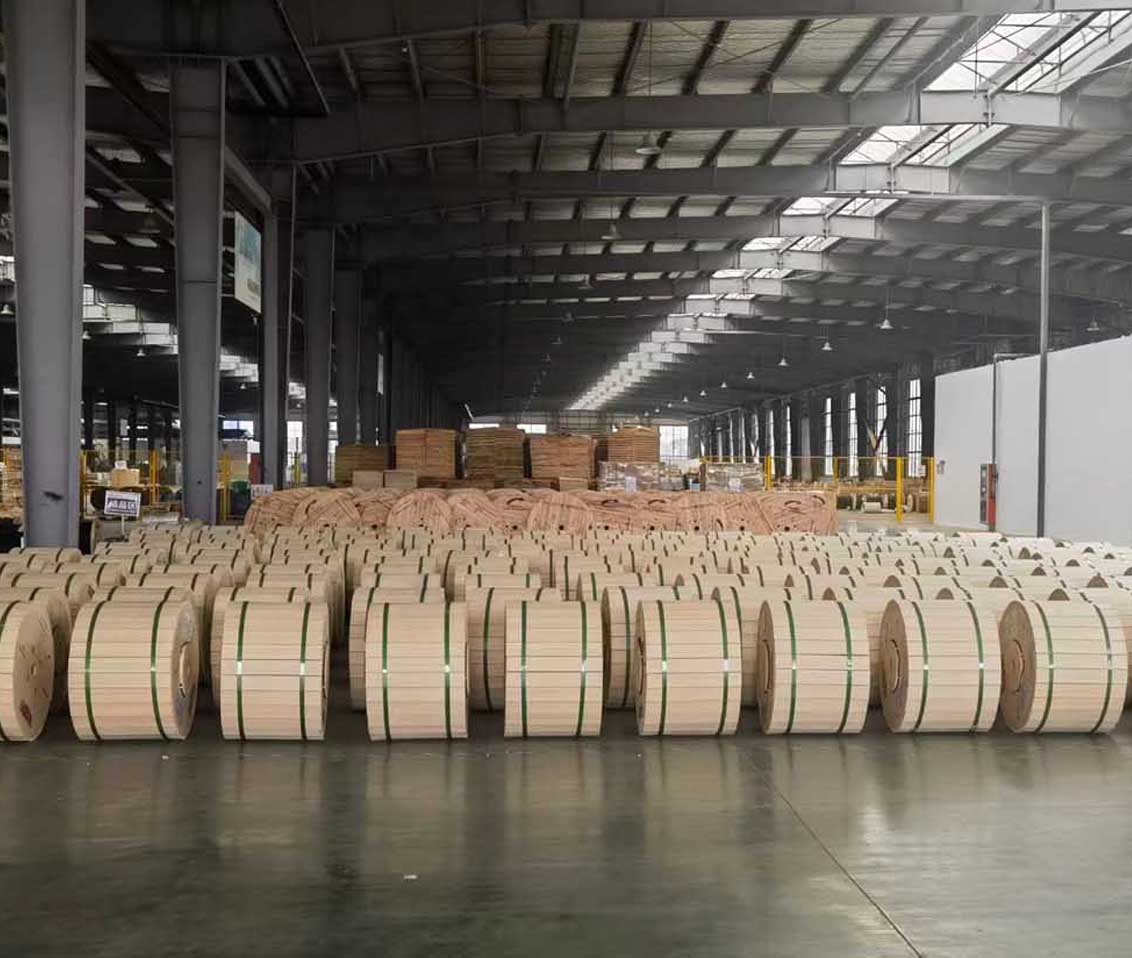
 Optical Fiber
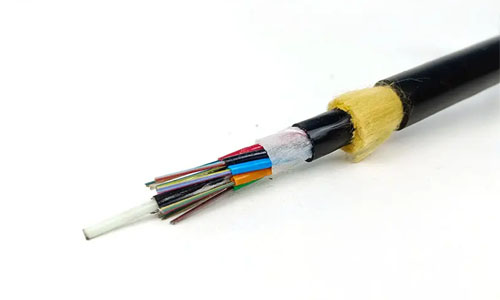 ADSS Fiber Optic Cable
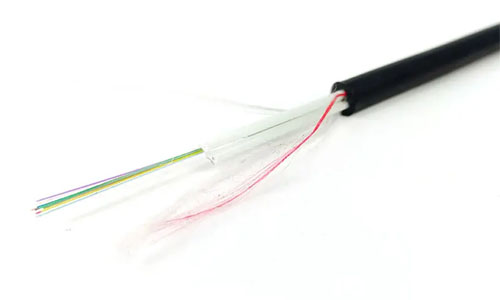 ASU Fiber Optic Cable
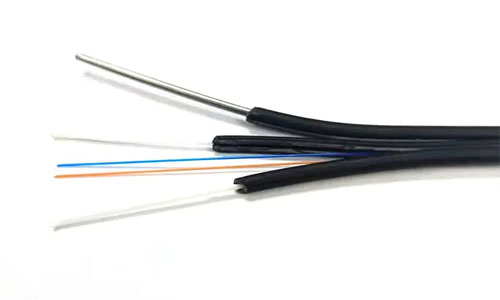 FTTH Fiber Optic Cable
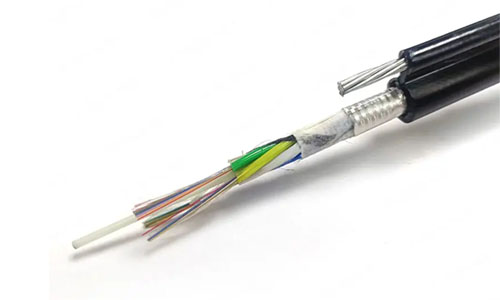 Figure 8 Fiber Optic Cable
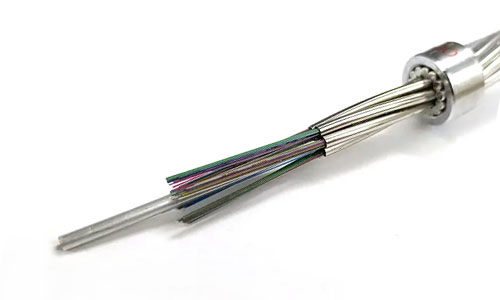 OPGW Fiber Optic Cable
 Coaxial Cable
 Ethernet Cable
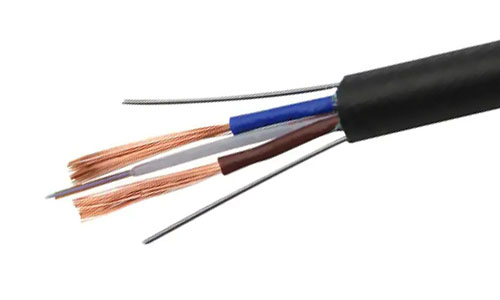 Photoelectric Composite Fiber Optic Cable
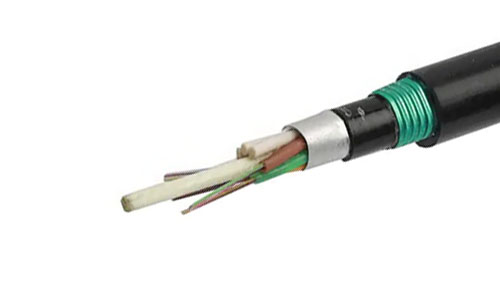 Underground & Pipeline Fiber Optic Cable
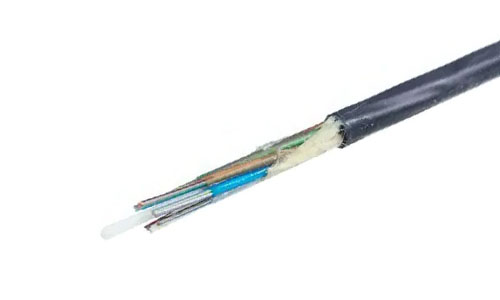 Air-Blown Micro Fiber Optic Cable
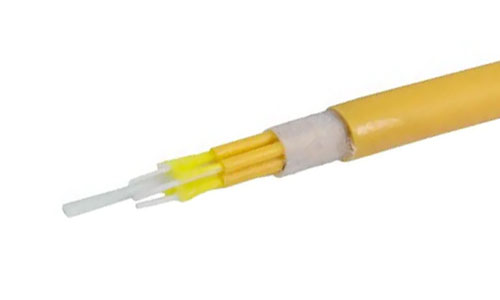 Indoor Fiber Optic Cable
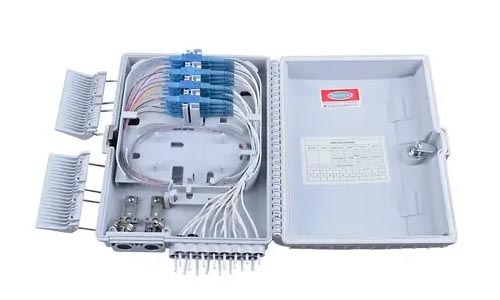 Fiber Optic Distribution Box
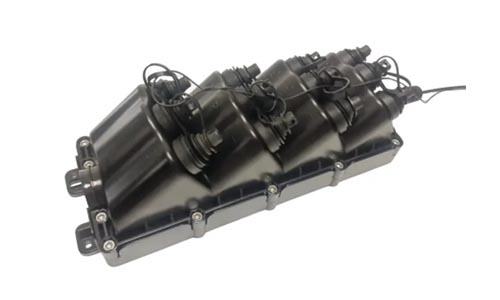 Multiport Service Termina Box
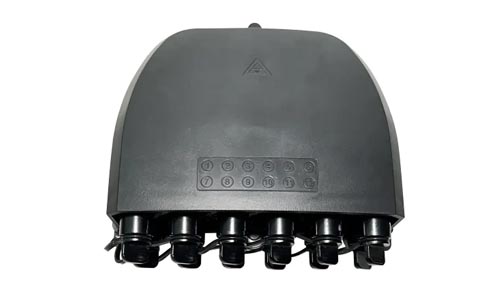 Fiber Optical Terminal Box
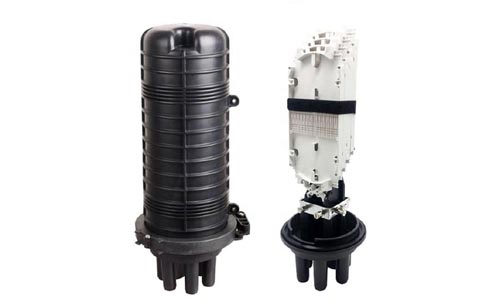 Fiber Optic Splice Closure
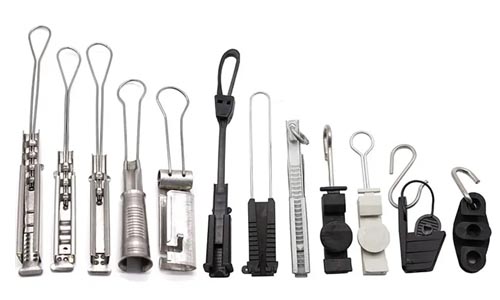 Fiber Optic Clamps
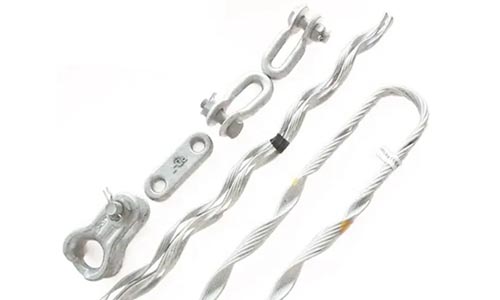 Fiber Optic Cable Fittings
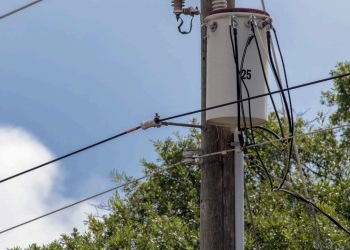 ADSS Fiber Cable
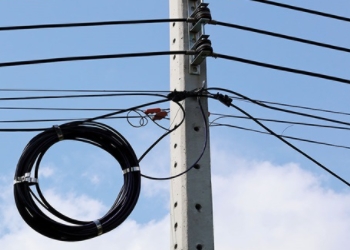 ASU Fiber Cable
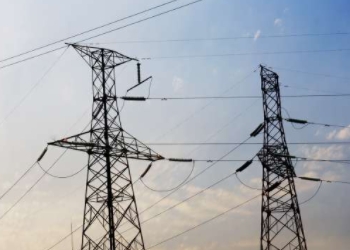 OPGW Fiber Cable
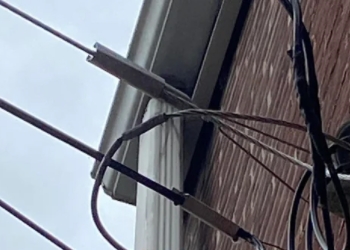 FTTH Fiber Cable
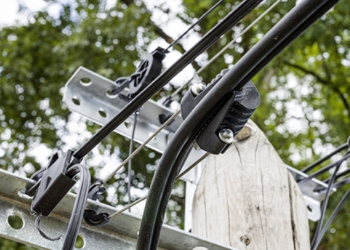 Figure 8 Fiber Cable
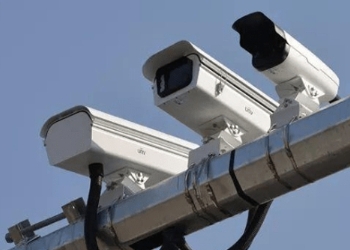 Photoelectric Composite Fiber Cable
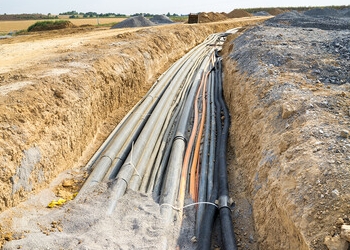 Underground & Pipeline Fiber Cable
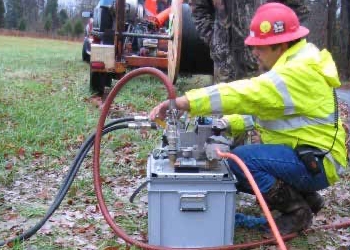 Air-Blown Micro Fiber Cable
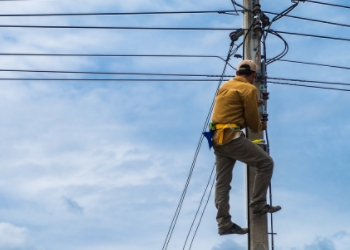 Aerial Fiber Cable
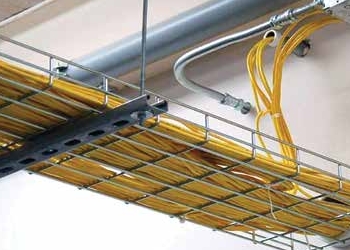 Indoor Fiber Cable
 Fiber Optical Terminal Box
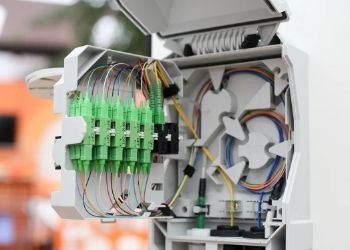 Fiber Optic Distribution Box
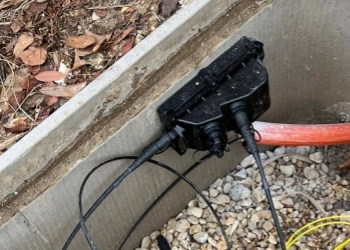 Multiport Service Termina Box
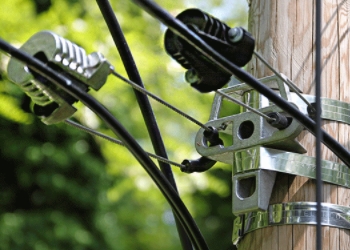 Fiber Optic Clamps
 About Us
 Our Team
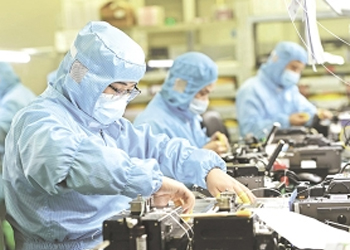 History
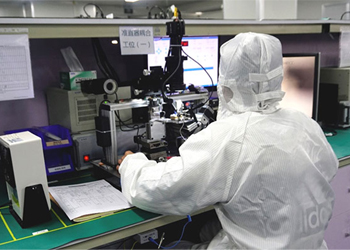 R&D Strength
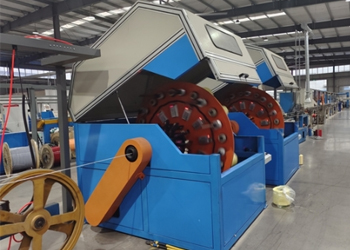 Production Base
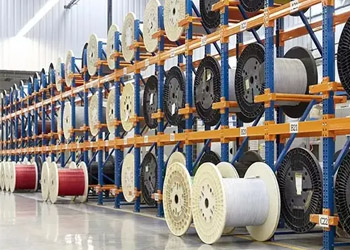 Warehouse & Logistics
 Quality
 FAQs
FAQsAdvantages of Fiber Optic Cable
Optical cables, also known as fiber optic cables, are a critical component of modern telecommunications and internet infrastructure.
These cables are designed to transmit light signals over long distances with minimal loss of signal strength, making them essential for high-bandwidth applications.
In order to achieve this level of performance, optical cables are composed of several layers of materials, each with its own specific purpose, The core of an optical cable is where the light travels.
It is typically made of glass fibers, although plastic fibers are also used.
Glass fibers are preferred for their higher performance and lower attenuation rates, ensuring that the light signals can travel long distances with minimal loss of strength.
Surrounding the core is the cladding, which is also made of glass or plastic.
The cladding's role is to reflect light back into the core, preventing signal loss and maintaining the integrity of the signal.
To achieve this effect, the cladding has a lower refractive index than the core, In addition to the core and cladding, optical cables also include a buffer coating.
This coating protects the core and cladding from moisture and physical damage.

Typically made of polymer materials such as acrylate or silicone, the buffer coating ensures that the delicate glass fibers remain protected during installation and throughout the cable's service life.
Furthermore, the cable features strength members made of materials such as aramid yarns, fiberglass, or even steel strands.
These strength members provide the necessary tensile strength to withstand pulling forces during installation and ensure the cable's durability, Finally, the outer jacket is the last layer of the optical cable.
Made from materials like PVC, LSZH, or polyethylene, the outer jacket protects the entire cable structure from environmental factors including moisture, abrasion, and impact. This layer further contributes to the cable's durability and longevity in demanding conditions, The combination of these materials in an optical cable enables reliable transmission of optical signals with minimal loss and maximum durability.
As a result, optical cables are indispensable for various telecommunications and internet infrastructure needs, providing the backbone for high-bandwidth applications, One company at the forefront of optical cable technology is.
With a commitment to innovation and quality, has developed a range of optical cable solutions that meet the highest industry standards.
By leveraging cutting-edge materials and advanced manufacturing processes,delivers optical cables that offer unmatched performance and reliability, At feiboer, the core of their optical cables is made of the highest quality glass fibers, ensuring optimal signal transmission over long distances.
The cladding is engineered to reflect light back into the core, maintaining signal integrity with minimal loss.
Moreover, the buffer coating utilized by provides superior protection for the delicate glass fibers, safeguarding the cables from moisture and physical damage, In addition, employs strength members made of advanced materials such as aramid yarns and fiberglass, providing the necessary tensile strength for their cables.
The outer jackets of their cables are crafted from durable materials, offering exceptional protection from environmental factors, With a focus on innovation and reliability, is a trusted partner for optical cable solutions.
Whether for telecommunications, internet infrastructure, or other high-bandwidth applications, delivers cables that meet the most demanding requirements, In conclusion, the materials used in optical cables are fundamental to their functionality and durability.
With the right combination of glass fibers, cladding, buffer coating, strength members, and outer jacket, optical cables can reliably transmit light signals over long distances, making them indispensable for modern telecommunications and internet infrastructure.
Companies like are leading the way in developing advanced optical cable solutions that set the standard for performance and reliability in the industry.