 Optical Fiber
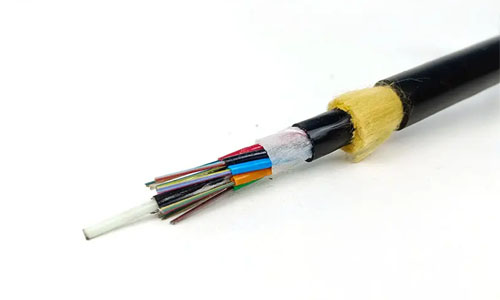 ADSS Fiber Optic Cable
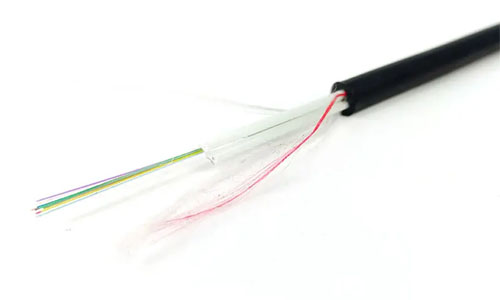 ASU Fiber Optic Cable
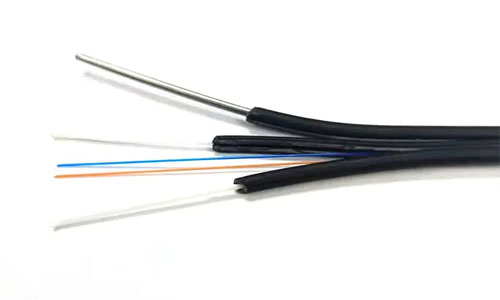 FTTH Fiber Optic Cable
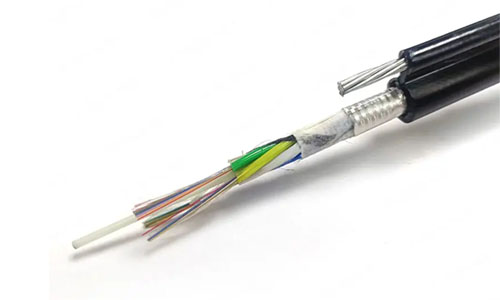 Figure 8 Fiber Optic Cable
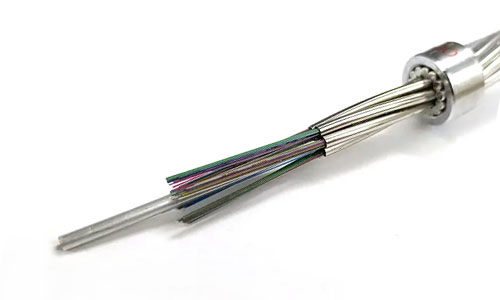 OPGW Fiber Optic Cable
 Coaxial Cable
 Ethernet Cable
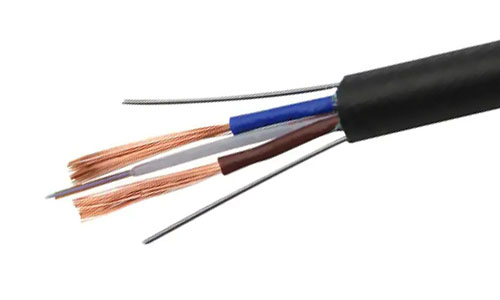 Photoelectric Composite Fiber Optic Cable
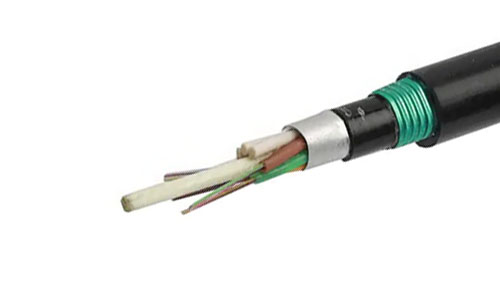 Underground & Pipeline Fiber Optic Cable
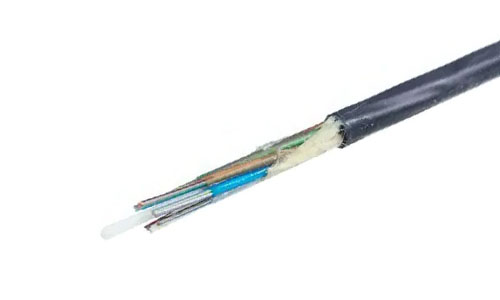 Air-Blown Micro Fiber Optic Cable
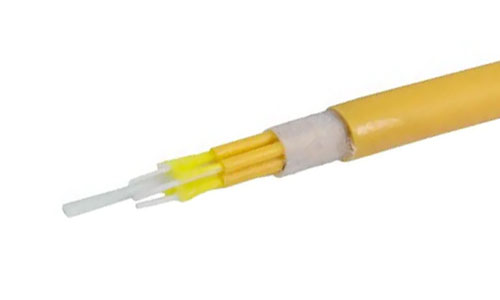 Indoor Fiber Optic Cable
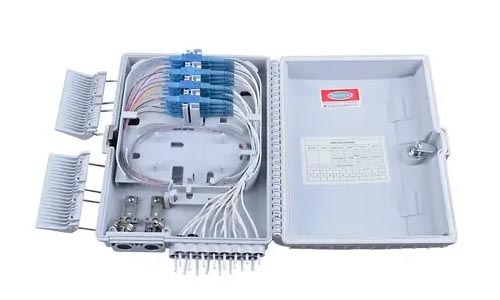 Fiber Optic Distribution Box
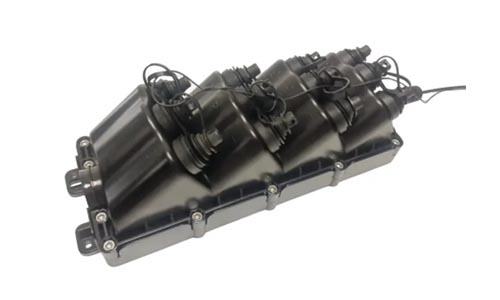 Multiport Service Termina Box
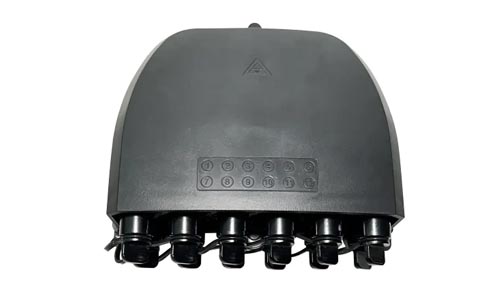 Fiber Optical Terminal Box
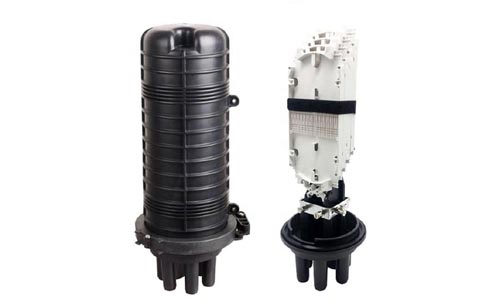 Fiber Optic Splice Closure
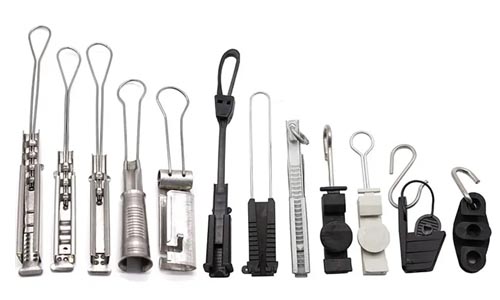 Fiber Optic Clamps
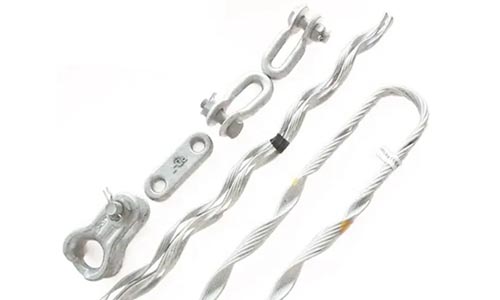 Fiber Optic Cable Fittings
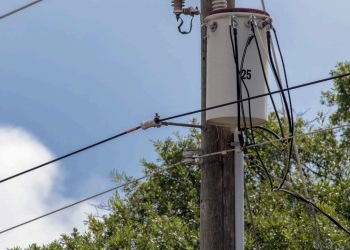 ADSS Fiber Cable
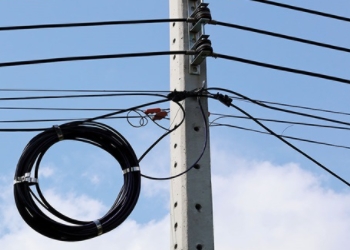 ASU Fiber Cable
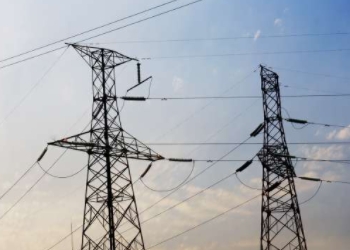 OPGW Fiber Cable
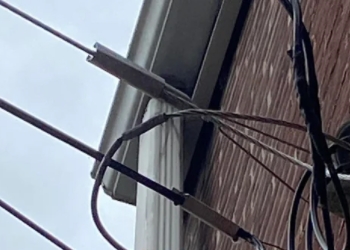 FTTH Fiber Cable
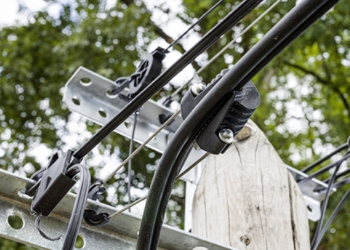 Figure 8 Fiber Cable
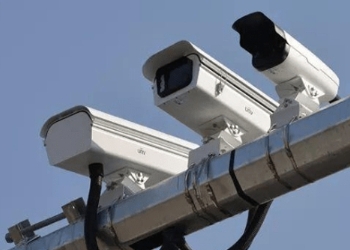 Photoelectric Composite Fiber Cable
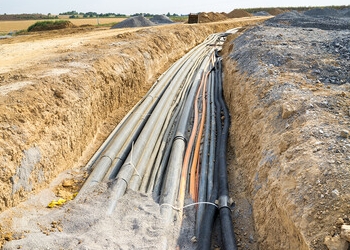 Underground & Pipeline Fiber Cable
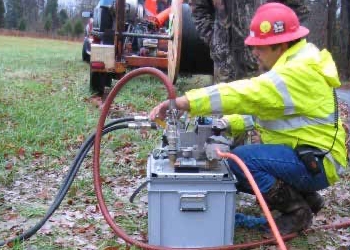 Air-Blown Micro Fiber Cable
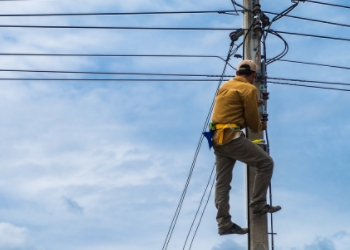 Aerial Fiber Cable
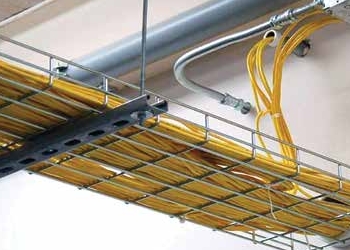 Indoor Fiber Cable
 Fiber Optical Terminal Box
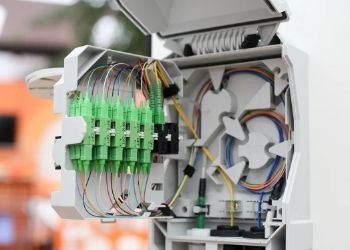 Fiber Optic Distribution Box
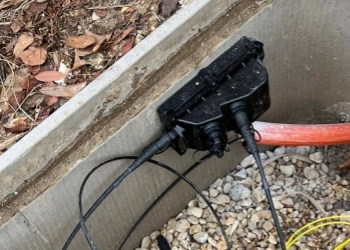 Multiport Service Termina Box
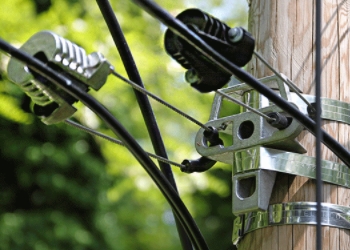 Fiber Optic Clamps
 About Us
 Our Team
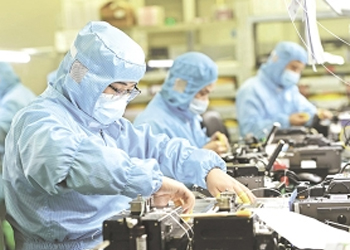 History
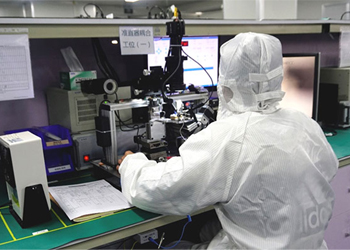 R&D Strength
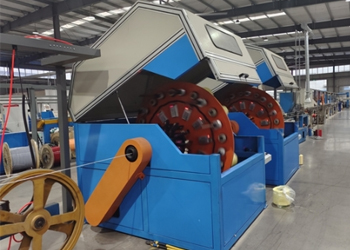 Production Base
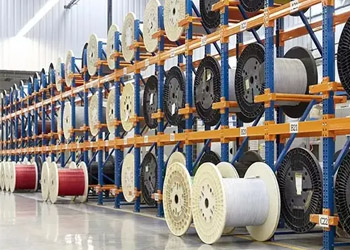 Warehouse & Logistics
 Quality
 FAQs
FAQsFiber Optic Cable: What You Need to Know
Contact for Free Quotation & Sample, According to your needs, customize for you.
inquiry nowFiber Optic Cable: What You Need to Know
-
Compared to traditional copper cables, fiber optic cables provide unparalleled speed and bandwidth. This, in turn, makes them ideal for applications that demand high-speed and data-intensive performance.
-
These cables provide the highest level of signal integrity, which results in almost no data loss and their performance is excellent, even over thousands of feet.
-
When choosing a fiber type, single-mode fiber is ideal for long-distance communications, and multimode fiber is a more economical option for short distances.
-
Excellent security and privacy features Fiber optic cables come with exceptional security benefits. In addition, they are immune to eavesdropping and interference, which renders them perfect for carrying sensitive data.
-
Proper installation and maintenance of fiber optic cable will go a long way making sure the cable performs at its best. This starts with thoughtful handling, cleaning routinely, testing often.
-
Knowing about industry standards, such as TIA/EIA compliance, is critical for guaranteeing quality. Furthermore, independent testing ensures the quality of your fiber optic investment.
A fiber optic cable buying guide helps you make informed choices when selecting cables for efficient and reliable data transmission. Fiber optic cables, on the other hand, send information through light, providing faster speeds and further distances than the standard copper wires.
These types of fiber optic cables vary greatly from single-mode to multi-mode. Each type serves distinct purposes, be it residential networking, commercial applications, or expansive deployments.
Cable length, connector type, durability, etc., are important factors to consider to make sure you’re getting the best performance possible. Understanding what to look out for will save you time, money, and eventual compatibility headaches.
In our comprehensive buyer’s guide, we’ll explain everything you need to know about fiber optic cables. In this way, you could simply select the best one depending on your requirement.

Why Choose Fiber Optic Cables?
Fiber optic cables have transformed the telecommunications industry by providing exceptional speed, reliability, and security. They exceed what’s possible with traditional copper cables in terms of performance and durability. This makes them the ideal option for today’s communication networks. Here’s why we think they’re a superior choice, in order of importance.
Speed and Bandwidth Advantages
In broad terms, fiber optic cables transmit data in the form of light signals that travel along thin strands of glass fibers. The core, where light travels, and the cladding, which reflects light back into the core, work together to guide these signals efficiently. This design allows for future speeds of 100Gbps.
It carries light between the fibers at close to two-thirds the speed of light, an advantage that makes it ideal for high-speed networks. Single-mode fibers are specifically made for long distances, usually over 6 miles, with low signal loss.
Multimode fibers, great for shorter runs less than 1.2 miles, are cheaper for use in regional networks. Here's a comparison:
| Fiber Type | Distance Capability (Miles) | Typical Use Case |
|---|---|---|
| Single-Mode | Over 6 | Long-Distance |
| Multimode | Under 1.2 | Short-Distance |
Although single-mode fibers have a higher initial cost, their reduced maintenance makes them cost effective in the long run.
Signal Integrity and Reliability
Fiber optics are more resistant to signal loss (attenuation) and totally immune to electromagnetic interference. LC connectors perform well in high-density deployments. At the same time, SC and ST connectors continue to be reliable standards for telecom and legacy applications.
When you need high capacity, MTP/MPO connectors meet your needs.
Long-Distance Communication
With low levels of attenuation and dispersion, fiber optics deliver pristine quality over entire miles. Advance features such as low return loss guarantee the least amount of signal reflection possible, which helps promote a consistent flow of data.
Enhanced Security Features
Fiber optics are immune to electromagnetic interference, are more difficult to tap into, and are therefore much more secure, ideal for transmitting sensitive data. Their durability and resistance to temperature, water, UV and even rodents improve reliability in multiple environments.
Fiber Optic Cable Basics Explained
Fiber optic cables are the revolutionary backbone of today’s data transmission, providing speed and reliability that copper wire simply can’t compete with. Their slender frame is around one-fourth the thickness of copper and a mere one-tenth of its weight. Special flat, multi-strand construction simplifies installation and maintenance.
Unlike copper, fiber optics don’t conduct electricity at all. This characteristic removes the susceptibility to electromagnetic interference (EMI), delivering reliable performance, even in the most EMI-prone environments.
Cable Handling Techniques
To avoid damage during installation, proper handling is essential.
-
Avoid bending cables beyond their minimum bend radius.
-
Install protective conduits or trays to avoid crushing or abrasion.
-
Lashing cables with loose ties to prevent stress on fibers.
-
Ensure cables are stored in dry, temperature-controlled environments.
Proper Termination Techniques
Proper termination is critical to ensuring top performance. With non-connectorized connections, use pre-polished connectors or fusion splicing for reliable, low-loss connections.
Termination kits that come stocked with precision tools and cleavers make the process easier while keeping consistent alignment between the core and connector.
Cleaning and Inspection Procedures
Fiber optic integrity depends on regular cleaning and inspection.
-
Clean fiber optic connector ends with lint-free wipes and isopropyl alcohol.
-
Check connectors with a fiber microscope to identify contamination or scratches.
-
Replace damaged connectors promptly to maintain signal quality.
Testing and Troubleshooting Methods
Testing ensures cables perform as expected. Utilize an Optical Time-Domain Reflectometer (OTDR) to identify faults and test for attenuation.
Digital power meters and optical light sources are used to verify signal strength, and visual fault locators are often used to find breaks or sharp bends in the cables.
Single-Mode vs. Multimode: Key Differences
When deciding on the best fiber optic cable for your needs, single-mode or multimode, it’s important to know what sets them apart and how they perform. These differences play a role in how each one manages data transmission, their associated costs, and their best-fit applications.
1. Understand Single-Mode Fiber
Single-mode fiber has a much smaller core diameter, generally around 9 microns. That small size allows light to travel straight through the core. This reduces signal degradation and allows for long-distance signal transmission.
It makes sense that single-mode fiber would work best with laser or laser diode light sources. It’s the preferred option for any application that requires high accuracy over long distances, such as in telecommunication and long-haul networking.
2. Understand Multimode Fiber
Multimode fiber has a wider core diameter—typically either 50 or 62.5 micrometers. Because of this increased size, multiple light modes can travel through simultaneously without interference.
This is because it frequently uses low-cost light sources such as LEDs or VCSELs. Where multimode fiber really shines is in short-range applications, like between servers or inside a data center. It does lack in terms of distance.
3. Compare Distance Capabilities
When it comes to long-distance performance, single-mode is truly without equal, running data transmission up to 62 miles.
Multimode fiber, on the other hand, is better to use for distances on the low end of under 1,000 feet, thus perfect for more localized applications.
4. Evaluate Bandwidth Capacity
Single-mode fiber’s tiny core makes it less forgiving. Light needs to be injected precisely to achieve the high bandwidth ideal over great distances.
While multimode fiber does offer plenty of bandwidth for shorter, high-bandwidth needs, it doesn’t have the distance capabilities of single mode.
5. Assess Cost Considerations
FPGA manufacturing cost differences are negligible. The 10-foot LC-to-LC single-mode cable is only $1 more than the multimode equivalent, but the components for single-mode can be more expensive.
6. Determine Application Suitability
If you have long-haul or very high precision needs, single-mode is the way to go.
On the other hand, multimode will perform better in more cost-effective, short-distance environments.

Explore Fiber Optic Connector Types
Fiber optic connectors are often overlooked, yet they perform a critical role in maintaining the most efficient, reliable connections possible. Every connector type above has distinct features that lend themselves to particular use cases.
Pick the best one to serve your unique application requirements!
LC Connectors: Features and Uses
The LC (Lucent Connector) is notable for its small size with a 1.25mm ferrule. This compact size allows it to be a great option for high-density applications such as data centers, where space is a premium.
LC connectors are highly efficient and convenient. They account for about 70% of the total number of connectors deployed in data centers.
SC Connectors: Features and Uses
The SC (Subscriber Connector) connector is perhaps most recognized for its ease of use, deploying a straightforward push-pull design to make connections easy and efficient.
Its unique 2.5mm ferrule design not only allows for mass termination but enables high-speed data transmission. You would typically see it in telecommunications and cable television networks.
ST Connectors: Features and Uses
ST (Straight Tip) connectors use a bayonet-style coupling mechanism. These cables are particularly suited for multimode fiber applications, particularly in campus networks.
Their robustness and quick deployment make them the prevalent choice.
FC Connectors: Features and Uses
FC (Ferrule Connector) connectors are manufactured for maximum stability. Their threaded, screw-on design helps them thrive in environments high in vibration such as industrial applications.
MTP/MPO Connectors: Features and Uses
Multi-fiber MTP and MPO connectors accommodate multiple fibers at 12, 24 or 36 strands. Their ability to support high densities at incredible speeds makes them indispensable for data centers and vast networks.
Connector Polish: PC, UPC, APC
Connector polish is a major factor in signal quality. PC (Physical Contact) polish minimizes air gaps, while UPC (Ultra Physical Contact) connectors slightly improve reflection loss.
APC (Angled Physical Contact) reduces back reflection for use in high-speed networks.
Key Performance Specifications to Consider
When selecting fiber optic cables, knowledge of key performance specifications is key to ensuring you have the right cable for your application and requirements. These are key performance specifications that have a direct impact on the efficiency, reliability and cost productivity of your network.
Attenuation: Signal Loss Over Distance
Attenuation is the rate at which a signal loses strength as it propagates through the fiber. Fiber optic cables have the benefit of being able to drastically reduce this loss compared to conventional copper wires.
In the case of fiber optics, 97% of the signal is still there after 328 feet (100 meters). By comparison, copper only retains a shocking 6% of the signal over the same distance. This makes fiber more cost effective than copper for long-distance data transport.
Single Mode Fiber (SMF) is unmatched in its ability to transmit signals. It can transmit radio signals over 62 miles (100 kilometers) without degradation in quality.
Bandwidth: Data Transmission Capacity
Bandwidth is a measure of how much data a cable can carry at any one time. Singlemode fibers (core diameters 8.3 or 9 microns) are widely used for high speed, long-distance transmission.
Conversely, multimode fibers—with 50 and 62.5-micron cores—are best for shorter spans. OM3 multimode cables are able to extend to lengths of up to 984 feet (300 meters).
By comparison, OM4 cables can reach that range at an astounding 1,804 feet (550 meters), based on the data rate.
Dispersion: Signal Degradation Factors
Dispersion is when light signals disperse, risking loss of data signals or increased latency. This design effectively cuts down on dispersion by keeping light moving in a thin, focused path.
This allows for superior performance over longer distances.
Return Loss: Signal Reflection Measurement
Return loss is a metric for how well the light signals are transmitted and not reflected back. The higher return loss values are better.
With proper installation and connectors, this can be a high metric.
Environmental Factors and Cable Selection
When selecting fiber optic cables, one of the most important factors to address is the environment surrounding the cable installation site. Since environmental factors directly impact performance, durability and safety, choosing the correct type of cable is vital to long-term reliability and dependability.
Temperature Range Considerations
As we’ll discuss below, temperature extremes can cause significant changes in a cable’s performance. Outdoor installations usually mean adding cables engineered for extreme temperature swings and tension, in most cases -40°F to 158°F.
For indoor environments, like data centers, standard cables work well given the highly controlled setting. For facilities with non-temperature-controlled environments, such as industrial warehouses, cables rated for wider temperature ranges should be employed.
Moisture and Water Resistance
Moisture can degrade fiber optic cables over time, especially in underground or outdoor setups. Water-blocking compounds or gel-filled cables are ideal for these environments to prevent water ingress.
Direct burial cables, often equipped with heavy-duty jackets, are widely used for such applications. For confined spaces, LSZH jackets are an option due to their flame-retardant properties and minimal smoke emission.
UV Radiation Protection
Outdoor cables that will be exposed to sunlight require UV-resistant jackets to prevent material breakdown over time. Without this protection, UV light can degrade cable sheaths, causing surface cracks and shorten their lifetime significantly.
UV-resistant cables are usually stamped for outdoor use, providing protection from the sun’s rays.
Chemical Exposure Resistance
In manufacturing environments, cables can be exposed to substances such as oils or solvents. Polyethylene and other chemical jackets offer protection against chemical corrosive environments.
This is particularly beneficial in large manufacturing plants or chemical storage facilities where overhead obstructions are numerous.
Rodent Protection Strategies
Additionally, wildlife such as rodents can easily chew through cable jackets, leading to costly network disruptions. For areas with rodent activity, armored cables offer strong protection against damage.
They usually arrive with metallic armoring pre-installed, making them perfect candidates for underground-tunnel and rural deployments.
Installation and Maintenance Best Practices
When it comes to fiber optic cable, proper installation and maintenance helps to get optimal performance while increasing the life of your system. Correct handling, termination, cleaning, and testing of each connection is an essential step towards reliable connections.
Cable Handling and Bend Radius
Fortunately, fiber optic cables are as durable as they are delicate, but improper handling can lead to damaging micro-fractures or complete loss of signal. Be sure to follow manufacturer guidelines for minimum bend radius, as bending past this point can potentially break the internal fibers.
Bow-type drop cables, like GJYXFCH and GJXFH, are widely used in indoor system architectures and outdoor installations. They offer great flexibility with all the strength of superstructure.
If placing underground conduits, encourage burying the cables at least 3.3 to 4 feet deep. This depth is to protect against frost and other forces in a colder climate. Aerial cables, like GYTC8A, work well in overhead installs on utility poles securely, providing durability out in the open.
Proper Termination Techniques
Properly terminating fiber optic cables avoids signal attenuation issues and provides a reliable connection. Select quality connectors and tools that are designed for the type of cable you are using.
As an example, stranded loose tube cables such as GYFTA53 are well known for their ruggedness and durability. Provided that they are properly connected, secure connections vastly reduce the chance of signal degradation.
Such loss with fiber optics is negligible, only 3% over 328 feet, while with copper cables the loss is a shocking 94%.
Cleaning and Inspection Procedures
Dust and other debris can affect signal quality. Use lint-free wipes and isopropyl alcohol to ensure cleanliness of connectors prior to installation.
With regular inspection using a fiber scope, any contamination or damage can be detected long before failure occurs, ensuring uninterrupted operation.
Testing and Troubleshooting Methods
Conduct OTDR tests to ensure faults can be accurately detected before installation. Specialized troubleshooting tools, such as power meters, can confirm signal strength, verifying minimal loss during transmission.
This proactive approach saves time, reduces stress, and prevents costly repairs.
Industry Standards and Certifications
When buying fiber optic cables, industry standards and certifications can be useful guidelines to follow to determine quality, compatibility, and safety requirements. Their strict guidelines and standards provide vital benchmarks for testing the reliability, performance, and quality of cables. This makes them essential for any professional or organization.
TIA/EIA Standards Overview
The Telecommunications Industry Association (TIA) and the Electronic Industries Alliance (EIA) have established the base standards for fiber optic cables. These industry standards provide detailed specifications for cable types, installation methods, and performance requirements.
For instance, the Telecommunications Industry Association/Electronic Industries Alliance TIA/EIA-568 standard, adopted into ANSI, is commonly used in structured cabling systems. This standard guarantees uniformity and predictability in design and installation. Meeting these standards helps ensure a high level of compatibility across devices and reduces the possibility of serious system problems.
This is particularly true when working across brands or when introducing new cabling into an already established infrastructure.
Compliance and Safety Regulations
Safety and compliance regulations cover the materials used and the construction process of fiber optic cables. Cables used in indoor installations need to comply with applicable fire resistance standards.
In the U.S., they are required to meet NEC (National Electrical Code) ratings for smoke emission. This further increases safety from hazardous conditions present in confined spaces. UV resistance and waterproofing are definitely needed in outdoor cables, protecting the cable against various environmental factors.
Following these regulations is critical to protecting users and infrastructure alike and is therefore not up for discussion, even on the coolest project.
Importance of Third-Party Testing
Our third-party testing ensures that our fiber optic cables not only meet, but exceed industry standards.
Organizations with the Fiber Optic Association (FOA) are needed to help promote this role. Developed by professionals with more than 20 years of experience, the FOA certifications are the gold standard.
Widely Accepted
Over 90% of the industry accepts certifications such as CFOT and CFOS, which consist of written and practical exams. All of this adds up to professionals certified under the program providing the most reliable, consistent results.
Future-Proofing Your Fiber Investment
Future-proofing your fiber investment is primarily about long-term reliability and performance. By considering future expansion and needs during the planning phase, you can sidestep disruptive and expensive reinvestments as well as lost time ensuring continuity of vital high-speed connectivity.
With a comprehensive plan in place, you can reliably select cables that are capable of accommodating future technology advances and increasing bandwidth requirements.
Scalability for Future Needs
When choosing fiber optic cables, scalability should be your top priority. High-density networks along with escalating data demands necessitate cables that can facilitate growth while eliminating the need for ongoing replacements.
For example, using wavelength multiplexing instead of adding fibers allows higher transmission rates like 40G or 100G over existing cables, saving both time and cost. Alternatives, such as OM5 wideband multimode fiber (WBMMF), greatly increase the scale.
They enable technologies like SWDM4 and are backwards compatible with existing OM3 and OM4 duplex MMF. Pick cables that take up less space with smaller connectors, such as the Corning/Senko CS connector. This particular decision future-proofs space for dense networks running at 200G or 400G.
Upgrade Paths and Compatibility
Future-proofing includes leaving room for upgrade paths and ensuring interoperability. Singlemode and multimode fibers have different intentions. Core diameter and cladding details are even more important to their performance.
Picking the right type ensures ideal compatibility and connection with current and future devices. Proper termination isn’t just great cable practice, it’s key to program success.
In reality, bad terminations are responsible for almost 40% of installations, leading to expensive network downtime and rework.
Emerging Technologies and Trends
Staying ahead of the curve means considering new technologies. Access to advanced production capabilities, such as 13 production lines providing industry leading outputs, guarantee quality and availability for rapidly expanding networks.
Staying informed with trends such as WBMMF and changing connector designs helps to future-proof your investment.
Conclusion
The right fiber optic cable will go a long way in ensuring optimal performance and reliability. Find out what matters the most to you First thing’s first—determine what your priorities are. By taking this approach, you’re able to select a solution that ideally aligns with your overall objectives. Considerations Fiber optic cables— cut, moisture and rodent resistant —are impervious to outside factors, speed is key long term infrastructure investment.
Don’t rush the process, really take time to consider your unique requirements and choose the best cable to suit them, along with the proper installation practices. Just a bit of planning at the beginning will help you avoid wasting time and money down the road. If you’re looking to buy fiber optic cable go beyond our guide and find authorized and reputable suppliers or talk to professionals who specialize in them. Fiber optics help you stay connected today while opening the door to what’s possible tomorrow.
Frequently Asked Questions
What are the benefits of using fiber optic cables over traditional cables?
Fiber optic cables provide speeds, bandwidth, and reliability that far exceed those found in copper cables. They are immune to EMI and capable of delivering data at higher bandwidths over much greater distances without degradation. This in turn makes them perfectly suited for today’s high-performance networks.
What is the difference between single-mode and multimode fiber optic cables?
Single-mode cables, with their very narrow cores, are superior in the long-distance transmission of data. Conversely, multimode cables are perfect for shorter distances thanks to their larger core. Single-mode fiber is best for long-distance telecommunication, whereas multimode fiber is commonly implemented in local area networks (LANs).
What factors should I consider when choosing fiber optic cables?
Some of the major ones are bandwidth requirements, transmission distance, environment, and connector types. As a precaution, always try to select the most appropriate type of cable for your network needs for best performance and durability.
How do environmental conditions impact cable selection?
Environmental factors such as temperature, moisture and UV exposure can all have detrimental effects on fiber optic cables. If using for outdoors, select cables with additional protective coatings or waterproofing to protect from elements for dependable performance.
What are the most common fiber optic connectors?
Common types include LC, SC, ST, and MTP/MPO connectors. Your decision will be based on your network design and what’s compatible with your network equipment. LC connectors are widely used for space-saving applications, while SC connectors are known for their robustness.
What are key performance specifications to look for?
Consider attributes such as core diameter, attenuation rating, bandwidth capacity, and maximum distance of transmission. These specifications directly impact the cable’s data transmitting performance and capacity to best serve your network’s requirements.
How can I future-proof my fiber optic investment?
Opt for durable cables that can meet and exceed both present and future bandwidth needs. Select scalable options, like fiber optic cables with greater capacity. Ensure that they meet or exceed accepted industry standards to future-proof them as technology continues to evolve.