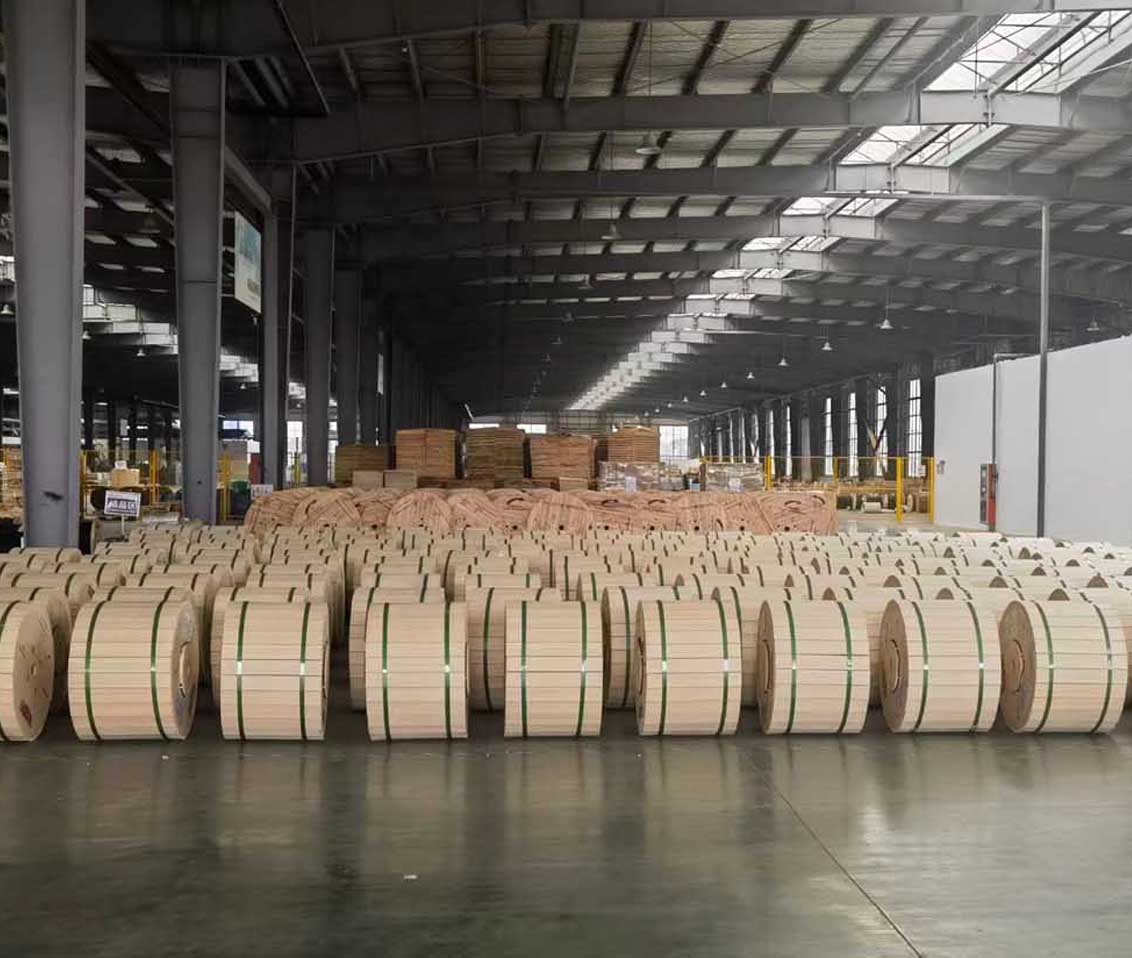
 Optical Fiber
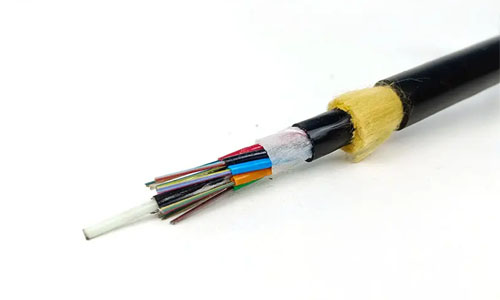 ADSS Fiber Optic Cable
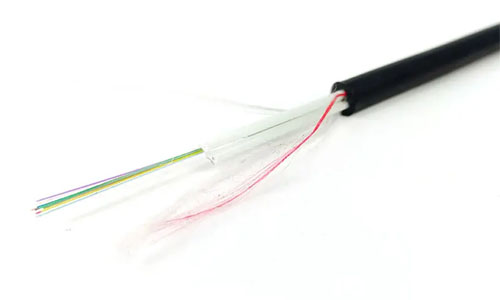 ASU Fiber Optic Cable
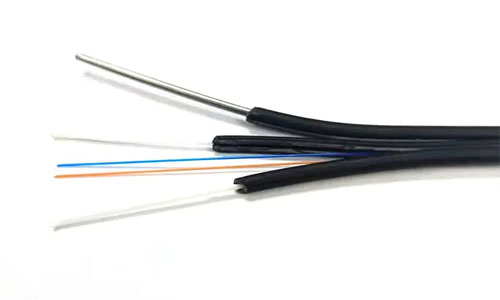 FTTH Fiber Optic Cable
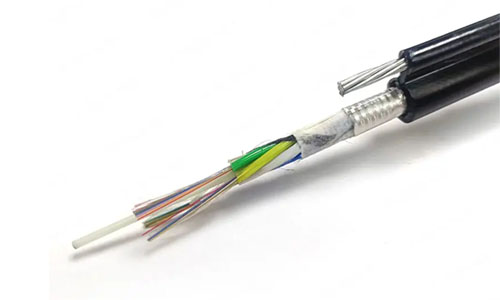 Figure 8 Fiber Optic Cable
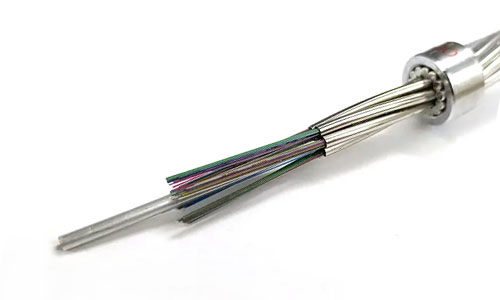 OPGW Fiber Optic Cable
 Coaxial Cable
 Ethernet Cable
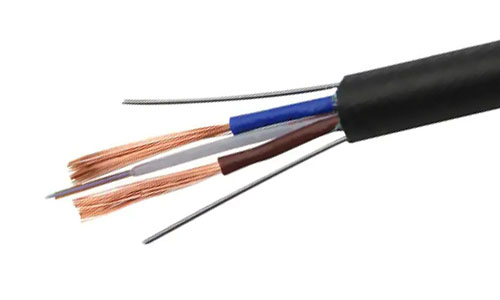 Photoelectric Composite Fiber Optic Cable
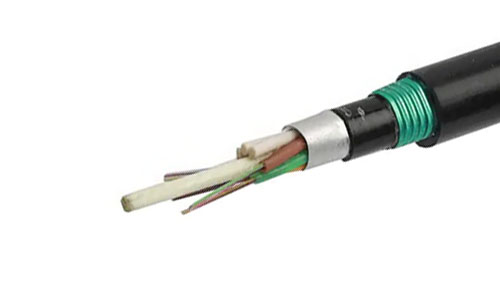 Underground & Pipeline Fiber Optic Cable
 Air-Blown Micro Fiber Optic Cable
 Indoor Fiber Optic Cable
 Fiber Optic Distribution Box
 Multiport Service Termina Box
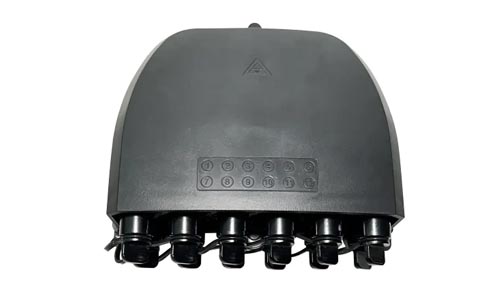 Fiber Optical Terminal Box
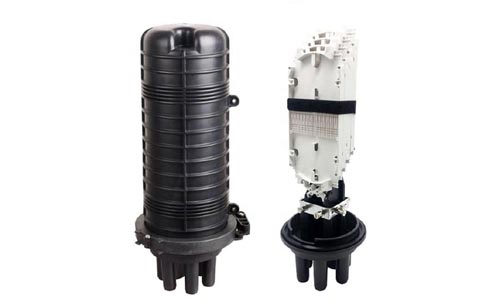 Fiber Optic Splice Closure
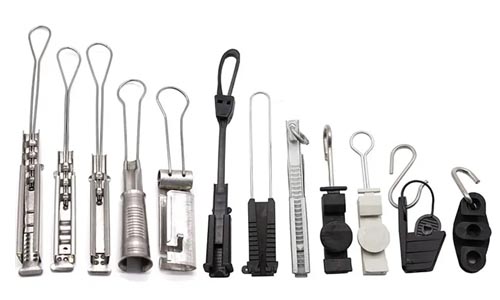 Fiber Optic Clamps
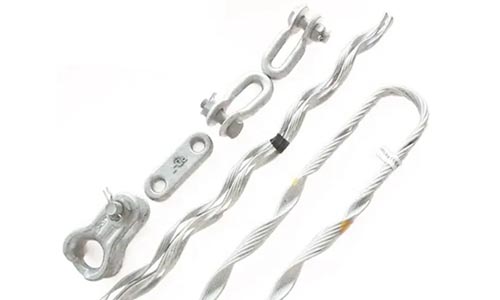 Fiber Optic Cable Fittings
 ADSS Fiber Cable
 ASU Fiber Cable
 OPGW Fiber Cable
 FTTH Fiber Cable
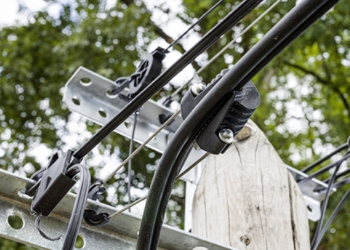 Figure 8 Fiber Cable
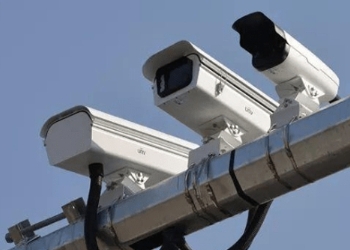 Photoelectric Composite Fiber Cable
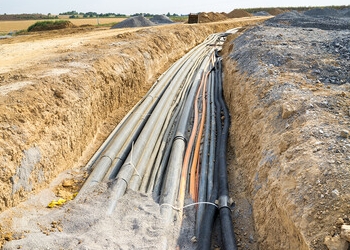 Underground & Pipeline Fiber Cable
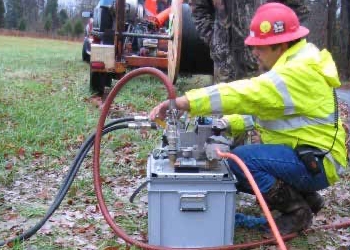 Air-Blown Micro Fiber Cable
 Aerial Fiber Cable
 Indoor Fiber Cable
 Fiber Optical Terminal Box
 Fiber Optic Distribution Box
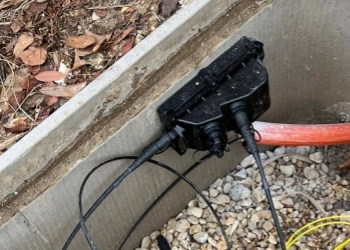 Multiport Service Termina Box
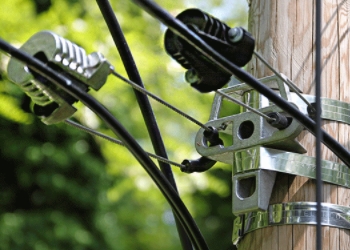 Fiber Optic Clamps
 About Us
 Our Team
 History
 R&D Strength
 Production Base
 Warehouse & Logistics
 Quality
 FAQs
FAQsFiber Termination Box: A Complete Guide
inquiry nowFiber Termination Box: A Complete Guide
I write a complete guide on Fiber Termination Boxes. A Fiber Termination Box, or FTB, is used in fiber optic networks to terminate cables and provide connections. But I'm not entirely sure about all the details. Let me think through this step by step.

First, I should define what a Fiber Termination Box is. Maybe start with a basic definition. Then, perhaps explain its purpose. Why is it important in fiber optic networks? It probably protects the fibers and allows for splicing and connecting them. But I need to get that right.
Next, the key components. Splice trays, adapters, connectors, ports, cable entry points, maybe a mounting bracket. Splice trays hold the splices, right? Adapters would be for connecting different types of connectors. Connectors like SC, LC, ST... I should list those. Ports are where the cables enter the box. Mounting brackets for installation.
Types of Fiber Termination Boxes. There might be different classifications. Maybe based on installation location: indoor vs outdoor. Outdoor ones need to be weatherproof. Capacity: number of fibers they can handle, like 12, 24, 48. Design: wall-mounted, rack-mounted, desktop. Maybe also different based on the connector types they support. Need to cover all these types.
Installation process. Steps involved in installing an Fiber Termination Boxes. First, planning where to place it. Then, preparing the cables, stripping them, splicing fibers into the splice trays. Organizing the fibers, securing the cables, testing the connections. Maybe mention tools needed, like strippers, splicers, testing equipment.
Applications. Where are Fiber Termination Boxes used? Telecom networks, data centers, enterprise networks, CATV, industrial settings. Each application might have different requirements. For example, data centers need high density, industrial areas need rugged boxes.
Benefits. Protection from environmental factors, organization, scalability, ease of maintenance. Maybe also mention cost-effectiveness by reducing cable damage risks.
Maintenance tips. Regular inspections, cleaning connectors, proper labeling, documentation, upgrading when necessary. These help in maintaining performance and troubleshooting.
Troubleshooting common issues. Signal loss could be from dirty connectors or bad splices. Physical damage to the box or cables. Connection issues might be due to mismatched connectors or improper installation. Environmental damage like water ingress in outdoor units.
Choosing the right Fiber Termination Boxes. Factors like capacity, environment, connector type, scalability, compliance with standards. Need to match the box to the network's needs.
Conclusion. Summarize the importance of Fiber Termination Boxes in managing fiber networks efficiently.

Wait, did I miss anything? Maybe the working principle? How exactly does the box function in the network? Also, maybe include some diagrams or images, but since this is text-only, perhaps describe the structure. Also, safety precautions during installation? Or standards compliance. Maybe mention IEC or Telcordia standards.
I need to check if all the components are covered. Splice trays, adapters, connectors, ports, mounting.
Types: indoor/outdoor, capacity, design.
Installation steps: plan, prepare cables, splice, organize, secure, test.
Applications: telecom, data centers, etc. Benefits: protection, organization, scalability.
Maintenance: inspect, clean, label. Troubleshooting: signal loss, damage, connection issues.
I think that's comprehensive. Maybe also mention fusion splicing vs mechanical splicing? Or is that too detailed? Perhaps under installation. Also, types of splicing trays – maybe they can be for fusion or mechanical splices. Also, different types of cable entry points, like glands for outdoor boxes.
Another thing, the difference between termination and distribution. Is a termination box the same as a distribution box? Maybe clarify that. Termination is for end points, distribution for splitting signals. But maybe in some contexts they are used similarly. Need to be careful here.
Also, fiber management aspects within the box, like bend radius protection, slack storage. These are important to prevent signal loss. So in the components section, mention that the box manages fiber bends and stores excess fiber.
In the installation process, ensuring proper bend radius is maintained. During maintenance, checking for any tight bends.
Testing phase: using OTDR or power meters to check for loss. Maybe mention that.
I think I have a good outline. Now, structure it into sections with headings. Make sure each part flows logically. Start with definition and purpose, then components, types, installation, applications, benefits, maintenance, troubleshooting, selection criteria, conclusion.
Avoid technical jargon where possible, but some is necessary. Explain acronyms like FTTx (Fiber to the x). Wait, in the applications, telecom uses FTTx, so maybe expand that.
Also, in types, maybe mention dome vs flat type for outdoor? Or is that too specific. Maybe stick to the main categories.
Check for any misconceptions. For example, Fiber Termination Box vs patch panel. A patch panel is a type of termination box? Or different. Maybe a patch panel is used in data centers for multiple connections, while an FTB is more for field termination. Clarify that if necessary, but perhaps it's beyond the scope.
Alright, I think I have a solid structure. Now, write each section clearly, ensuring accuracy. Make sure to explain terms, provide examples, and keep the language accessible. Avoid errors like confusing single-mode and multimode fibers unless relevant. Since the guide is about the box itself, maybe not necessary to delve into fiber types unless it affects the choice of FTB.
Double-check the installation steps for correctness. Plan the location considering environment and accessibility. Prepare cables by stripping, cleaning, splicing. Use splice trays, secure cables with ties, seal entries for outdoor. Test connections with appropriate tools.
Applications: in telecom for connecting customer premises, in data centers for interconnecting equipment, enterprise networks for internal wiring, CATV for distributing video signals, industrial for harsh environments.
Benefits: physical protection, organized setup, scalable by adding more fibers, easier maintenance with labeled ports.
Maintenance: inspect for damage, clean connectors with proper tools, label correctly, document changes, upgrade when expanding.
Troubleshooting: check connectors, splices, physical damage, environmental seals.
Choosing: match capacity, consider indoor/outdoor, required connector types, future expansion, compliance with standards like IEC 61754 or Telcordia GR-771.
Yes, that seems to cover everything. Now, put it all together in a coherent guide, using clear headings and concise explanations. Make sure each section is informative and answers potential questions a reader might have. Avoid redundancy, ensure smooth transitions between sections. Check for any technical inaccuracies and correct them. Alright, let me draft the full guide now.

Fiber Termination Box: A Complete Guide
1. What is a Fiber Termination Box (FTB)?
A Fiber Termination Box (FTB) is a crucial component in fiber optic networks designed to protect and manage fiber optic cable splices and terminations. It serves as an interface point where incoming fibers are spliced, connected, and distributed to outgoing fibers, ensuring organized and secure network transitions. FTBs are essential for maintaining signal integrity and facilitating easy maintenance.
2. Key Components
-
Splice Trays: Secure fusion or mechanical splices and protect them from damage.
-
Adapters/Connectors: Allow connection between different fiber types (e.g., SC, LC, ST).
-
Ports: Entry/exit points for cables, often sealed for environmental protection.
-
Cable Management: Features like bend radius guides and slack storage to prevent signal loss.
-
Mounting Brackets: Enable installation on walls, racks, or poles.
3. Types of Fiber Termination Boxes
-
By Installation:
-
Indoor: Compact, lightweight, and designed for controlled environments.
-
Outdoor: Weatherproof, UV-resistant, and rugged for harsh conditions.
-
-
By Capacity: Ranges from 12 to 48 fibers, depending on network needs.
-
By Design: Wall-mounted, rack-mounted, or desktop models.
4. Installation Process
-
Planning: Choose a location considering accessibility and environmental factors.
-
Cable Preparation: Strip, clean, and cleave fibers for splicing.
-
Splicing: Use fusion or mechanical splicing in trays.
-
Organization: Route fibers with proper bend radius and secure with ties.
-
Sealing: For outdoor FTBs, seal entry points to prevent moisture ingress.
-
Testing: Verify connections using OTDR or power meters.
5. Applications
-
Telecom Networks: FTTx (Fiber-to-the-Home/Node) deployments.
-
Data Centers: High-density interconnections between servers.
-
Enterprise Networks: Structured cabling for offices.
-
CATV: Signal distribution for cable television.
-
Industrial: Harsh environment connectivity (e.g., factories).
6. Benefits
-
Protection: Shields fibers from physical and environmental damage.
-
Organization: Simplifies troubleshooting with labeled ports.
-
Scalability: Easily expandable for future network growth.
-
Cost-Efficiency: Reduces downtime and repair costs.
7. Maintenance Tips
-
Regular Inspections: Check for damage or environmental wear.
-
Clean Connectors: Use lint-free wipes and isopropyl alcohol.
-
Labeling: Ensure clear identification of fibers and ports.
-
Documentation: Update records after modifications.
-
Upgrades: Replace outdated components to support higher speeds.
8. Troubleshooting Common Issues
-
Signal Loss: Dirty connectors, poor splices, or tight bends.
-
Physical Damage: Inspect cables and box integrity.
-
Connection Issues: Verify connector compatibility (e.g., APC vs. UPC).
-
Water Ingress: Re-seal outdoor FTBs if moisture is detected.
9. Choosing the Right FTB
-
Capacity: Match fiber count to current and future needs.
-
Environment: Select indoor/outdoor models based on location.
-
Connector Types: Ensure compatibility with existing infrastructure (e.g., LC, SC).
-
Standards Compliance: Look for IEC, Telcordia, or ISO certifications.
10. Conclusion
Fiber Termination Boxes are vital for efficient fiber network management, offering protection, scalability, and ease of maintenance. By selecting the appropriate FTB and adhering to best practices in installation and upkeep, network operators can ensure reliable, high-performance connectivity across diverse applications.
This guide provides a comprehensive overview of FTBs, empowering users to optimize their fiber optic infrastructure effectively.