 Optical Fiber
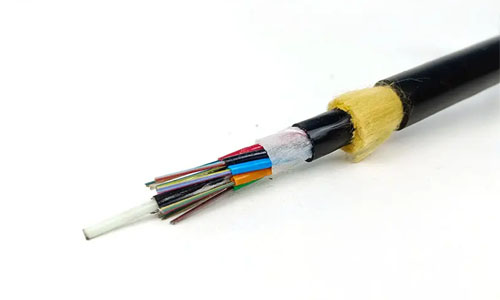 ADSS Fiber Optic Cable
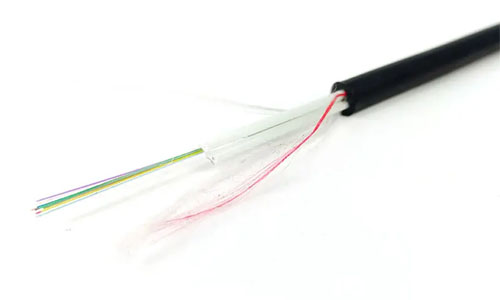 ASU Fiber Optic Cable
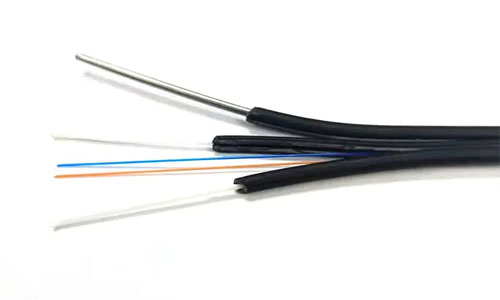 FTTH Fiber Optic Cable
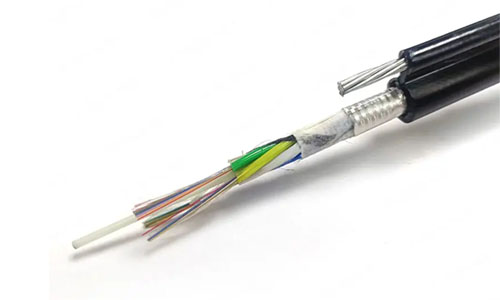 Figure 8 Fiber Optic Cable
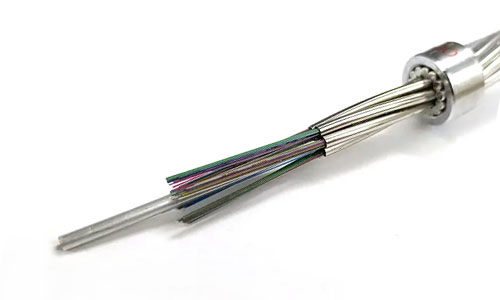 OPGW Fiber Optic Cable
 Coaxial Cable
 Ethernet Cable
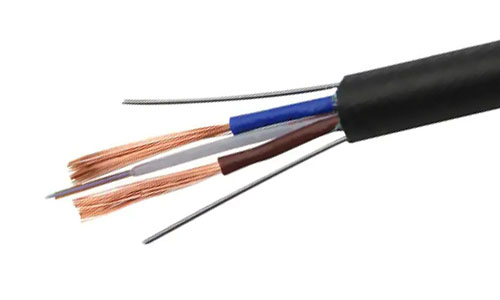 Photoelectric Composite Fiber Optic Cable
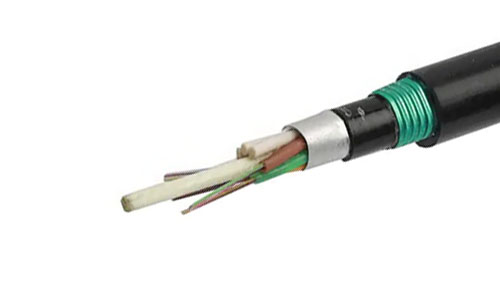 Underground & Pipeline Fiber Optic Cable
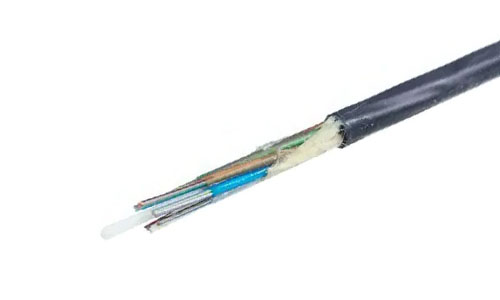 Air-Blown Micro Fiber Optic Cable
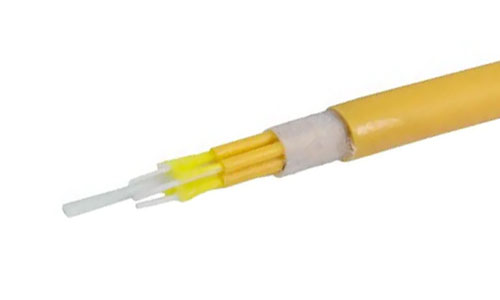 Indoor Fiber Optic Cable
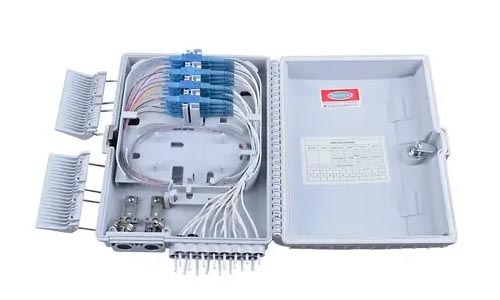 Fiber Optic Distribution Box
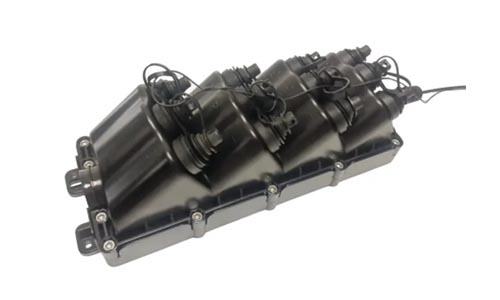 Multiport Service Termina Box
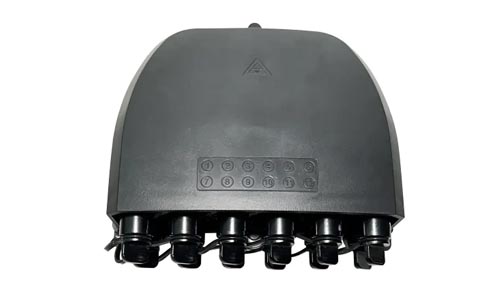 Fiber Optical Terminal Box
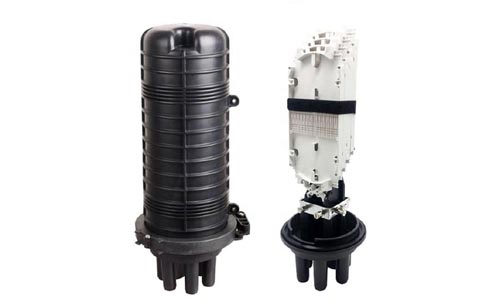 Fiber Optic Splice Closure
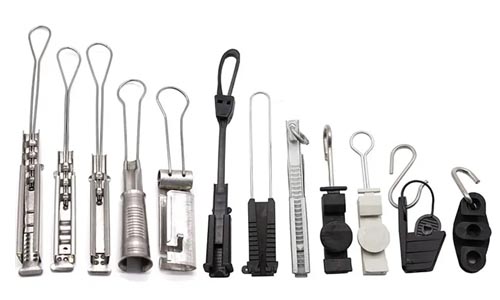 Fiber Optic Clamps
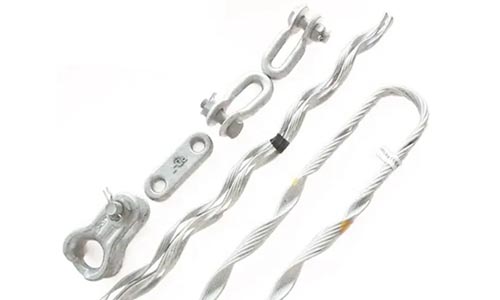 Fiber Optic Cable Fittings
 ADSS Fiber Cable
 ASU Fiber Cable
 OPGW Fiber Cable
 FTTH Fiber Cable
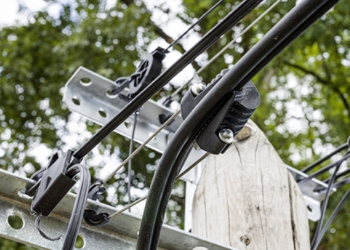 Figure 8 Fiber Cable
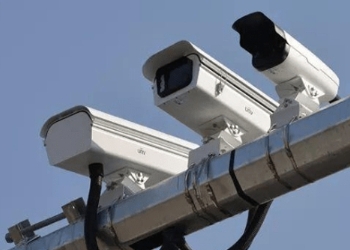 Photoelectric Composite Fiber Cable
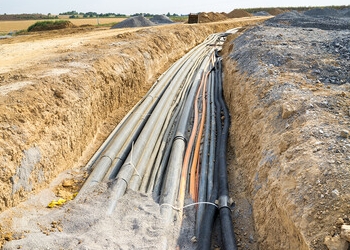 Underground & Pipeline Fiber Cable
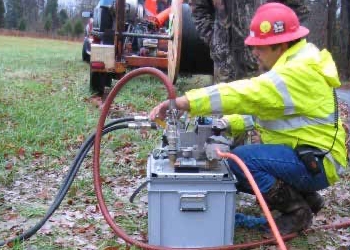 Air-Blown Micro Fiber Cable
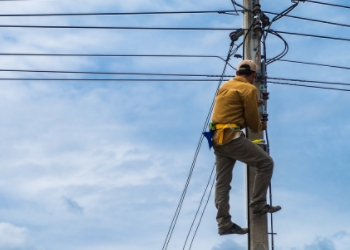 Aerial Fiber Cable
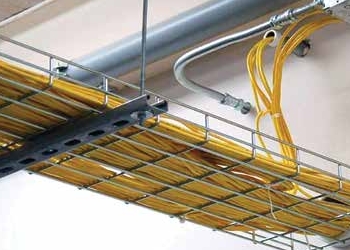 Indoor Fiber Cable
 Fiber Optical Terminal Box
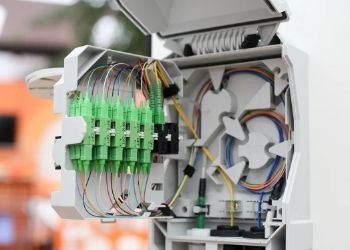 Fiber Optic Distribution Box
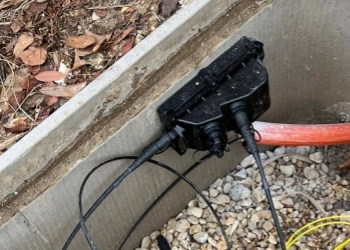 Multiport Service Termina Box
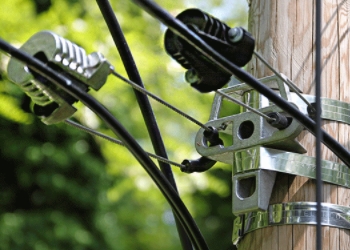 Fiber Optic Clamps
 About Us
 Our Team
 History
 R&D Strength
 Production Base
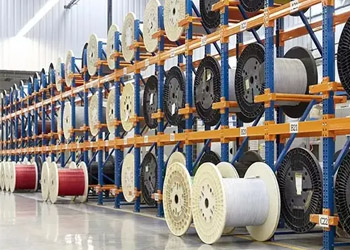 Warehouse & Logistics
 Quality
 FAQs
FAQsG657A1 Fiber Optic Cable, 9/125 SM, Bend-Insensitive
G657A1 is a bend-insensitive fiber, often utilized in tight spaces such as inside buildings or data centers. Its tiny bend radius allows cables to hug sharp corners with minimal signal degradation, making it effortless to deploy in contemporary networks. It is a single-mode 9-micron core fiber, so it can carry signals quite a distance, rapidly and distinctly. Many network installers turn to G657A1 for upgrades or new projects because it is compatible with the legacy G652D fibers. In the following sections, we will explore more detail about how G657A1 works, where it fits best and what makes it unique.
G657A1 fiber is everything you want in a bend-insensitive fiber. It can be installed in tight spaces and complex installations without any performance loss. G657A1’s unique advanced core and cladding structure guarantees low loss, high strength, and dependable transmission for today’s and tomorrow’s networks. This fiber adheres to rigorous international specifications, ensuring reliable and uniform performance for telecom operators globally. The real beauty of g657a1 lies in its backward compatibility, allowing for easy upgrades in existing networks with minimal overhauls and disruption.
G657A1 saves money in the long run with simplified installation, reduced maintenance expenses, and superior performance in congested or metropolitan areas. Practical uses of G657A1 span from in-building networks and data centers to home drop cables, a flexible option for diverse industries and network requirements.

What is G657A1 Fiber?
G657A1 fiber is a single-mode fiber designed with flexibility and dependable transmission in mind. It is built for contemporary network demands, particularly in environments where space is at a premium or tricky pathways are the standard. Widely deployed in urban FTTH and dense network upgrades, G657A1 combines robust technical capabilities with simple installation. Below are the key features and their benefits:
-
Bend insensitivity: G657A1 maintains low signal loss even when bent tightly.
-
Core composition: Special glass and tight manufacturing reduce signal loss.
-
Cladding diameter: Standard size helps with performance and compatibility.
-
Performance standard: Meets global specifications for reliable fiber optic networks.
-
Backward compatibility: Works with older G652D fiber for easy upgrades.
1. Bend Insensitivity
G657A1’s key differentiator is its performance with tight bends. Unlike conventional G652D fibers, which either break or lose significant amounts of signal if sharply bent, G657A1 maintains its performance even when the bend radius is reduced to 10 mm. This means you can run G657A1 through tiny conduits or bend it around sharp corners without stressing about significant signal loss. With macrobending loss moderate, better than G652D but less than that of G657A2, the fiber is a practical choice for complicated installs, such as high-rise flats or congested telecom cabinets.
2. Core Composition
At the core of G657A1 is high-purity silica glass, optimized for seamless light passage. The mode field diameter, typically 9.2 to 10.4 micrometers, ensures compatibility with standard connectors. Tight tolerances on the core size help reduce signal loss, while improvements in fiber drawing and coating increase durability. These characteristics make the fiber function well in harsh environments, such as congested metropolitan networks requiring both durability and flexibility.
3. Cladding Diameter
Cladding is like a guard, encasing the core and containing light. G657A1 utilizes a 125-micron cladding, consistent with the vast majority of single-mode fibers. This maintains the fiber’s bend insensitivity high and prevents the signal from leaking out. The cladding’s thickness is sufficient for signal safety but not overly thick so that it becomes difficult to work with. Even more than other types, this industry standard size means you can intermix cables without hassle.
4. Performance Standard
G657A1 adheres to rigorous international ITU-T specifications. These standards specify limits for low attenuation, which is the amount of signal lost per distance. G657A1’s moderate attenuation makes it robust for the majority of urban and campus networks, but it is suboptimal for certain very long-haul applications. Meeting these standards means installers and network operators can rely on it for consistent, reliable service. It enables telecoms to create networks that endure and require less patching.
5. Backward Compatibility
This backward compatibility lets you splice G657A1 to G652D fiber, saving both time and money when upgrading. This comes in useful when upgrading older networks in urban buildings or deploying new lines in more remote locations. For example, a telecom crew repairing a cut G652D line can repair it with G657A1, sustaining the network with no major disruption. This versatility allows network expansion to be seamless and budgets to be simpler to control.

G657A1 vs. G652D
G657A1 vs G652D – Two fibers that are standard single mode worldwide. They do have some similarities, such as low attenuation at typical wavelengths and comparable mode field diameters. They vary in terms of bending, cost profiles, and best-fit applications.
| Characteristic | G657A1 | G652D |
|---|---|---|
| Minimum Bend Radius | 10 mm | 30 mm |
| Attenuation (1310 nm) | ≤0.36 dB/km | ≤0.36 dB/km |
| Attenuation (1550 nm) | ≤0.22 dB/km | ≤0.22 dB/km |
| Mode Field Diameter | 9.2–10.4 µm | 9.2–10.4 µm |
| Bending Performance | High, bend tolerant | Limited, less bend tolerant | | Price | A little more expensive upfront | Less expensive upfront | | Common Applications | FTTH, high-density, tight buffer runs | Long-haul, conventional networks | | Compatibility | for G652D | for G657A1 |
Bending Performance
G657A1 is great for bending. It can achieve a minimum bend radius of 10 mm, while G652D requires a 30 mm radius. This makes G657A1 much more forgiving in tight spaces. Installers can snake cables around sharp corners, through tiny conduits or congested utility trays without concern that signal will suffer. In congested urban buildings, for instance, G657A1 is ideal for routing behind walls and under floors, powering fast FTTH deployments. G652D is still dependable in straight runs, but its poor bend tolerance renders it less appropriate for cramped sites. When constructing high-density optical panels or patch panels, the tighter bends allowed by G657A1 reduce space and make design easier.
Cost Implications
-
Lower installation costs because it is easier to route and breaks less.
-
Reduced need for cable management hardware in tight locations.
-
Less service calls as tight bends are no longer a headache.
-
Upfront cost is slightly higher, compensated for by lifetime performance.
G657A1 generally commands a higher initial price than G652D. The savings add up in hard installs or high-maintenance sectors. Market forces are narrowing the price differential as demand for bend-insensitive fiber expands.
Application Suitability
G657A1 shines in FTTH, smart buildings and urban networks where fiber must snake through tight or awkward spaces. It plays nicely in space-constrained micro data centers and small cell sites. Its flexibility empowers telcos to extend fiber closer to subscribers, even in older buildings with limited upgradability space. G652D remains a solid choice for long-haul and backbone networks where bends are few and far between. Enterprises such as real estate, healthcare and tech hubs tend to choose G657A1 to futureproof their networks and reduce very expensive rework.
G657A1 vs. G657A2
G657A1 and G657A2 are both bend-insensitive optical fibers, which you’ll see used in high-density networks and confined spaces. They have pretty much the same structure, the same 125 micron outer diameter, a 250 micron cladding layer, and are both designed to run at 1260 to 1625nm wavelengths. Both are ITU-T G.657 compliant and are commonly used in FTTH projects. The key distinctions emerge in their bend radius and their flexibility in practical installations.
-
G657A1 minimum bend radius: 10 mm
-
G657A2 minimum bend radius: 7.5 mm
-
G657A1 maximum bend radius: 25 mm
-
G657A2 maximum bend radius: 25 mm
Bend Radius
G657A1 supports a bend radius of 10 mm and G657A2 can be as tight as 7.5 mm. Both excel at bends. G657A2 is better for extreme layouts. This makes it an excellent selection for network layouts where cables need to orbit sharp bends.
G657A1 vs. G657A2: Location and bend radius matter. If you’re installing fiber in a typical office environment, G657A1 is going to be fine. If you have to snake cables behind walls or into small boxes, G657A2’s tighter bend radius comes in handy. Remember that forcing fiber beyond its rated bend radius can damage signal quality. The tighter the bend, the more loss risks, even though both types are rather bend resilient.
Attenuation
Both G657A1 and G657A2 feature a low rate of attenuation of 0.36 dB/km. In practice, this implies signals can propagate great distances with minimal degradation. Low attenuation is critical for clear, rapid data transfer, particularly across large buildings or urban networks. While both sizes provide identical attenuation, their bend performance can influence actual-world outcomes.
In short runs, attenuation isn’t a big concern. On longer runs or lots of tight bends, keeping attenuation low keeps connections strong and speeds reliable. That’s why these bend-resistant fibers are the kind of stuff curly network tails are made of.
Use Case
G657A1 shines in most typical FTTH, office or apartment installs. It’s favored where bends are not crazy tight but space is still cramped. Its 10 mm bend radius addresses most requirements without over-engineering the solution. In dense urban environments, where cables snake near walls or through congested ducts, its pliability translates to less fracture and more runtime.
Many telecom operators stuck with G657A1 for citywide upgrades. It’s compatible with floor boxes, wall outlets and small conduit, reducing expensive reworks and speeding installs. G657A2’s even tighter bend helps in extremely confined areas. For the majority of everyday tasks, G657A1 strikes the perfect balance between cost and performance.
Practical Applications
G657A1 fiber is revolutionizing contemporary networks, particularly in environments with cramped spaces and tight bends. Its enhanced bend performance renders it practical for new construction and renovations, urban networks, and gigabit connections. G657A1 excels in deployments that require tight-space cabling without sacrificing performance or reliability.
In-Building Networks
G657A1 fiber is an excellent choice for in-building networks, where cables meander through walls, ceilings, and jam-packed utility shafts. It withstands tight bends without losing much signal, which means you can run fiber pretty much anywhere inside a building. Multi-story buildings, in particular, benefit as G657A1 fibers nestle comfortably in vertical risers and miniature conduits, minimizing all the bulk and fuss of legacy cables.
A useful application is how hundreds of office towers have wired every floor for gigabit connections using G657A1. These fibers enable high speed data transmission even in vintage structures that weren’t built for fiber optics. In settings such as hectic hospitals or sprawling hotels, G657A1 has made upgrades easier to implement as the cable curves around corners without attenuation.
Drop Cables
Drop cables represent the last mile of fiber from the main line to residential or small business offices. G657A1 serves as a good pick here, particularly in communities with numerous tight bends and strange wall configurations. Its pliability allows installers to snake the cable through hard-to-reach areas, so it’s a go-to for FTTH (Fiber to the Home) work.
In homes, G657A1 drop cables translate into less drilling and less hideous junction boxes. The fiber can be tucked along walls or squeezed behind furniture with minimal chance of harm. Indoors or dashing out to a garden shed, G657A1 maintains that speed and reliability people desire.
Data Centers
G657A1 is a huge deal in data centers, where cables snake under floors and through tightly packed racks. The tight-bend ability of the fiber helps space management and de-cluttering. High-speed data transfers remain strong, even as cables coil and curve around servers. Some data centers have migrated to G657A1 to increase dependability and reduce upkeep since the fiber resists bends that would degrade others.
This curve efficiency is essential to maintaining information flowing quickly, helping cloud solutions, online video, and large enterprise applications. G657A1 plays nicely for short server-to-server links where rack space is at a premium and speed is non-negotiable.
Installation Best Practices
Installing G657A1 fibers requires an artful combination of gentle handling, accurate splicing and comprehensive testing. They help keep the network robust, like in tight-duct projects or back-compatibility projects with G652D fibers.
-
Always wear clean gloves when handling G657A1 fibers in order to keep oils and dirt off the glass.
-
Never bend or twist the fibers to a radius smaller than specified. As an installation best practice, G657A2 fibers, for instance, can support a tighter bend of 7.5 mm. G657A1 requires more attention.
-
When transporting fibers, do so in protective reels or cases and store them in a dry, temperature-stable environment to prevent the formation of micro-cracks or water ingress.
-
Stick to manufacturer guidelines at each stage from unboxing to installation because they are specifically designed around the fiber’s idiosyncratic traits.
-
Splice with the right tools and verify cleave quality prior to fiber fusion.
-
After installing, test extensively. This is not a step to shortcut since small mistakes at this stage can cause expensive remedial work down the line.
Handling
Installation best practices
Never sharp bends or tight pulls. G657A1 fibers, while flexible, don’t have the same bend resistance as G657A2, which is optimized for tight environments such as densely packed data centers. When transporting spools, always keep them standing up and never place weight on top. Safe storage is no moisture, even temperatures, and no prolonged exposure to direct sunlight. Every contact counts. Nice handling keeps the signal sharp and the fiber healthy.
Splicing
Installation best practices: Use a high-precision cleaver and a fusion splicer calibrated to G657A1’s jacket. Install it right: clean every surface before you splice to avoid dirt-induced splice loss. The optimal splices feature compact overhead fiber runs, minimizing the likelihood of additional bends. Always test for low splice loss—less than 0.1 dB. Remember that a well-cleaned, properly aligned splice leads to fewer call-backs and superior long-term service.
Testing
Testing is as important as installation. Once fibers are laid, test attenuation, reflectance and continuity with an OTDR or similar. Watch out for low water peak attenuation near 1383 nm. G657A1 lends itself well. Installation best practices establish loss and reflectance targets prior to completing the work. Go back and check periodically, particularly in climates with big temperature or humidity swings, to identify minor shifts before they blossom into major problems.
The Hidden Trade-offs
Selecting G657A1 fiber over other types, such as G652D, is seldom black and white. G657A1 is bend-insensitive, which is excellent for those punchy, tight spaces and hip, new buildings. This edge introduces its own trade-offs. The cost delta between G657A2 and G652D has increased significantly, aided by tech challenges and demand from numerous new applications. G652D, the tried-and-true, longtime default single-mode fiber, experienced a price spike of nearly 650%. This increase implies the savings some anticipated from remaining on older fiber varieties are now more ambiguous. To complicate matters, the international fiber price index is up to 107.2, with China prices surpassing those in India and Europe. Chinese vendors have increased rates by 2.5 to 4 times since early 2026 for Russian consumers. These spikes have many reconsidering their cable selection based not simply on performance, but on what they can stomach.
Cost versus performance is always a dance. Fiber installation is expensive, typically beyond the means of rural areas. About 80% of rural homes still don’t have fiber, highlighting the hidden trade-offs in attempting to deliver faster internet to all. The 2021 Infrastructure Bill injected $65 billion into broadband, but money can’t do it all. How money gets allocated and where lines are drawn can leave certain communities waiting a lifetime. We lost those protections when net neutrality rules were rolled back in 2017, which now opens the door to potentially less transparent service levels. These hidden trade-offs can alter what users receive, even if the lines are drawn.
Project needs influence fiber selections in major ways. A city office tower with tight bends may require G657A1, but a long-haul route can get away with G652D for cost savings. Each choice is about trade-offs: pay more for better bends or stay with tried-and-true and risk paying for more space. In rapid markets, being aware of these specifics enables purchasers to make intelligent, well-informed trade-offs.
Conclusion
A small bend is a prominent feature of G657A1 fiber. It fits tight spaces and takes sharp turns like a boss. Lots of builders choose it for houses, workplaces, and municipal tasks. Unlike G652D, G657A1 allows more margin for curvature without significant loss. It trumps G657A2 for normal builds, as it maintains a robust signal. Installers love how quickly it installs and how very low risk it presents. Every decision is a compromise, but G657A1 makes life uncomplicated and secure for most requirements. Genuine work proves it can take it. For tech-savvy exponential growth, see if G657A1 suits your construct. Get the right tools and maintain your network to stay on top.
Frequently Asked Questions
What is G657A1 fiber optic cable?
G657A1 is a bending optimized single-mode fiber. It supports a tight bend radius with minimal loss, making it perfect for tight building or data center installations.
How does G657A1 differ from G652D fiber?
G657A1 is more bend resistant than G652D. G652D is the default for long-haul links. G657A1 is favored in tight bend, flexible routing environments.
Can G657A1 and G657A2 fibers be used interchangeably?
No, G657A1 and G657A2 have different bend radii. G657A2 can make even tighter bends, but G657A1 is more splicing and network friendly with G652D.
What are the main uses of G657A1 fiber?
G657A1 is typically utilized for inside plant deployments like FTTH, enterprise, and data center environments. It allows for flexible routing in constrained spaces.
What are best practices for installing G657A1 fiber?
Don’t make sharp bends that exceed the minimum bend radius. Employ good cable management and do not pull aggressively to preserve fiber integrity and performance.
Are there any trade-offs when choosing G657A1?
Yes, G657A1 is fantastic when it comes to bend performance. It can be a tad pricier than standard fibers. Compatibility with some older systems may need to be thoughtfully considered.
Is G657A1 compatible with standard single-mode connectors?
G657A1 is compatible with standard single-mode connectors, so no special adapters are required to splice into existing networks.