 Optical Fiber
 ADSS Fiber Optic Cable
 ASU Fiber Optic Cable
 FTTH Fiber Optic Cable
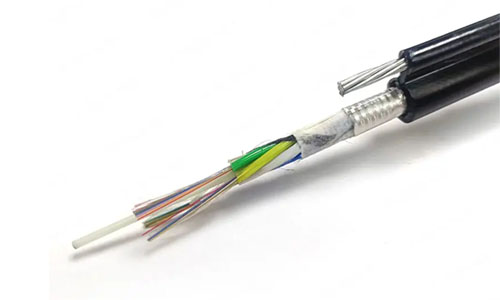 Figure 8 Fiber Optic Cable
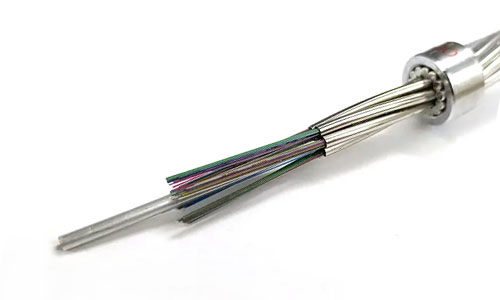 OPGW Fiber Optic Cable
 Coaxial Cable
 Ethernet Cable
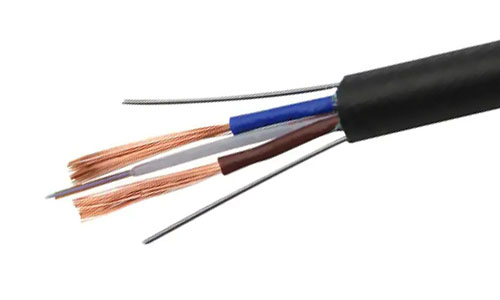 Photoelectric Composite Fiber Optic Cable
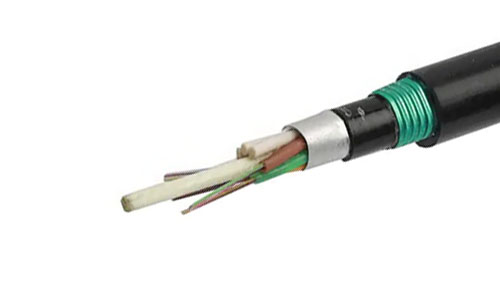 Underground & Pipeline Fiber Optic Cable
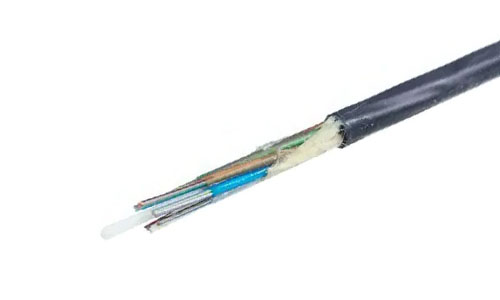 Air-Blown Micro Fiber Optic Cable
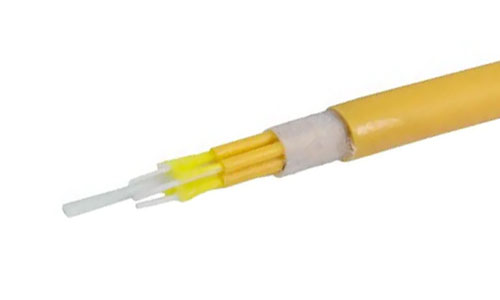 Indoor Fiber Optic Cable
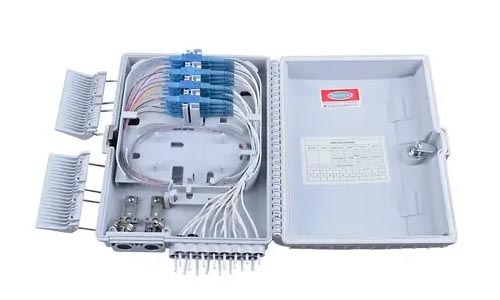 Fiber Optic Distribution Box
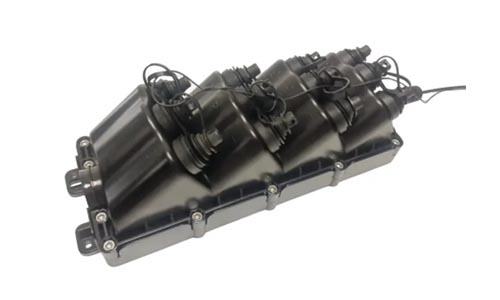 Multiport Service Termina Box
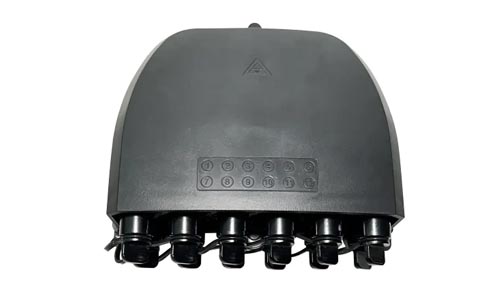 Fiber Optical Terminal Box
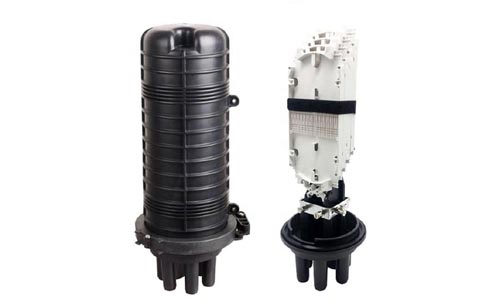 Fiber Optic Splice Closure
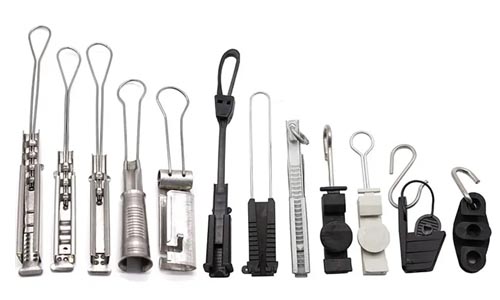 Fiber Optic Clamps
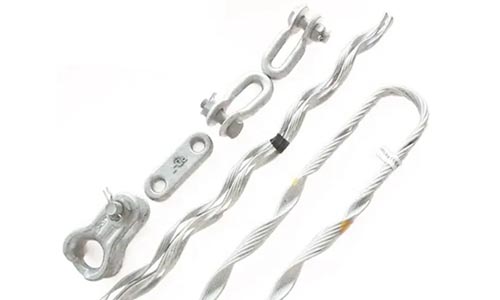 Fiber Optic Cable Fittings
 ADSS Fiber Cable
 ASU Fiber Cable
 OPGW Fiber Cable
 FTTH Fiber Cable
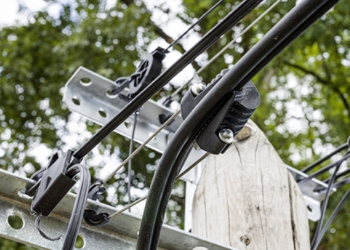 Figure 8 Fiber Cable
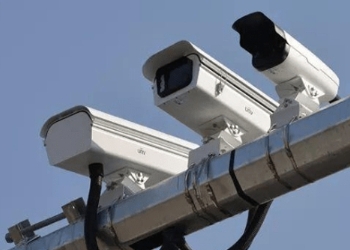 Photoelectric Composite Fiber Cable
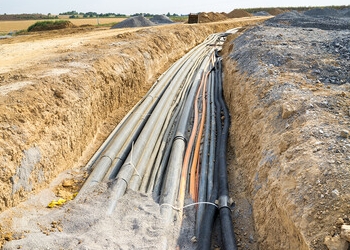 Underground & Pipeline Fiber Cable
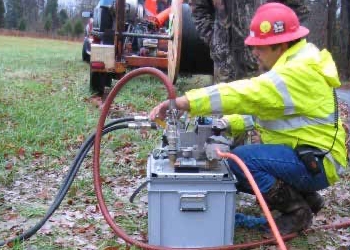 Air-Blown Micro Fiber Cable
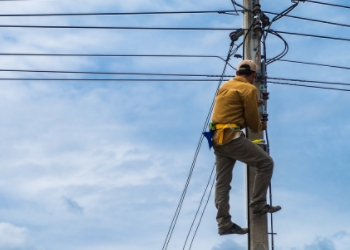 Aerial Fiber Cable
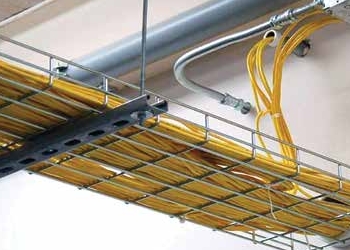 Indoor Fiber Cable
 Fiber Optical Terminal Box
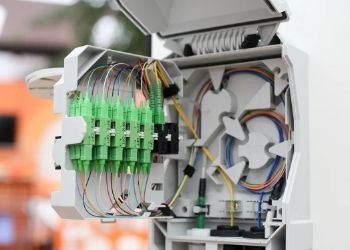 Fiber Optic Distribution Box
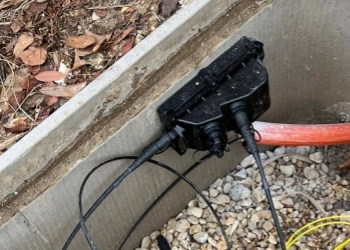 Multiport Service Termina Box
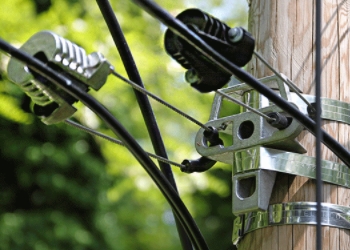 Fiber Optic Clamps
 About Us
 Our Team
 History
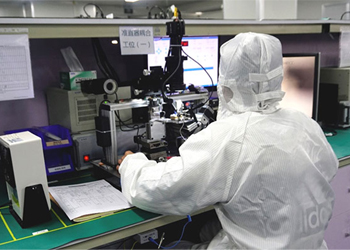 R&D Strength
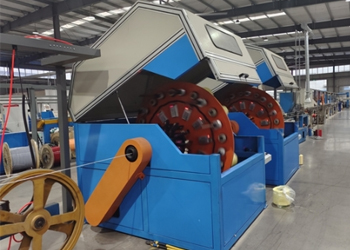 Production Base
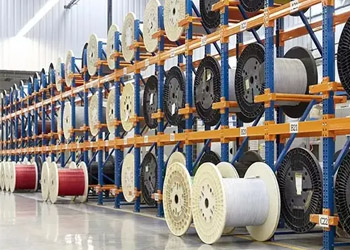 Warehouse & Logistics
 Quality
 FAQs
FAQsG657A2 Fibre Optic Cable, 2.0mm, Bend Insensitive, LSZH
G657A2 fibre optic cable provides exceptional flexibility and bend insensitivity, allowing you to install in tight or complex spaces with no loss of signal integrity. Its cutting-edge core design and materials facilitate optimal light transmission, enhance network stability and high-speed data transmission. G657A2 has very good transmission performance over long distances, minimizing signal attenuation and enabling high-speed, reliable internet connectivity for residential and commercial users alike. Backwards compatibility with older fibre types like G652D enables smooth upgrades to existing networks without significant infrastructure modifications.
G657A2’s long-term worth extends beyond direct costs to reduced maintenance, less replacement, and a future-proof network that powers innovations like 5G. By following best practices when installing, including careful handling, proper training, and manufacturer adherence, you can maximize the performance and longevity of your G657A2 fibre networks.
G657A2 fibre optic cable is a bend-insensitive single mode fibre that can resist tight bends and curves without significant signal loss. It’s ideal for residences, offices and data centers where space is at a premium and cables need to snake around corners. The cable maintains high transmission speed and stable connection while complying with most international specifications for fast data transmission. Contractors and installers choose G657A2 for new projects and renovations as it snakes through narrow conduits and trays. Many people are hooking it up to super-fast internet and smart networks. Its rugged construction comes to the rescue in high-traffic areas such as urban campuses or densely populated patch racks. Below, you’ll explore how this cable functions, optimal usage strategies, and advice for maximizing network performance.

What is G657A2 Fibre?
G657A2 fibre, known as bend-insensitive fibre, is a single-mode optical fibre designed for high performance in tight spaces. What makes this fibre special is its unique blend of flexibility, bend insensitivity, and excellent signal transmission that is perfect for today’s network deployments such as FTTH (Fibre-to-the-Home) and high-density data center applications. Its 7.5mm minimum bending radius enables installation in congested spaces while maintaining signal integrity.
1. Bend Insensitivity
G657A2 fibre is designed to minimize loss when bent, which can be an issue in standard fibres. This bend-insensitive design means it can be looped or routed through sharp corners and still transmit data with minimal attenuation. Unlike traditional types such as G652, G657A2 accommodates significantly sharper bends with a lower likelihood of fiber fracture or signal loss. This is most important in urban areas or buildings with limited cabling room, where tight bends are inevitable. This means fewer service disruptions and more durable connections, enabling consistent network performance even as cables snake into congested walls or floors.
2. Core Structure
G657A2 fibre has a mode field diameter of 9.2 to 10.4 micrometres in the core, compatible with most standard connectors. It has a structure designed to direct light with precision so information travels with minimal degradation. The core utilizes pure glass that is impervious to water ions, notably at 1383 nm, which means it can deploy a broad spectrum of the optical spectrum. The geometry and materials combined help maintain the fibre robust and effective, with low attenuation so signals remain potent over long distances.
3. Signal Integrity
Signal integrity with G657A2 means the data maintains its quality in transit. That’s essential for things like high-speed internet, where even a tiny drop can cause problems. The fibre maintains low losses, including at splice points, and exhibits very little polarization mode dispersion (PMD). This keeps the signal clean and robust, even through large buildings or city blocks. For users, this translates into faster downloads, smooth video calls, and less lag.
4. Backward Compatibility
G657A2 fibre is compatible with legacy fibre types, such as G652D, so it integrates seamlessly into existing networks. Upgrades don’t necessitate tearing out old cables or massive hardware shifts. It’s easy to overlay G657A2 on top of what’s already there, reducing expense and ensuring seamless migrations. For network owners, that means flexibility and cost savings, all while enjoying the advantages of cutting-edge fibre tech.

G657A2 vs. Other Fibres
G657A2 fibre optic cable is notable for its bend-insensitive design, perfect for tight installations where conventional fibres falter. Its novel properties address contemporary network requirements, particularly in cramped spaces.
| Fibre Type | Minimum Bend Radius | Attenuation @1310 nm | Attenuation @1550 nm | Mode Field Diameter (1550 nm) | Main Use |
|---|---|---|---|---|---|
| G657A2 | 7.5 mm | ≤0.36 dB/km | ≤0.22 dB/km | ||
| 9.8 μm | FTTH, LAN, Data Centers |
| G657A1 | 10 mm | ≤0.35 dB/km | ≤0.21 dB/km | 9.2 μm | FTTH, Moderate Bend |
| G652D | 30 mm | Less than or equal to 0.35 dB/km | Less than or equal to 0.21 dB/km | 9.2 μm | Long-haul, Backbone, Metro |
G657A2’s primary advantage over G652D is that it can bend tighter, measuring 7.5 mm compared to 30 mm, enabling easier routing in congested environments. G657A2’s attenuation is slightly greater, but it remains well below international standards. For network engineers, this translates to less concern about signal loss in tight spaces such as splice pits and racks.
G657A2 dominates contemporary telecom because it’s engineered for where cables have to bend and nestle into small trays. With its low macrobending loss, G657A2 allows installers to work with peace of mind that performance will remain robust after tight turns. In FTTH and LAN configurations, where cables contort around furniture and through minuscule conduits, G657A2 makes upgrades and repairs a lot less painful.
G657A1
G657A1 fibre is bend resistant, but can’t compete with G657A2’s super-tight 7.5 mm bend radius. A1’s minimum is 10 mm, so it doesn’t nestle quite as tightly in tight nooks.
With its slightly larger bend radius, G657A1 isn’t as flexible in dense builds. This can restrict options in either data centers or legacy buildings with skinny runs.
That said, G657A1 is a great match for less rigorous installs, like typical FTTH runs where bend radii are minimal. It’s a sure fire hit for hybrid networks that combine legacy with new fibres.
G657A1 is still applicable for a large number of projects. As fibre advances, most installers now prefer G657A2 for its additional versatility and compatibility.
G652D
G652D is the classic workhorse, trusted, proven, and deployed everywhere for long-haul and backbone networks. With a minimum bend radius of 30 mm, it isn’t designed for sharp turns or tight ducts.
G652D is inferior to G657A2 in terms of bend performance. G657A2’s 7.5 mm radius means it is much easier to install in new, dense networks. G652D can drop signal if bent too much, resulting in issues in difficult constructions.
Price and broad accessibility make G652D the choice for large runs where bends aren’t common. For linear routes or easy metro lines, it’s still a great, inexpensive option.
G652D meets global standards and accommodates the majority of existing transmission requirements. As deployments become more sophisticated, its function is transitioning to targeted, less-intensive tasks.
Real-World Applications
G657A2 fiber optic cable now underpins today’s networks, supporting industries that demand reliable, ultra-fast data. Its signature feature is the capacity to bend severely down to a 5mm radius without signal loss, rendering it an ideal solution where flexibility and reliability are paramount. Key sectors leveraging G657A2 span telecom, data centers, smart homes, and even new arenas like drone comms and emergency services.
FTTH Networks
-
G657A2 fiber slashes install cost inside homes by allowing technicians to route cable around tight bends, door frames and corners without the need for specialized equipment. Install crews can run lines through older or complex buildings with less drilling and fewer wall cuts, which means less time and less disruption for residents!
-
With cheaper, faster installs for homeowners and low maintenance and upgrade costs for service providers, the cable is low loss at 0.35 dB/km at 1310 nm and 0.20 dB/km at 1550 nm. Long runs are possible, even in dense urban areas.
-
Broadband remains robust. Neighbors experience consistent 4K streaming, gaming, or work-from-home speeds even in packed buildings. G657A2 is appearing in smart homes to connect IoT devices, security cameras, and 8K TVs with slim, flexible cables.
-
Most governments leverage G657A2 for rural broadband initiatives, bridging remote communities and fueling digital inclusion efforts.
Data Centres
| Feature | Benefit in Data Centres |
|---|---|
| Tight bend radius | Space-saving cable runs |
| Low signal loss | High-speed, low-latency backbones |
| High reliability | Fewer outages, easier maintenance |
Its high bend resistance allows data centers to run cables in crowded trays and racks, rescuing space and preventing signal loss. G657A2 links campus-style centers with 400Gbps links, ensuring latency remains low for cloud services and virtualization. Fiber enables that kind of energy efficiency by eliminating the need for signal boosters and minimizing heat generation. As cloud grows, G657A2 will play a bigger role in backbone upgrades.
In-Building Wiring
Commercial buildings use G657A2 for wiring because it can fit tight spaces, bending around corners or into wall plates, without loss. Employees can run it through ceilings or walls, even in vintage offices or skyscrapers.
The cable’s flexibility assists builders in accommodating today’s communication demands, such as fast wi-fi, phone calls, and security systems. Short runs in apartments or offices experience less loss than older fiber types. In smart buildings, G657A2 simplifies the process of adding or relocating devices as requirements shift.
Installation and Handling
G657A2 fibre optic cables are designed for tight bends and high-density spaces. Their minimum bend radius is just 7.5 mm, so they slip in small ducts and gnarly corners without sacrificing much signal. These cables can be blown through a 20 mm duct, so they’re good for congested data centers or retrofits of ancient buildings. Rough handling counts though—they may be rugged, but careless maneuvers or the wrong instruments can still cause issues.
Best Practices
-
Map the course, not around sharp turns or crush points.
-
Maintain your bend radius to at least 7.5 mm, even in tight spaces.
-
They don’t use fiber cutting and stripping tools that provide a clean end.
-
Always use G657A2 rated connectors and splicing sleeves.
-
Label cables clearly to prevent confusion later.
-
Wear gloves and maintain a dust-free work environment.
-
Test each link with an OTDR before closing up.
Installing G657A2 cables is somewhat akin to threading a needle in a room full of rambunctious toddlers. A little foresight is helpful. Attempt to map out the run, accounting for every bend or duct and verifying that the minimum radius can be achieved. These fibers can tolerate tighter bends than G652D or even G657A1, but overdoing it can still degrade performance.
Proper splicing is essential. G657A2 can splice to G652D, but the tighter core (9.2 to 10.4 µm) means loss might be a little higher. Take new cleaver blades and get the alignment just right. Training aids are important. People who know how to handle tight-buffered fiber, prep connectors, and use fusion splicers make fewer errors.
Common Pitfalls
-
Bending too sharply
-
Using wrong connectors
-
Failing to clean fibers
-
Skipping documentation
-
Rushing splices
-
Not testing before sealing
Excessive cable bending introduces high loss by weakening the fiber. G657A2 resists this better than most, with only 0.1 dB loss at a 15 mm bend, but it’s not unbreakable. Improper installation during pulls or wrong duct size of less than 20 mm can kink the fiber, leaving it susceptible to breakage over time.
Periodic inspections with a visual fault locator or OTDR can help identify problems before they become serious. Dust, moisture, or poor splices will give you grief down the road, so monitor your environment and maintenance checks.
Things like moisture, heat, or adjacent electrical wires can be a bother. G657A2 is rugged, and avoiding traffic or wet areas will ensure your cables have the longest life possible.
The Hidden Costs
Thinking fibre optic investments involves seeing beyond the price tag. G657A2 cables appear expensive initially, but the true narrative lives in the details. Expenses emerge months or even years down the line. Global market movements, limited supply and skyrocketing demand make every choice more complicated. Anybody looking for tomorrow’s networks must consider more than just what they pay today and what it saves or costs over many years of usage.
Initial Investment
The upfront price of G657A2 fibre is influenced by far more than just the cable. Material prices swing wildly these days, with preform accounting for 70% of the total fibre cost. A surge in preform prices, fueled by global conflict and excess demand, means budgets are strained. For instance, prices for some fibres have soared close to 487% since January 2026. That’s not just a budget line; that’s a nightmare for planners looking to steer clear of nasty surprises.
Labor and equipment costs accumulate quickly. Specialized skills are required to install G657A2 fibre, particularly in confined or intricate areas. You might have equipment upgrades to keep up with new standards. Most buyers now tack on a 20 to 30 percent buffer just to keep up with daily price hikes. I was reminded of how wild this ride has become.
Planning for growth is yet another component of the initial expenditure. Networks expand and G657A2 is designed for bends and upgrades to come. This may translate to higher initial costs, but it can translate to less headaches and costs when it’s time to scale. The long term savings in management and upgrades can make the big initial outlay worth it.
Long-Term Value
G657A2 fibre is notable to us because it keeps networks running more smoothly. It bends tighter, resists damage more, and replaces less often than cheap ones. In other words, there is less downtime and fewer calls to maintenance crews. Over time, that can translate into huge savings, particularly for big networks where every repair counts.
Operating efficiency increases as well. With fewer failures, teams are free to think of bigger projects, not just plugging holes. For homeowners, advanced fibre installations can even increase property values, making the investment worth it in unexpected ways.
Cheaper fibres appear to save money up front. Hidden costs like increased repairs, additional labour, or premature replacement tend to erase those savings. Network owners who consider the lifetime cost, not just the starting price, experience superior returns and fewer surprises.
Future of G657A2
G657A2 fibre optic cable lies at the center of new digital infrastructure. Its design—bend-insensitive, high density, easy to deploy—matches what today’s networks require as they evolve and expand. As the world transitions to smarter, faster, and more connected systems, this fiber’s demand is growing rapidly. Market analysts see a big jump: by 2027, AI-driven needs for specialized fibers like G657A2 could make up 35% of the total market, a huge leap from less than 5% in 2024. It’s not really about telecom upgrades. It’s a more profound shift, grounded in AI and ultra-dense data centers, that turns G657A2 from a trend to a transformation.
Network Evolution
From around the world, G657A2 is defining the future of network infrastructure. Its bend-insensitive design means it can work in tight corners, packed data centers or dense urban environments, where legacy fiber has a hard time. The cable supports faster data speeds, which translates to smoother streaming, quicker downloads and dependable connections for all kinds of devices. As networks transition to next-gen standards, like 5G or edge computing, G657A2 connects the past to the future. It allows businesses to evolve without having to overhaul whole networks. This anchors it as a fulcrum for digital transformation globally. In rapid-expanding urban hubs or countryside foliage stretching toward enhanced web, G657A2’s pliability and velocity position it ahead of the fiber tsunami.
Technological Trends
Hot tech trends, particularly the AI and big data explosion, thrust G657A2 into prominence. Research groups are striving to combine G657A2 with intelligent network technologies, rendering data transmission even more fluid. The cable’s higher bandwidth capacity fits the connected device and streaming boom. Companies are pushing the boundaries of what G657A2 is capable of, from powering cloud services to turning smart cities into a reality. The supply-demand gap is widening, with top manufacturers already at full tilt and prices climbing faster than in seven years. It takes time to build new manufacturing lines, up to two years and heavy investment, so the shortfall will likely persist. As networks get more complicated, G657A2’s blend of versatility and durability means it will remain relevant for years to come.
Conclusion
G657A2 fibre optic cable fits well in lots of gigs where tight spots and quick curves arise. They deploy it in urban thoroughfares, office towers and even connected domiciles. No mere bend snaps it or even reduces its speed, so installers appreciate how easily it slips into place. Business operates more fluidly, with less downtime and less loss. Initial cost might seem steep, but you incur less maintenance and repairs down the road. Excavators, geeks and architects keep choosing G657A2 for today and tomorrow. Tales of urban and rural locales alike demonstrate its value. Looking for a cable that can keep up with fresh plans and technology? Give G657A2 a go in your next project and feel the difference.
Frequently Asked Questions
What is G657A2 fibre optic cable?
G657A2 is a bend-insensitive single-mode fiber optic cable. It is built for high speeds and can manage tight twists, hence it is perfect for contemporary network setups.
How does G657A2 compare to G652D fibre?
G657A2 provides improved bend resistance when compared to G652D. This facilitates installation in sub-ducts and other tight spaces, minimizing the potential for signal loss or cable damage.
Where is G657A2 commonly used?
G657A2 is utilized in FTTH, office buildings, data centers and densely wired urban networks. Its flexibility makes it a good fit for difficult installation conditions.
Is G657A2 more expensive than other fiber types?
G657A2 might have a higher primo price than conventional fibers. It reduces installation and maintenance costs because it is rugged and easy to handle.
Can G657A2 be used with existing fiber networks?
G657A2 yes, it does work with most existing single-mode fiber networks. It can be spliced or connected to other standard fibers without significant problems.
What are the main benefits of using G657A2?
G657A2 enables tighter bends, easier installation and less signal loss. It provides dependable, compact, high-speed internet and communications.
What is the future outlook for G657A2 fibre?
About: g657a2 fibre optic cable and its bend-insensitive properties make it perfect for today’s network evolution.