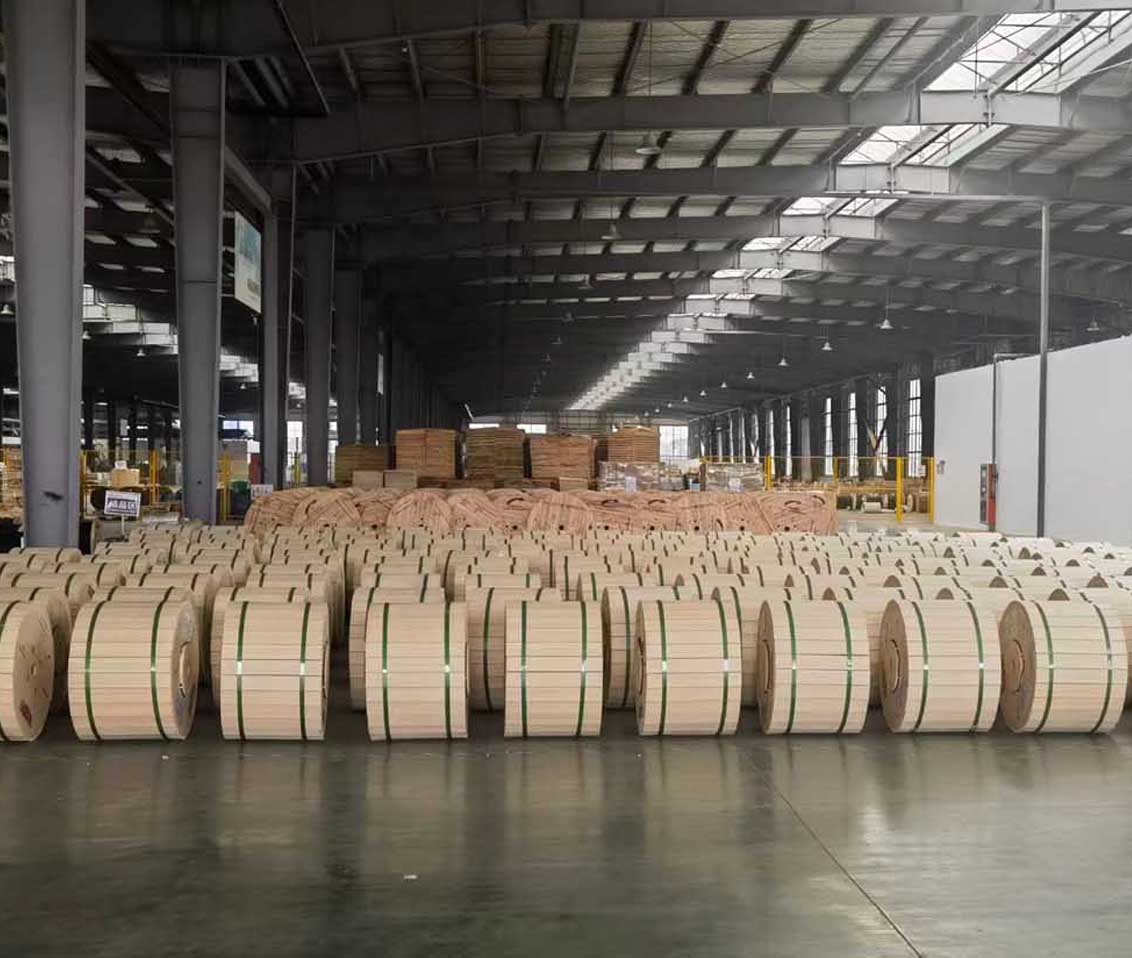
 Optical Fiber
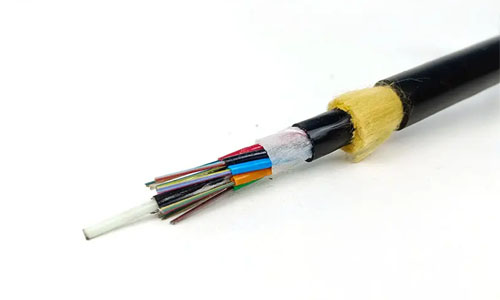 ADSS Fiber Optic Cable
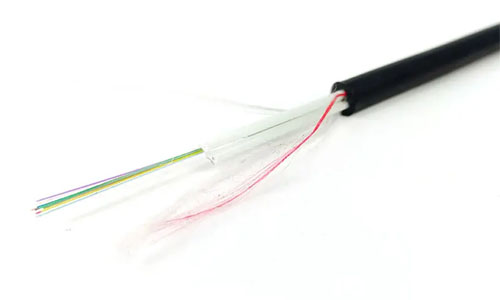 ASU Fiber Optic Cable
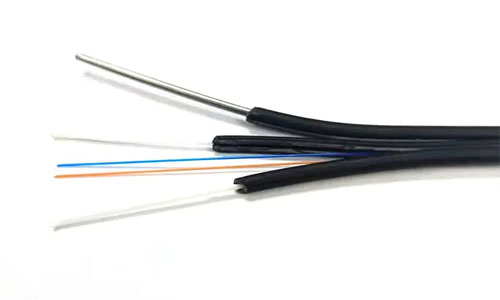 FTTH Fiber Optic Cable
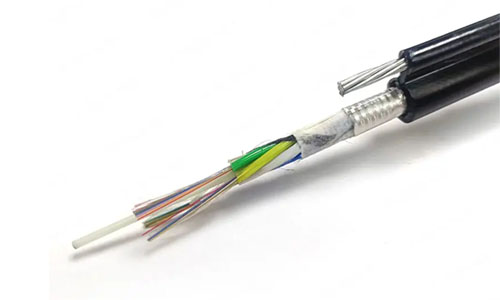 Figure 8 Fiber Optic Cable
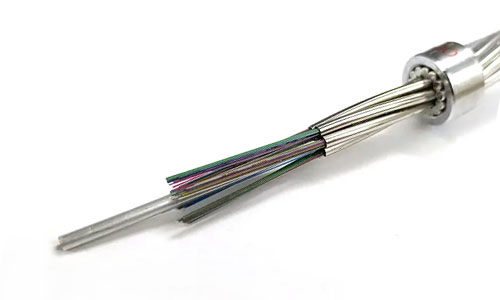 OPGW Fiber Optic Cable
 Coaxial Cable
 Ethernet Cable
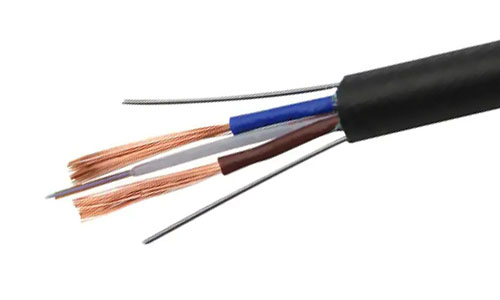 Photoelectric Composite Fiber Optic Cable
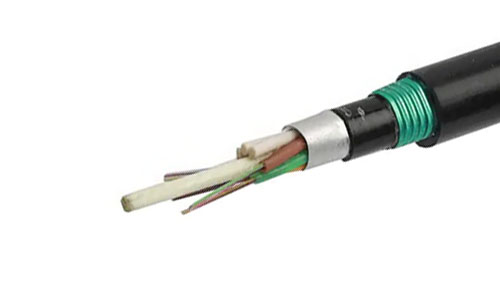 Underground & Pipeline Fiber Optic Cable
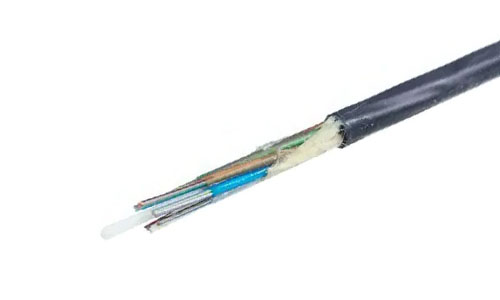 Air-Blown Micro Fiber Optic Cable
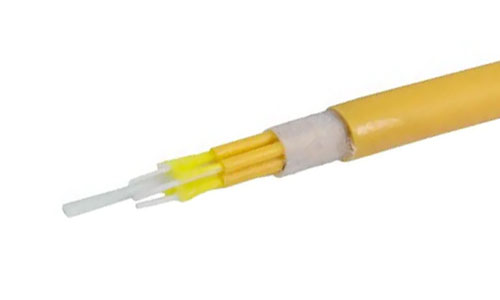 Indoor Fiber Optic Cable
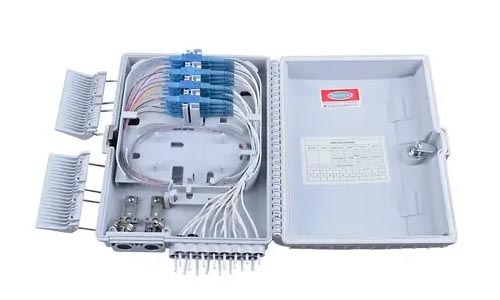 Fiber Optic Distribution Box
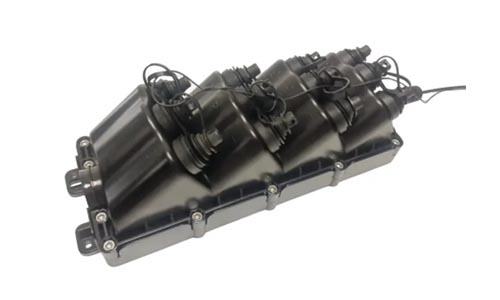 Multiport Service Termina Box
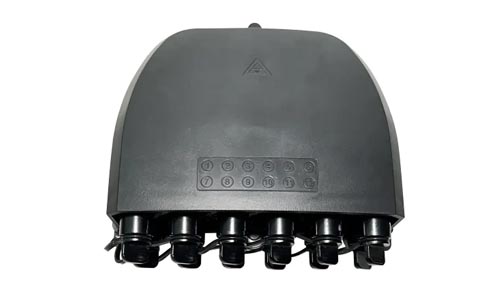 Fiber Optical Terminal Box
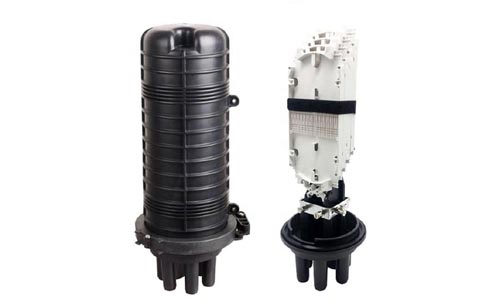 Fiber Optic Splice Closure
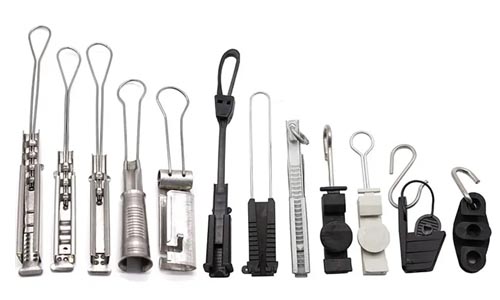 Fiber Optic Clamps
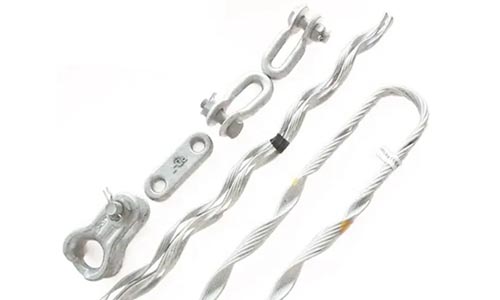 Fiber Optic Cable Fittings
 ADSS Fiber Cable
 ASU Fiber Cable
 OPGW Fiber Cable
 FTTH Fiber Cable
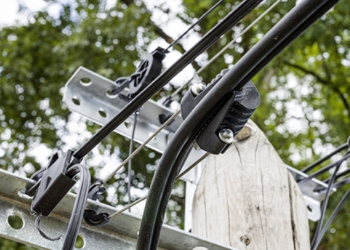 Figure 8 Fiber Cable
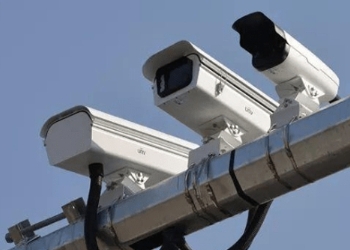 Photoelectric Composite Fiber Cable
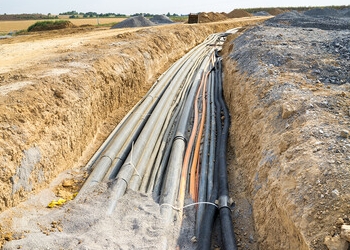 Underground & Pipeline Fiber Cable
 Air-Blown Micro Fiber Cable
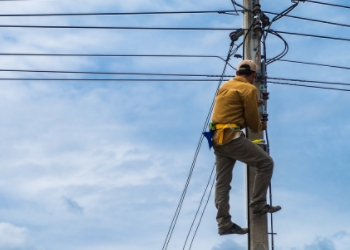 Aerial Fiber Cable
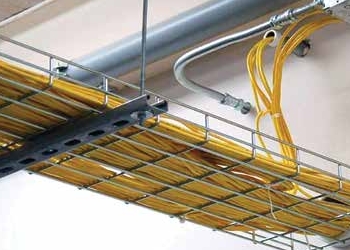 Indoor Fiber Cable
 Fiber Optical Terminal Box
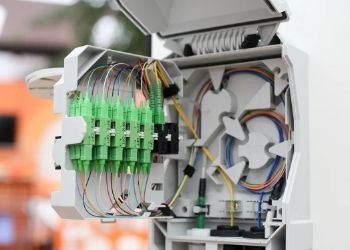 Fiber Optic Distribution Box
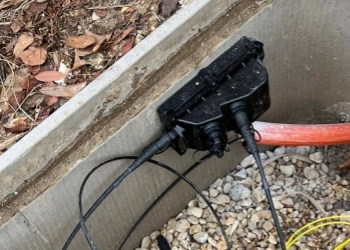 Multiport Service Termina Box
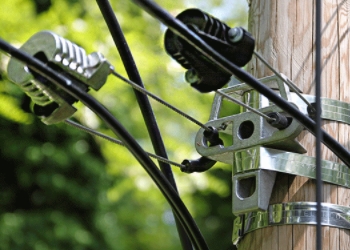 Fiber Optic Clamps
 About Us
 Our Team
 History
 R&D Strength
 Production Base
 Warehouse & Logistics
 Quality
 FAQs
FAQsWhat are the Differences Between CWDM and DWDM Optical Transceiver?
CWDM (Coarse Wavelength Division Multiplexing) and DWDM (Dense Wavelength Division Multiplexing) are both technologies used in optical networking to increase the capacity of fiber optic links by allowing multiple channels (signals) to be transmitted simultaneously over the same fiber but on different wavelengths of light. Here are the key differences between CWDM and DWDM optical transceivers:

Wavelength Spacing:
CWDM: Channels are spaced 20 nanometers (nm) apart. Typically, CWDM uses wavelengths from 1270 nm to 1610 nm, with a total of 18 channels in the spectrum.
DWDM: Channels are spaced much closer together, typically 0.8 nm (100 GHz grid) or 0.4 nm (50 GHz grid). This allows DWDM systems to support many more channels within the same spectral range.
Channel Count:
CWDM: Supports a smaller number of channels, typically up to 18 channels.
DWDM: Supports a larger number of channels, potentially up to 80 or more channels in the C-band (1530-1565 nm) or even more with extended C-band and L-band.
Transmission Distance:
CWDM: Typically used for shorter distances, up to 80 km without amplification, and up to 120 km with optical amplification.
DWDM: Designed for longer distances, ranging from 100 km up to 4000 km or more depending on the type of amplification and dispersion compensation used.
Channel Stability:
CWDM: Channels are more widely spaced, which makes them less susceptible to interference but also limits the number of channels available.
DWDM: Channels are closely packed, which requires more precise control of wavelengths and higher-quality components to prevent interference between adjacent channels.
Cost:
CWDM: Generally more cost-effective than DWDM due to simpler transceiver designs and fewer channels.
DWDM: Higher initial cost due to more complex transceiver designs and the need for more precise optical components and stabilization mechanisms.
Flexibility:
CWDM: Easier to deploy in small to medium-sized networks where fewer wavelengths are needed, and where cost may be a concern.
DWDM: Provides greater scalability and capacity, making it suitable for large-scale networks and long-distance transmissions where maximizing the utilization of fiber bandwidth is crucial.
In summary, the choice between CWDM and DWDM optical transceivers depends on factors such as required capacity, transmission distance, cost considerations, and the specific needs of the network infrastructure. CWDM is simpler and cost-effective for shorter distances and smaller networks, while DWDM offers higher capacity, longer reach, and scalability for larger and more demanding applications.