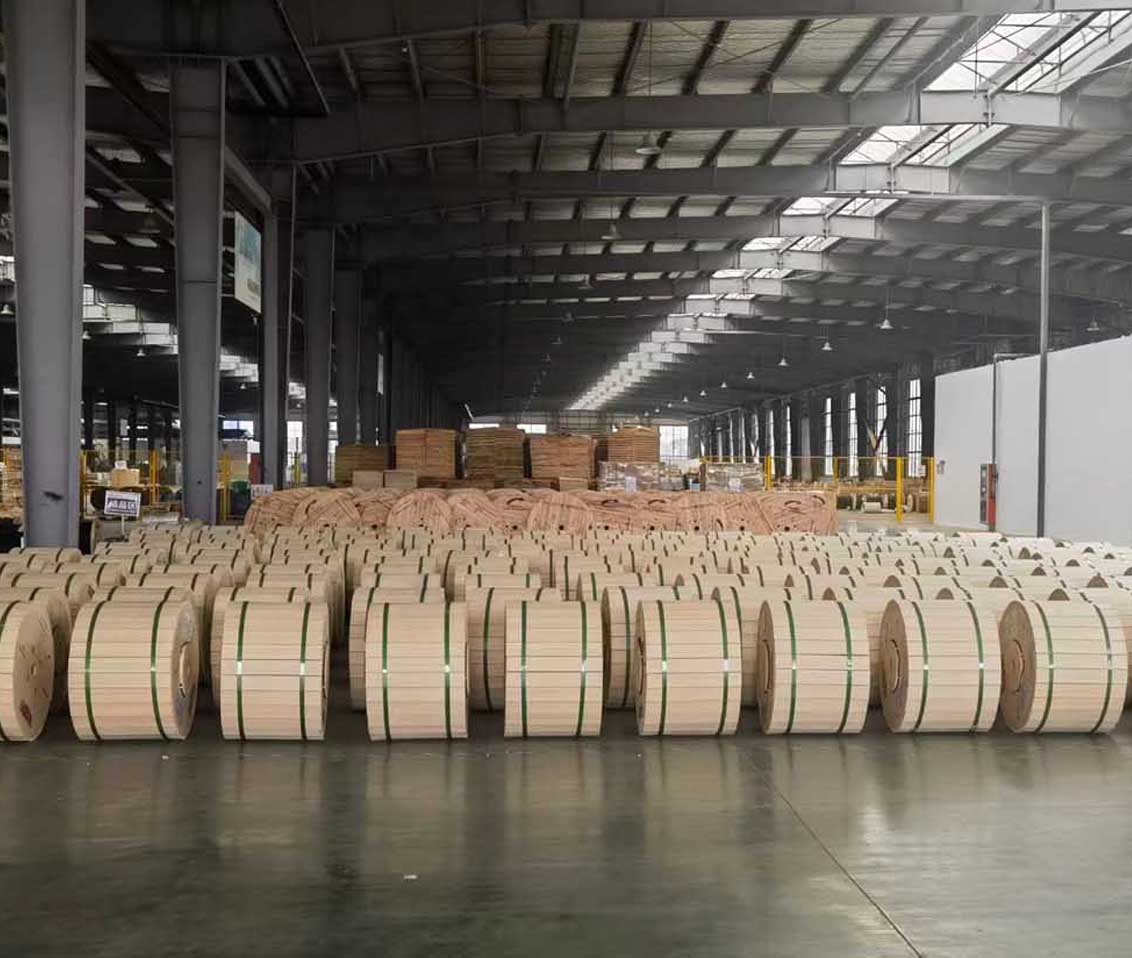
 Optical Fiber
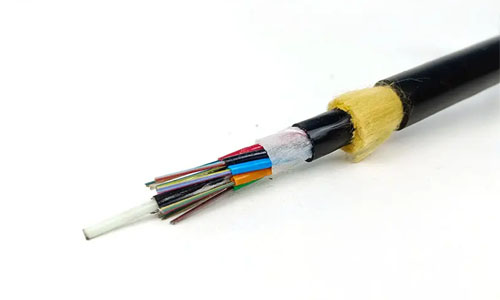 ADSS Fiber Optic Cable
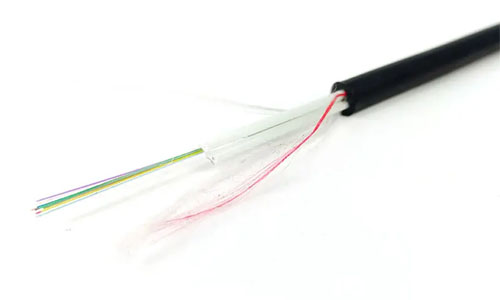 ASU Fiber Optic Cable
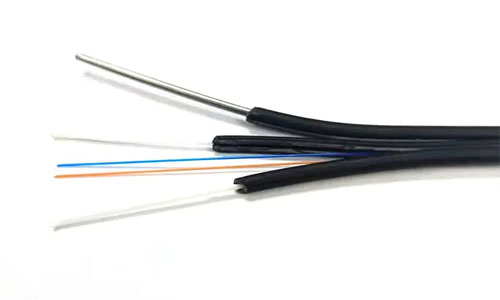 FTTH Fiber Optic Cable
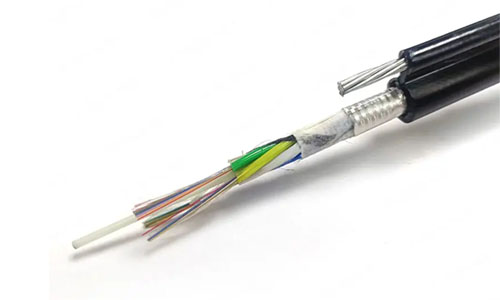 Figure 8 Fiber Optic Cable
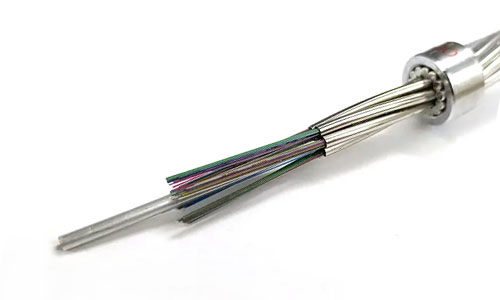 OPGW Fiber Optic Cable
 Coaxial Cable
 Ethernet Cable
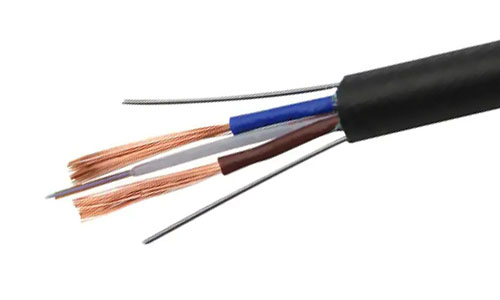 Photoelectric Composite Fiber Optic Cable
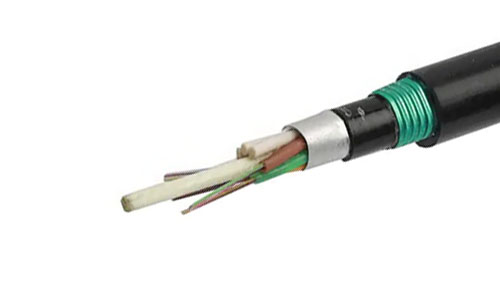 Underground & Pipeline Fiber Optic Cable
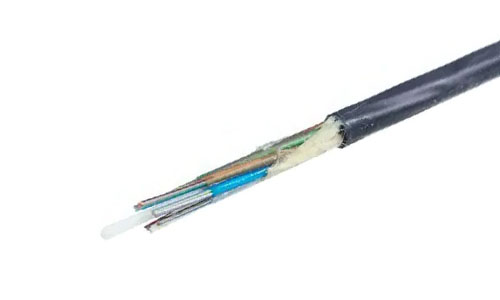 Air-Blown Micro Fiber Optic Cable
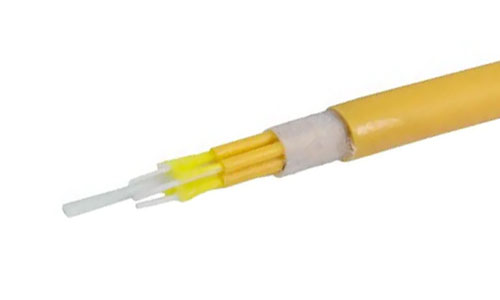 Indoor Fiber Optic Cable
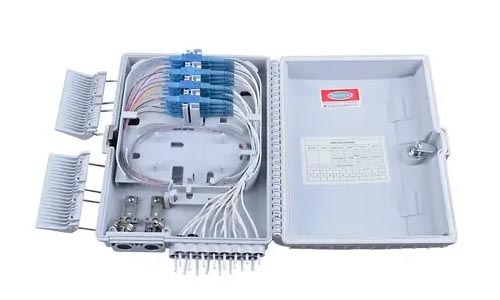 Fiber Optic Distribution Box
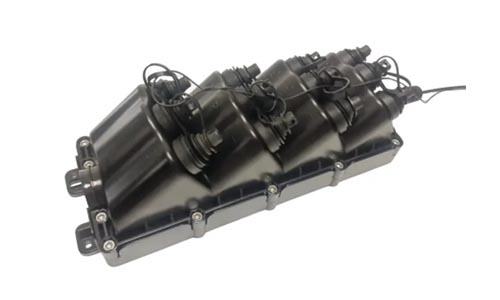 Multiport Service Termina Box
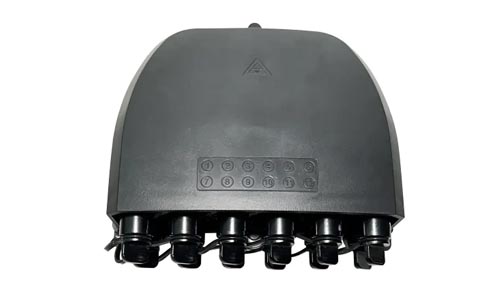 Fiber Optical Terminal Box
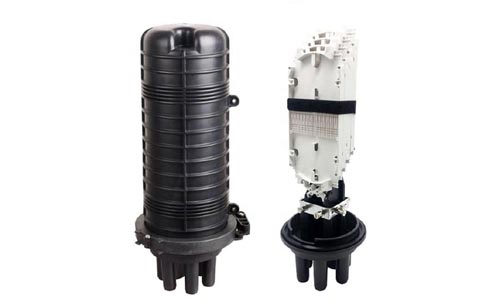 Fiber Optic Splice Closure
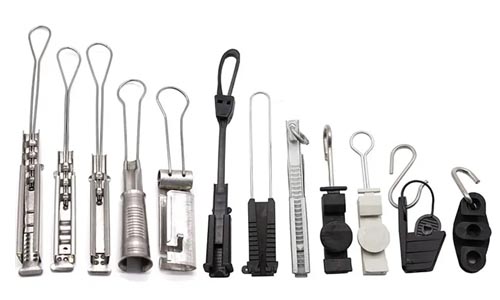 Fiber Optic Clamps
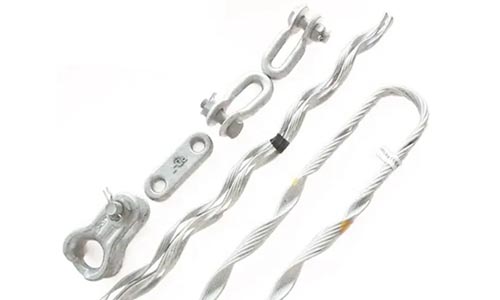 Fiber Optic Cable Fittings
 ADSS Fiber Cable
 ASU Fiber Cable
 OPGW Fiber Cable
 FTTH Fiber Cable
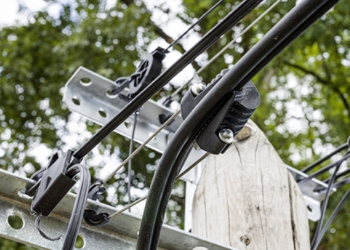 Figure 8 Fiber Cable
 Photoelectric Composite Fiber Cable
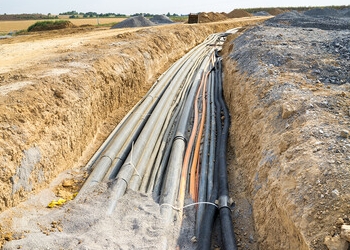 Underground & Pipeline Fiber Cable
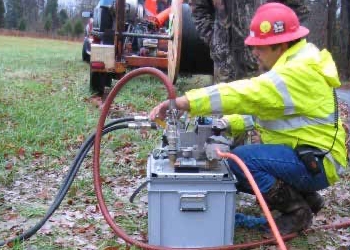 Air-Blown Micro Fiber Cable
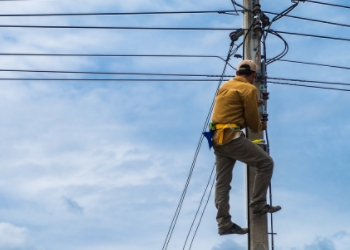 Aerial Fiber Cable
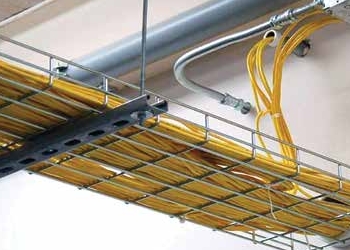 Indoor Fiber Cable
 Fiber Optical Terminal Box
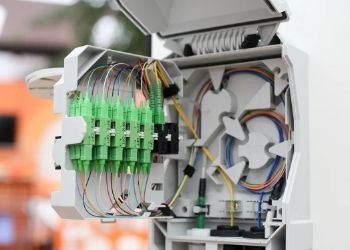 Fiber Optic Distribution Box
 Multiport Service Termina Box
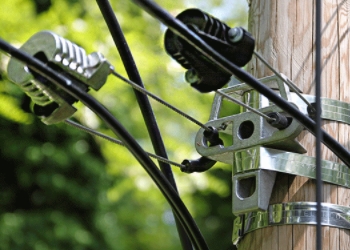 Fiber Optic Clamps
 About Us
 Our Team
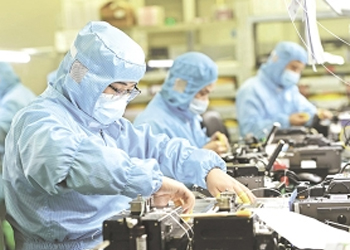 History
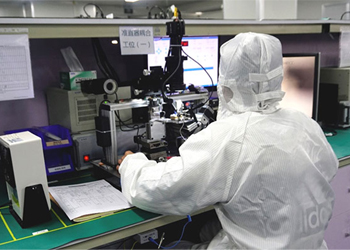 R&D Strength
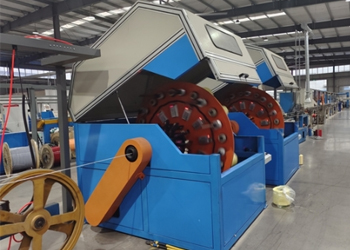 Production Base
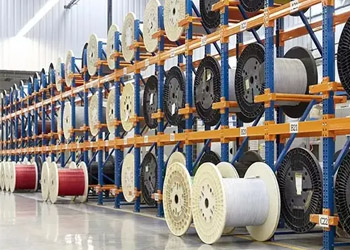 Warehouse & Logistics
 Quality
 FAQs
FAQsWhat is Acrylonitrile Butadiene Styrene (ABS)?
Contact for Free Quotation & Sample, According to your needs, customize for you.
inquiry nowWhat is Acrylonitrile Butadiene Styrene (ABS)?
ABS is a tough, impact resistant plastic developed by blending acrylonitrile, butadiene and styrene. We rely on ABS in all sorts of stuff — car parts, toys, pipes, and even some kitchen utensils. It’s renowned for being rugged, easily formable when warm and capable of withstanding drops or impacts without cracking. ABS has a smooth finish, which makes it great for products that need to look neat and clean. A lot of 3D printers use abs because it melts at a consistent point and retains its form. To understand how ABS fits in everyday life, or why it works so great for so many applications, the following sections explain with real-world examples and advice.

The Anatomy of Acrylonitrile Butadiene Styrene
ABS is a versatile thermoplastic composed of a blend of three main components: acrylonitrile, butadiene, and styrene. This multi-phase plastic is created using plastic manufacturing techniques that define the mechanical properties and appearance of ABS, which is crucial for various applications.
-
Acrylonitrile, butadiene and styrene are blended. The proportions vary, but a typical mix is approximately 25% acrylonitrile, 20% butadiene and 55% styrene.
-
Adiene creates a rubbery base, which makes ABS tough and flexible. This ‘rubber phase’ is then coated by a blend of styrene and acrylonitrile, which solidifies.
-
Via emulsion or mass polymerization, these parts come together, forming a strong yet lightweight plastic. Its ABS structure (CH2-CH-C6H4)n has a density of 1,010 to 1,210 kg/m³.
-
The resulting polymer has a glass transition temperature of 88°C to 128°C, melts at around 190 C-220 C, and high impact strength indicated by a 4J (12.7 mm)−1 Izod.
1. Acrylonitrile's Role
Acrylonitrile ramps up ABS’s chemical resistance and hardness. Its presence in ABS means it resists oils, fats and many acids, so it performs in rugged locations.
The acrylonitrile’s chemical structure introduces nitrile groups, which assist the polymer in resisting degradation. When acrylonitrile levels increase, ABS becomes stiffer and more durable, but if there’s an excess, it can become brittle. So mixing acrylonitrile with the other two portions–styrene and butadiene–maintains ABS’s strength without sacrificing flexibility.
2. Butadiene's Contribution
Adiene introduces toughness, in particular, when the temperature drops. This rubbery portion allows ABS to flex a little before it breaks, which is why phone cases and car bumpers can absorb a blow.
When it’s cold, butadiene prevents ABS from shattering. The rubbery phase, which accounts for approximately 20% of ABS, distributes stress and holds it all together even under pressure.
Adiene lends the plastic a bounce-back effect after an impact. This is crucial in protective equipment and playthings, where fractures might equal hazard or heartbreak.
3. Styrene's Function
Styrene provides ABS its shiny appearance. That’s why so many ABS products are glossy and polished, consider the keys on a laptop or remote control.
Styrene helps make ABS more moldable. The plastic molds beautifully when heated, allowing producers to create intricate components for things like electronics or car interiors. More styrene gives more shine and a stiffer feel, but knocks down impact strength if not balanced properly.
Styrene’s rigidity contributes to ABS’s ability to maintain its form when exposed to physical and thermal stress. Just the right proportion with the other two prevents the plastic from bending or shrinking–a requirement for parts that fit snugly.
4. The Resulting Synergy
ABS works so well because these three parts team up–each brings something the others can’t.
Toughness, stiffness and a glossy appearance meld and ABS becomes suitable for everything from LEGO blocks to car dashboards.
ABS’s blend of properties means producers trust it for durability, aesthetics, and consistency.
Getting the perfect mix of acrylonitrile, butadiene and styrene is crucial—too much of one and ABS sacrifices its best qualities.

Key ABS Characteristics
ABS stands for acrylonitrile butadiene styrene – a particularly tough type of lightweight, moldable plastic. It’s unique in lot of different industries for its combination of hardness, elasticity, and stress resistances. Here is a quick look at the core properties of ABS:
| Characteristic | Description |
|---|---|
| Impact Resistance | High resistance to shocks and drops |
| Temperature Range | -20 to 80 °C (-4 to 176 °F) |
| Weight | Lightweight, suited for portable products |
| Opacity | Mostly opaque, due to mixed refractive indexes |
| Sterilization | Safe for gamma radiation or EtO sterilization |
| Dimensional Stability | Can yellow or get brittle with UV or heat |
| Processing Methods | Injection molding, extrusion, 3D printing |
ABS is simple to mold and extrude. It melts easily, allowing manufacturers to mold it into intricate designs. That’s why it’s utilized for stuff like automotive parts, appliance housings, and toys. ABS performs optimally at moderate temperatures and maintains its qualities even when subjected to cold or heat within its spectrum. Its chemical makeup is resistant to many acids, bases, and oils, so it withstands very tough environments.
Strength vs. Flexibility
ABS is a good middle ground between rigid and flexible. While polystyrene fractures, ABS flexes slightly before breaking. This renders it more durable and impact-resistant for stuff like helmets, tool handles or phone cases.
Combined strength and elasticity allow ABS to absorb an impact without cracking. Its high impact-resistance sets it apart from other plastics such as PVC or acrylic. In consumer goods, it aids in preventing cracks or chips during drops. It enhances safety, as stiff but fragile plastics can splinter hazardously.
For engineering, this equilibrium allows manufacturers to deploy less material to reduce weight without sacrificing strength. That’s a major reason ABS is used in so many common products.
Thermal Performance
| Thermal Property | Value/Implication |
|---|---|
| Heat Deflection Temp | 80 °C (under load) |
| Use Temp Range | -20 to 80 °C |
ABS maintains its form under heat better than a lot of cheap plastics. Its heat deflection temperature means it won’t warp during most daily use. It counts for car interiors or ovens.
Thermal limits alter its composition. Makers can form ABS at lower temperatures than several other plastics, which accelerates production. It can become brittle if it sits in the sun too long. For longevity, it’s advisable to avoid exposing ABS to direct sunlight or intense heat.
Surface Quality
ABS is smooth and clean finished, and colors excellently. This renders it a prime candidate for parts that need to shine aesthetically, such as computer cases or kitchen gadgets.
A fine finish prevents dust and dirt from adhering, and aids in electrical insulation. For electronics, that means less shorts or sparks.
ABS can be assigned a matte, glossy, or even textured finish. Both of these adjustments enable manufacturers to tailor the aesthetics to what consumers desire. The feel and appearance of ABS go a long way toward making products seem substantial and reliable to consumers.
Chemical Resistance
-
Dilute acids
-
Alkalis
-
Alcohols
-
Oils
-
Many cleaning agents
ABS withstands many chemicals, which is why it persists in applications such as automobile engine compartments or battery cases. That equates to reduced risk of cracking or fading from contact with liquids.
Its chemical resilience is a huge advantage for vehicles and electronics, where leaks or spills can occur. That’s why ABS is a trusted choice across so many industries.
From Pellet to Product
ABS enters the stage as tiny pellets, each one a catalyst waiting to transform into engineering plastics. These pellets are treated with heat, pressure, and love so they can become everything from a car bumper to a keyboard shell. The plastic manufacturing process defines how durable, rugged, or sleek the final products become. The path from pellet to product involves more than just melting and molding; method, temperature, and even reusing old pellets all factor into the mix. Cleanliness is crucial, as certain ABS products must be germ-free. Good quality controls and clever ingredient utilization reduce waste and ensure safety for every type of consumer.
Injection Molding
ABS injection molding begins with pellets, which are melted and then shot as a hot mix into a steel mold. The mold cools and then opens to eject the new piece. It excels at producing rigid components quickly—imagine remote controls, hard-shell suitcases or car dashboards.
Timing the heat perfectly is important. If it’s too hot or too cold the finished one is likely to be brittle or prematurely yellow. This keeps the impact resistance high and the surface smooth — which is why so many daily essentials use molded ABS.
Extrusion
Extrusion is where ABS goes to become long or flat shapes like pipes, window frames and protective panels.
It goes full blast, cranking out big batches all day long at consistent rates. Because it’s simple to change sizes or thicknesses, factories can complete orders for multiple applications without closing the line. Take ABS sheets for fridge liners or luggage shells, for instance — they begin here.
How hot the machine gets can alter how the plastic folds or resists heat afterwards. Meticulous control ensures sheets remain flat and robust, not bent or fragile.
3D Printing
ABS is a crowd pleaser for 3D printing. Makers love it because it melts at the perfect point and cools down with minimal warping, so forms remain faithful.
Its post-printing strength allows for working parts, not just models. Which is why you find ABS in bespoke phone cases and even replacement car clips. The big issue is fumes and the need for a heated bed, but strong ventilation and enclosed printers do go a long way.
Where ABS Shines
Here’s where ABS thermoplastic shines as a workhorse material for industries requiring a strong, lightweight, and attractive blend. Its popularity derives from the manner in which it strikes a balance between robustness, ductility, and moldability, making it a favored choice among plastic manufacturing experts.
Automotive Parts
Car manufacturers to ABS for all sorts of components, due to its robust nature and resistance to bumps and knocks. Bumpers, dashboards, mirror housings—they all depend on ABS to help cars stay light but tough. Trims and seat parts use ABS because it retains its shape at −20 to 80 °C, so it performs in hot summers and cold winters.
Weight counts in cars. ABS reduces bulk, which increases fuel efficiency. It means it can keep passengers safer, since ABS is able to absorb impacts better than other plastics. Recent improvements in ABS technology have produced even harder mixes, so automobile parts last longer and are recyclable when the automobile is decommissioned.
Consumer Electronics
That’s where ABS really shines in electronics. It is the shell of computers, printers, televisions, even remote controls. Its inherent electrical insulation makes it a safe choice for casing fragile wires and chips.
ABS can be formed into stylish, glossy cases that aid designers in creating products that look trendy and fit comfortably in your palm. It fights scratches and won’t crack, so devices survive everyday use. In environments where technology sees heavy use, ABS resists abrasion, continuing to give equipment protection and polish.
Everyday Goods
ABS pops up in a lot of common things—like kitchen utensils, luggage and DWV pipes. It’s a go-to for toy makers — particularly building bricks — because it is kid-friendly and remains durable.
One huge benefit for consumers is the durability of ABS to drops and impacts. The polybutadiene infused into ABS provides it additional toughness in low temperatures, so even in the coldest climates, products won’t become brittle. Its light weight and moldability/extrudability mean to say that manufacturers can make products in all shapes and sizes, from large bins to tiny gears.
ABS really shines in 3D printing. It melts and flows perfectly, allowing creators to experiment quickly. Though not all recycling centers take it, ABS can be recycled, so it enables a more circular economy.
The Sustainability Challenge
Sustainability in plastics, particularly in plastic manufacturing, is not just a catchphrase. It’s about responding to the demand for more durable products, which includes using versatile thermoplastic materials like ABS. This means viewing every step—from raw material sourcing to end-of-life recycling and more.
Production Footprint
The carbon footprint of ABS begins with fossil fuels. This process consumes a great deal of energy, predominantly from non-renewable resources. This is where greenhouse gases come into the mix, making it a real problem for factories everywhere.
Using recycled resins or adding chemically recycled styrene switches up the game. These resins work just as good as new ones and reduce waste. Biobased or biodegradable feedstocks can help, but they have to equal the toughness and reliability of traditional ABS. Lightweighting–of cars especially–is one down-to-earth way to use less material and save energy, which in turn helps fuel economy. Regulations, like in the EU, incentivize companies to use more post-consumer recycled plastic, thereby nudging the industry towards better practices.
Recycling Hurdles
Easy to recycle? ABS, no. The various components and colors can make it difficult to sort, which means a lot of it still goes to landfills. Most existing forms of recycling, such as mechanical recycling, can degrade the plastic but don’t necessarily sustain the quality of the material. It’s not always feasible to incorporate recycled ABS into high stress products, as a result, its desirability is limited.
Improved recycling technology is crucial. Closed-loop systems, which are employing chemical recycling, can degrade ABS back to its molecular building blocks. This allows them to produce fresh, virgin-grade resin from used components. For this to work, people have to recycle more. Clear labels and convenient drop-off solutions go a long way toward getting more ABS recirculated.
Circular Economy Role
ABS can be a huge part of a circular economy if designed properly. Designing products for recycling involves using less finishing and simpler forms, so they can be disassembled more easily down the line. The companies that anticipate a product’s second life—utilizing more recycled content, or providing take-back programs—are ahead of the curve.
Durable ABS goods, such as pipes or automotive components, reduce waste by enduring longer. When they DO get recycled, that’s less rubbish and less demand for virgin plastic. Circular design’s push keeps makers and users both thinking forward, so nothing gets wasted prematurely.
Beyond the Basics
ABS is no ordinary thermoplastic; its versatility and ingredient technology showcase the importance of plastic manufacturing materials and their mechanical properties in modern applications.
Advanced Formulations
ABS, a versatile thermoplastic, exhibits various viscosities based on the proportions of acrylonitrile, butadiene, and styrene in its formulation. These ratios significantly influence its mechanical properties, such as hardness, brittleness, and elasticity. For example, a higher acrylonitrile content enhances chemical resistance, while increased butadiene contributes to improved impact strength. Blends with other plastics, like polycarbonate, enhance ABS’s toughness, making it suitable for applications like helmets and automotive parts. Additives also play a crucial role, preventing UV degradation and reducing combustibility, allowing ABS to be utilized in diverse plastic manufacturing scenarios, from toys to gadgets.
Specialty grades of ABS cater to specific needs, focusing on attributes like gloss and color, which are essential for consumer goods. Some formulations incorporate fillers to boost stiffness for industrial applications, though such modifications may raise costs or limit availability, especially when rare additives or extensive processing are involved.
Surface Modification
Modifying the surface of ABS thermoplastic is critical for applications such as painting, adhesive bonding, or coating. Easy tricks like sanding or chemical etching are effective methods in plastic manufacturing. These techniques allow paint or glue to adhere more effectively by roughening or cleaning the surface. Sometimes, a whiff of plasma or a swim in a chemical bath modifies the surface and aids bonding. These modifications assist in blocking out water or chemicals, helping ABS last longer in hard places.
Surface tweaks allow this versatile thermoplastic to function in locations where it might not have slotted previously. Imagine medical implements that have to remain sterile or automotive pieces that see tons of sun and rain. With the perfect surface treatment, ABS can become a lot more versatile and durable.
Surface counts. A bad finish invites cracking or peeling paint, whereas a properly treated surface remains resilient and attractive for far longer.
Future Innovations
Research still drives ABS forward. Other labs are developing ways to recycle ABS more easily. Some consider adjusting the formula for more heat resistance or eco-friendlier manufacturing. Biodegradable options are being explored, with plant-based feedstocks to reduce plastic pollution. This might assist comply with new regulations and respond to demands for more sustainable alternatives.
Big innovations could spring from novel blends or clever surface coatings. They might very well open doors in industry, such as health care, auto manufacturing and electronics. The market will probably continue to expand as additional applications and improved grades of ABS emerge.
Conclusion
ABS continues to pop up in day to day life. From toys to car parts, its sturdy yet lightweight construction makes it a preferred choice for a lot of creators. Children play with it, motorists depend on it, and construction workers love its simple application. Some people fret about waste, but increasingly communities are recycling, repurposing, and sifting it for newness. The ABS story continues as fresh brains seek ingenious means to trim waste and maintain safety. To probe it further, here’s how ABS molds the things you use every day. Pass your finds or tips along. Every modest stride aids in making superior choices for the environment we all inhabit.
Frequently Asked Questions
What is Acrylonitrile Butadiene Styrene (ABS)?
Acrylonitrile Butadiene Styrene (ABS) is one of the most well-known engineering polymers, appreciated for its mechanical strength, impact resistance, and ease of fabrication in plastic manufacturing.
What are the main properties of ABS plastic?
ABS plastic, a versatile thermoplastic known for its mechanical properties, is light, resilient, and heat and impact resistant, making it perfect for many plastic manufacturing applications.
In which industries is ABS commonly used?
ABS, a versatile thermoplastic, is popular in automotive, electronics, toys, and housewares due to its mechanical properties, making it ideal for items like automotive components and LEGO bricks.
Is ABS plastic recyclable?
Absolutely, ABS, a versatile thermoplastic, is recyclable. That might depend on local plastic manufacturing regulations, so please look up recycling rules.
What makes ABS a popular choice for 3D printing?
ABS, a versatile thermoplastic, is popular in 3D printing due to its mechanical strength, flexibility, and smooth finish, resisting heat better than many plastics.
Does ABS have any environmental concerns?
ABS, a versatile thermoplastic derived from petrochemicals, impacts the environment due to its non-biodegradable nature; however, recycling these plastic materials significantly minimizes waste.
How is ABS different from other plastics?
ABS, a versatile thermoplastic, provides a nice balance of mechanical properties such as strength and flexibility, making it less prone to crack or warp during plastic manufacturing.

Materials Used in Fiber Termination Box
The materials used in the construction of Fiber Termination Box contribute to their durability and performance. Common materials include:
- Metal: Metal junction boxes are robust and provide excellent protection against physical impact. They are suitable for industrial and outdoor environments.
- Plastic: Plastic boxes are lightweight and cost-effective, making them suitable for indoor and residential applications where heavy-duty protection is not required.
- Weatherproof Materials: For outdoor installations, boxes made from weather-resistant materials, such as UV-resistant plastics or aluminum, are essential to ensure longevity.