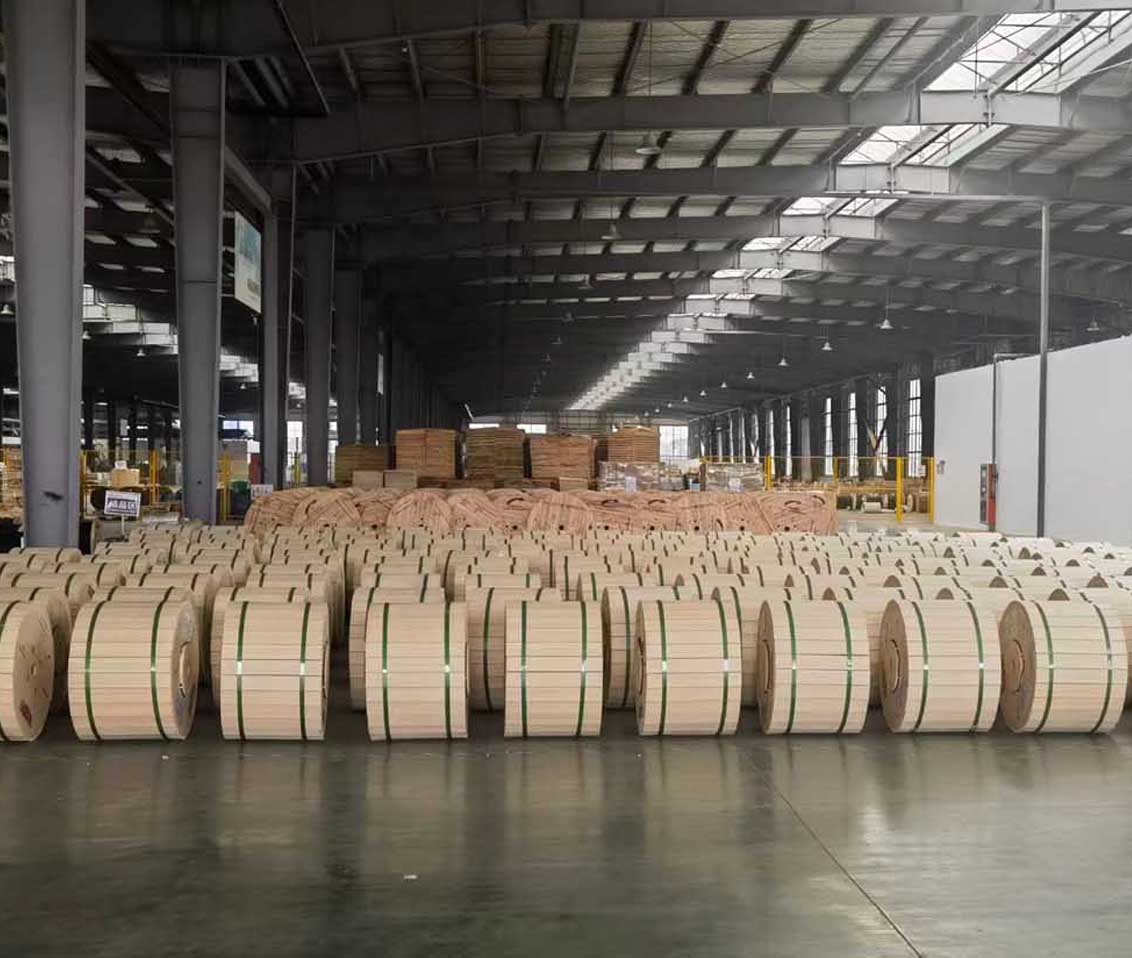
 Optical Fiber
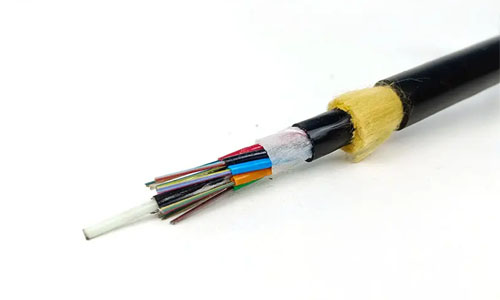 ADSS Fiber Optic Cable
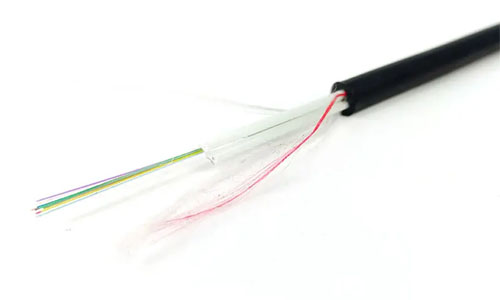 ASU Fiber Optic Cable
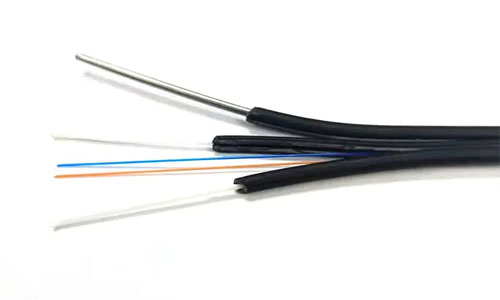 FTTH Fiber Optic Cable
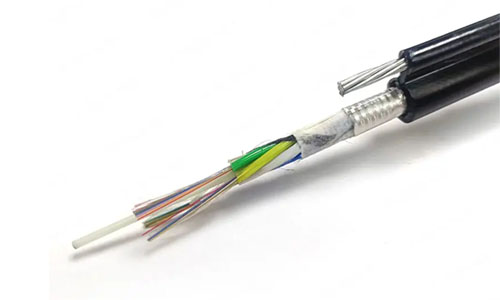 Figure 8 Fiber Optic Cable
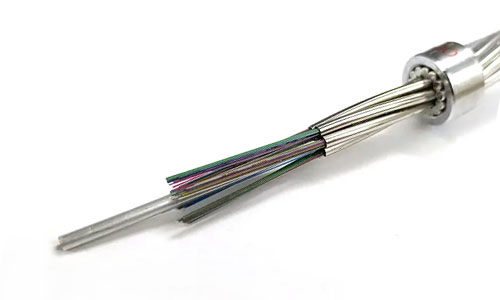 OPGW Fiber Optic Cable
 Coaxial Cable
 Ethernet Cable
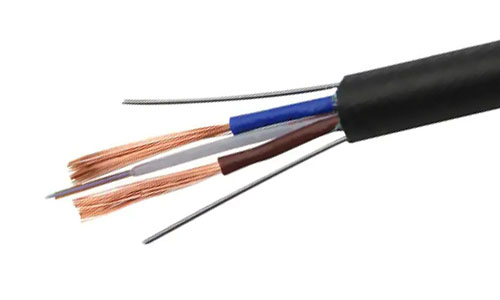 Photoelectric Composite Fiber Optic Cable
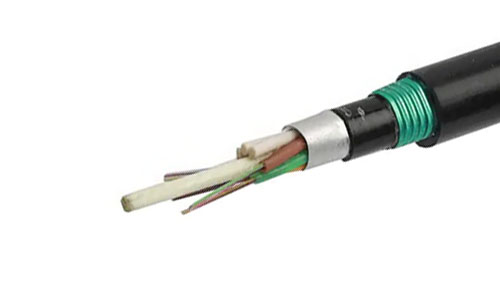 Underground & Pipeline Fiber Optic Cable
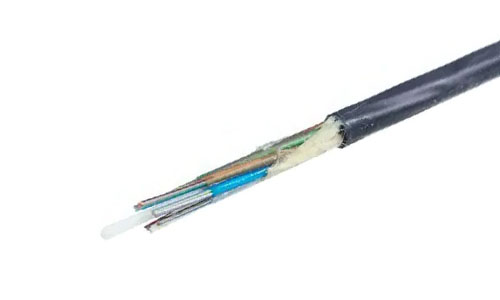 Air-Blown Micro Fiber Optic Cable
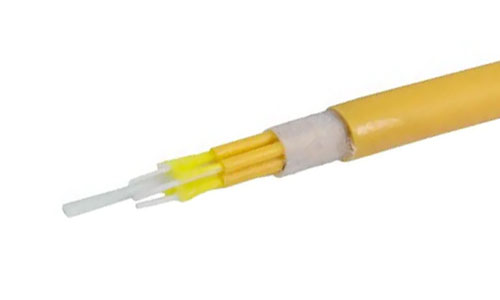 Indoor Fiber Optic Cable
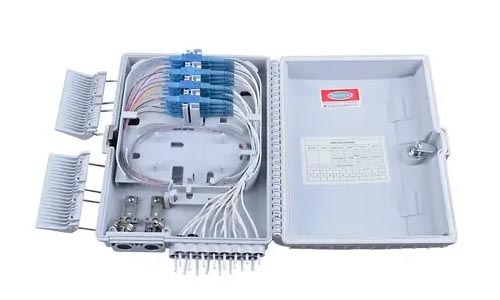 Fiber Optic Distribution Box
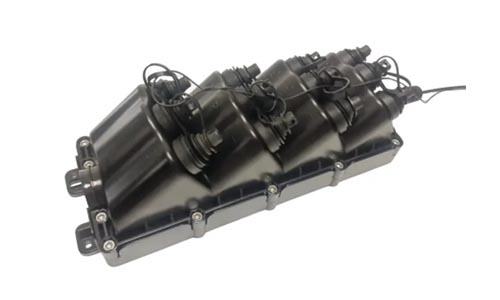 Multiport Service Termina Box
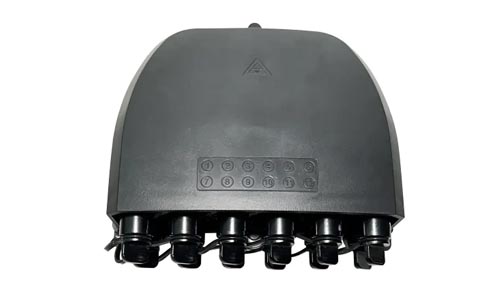 Fiber Optical Terminal Box
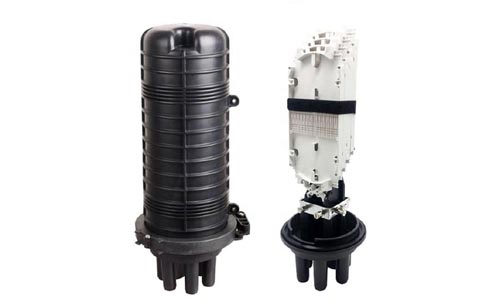 Fiber Optic Splice Closure
 Fiber Optic Clamps
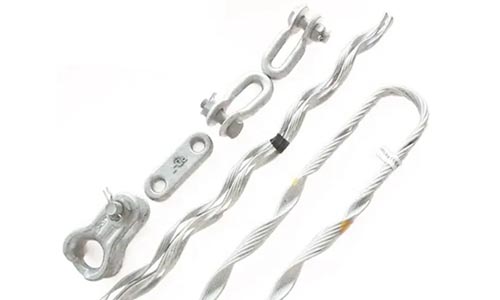 Fiber Optic Cable Fittings
 ADSS Fiber Cable
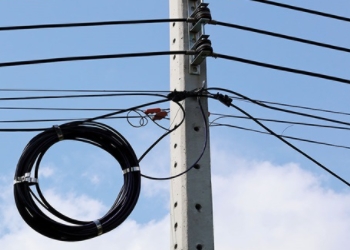 ASU Fiber Cable
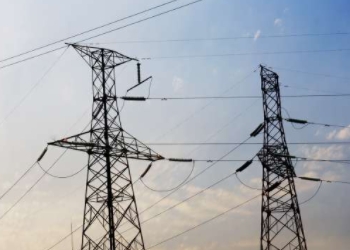 OPGW Fiber Cable
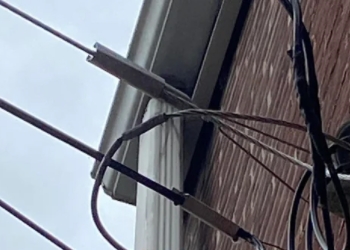 FTTH Fiber Cable
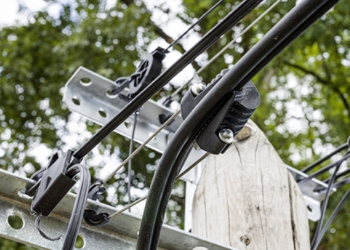 Figure 8 Fiber Cable
 Photoelectric Composite Fiber Cable
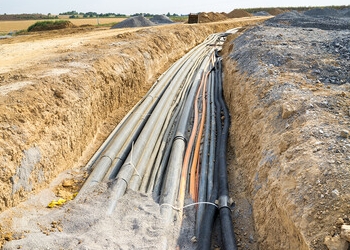 Underground & Pipeline Fiber Cable
 Air-Blown Micro Fiber Cable
 Aerial Fiber Cable
 Indoor Fiber Cable
 Fiber Optical Terminal Box
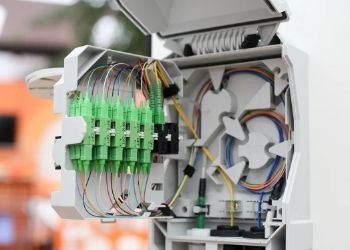 Fiber Optic Distribution Box
 Multiport Service Termina Box
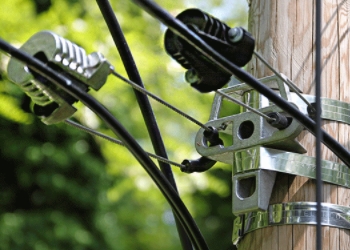 Fiber Optic Clamps
 About Us
 Our Team
 History
 R&D Strength
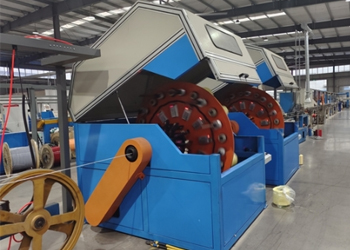 Production Base
 Warehouse & Logistics
 Quality
 FAQs
FAQsSingle Mode vs Multimode Fiber Cable
Single-mode and multimode fiber cables are two distinct types of optical fibers used in telecommunications and data networking. They differ in several key aspects including their core diameter, transmission distance, bandwidth, and the type of light they support.
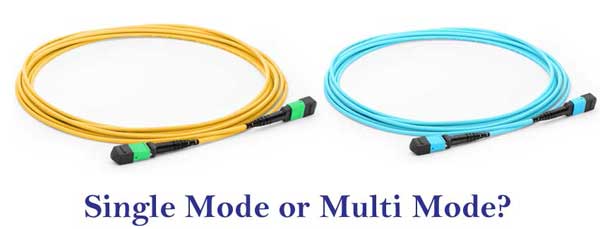
Single-mode Fiber (SMF):
Core Diameter: Single-mode fiber typically has a smaller core diameter, usually around 9 microns (µm).
Light Transmission: Single-mode fiber allows only one mode of light to propagate through the fiber. This means that light travels straight down the fiber without bouncing off the edges, resulting in minimal dispersion and attenuation.
Transmission Distance: Single-mode fiber offers longer transmission distances compared to multimode fiber. It can support distances of tens of kilometers to over a hundred kilometers without significant signal degradation.
Bandwidth: Single-mode fiber provides higher bandwidth compared to multimode fiber. This allows for higher data rates and more efficient transmission of data over long distances.
Applications: Single-mode fiber is commonly used in long-distance telecommunications networks, high-speed internet connections, and backbone infrastructure where high bandwidth and long transmission distances are required.
Multimode Fiber (MMF):
Core Diameter: Multimode fiber typically has a larger core diameter, usually around 50 or 62.5 microns (µm).
Light Transmission: Multimode fiber allows multiple modes of light to propagate through the fiber. This results in higher dispersion and attenuation compared to single-mode fiber.
Transmission Distance: Multimode fiber supports shorter transmission distances compared to single-mode fiber. It is typically used for distances up to several hundred meters to a few kilometers.
Bandwidth: Multimode fiber provides lower bandwidth compared to single-mode fiber. While it can support high data rates over short distances, it is less efficient for longer distances due to higher dispersion.
Applications: Multimode fiber is commonly used in shorter-distance applications such as local area networks (LANs), data centers, and short-distance communication links within buildings or campuses.
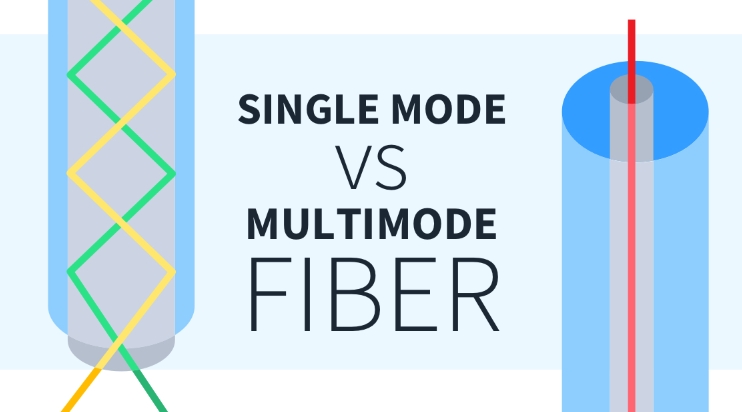
In summary, the choice between single-mode and multimode fiber depends on factors such as the transmission distance, required bandwidth, budget considerations, and the specific requirements of the network application. Single-mode fiber is preferred for long-distance, high-bandwidth applications, while multimode fiber is suitable for shorter distances and lower bandwidth requirements.