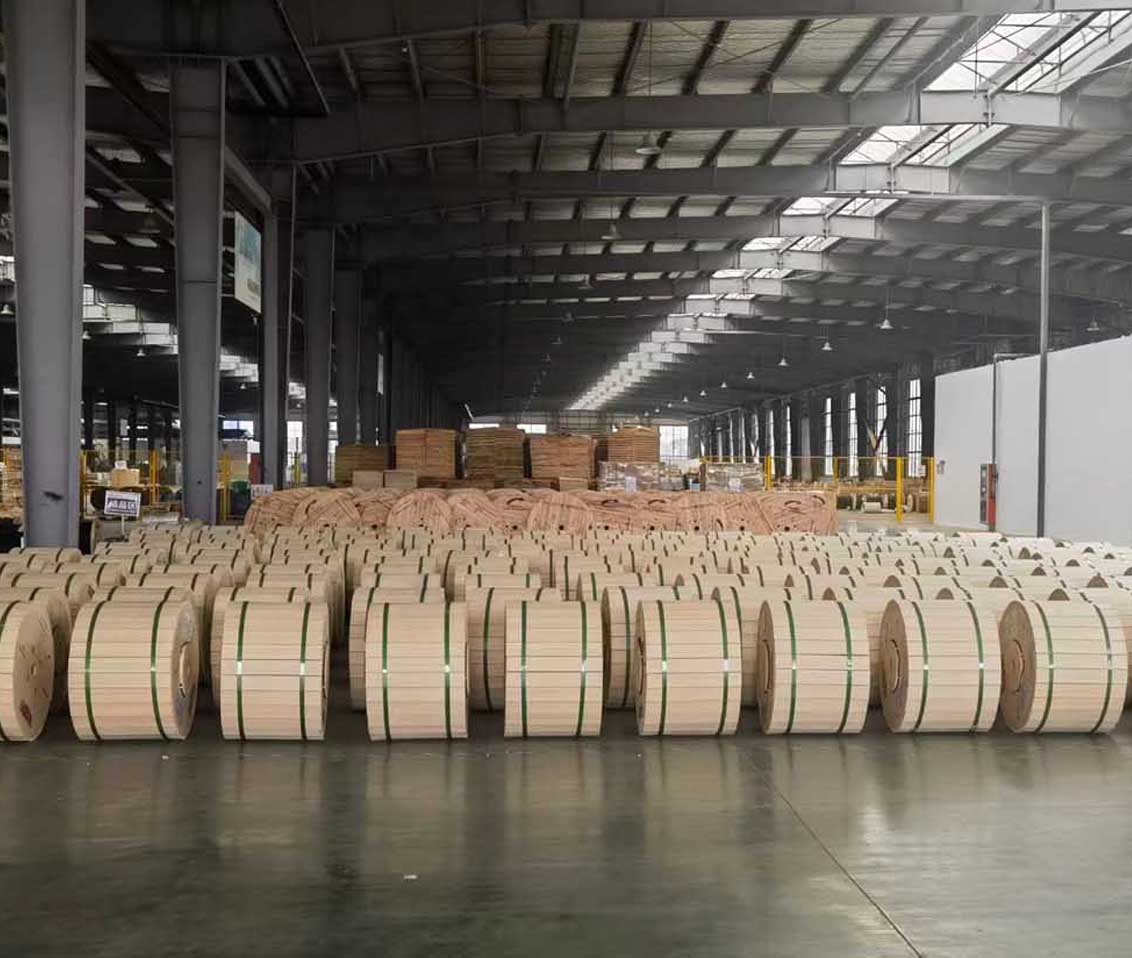
 Optical Fiber
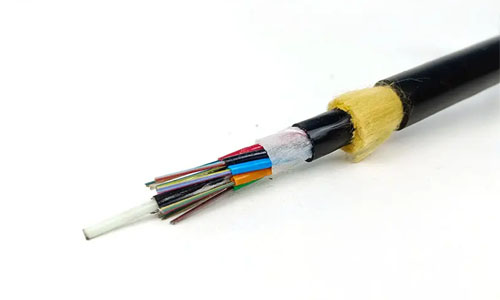 ADSS Fiber Optic Cable
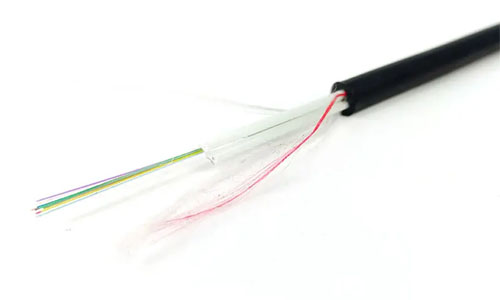 ASU Fiber Optic Cable
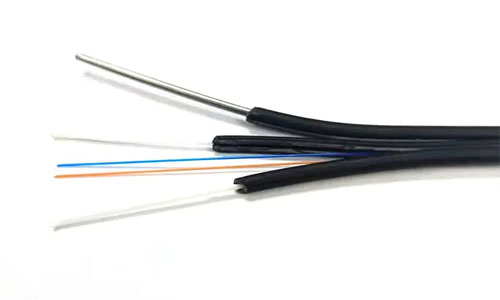 FTTH Fiber Optic Cable
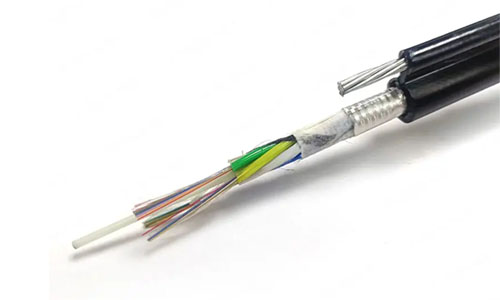 Figure 8 Fiber Optic Cable
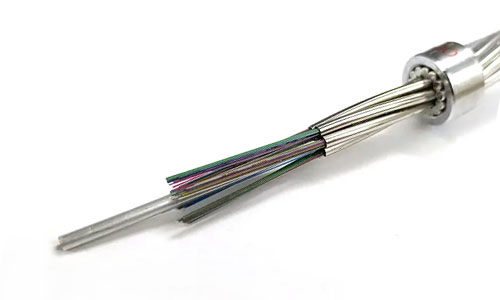 OPGW Fiber Optic Cable
 Coaxial Cable
 Ethernet Cable
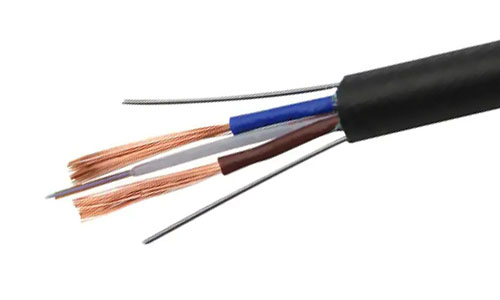 Photoelectric Composite Fiber Optic Cable
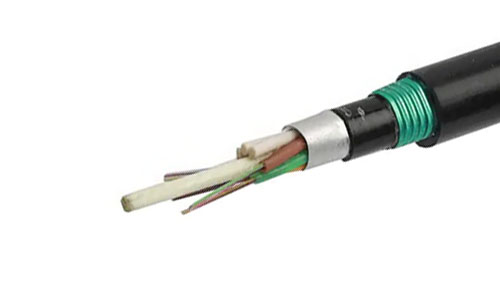 Underground & Pipeline Fiber Optic Cable
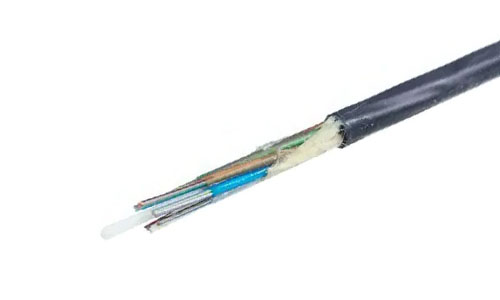 Air-Blown Micro Fiber Optic Cable
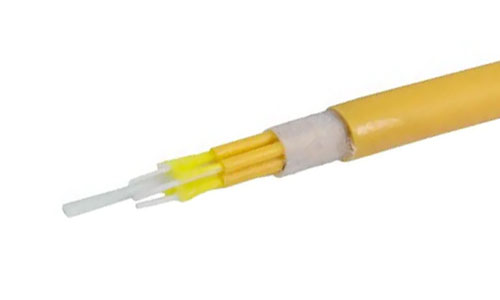 Indoor Fiber Optic Cable
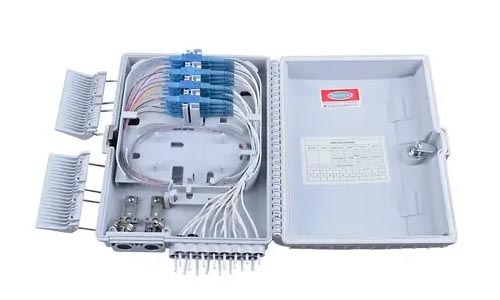 Fiber Optic Distribution Box
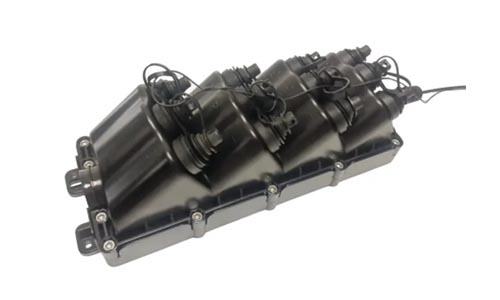 Multiport Service Termina Box
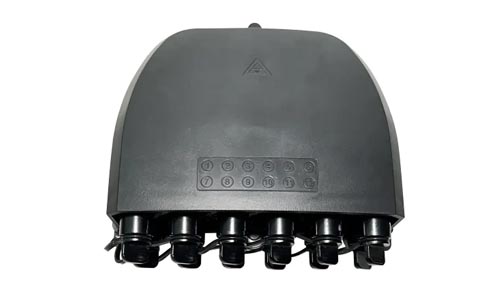 Fiber Optical Terminal Box
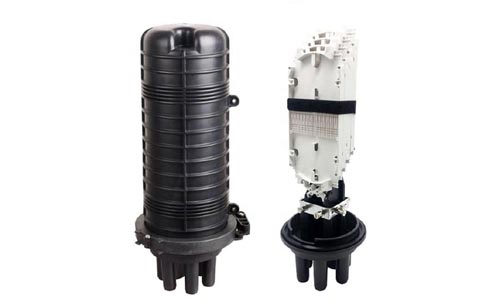 Fiber Optic Splice Closure
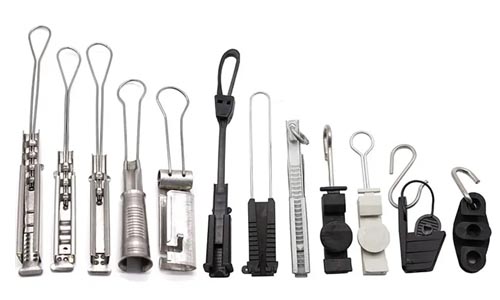 Fiber Optic Clamps
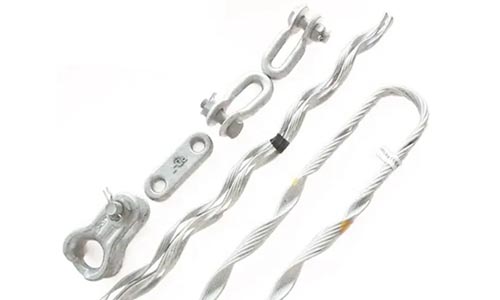 Fiber Optic Cable Fittings
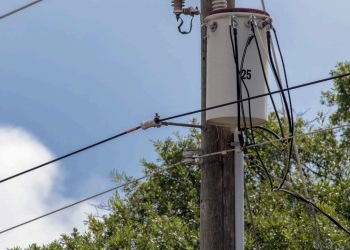 ADSS Fiber Cable
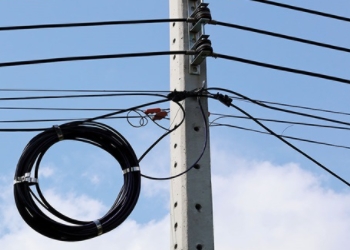 ASU Fiber Cable
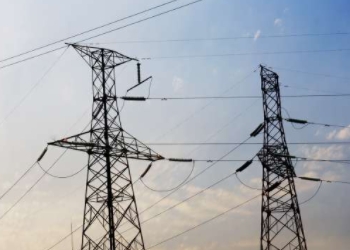 OPGW Fiber Cable
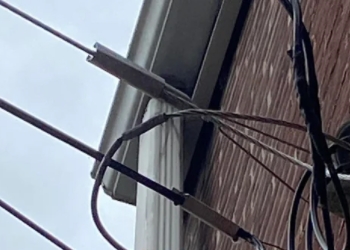 FTTH Fiber Cable
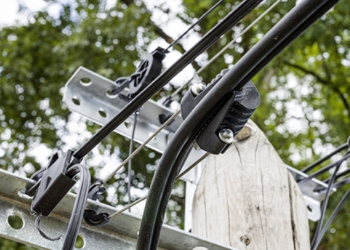 Figure 8 Fiber Cable
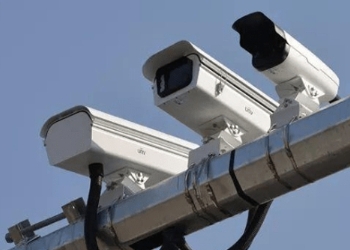 Photoelectric Composite Fiber Cable
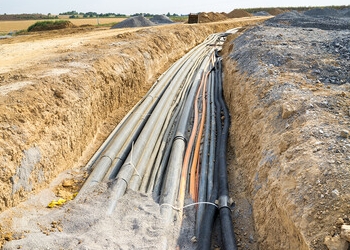 Underground & Pipeline Fiber Cable
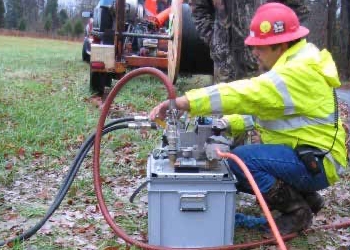 Air-Blown Micro Fiber Cable
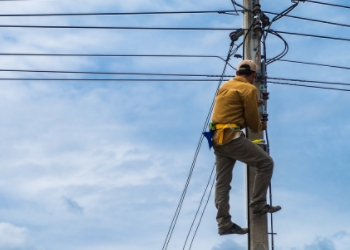 Aerial Fiber Cable
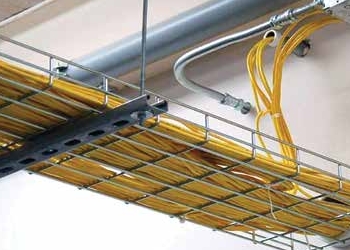 Indoor Fiber Cable
 Fiber Optical Terminal Box
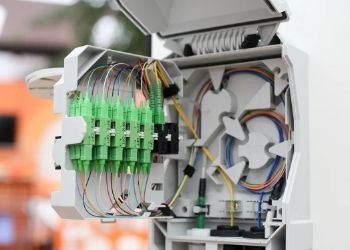 Fiber Optic Distribution Box
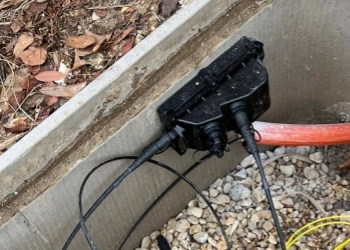 Multiport Service Termina Box
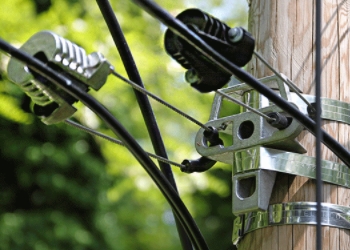 Fiber Optic Clamps
 About Us
 Our Team
 History
 R&D Strength
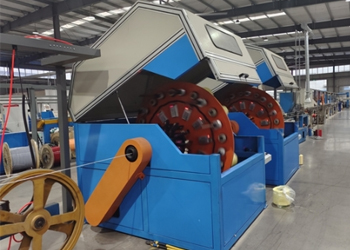 Production Base
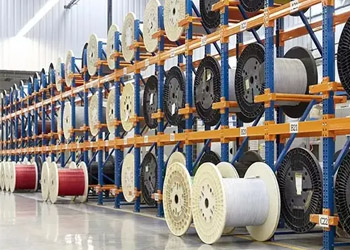 Warehouse & Logistics
 Quality
 FAQs
FAQsWhat Is The Difference Between ADSS Cable And OPGW Cable?
Contact for Free Quotation & Sample, According to your needs, customize for you.
inquiry nowWhat Is The Difference Between ADSS Cable And OPGW Cable?
-
ADSS vs OPGW cables both have distinct places in contemporary telecommunication and power infrastructures, with ADSS being ideal for lightweight, non-conductive installations and OPGW providing combined grounding and communication functionality.
-
Core materials and structure are key to cable performance, with aramid yarn and fiberglass increasing strength in ADSS, and metallic elements offering mechanical resilience and grounding in OPGW.
-
ADSS vs OPGW, the decision between the two depends on installation needs, environmental factors, and network requirements, highlighting the importance of evaluating each project’s unique conditions.
-
Both cables require correct installation and regular maintenance to maintain long-term reliability, reduce signal attenuation, and lower operating expenses.
-
Safety and regulatory compliance are paramount during installation and operation, protecting workers, infrastructure and compliance with standards.
-
Material science and hybrid cable cables are determining the future of overhead fiber, as the world demands faster, more reliable data transmission.
ADSS and OPGW are two common types of fiber optic cables used in power transmission lines. ADSS, or All-Dielectric Self-Supporting cable, functions admirably for non-conductive purposes. OPGW, or Optical Ground Wire, combines fiber optics with a grounding wire, providing data transmission and lightning protection. Both cables assist utilities to communicate quickly and maintain stability. ADSS suspends from towers without metal, so it’s excellent for high voltage regions. OPGW rides atop towers and double serves as a shield wire. Choosing between ADSS and OPGW is often a matter of tower configuration, safety requirements, and available space. The following article lists the obvious advantages and disadvantages of each kind.

What is an ADSS Cable?
ADSS (all-dielectric self-supporting) cables are high quality fiber optic cables designed for outdoor fiber optic cabling use. With no metal contained in the cables, they are a perfect fit for areas where electrical activity could create problems. Used globally, these optical cables assist in maintaining information flow seamlessly and dependably, even in severe regions or close to high-voltage electric lines. They’re crucial for providing high-speed internet, telecommunications data channels, and utility monitoring services, all with reduced electromagnetic interference.
Core Composition
ADSS cables consist of a core of bundled optical fibers. These fibers are wrapped in layers of protective materials such as aramid yarn and fiberglass. Aramid yarn is like body armor, protecting the fibers from tension and fracture. Fiberglass layers provide additional protection from moisture and inclement weather.
All of these materials together make the cable highly elastic, so it can withstand stretching and other tension without compromising its form or performance. Because it’s lightweight, the cable is easier and more cost-effective to install, particularly over long distances or difficult terrain. This design helps keep maintenance simple, as the cable can survive wind, rain, and even ice.
Dielectric Nature
ADSS fiber optic cables are all-dielectric, which means they are free of any metallic components. This keeps them from being conductive, so they don’t draw lightning or transmit stray currents. The absence of electricity conduction also means installation is safer for workers — there’s less danger of shocks or electrical incidents.
Their dielectric nature means they have a longer life span and more reliability, particularly near electric lines. Dielectric cables, on the other hand, maintain crystal-clear, strong data signals over long runs, with less chance of interference from adjacent power sources.
Support Mechanism
Their self-supporting nature means ADSS fiber cables can dangle in between poles without any additional wires or equipment. Tension is what it’s all about—if the cable’s pulled just so, it’ll remain in place and won’t sag, even years down the line.
Good installation matters. If hung too loose, the cable could sag, too tight and it might snap or prematurely fatigue. Excellent support minimizes maintenance and maximizes performance–even in extreme conditions–making these cables a wise selection for numerous networks.
What is an OPGW Cable?
OPGW cable, or Optical ground wire cable, is a unique optical cable structure used in high voltage power lines such as 500 kV, 220 kV, and 110 kV. It plays two big roles at once: it grounds the power line and provides a path for voice, video, and data through optical fiber communication. OPGW cables have been around since the 1980s, now a staple for today’s power grids across the globe. They’re installed as part of outdoor fiber optic cabling, alongside the power lines, assisting utilities in connecting and safeguarding their telecommunications data channels. Four primary varieties—ACS, stranded tube, central tube, and ACP—give different configurations for various requirements, making OPGW versatile for a broad range of applications.
Dual Functionality
OPGW cables aren’t just for grounding power lines. They too transmit data, voice and video at great rates of speed. This double-duty reduces the number of individual systems required — lowering both expense and tower-hanging hardware.
Their design helps protect lines from lightning by conducting the bolt safely to the earth. At the same time, they maintain signalling for grid management or SCADA systems. This combo saves space, tidies networks and helps utilities maximize each tower. With OPGW, power companies don’t need to install two separate cables for grounding and communication–one takes care of everything.
Metallic Structure
The metal in OPGW cables—typically aluminum alloy wire—provides them with the strength to withstand wind, rain, ice and other harsh weather. It makes the cable more durable outdoors, which is important for lines that extend for hundreds of kilometers.
Metal pieces within the cable make it excellent at conducting fault currents to the earth. It’s relevant to electrical safety. They use aluminum alloy because it’s strong but not too heavy, so towers don’t need to be larger or stronger to support the cable. The metal skeleton means the cable can be clamped, tensioned and treated much like a normal ground wire, which makes installing and maintaining it simpler for crews.
Grounding Role
OPGW’s primary function is to serve as a ground wire, intercepting faults and lightning, and directing them harmlessly to earth. That keeps the entire system safer.
Good grounding reduces the threat of fire and electrical hazard. It stabilizes the power grid in storms as well. With built-in grounding, crewmembers simply don’t have to string up a separate cable, so the work goes more quickly and expenses are reduced. Dependable grounding from OPGW additionally aids in maintaining uptime with less downtime and trouble.

ADSS vs OPGW: A Direct Comparison
ADSS fiber optic cable structure and OPGW cables are both pillars of today’s networks. While both are optical cables, they serve different designs, features, and applications in telecommunications and power transmission systems. Here’s a rundown of their primary differences and implications for practical use.
| Feature | ADSS Cables | OPGW Cables |
|---|---|---|
| Structure | All-dielectric, self-supporting | Integrated steel/aluminum, grounds power |
| EMI Resistance | Immune | Can be affected |
| Weight/Size | Lighter, smaller | Heavier, bulkier |
| Use Case | Telecom, long spans, easy install | Power lines, dual purpose |
| Grounding | Not used | Used for grounding |
1. Structural Design
ADSS cables use a self-supporting design with no metal parts. They’re lightweight and simple to install between poles. OPGW cables, meanwhile, are constructed with steel or aluminum, meaning they’re able to conduct electricity to the ground in the event of faults. This is why OPGW is a popular choice for power lines, where they function as a ground and a communication channel.
Material selection is important. ADSS utilizes rugged plastics and fiber, which makes it robust but lightweight. OPGW requires metals to perform its grounding function, which makes it heavier. These design decisions shift when each cable type is optimal. ADSS frequently hangs in locations where electricity is not a hazard—such as telecom lines on roadsides. OPGW is attached to the crowns of power towers.
2. Electrical Properties
ADSS cables are non-conductive and possess excellent insulation, due to their all-dielectric construction. That, in turn, makes them immune to electromagnetic interference. OPGW cables do conduct electricity since they’re meant to ground power lines, which means they may pick up EMI in noisy environs.
This insulation in ADSS equates to safer data transmission, particularly in proximity to high voltage lines. OPGW comes out on top when grounding is required. On occasion, signal quality can suffer from electrical noise interference.
3. Installation Process
ADSS is easy to install. Installers simply string the cable between poles, ensuring the tension and sag are correct. OPGW requires additional planning. Installers have to ground the cable and occasionally equipment to pull it up power towers. ADSS installs quickly and with fewer materials. OPGW requires more time, equipment, and personnel.
OPGW can be simpler to manage if you’re already on a high-voltage tower. In remote or rugged locations, ADSS is usually the hands-down winner as it requires far less muscle.
4. Maintenance Needs
ADSS needs regular checks for sag, tension, and damage.
OPGW inspections focus on grounding points and corrosion.
Severe weather, wind or ice can impact both varieties. OPGW has a tendency to sometimes handle these conditions better.
Ongoing checks keep signals clear.
5. Lifetime Cost
ADSS fiber optic cable structure is cheaper to install and maintain in telecommunications applications. In contrast, OPGW, while initially more expensive, saves utilities money through multitasking, making it ideal for power communication. This dual functionality can significantly benefit enormous power grids.
Choosing the Right Cable
Deciding between ADSS fiber optic cable structure and OPGW cables involves considering a lot of specifics related to optical cable technology. Your decision impacts not just cost and build, but also the safety and efficiency of the telecommunications data channels.
-
Assess new installations vs. upgrades to old lines
-
Check for harsh weather, wind, ice, and lightning risk
-
Consider cost, space, and ease of fitting the cable
-
Pair cable to network velocity, information load, and EMI exposure
-
Review cable materials for durability, safety, and corrosion resistance
New Power Lines
Because ADSS cables are lightweight and nonconductive, they can be strung on new lines without installing additional metal support. This reduces installation time and keeps costs down, particularly in resource-constrained or hard-to-reach locations. Because ADSS doesn’t carry current, it’s immune to electrical corrosion and lightning —a huge benefit in storm-prone areas.
OPGW cables, conversely, provide a two-fold advantage for new construction. They don’t just carry data, they are a shield wire, grounding the line and protecting against lightning. This can be a game changer for high voltage setups. As tech continues to shift, it’s worth investing in cables that can support additional data and speeds, so fresh builds are upgrade-ready. Future-proofing means considering how big your network could get or evolve, so you’re not stuck switching cables again in a year.
Existing Infrastructure
Retrofitting old lines can be challenging, but using ADSS fiber optic cable structure can be a smart fit when you need to avoid downtime, as it does not need to come in contact with live wires, thereby reducing hazards. Upgrading to OPGW can rejuvenate legacy networks with high-speed data transmission while enhancing grounding simultaneously. Before any work begins, it’s crucial to check the existing hardware to ensure compatibility with new cables, since mismatches may result in significant delays. Mapping out the installation of outdoor fiber optic cabling ahead of time and working during low-peak hours can keep the lights on and minimize outages.
Environmental Factors
Cables battle sun, rain, ice, and wind daily, especially when considering the outdoor fiber optic cabling environment. Both ADSS and OPGW must withstand heat, cold, and moisture, with UV resistance being essential for outdoor work. Terrain plays a significant role; a cable that functions on flat ground may falter in mountains or lowlands. For rough spots, strong and flexible materials enhance the optical cable structure to ensure survival.
Network Requirements
Networks must transport data more than ever, making optical cable technology crucial. OPGW usually sparkles when tons of speed and data loads must be delivered, while ADSS fiber optic cable structure can handle many tasks but may struggle to match the velocity of OPGW. If the network is going to expand, selecting a cable that is simple to scale-up will conserve energy in the future. Bandwidth requirements can push the scales—hectic networks perform best with cables that can match the speed of optical fiber communication. The shape and size of the network matter too, as not all cables are suited for all layouts.
Beyond the Spec Sheet
ADSS fiber optic cable structure vs OPGW cable selection involves more than just technical specs. Safety, codes, and how these optical cables resist real-world strain are crucial for outdoor fiber optic cabling installations. Understanding these factors clarifies your choices and ensures the safety of workers and telecommunications data channels.
Safety Considerations
-
Worker safety during high-voltage line installations
-
Risk of electrical hazards and grounding needs
-
Proper use of personal protective equipment (PPE)
-
UV, rain, and other environmental exposure that can affect cable sheaths.
-
Lightning protection, especially for ADSS’s non-metallic designs
-
Compliance with site-specific safety protocols
Electrical hazards are one of the primary concerns when terminating either cable, as the ADSS fiber optic cable structure provides excellent insulation, thereby lowering lightning risks. Even with this head start, installers must ensure proper wiring and remain vigilant for collisions at substations. OPGW, which is commonly used in outdoor fiber optic cabling, runs directly on transmission lines, making PPE and safety measures essential. Observing safety regulations results in fewer accidents and less downtime, maintaining the entire endeavor flowing.
Regulatory Compliance
Meeting local and international cable rules isn’t merely a checklist; it influences everything from the design to the way outdoor fiber optic cabling is strung on poles. Both ADSS and OPGW must adhere to standards set by organizations like the International Electrotechnical Commission (IEC). These standards ensure that optical cables are safe to use and function as intended. When teams follow these regulations, telecommunications data channels are less likely to unravel, resulting in fewer headaches with legal or insurance claims in the future.
Long-Term Reliability
The true challenge for ADSS and OPGW is how they fare years exposed to the elements. ADSS cables withstand a lot of weather hits—rain, sun, wind—due to innovative designs and durable, lightweight materials. Their sheath can chafe, particularly with lots of UV or rain. OPGW cables, constructed with metal, withstand brutal weather and are designed for colder regions. They’re more cumbersome and require extended installation times.
Both can easily last in excess of 30 years if maintained. ADSS’s all-non-metallic construction prevents rust and aids in lightning-prone areas. OPGW’s durability derives from its metal core, which distributes electrical grounding. Regular maintenance and proactive repairs keep them going day after day. New tech—like improved sheath coatings or advanced fiber optics—can enhance the durability and performance of these cables.
Performance in Operation
ADSS fiber optic cable structure allows for rapid installation—up to 5 km a day in favorable conditions. Their lightweight design enables setup with less bulky equipment. While OPGW may take longer to install, it enhances the strength of the telecommunications data channels. ADSS excels in temperate climates, whereas OPGW withstands greater temperature fluctuations.
The Future of Overhead Fiber
Overhead fiber optic cabling — particularly ADSS and OPGW — continues to define how optical fiber communication transmits power and data over vast distances. Their role is burgeoning in smart grids, railways, and telecommunications data channels. Innovations focus on enhancing the optical cable structure for quicker, more durable, and adaptable applications.
Material Science
Material science is at the forefront of fiber optic advancement. New coatings and jacketing protect cables from UV rays, rain and intense winds. Tougher fibers and improved sheathing enable cables to remain dependable in challenging environments, ranging from snow-capped mountains to moist coastal regions.
Lightweight materials now reduce the weight of overhead fiber cables. This assists in areas where poles can’t support a lot or where lengthy spans are necessary. Cables that stretch less and sag less are both safer and last longer.
New materials aid environmental challenges as well. Say, ice-resistant cables for hard winter areas, or salt-resistant cables for near the sea. Research continues to drive these materials. There are lots of labs around the world trying out new blends, looking to make cables that perform better and are cheaper.
Hybrid Designs
Hybrid designs combine the optimal properties of ADSS and OPGW cables. Others leverage ADSS’s outstanding capacity to transport information completely metal-free, yet still provide the earthing and safeguarding qualities of OPGW.
With hybrid cables, there’s flexibility in how and where they get installed. Power companies and telecoms can employ a single cable for both tasks, which conserves both room and cash. Simplified overhead fiber networks vs. Underground cables — it’s easier to repair or update, and it works great for smart grids that require both power and data lines.
Hybrid designs allow companies to respond quickly to new requirements. So when a city expands or a new railway is constructed, hybrid cables can be installed without major system modifications.
Market Demands
Super-fast, rock-solid data is becoming a necessity for homes, businesses, trains and even city traffic lights. Overhead fiber is essential for all of these. The requirement for fast installs in rough terrain, such as mountains or forests, leads to demand for these cables.
They want their internet and power to work always. This forces cable manufacturers to continue innovating. Competitors compete to sell superior, lower cost cables, ensuring that customers receive the value they anticipate.
The market moves quickly, and businesses need to stay in step. If they don’t, somebody will.
Conclusion
Choosing between ADSS and OPGW requires a fine attention to your requirements and the terrain you operate on. Both cables are crucial for transmitting information quickly and securely over vast distances. ADSS plays well in areas with strict regulations or where overhead lines remain energized. OPGW has robust construction and direct application in power grids. Both types demonstrate their power in the field, from blustery hills to broad city reaches. Here are some real jobs and real stories that prove the right choice can save time and cost down the line. Dying to know which cable comes out on top for your next project. Query, contrast, and access new expertise. Keep your eyes peeled for what works best in your neck of the woods.
Frequently Asked Questions
What is the main difference between ADSS and OPGW cables?
Being self-supporting cables which do not require a power conductor. OPGW cables integrate optical fibers with a ground wire, mounted directly on top of high-voltage power lines.
Which cable is better for areas with high electrical interference?
OPGW cables, with their robust optical cable structure, excel in high electrical interference zones, providing excellent shielding for optical fiber communication against electromagnetic interference.
Can ADSS cables be installed on existing utility poles?
Yes, ADSS fiber optic cable structure can be strung on existing utility poles, facilitating outdoor fiber optic cabling without the need for extra support or grounding, making installation easier and less expensive.
Are OPGW cables suitable for new transmission lines only?
OPGW cables are optimal for new high-voltage transmission lines, serving as an effective outdoor fiber optic cabling solution that substitutes conventional ground wires while offering both grounding and optical fiber communication capabilities.
Which cable type is more cost-effective?
ADSS cables, known for their outdoor fiber optic cabling applications, tend to be less expensive for medium- to low-voltage lines, using less hardware and simplifying installation.
How do weather conditions affect ADSS and OPGW cables?
Both outdoor fiber optic cabling options serve specific purposes. While ADSS fiber optic cable structure may be more vulnerable to ice and wind loading, OPGW cables offer superior resistance due to their metallic strength.
What are the main applications of ADSS and OPGW cables?
ADSS cables are essential outdoor fiber optic cabling solutions for telecommunication networks, particularly in rural or urban environments, while OPGW cables are utilized alongside high-voltage power lines for effective optical fiber communication.