 Optical Fiber
 ADSS Fiber Optic Cable
 ASU Fiber Optic Cable
 FTTH Fiber Optic Cable
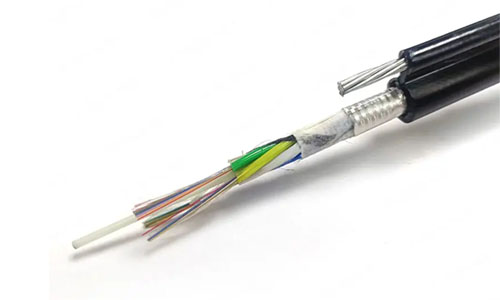 Figure 8 Fiber Optic Cable
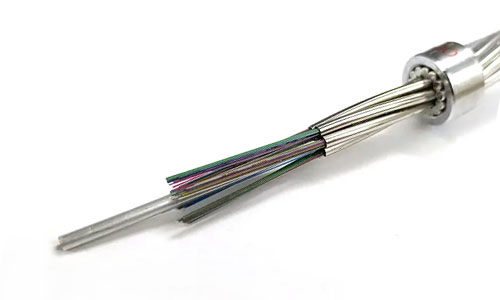 OPGW Fiber Optic Cable
 Coaxial Cable
 Ethernet Cable
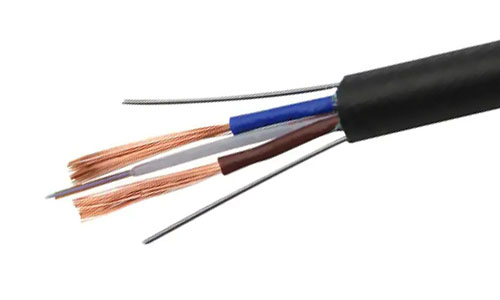 Photoelectric Composite Fiber Optic Cable
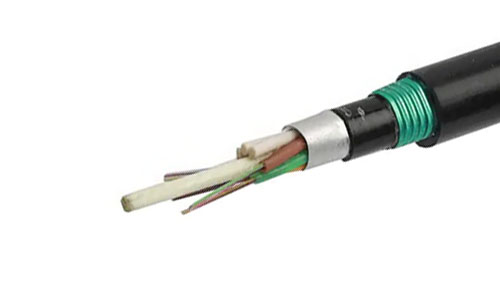 Underground & Pipeline Fiber Optic Cable
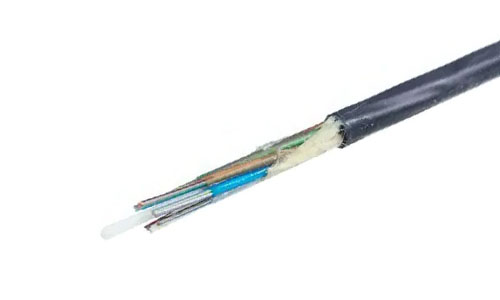 Air-Blown Micro Fiber Optic Cable
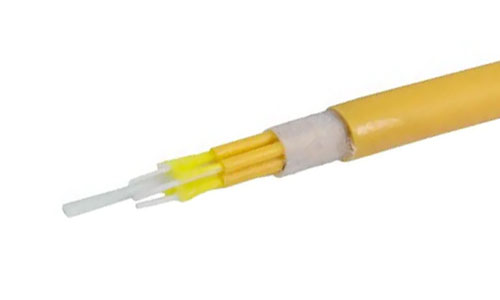 Indoor Fiber Optic Cable
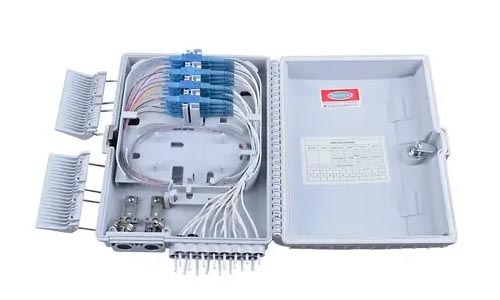 Fiber Optic Distribution Box
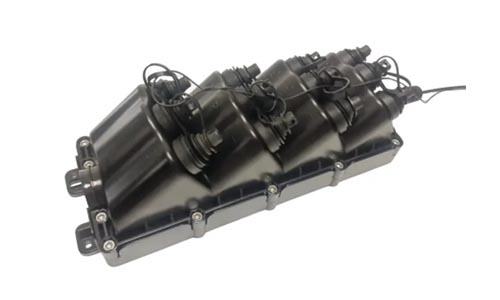 Multiport Service Termina Box
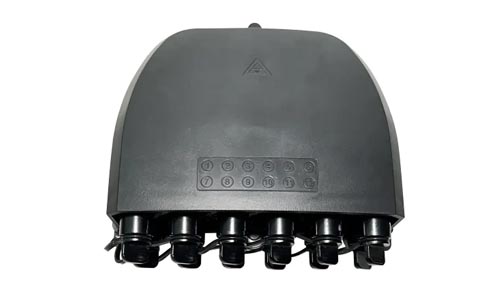 Fiber Optical Terminal Box
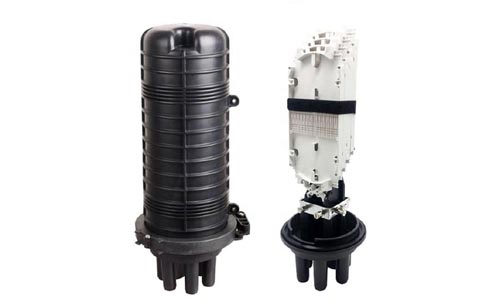 Fiber Optic Splice Closure
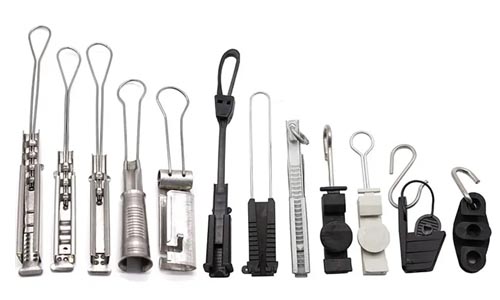 Fiber Optic Clamps
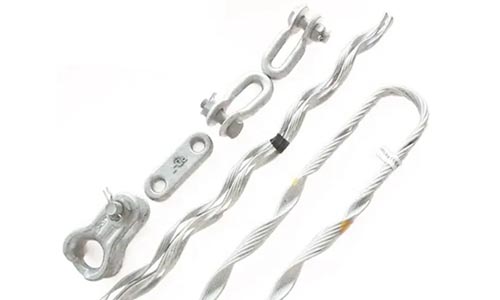 Fiber Optic Cable Fittings
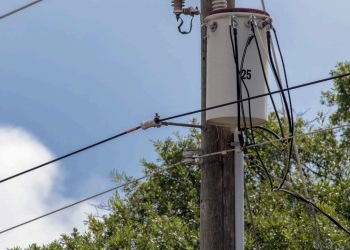 ADSS Fiber Cable
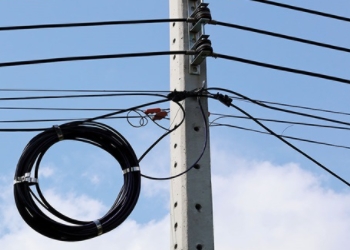 ASU Fiber Cable
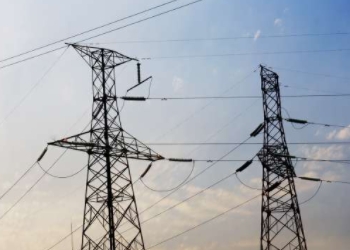 OPGW Fiber Cable
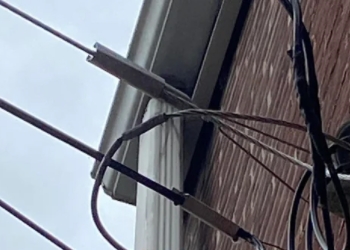 FTTH Fiber Cable
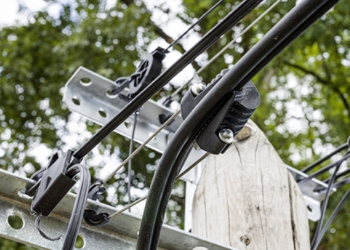 Figure 8 Fiber Cable
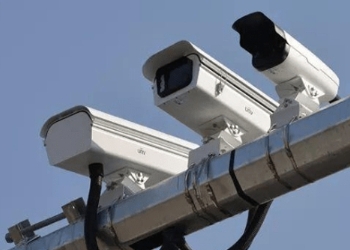 Photoelectric Composite Fiber Cable
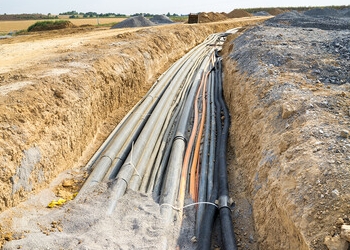 Underground & Pipeline Fiber Cable
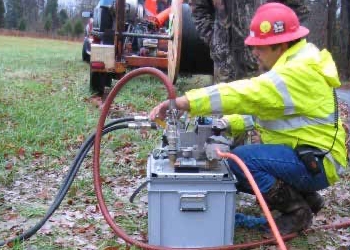 Air-Blown Micro Fiber Cable
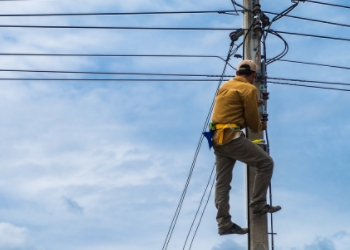 Aerial Fiber Cable
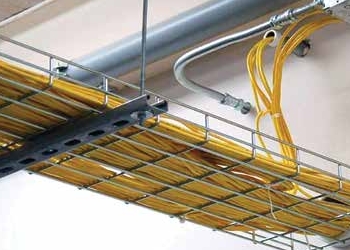 Indoor Fiber Cable
 Fiber Optical Terminal Box
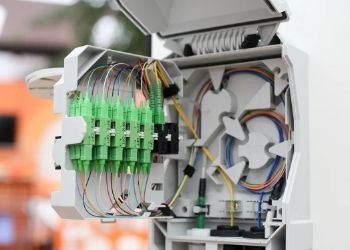 Fiber Optic Distribution Box
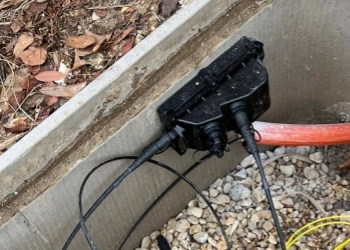 Multiport Service Termina Box
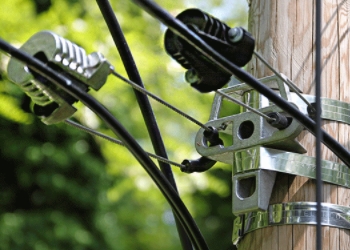 Fiber Optic Clamps
 About Us
 Our Team
 History
 R&D Strength
 Production Base
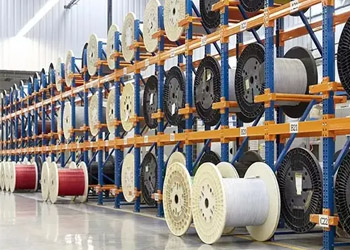 Warehouse & Logistics
 Quality
 FAQs
FAQsArmored Outdoor Fiber Optic Cable Selection Guide: How to Choose the Right Cable for Every Environment
Selecting the right armored outdoor fiber optic cable is essential for building a reliable, long-lasting, and high-performance optical network. Whether you are deploying fiber for telecommunications, FTTH, data centers, industrial facilities, or security systems, choosing the wrong cable can lead to expensive maintenance, network downtime, and premature cable failure.
Outdoor environments expose fiber optic cables to moisture, UV radiation, rodents, temperature fluctuations, crushing forces, and mechanical stress. Armored fiber optic cables are specifically designed to withstand these harsh conditions while protecting the optical fibers inside.
This comprehensive guide explains everything you need to know before purchasing an armored outdoor fiber optic cable, including cable structures, armor materials, installation methods, fiber types, application scenarios, and selection criteria.

What Is an Armored Outdoor Fiber Optic Cable?
An armored outdoor fiber optic cable is an optical cable equipped with a protective metal or non-metal armor layer that shields the internal optical fibers from external mechanical damage.
Compared with standard outdoor fiber optic cables, armored cables offer significantly higher resistance to:
- Rodent attacks
- Crushing pressure
- Impact damage
- Tensile stress
- Moisture
- Corrosion
- Underground installation hazards
These cables are commonly used where additional mechanical protection is required.
Structure of an Armored Outdoor Fiber Optic Cable
A typical armored outdoor fiber optic cable consists of several protective layers.
1. Optical Fibers
The transmission medium.
Common fiber types include:
- G.652.D
- G.657.A1
- G.657.A2
- OM3
- OM4
- OM5
2. Loose Tube
The fibers are housed inside PBT loose tubes filled with water-blocking gel or dry water-blocking yarn.
Functions:
- Fiber protection
- Moisture resistance
- Stress isolation
3. Central Strength Member
Usually made from:
- FRP (Fiber Reinforced Plastic)
- Steel wire
Provides tensile strength during installation.
4. Water Blocking Layer
Prevents water penetration using:
- Water-blocking yarn
- Water-swellable tape
- Filling gel
5. Armor Layer
The most important protective layer.
Common materials include:
Steel Tape Armor (STA)
Advantages:
- Excellent crush resistance
- Cost-effective
- Ideal for direct burial
Applications:
- Underground networks
- Utility projects
- Long-distance transmission
Corrugated Steel Tape
Provides:
- Better flexibility
- Strong impact protection
- Moisture barrier
Steel Wire Armor (SWA)
Advantages:
- Very high tensile strength
- Excellent mechanical protection
Applications:
- Rocky terrain
- Heavy industrial environments
Aluminum Tape Armor (ATA)
Advantages:
- Lightweight
- Corrosion resistant
- Electromagnetic shielding
Applications:
- Communication backbone networks
Non-Metallic Armor
Made from:
- Aramid yarn
- Glass yarn
Advantages:
- Lightweight
- Non-conductive
- Suitable for lightning-prone areas
6. Outer Jacket
Usually made from:
- PE (Polyethylene)
- LSZH
- HDPE
Functions:
- UV resistance
- Waterproofing
- Weather protection
- Chemical resistance

Types of Armored Outdoor Fiber Optic Cables
Direct Buried Armored Cable
Designed for installation directly into soil without conduit.
Characteristics:
- Steel tape armor
- Heavy-duty PE jacket
- Moisture protection
- Long service life
Best for:
- Telecom operators
- Municipal projects
- Campus networks
Duct Armored Cable
Installed inside underground conduits.
Advantages:
- Easier replacement
- Lower mechanical stress
- Good moisture resistance
Aerial Armored Cable
Installed on utility poles.
Features:
- Lightweight armor
- High tensile strength
- UV-resistant jacket
Often combined with messenger wire or self-supporting structures.
Rodent Resistant Fiber Cable
Special armor protects against:
- Rats
- Squirrels
- Mice
- Other burrowing animals
Ideal for:
- Farms
- Warehouses
- Industrial plants
Double Armored Fiber Cable
Contains two protective armor layers.
Applications:
- Mining
- Oil & gas
- Military communication
- Severe industrial environments
Fiber Count Selection
The appropriate fiber count depends on current requirements and future expansion.
| Application | Recommended Fiber Count |
|---|---|
| CCTV | 2–12 Fibers |
| FTTH Distribution | 12–48 Fibers |
| Enterprise Networks | 24–96 Fibers |
| Telecom Backbone | 96–288 Fibers |
| Data Centers | 144–864 Fibers |
Planning additional spare fibers reduces future upgrade costs.
Choosing the Right Fiber Type
G.652.D
Best for:
- Long-distance communication
- Backbone networks
- General outdoor deployment
Advantages:
- Low attenuation
- Excellent compatibility
- Cost-effective
G.657.A1
Recommended for:
- Access networks
- FTTH
- Moderate bending environments
Advantages:
- Better bend resistance
- Compatible with G.652.D
G.657.A2
Ideal for:
- Dense installations
- Indoor/outdoor transition
- Small cable routing spaces
Offers excellent bending performance.
OM3 / OM4
Suitable for:
- Data centers
- Campus LANs
- High-speed short-distance transmission
Installation Environment Guide
Underground Installation
Recommended cable:
- Steel tape armored cable
Key features:
- Waterproof
- Crush resistant
- Rodent resistant
Industrial Plants
Recommended cable:
- Double armored cable
Requirements:
- Chemical resistance
- Oil resistance
- Mechanical durability
Railway Communication
Recommended cable:
- Corrugated steel armored cable
Needs:
- Vibration resistance
- Long lifespan
Utility Networks
Recommended cable:
- Steel wire armored cable
Advantages:
- High tensile strength
- Excellent outdoor durability
Coastal Areas
Choose cables with:
- Corrosion-resistant armor
- UV-resistant PE jacket
- Waterproof design
Factors to Consider Before Purchasing
Evaluate the following before selecting a cable:
- Installation method
- Fiber count
- Transmission distance
- Required bandwidth
- Mechanical protection level
- Rodent protection
- Water resistance
- UV resistance
- Operating temperature
- Local installation standards
- Future network expansion
- Budget
Common Outdoor Armored Cable Models
Popular models include:
| Cable Model | Typical Application |
| GYTA | Duct installation |
| GYTS | Direct burial |
| GYTA53 | Heavy-duty direct burial |
| GYTS53 | Underground long-distance |
| GYXTW | Access network |
| ADSS | Aerial installation |
| OPGW | Power transmission lines |
Advantages of Armored Outdoor Fiber Optic Cable
Choosing an armored cable provides several benefits:
- Superior mechanical protection
- Longer service life
- Reduced maintenance costs
- Better network reliability
- Enhanced rodent resistance
- Improved moisture protection
- Excellent environmental durability
- Lower total cost of ownership
Common Mistakes When Selecting Outdoor Fiber Cables
Avoid these common errors:
- Choosing too few fibers for future expansion
- Ignoring rodent protection in rural installations
- Selecting indoor-rated cable for outdoor use
- Overlooking bend radius requirements
- Choosing the wrong jacket material
- Focusing only on initial purchase price instead of lifecycle cost
- Ignoring local standards and installation requirements
Frequently Asked Questions (FAQ)
Is armored fiber optic cable waterproof?
Yes. Most outdoor armored fiber optic cables include water-blocking materials and a polyethylene outer jacket to prevent moisture ingress.
Can armored fiber optic cable be buried directly?
Yes. Models such as GYTS and GYTA53 are specifically designed for direct burial applications.
Does armor affect optical performance?
No. The armor protects the cable mechanically without affecting optical transmission performance.
Which armor provides the best rodent protection?
Corrugated steel tape and steel wire armor offer the highest resistance to rodent damage.
How long does an armored outdoor fiber optic cable last?
When properly installed and maintained, high-quality armored outdoor fiber optic cables typically have a service life of 25–30 years or more.
Conclusion
Selecting the correct armored outdoor fiber optic cable is a critical step in ensuring a dependable, future-ready network. Consider the installation environment, required fiber count, mechanical protection, environmental conditions, and long-term expansion plans before making a decision. Whether your project involves direct burial, duct installation, aerial deployment, or harsh industrial conditions, matching the cable design to the application will maximize performance, minimize maintenance, and extend the lifespan of your fiber infrastructure.
By investing in the appropriate armored outdoor fiber optic cable today, network operators can achieve lower operating costs, greater reliability, and stronger protection against the demanding challenges of outdoor installations.