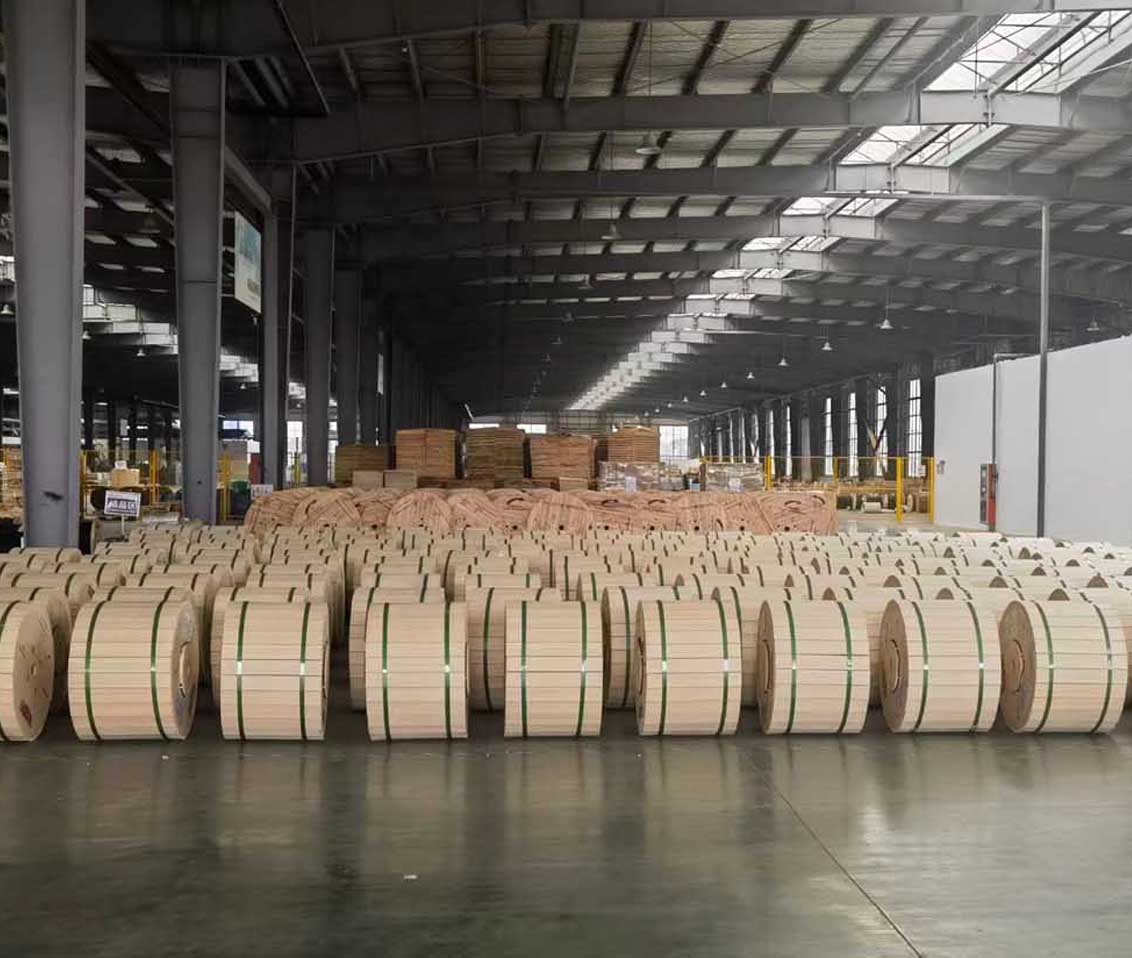
 Optical Fiber
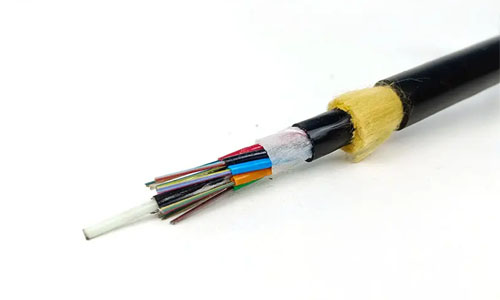 ADSS Fiber Optic Cable
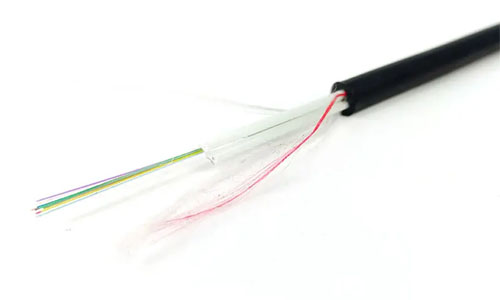 ASU Fiber Optic Cable
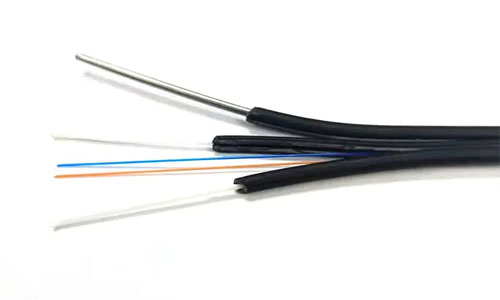 FTTH Fiber Optic Cable
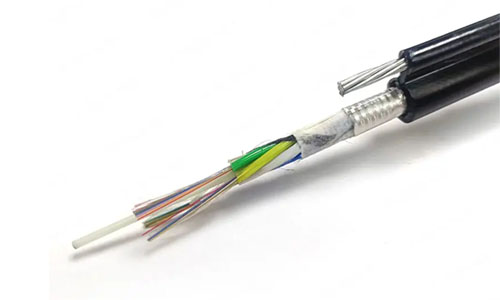 Figure 8 Fiber Optic Cable
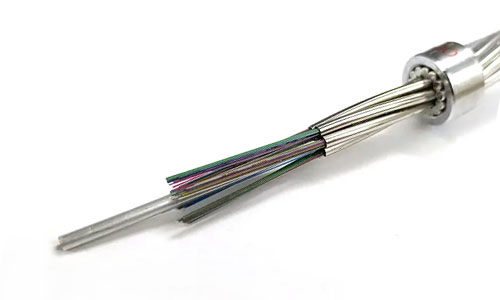 OPGW Fiber Optic Cable
 Coaxial Cable
 Ethernet Cable
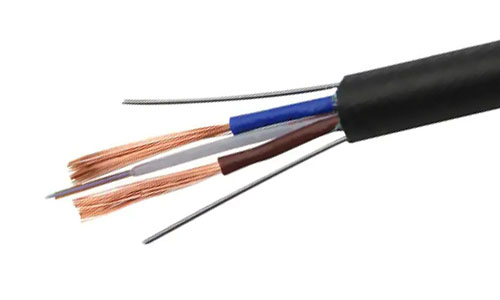 Photoelectric Composite Fiber Optic Cable
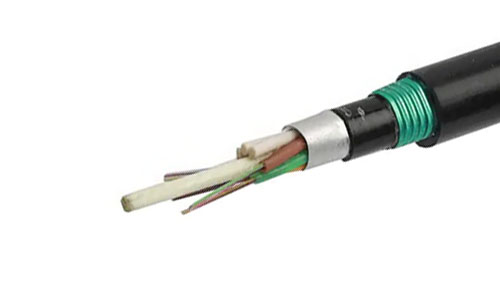 Underground & Pipeline Fiber Optic Cable
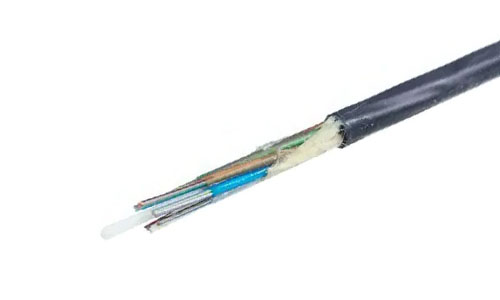 Air-Blown Micro Fiber Optic Cable
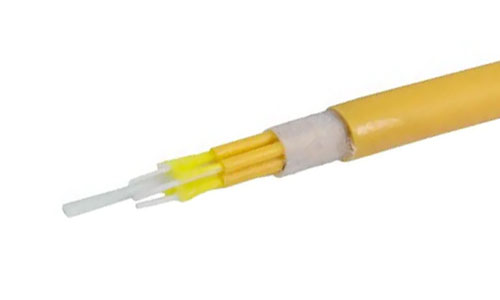 Indoor Fiber Optic Cable
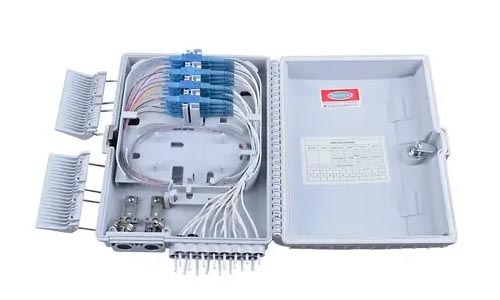 Fiber Optic Distribution Box
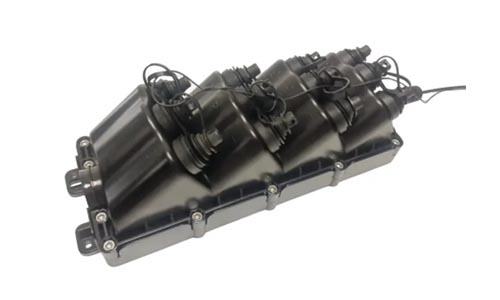 Multiport Service Termina Box
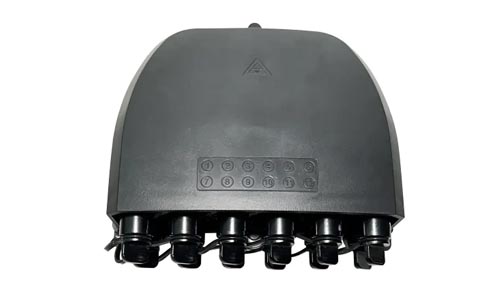 Fiber Optical Terminal Box
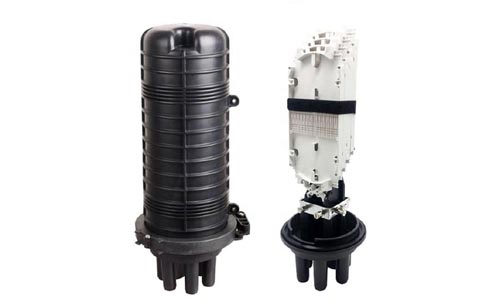 Fiber Optic Splice Closure
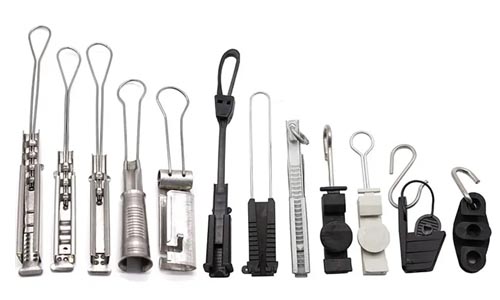 Fiber Optic Clamps
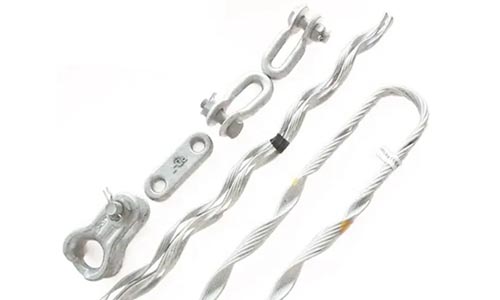 Fiber Optic Cable Fittings
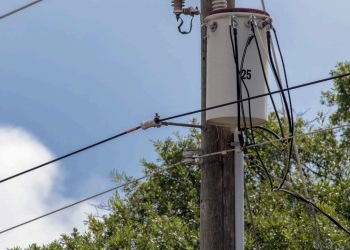 ADSS Fiber Cable
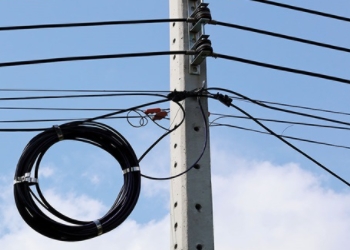 ASU Fiber Cable
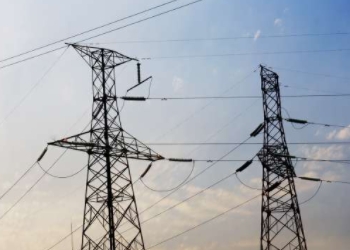 OPGW Fiber Cable
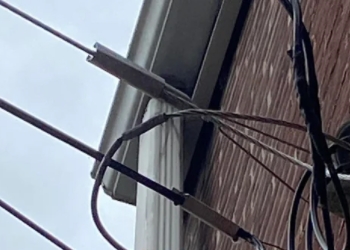 FTTH Fiber Cable
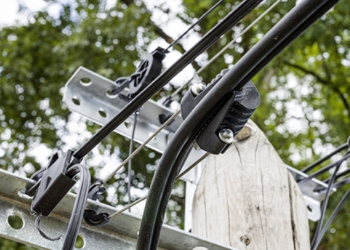 Figure 8 Fiber Cable
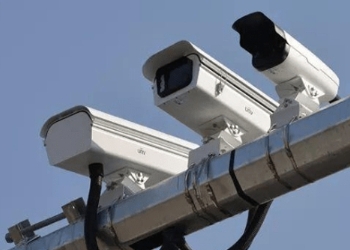 Photoelectric Composite Fiber Cable
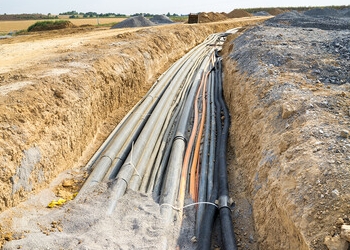 Underground & Pipeline Fiber Cable
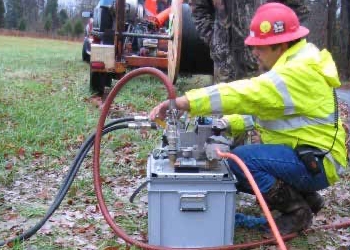 Air-Blown Micro Fiber Cable
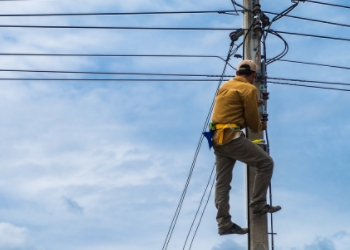 Aerial Fiber Cable
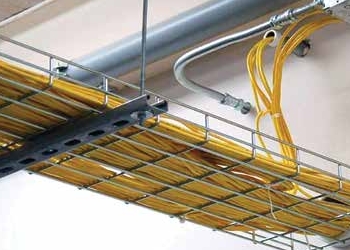 Indoor Fiber Cable
 Fiber Optical Terminal Box
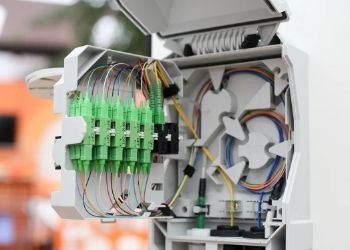 Fiber Optic Distribution Box
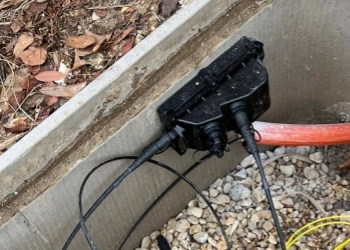 Multiport Service Termina Box
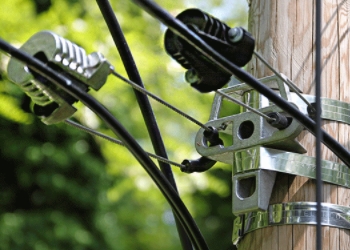 Fiber Optic Clamps
 About Us
 Our Team
 History
 R&D Strength
 Production Base
 Warehouse & Logistics
 Quality
 FAQs
FAQsHow Deep is Fiber Optic Cable Buried?
inquiry nowHow Deep is Fiber Optic Cable Buried?
Fiber optic cables are those thin strands that transmit data using light, They’re used for internet, etc. But how deep are they buried? Hmm, I think it varies, Maybe different places have different regulations.

First, I remember that in urban areas, there might be more infrastructure, so maybe they bury them deeper to avoid other utilities. Whereas in rural areas, maybe it's not as deep. But wait, why would they bury them deeper in some places? Probably to protect them from damage. Like, if it's under a road, you don't want construction work digging them up. So maybe depth depends on the location and the potential for disturbance.
I think there are standards or guidelines for this. Maybe in the US, the Federal Communications Commission (FCC) has some rules? Or perhaps it's determined by local building codes. Let me think. Also, different countries might have different standards. For example, in the US versus Europe, the depth could vary. But the user didn't specify a country, so maybe I should mention general standards and note that it can vary.
I recall that typical burial depth for utilities can be around 18 to 24 inches. But fiber optic might have different requirements. Wait, I think in some cases, like under roadways, they go deeper, maybe 36 inches or more. That’s 3 feet. But in softer areas, like under a field, maybe it's 24 inches. There's also direct burial versus conduit. If the cable is in a conduit, maybe it's buried at a certain depth, but if it's direct buried, perhaps a different depth.
Also, in colder climates, frost line might be a factor. You have to bury below the frost line to prevent heaving, which could damage the cable. Frost line depths vary; in northern US states, it can be several feet, while in warmer areas, it's less. So maybe in Minnesota, they bury deeper than in Florida. But fiber optic cables are usually not as affected by temperature as, say, water pipes, but the installation equipment and ground movement could still be a concern.
Another thing to consider is the National Electrical Code (NEC) in the US. Does that specify burial depths for communication cables? I think NEC Article 800 covers communications circuits. Let me try to remember. For residential installations, maybe 24 inches for direct burial, 18 inches if in conduit. But I'm not sure. Wait, NEC might require 24 inches for direct burial of electrical lines, but maybe fiber optics, being low voltage, have different rules. Maybe they can be shallower? But I need to check.
Wait, but some sources say that fiber optic cables are often buried at depths similar to other utilities. For example, in the US, the common depth is 24 to 36 inches. But in some cases, like under roads or areas with heavy machinery, it could be deeper, up to 48 inches. Also, when crossing agricultural land, the depth might be increased to prevent damage from plowing. So maybe 36 inches there.
In Europe, I think standards might be similar. For example, in the UK, the depth could be around 450-600mm (18-24 inches) in normal conditions, and deeper under roads. But I should confirm. Also, different countries have different regulations. Australia might have different standards due to different environmental factors.
Another angle: fiber optic cables can be buried using different methods. Trenching is common, where they dig a trench and lay the cable. Horizontal directional drilling is used when they can’t dig a trench, like under a river or road. The depth here would be controlled by the drilling equipment. Microtrenching is a newer method where they cut a narrow trench, maybe only a foot deep, and then cover it. But this might be used in urban areas with pavement, where they can cut and cover quickly. However, this is shallower, so maybe not as common for long-distance cables.

So putting it all together: typical depths vary by location, land use, local regulations, and environmental factors. Urban vs rural, roadway vs residential, country-specific codes. The answer should probably state that depths range from 12 inches (for microtrenching) up to 48 inches (under roads or in areas with heavy machinery), with typical being 24-36 inches. Also, mention factors like frost line, presence of other utilities, and conduit vs direct burial.
Wait, but I should verify some numbers. Let me think. If someone is burying a cable in a residential area, maybe 18-24 inches. Under a street, 36 inches. In agricultural land, 36-48 inches. But some sources might say different. For example, the American National Standards Institute (ANSI) has guidelines. Maybe ANSI/TIA-758-B for outside plant telecommunications infrastructure. Does that specify depths? I’m not sure, but perhaps 36 inches under roads. Alternatively, the Common Ground Alliance has guidelines to prevent damage during excavation, so maybe they recommend certain depths.
Another point: in some cases, especially in rocky terrain, the depth might be less because it's hard to dig deeper, so they might use protective measures like conduit or rock shield cables. So depth isn't the only factor; protection methods also matter.
Also, in some regions, like areas prone to flooding or erosion, cables might be buried deeper or armored. Submarine cables are a different case, obviously, but the question is about buried terrestrial cables.
So, summarizing, the burial depth of fiber optic cables typically ranges from 18 to 48 inches (0.45 to 1.2 meters), depending on the environment and local regulations. Key factors include urban vs rural, presence of other utilities, frost line, and expected load (like roads). Conduit use might allow for slightly shallower burial compared to direct burial. Always check local codes for exact requirements.

The burial depth of fiber optic cables varies based on location, environmental factors, and regulatory standards. Here's a structured overview:
Typical Depths
-
Residential/Urban Areas:
-
18–24 inches (0.45–0.6 meters): Common for direct burial or conduit-protected cables.
-
Microtrenching: As shallow as 12 inches (0.3 meters) in paved urban areas, covered with asphalt or concrete.
-
-
Rural/Agricultural Areas:
-
24–36 inches (0.6–0.9 meters): To avoid damage from farming equipment. Deeper placements (up to 48 inches/1.2 meters) may occur in plow zones.
-
-
Roads/Highways:
-
36–48 inches (0.9–1.2 meters): Deeper burial to withstand heavy traffic and construction.
-
-
Cold Climates:
-
Below the frost line (varies by region): Prevents ground heave; may exceed 48 inches in northern regions.
-
Key Factors Influencing Depth
-
Regulations: Local building codes (e.g., NEC Article 800 in the U.S.) and standards (e.g., ANSI/TIA-758-B for telecommunications) dictate minimum depths.
-
Terrain: Rocky or difficult terrain may reduce depth but use protective conduits or armored cables.
-
Conduit vs. Direct Burial: Conduits allow slightly shallower placement but add protection.
-
Environmental Risks: Flood-prone or erosion areas may require deeper burial or armored cables.
Global Variations
-
Europe/UK: Often 18–24 inches (0.45–0.6 meters) in standard conditions, deeper under roads.
-
Australia: Similar to U.S. standards but adjusted for local environmental conditions.
Installation Methods
-
Trenching: Traditional digging for direct burial.
-
Horizontal Directional Drilling (HDD): Used under obstacles (rivers, roads) with precise depth control.
-
Plowing: Faster in rural areas, typically at 24–36 inches.

Summary
Fiber optic cables are generally buried 18–48 inches (0.45–1.2 meters) deep, with variations based on location, infrastructure, and protection needs. Always consult local regulations and environmental assessments for exact requirements.